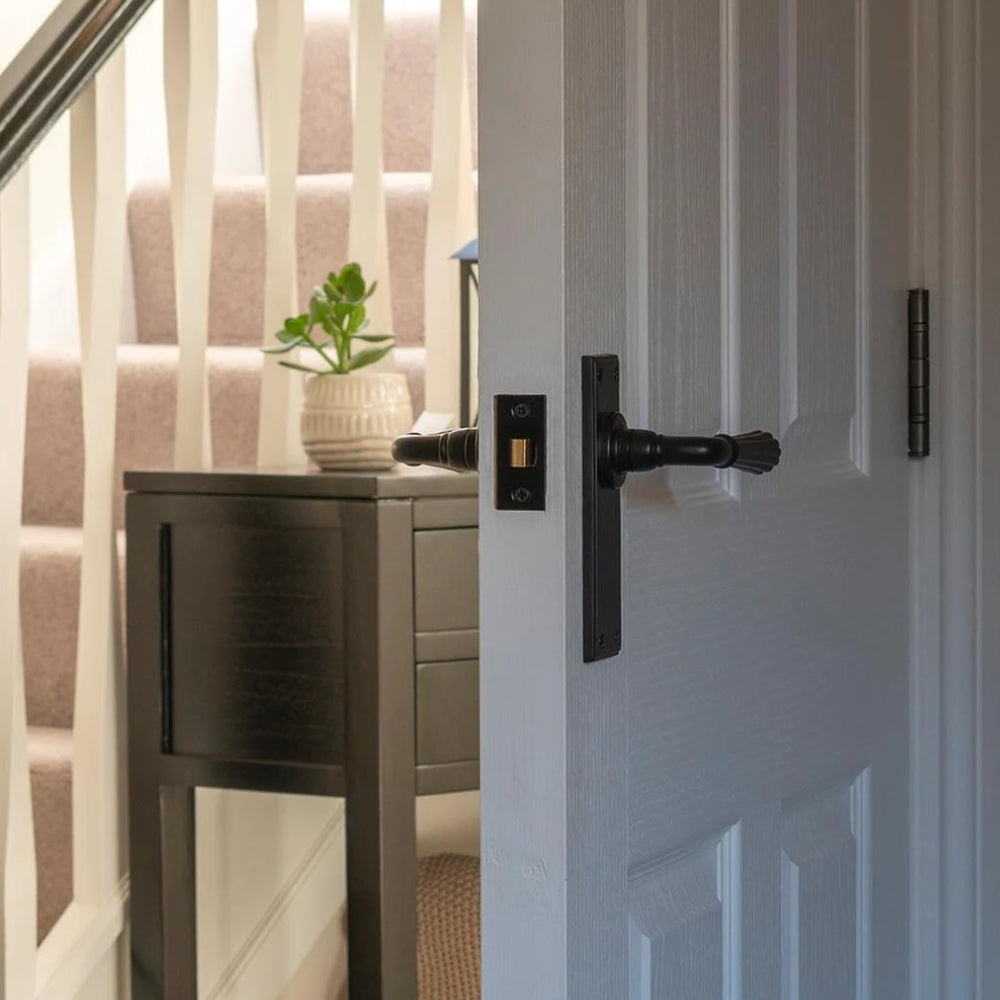
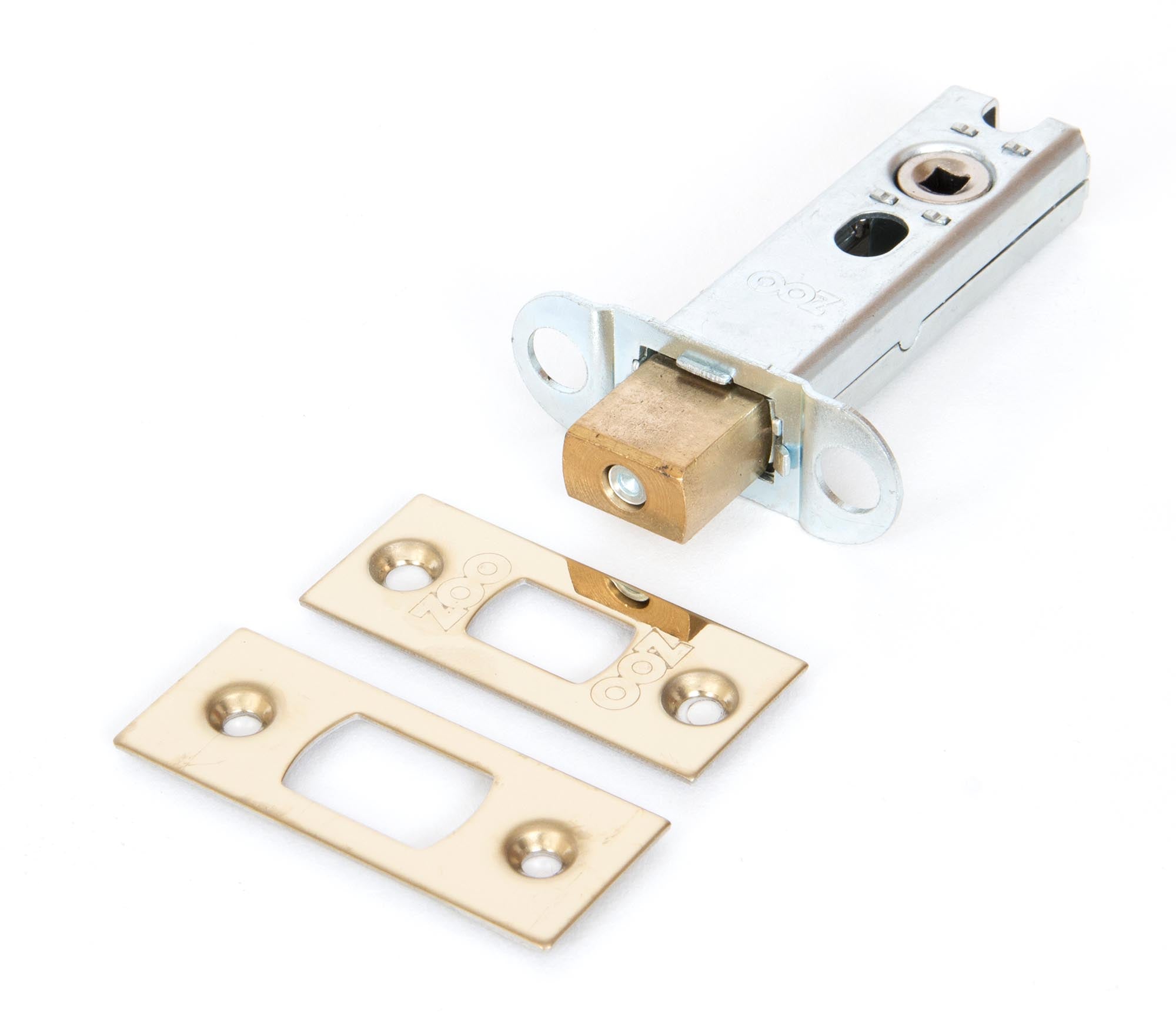
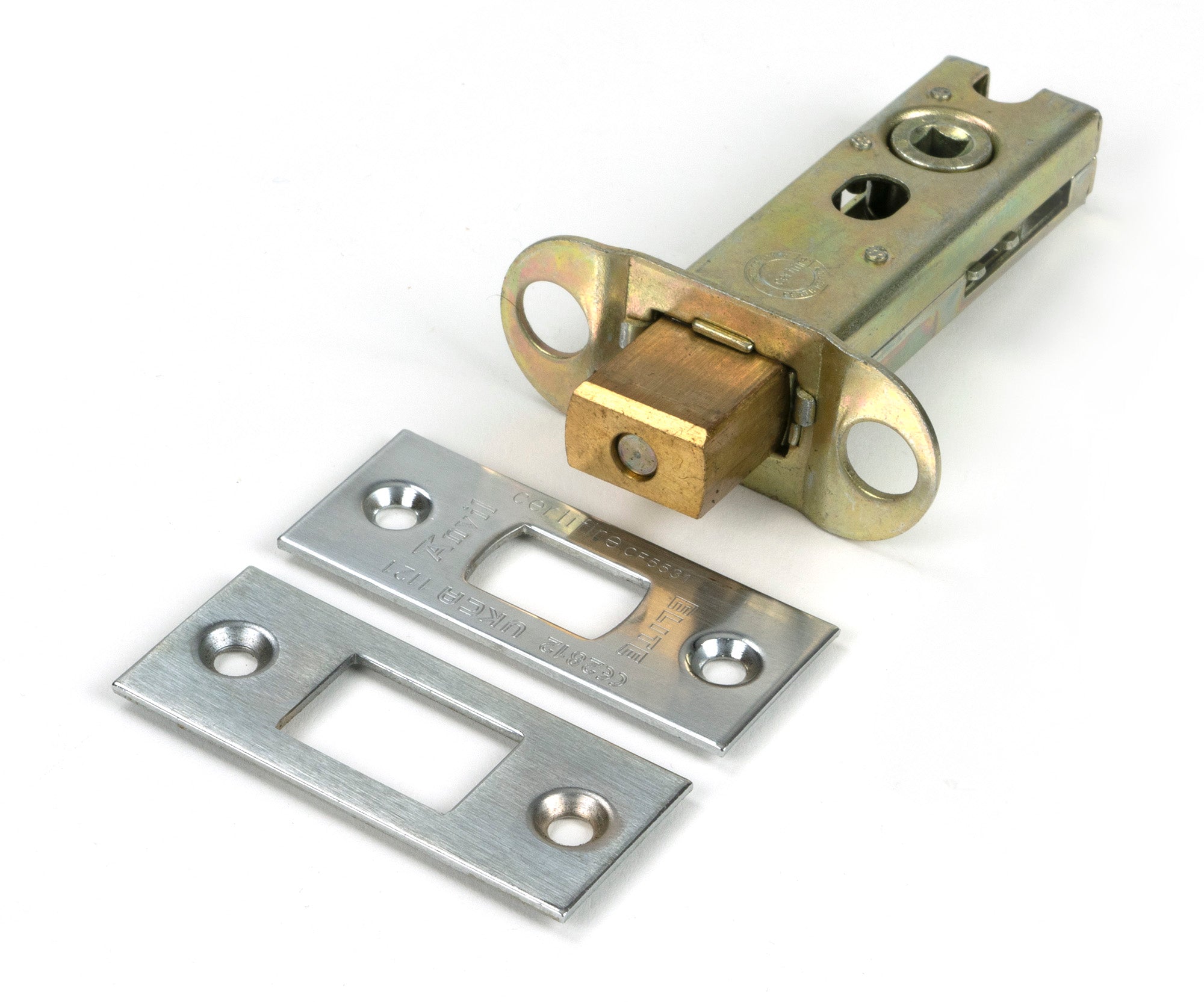
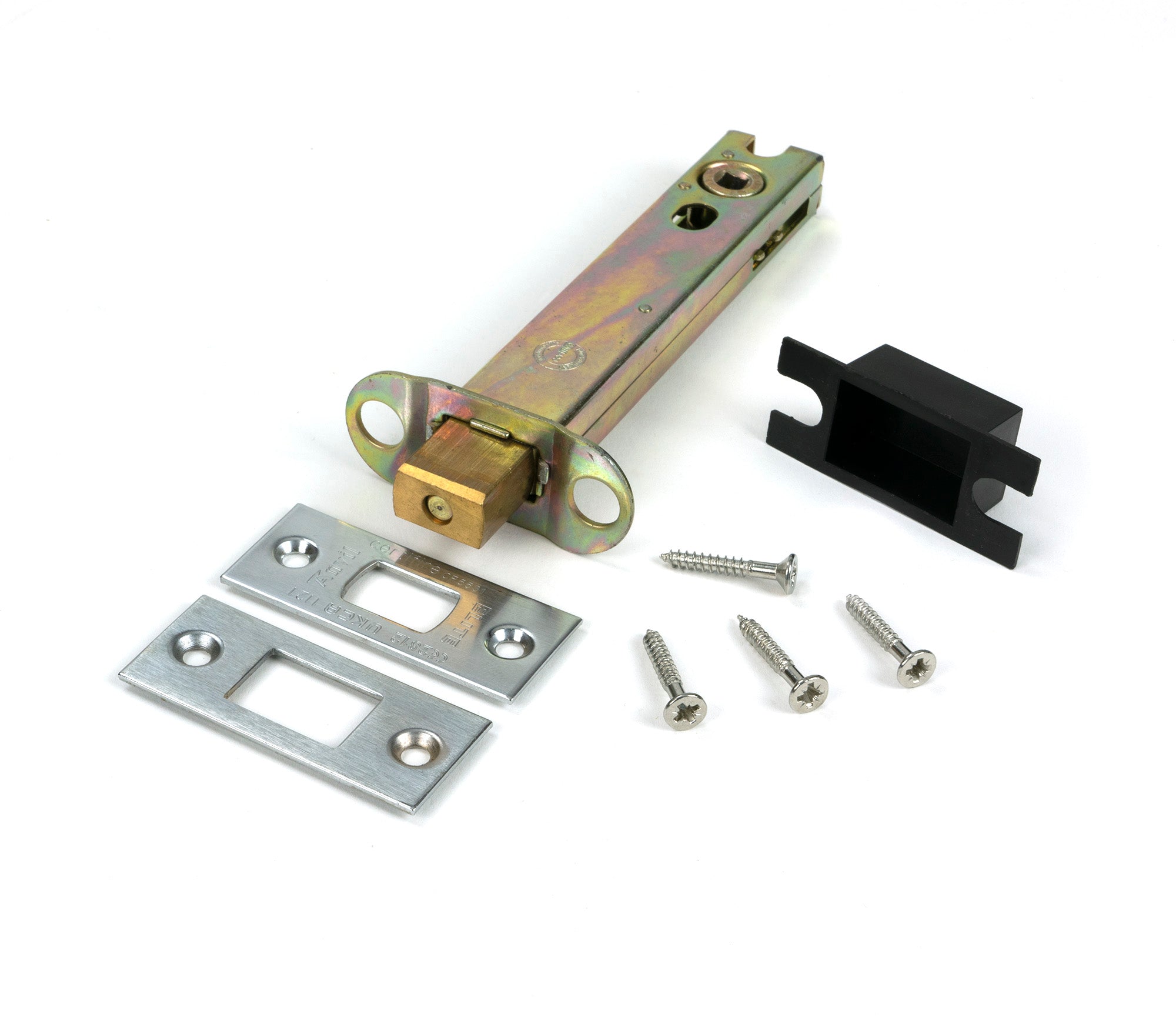
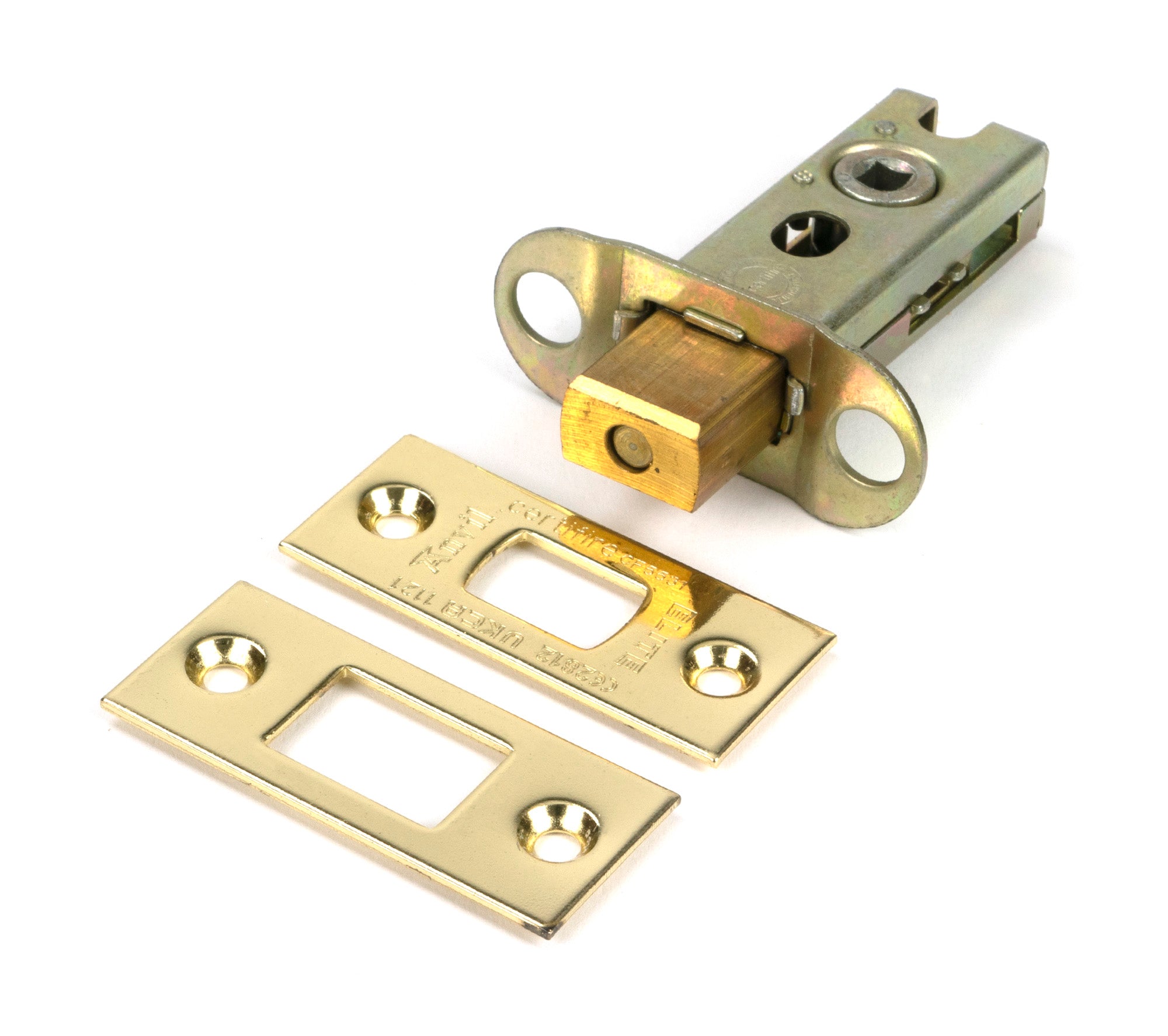
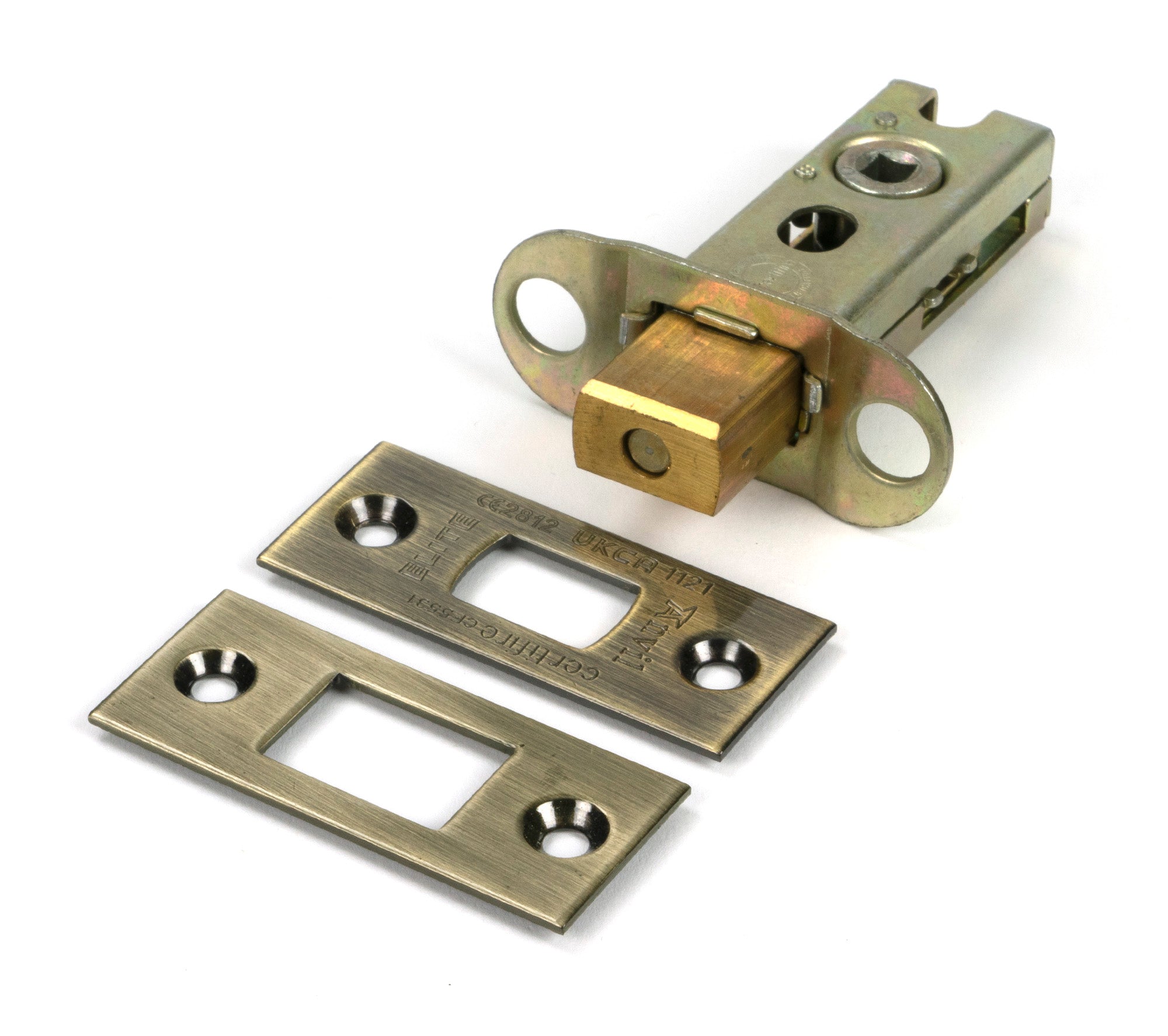
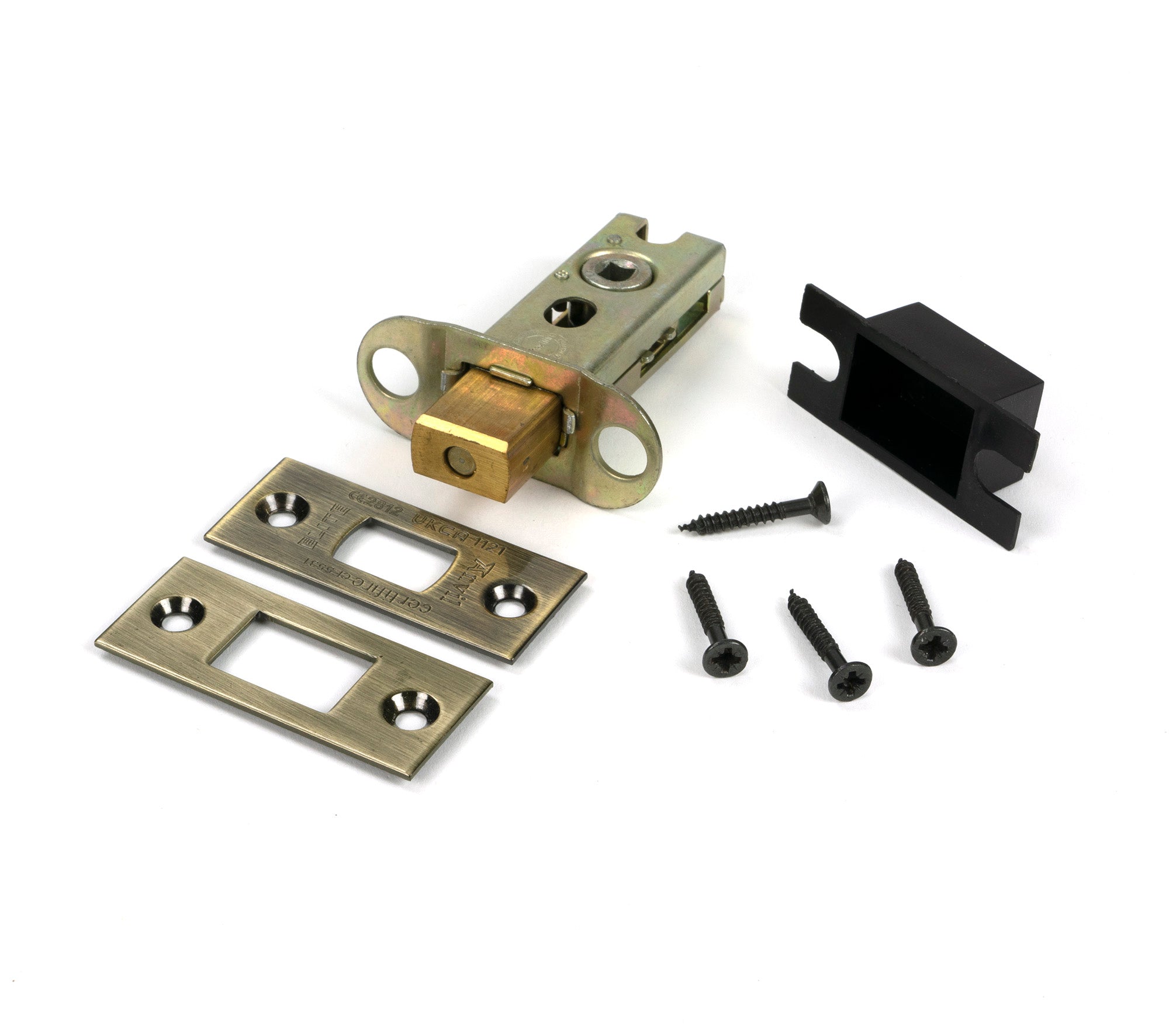
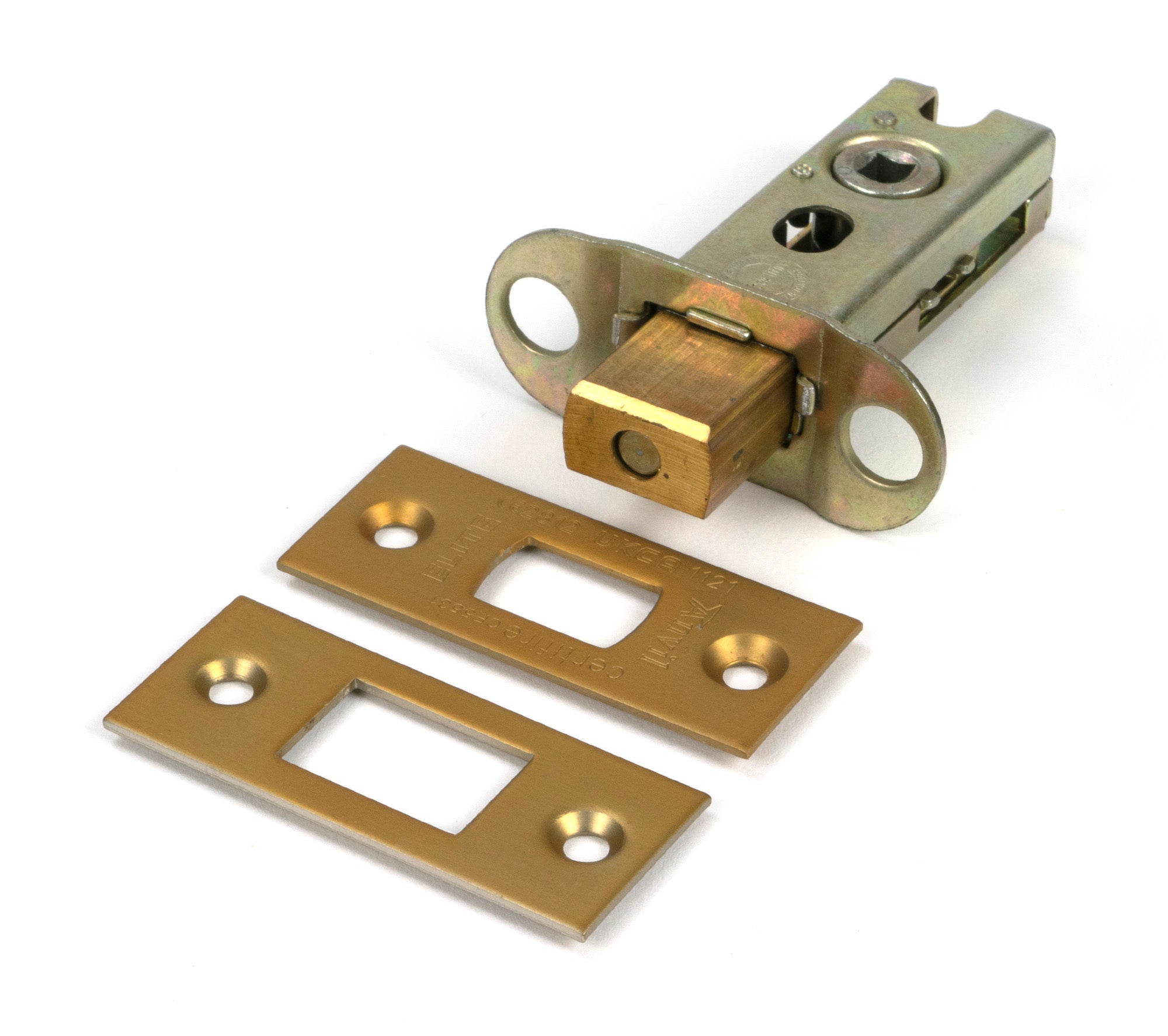
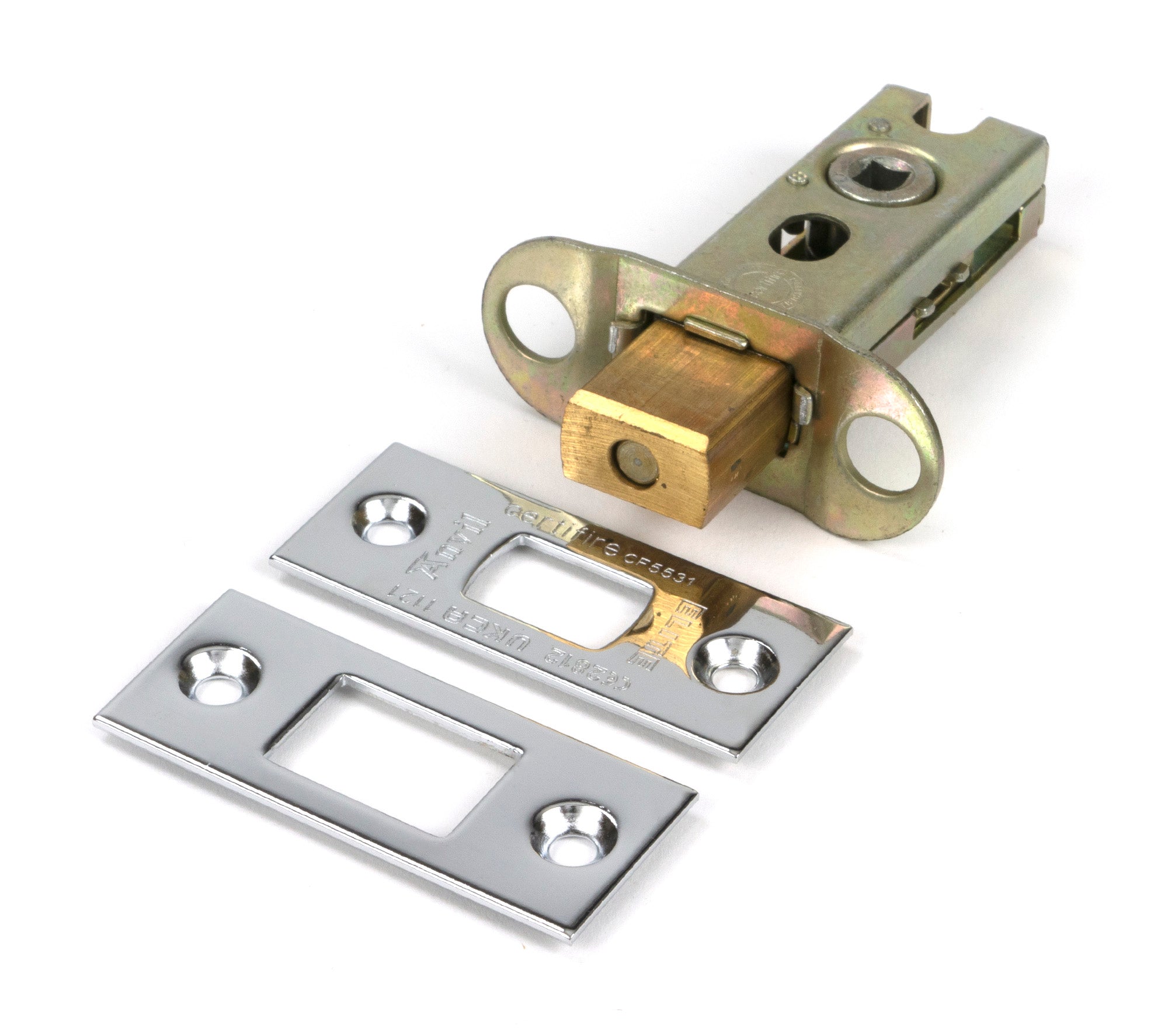
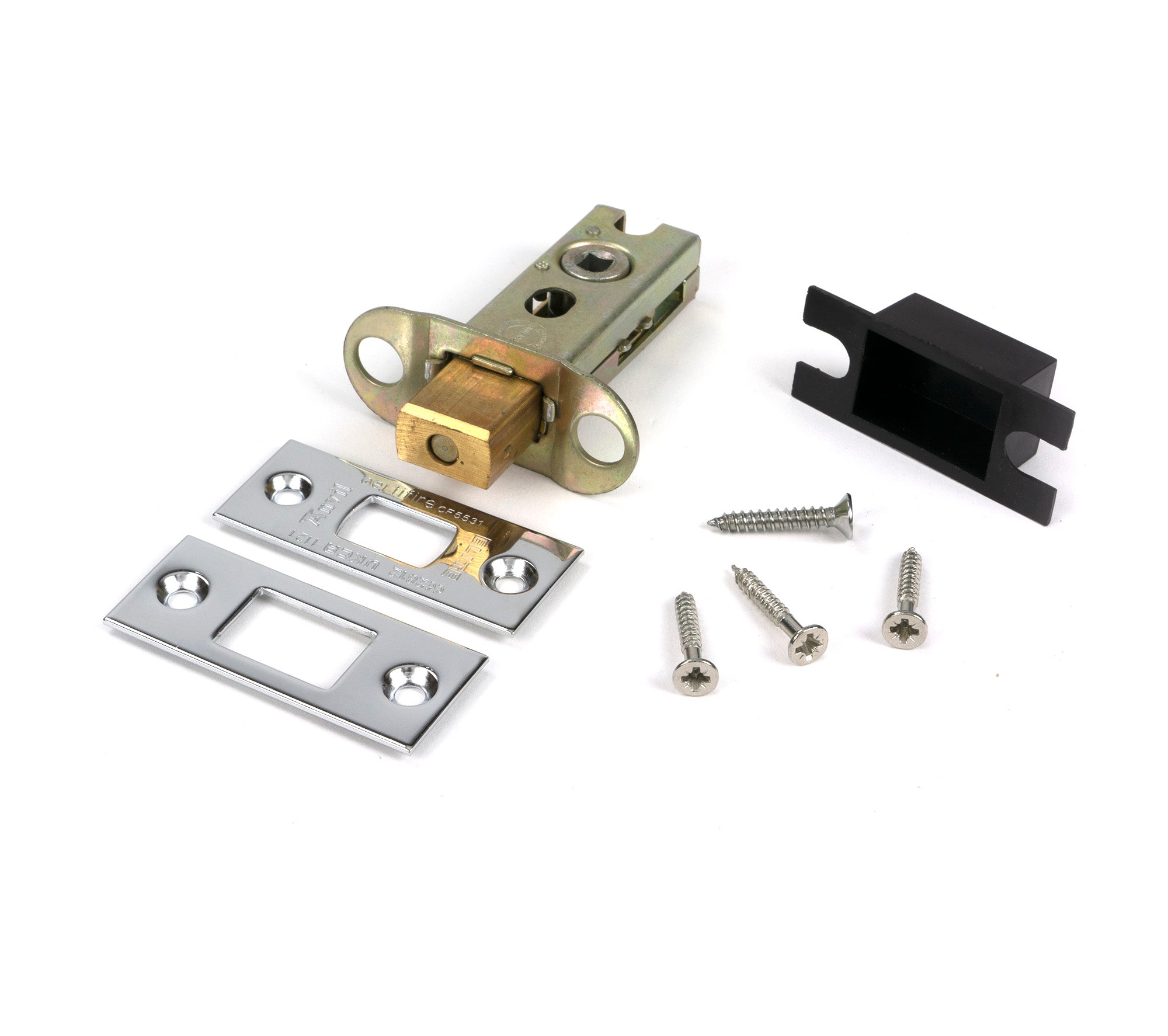
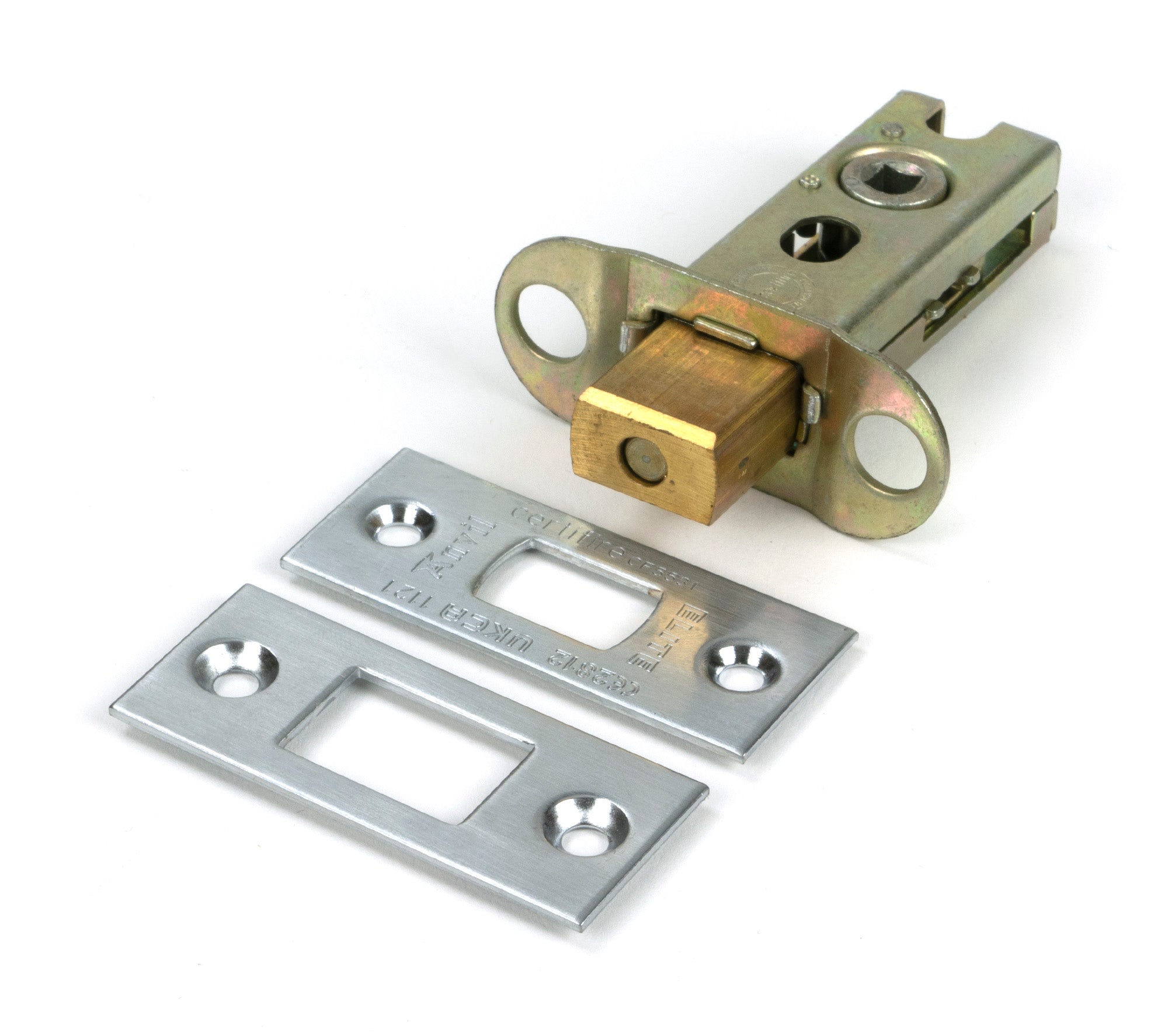
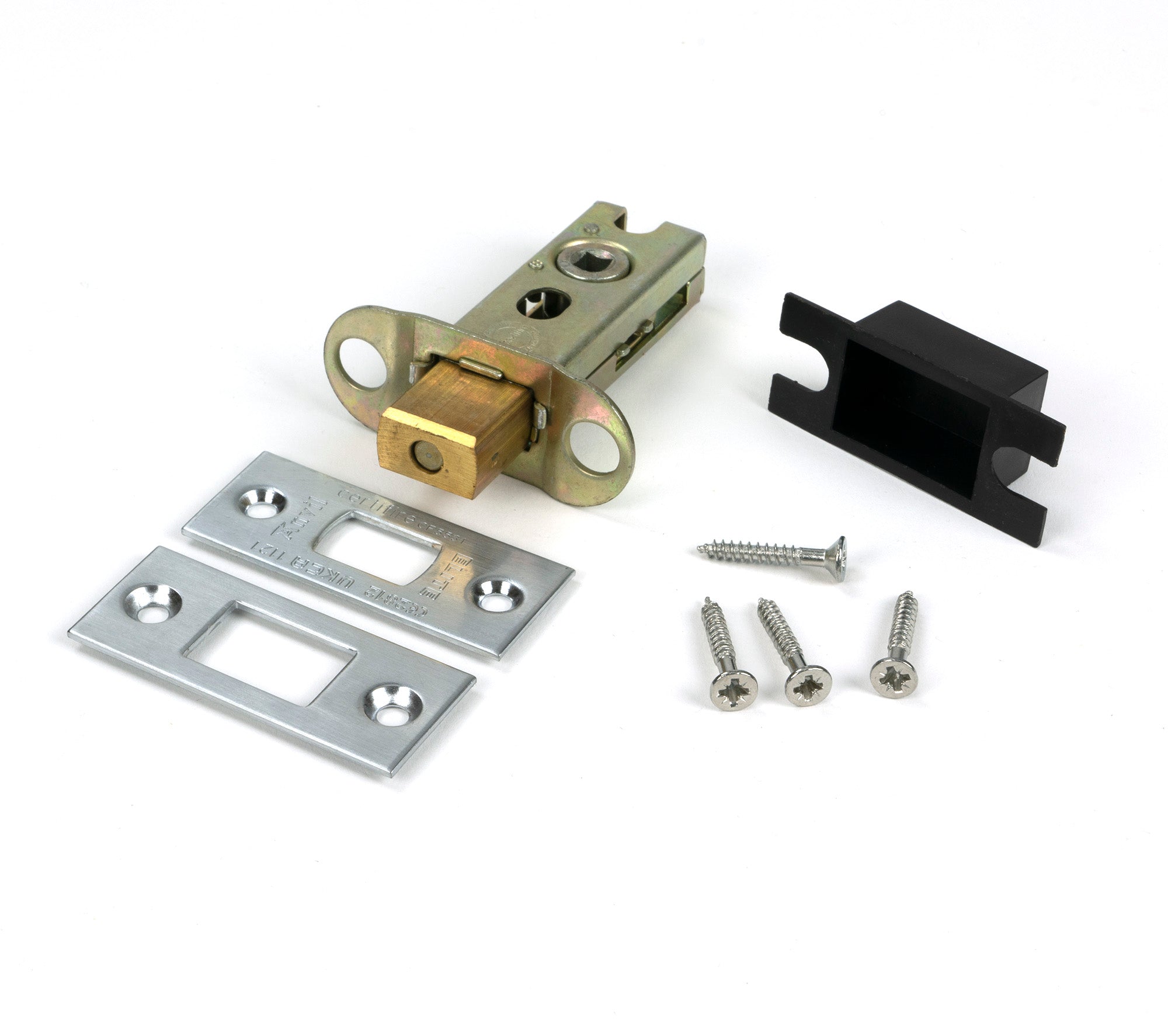
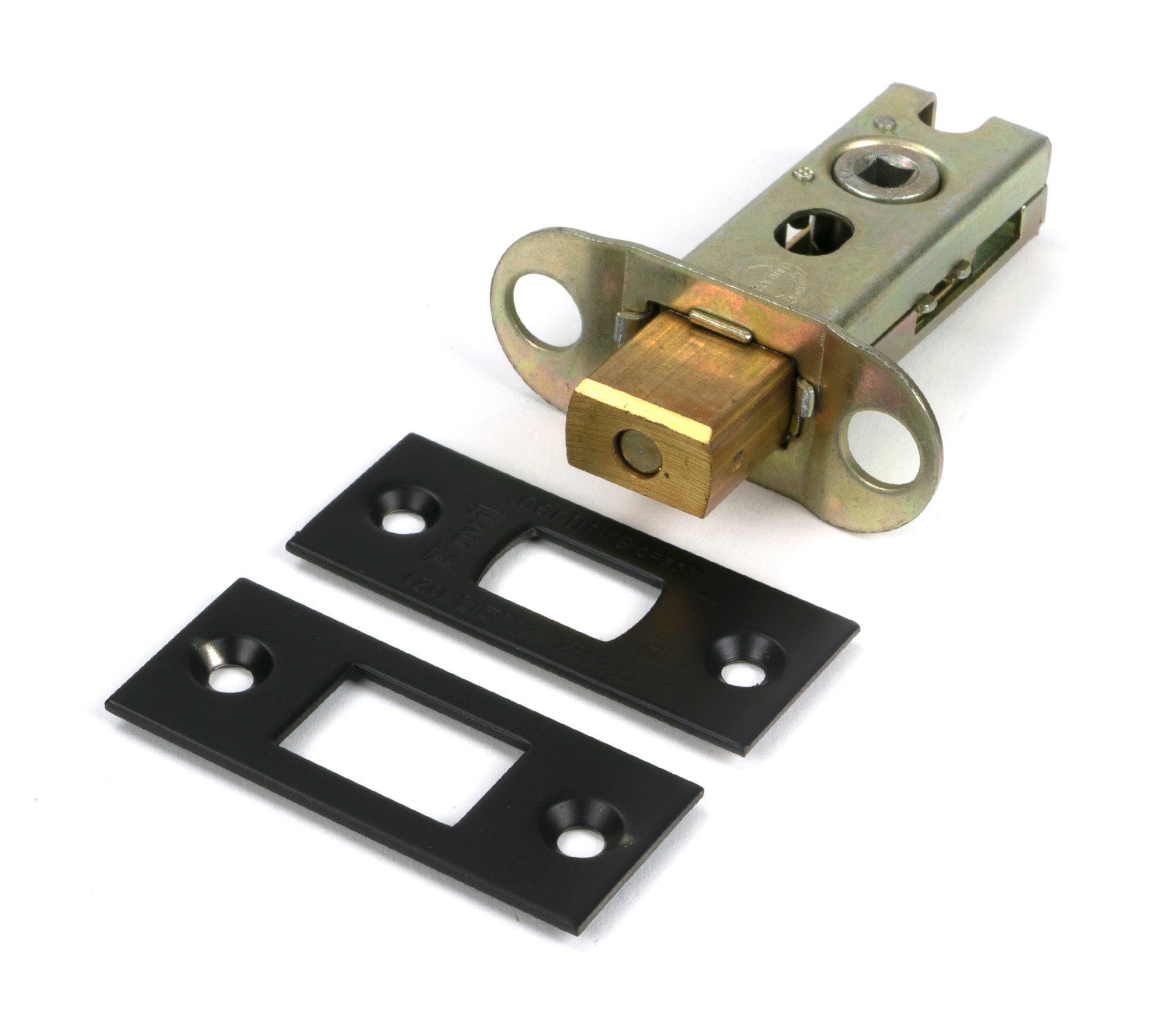
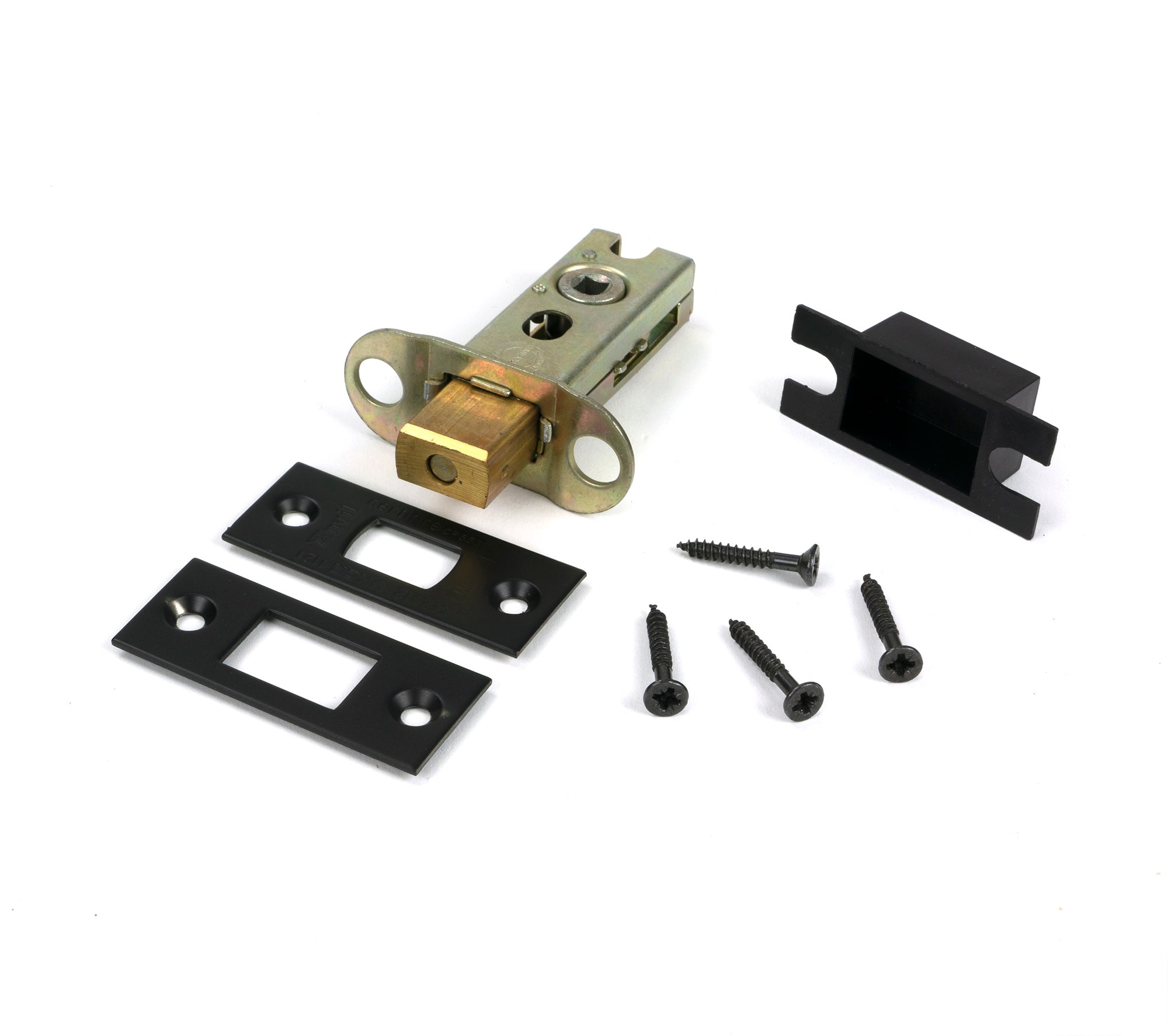
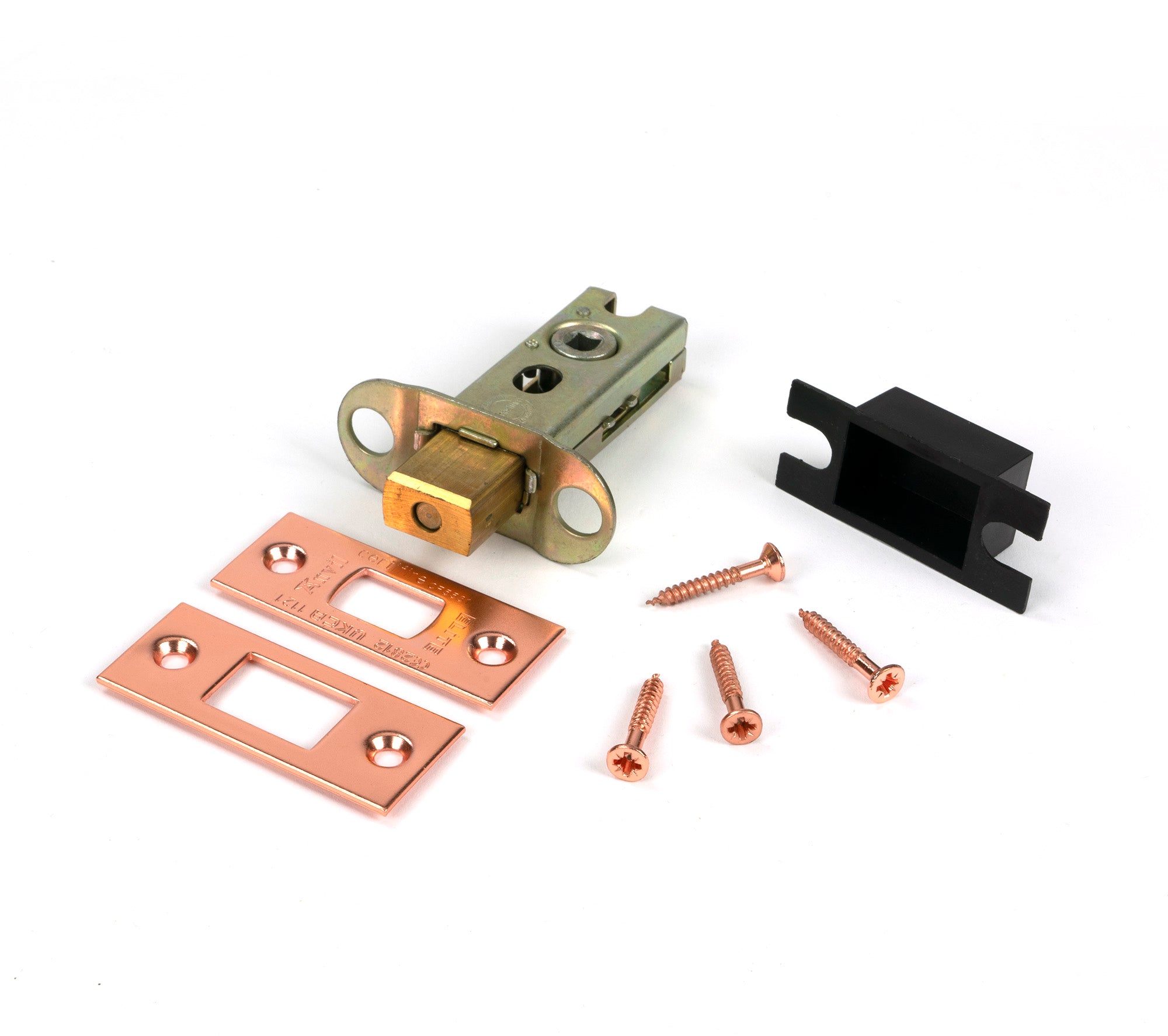
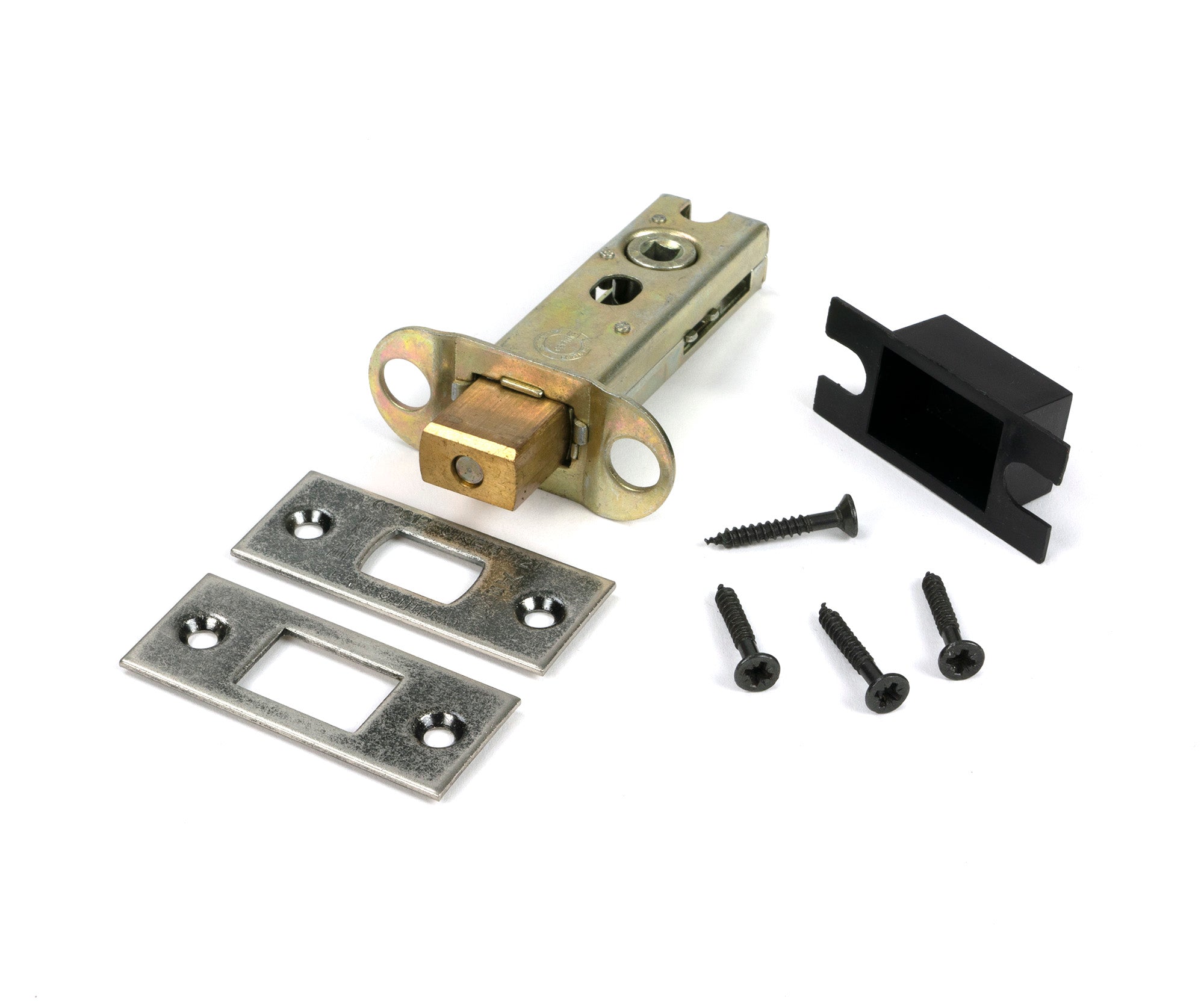
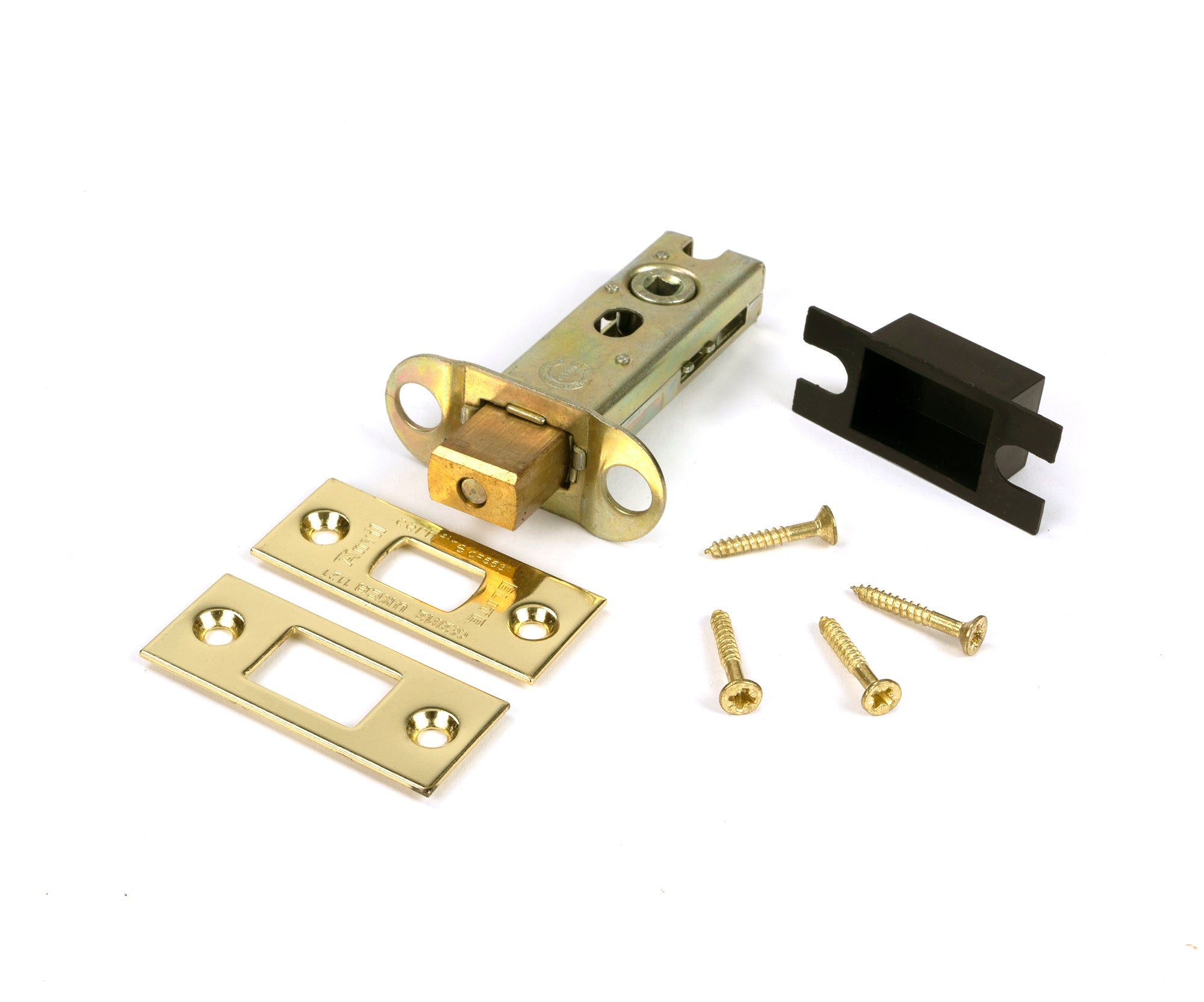
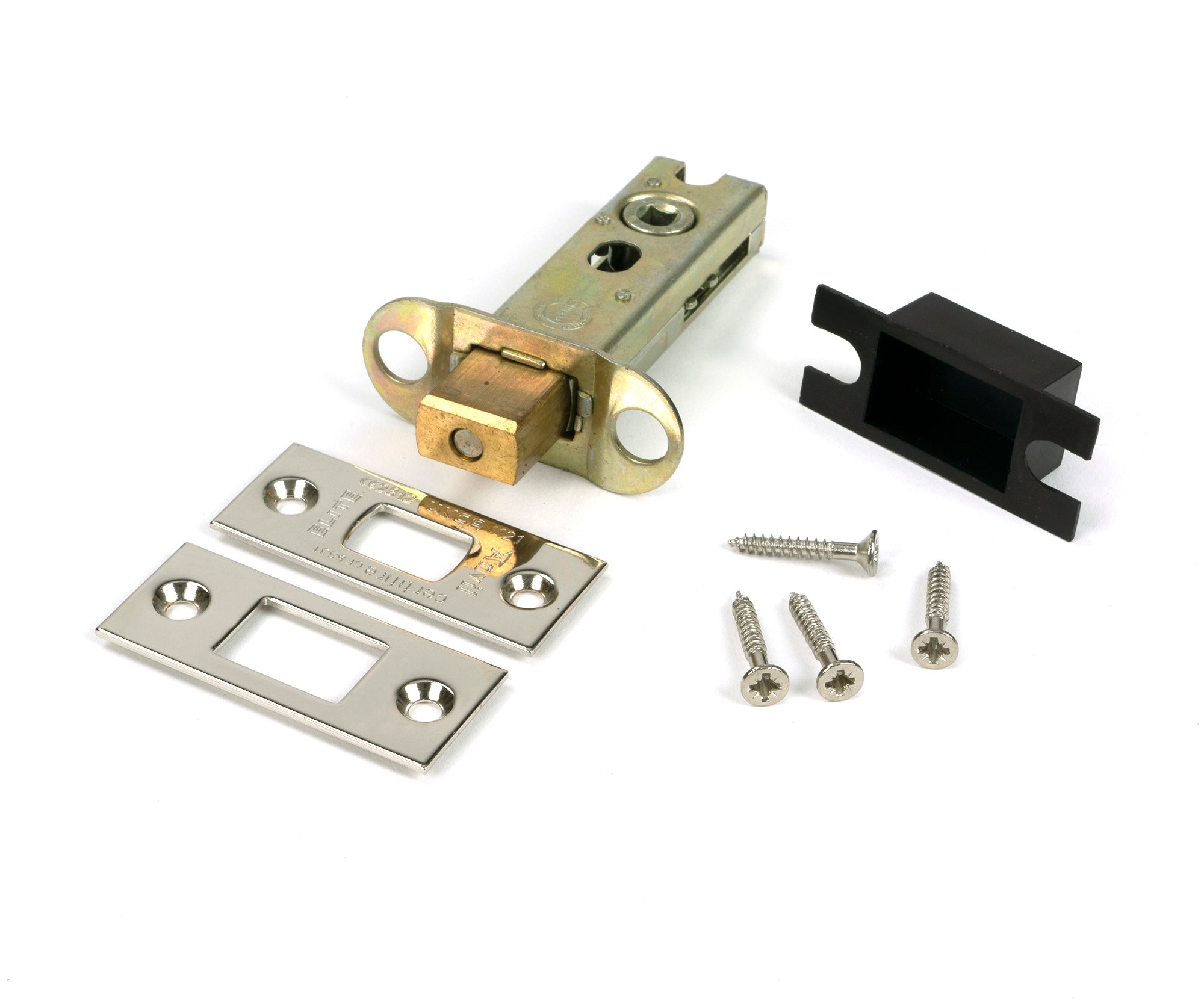
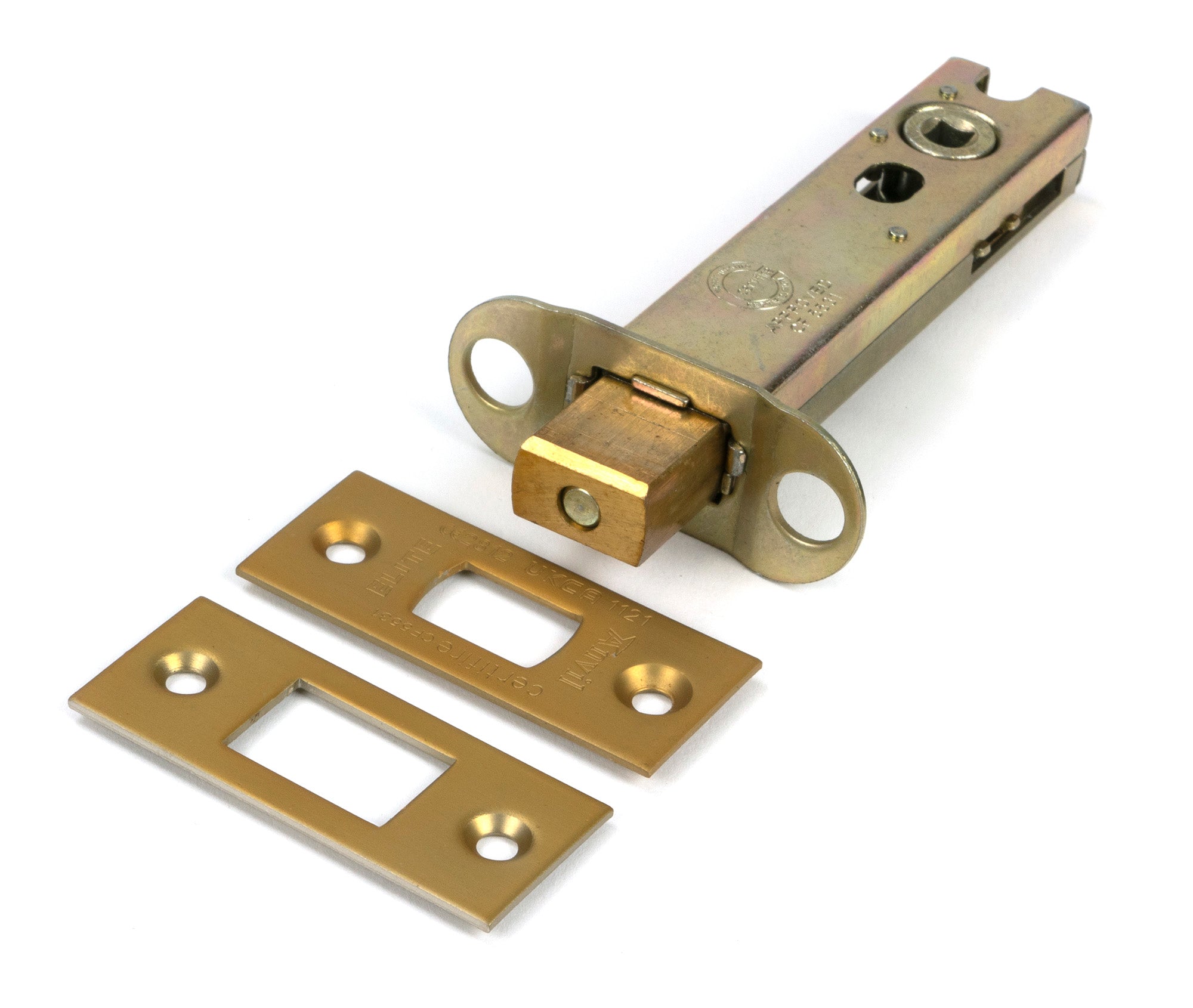
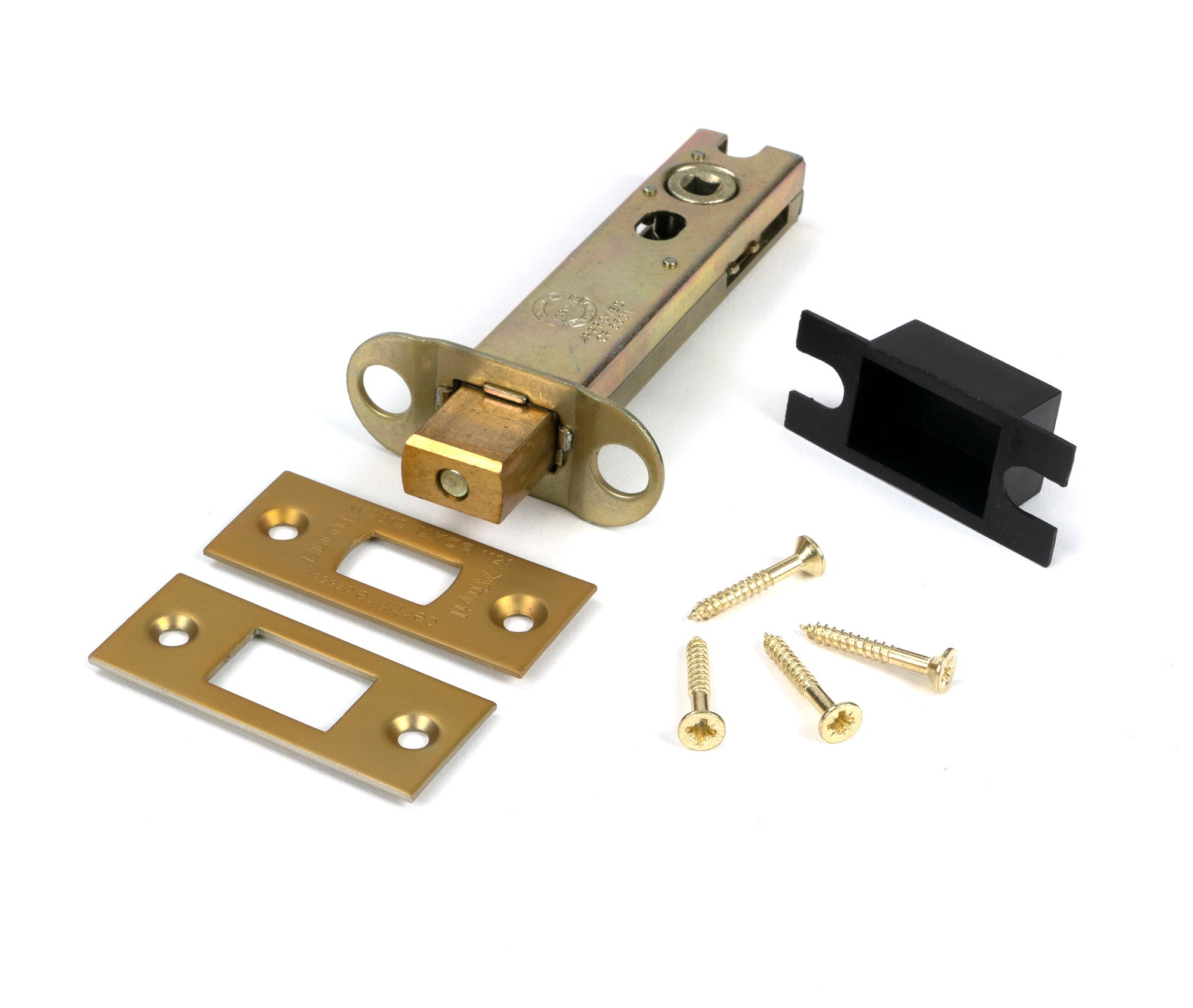
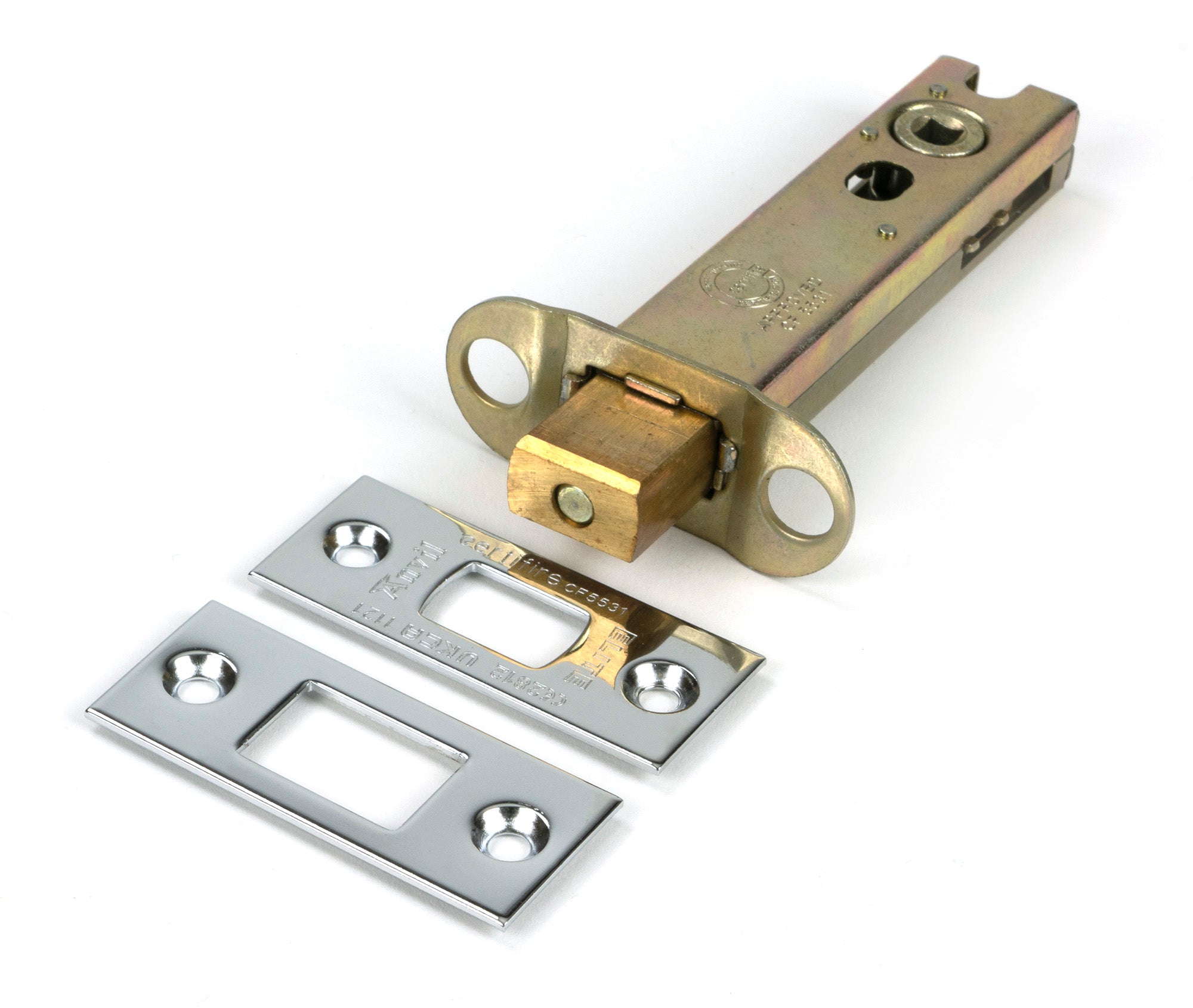
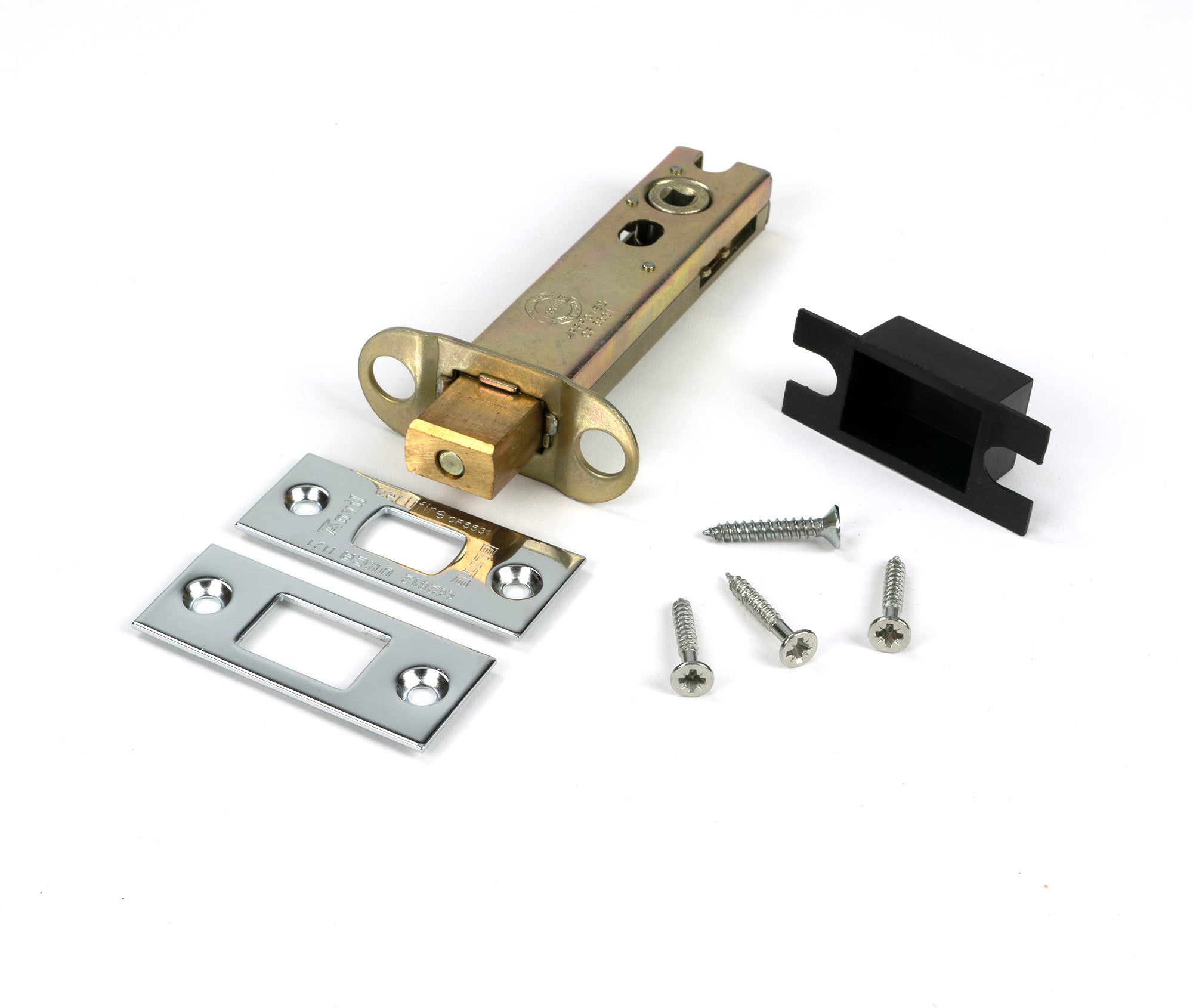
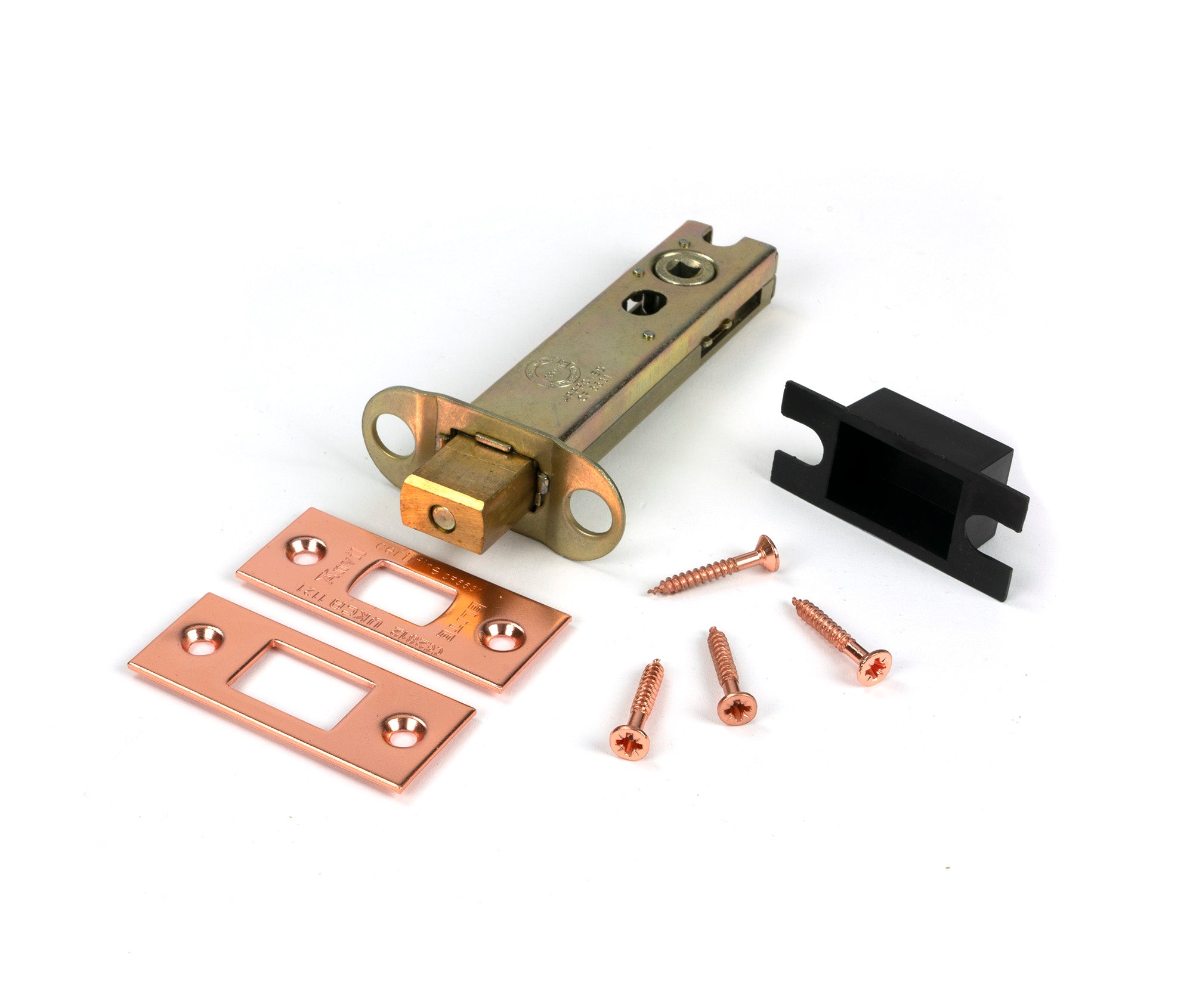
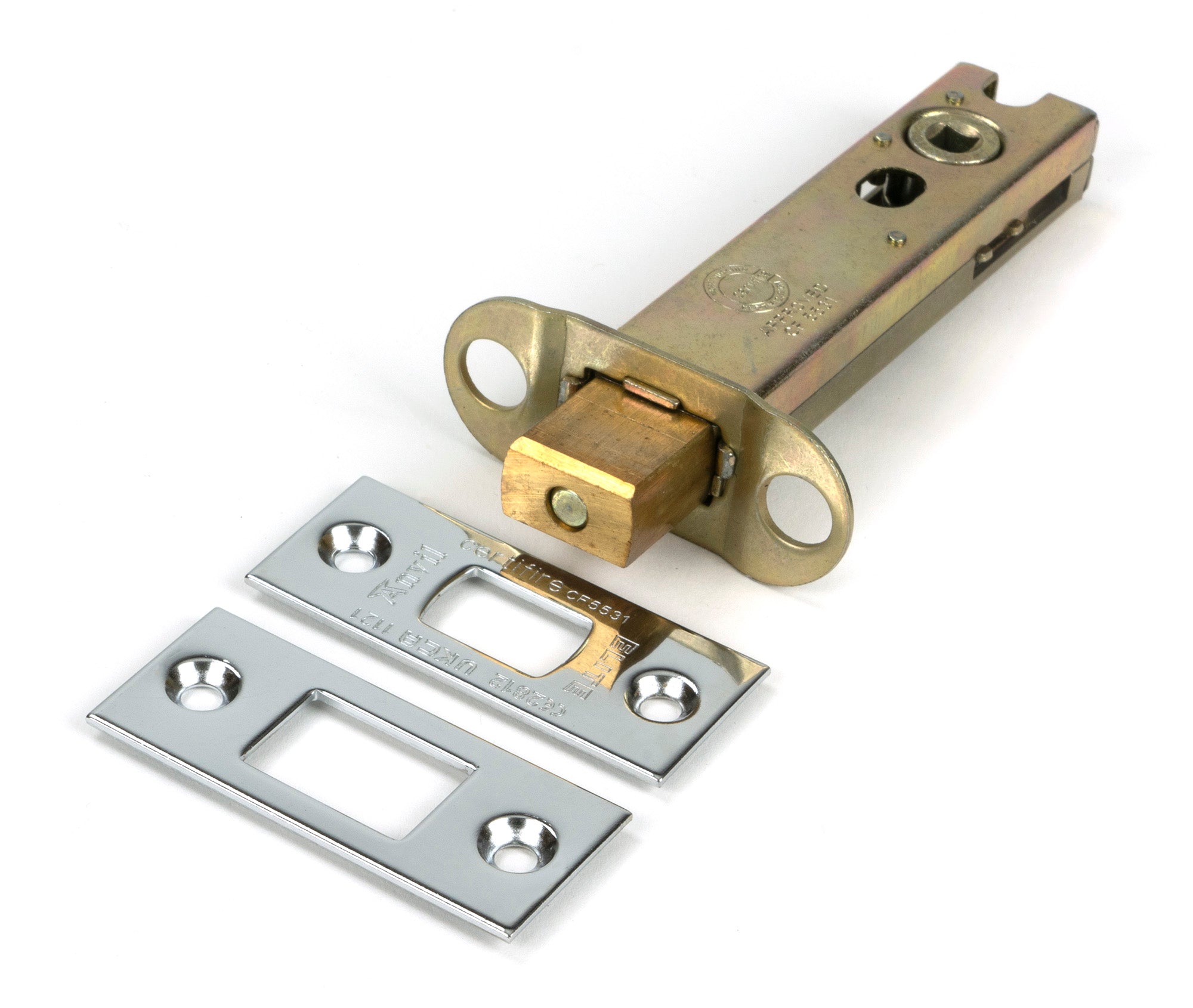
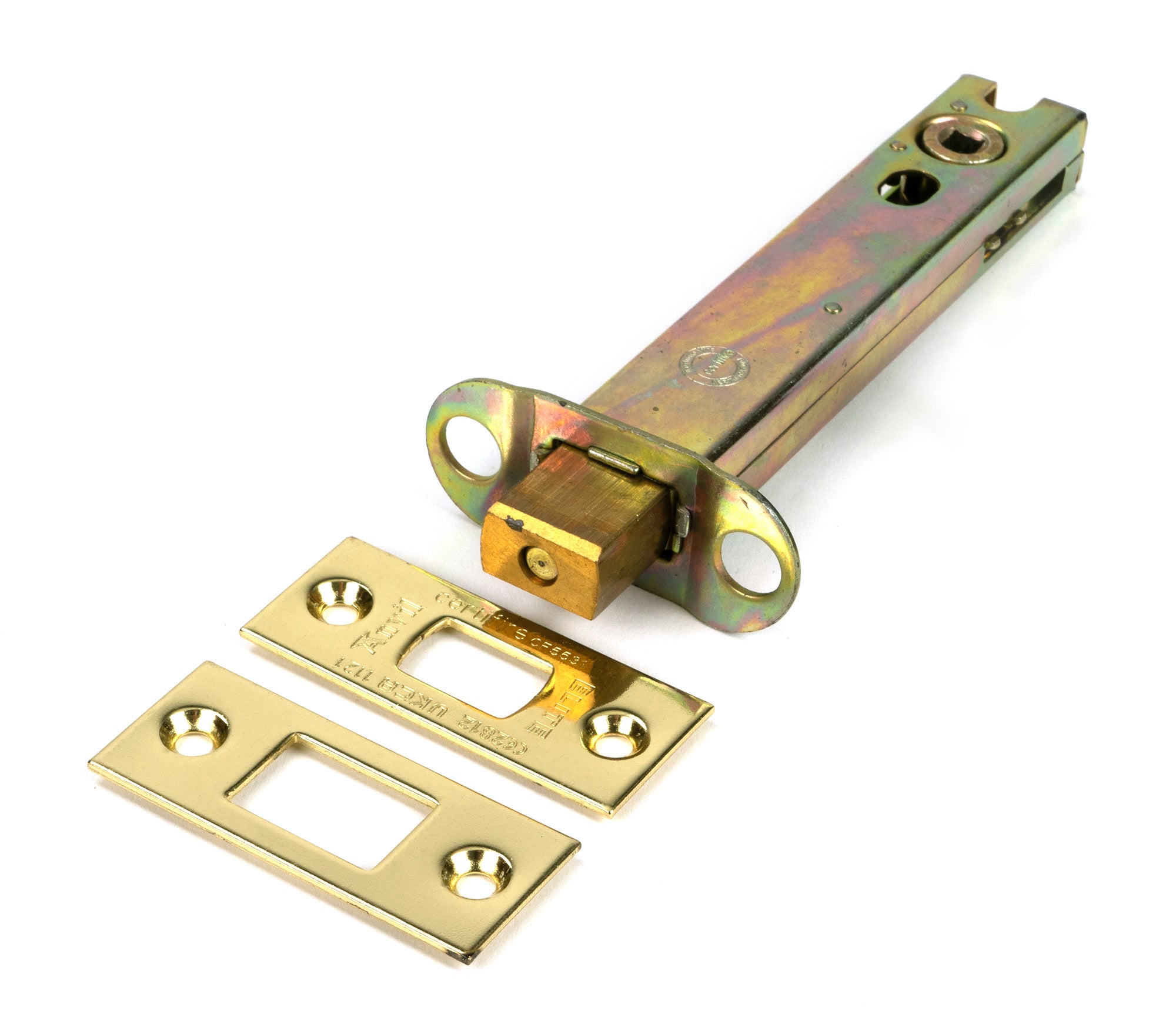
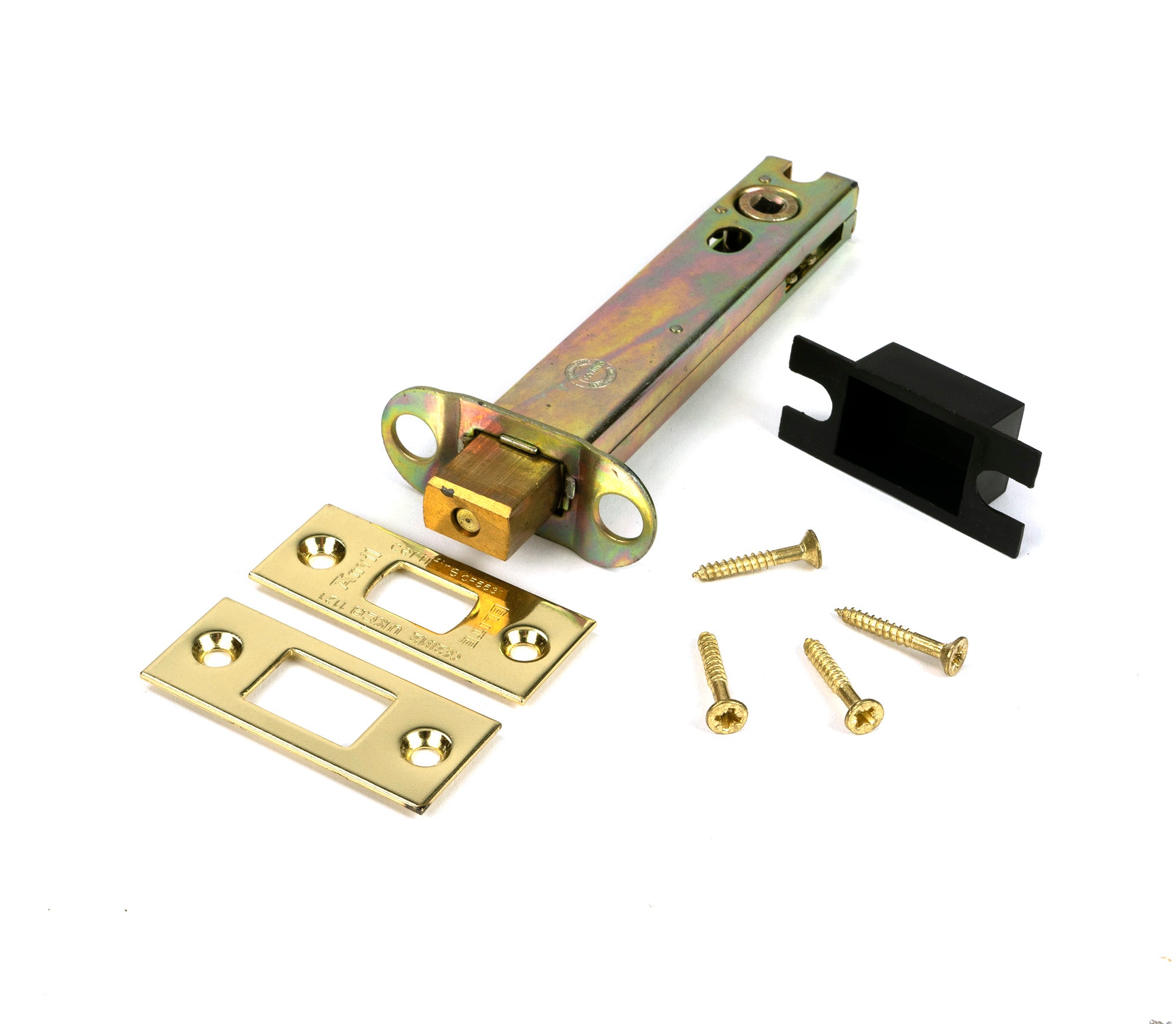
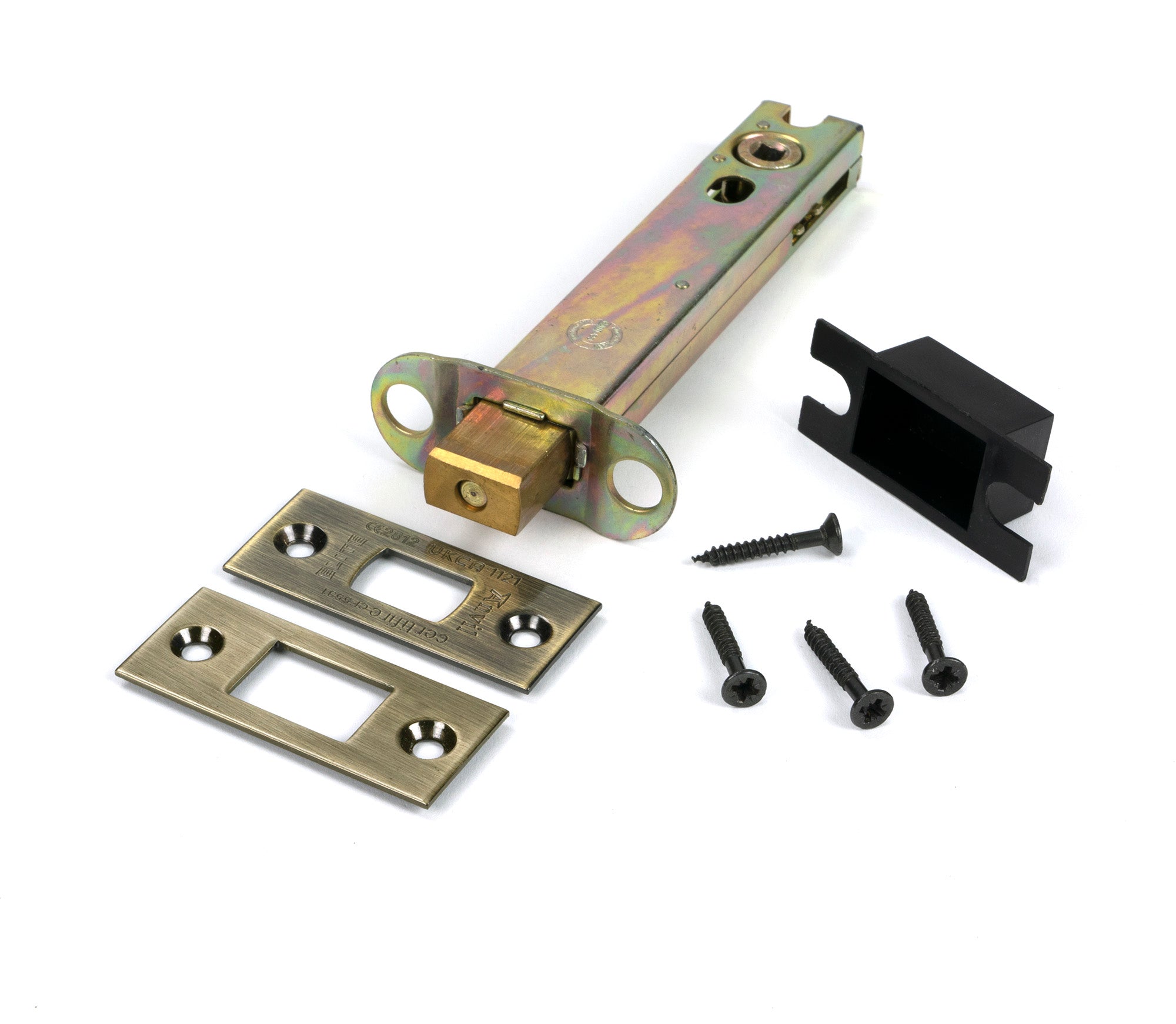
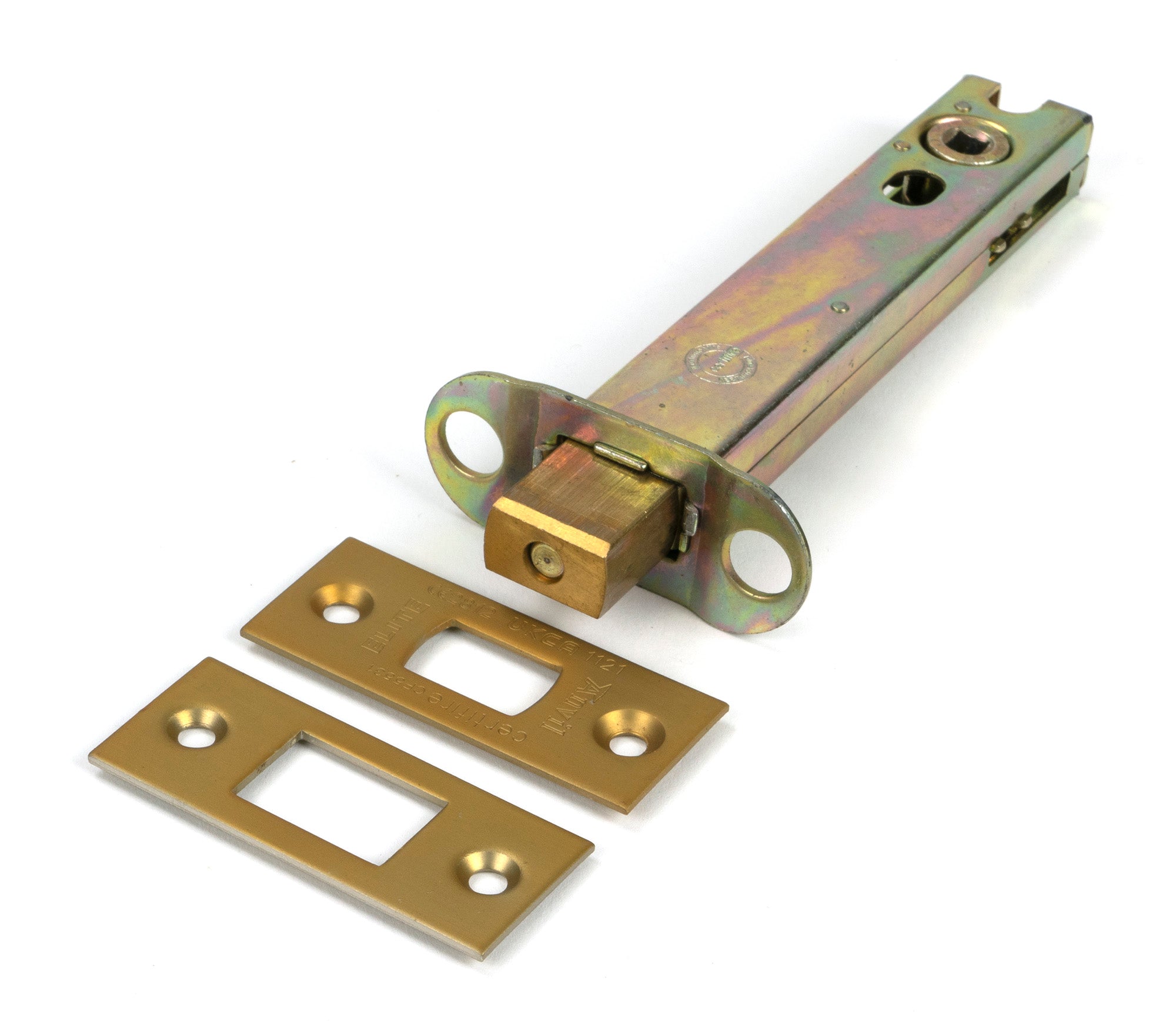
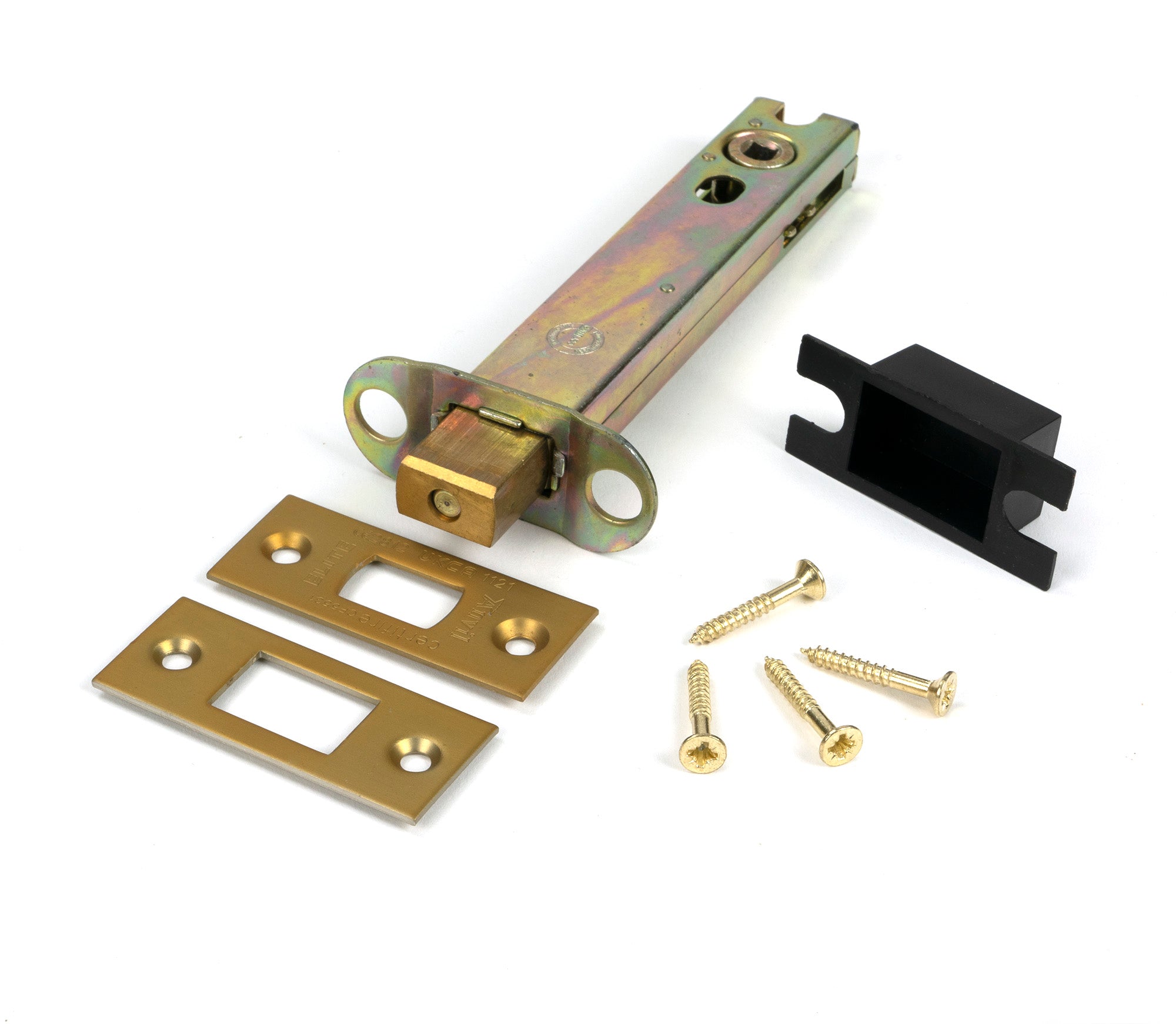
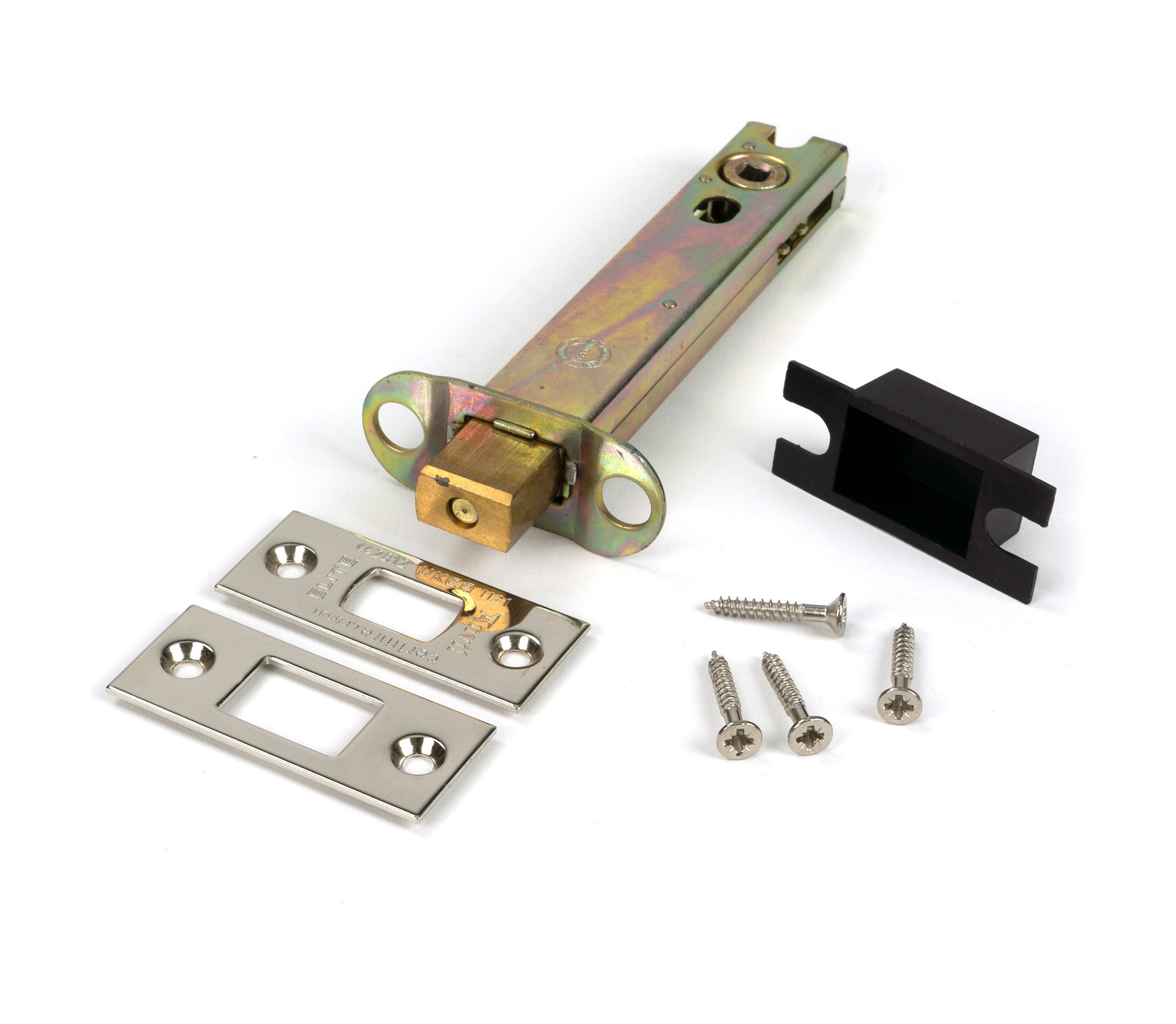
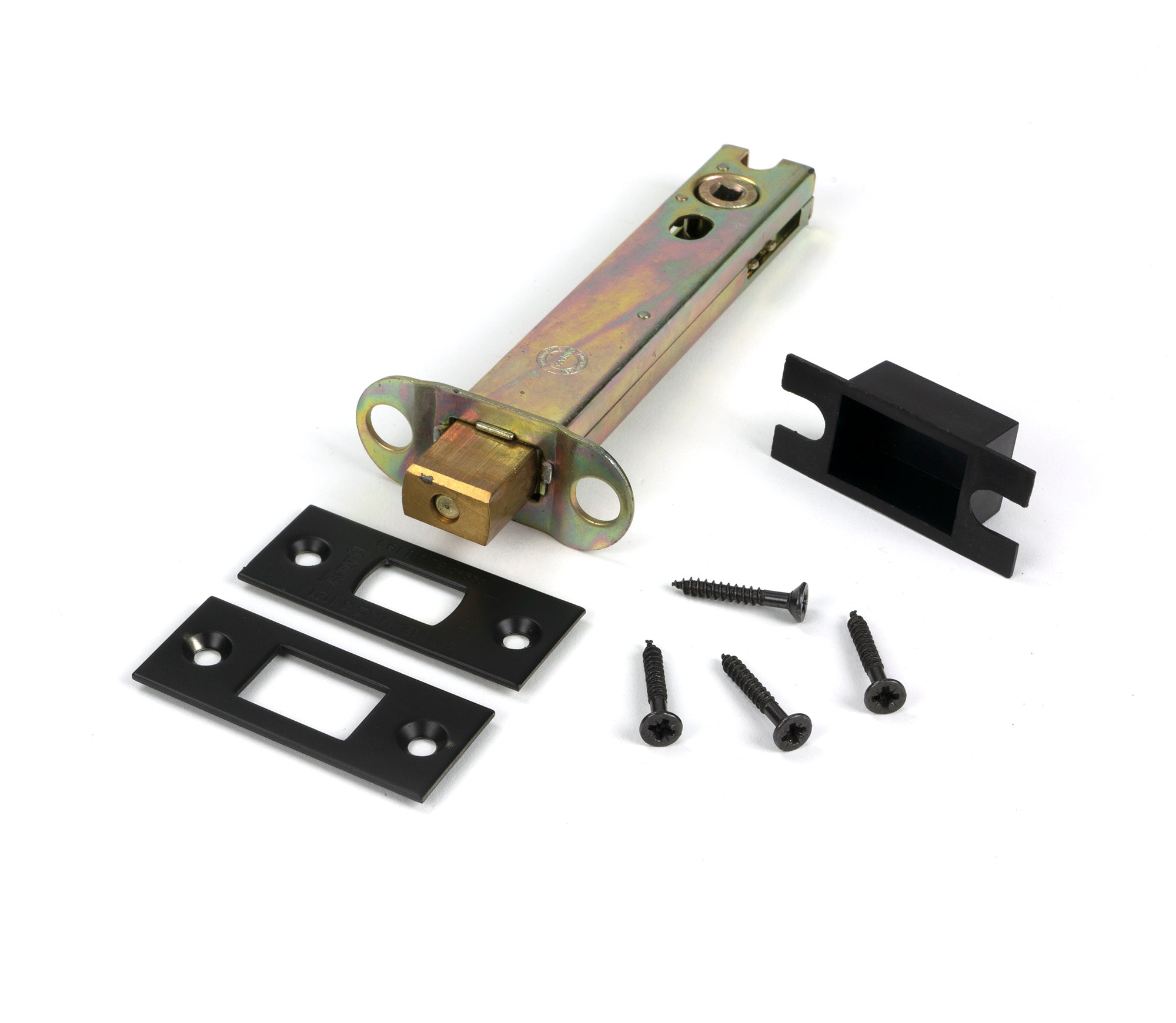
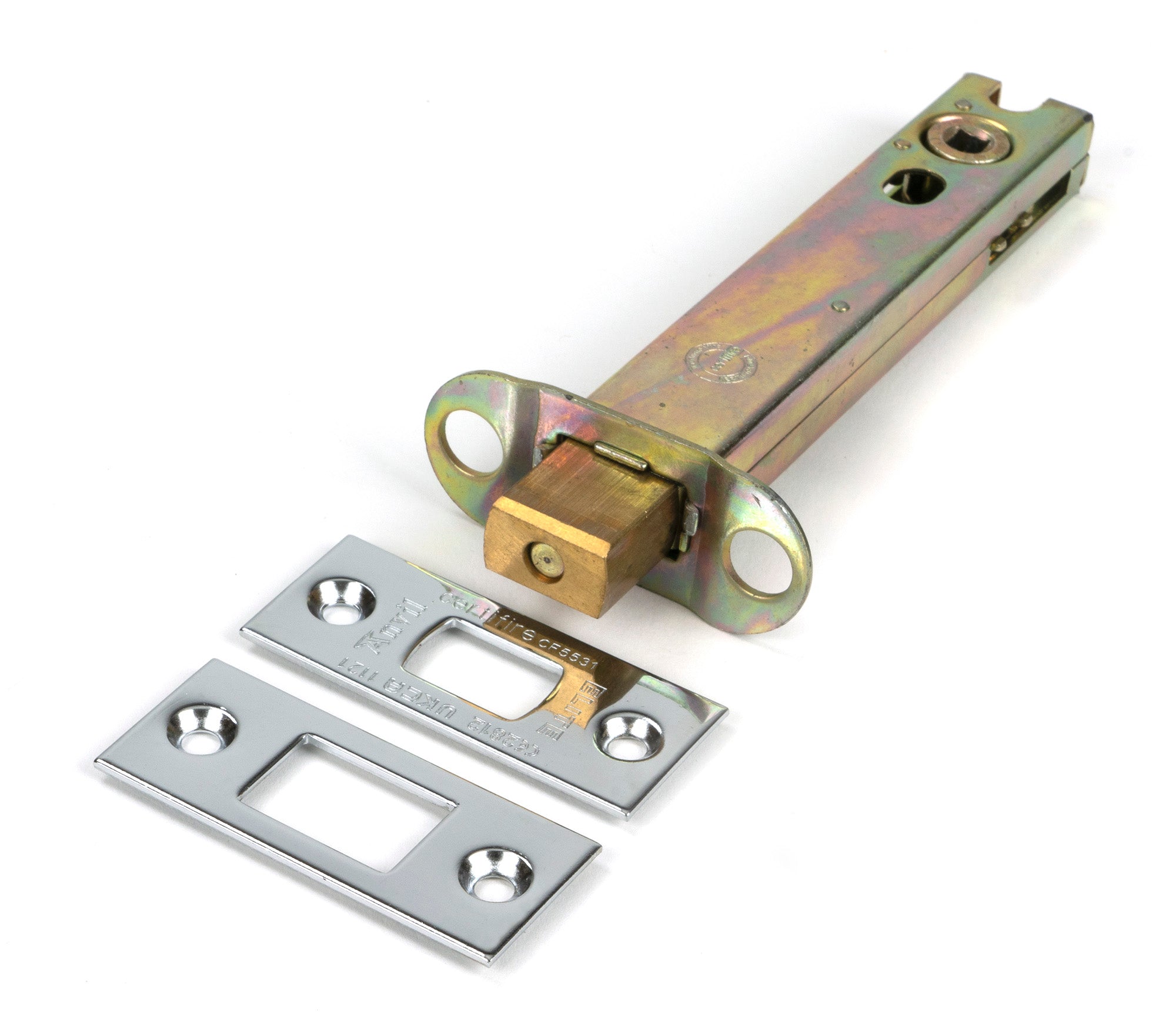
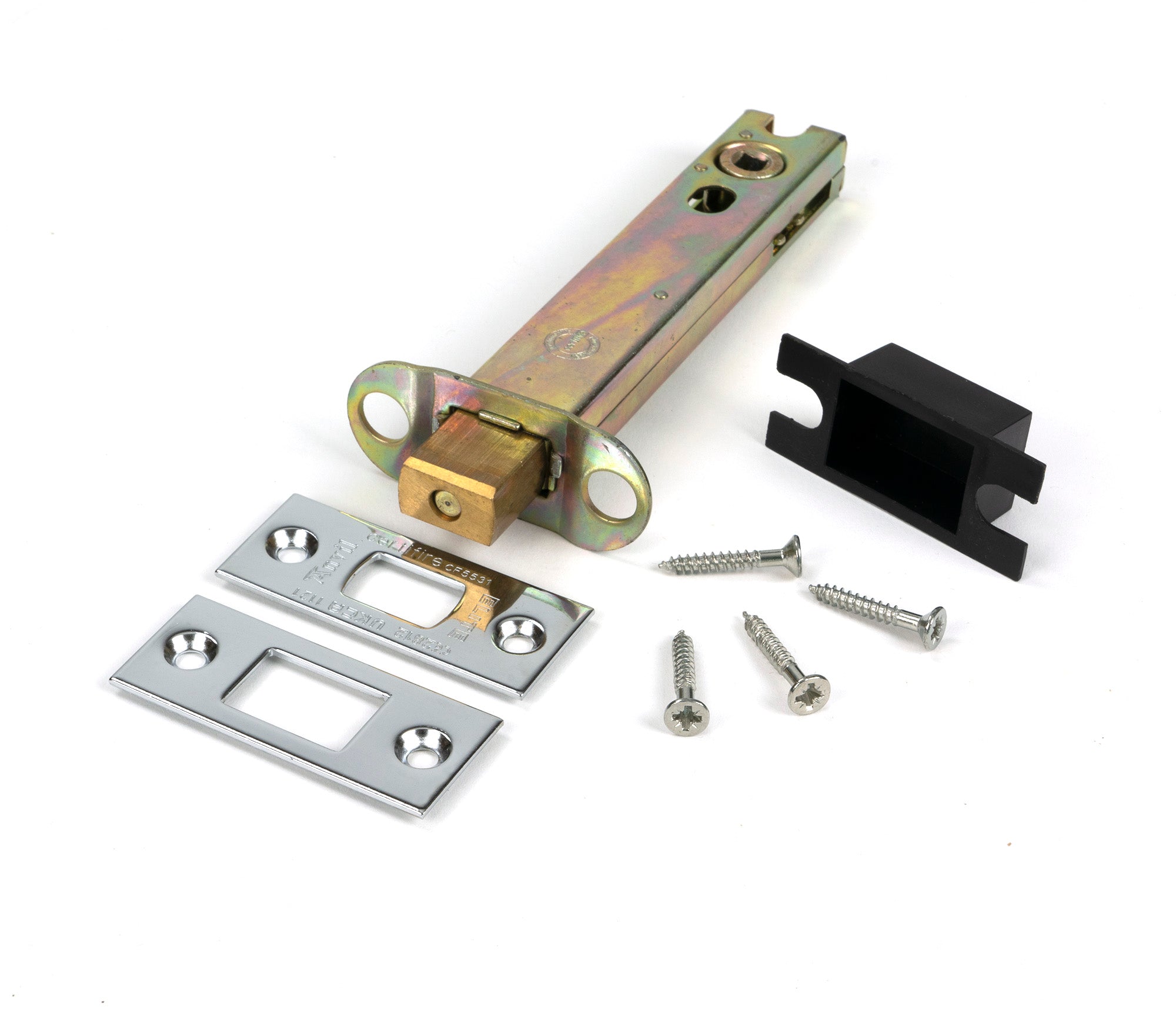
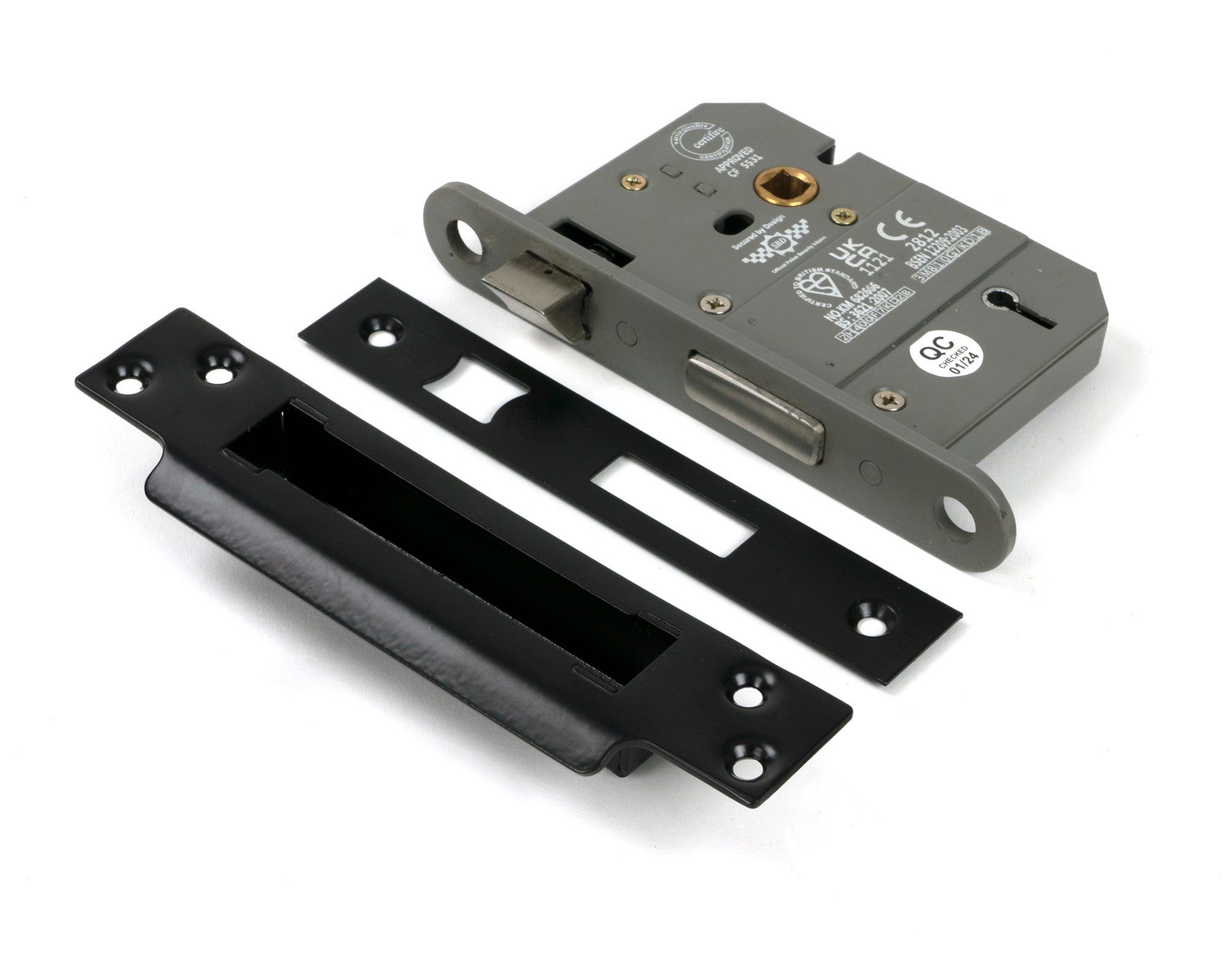
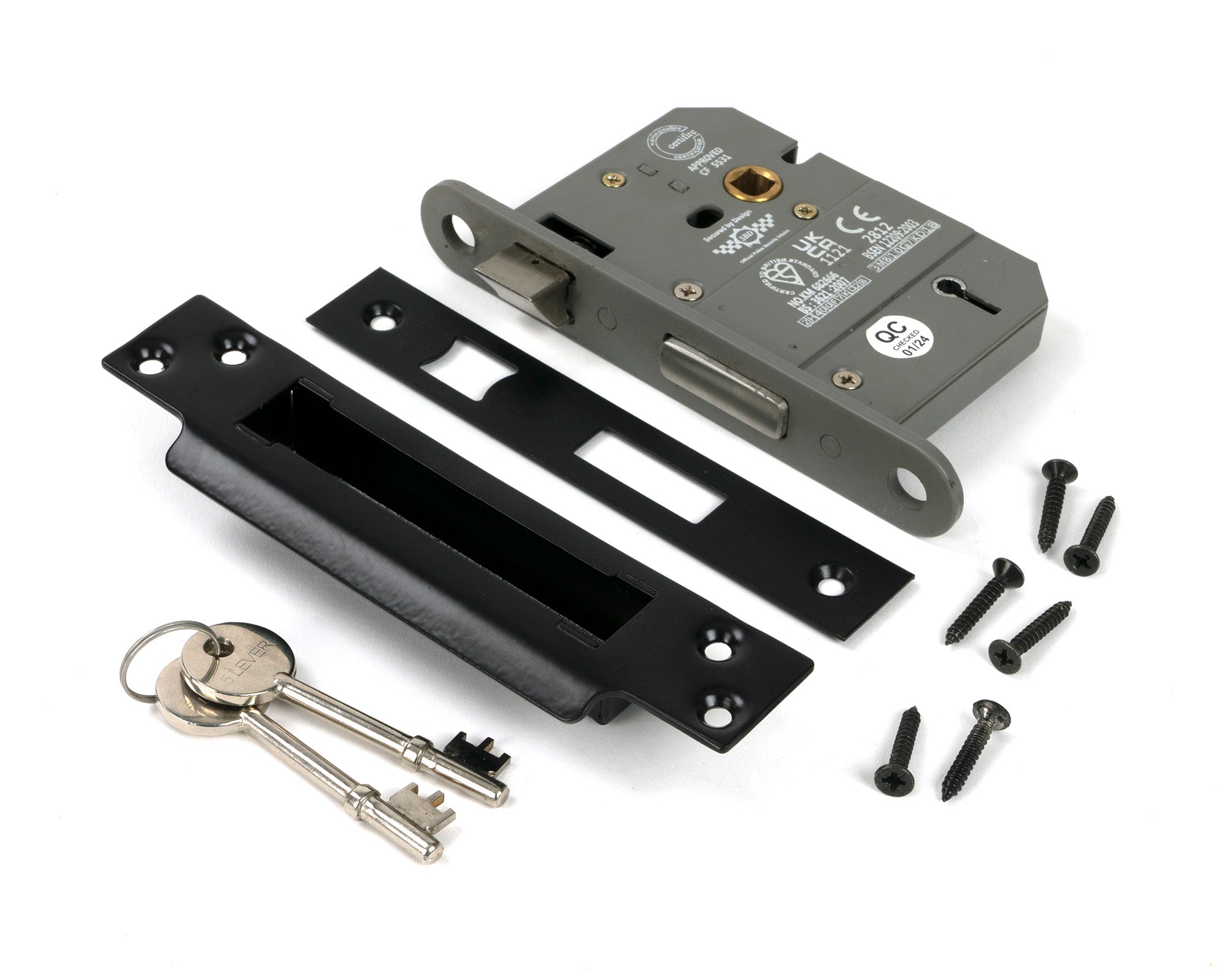
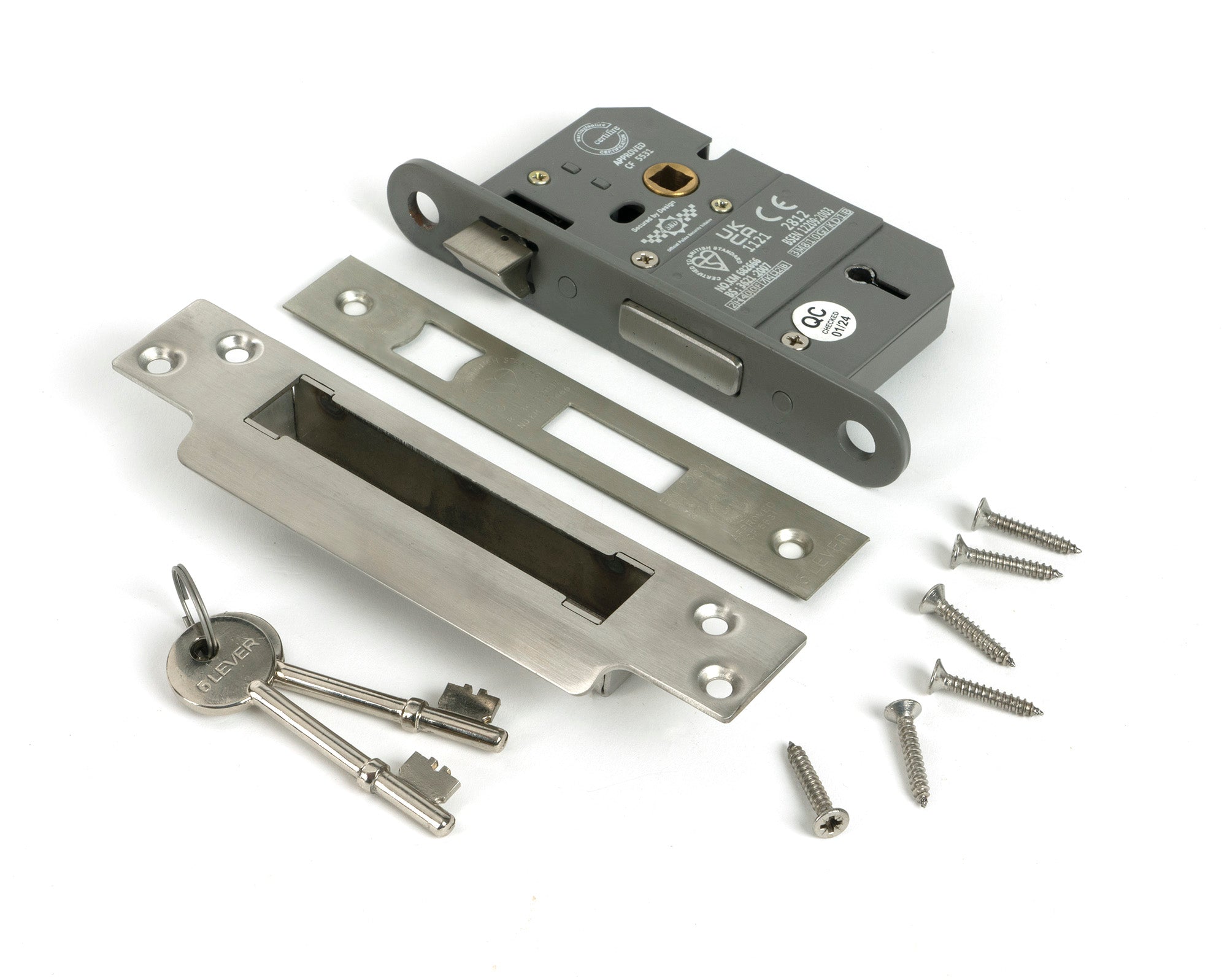
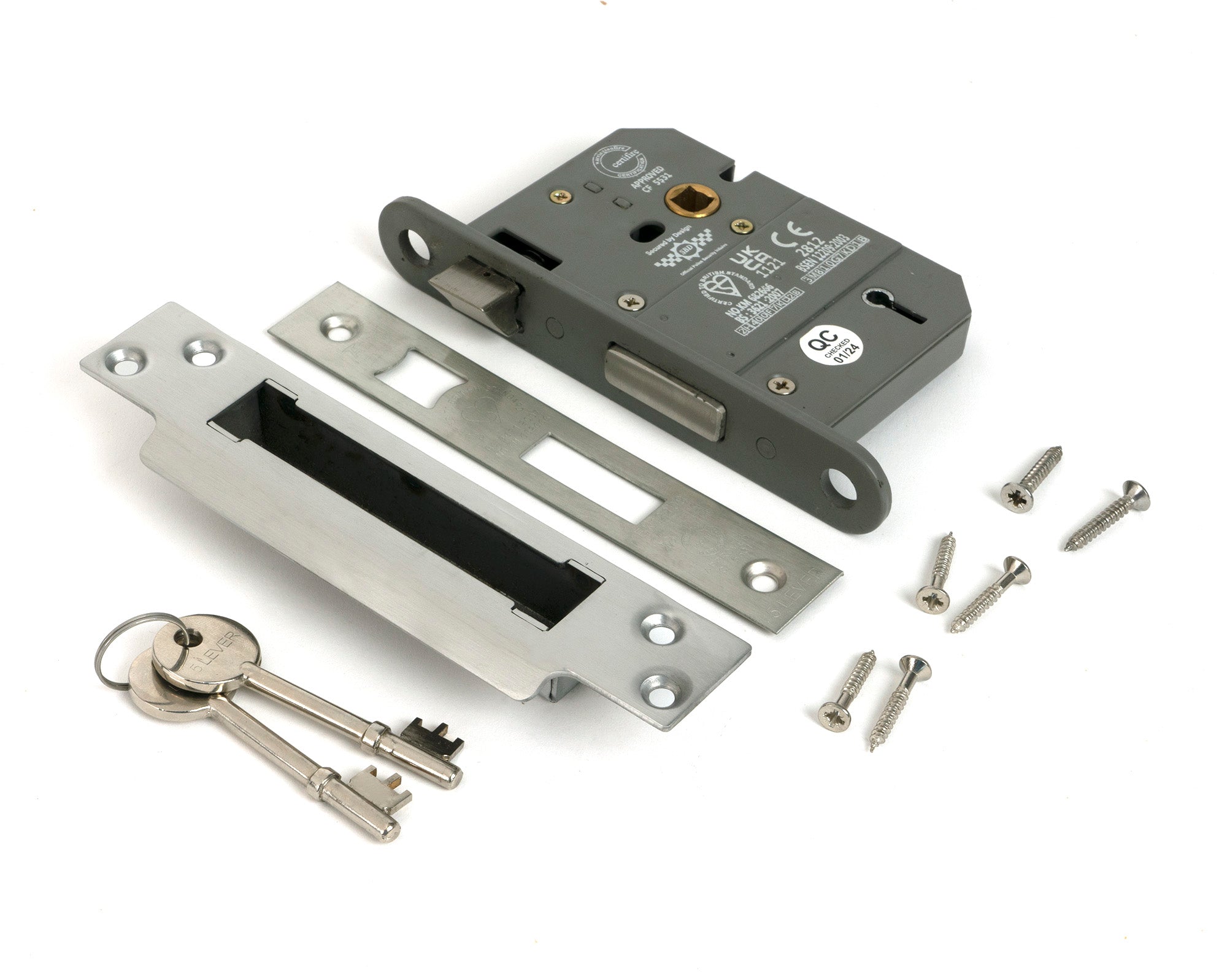
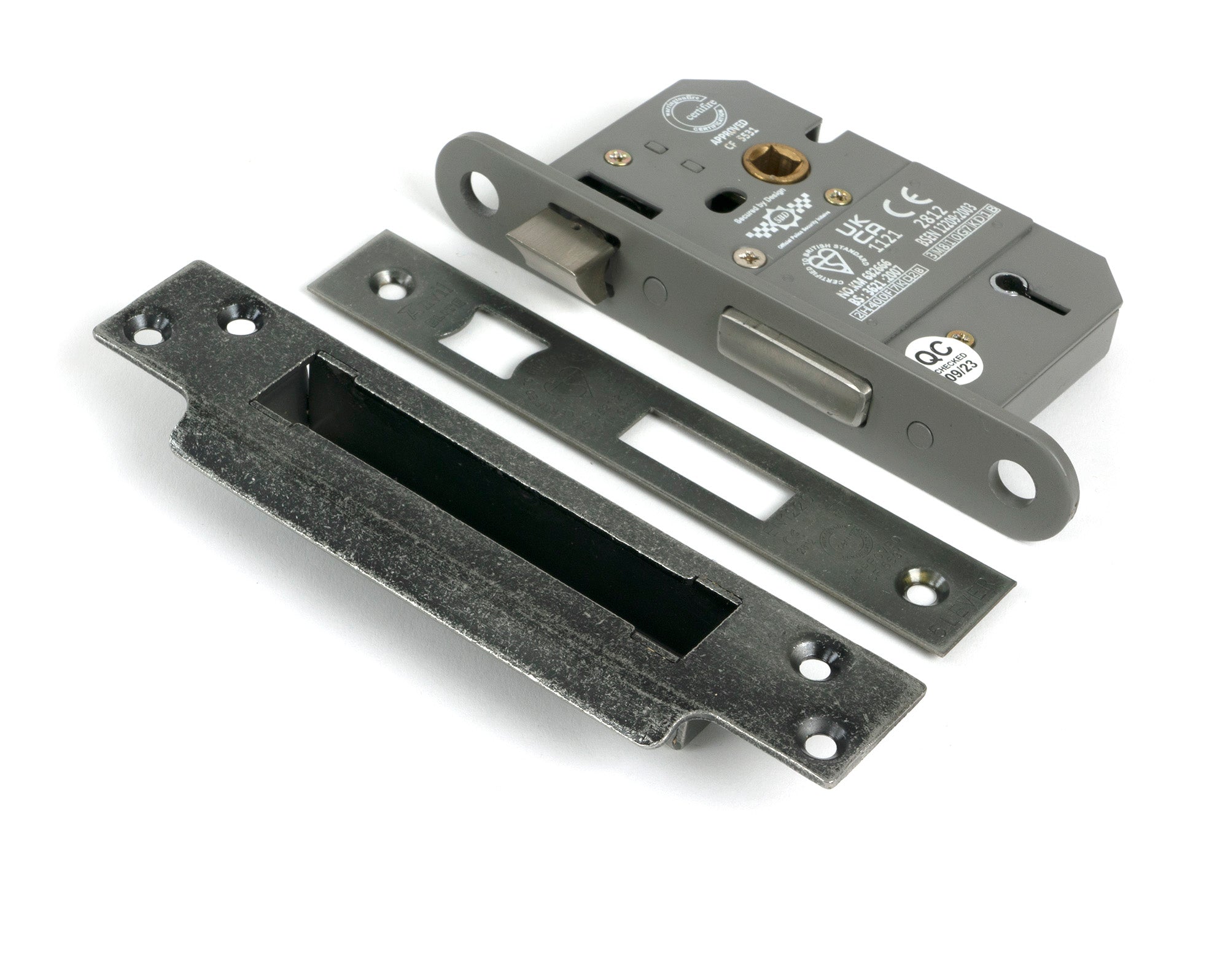
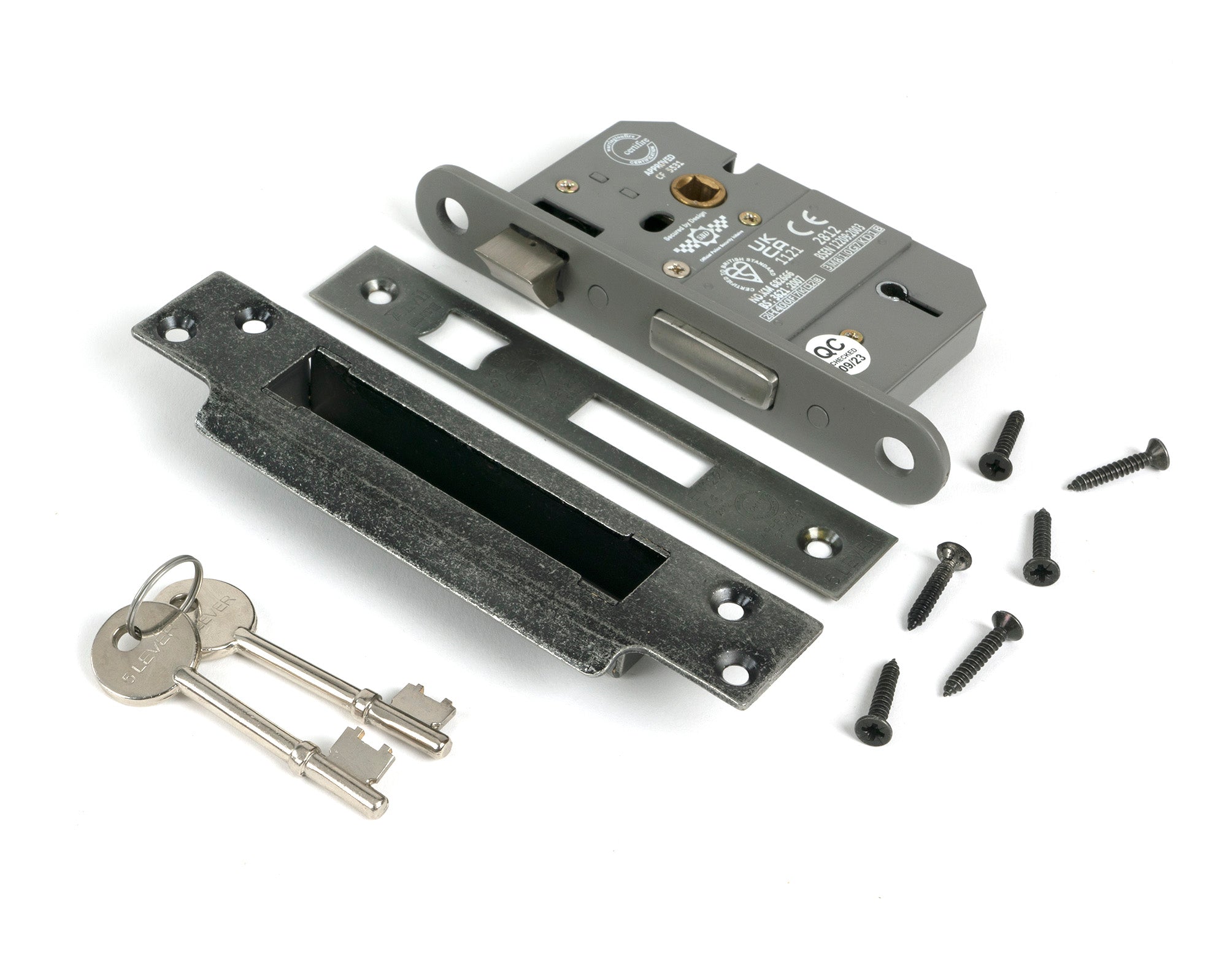
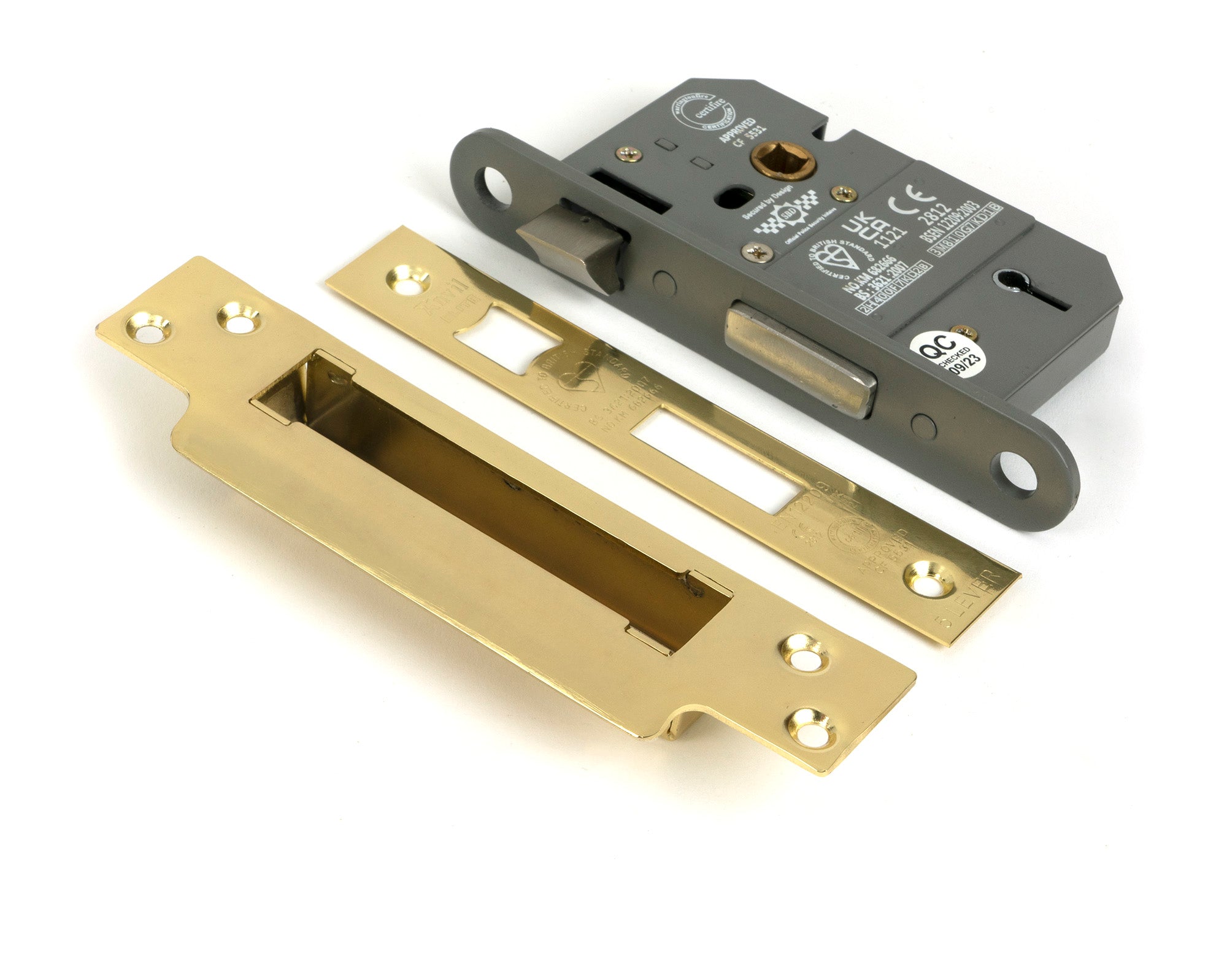
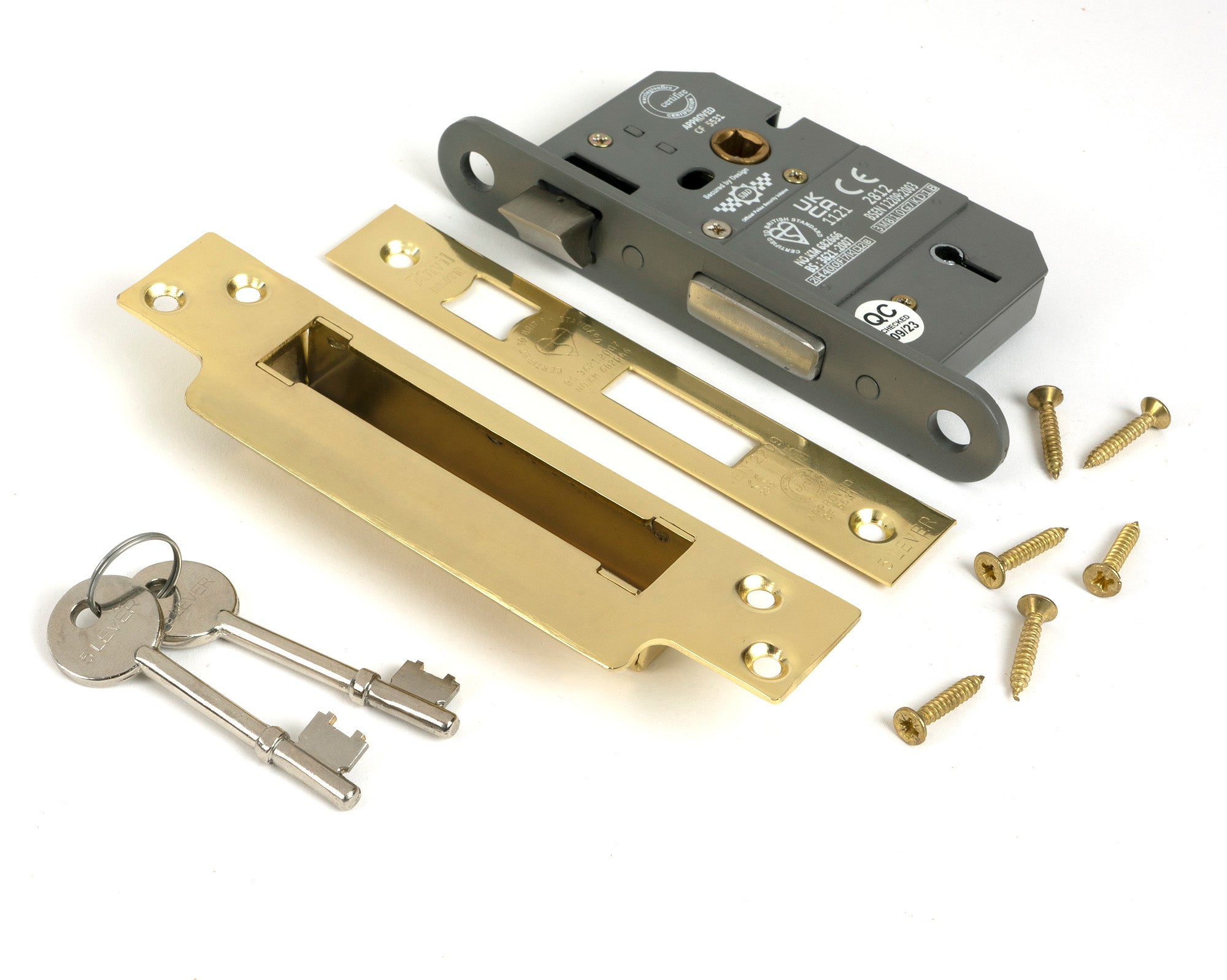
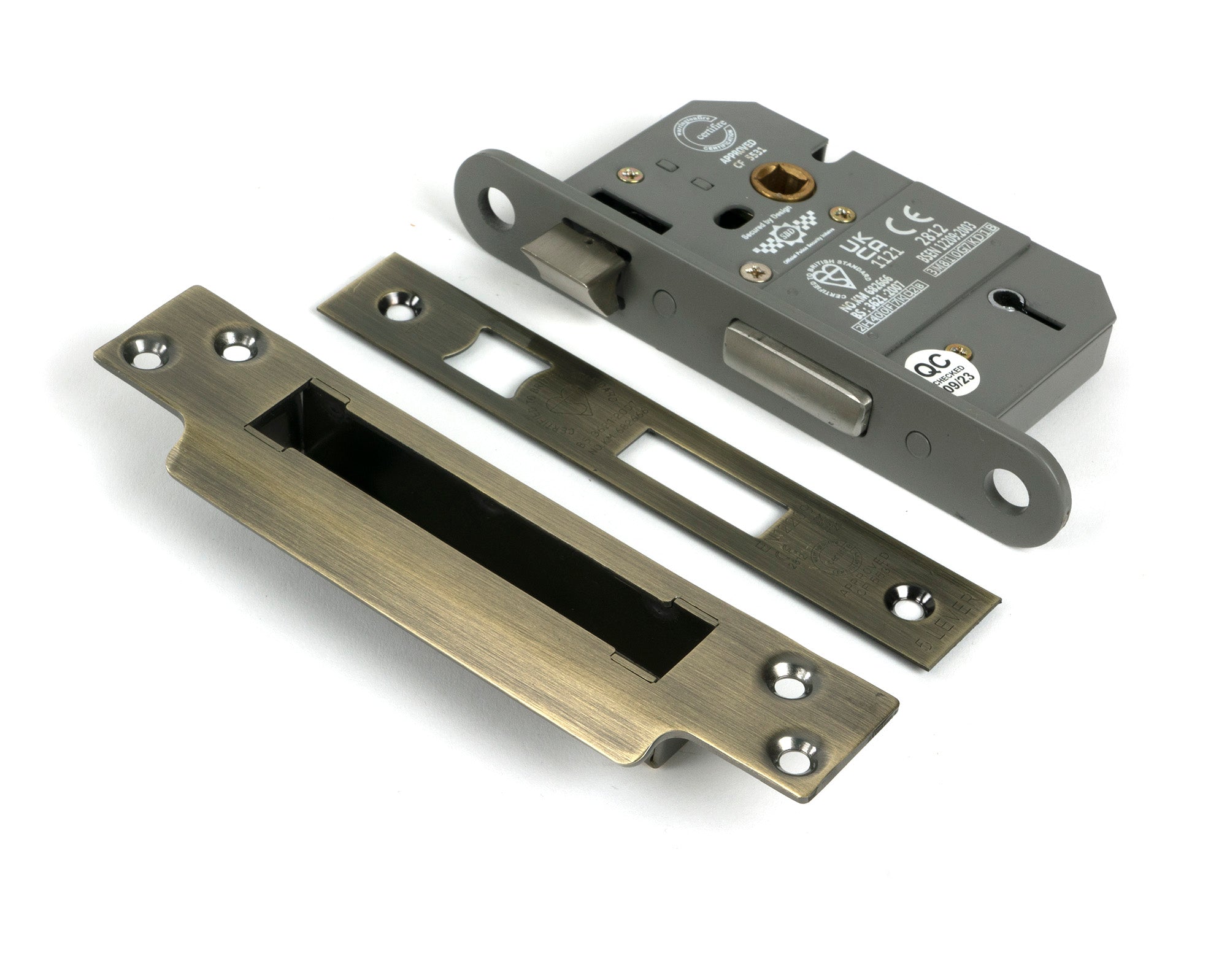
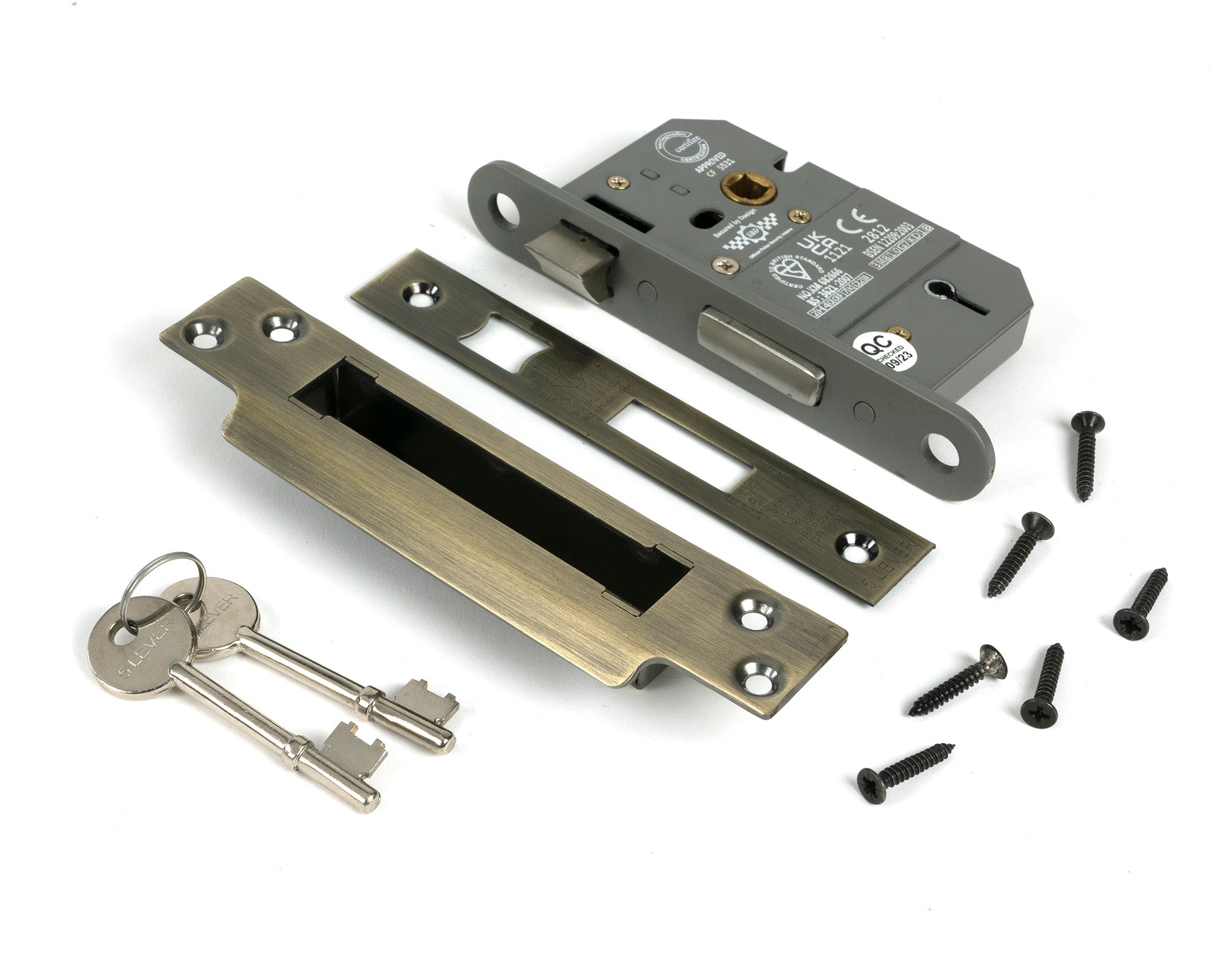
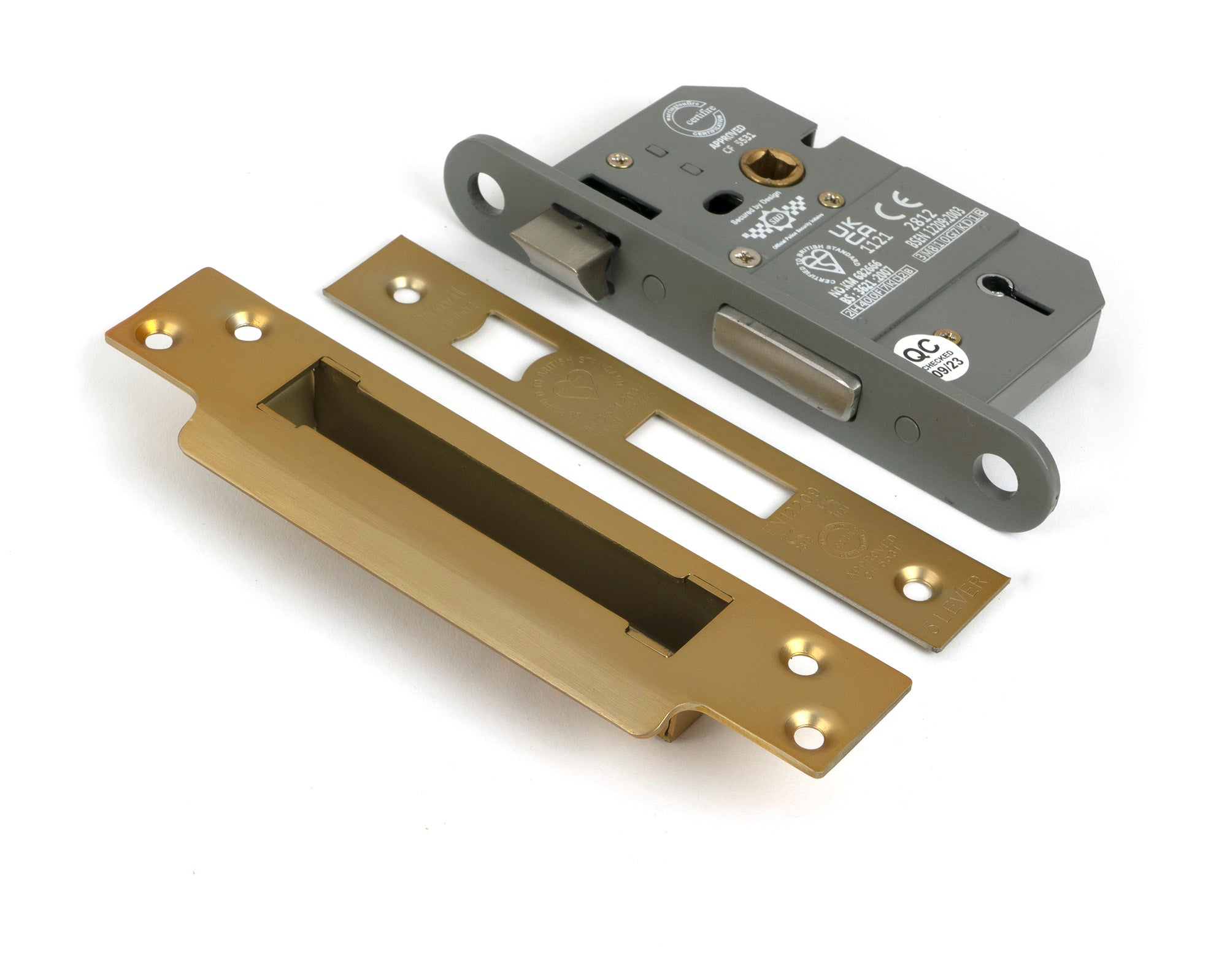
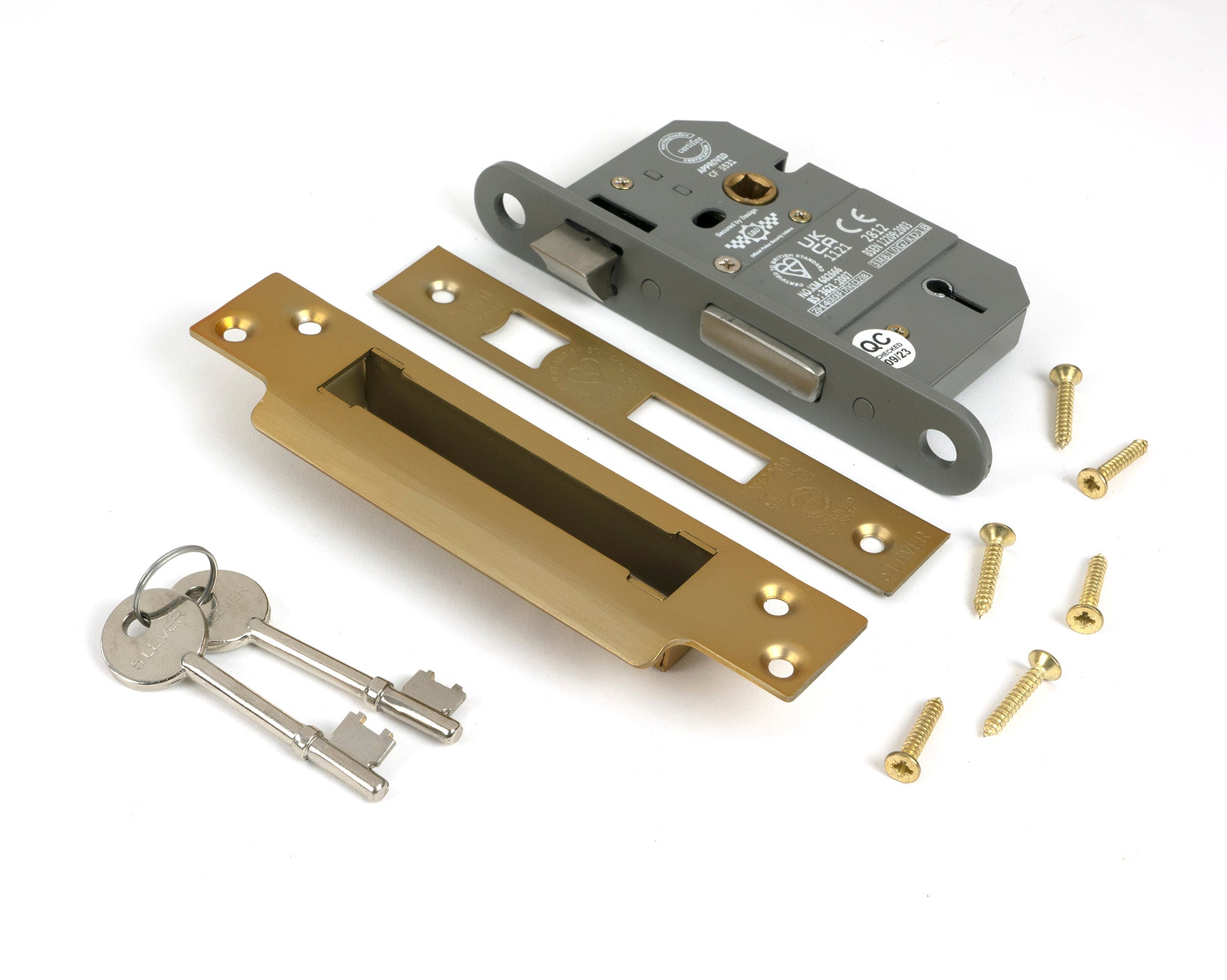
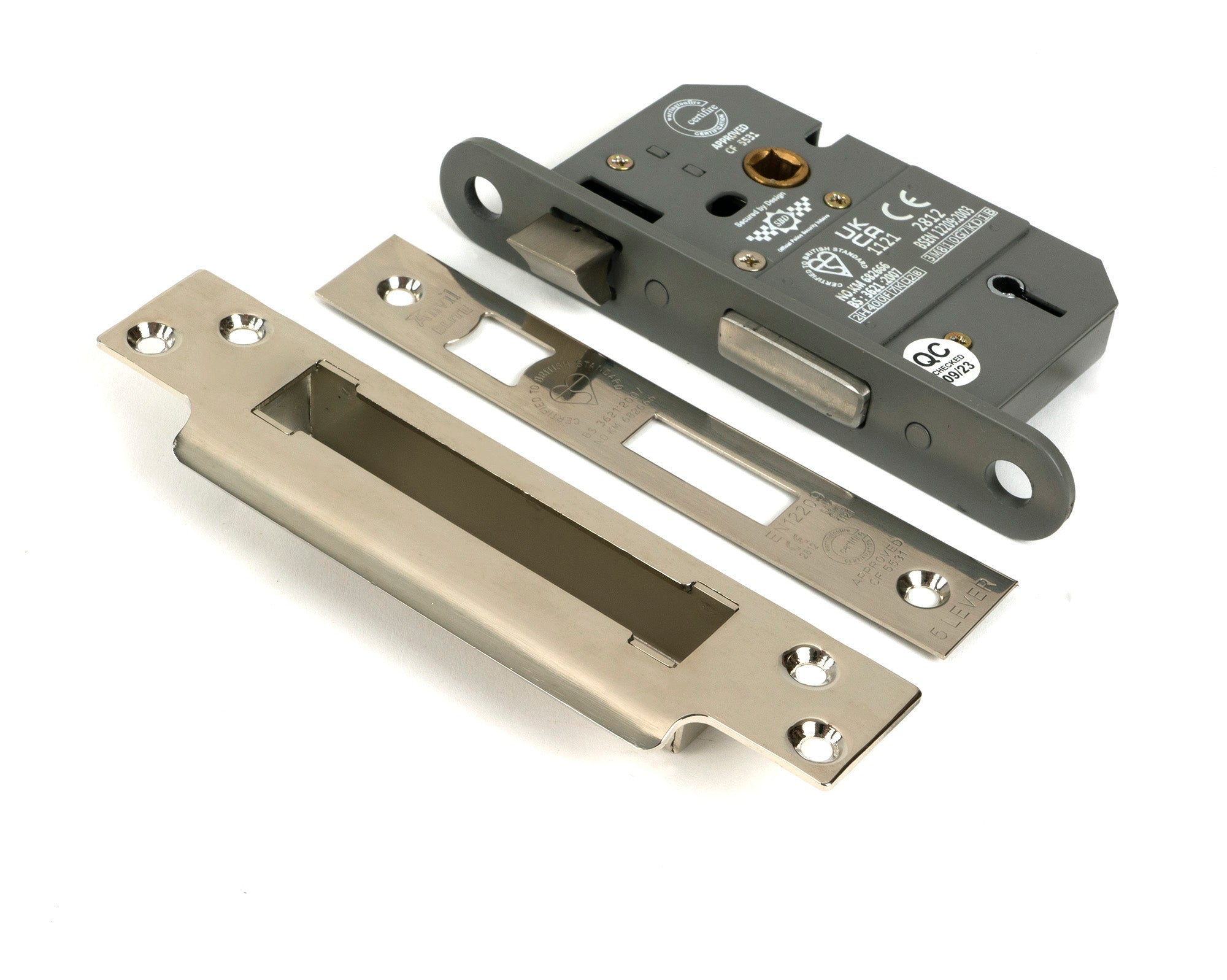
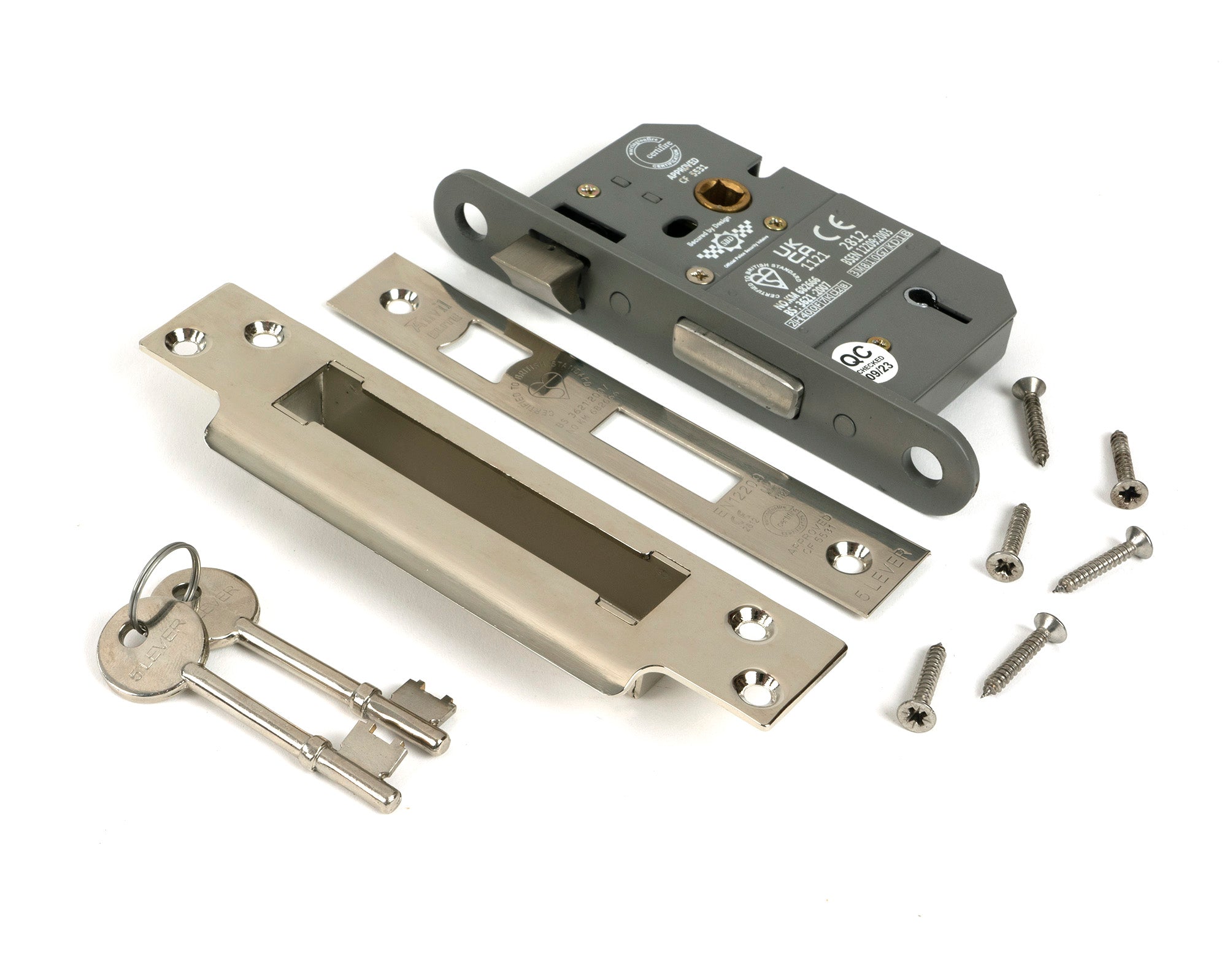
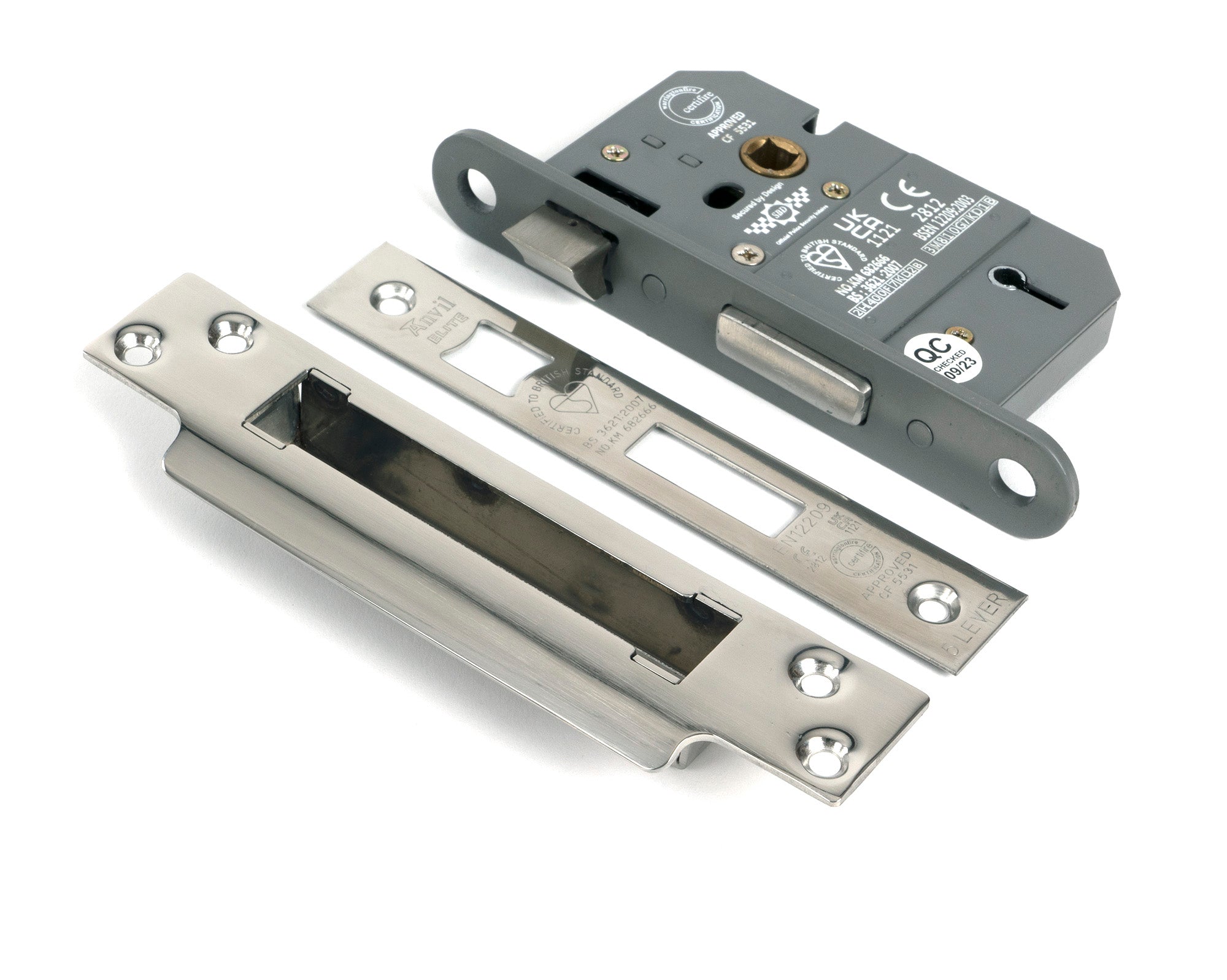
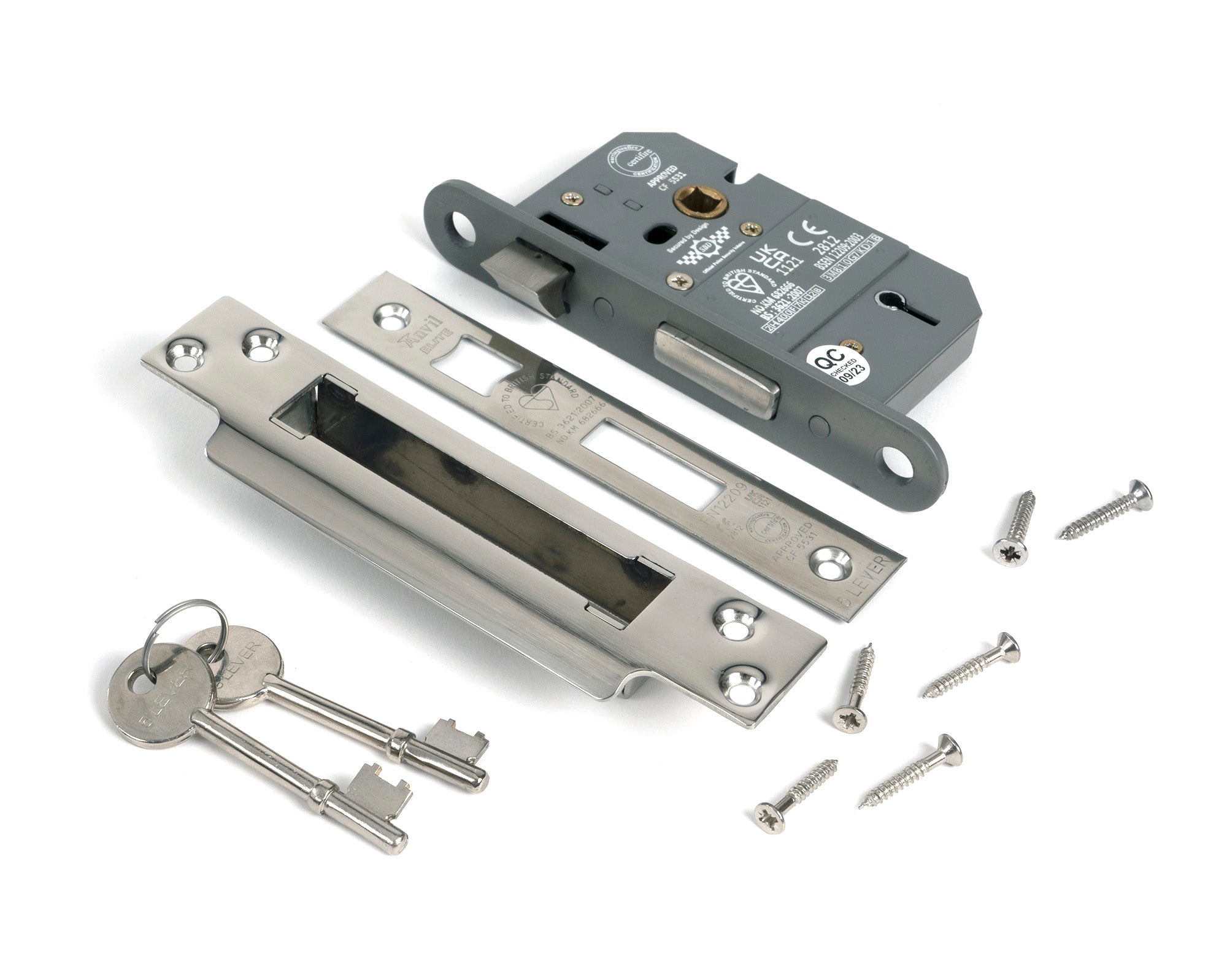
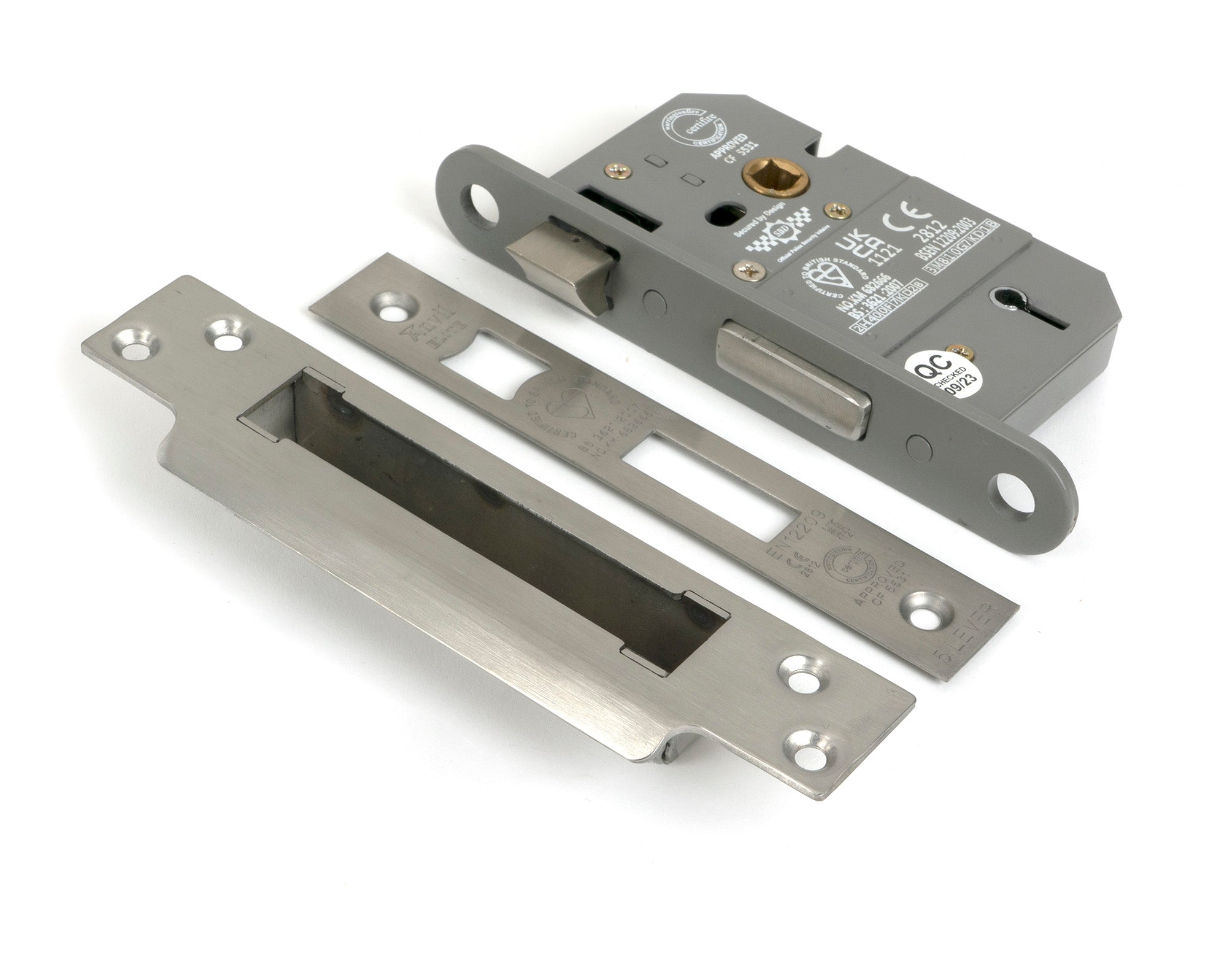
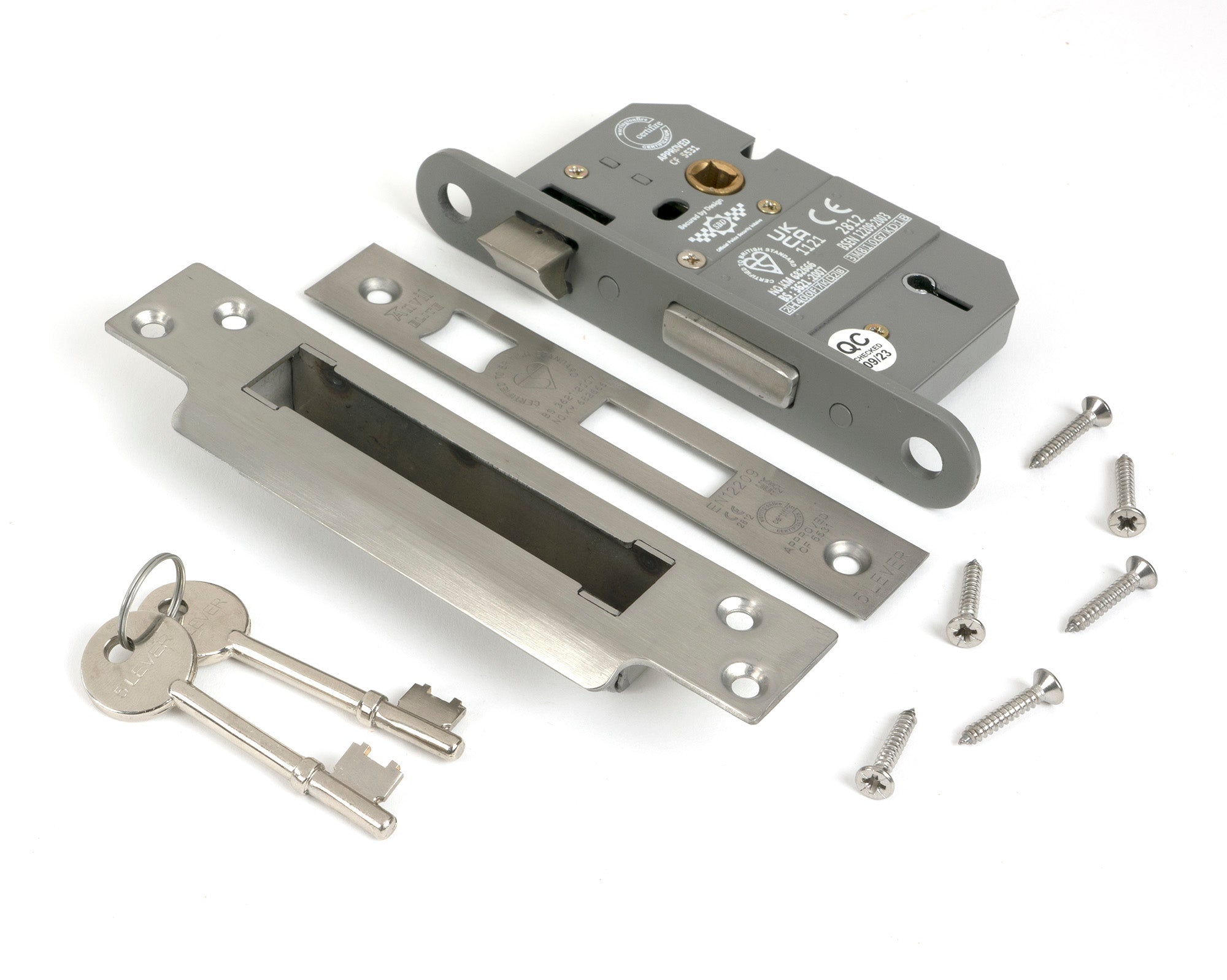
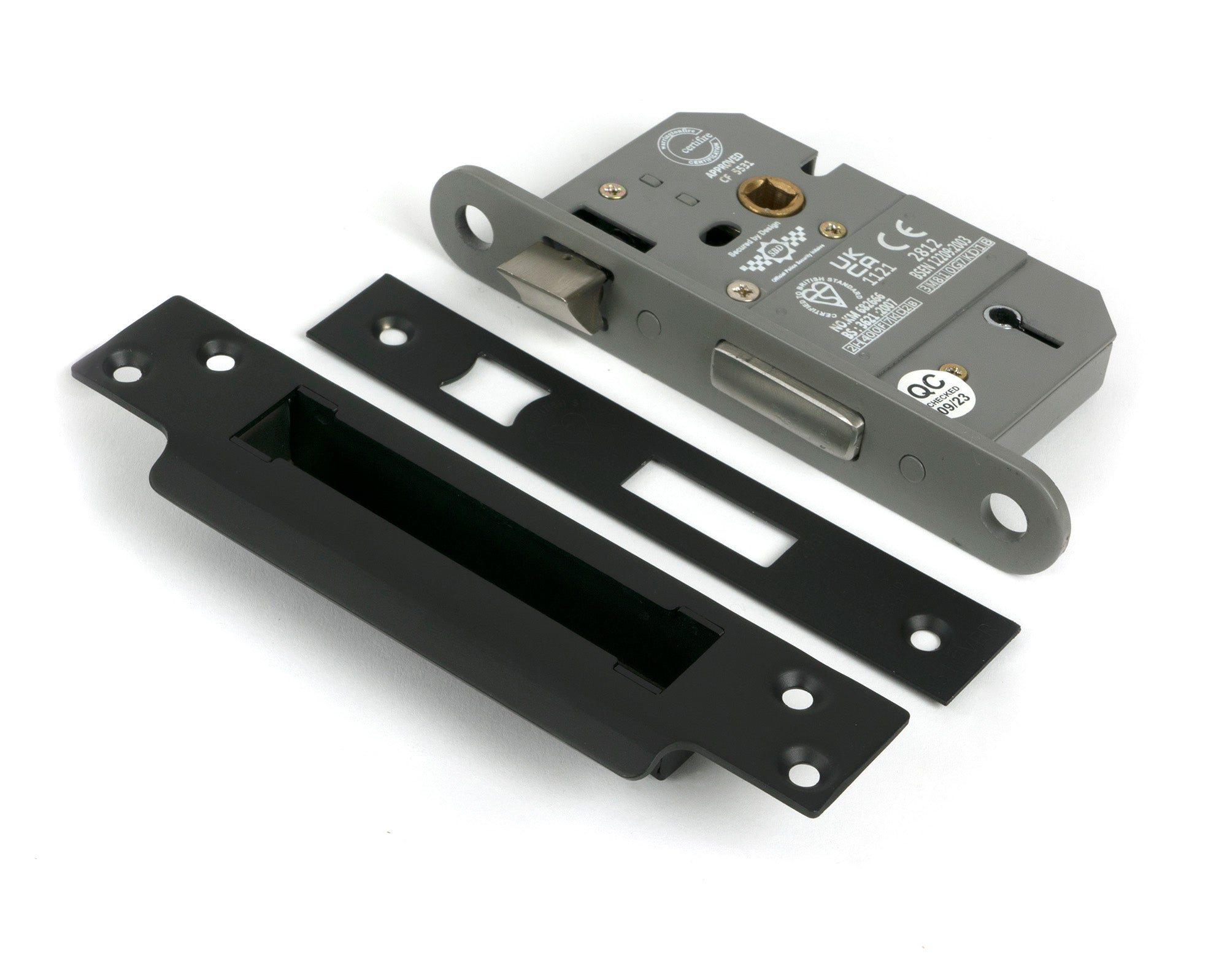
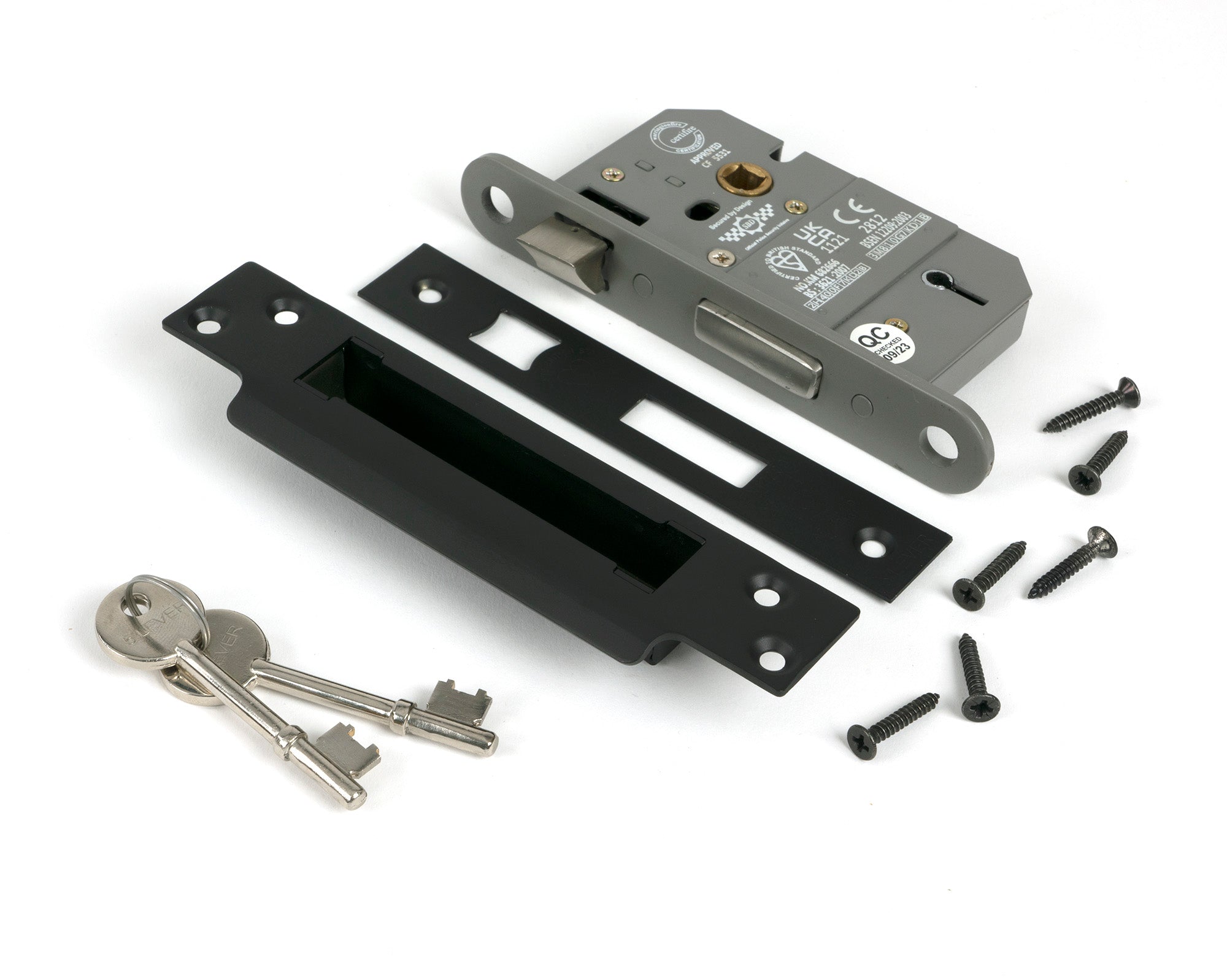
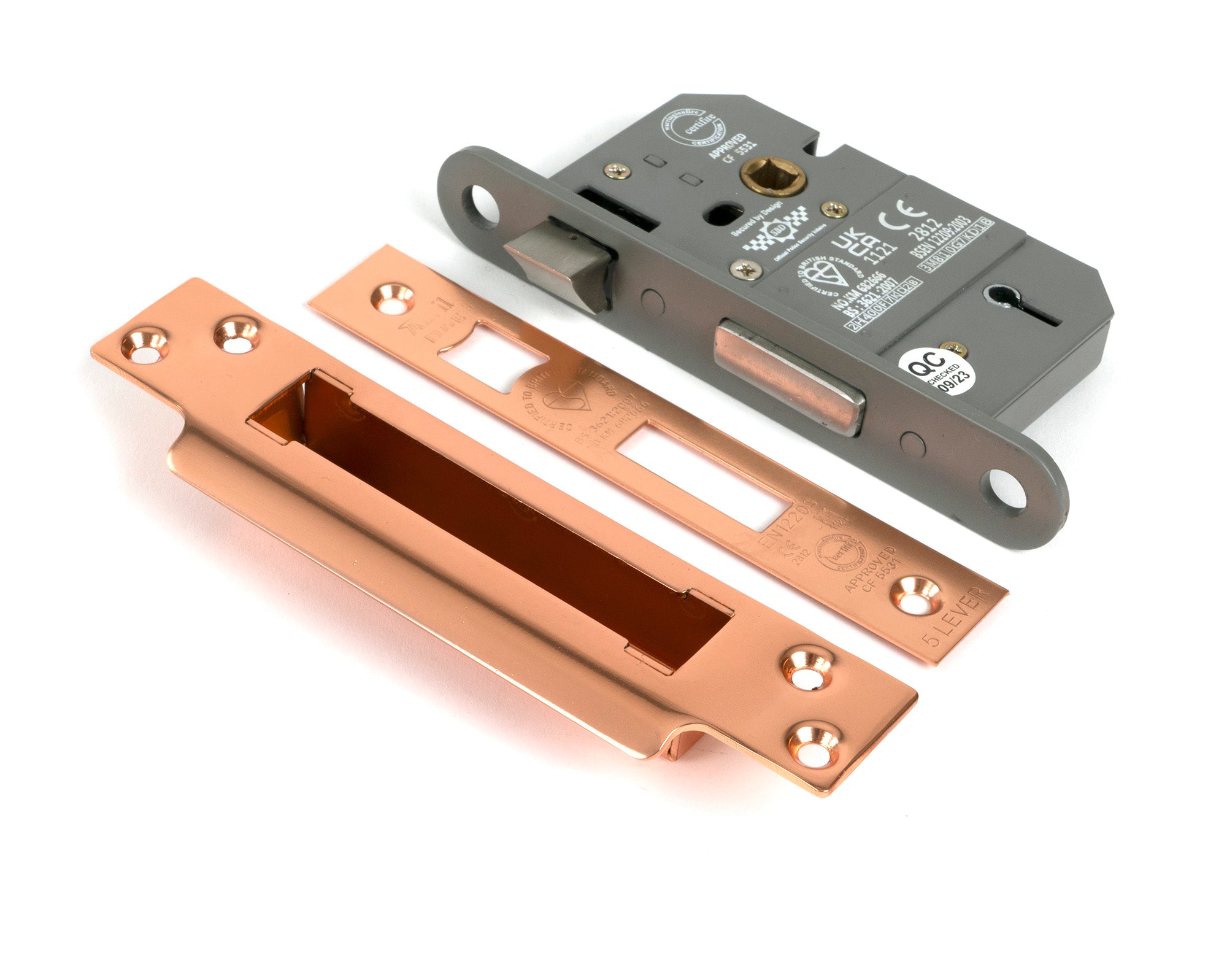
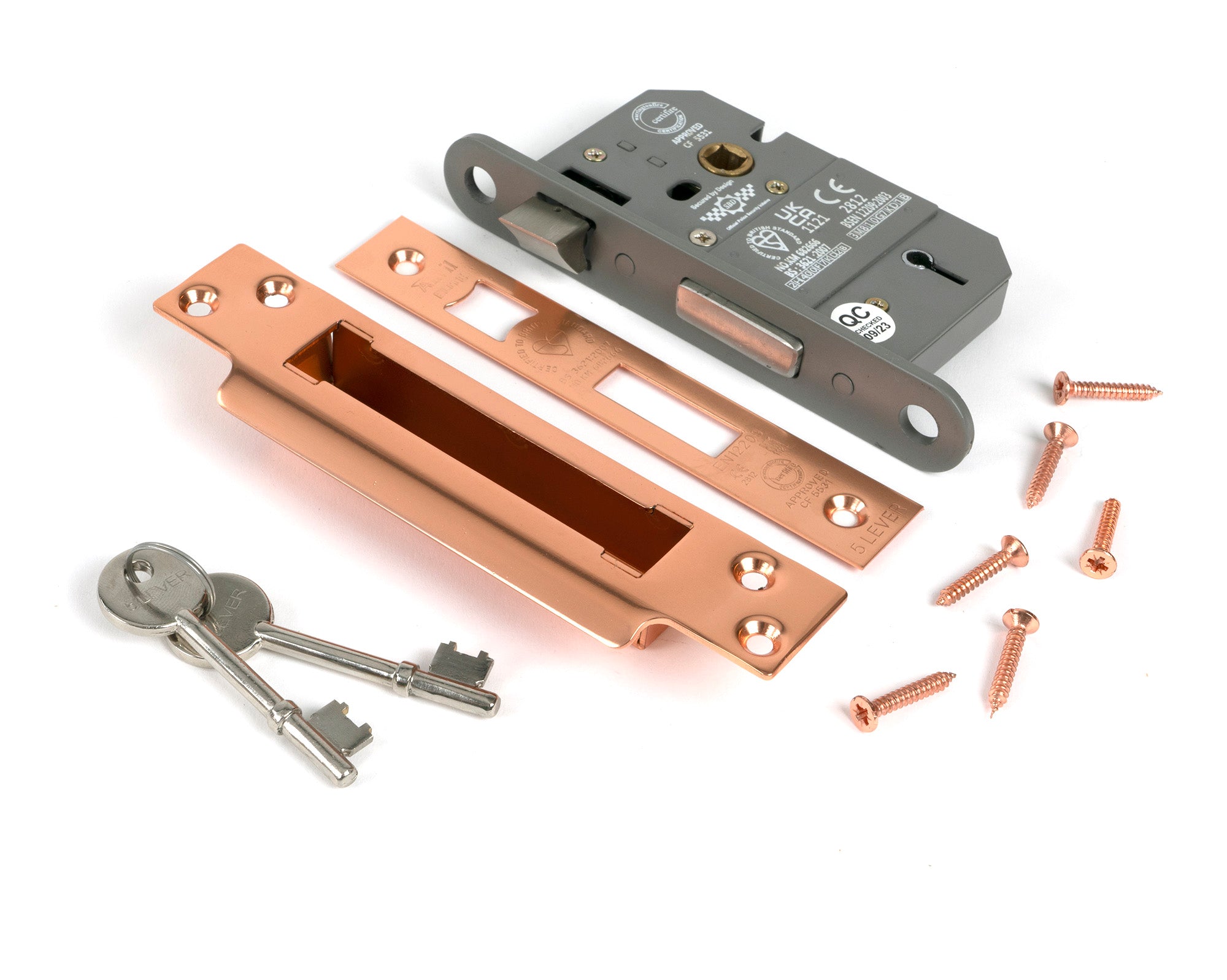
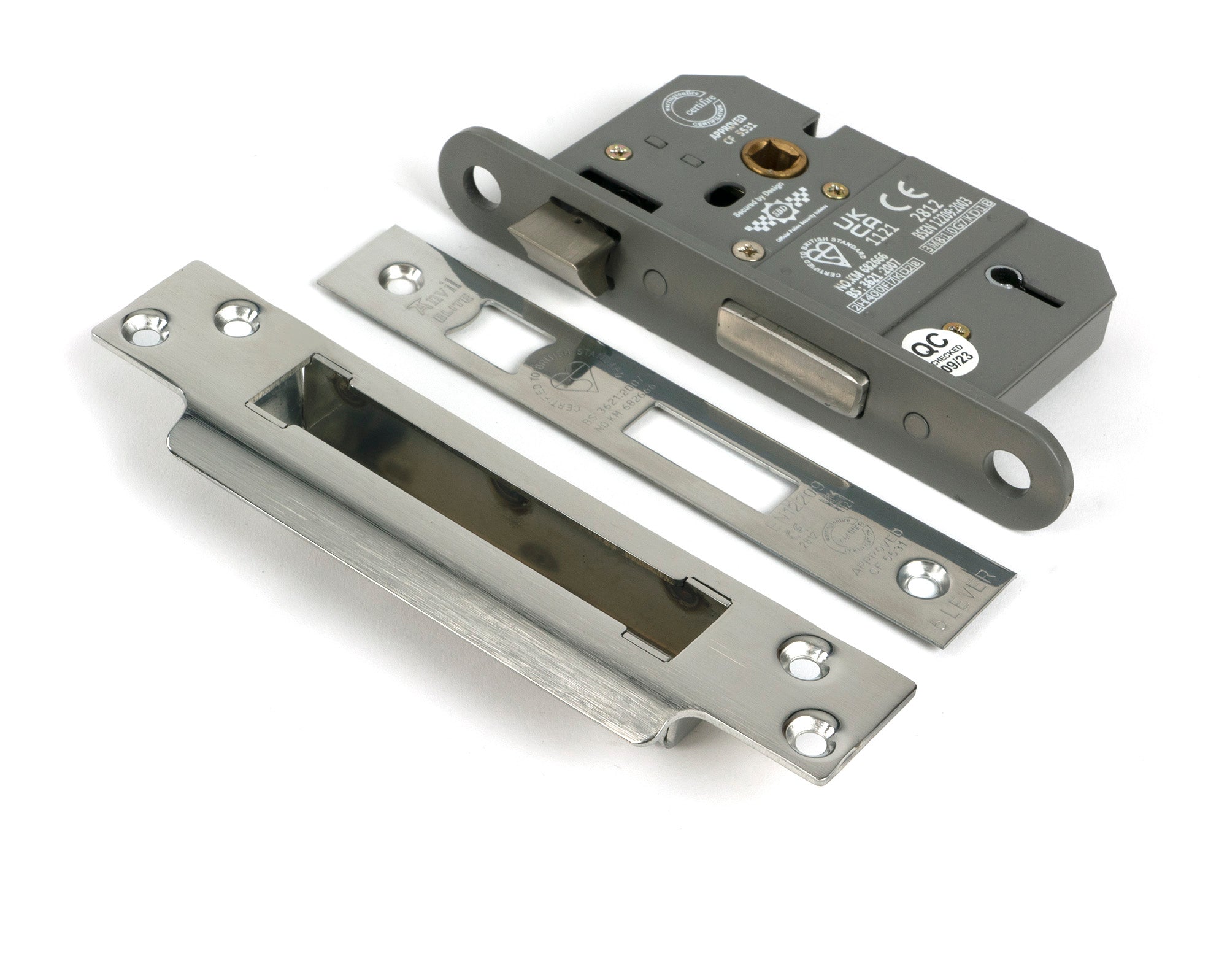
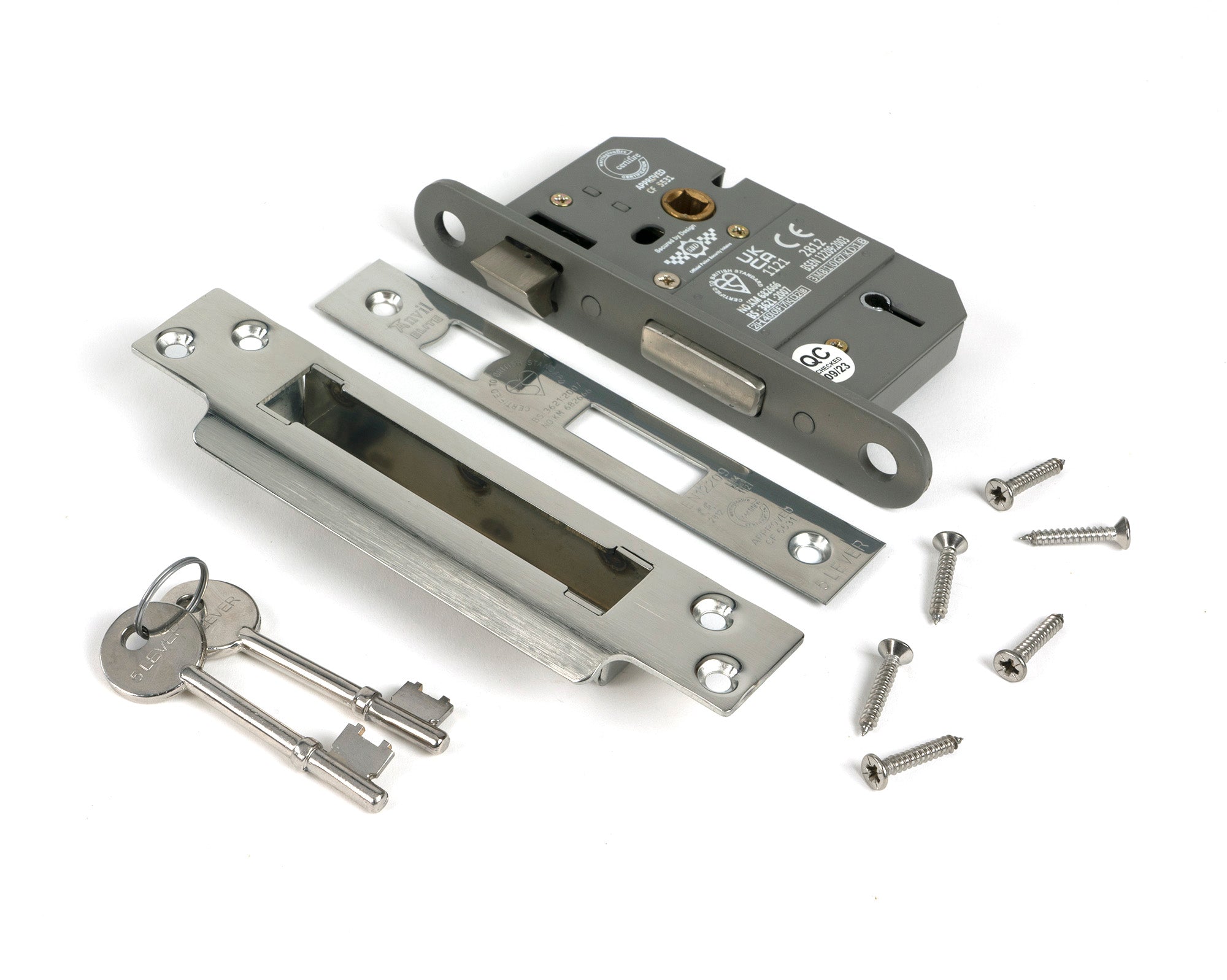
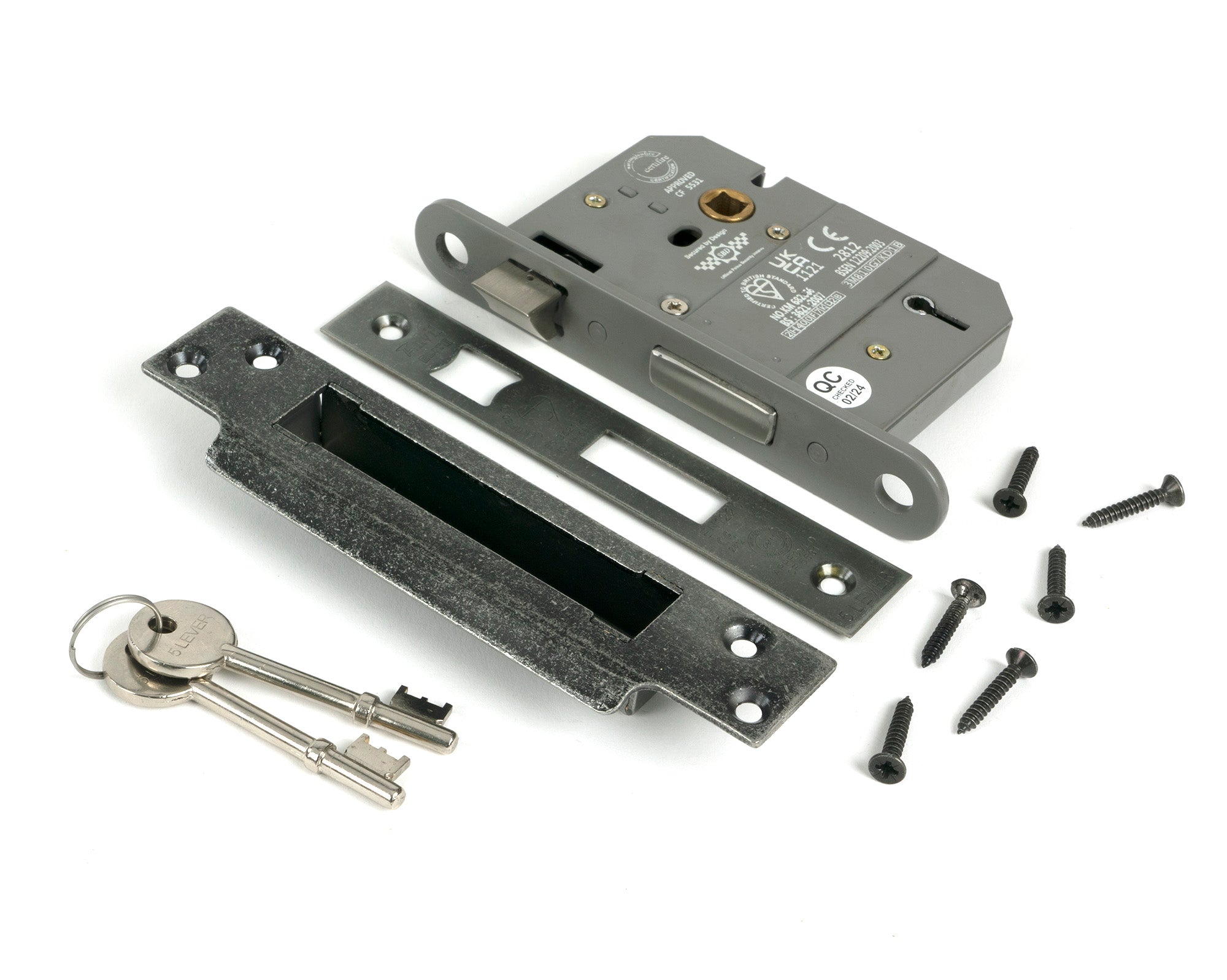
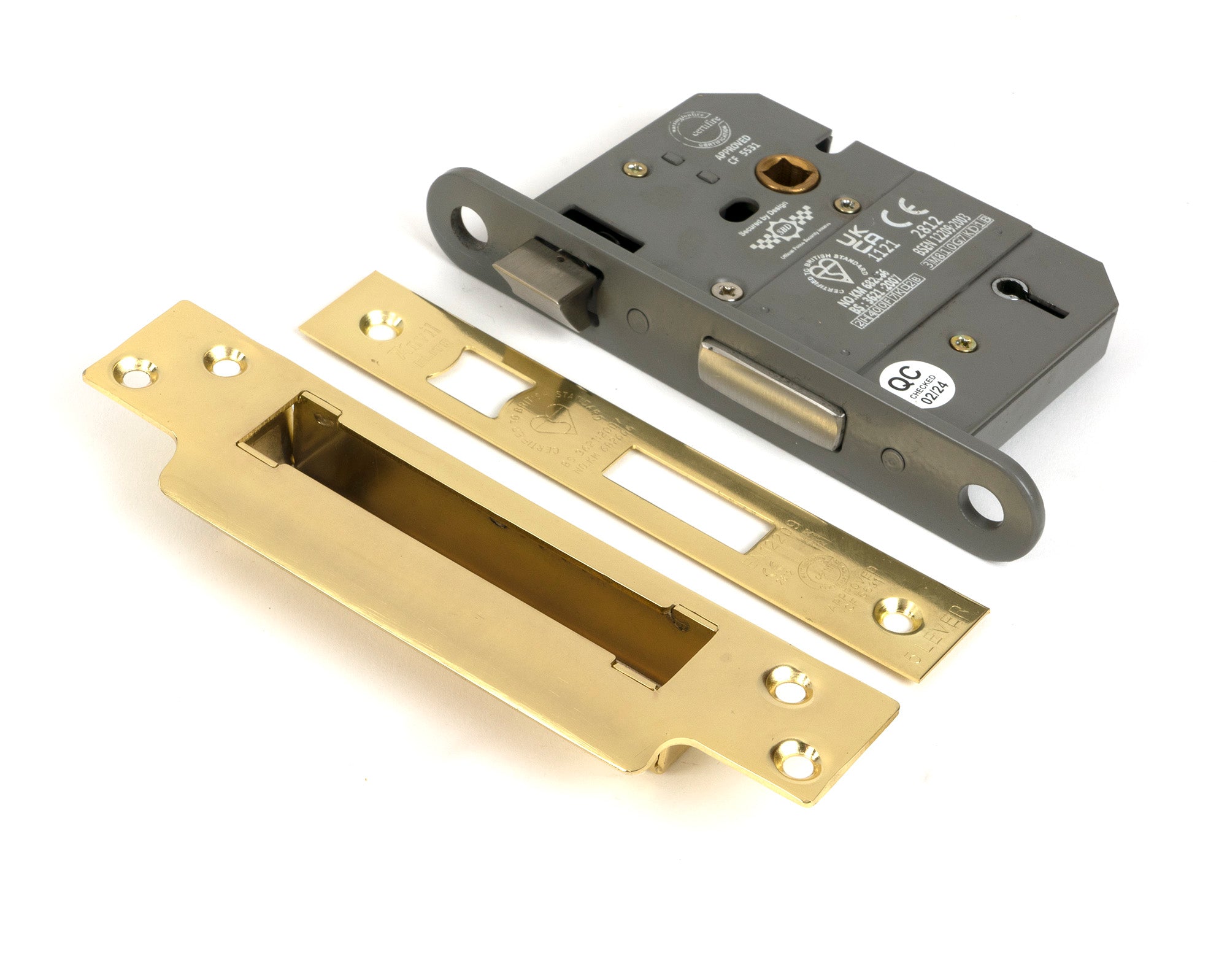
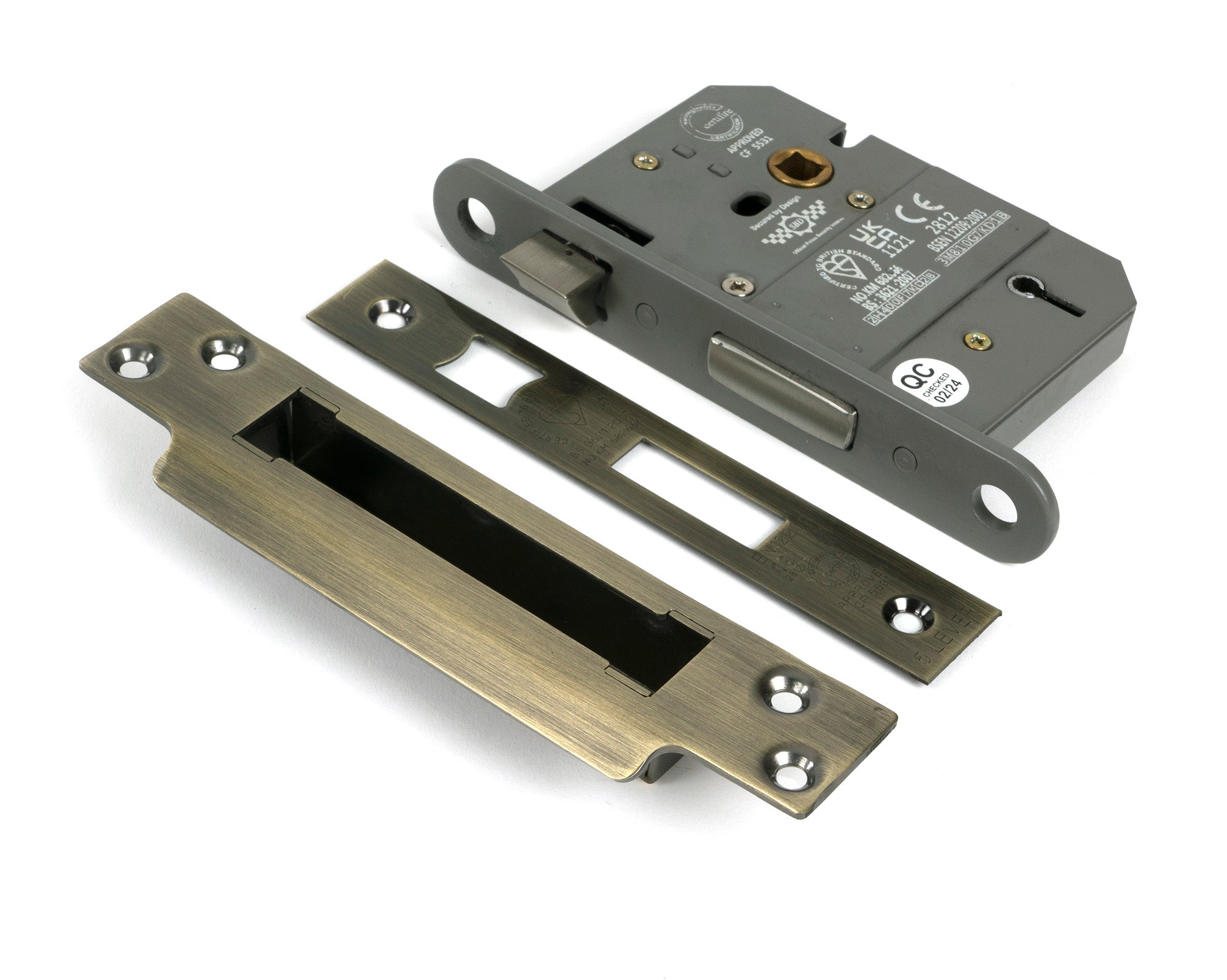
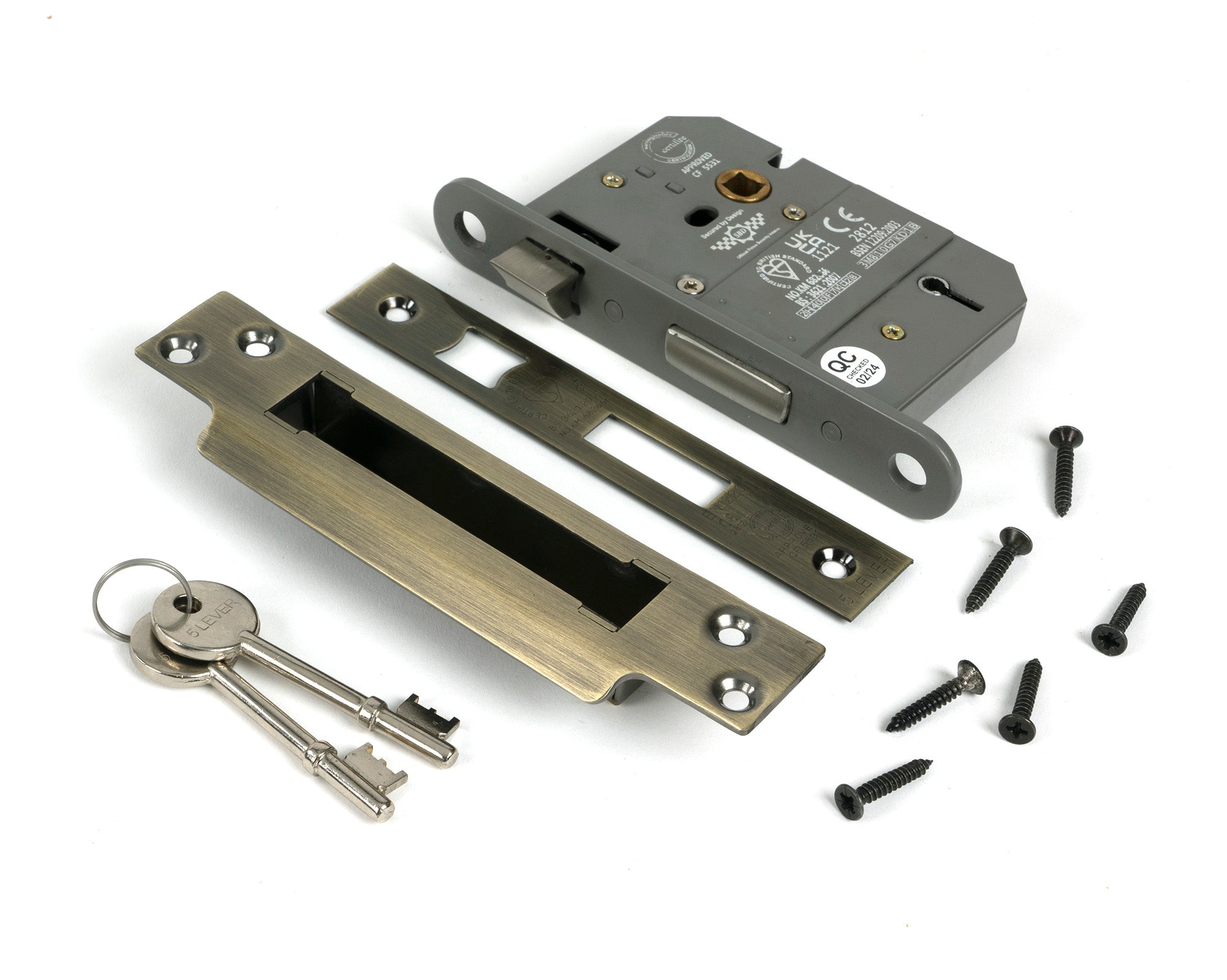
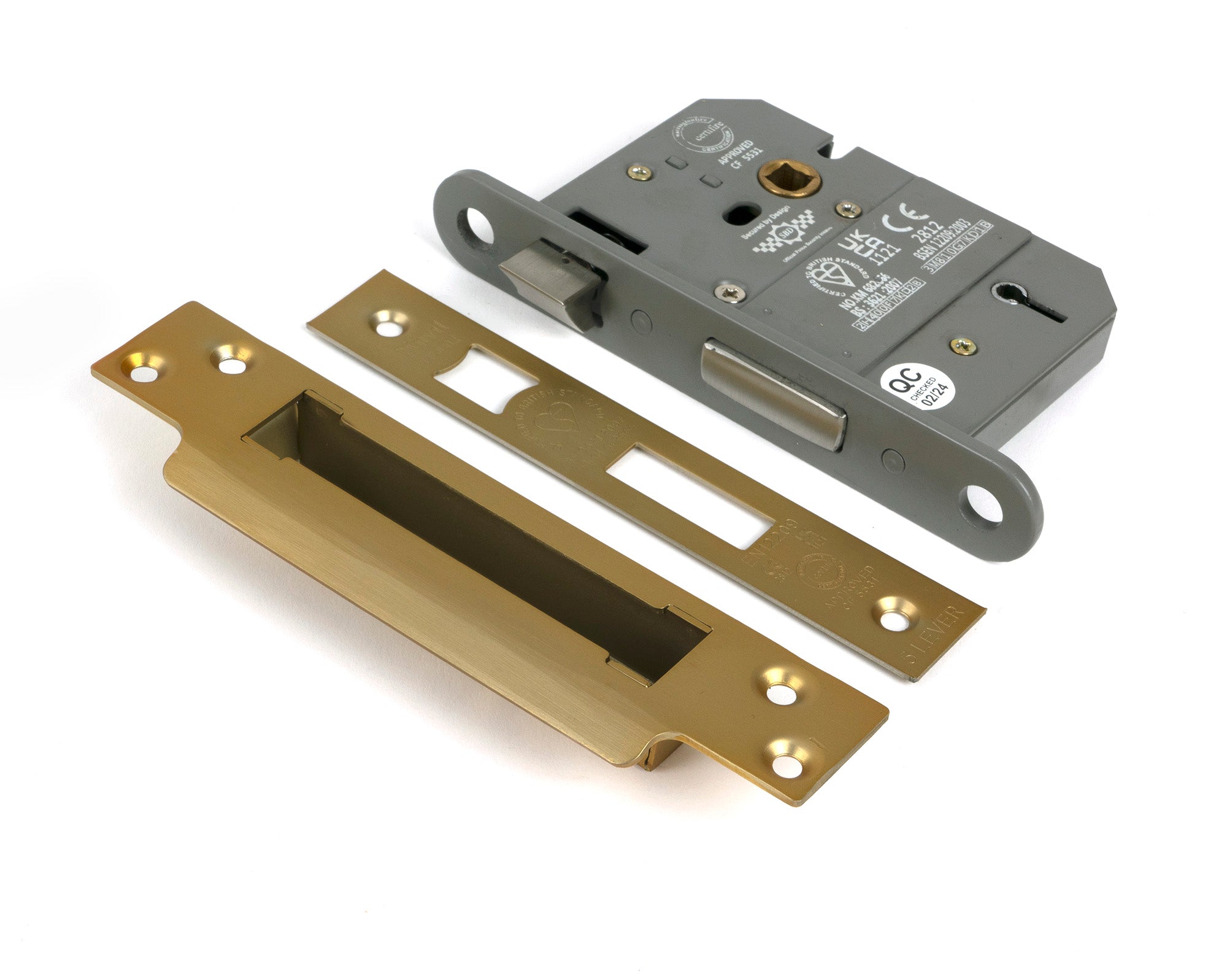
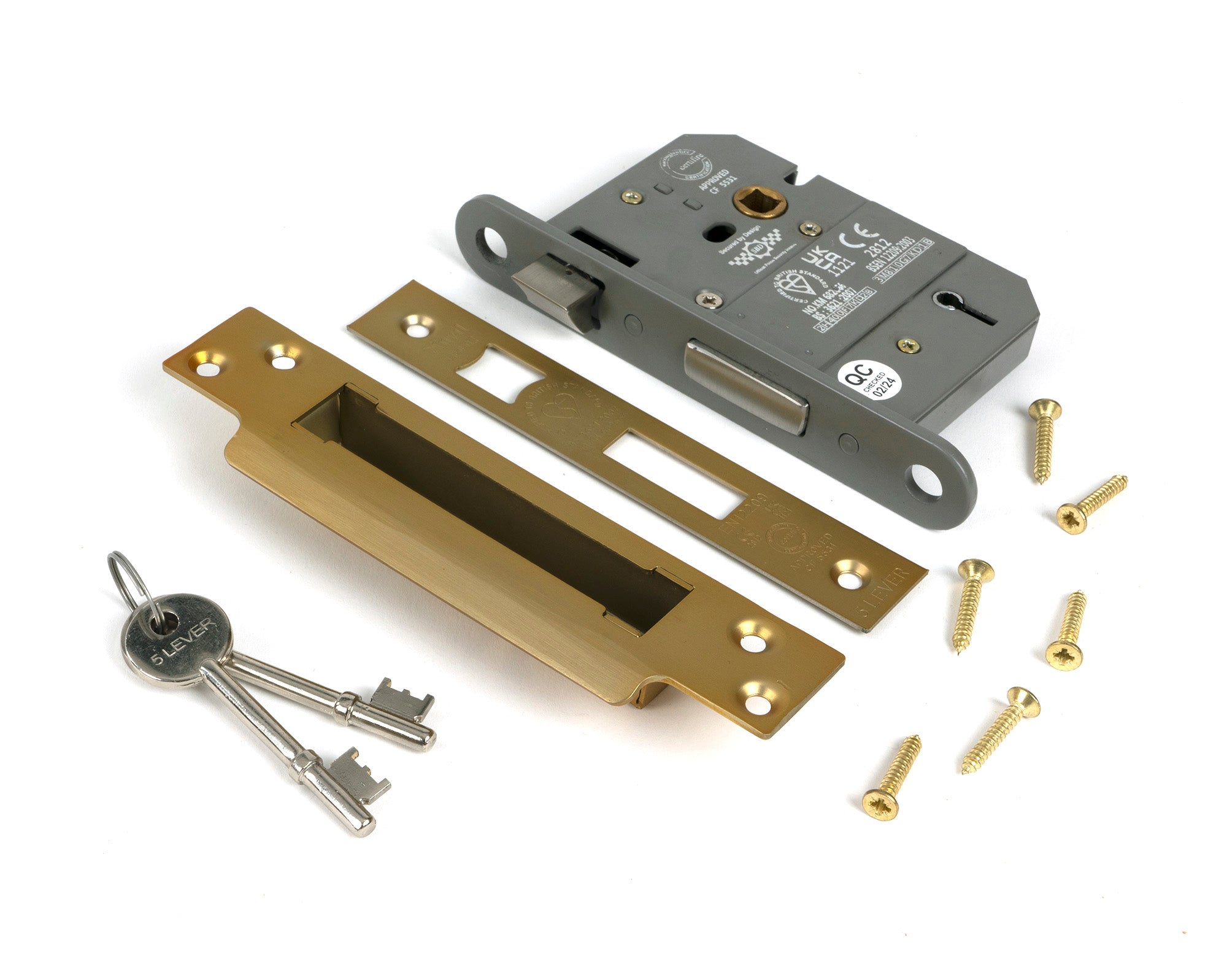
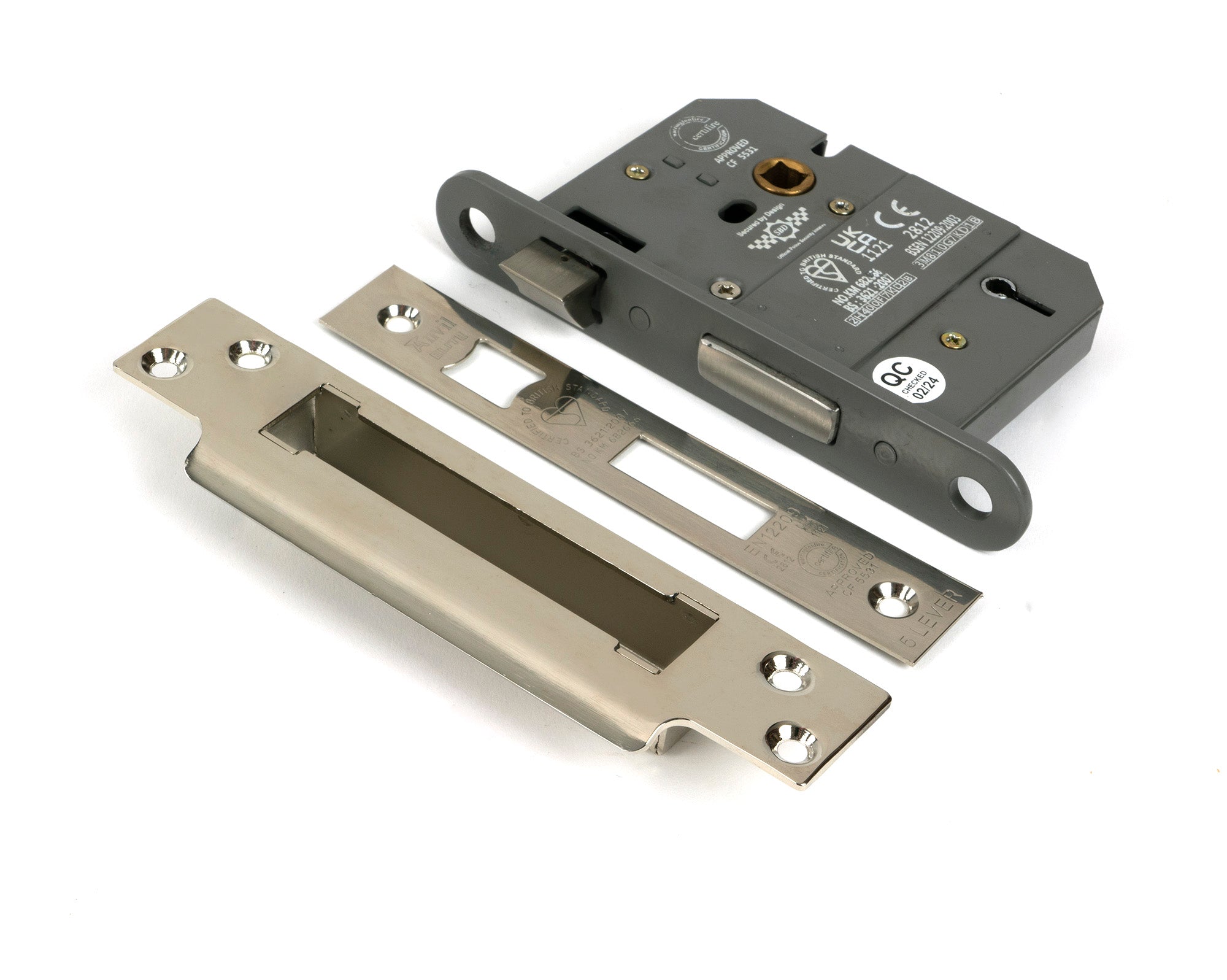
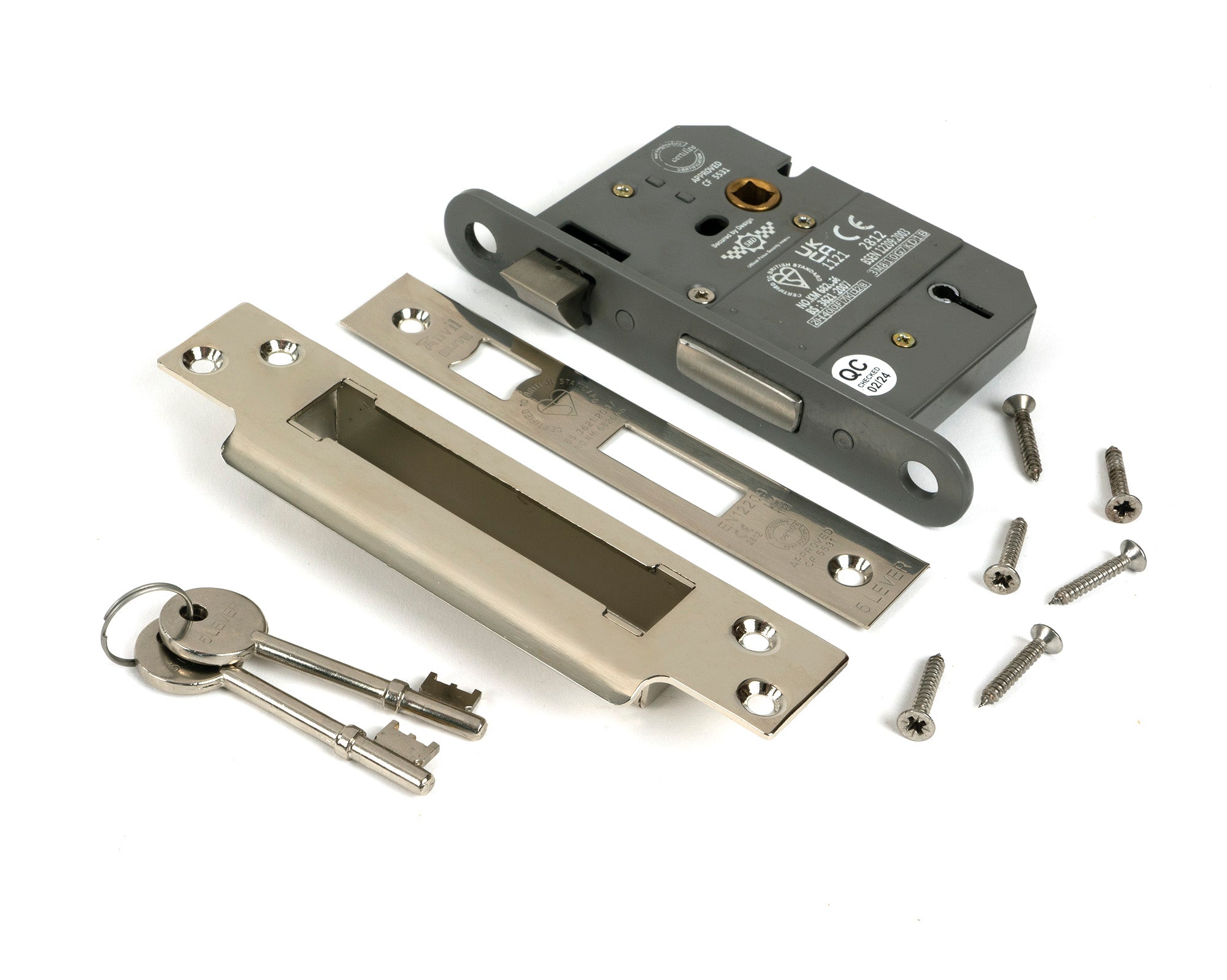
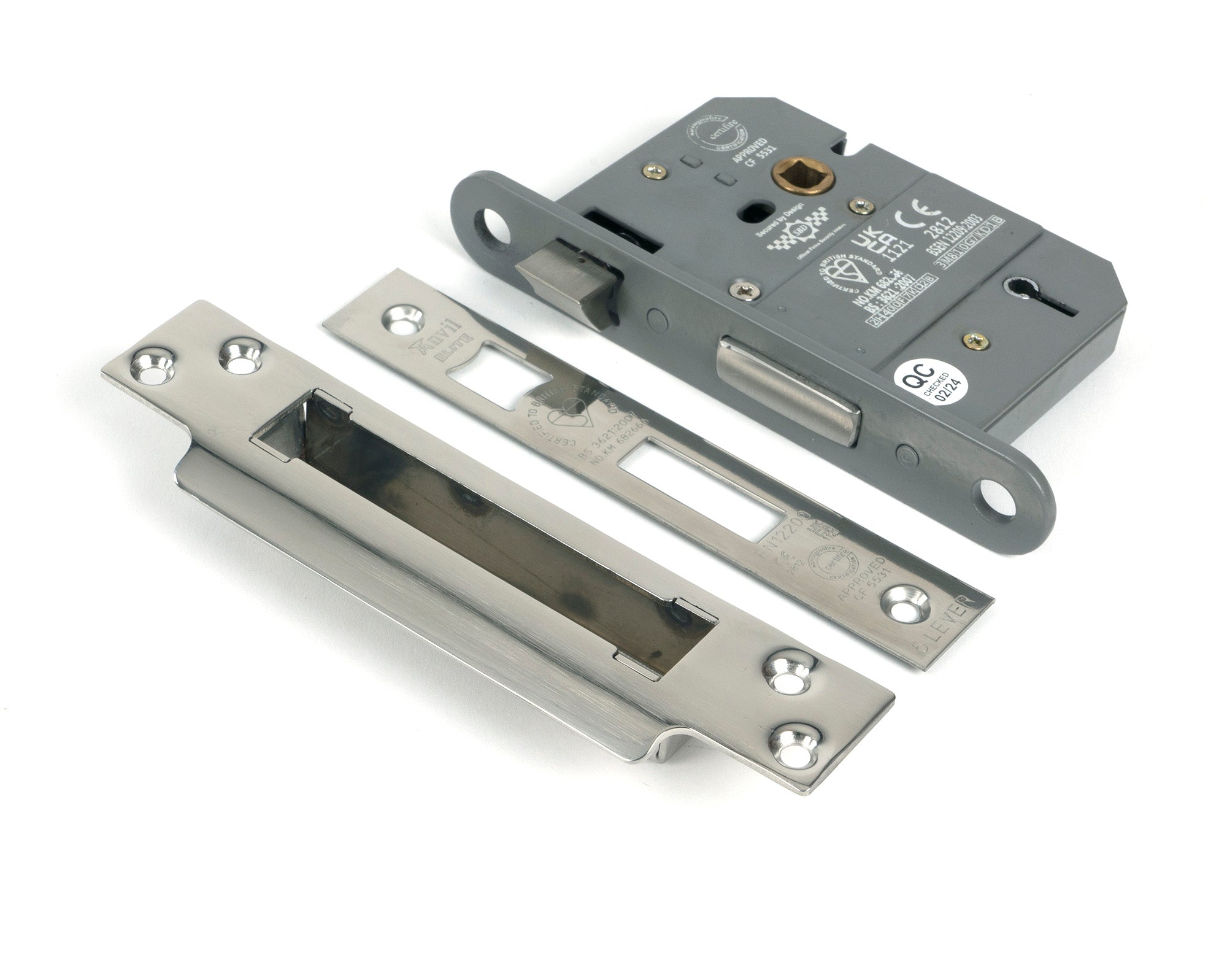
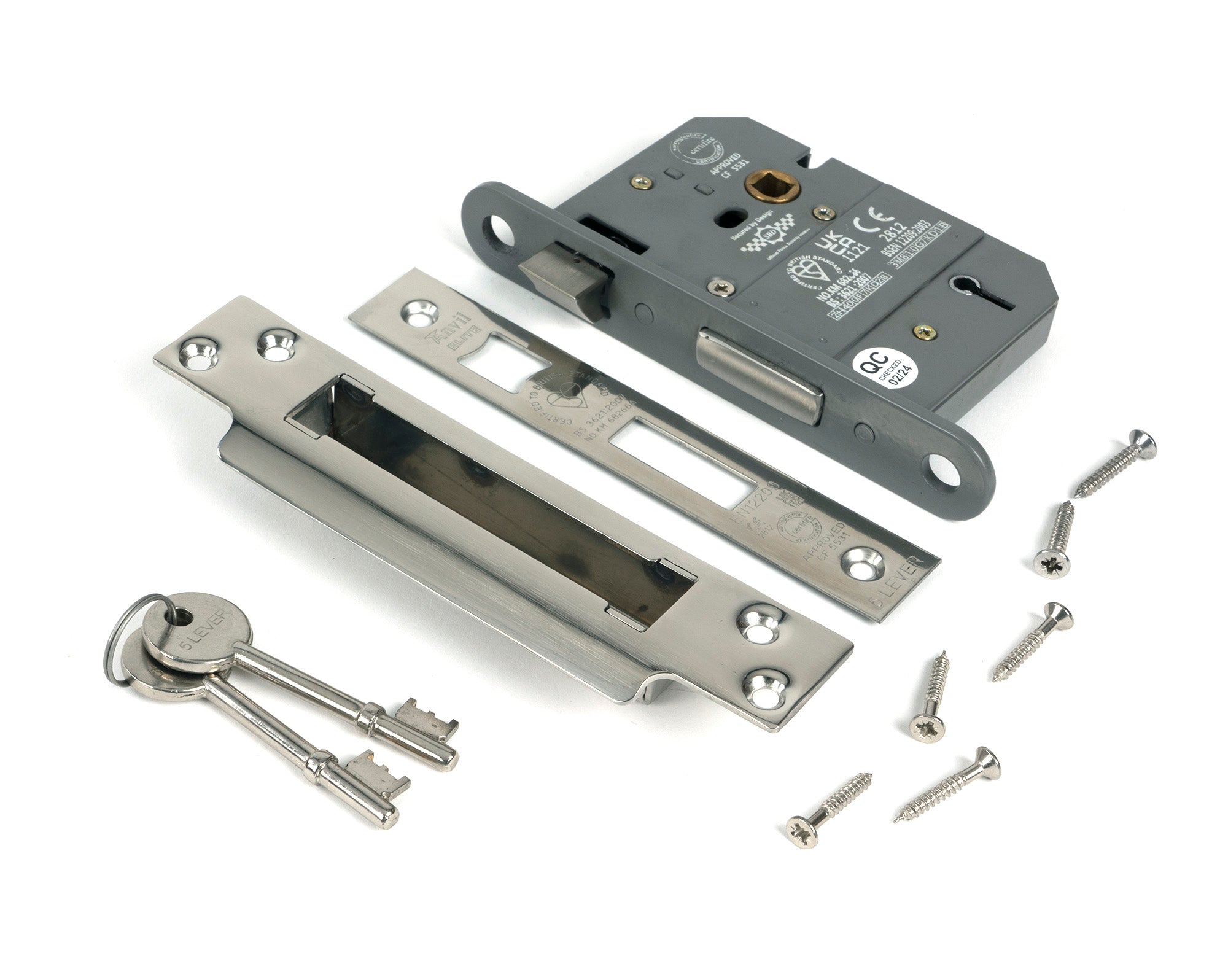
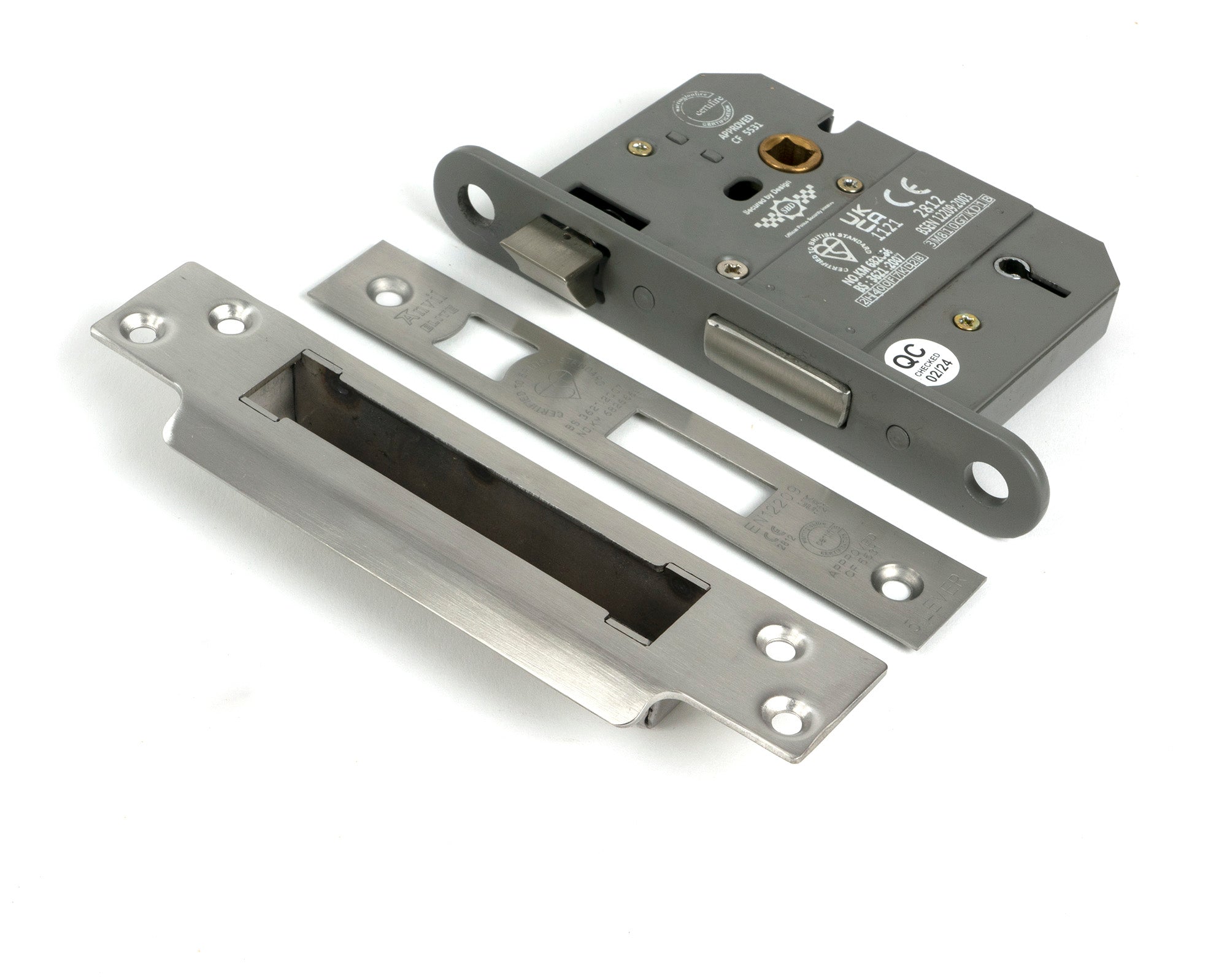
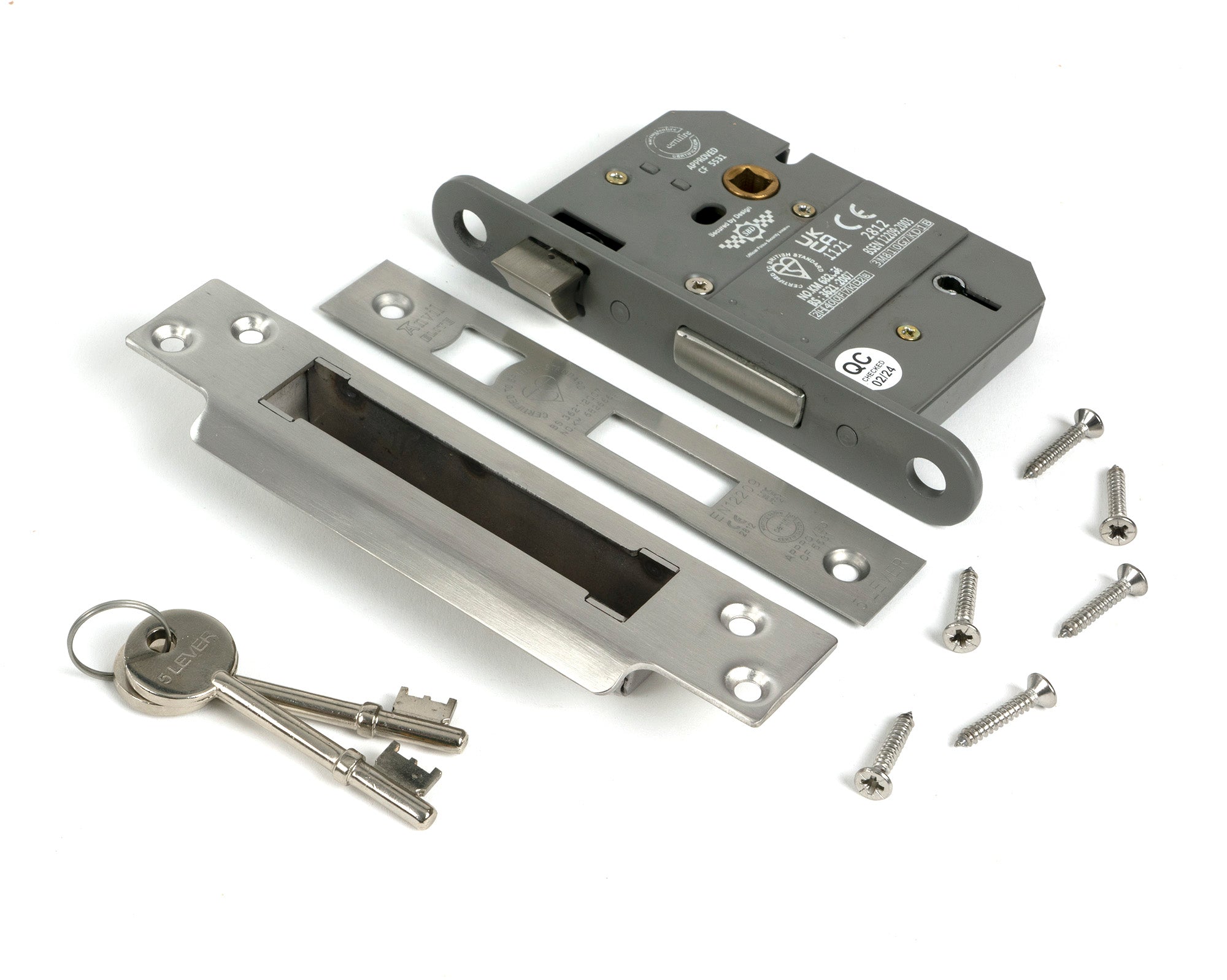
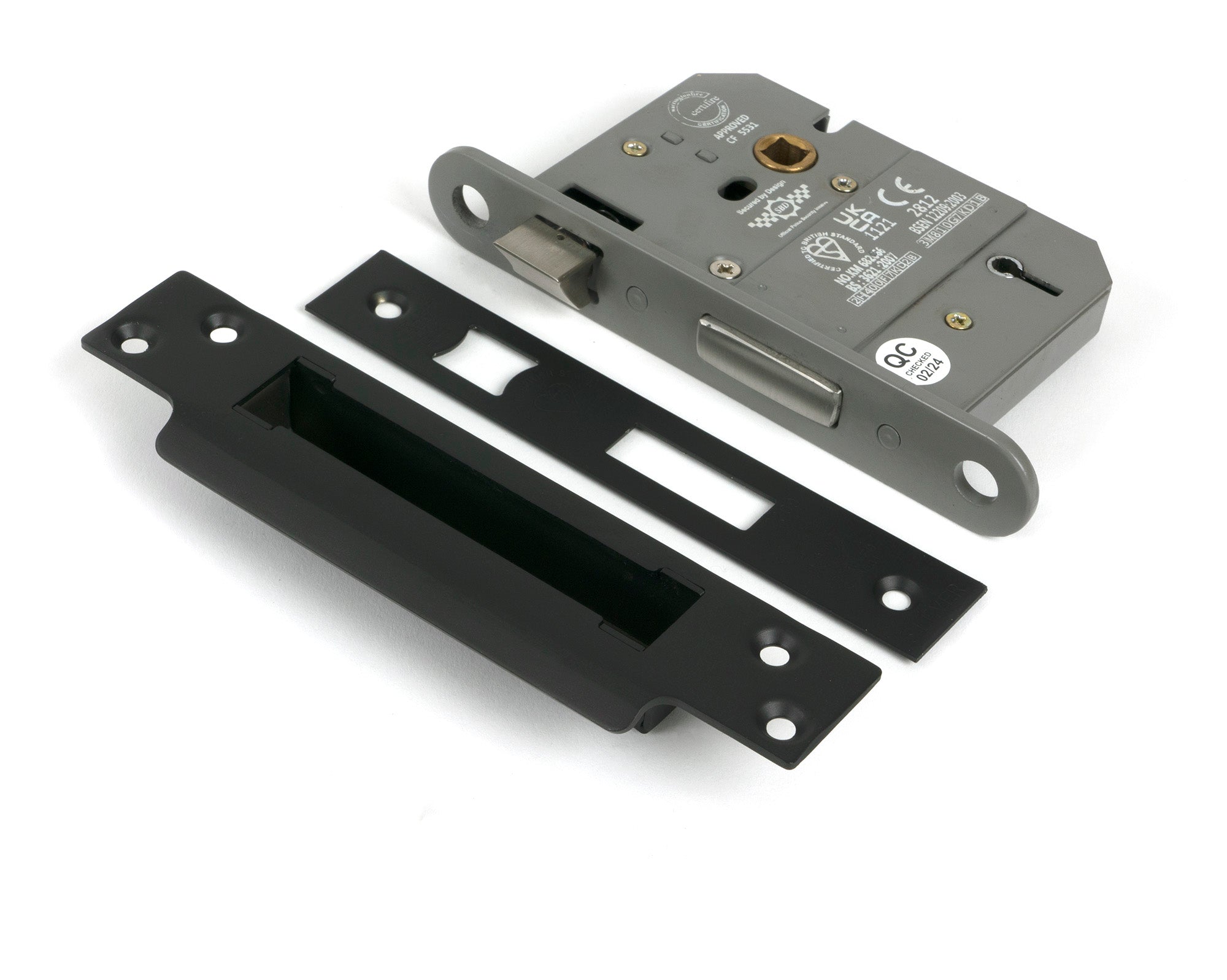
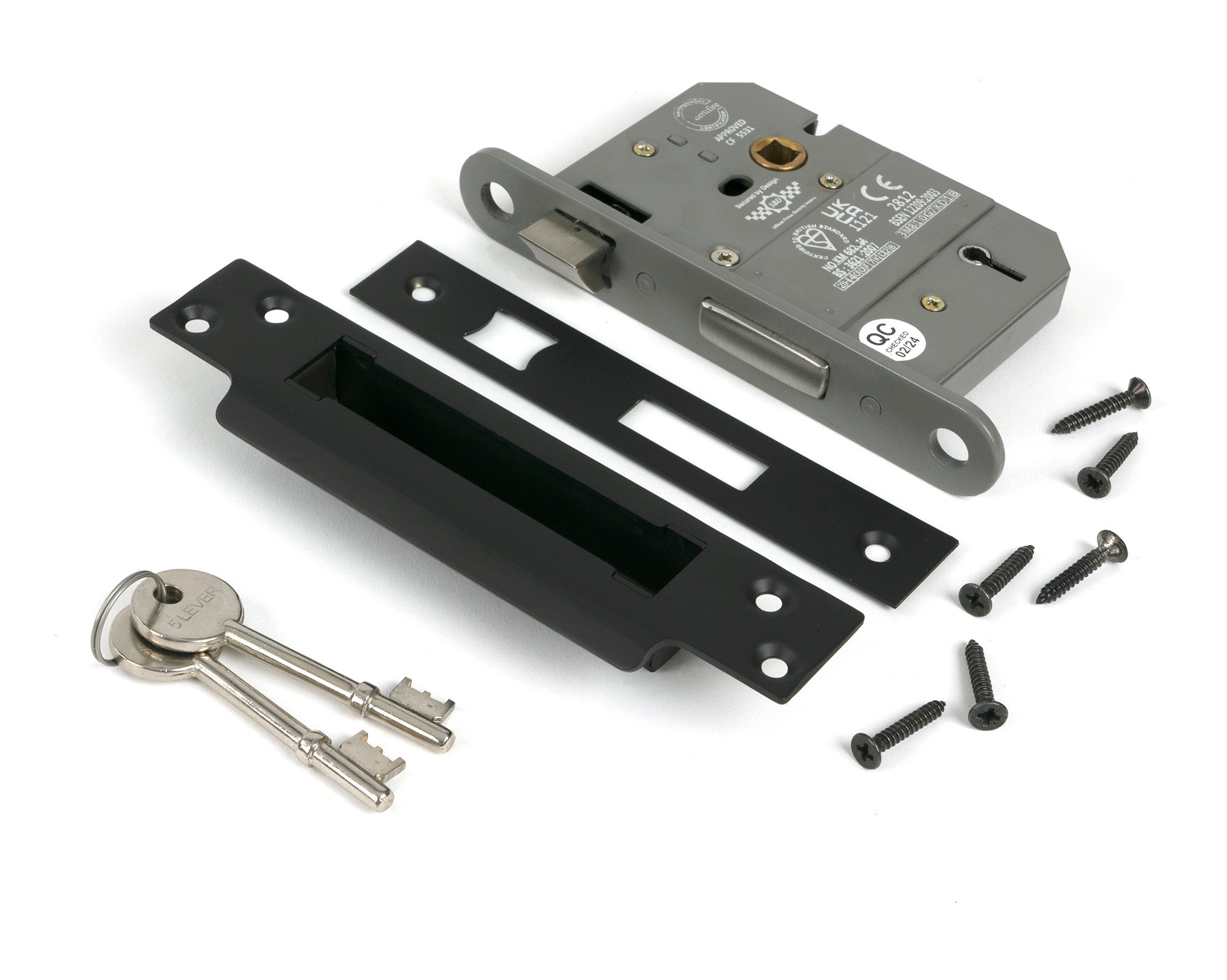
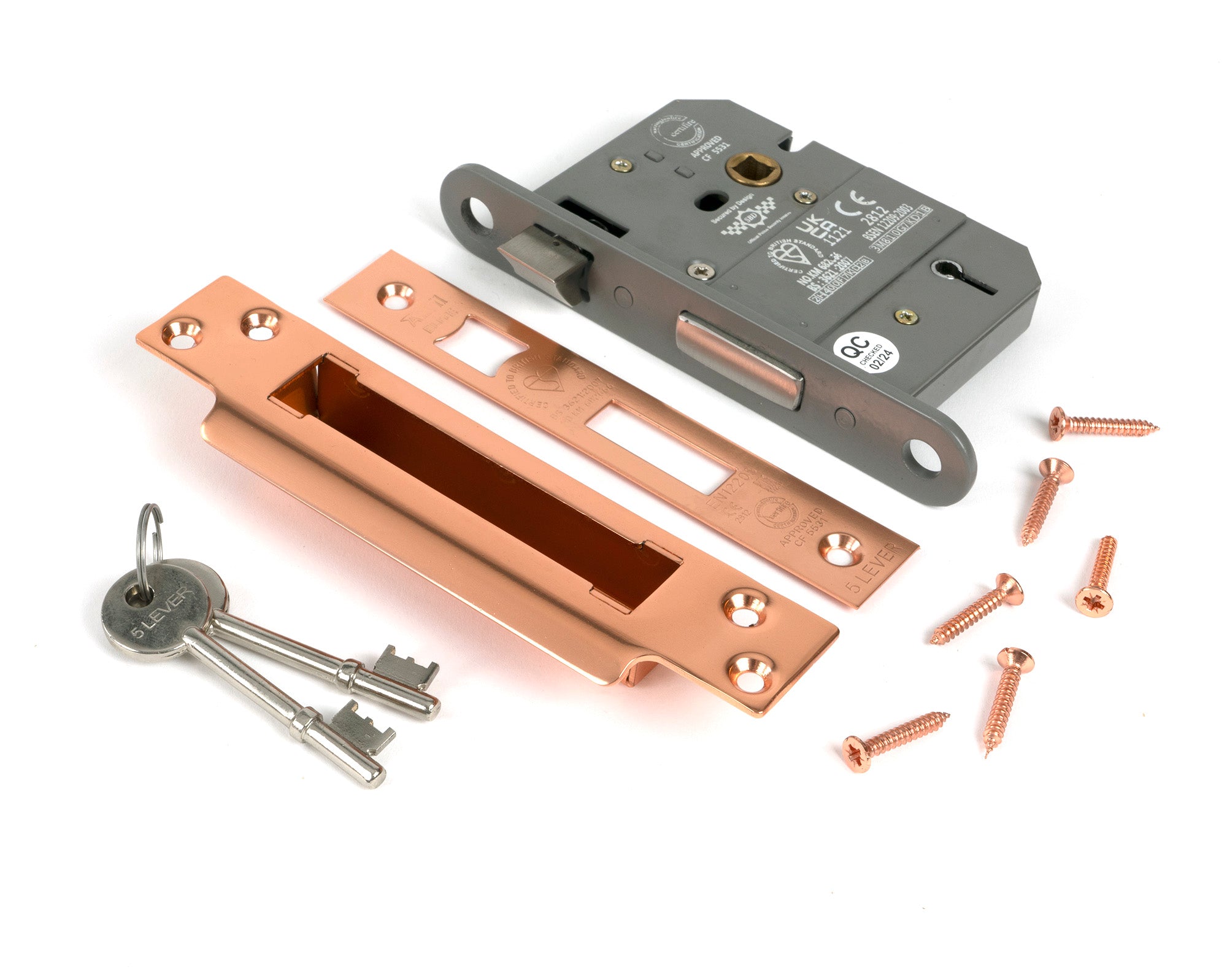
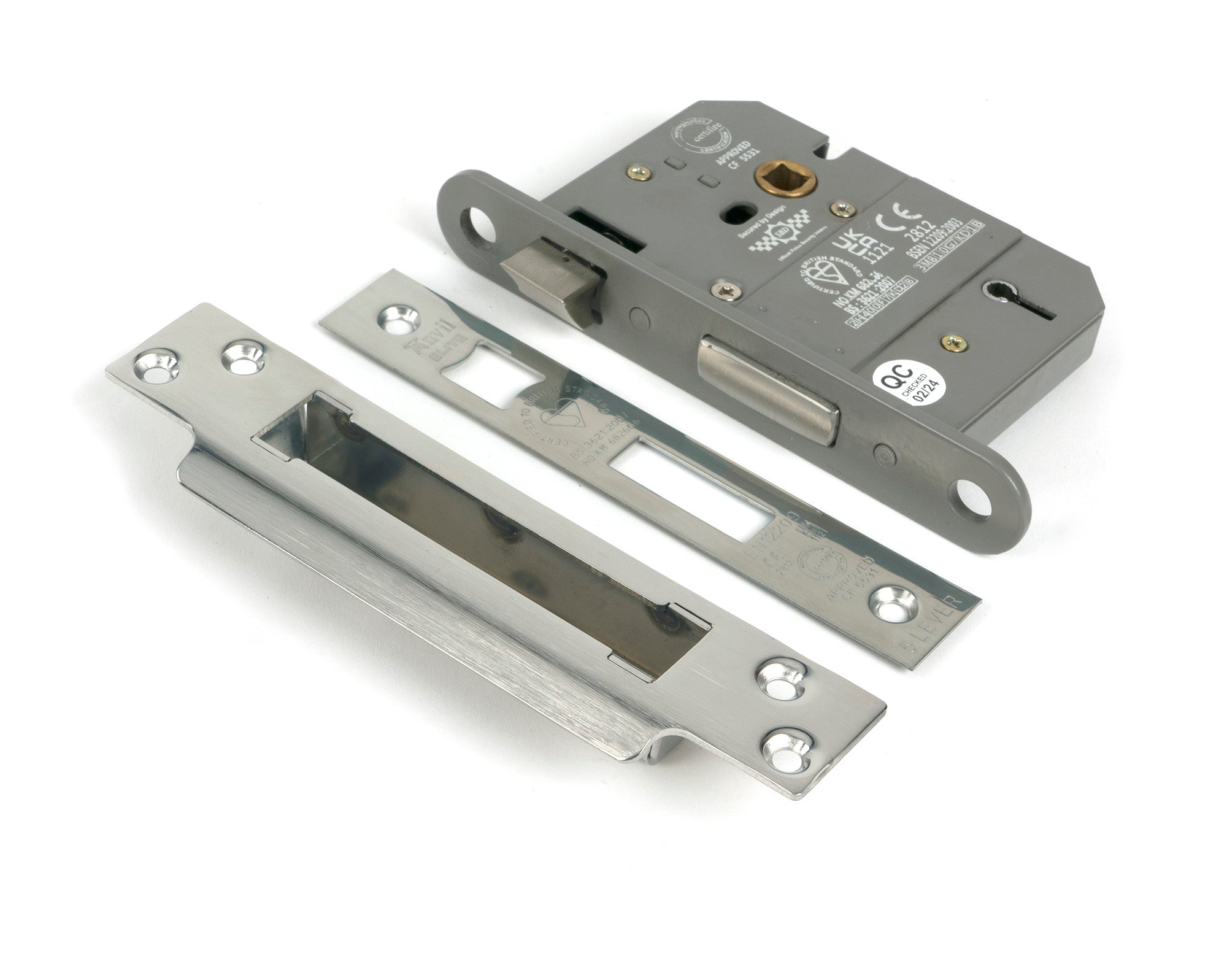
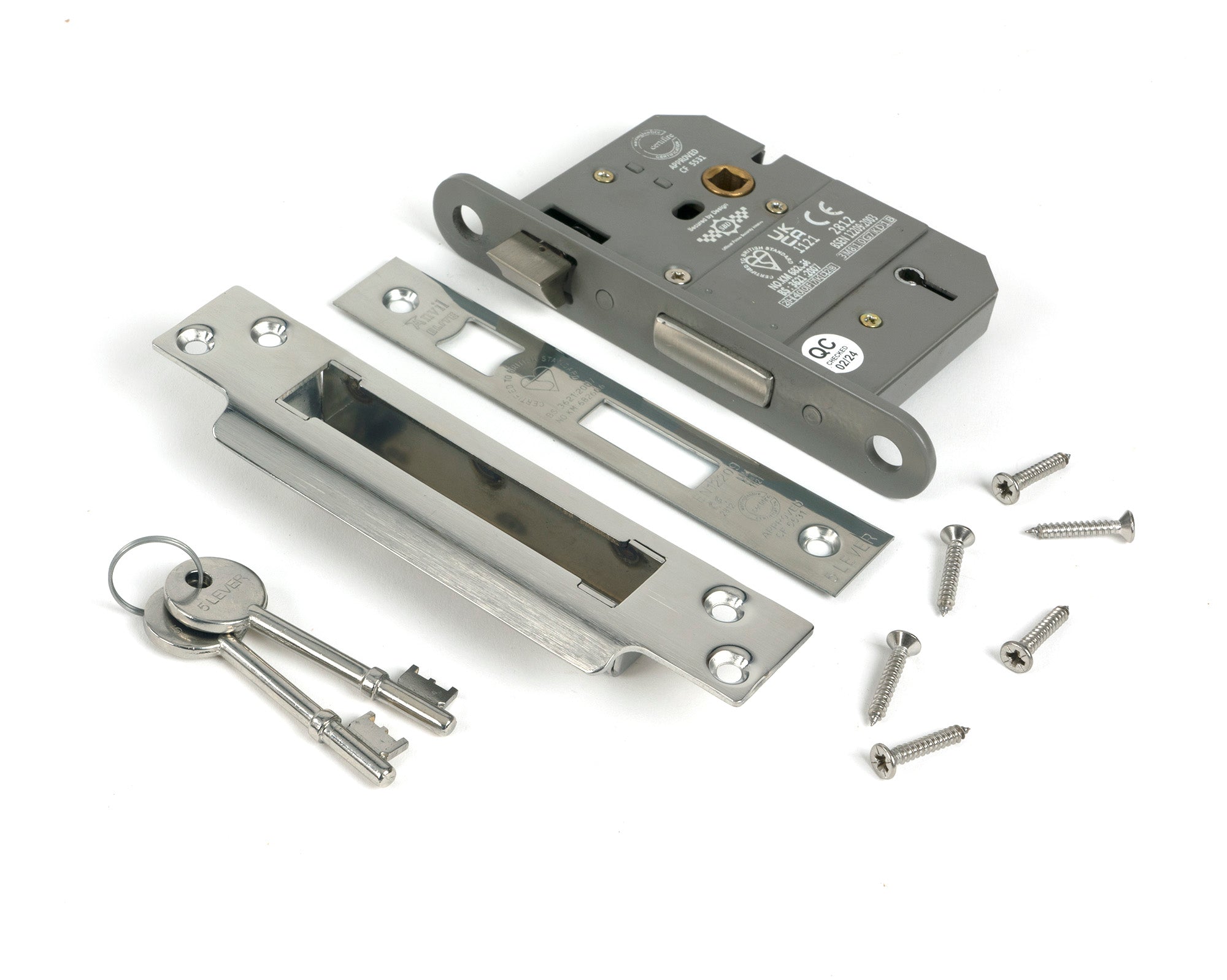
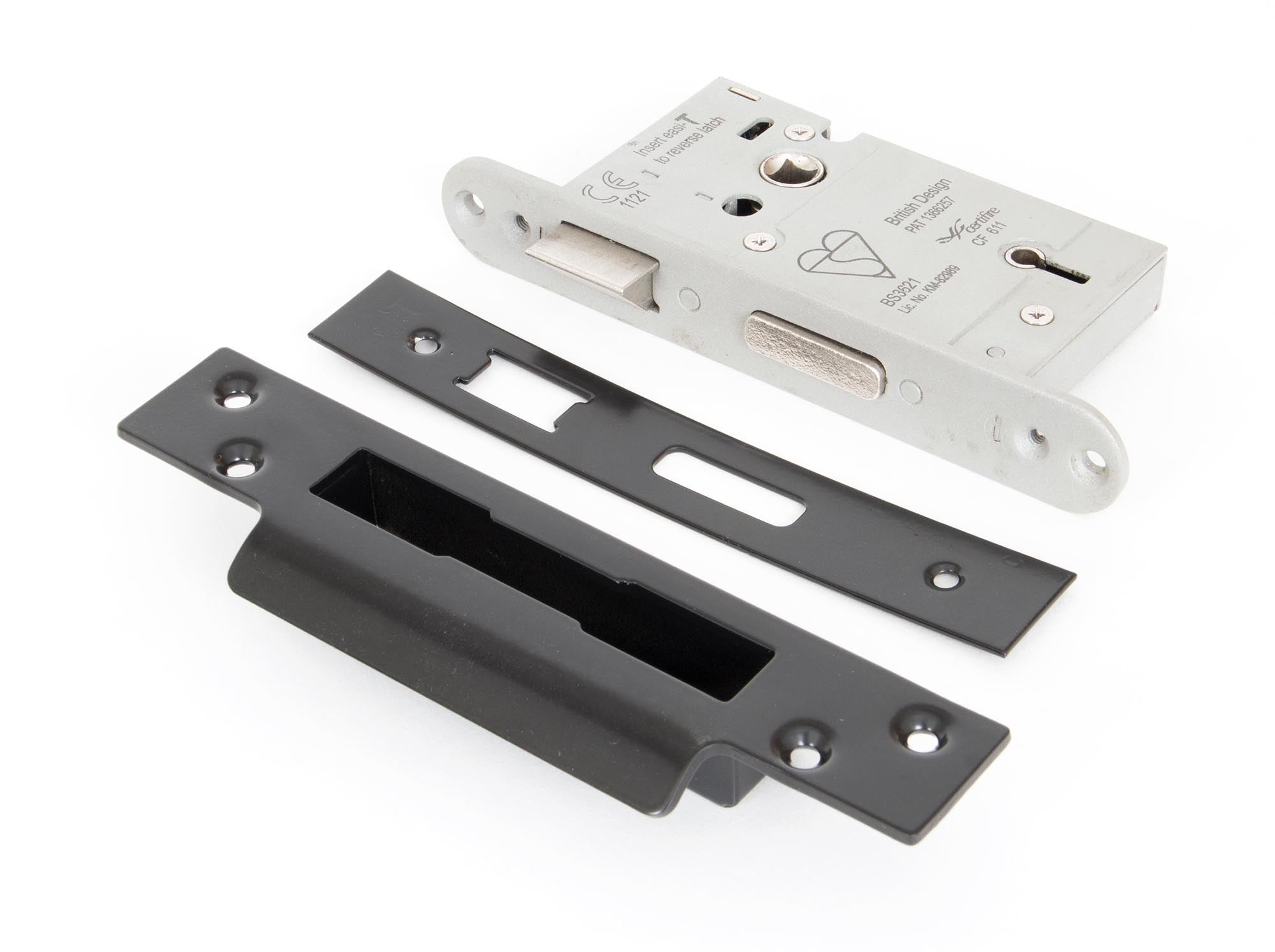
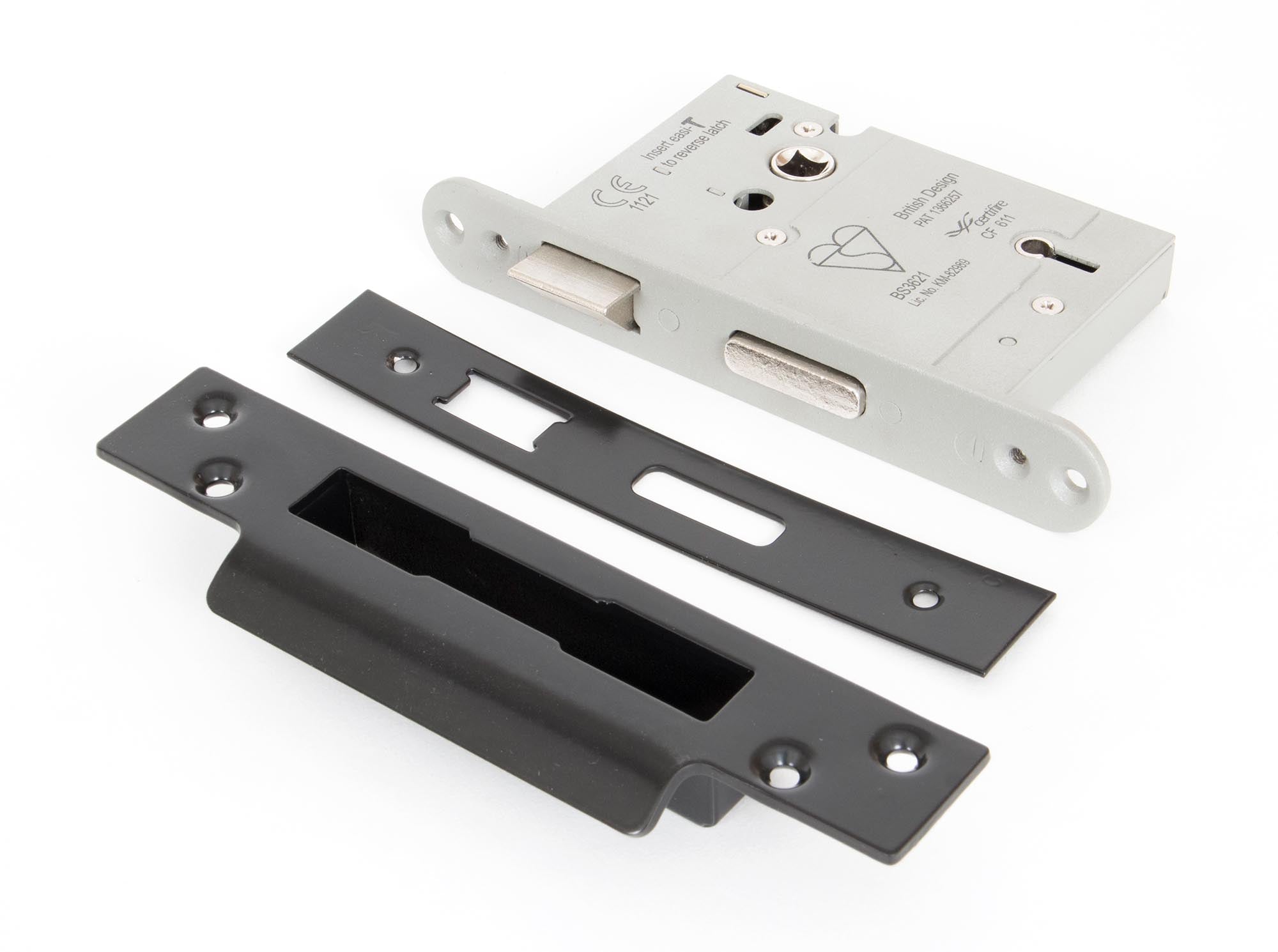
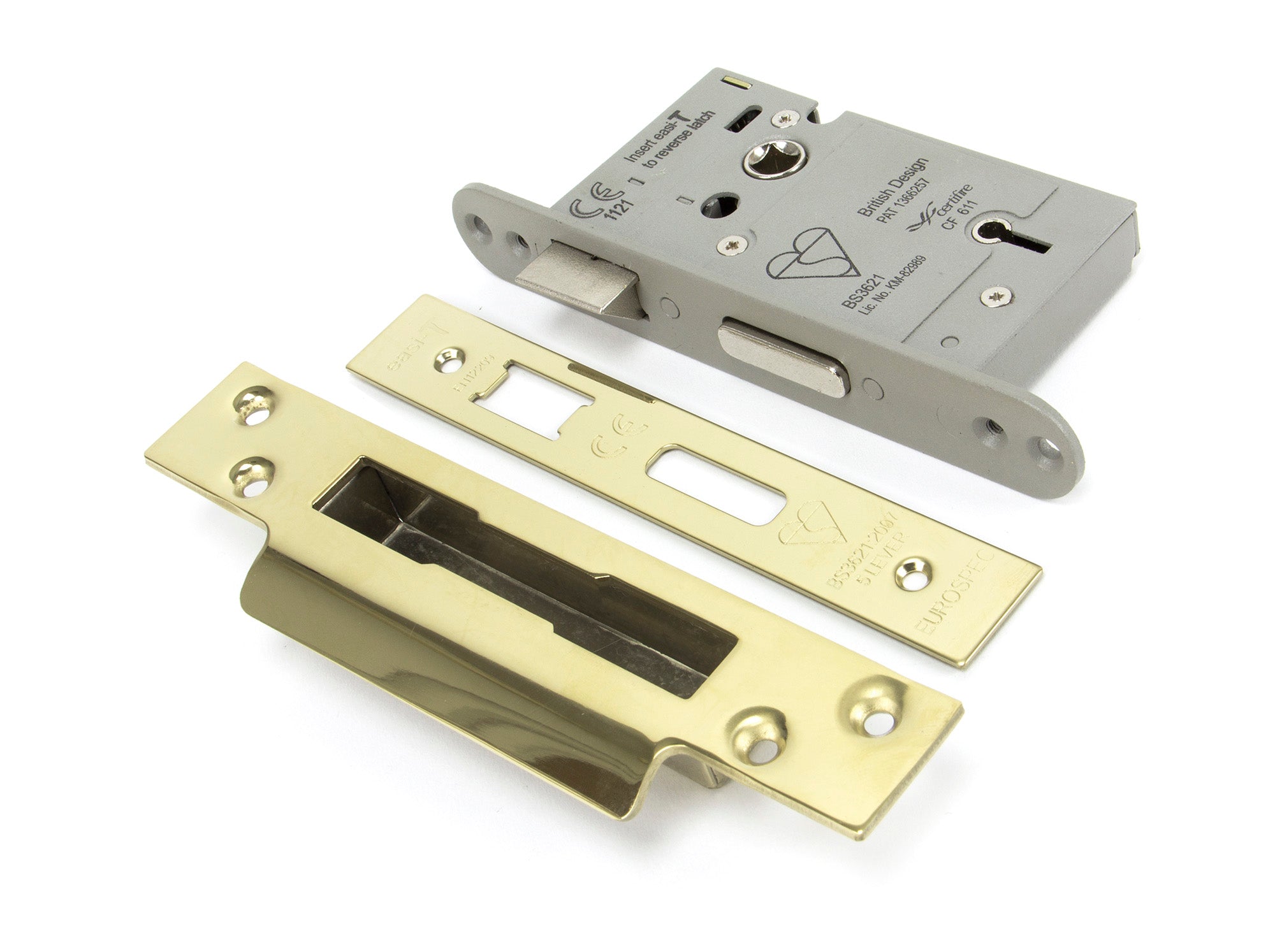
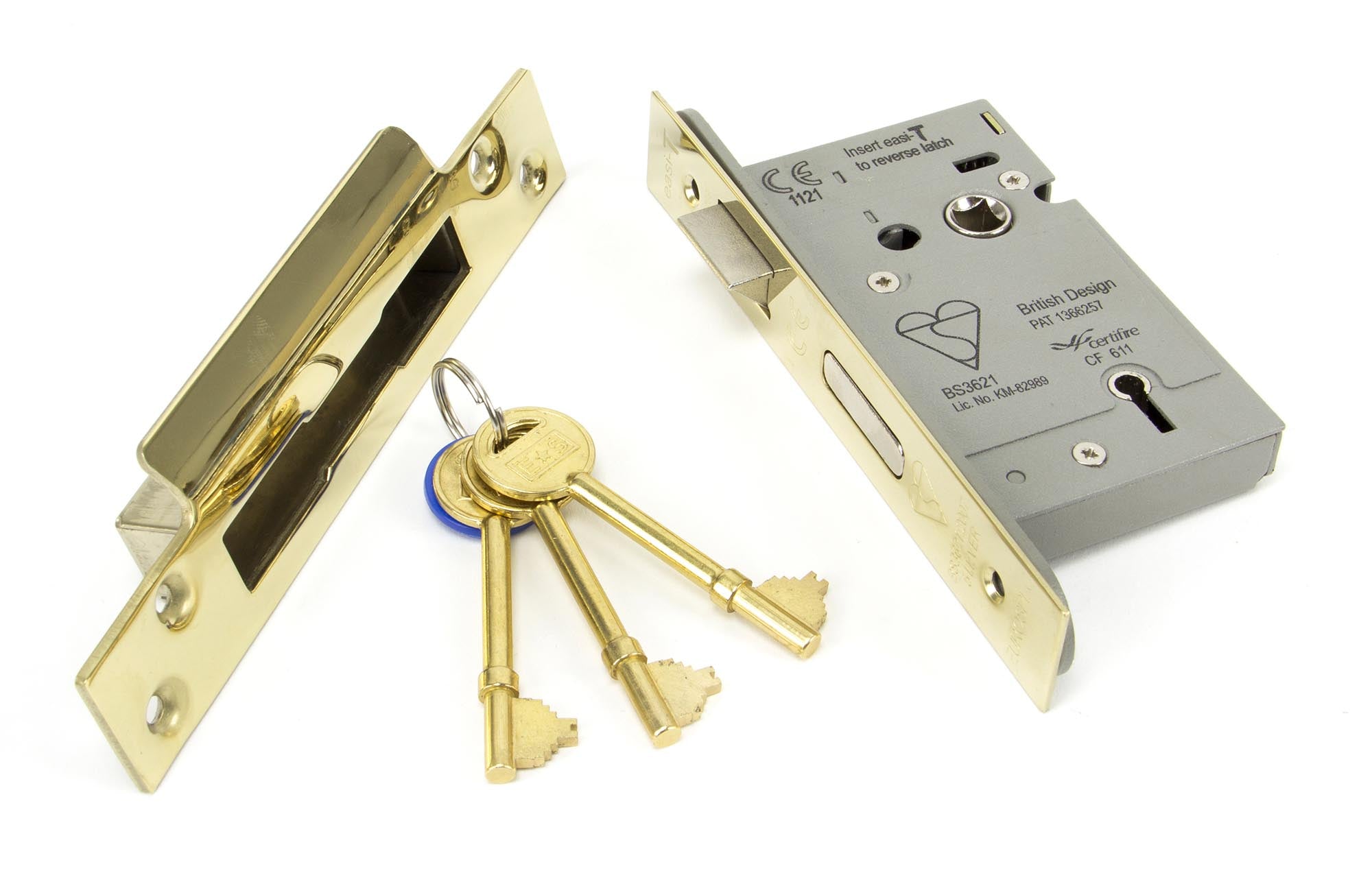
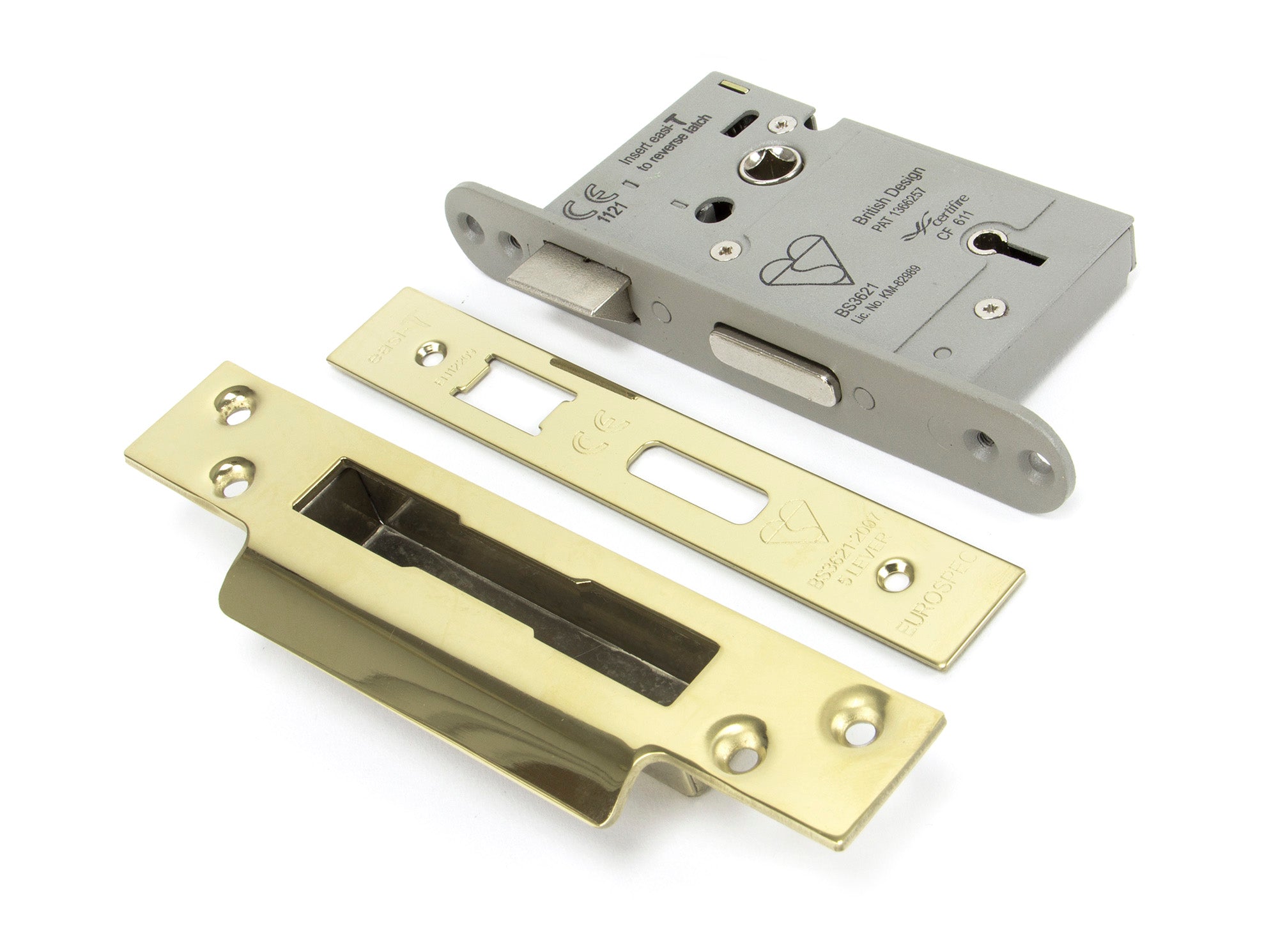
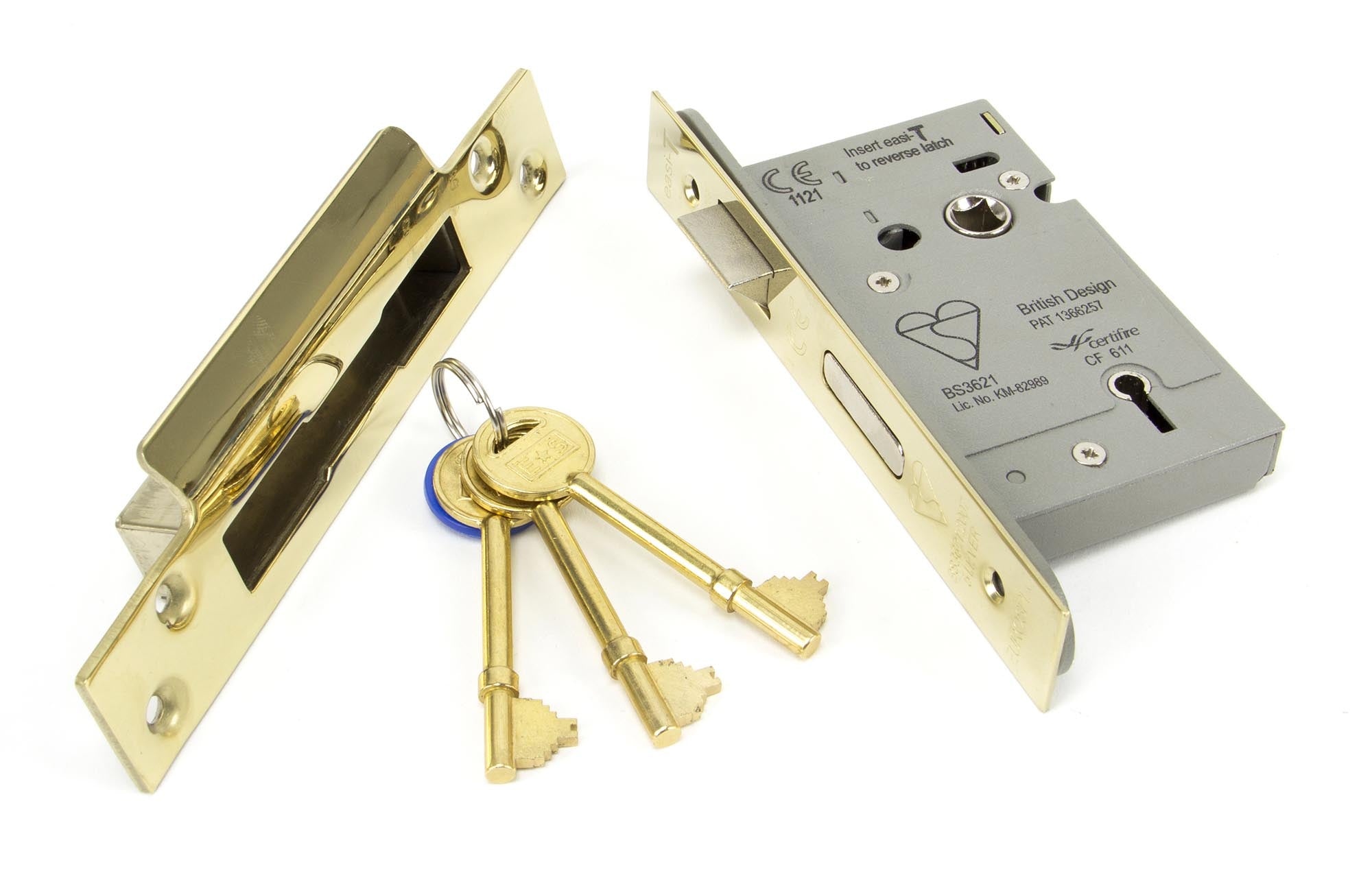
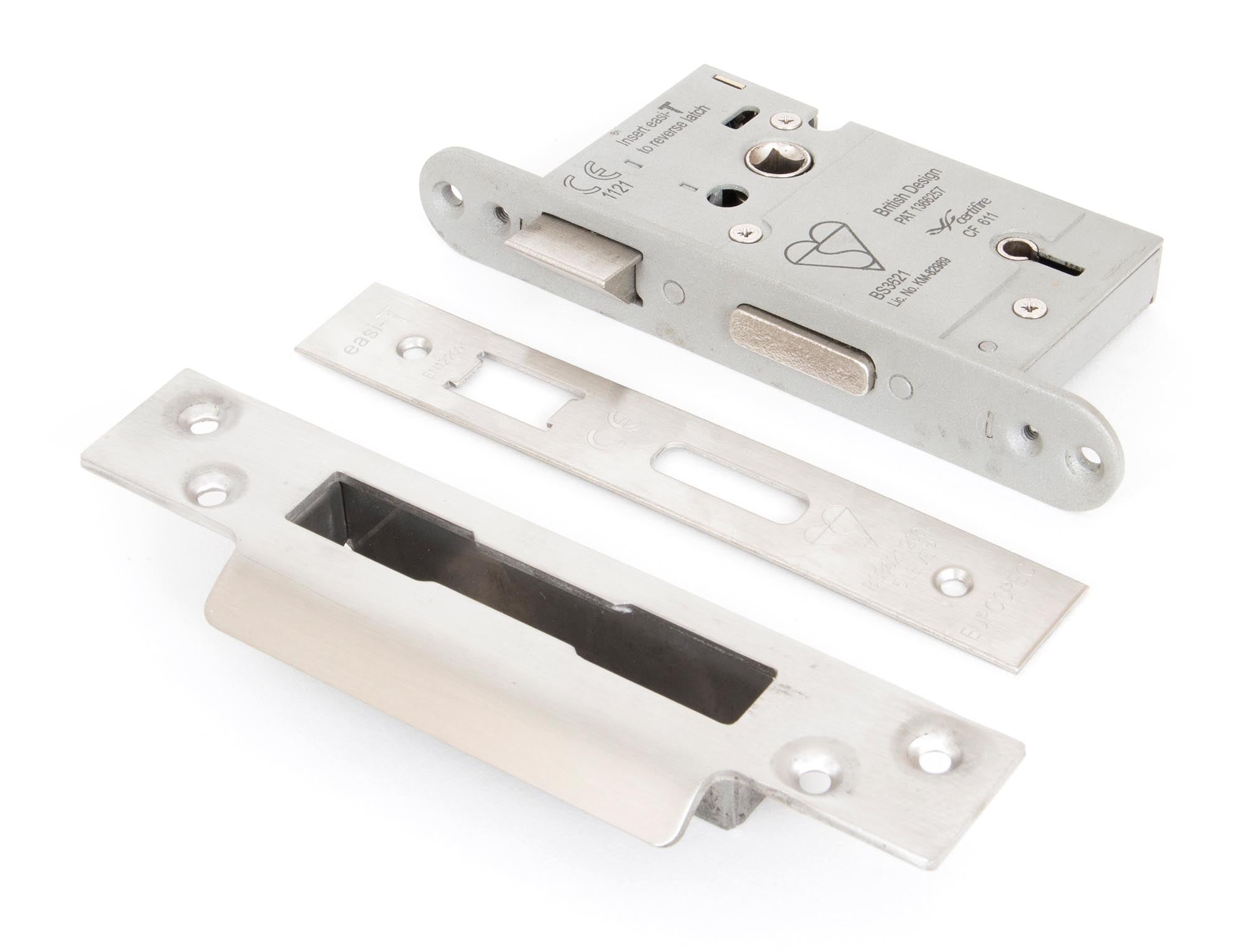
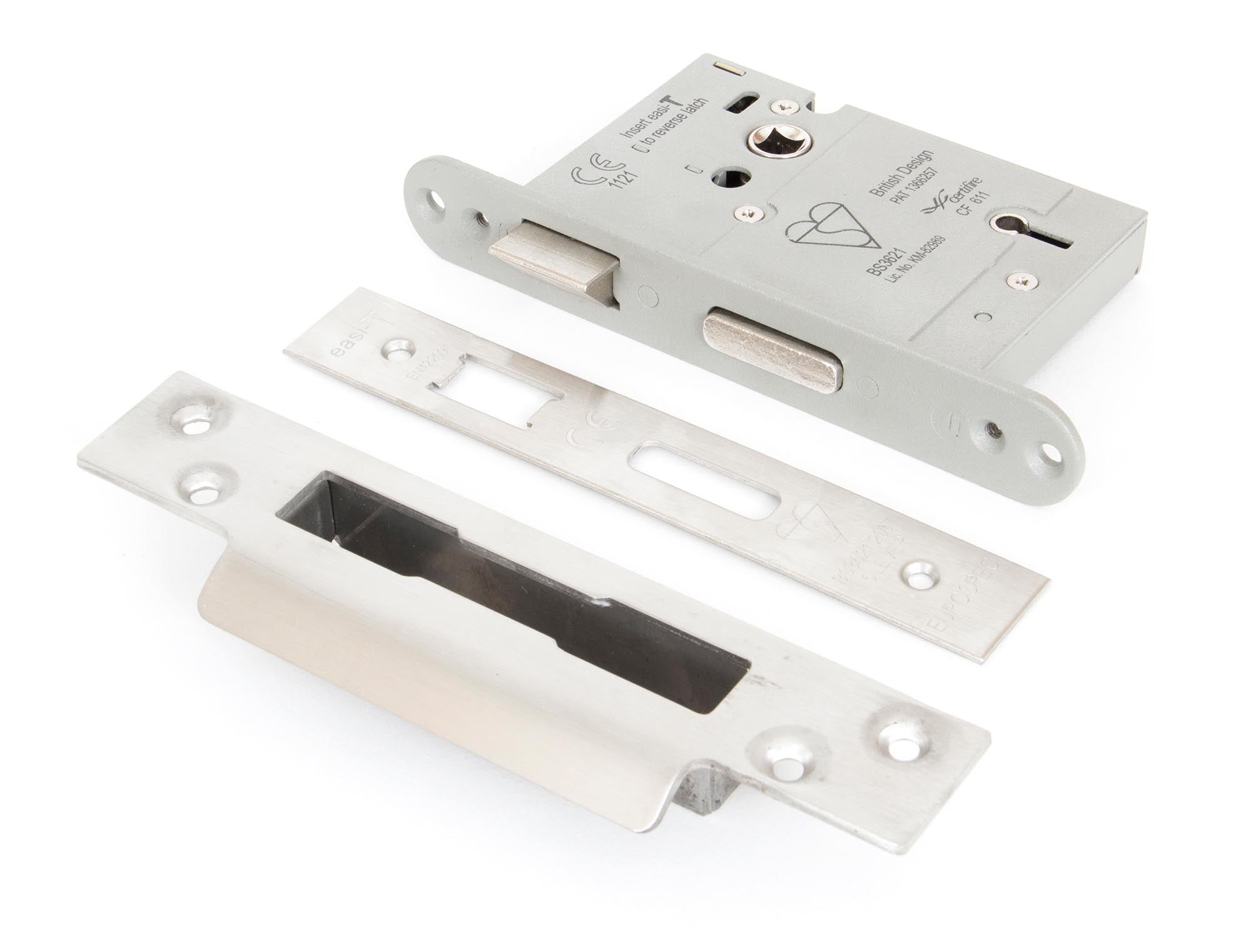
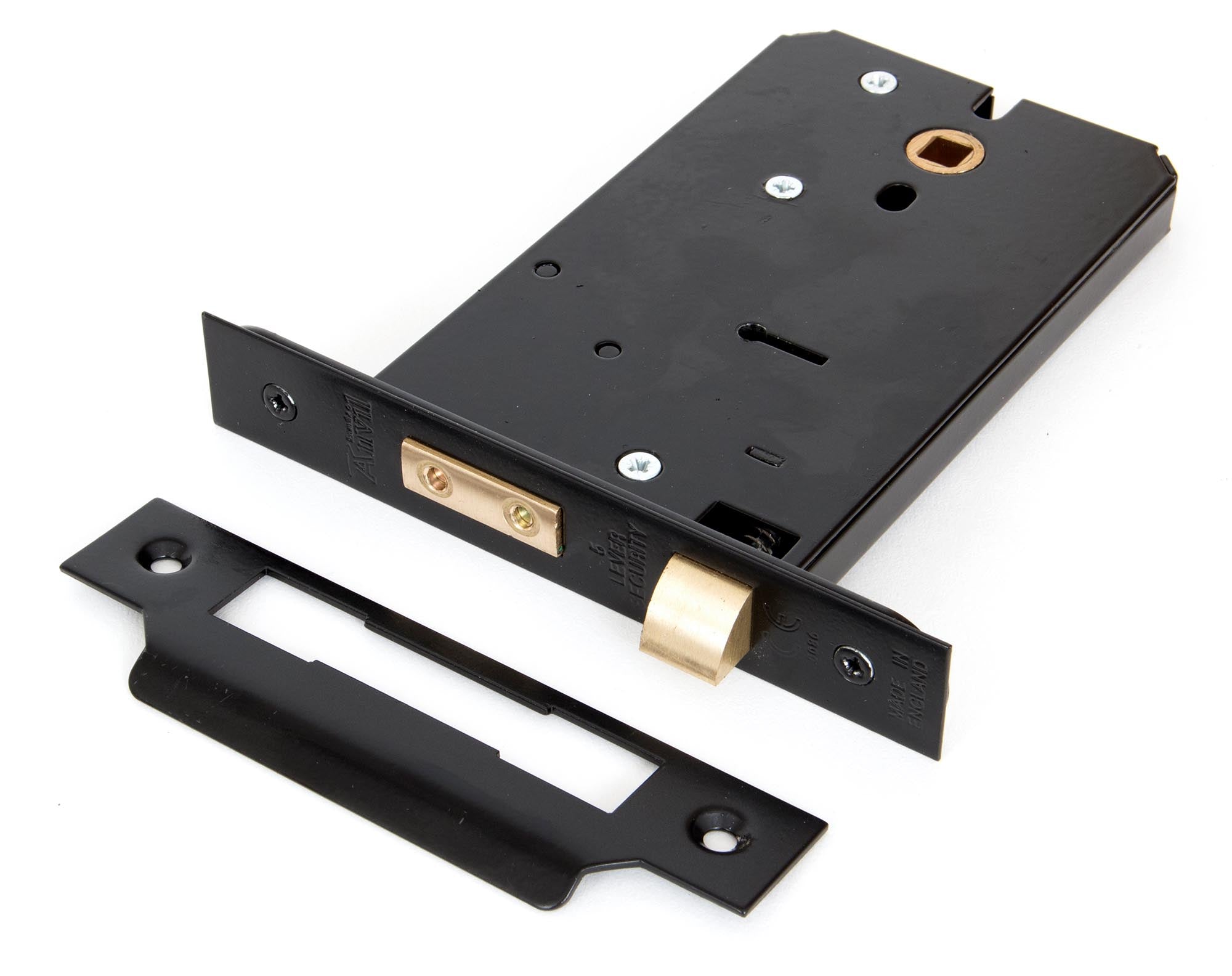
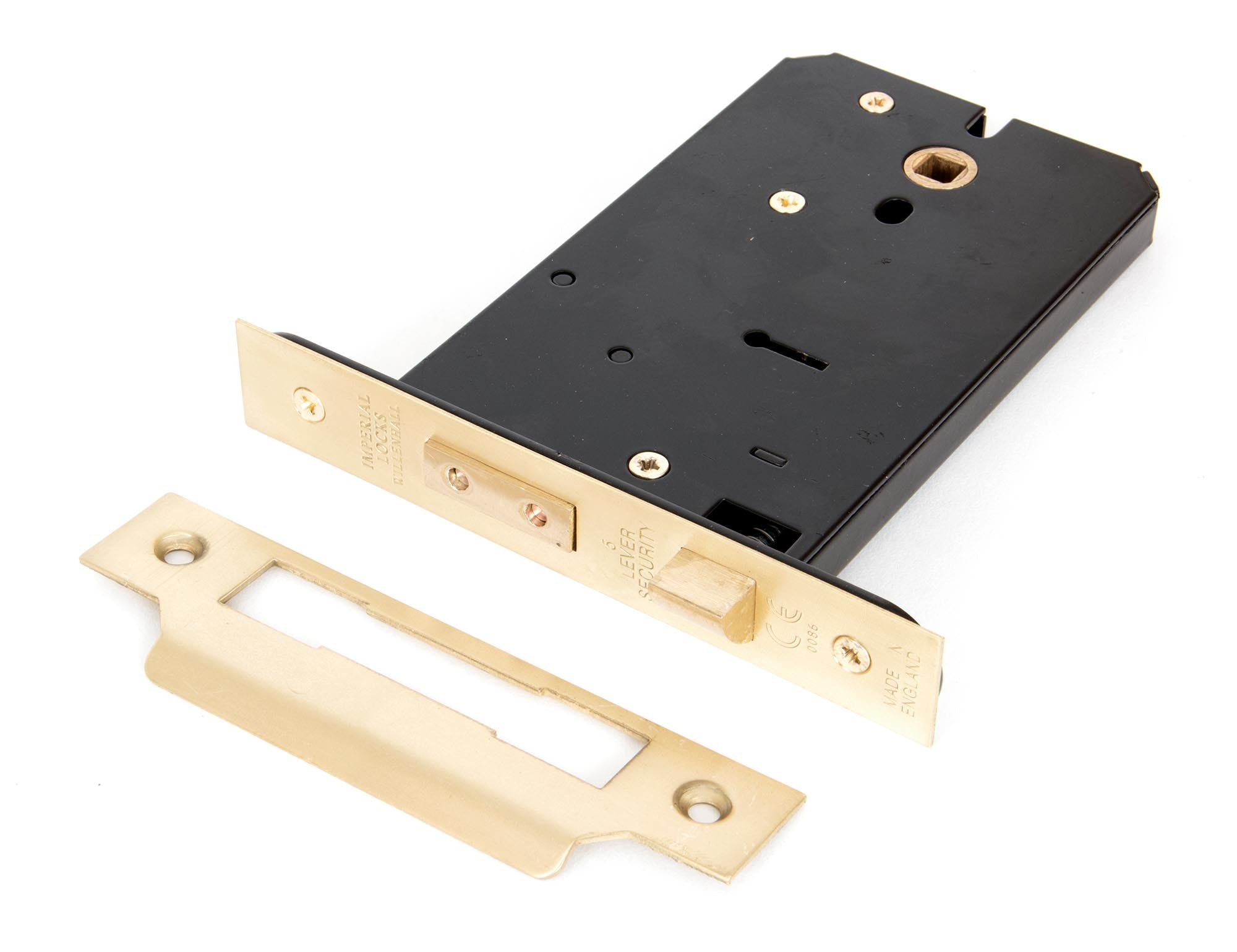
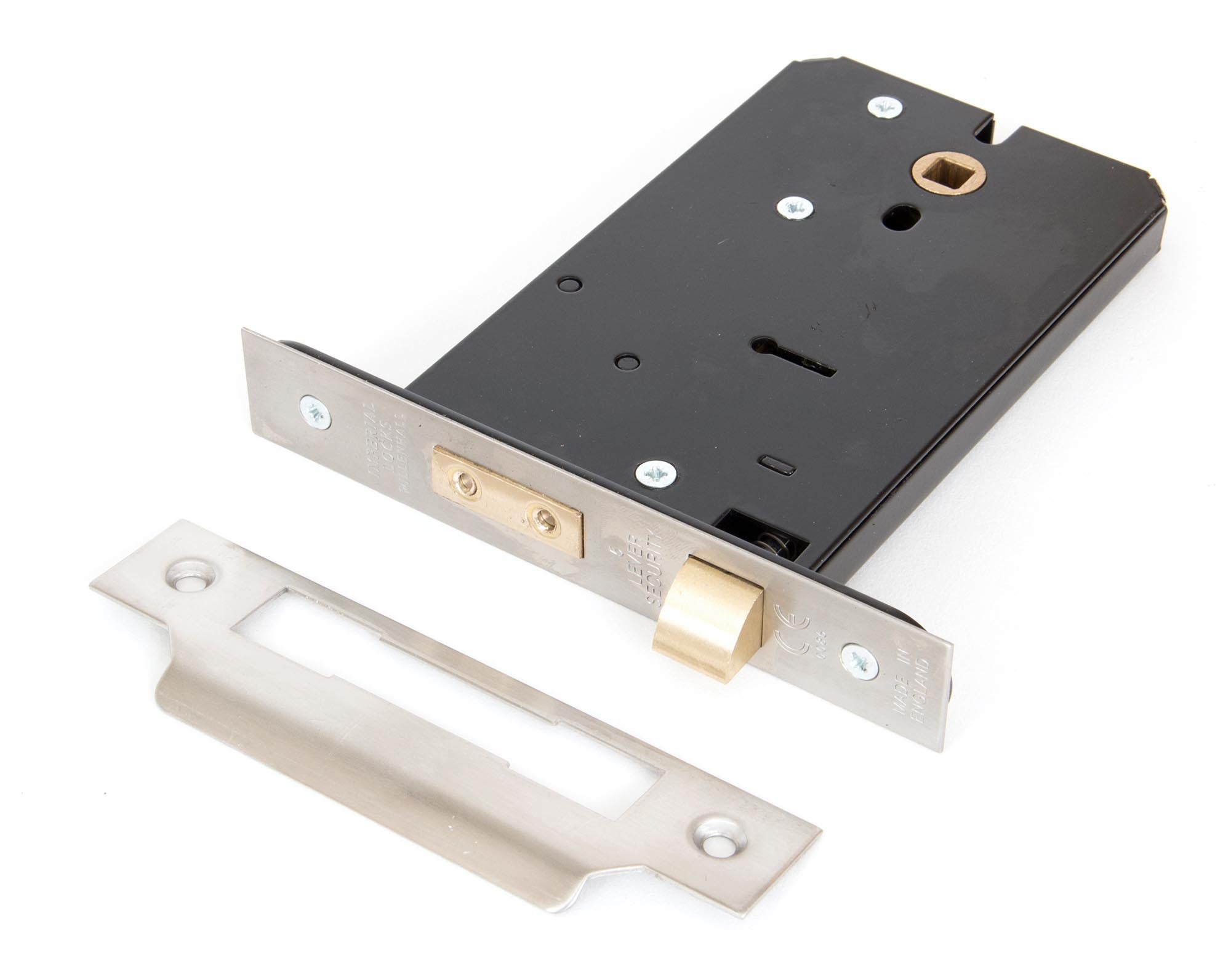
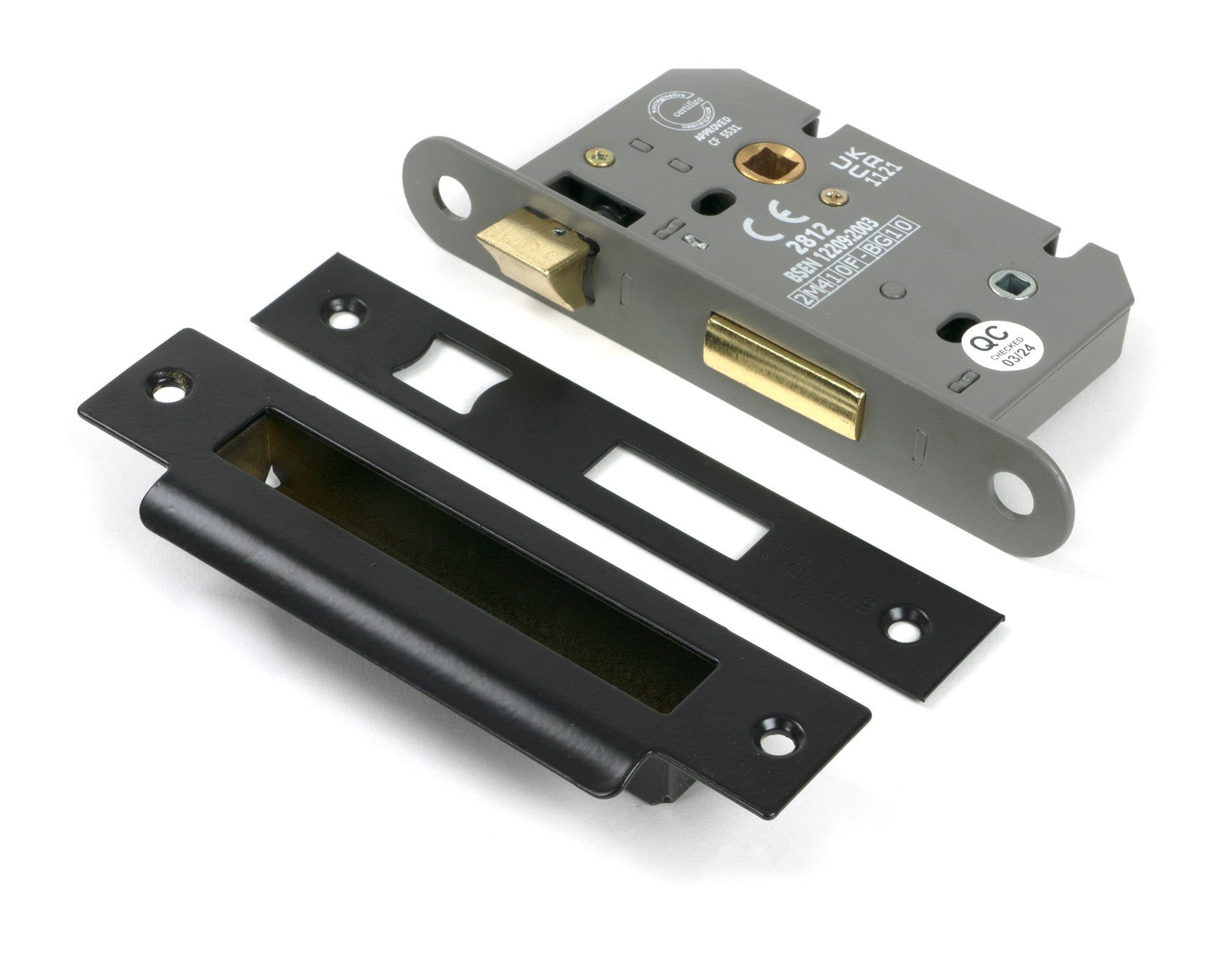
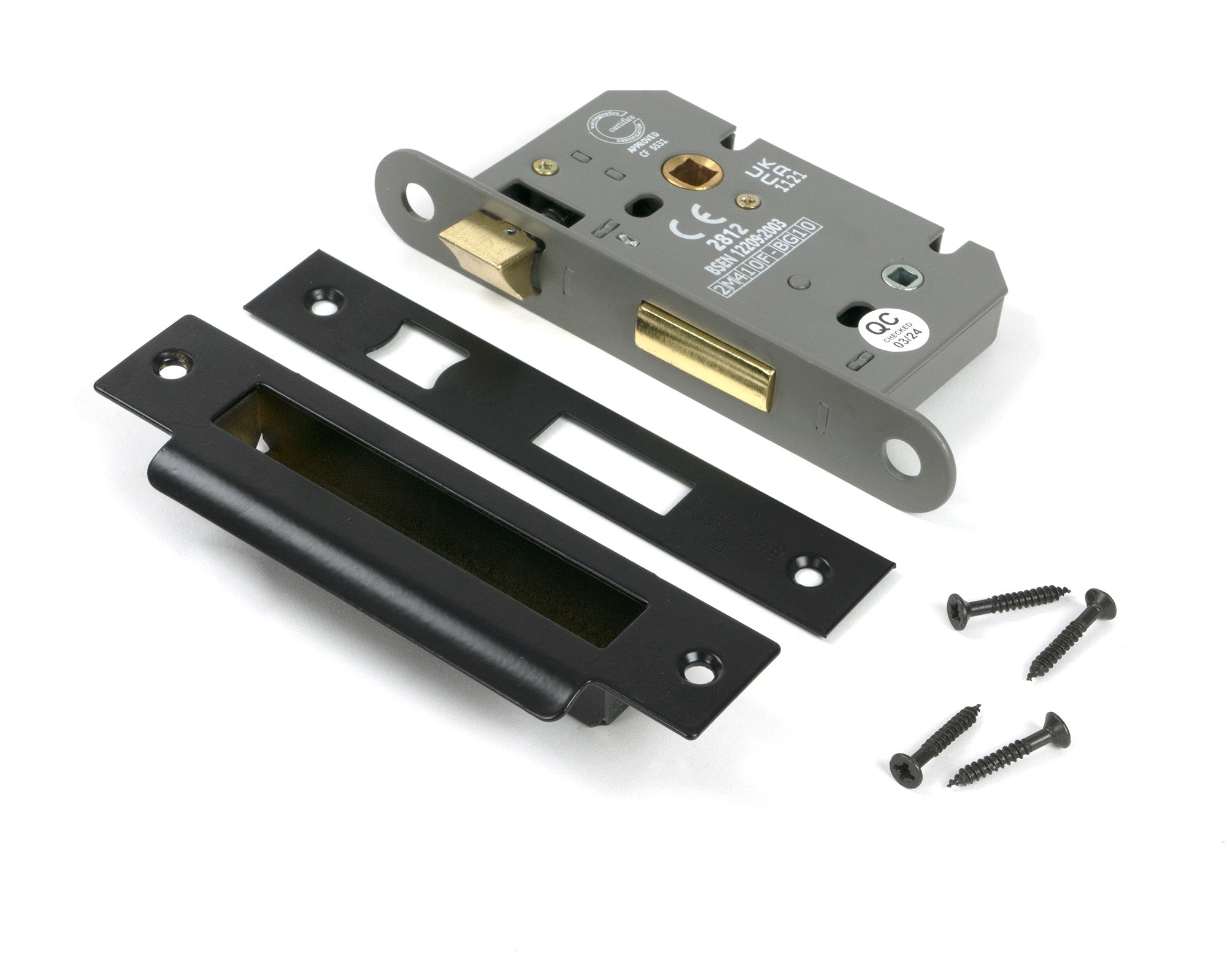
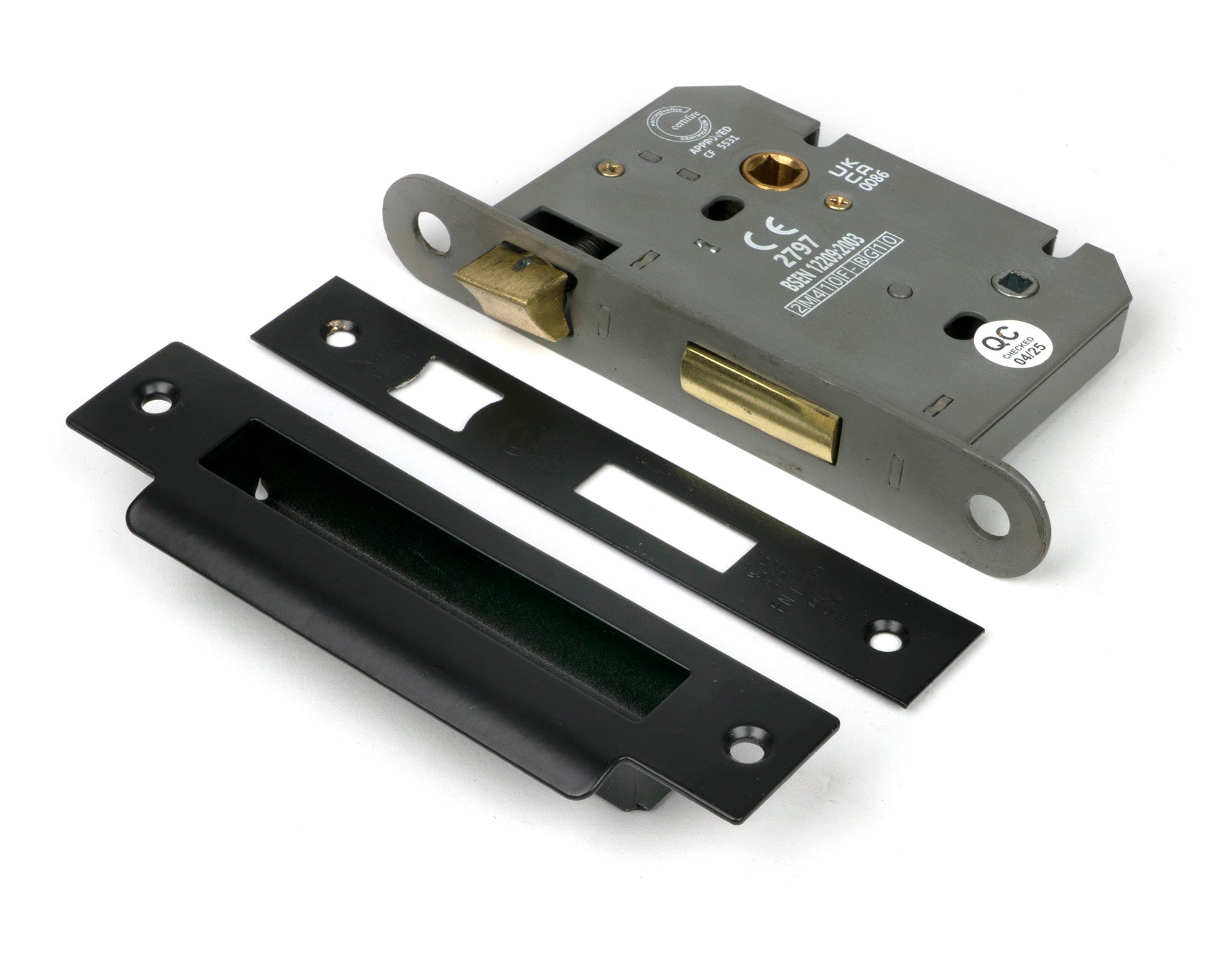
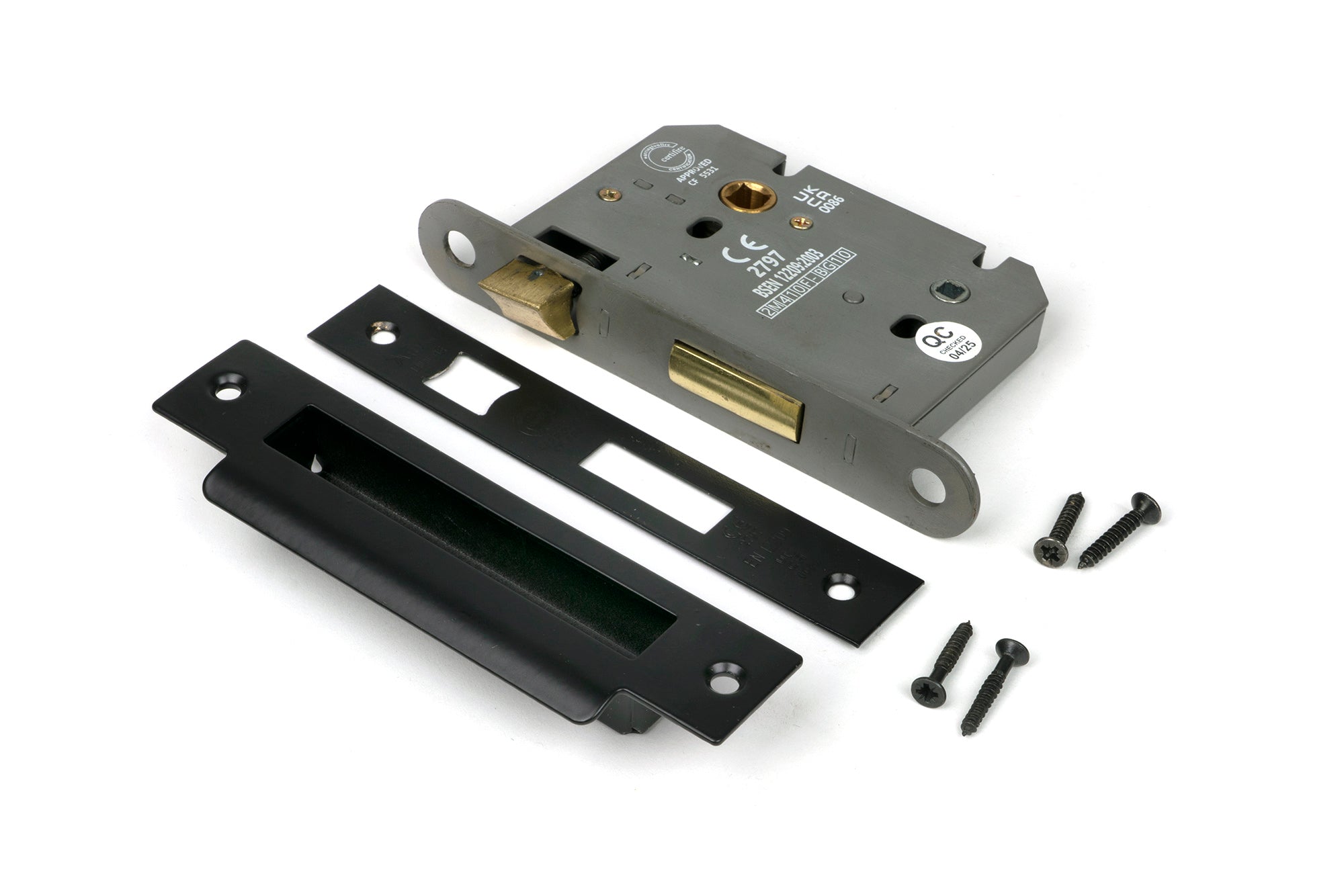
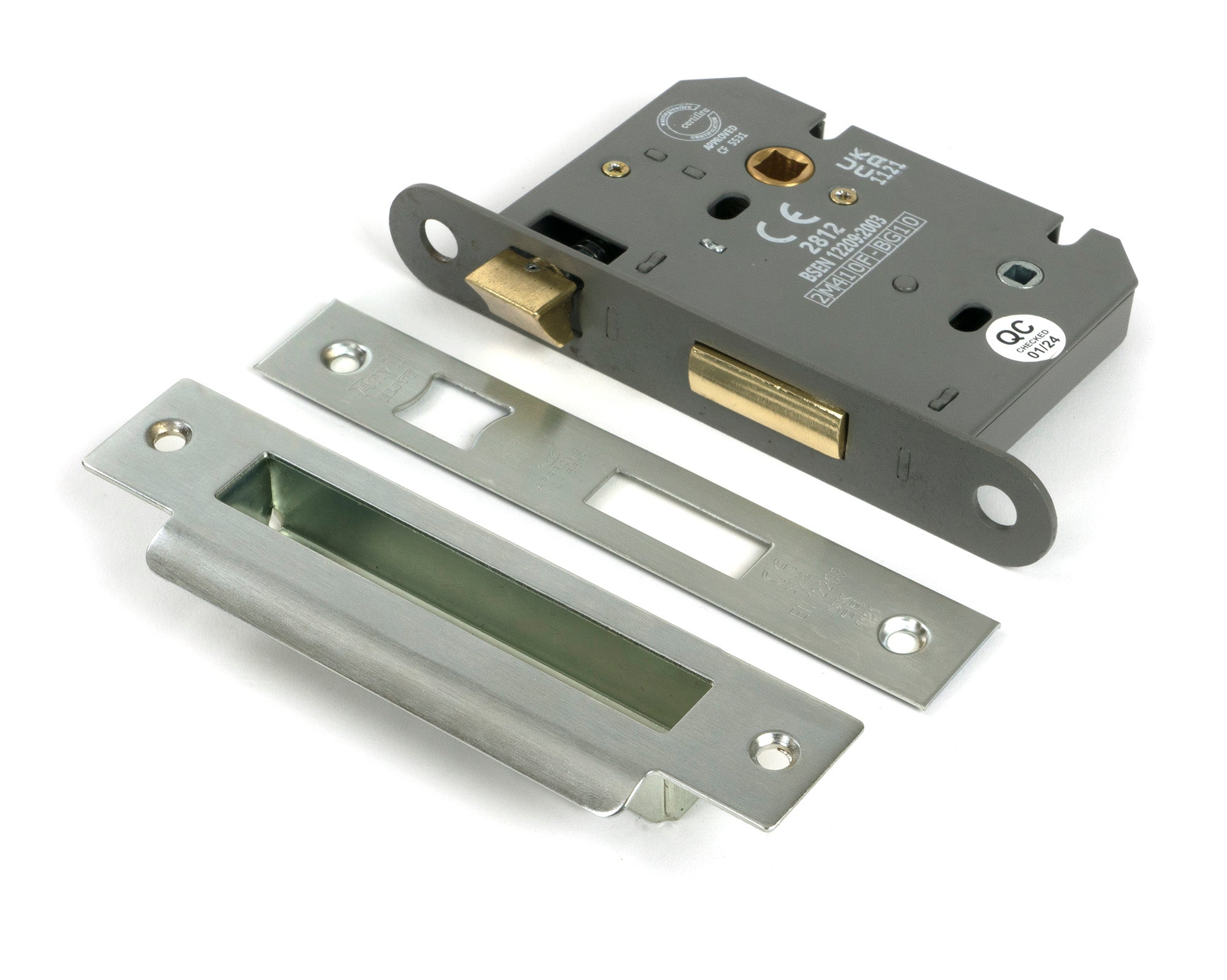
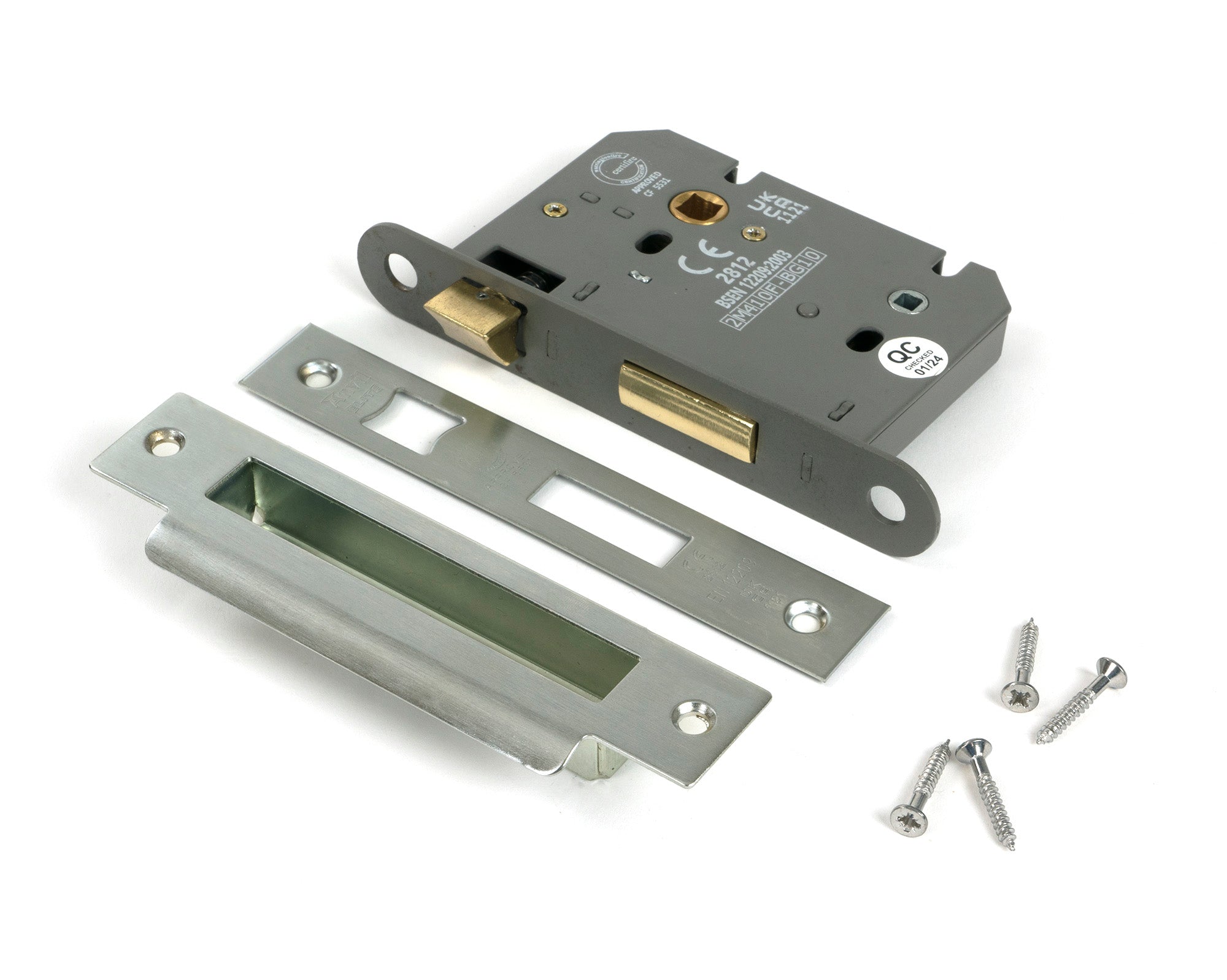
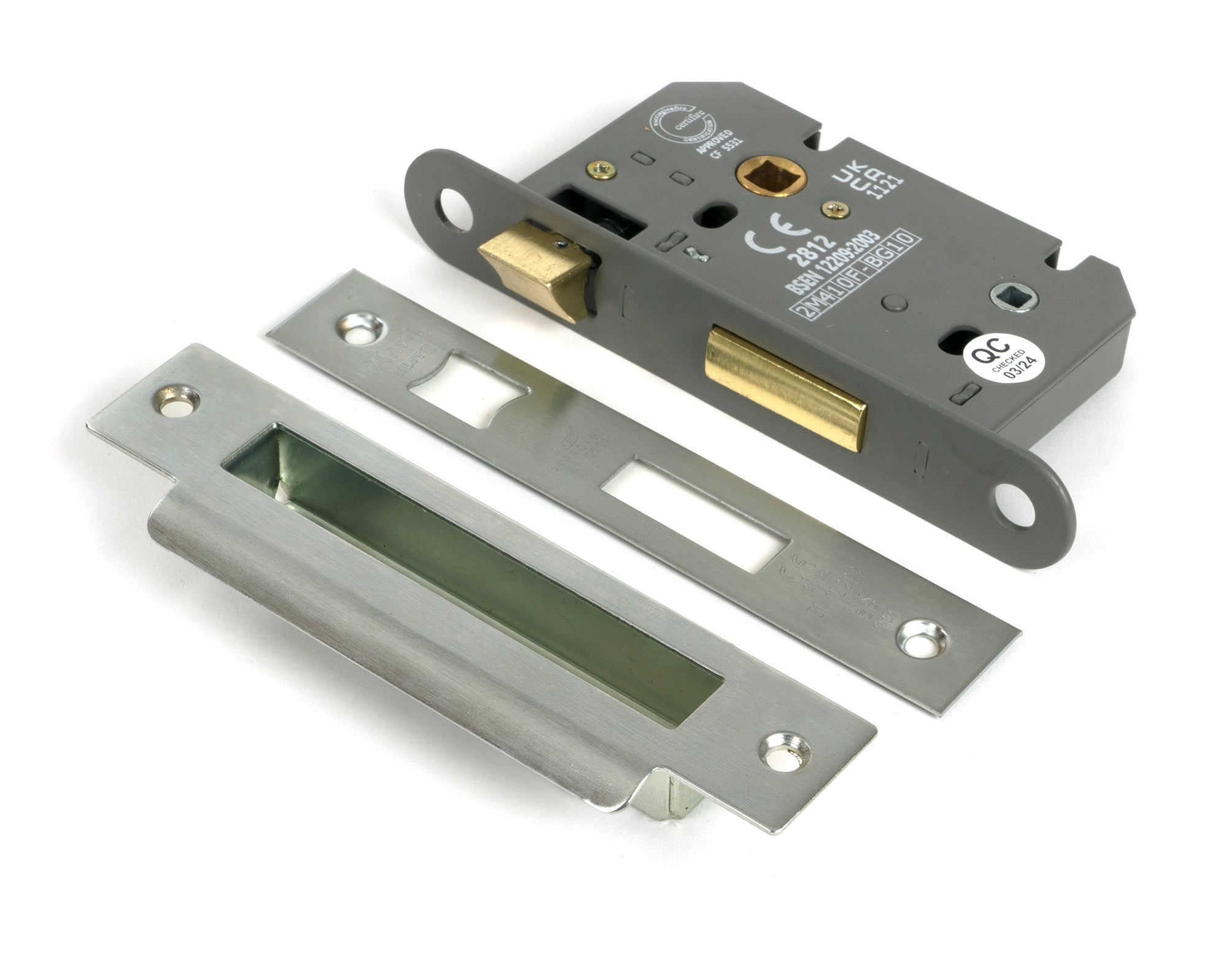
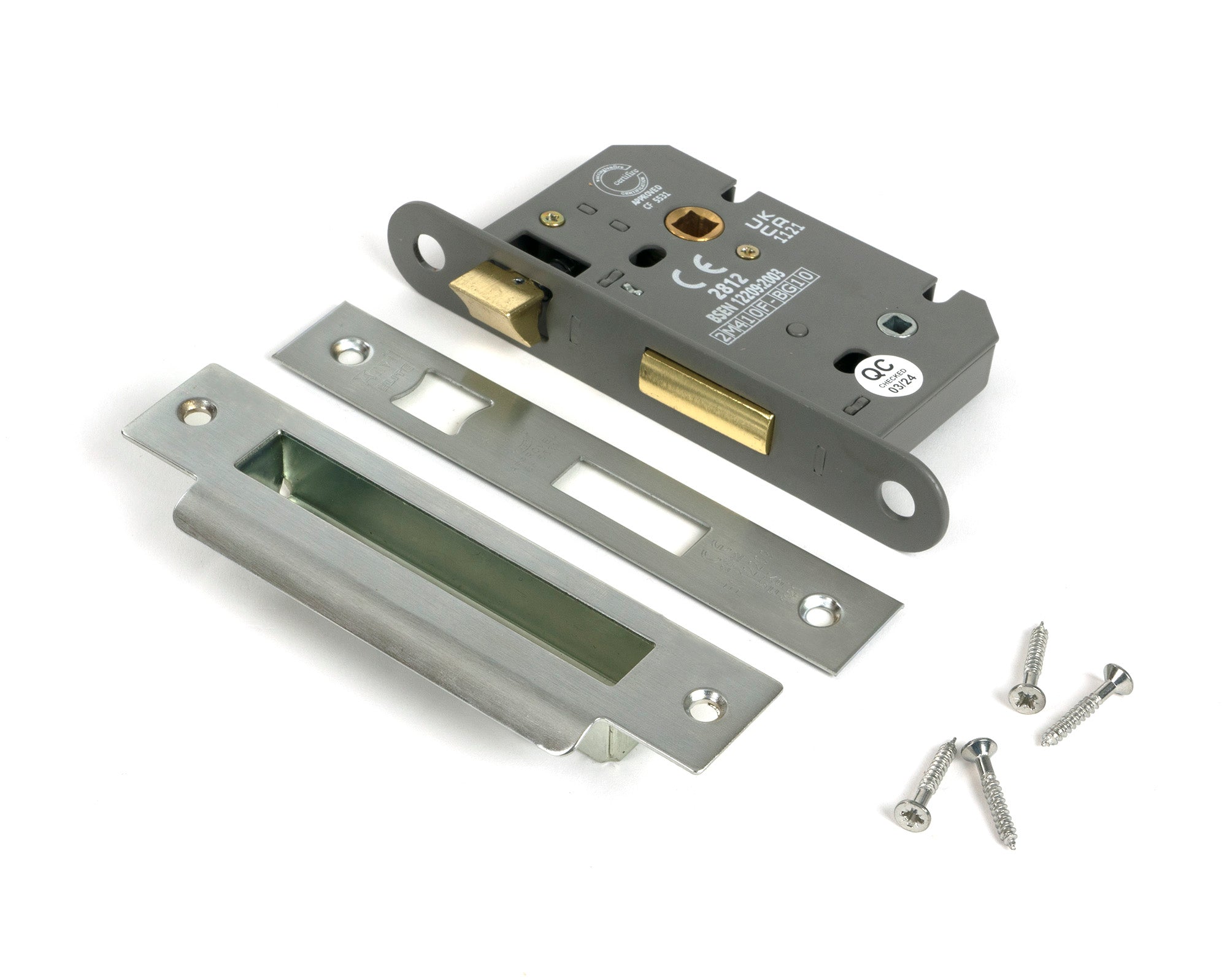
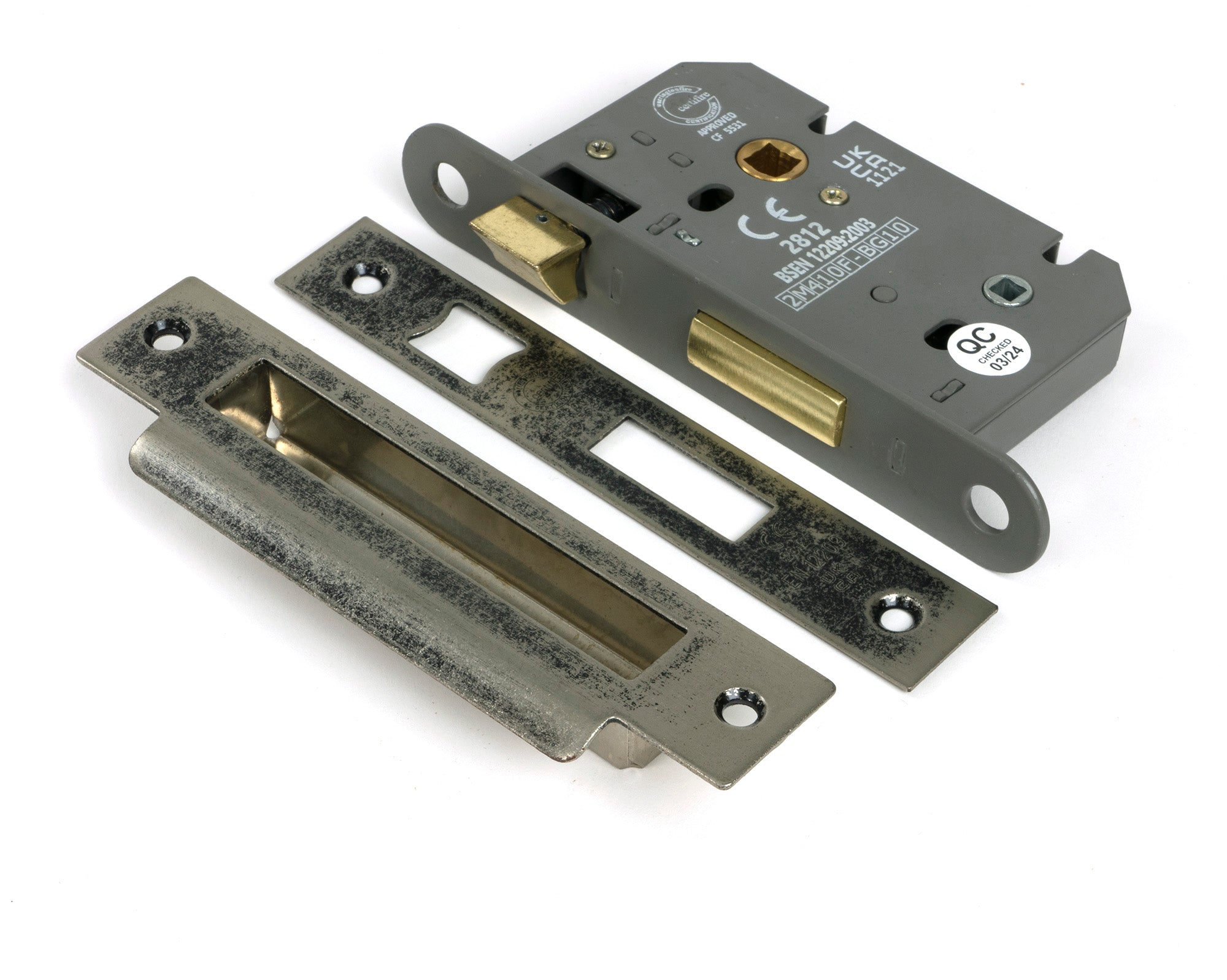
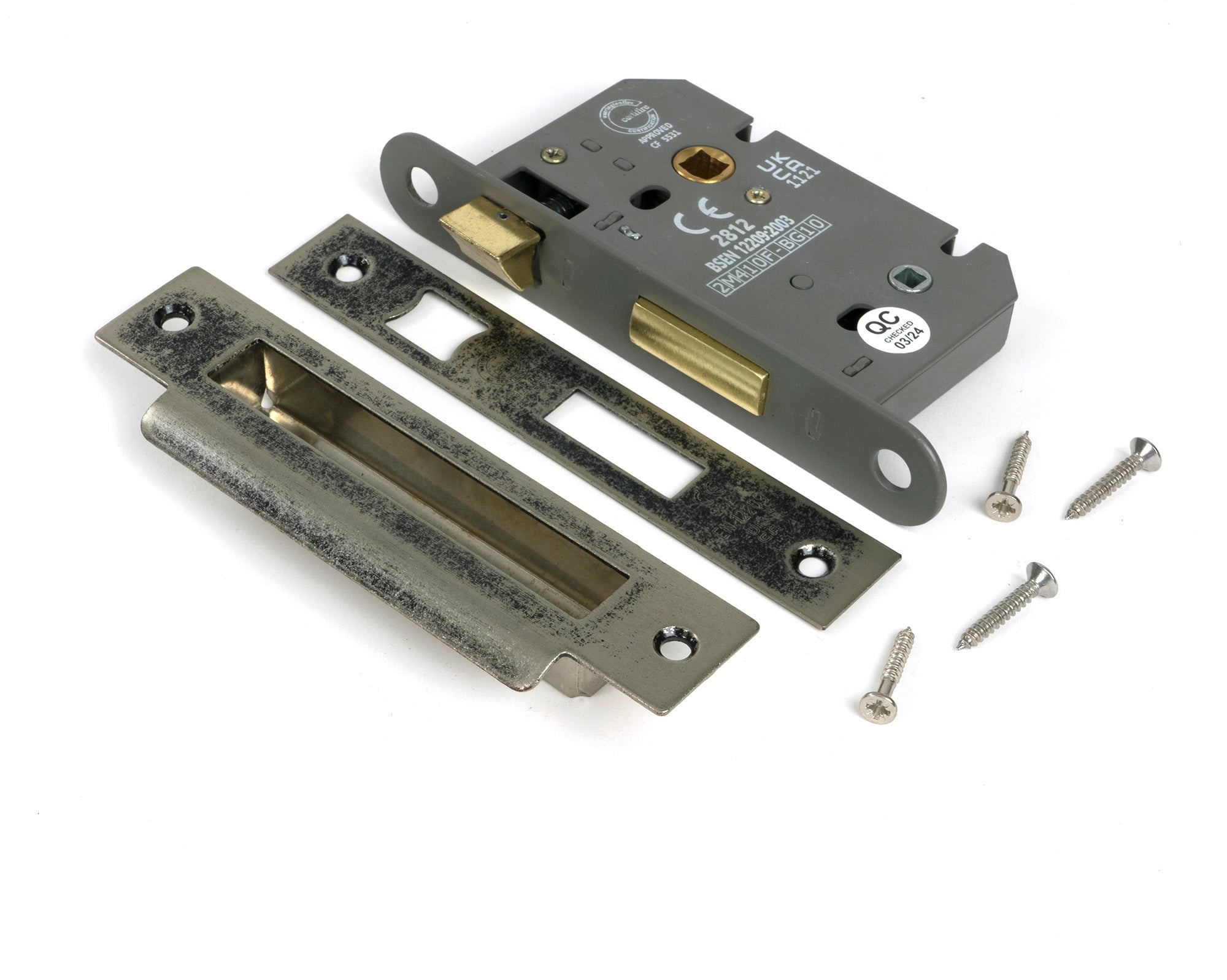
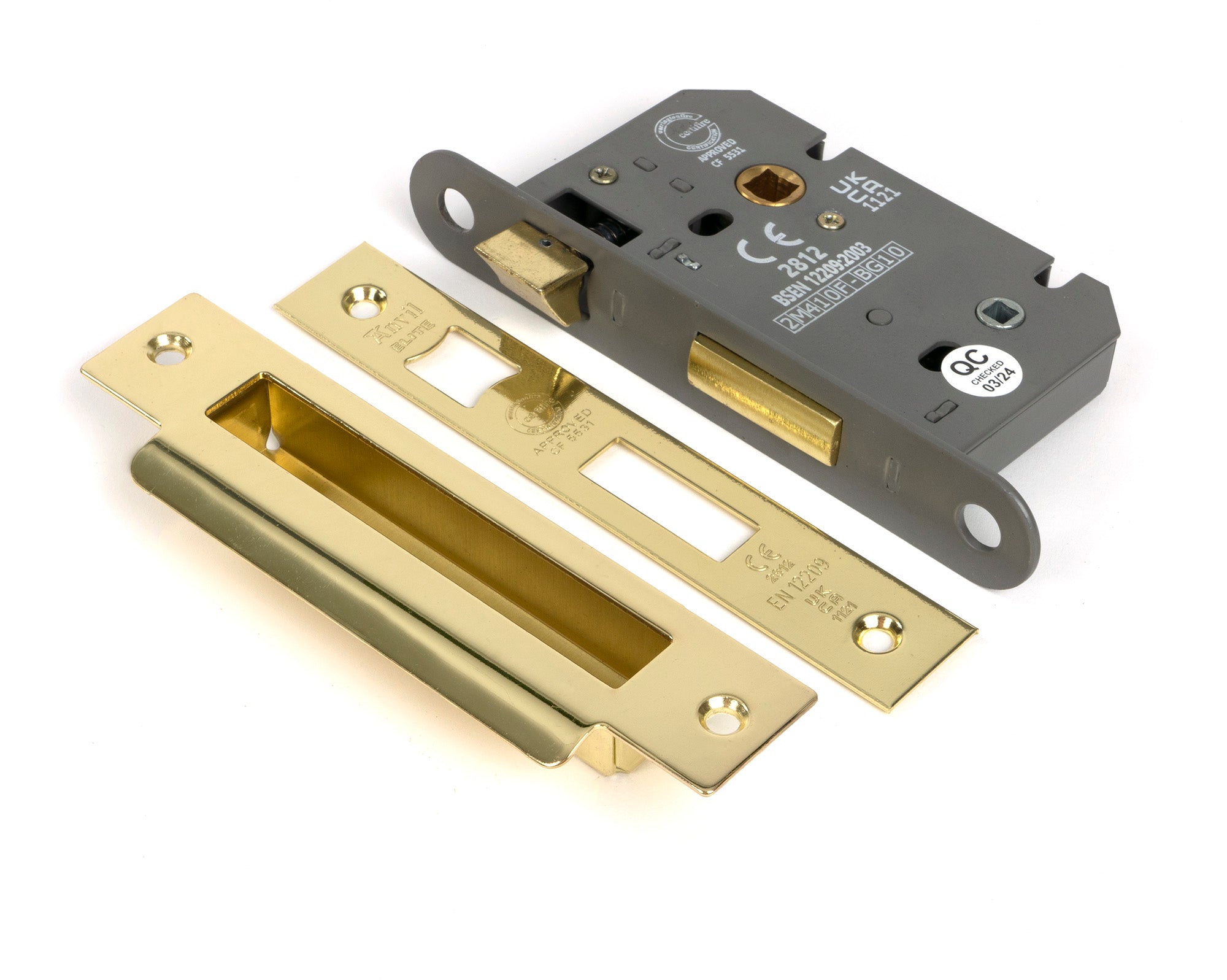
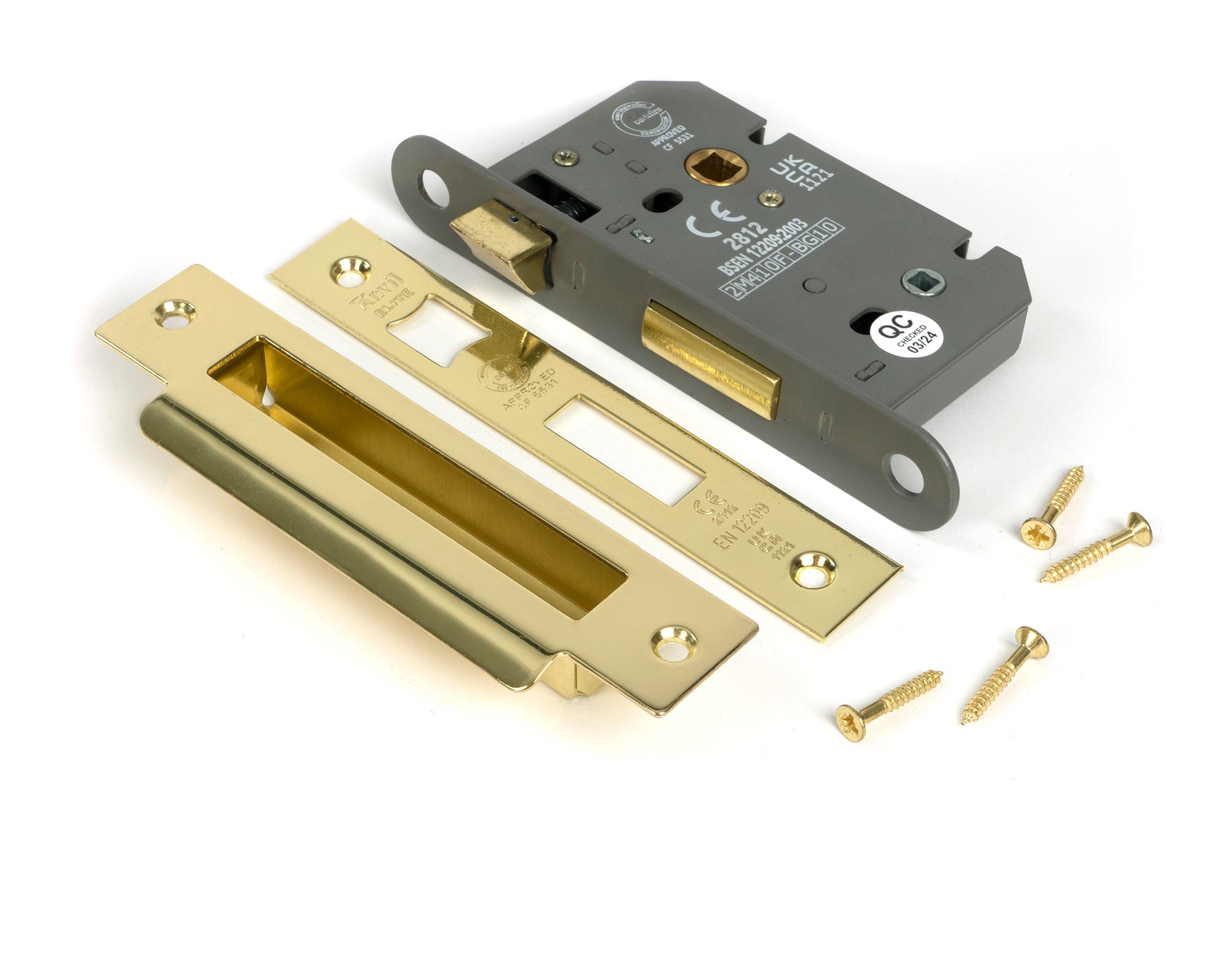
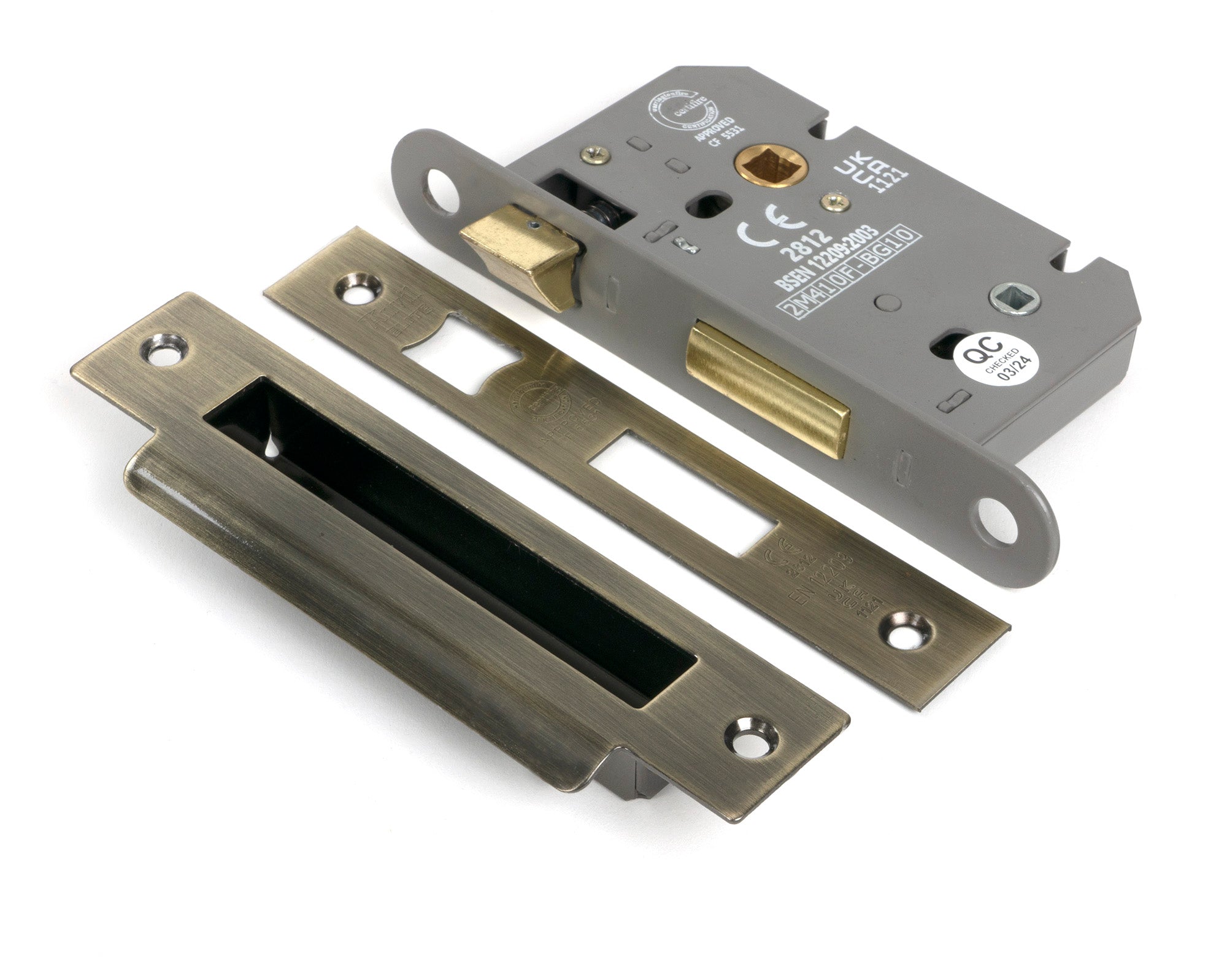
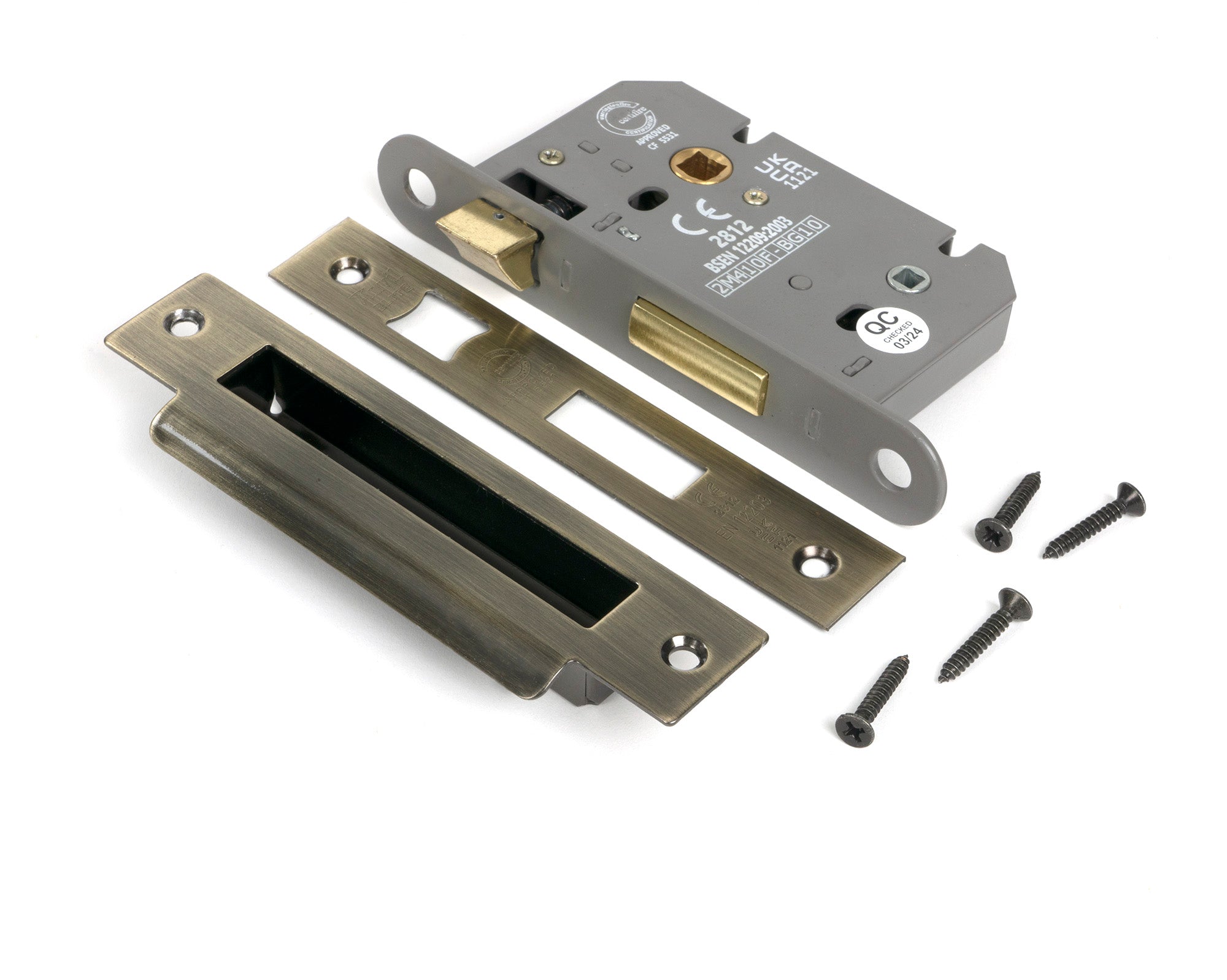
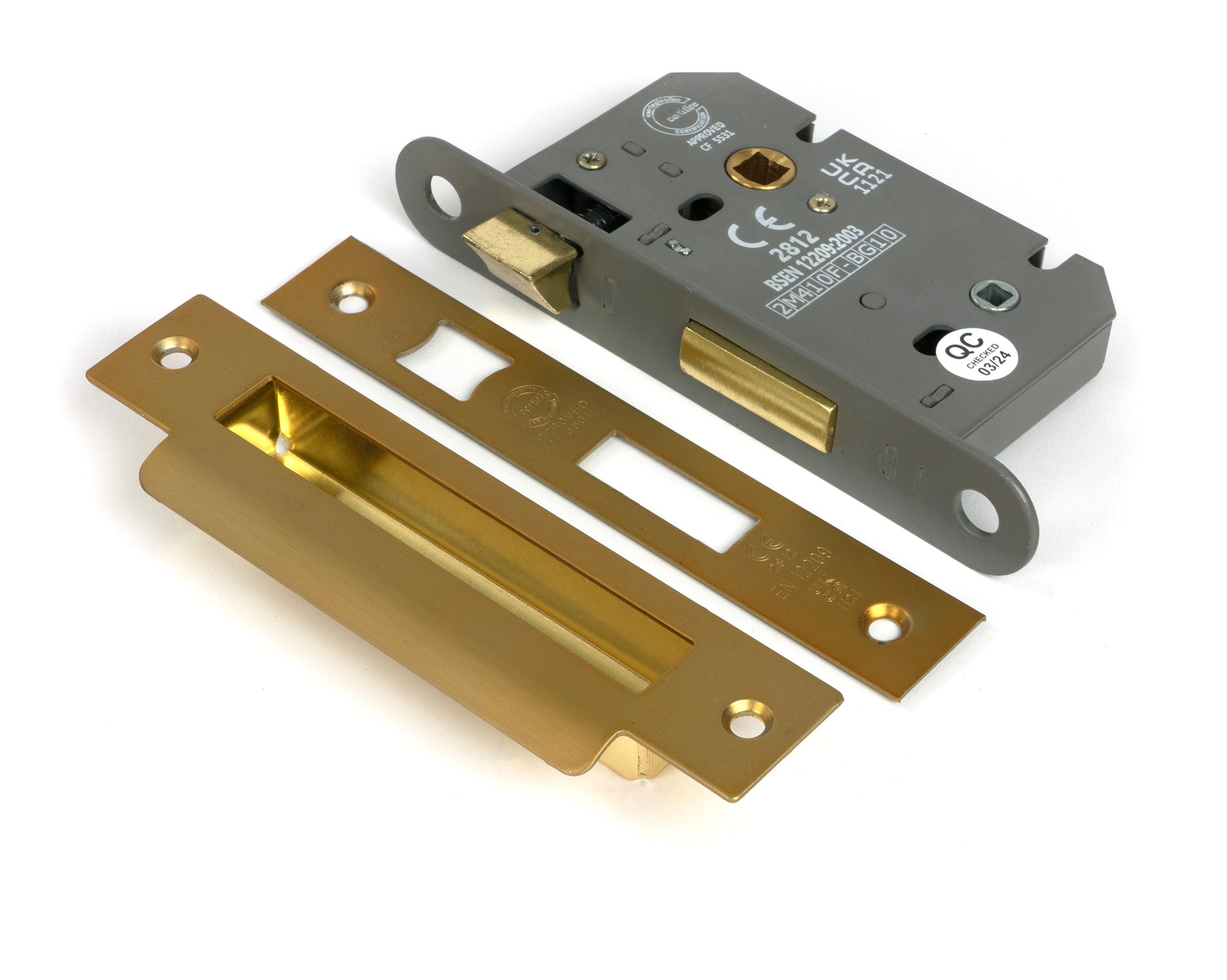
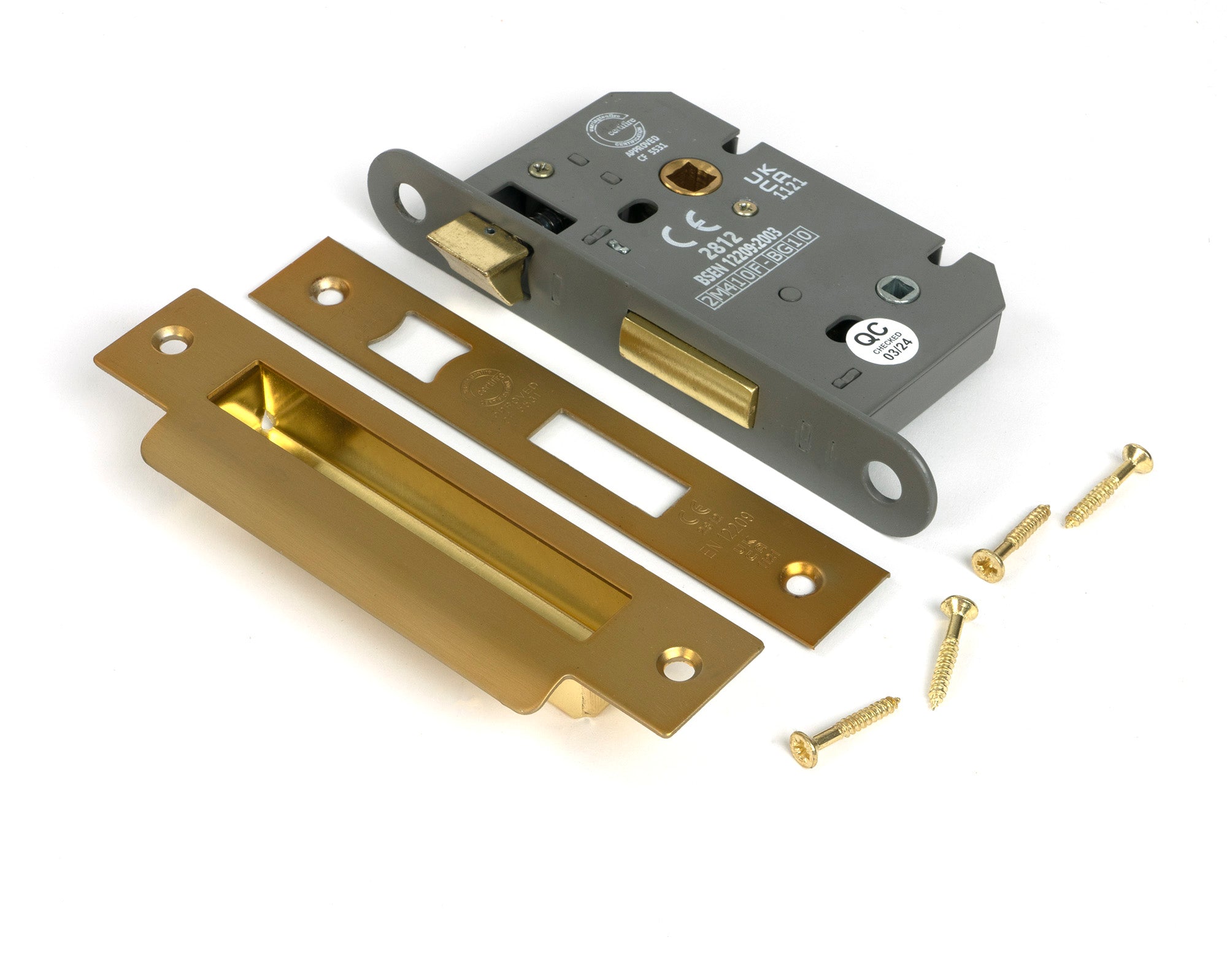
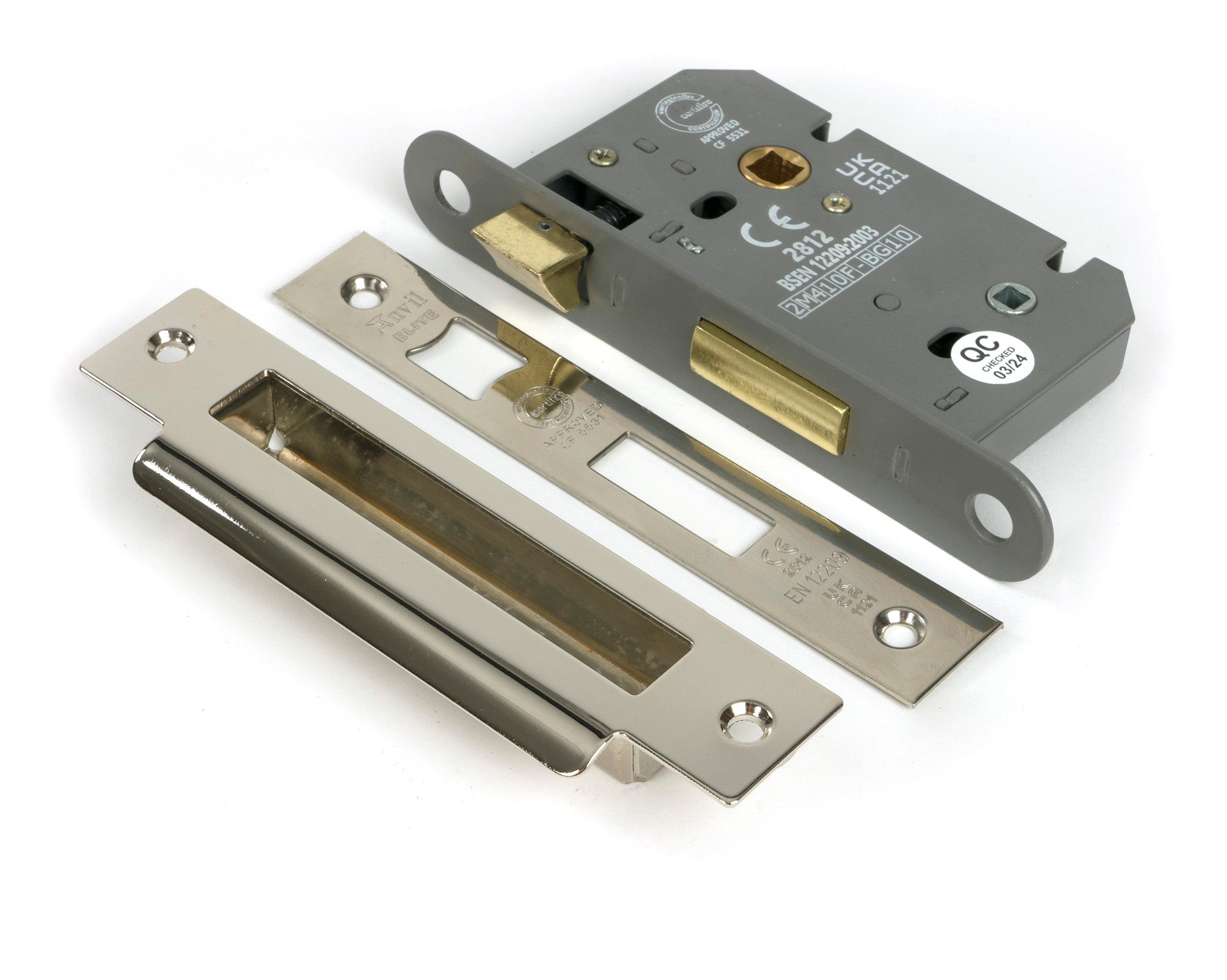
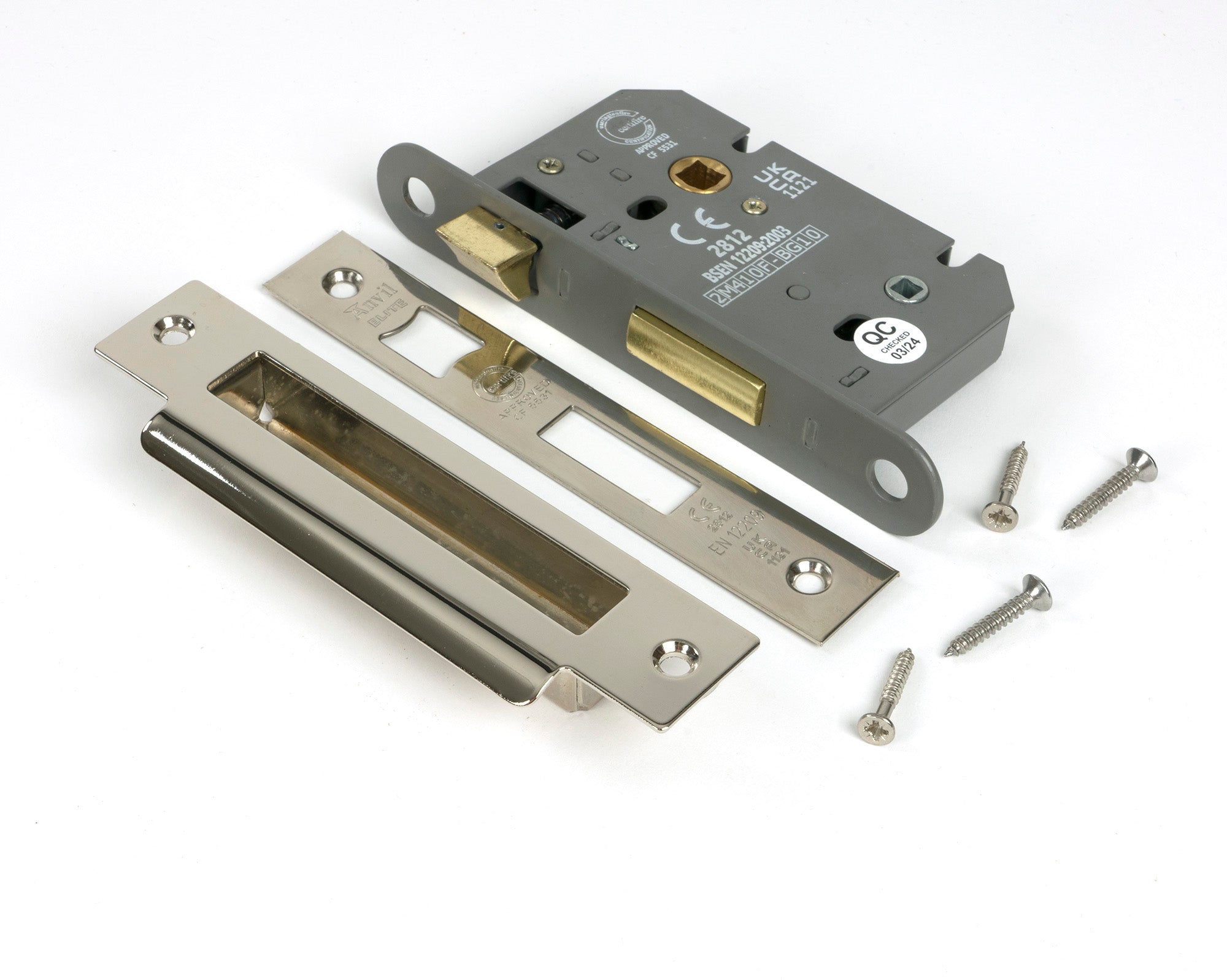
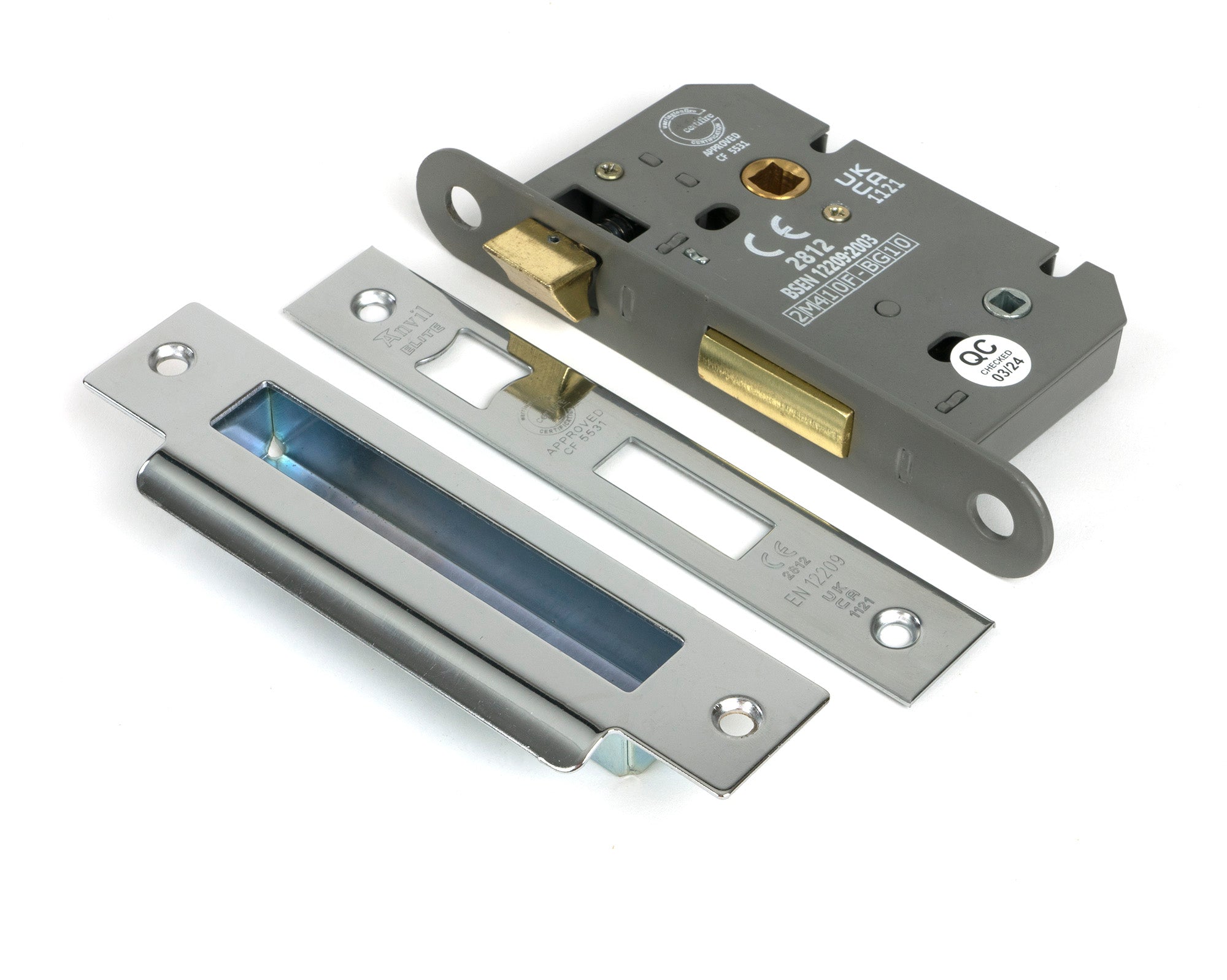
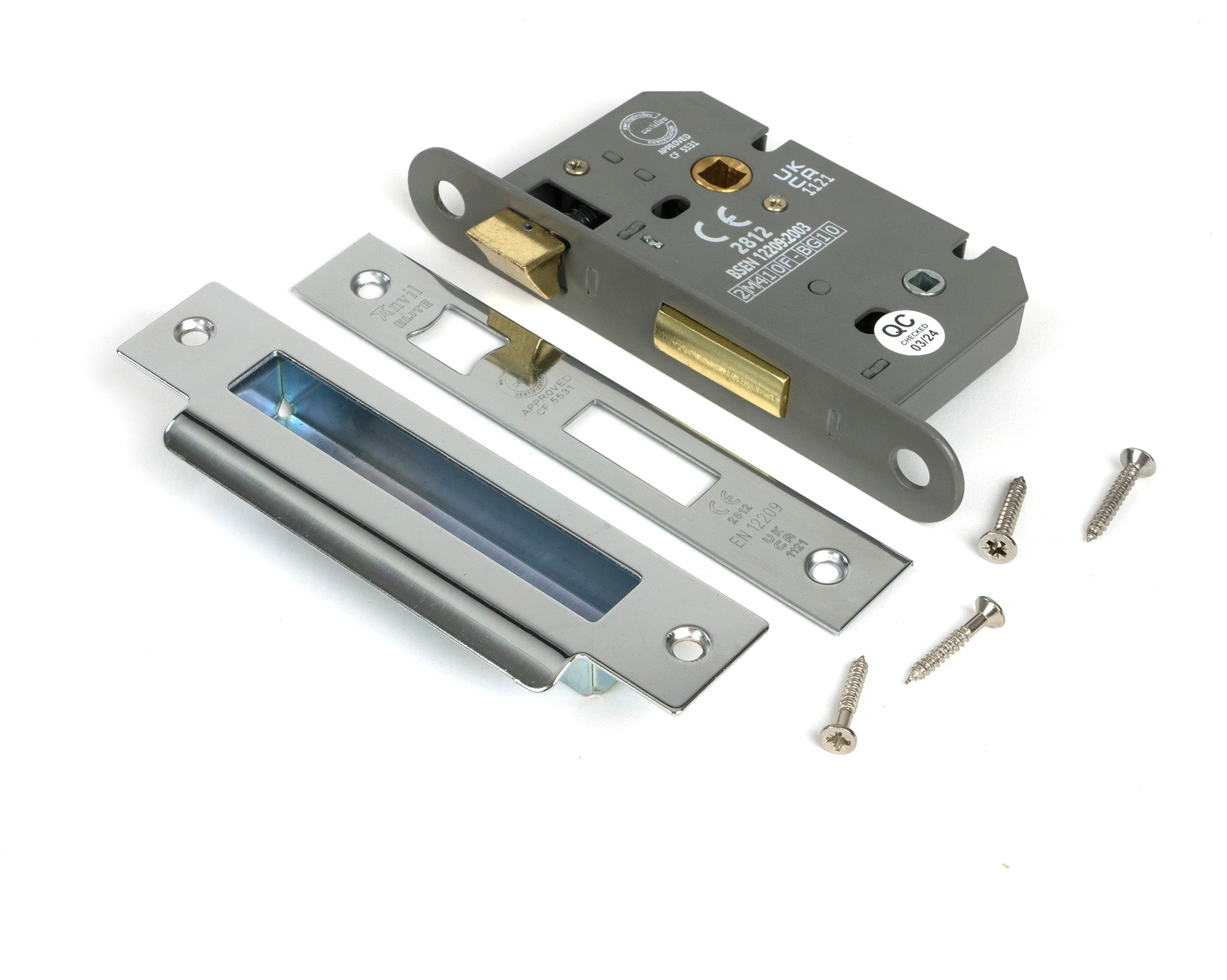
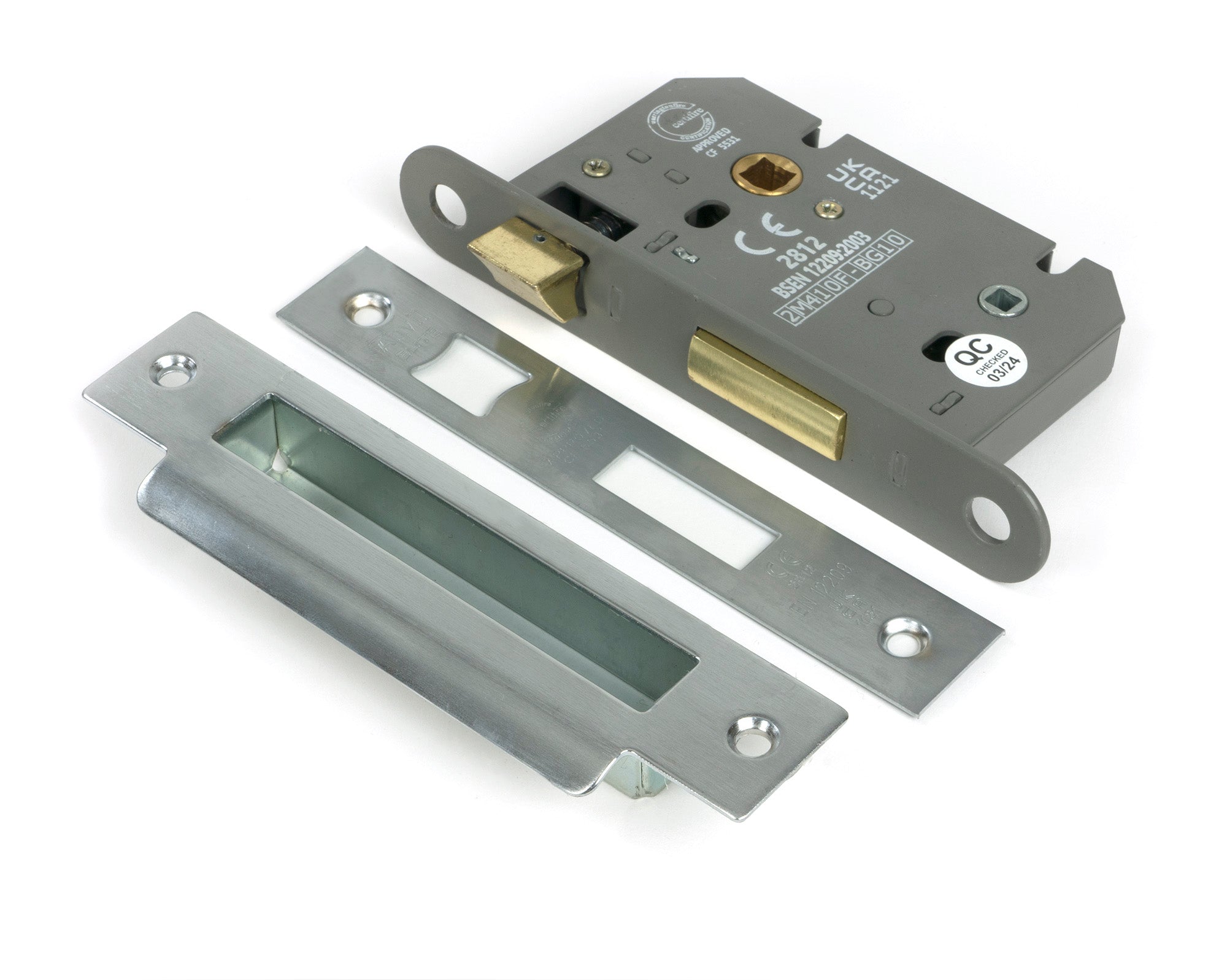
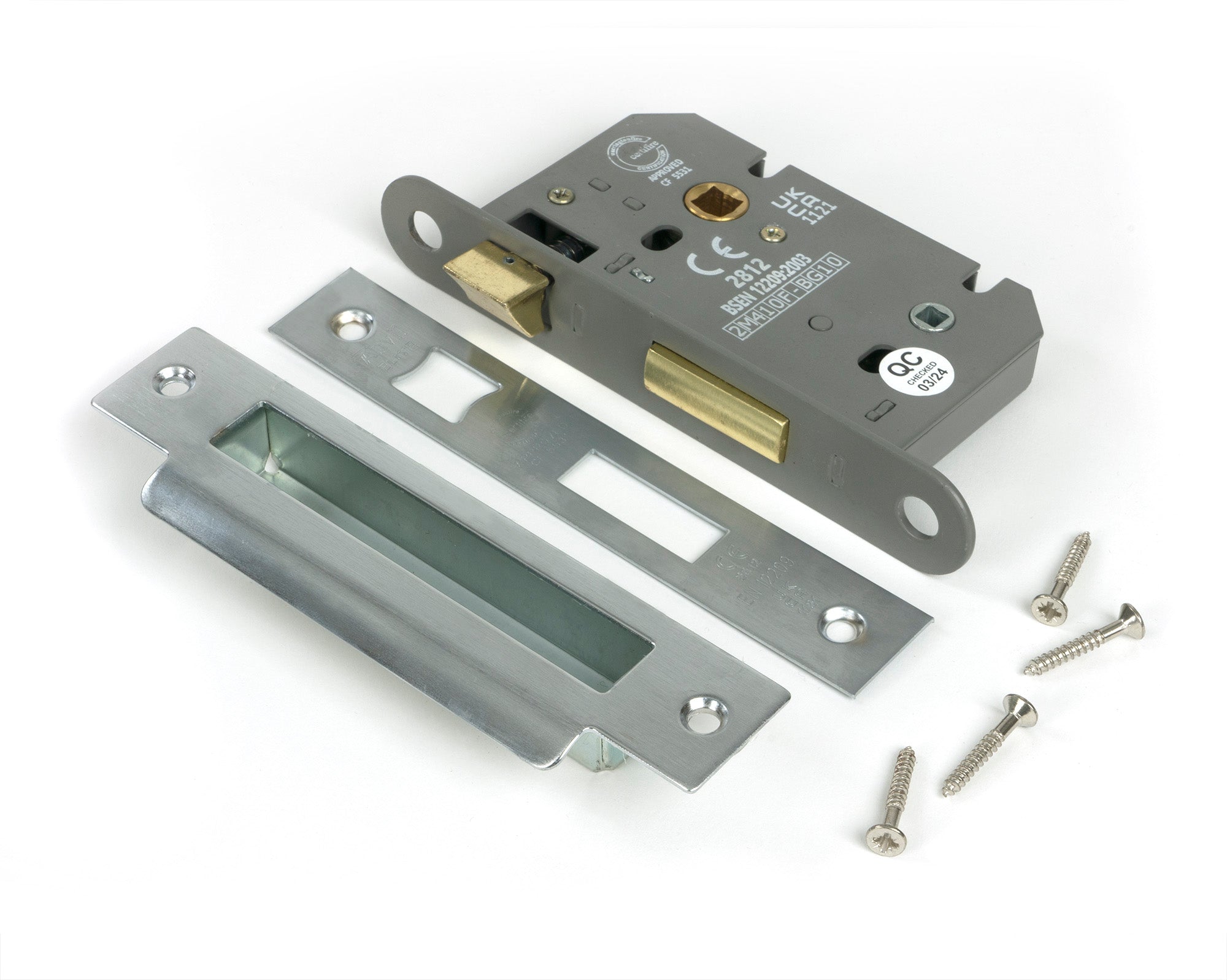
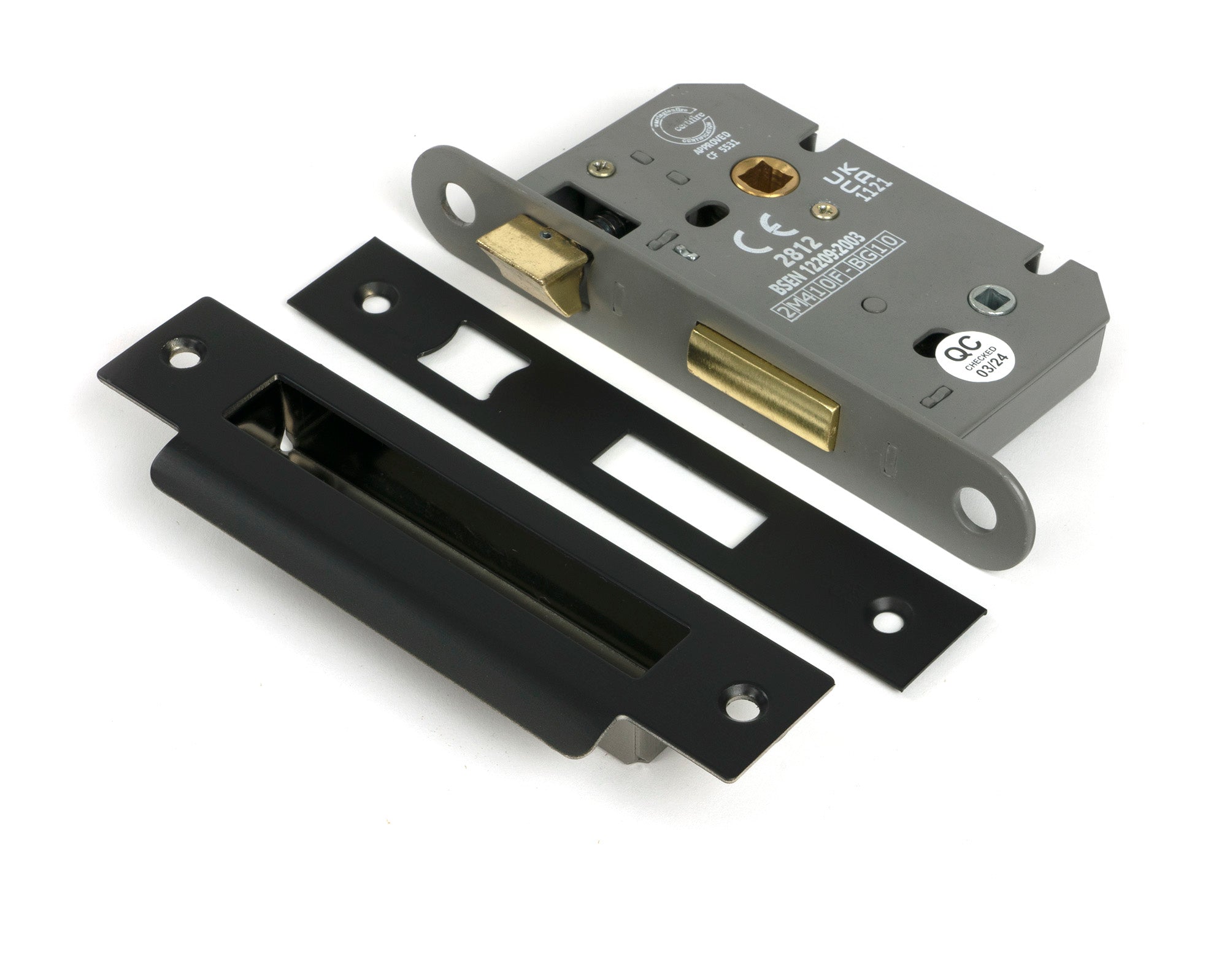
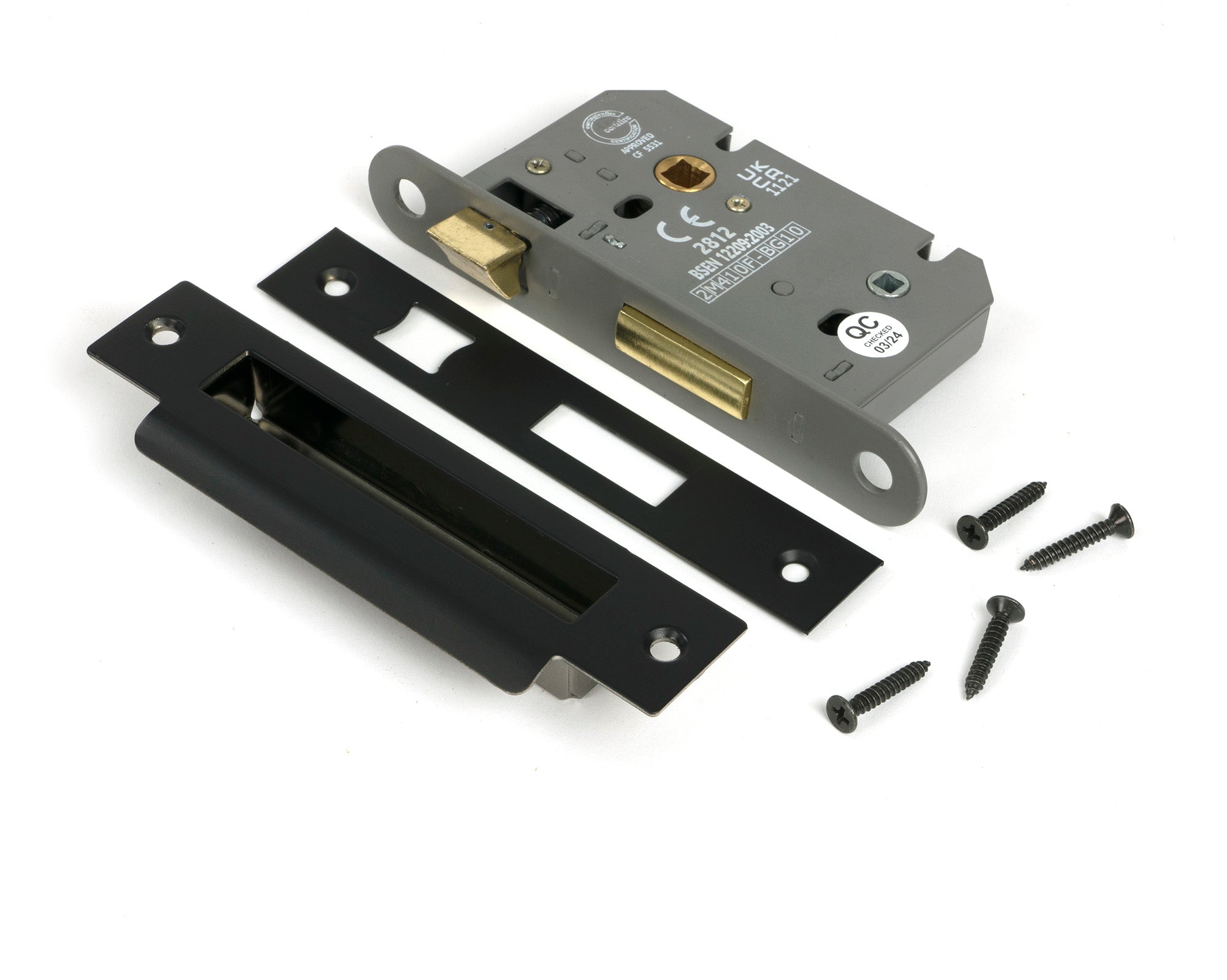
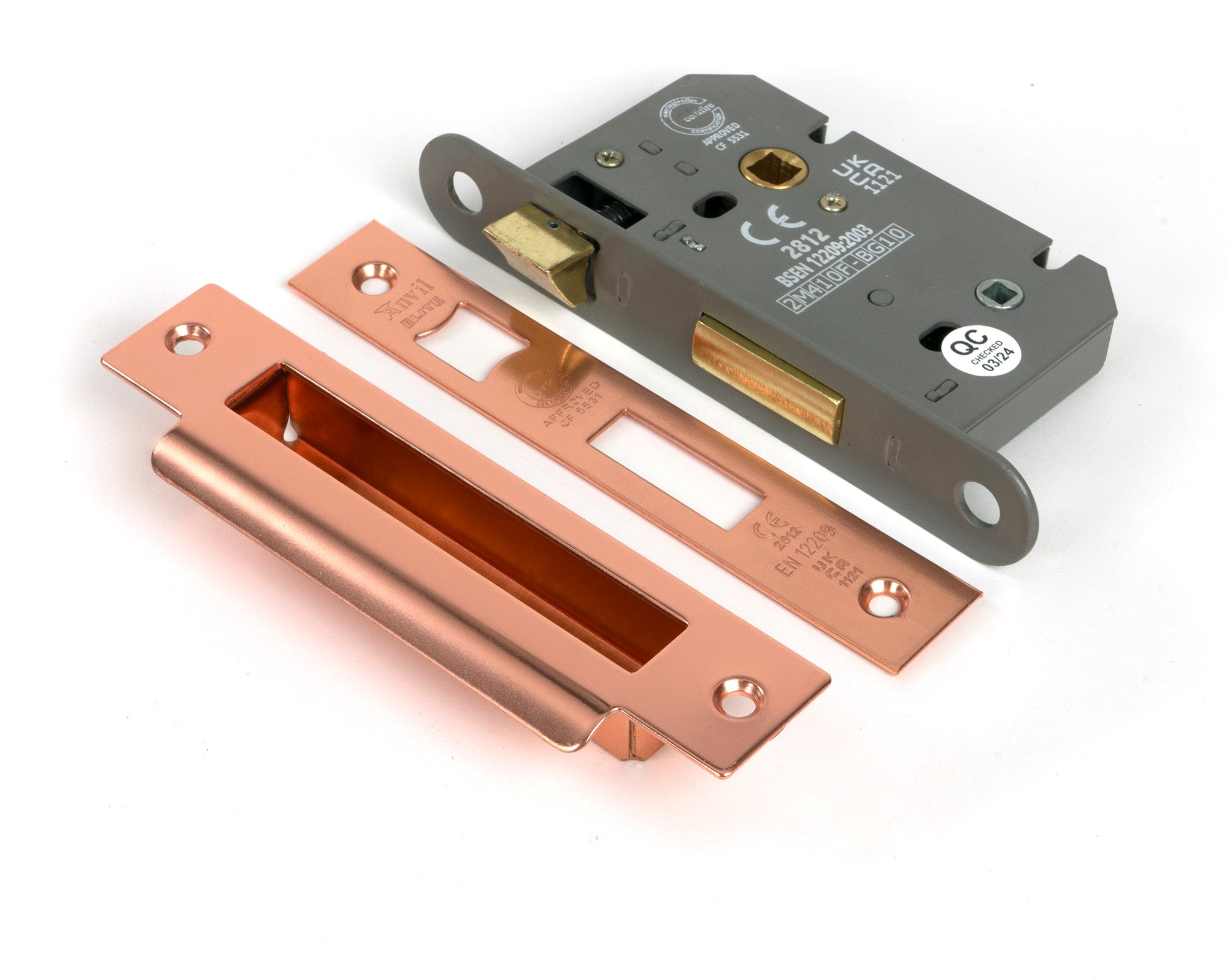
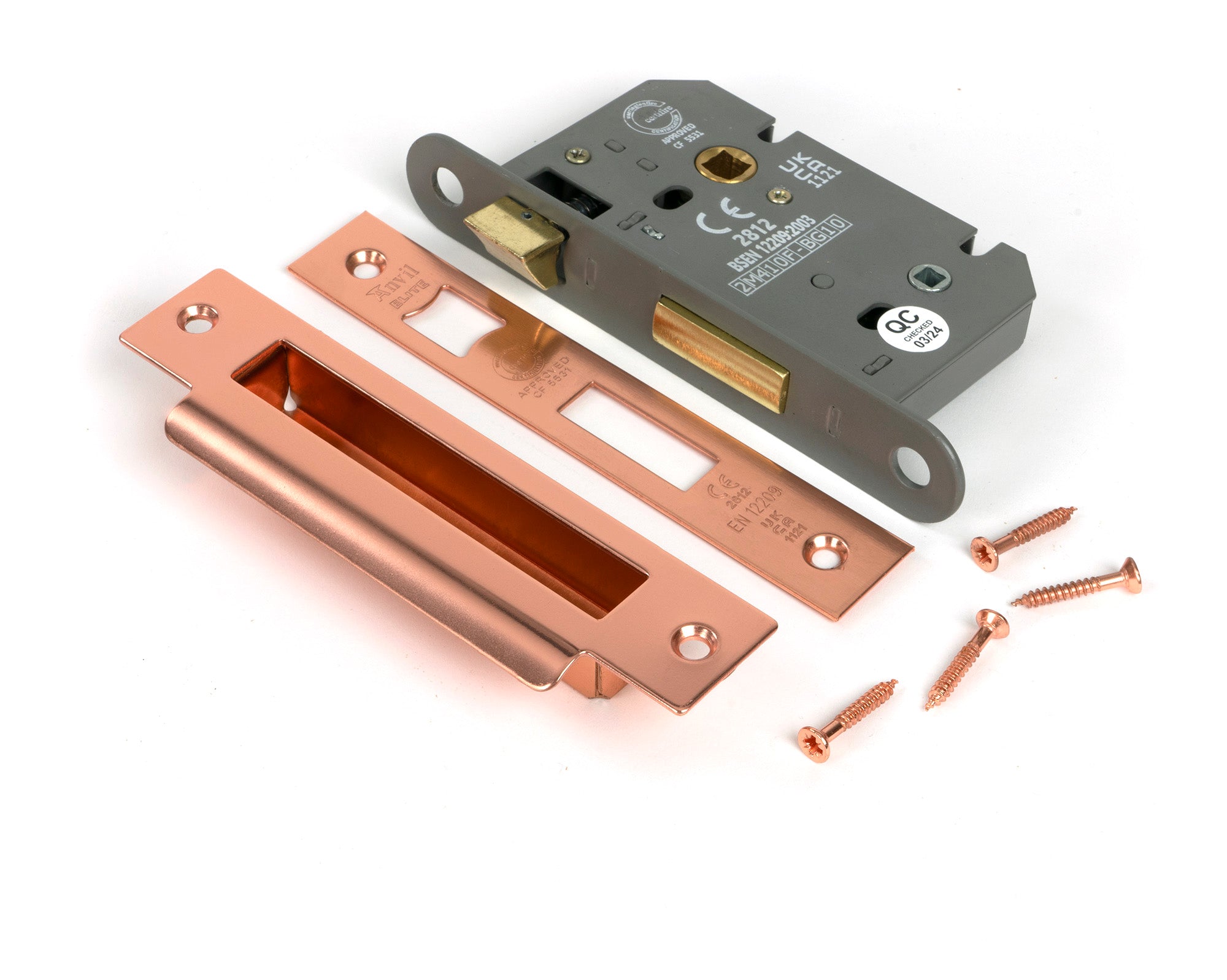
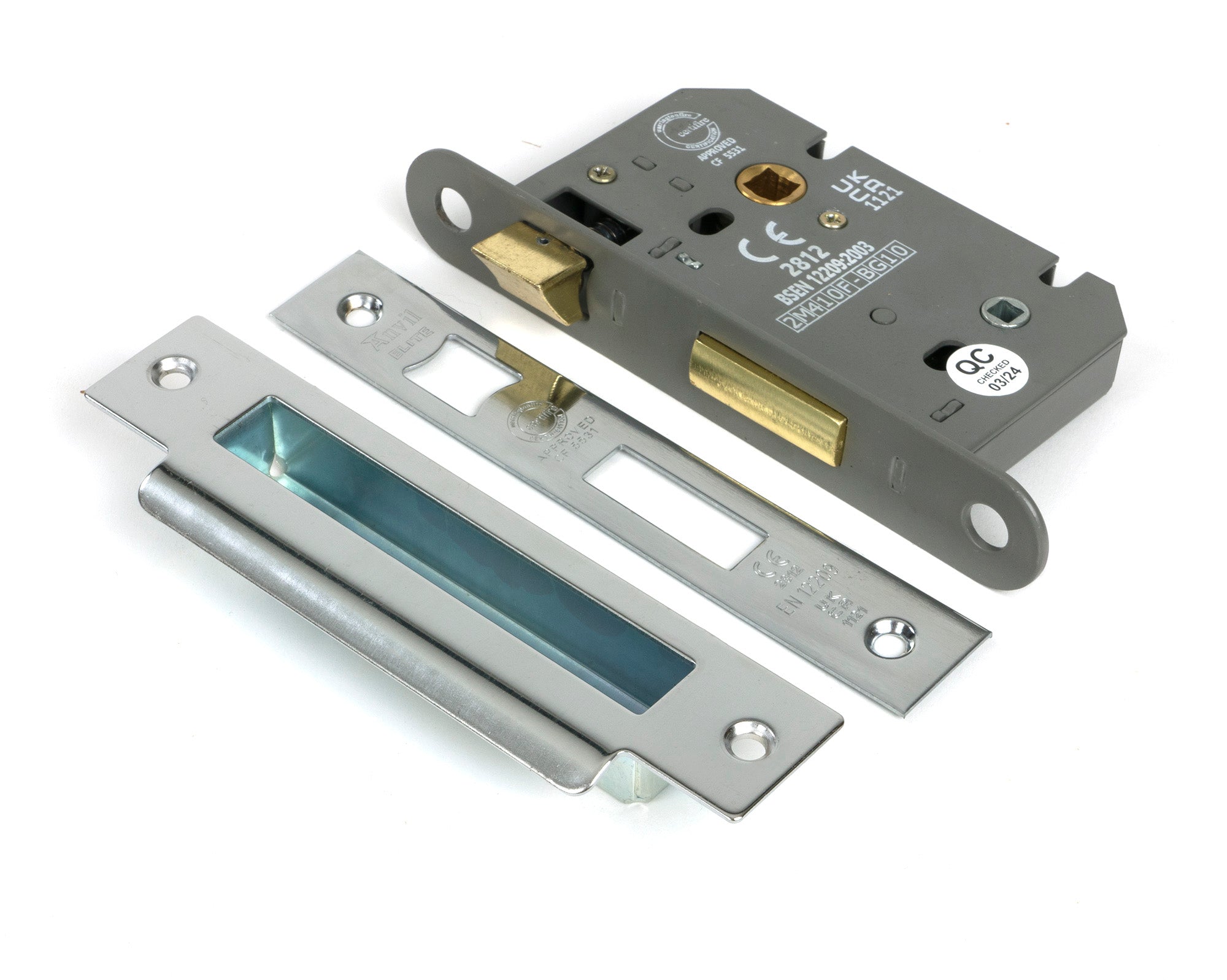
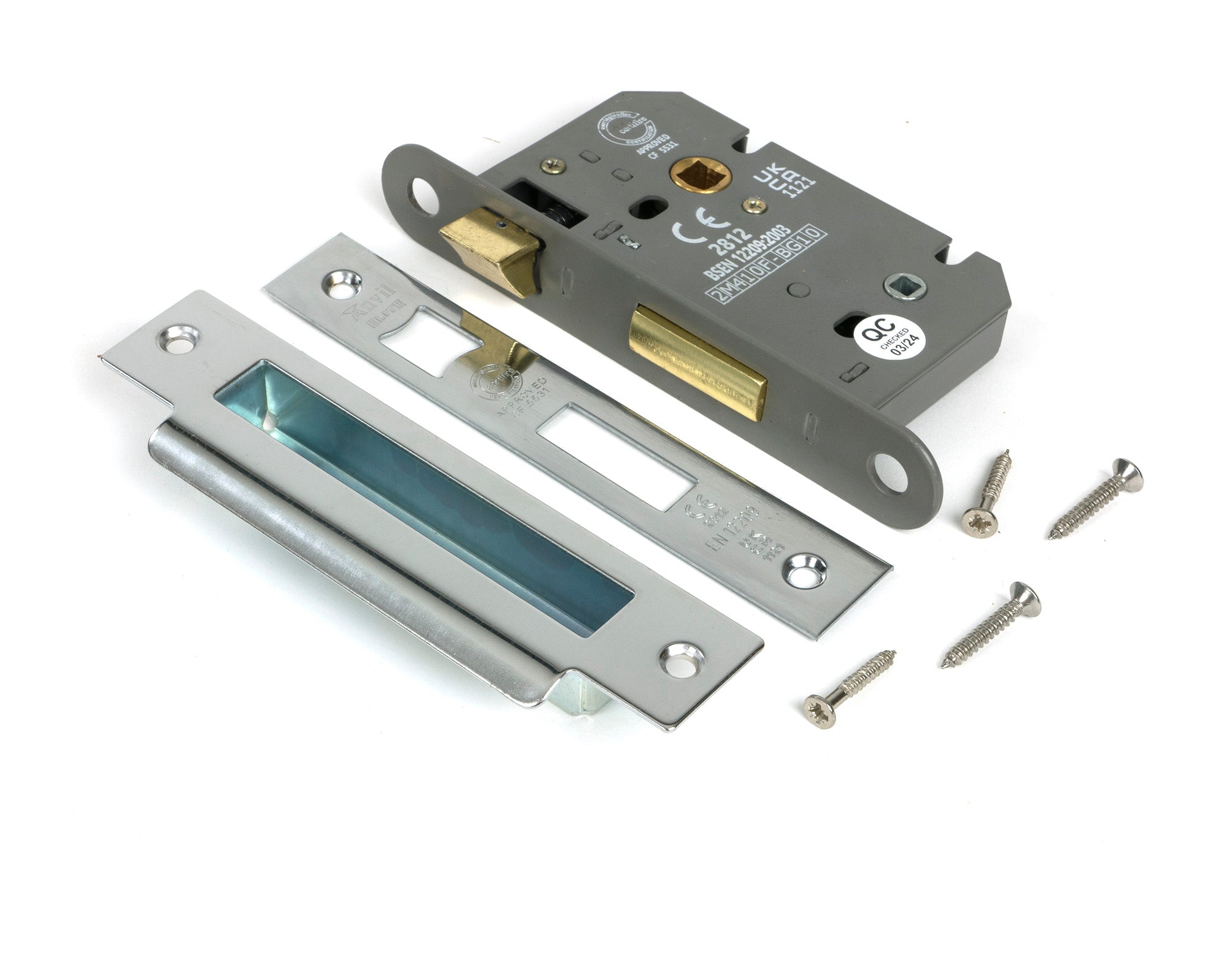
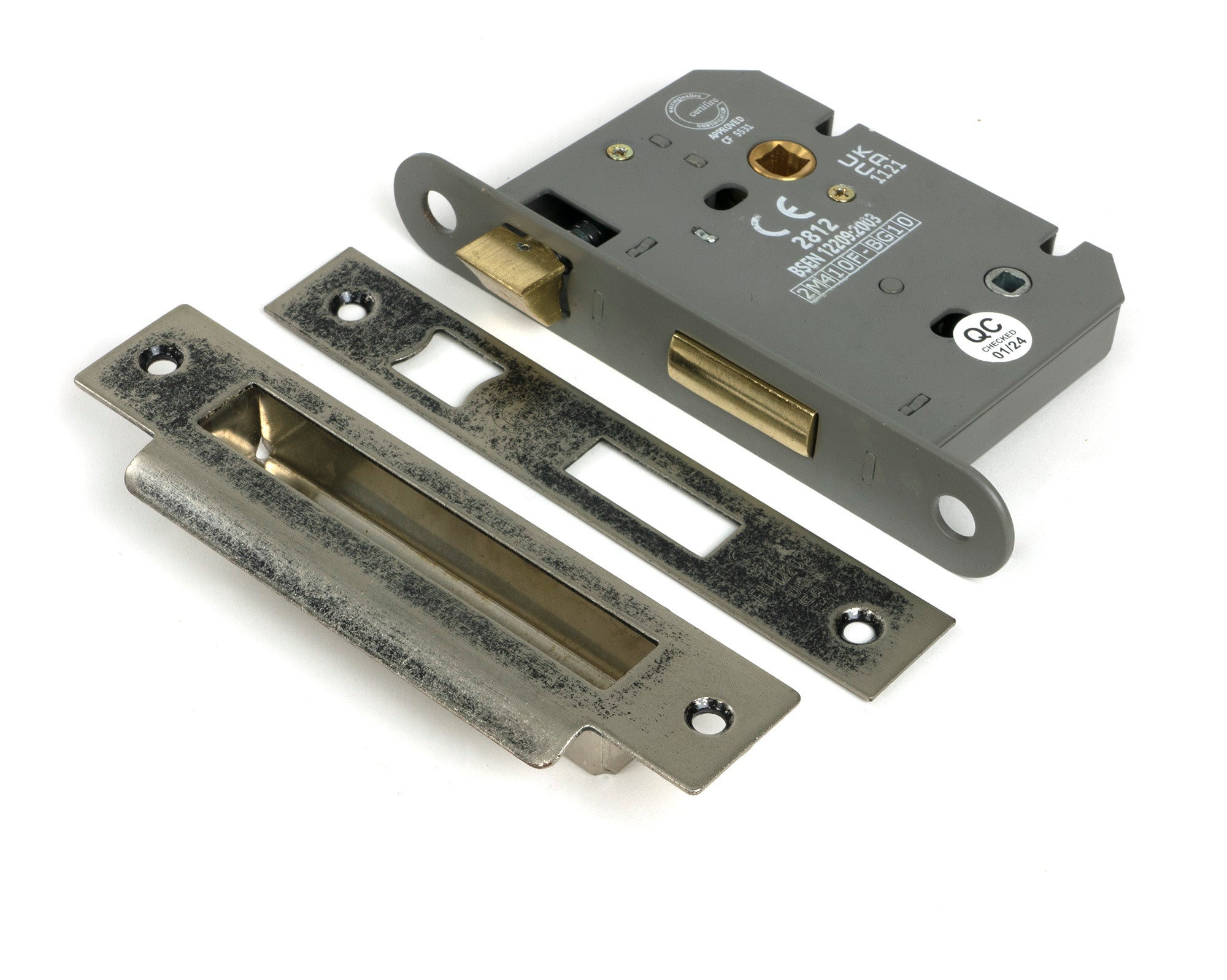
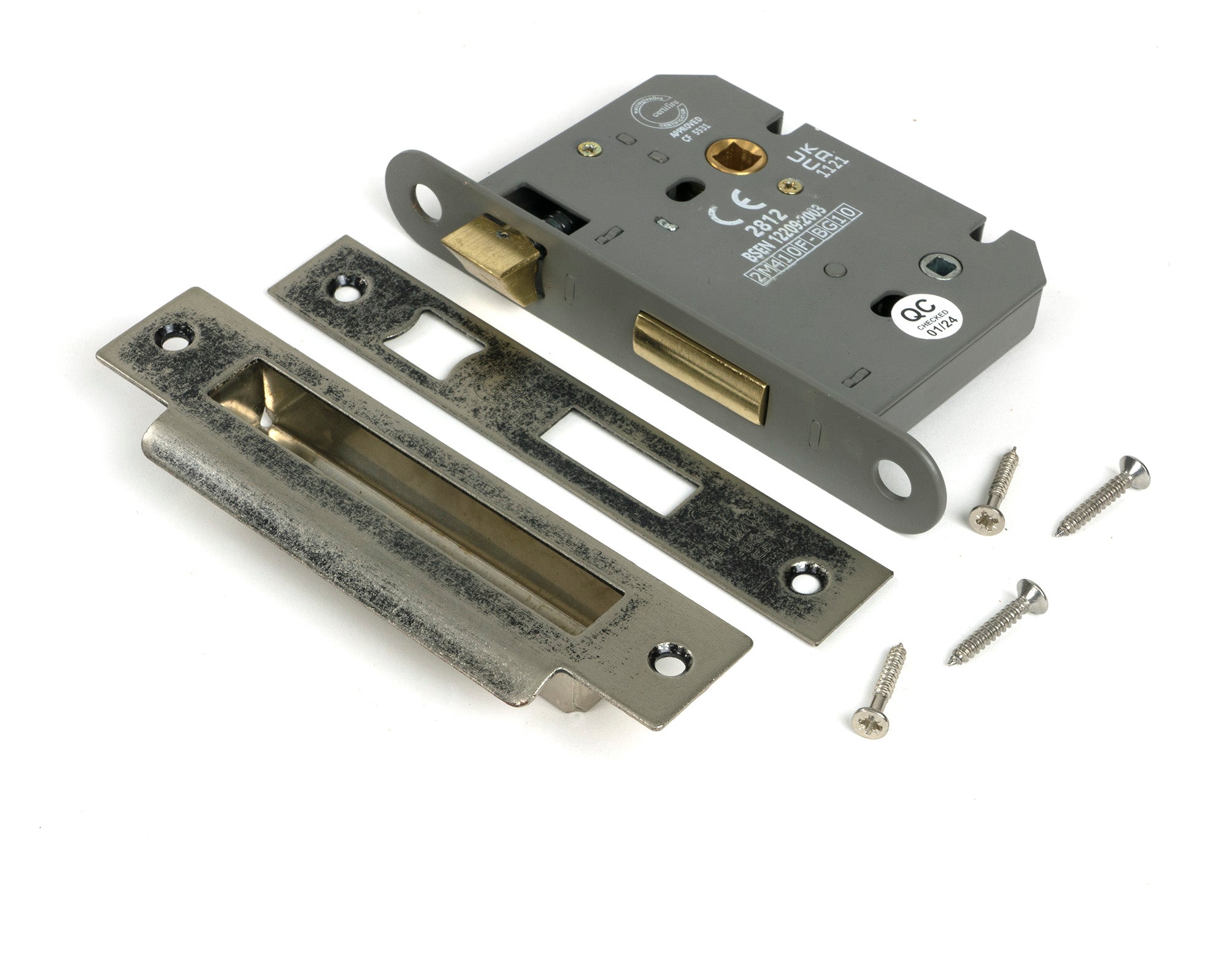
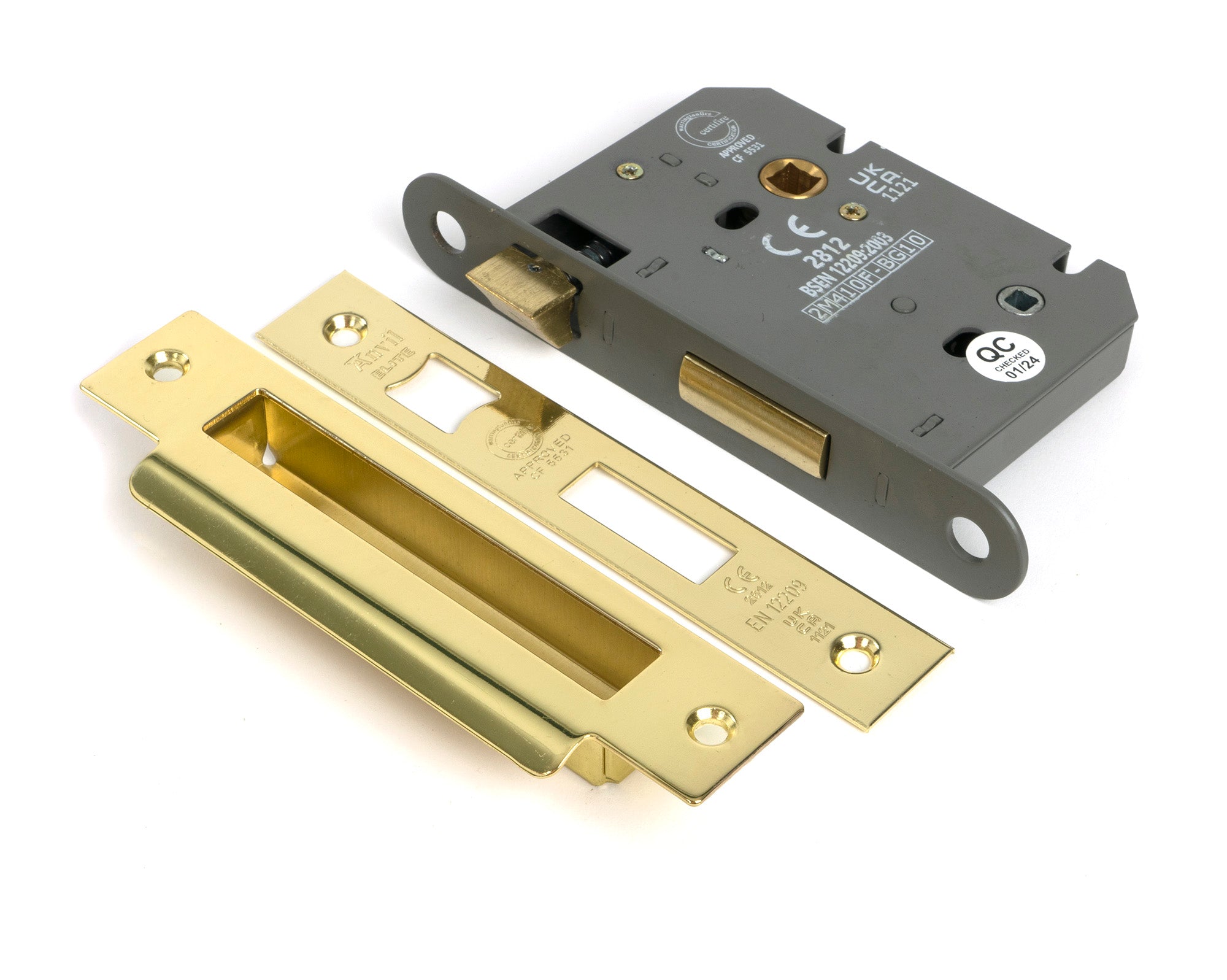
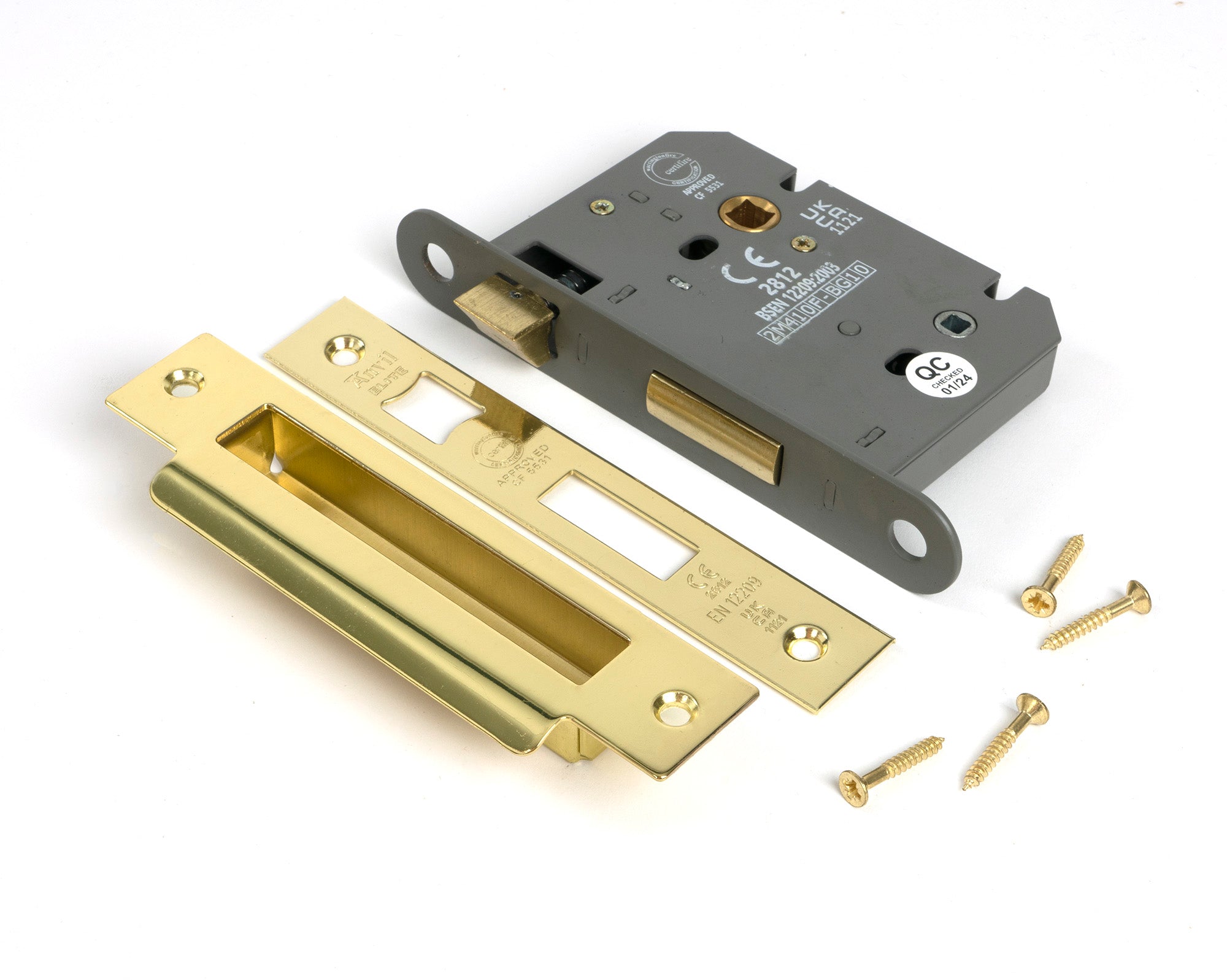
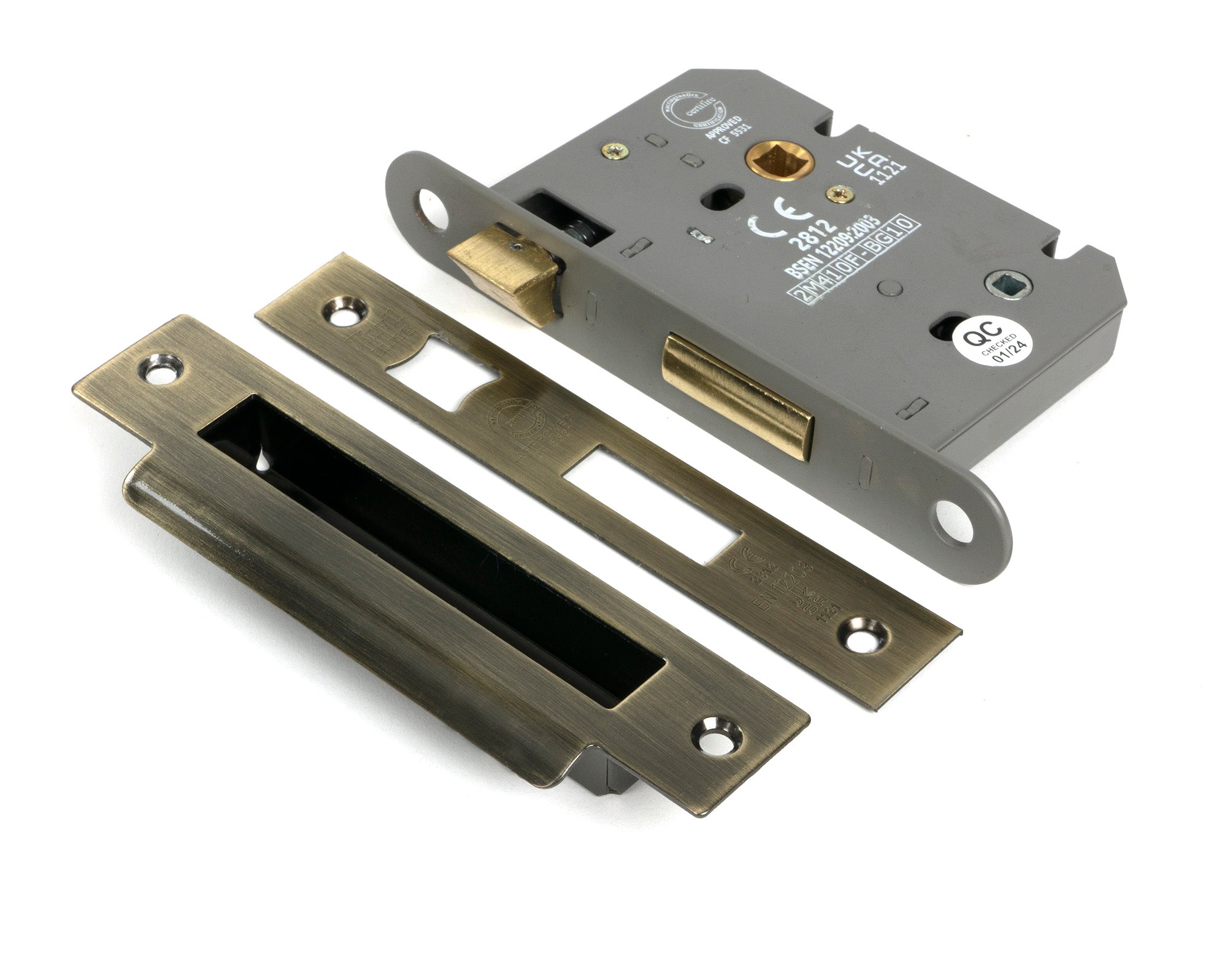
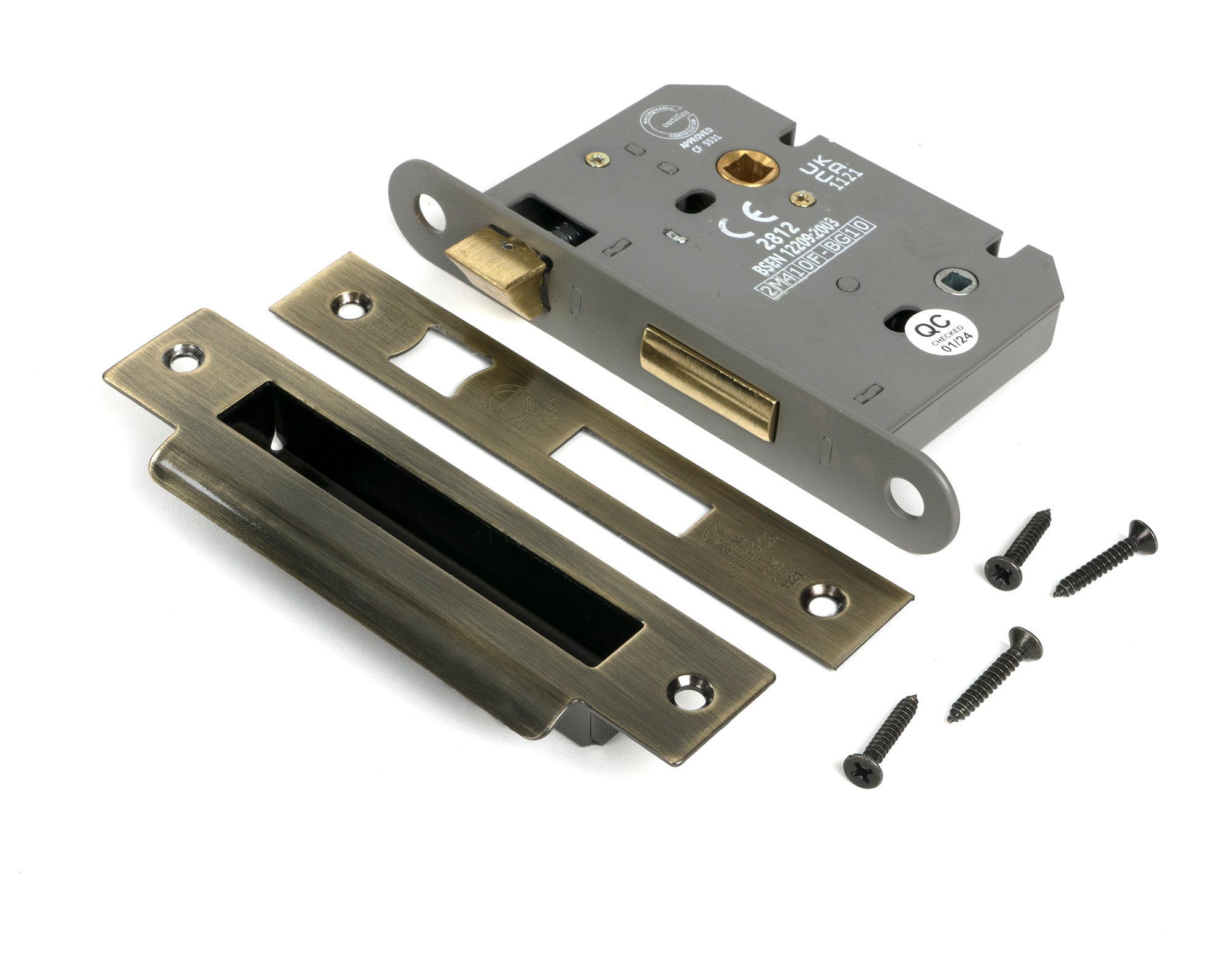
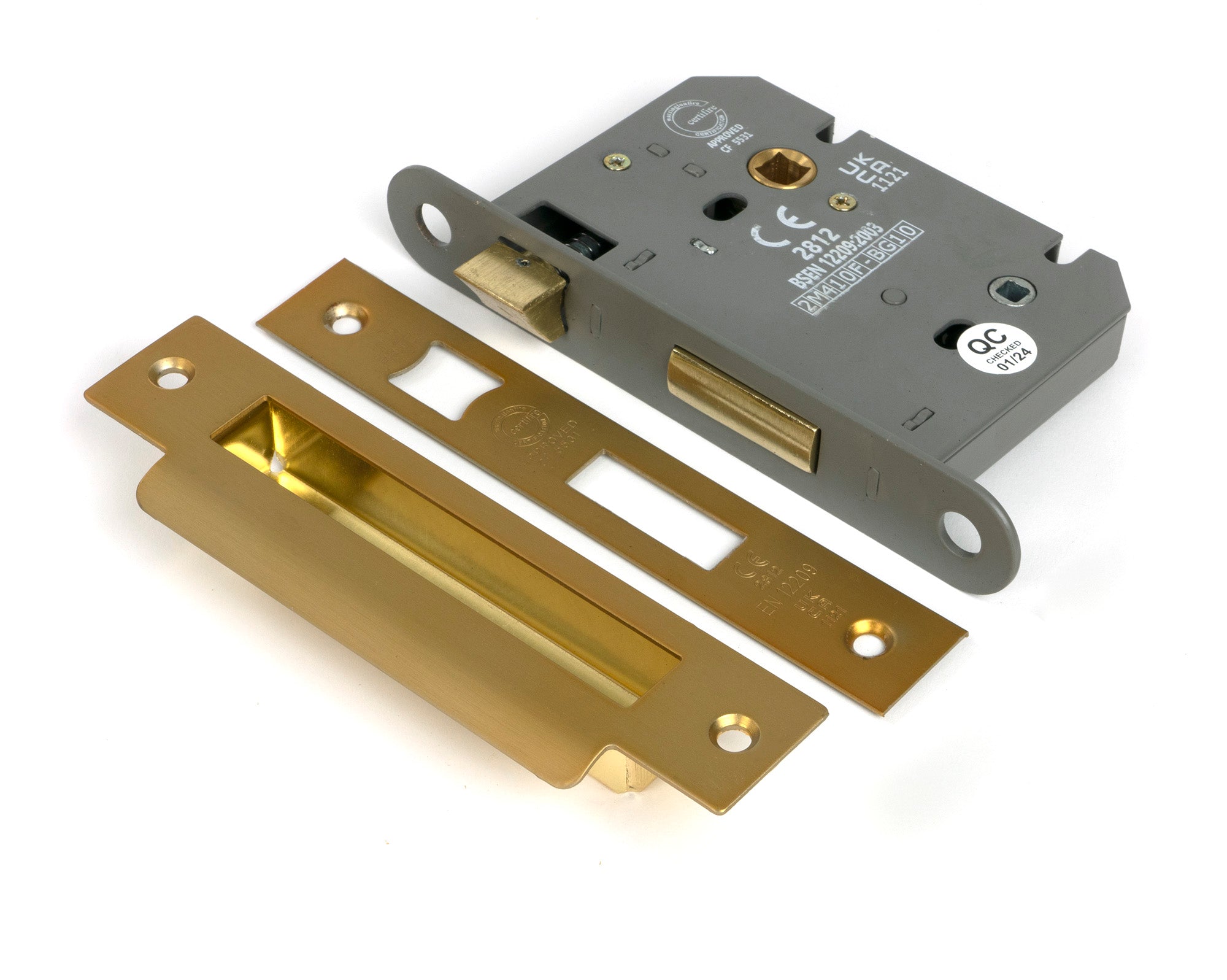
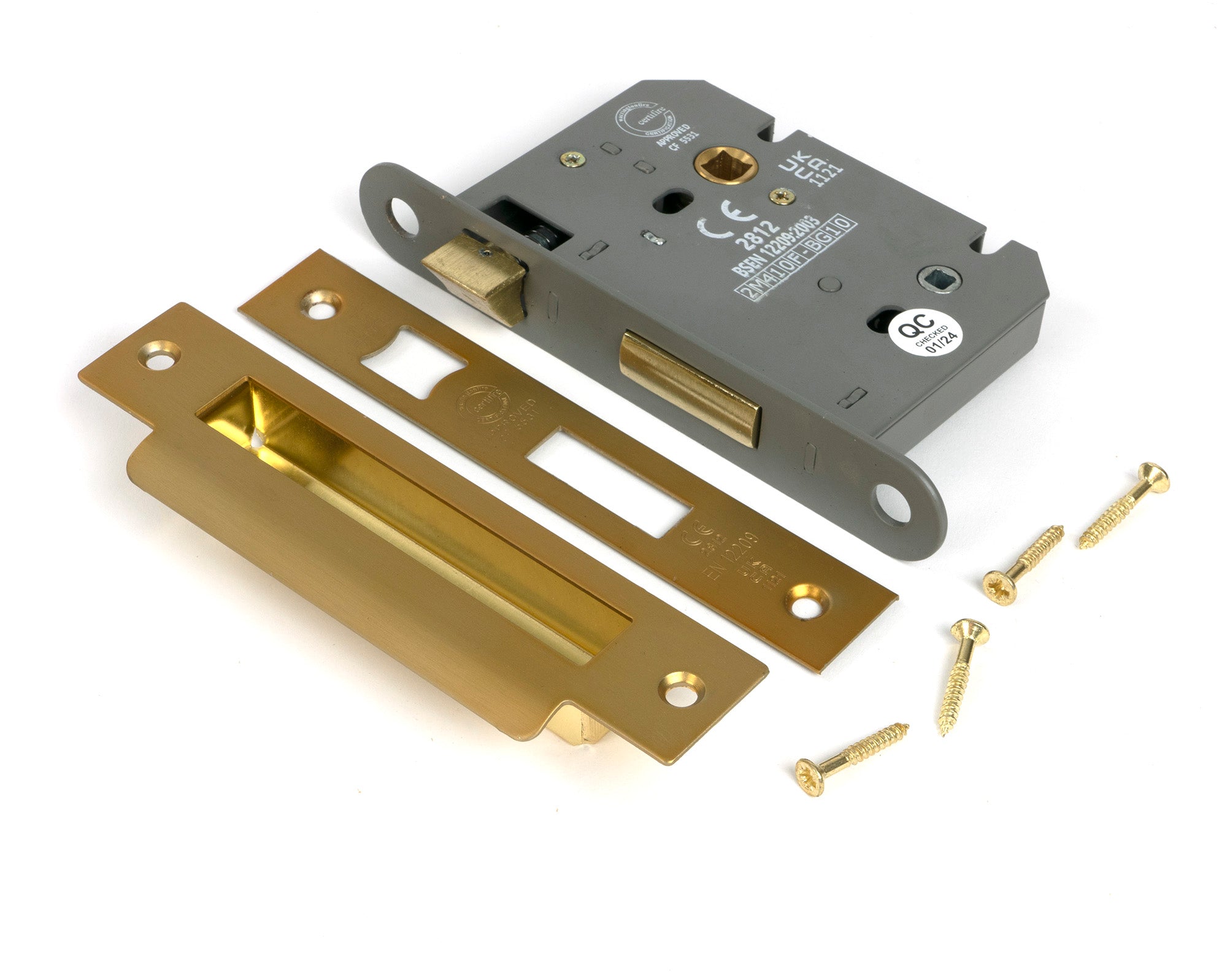
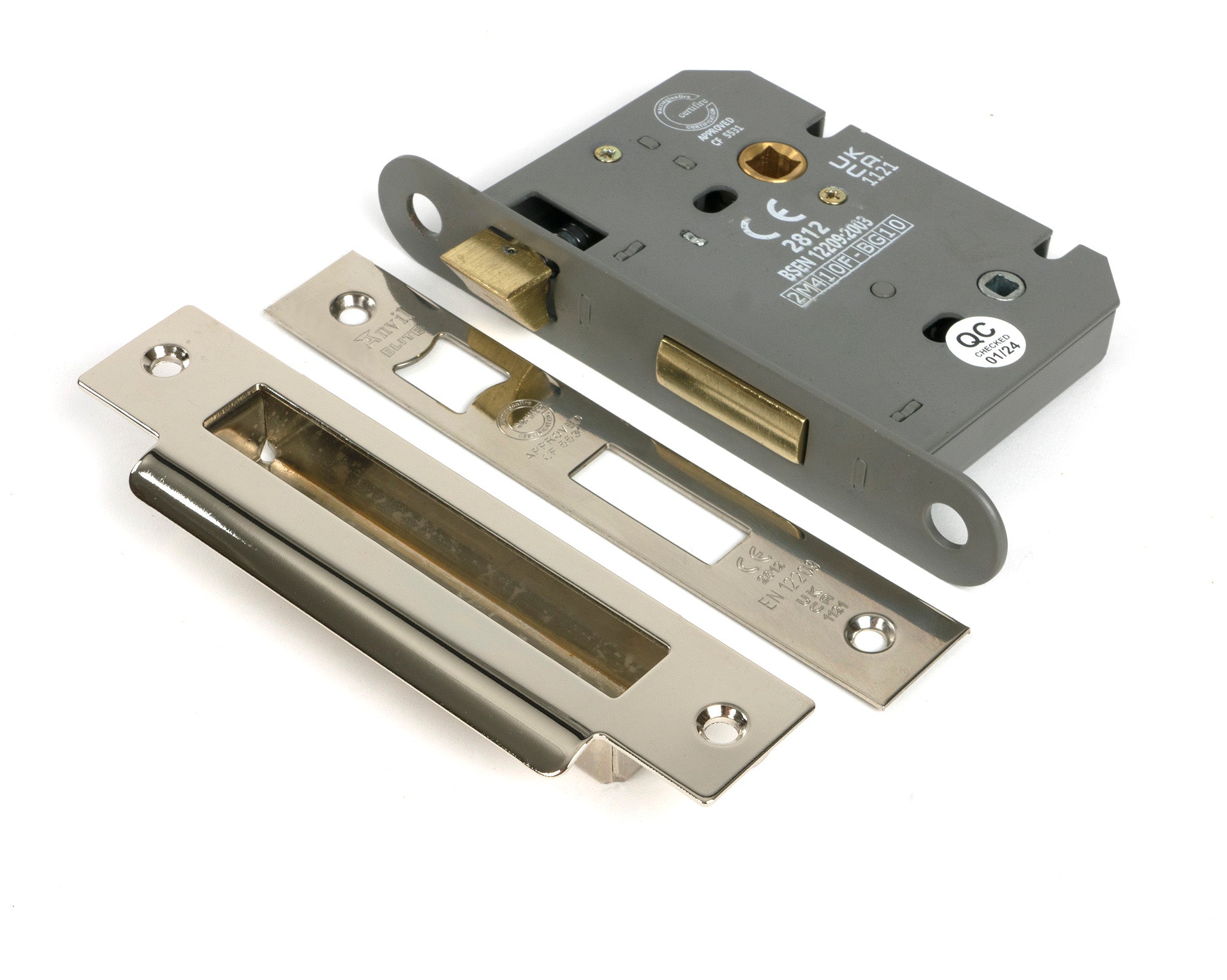
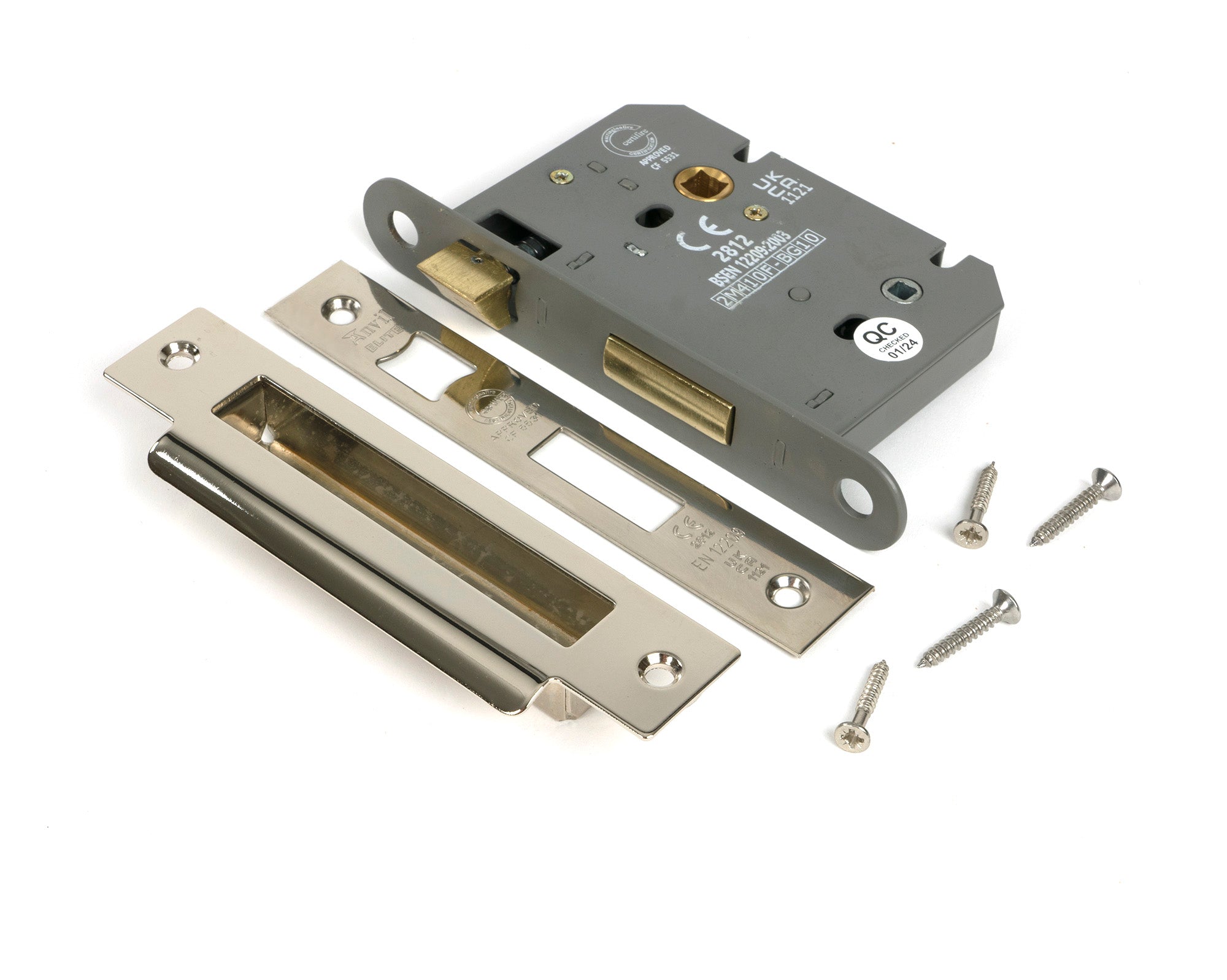
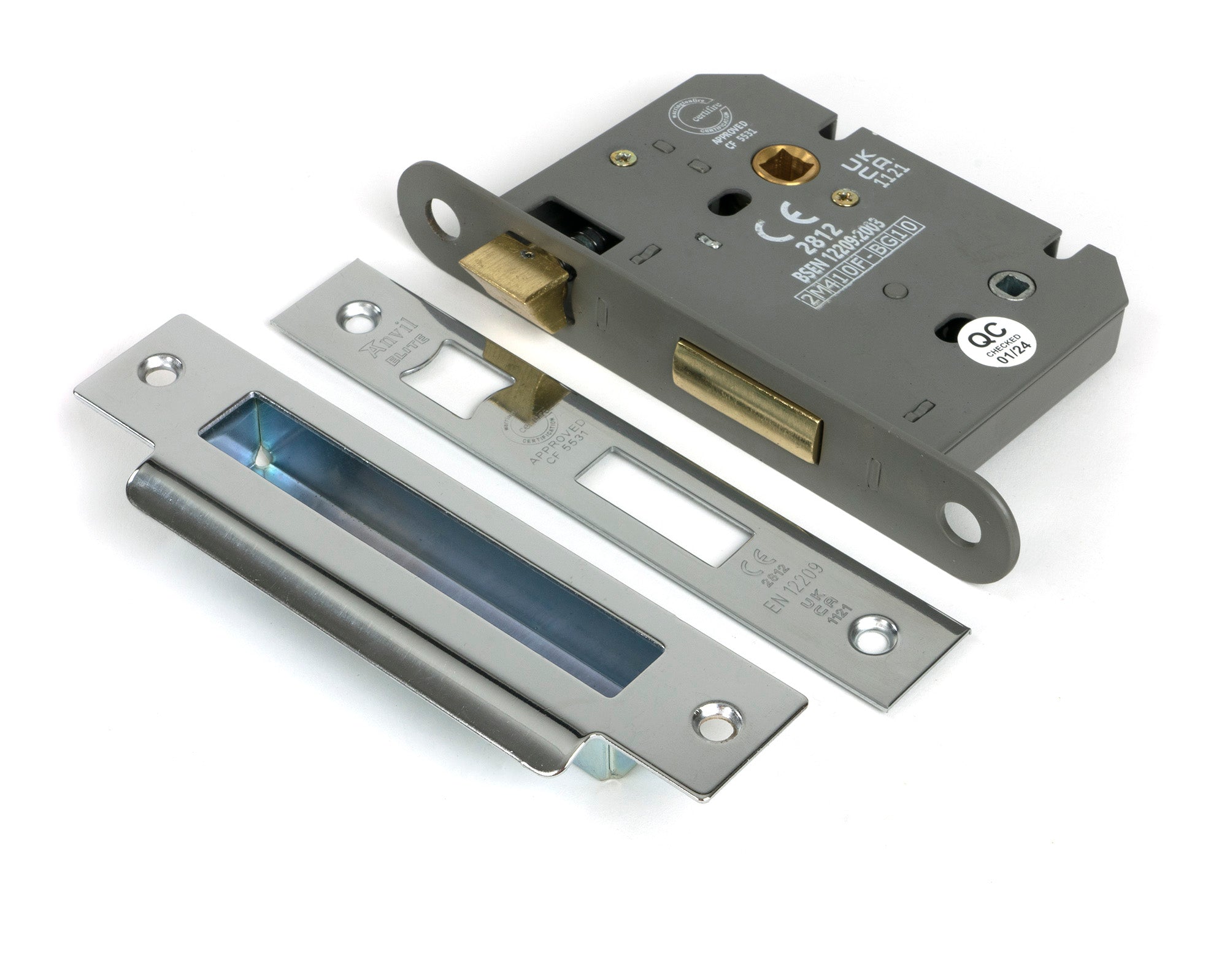
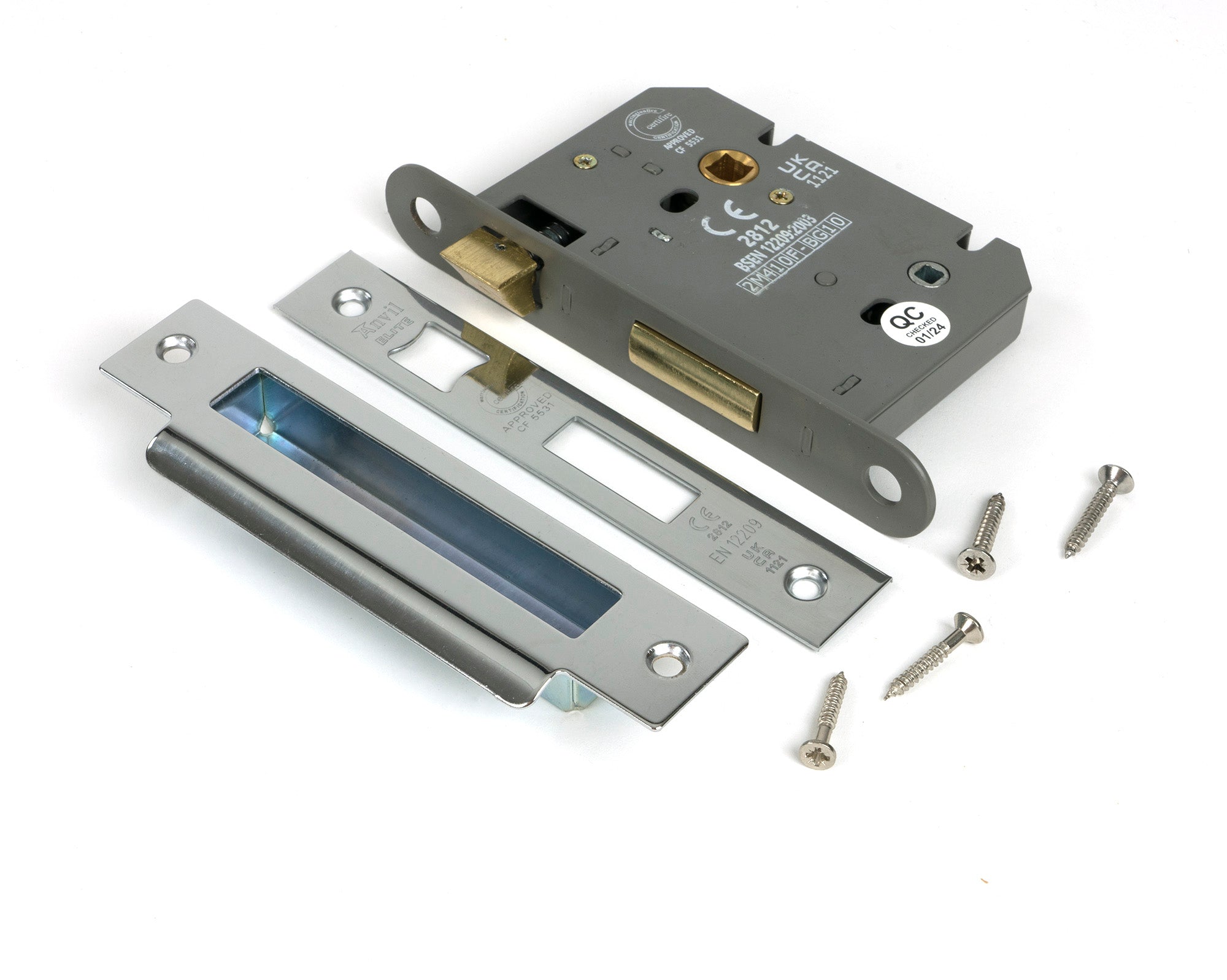
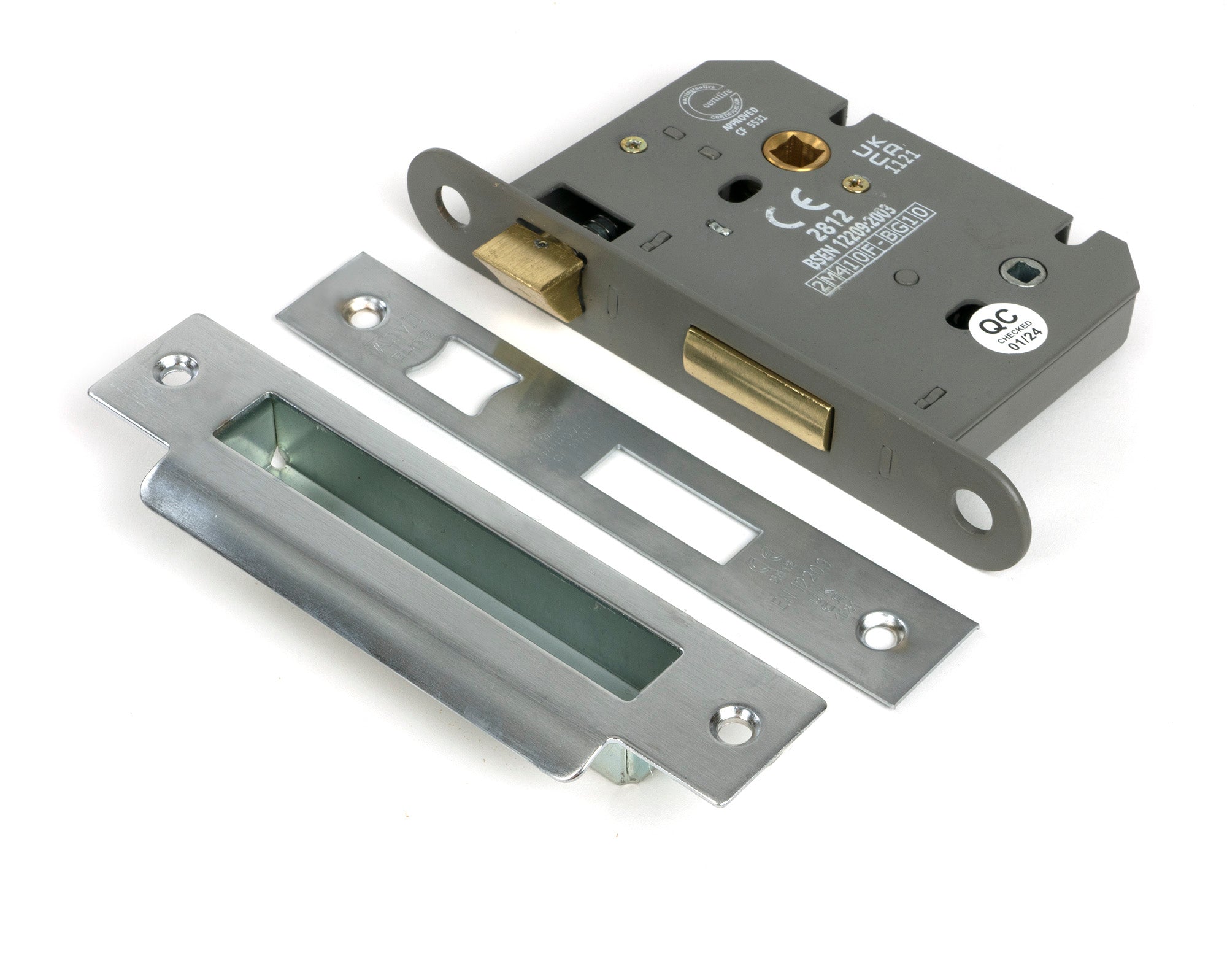
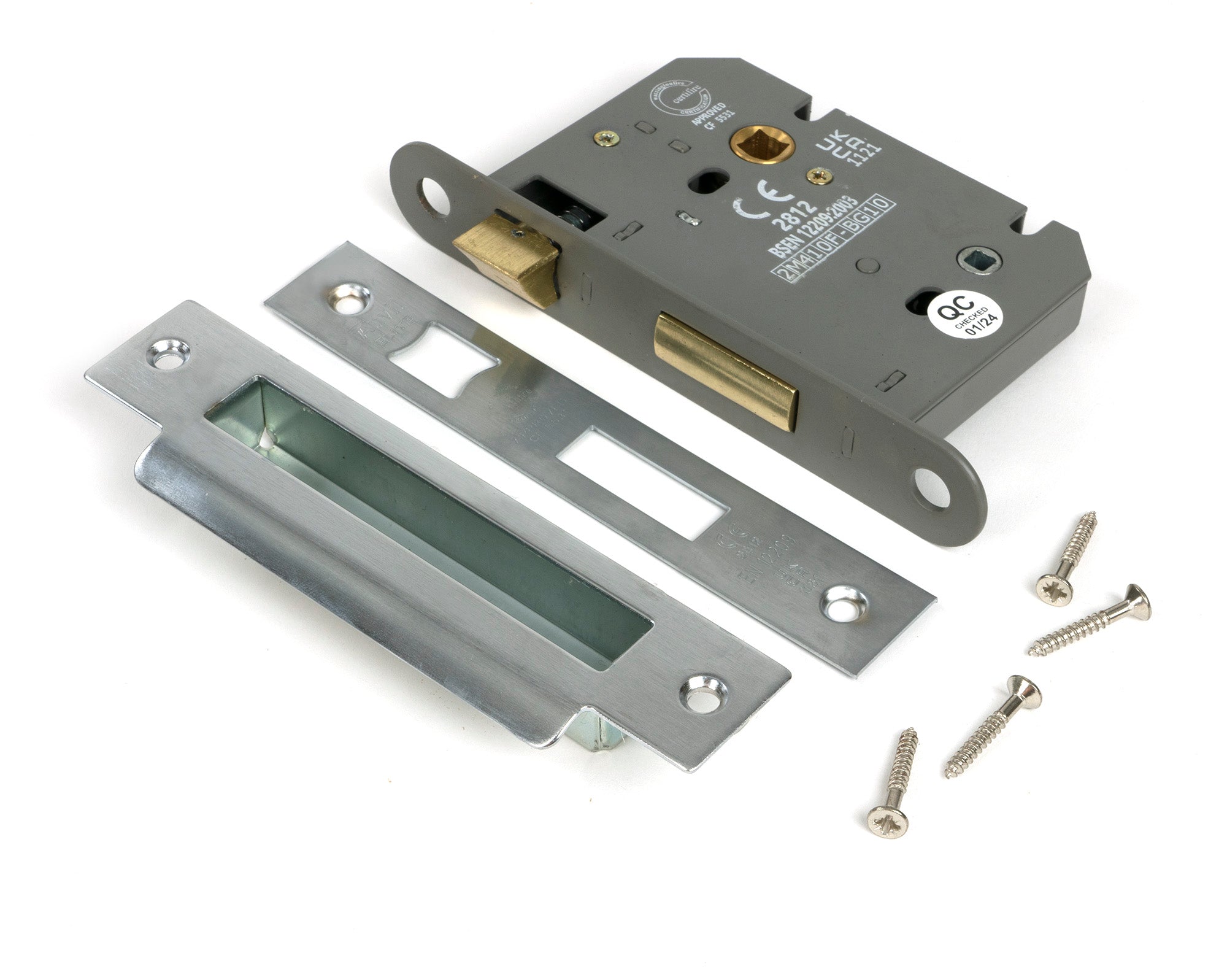
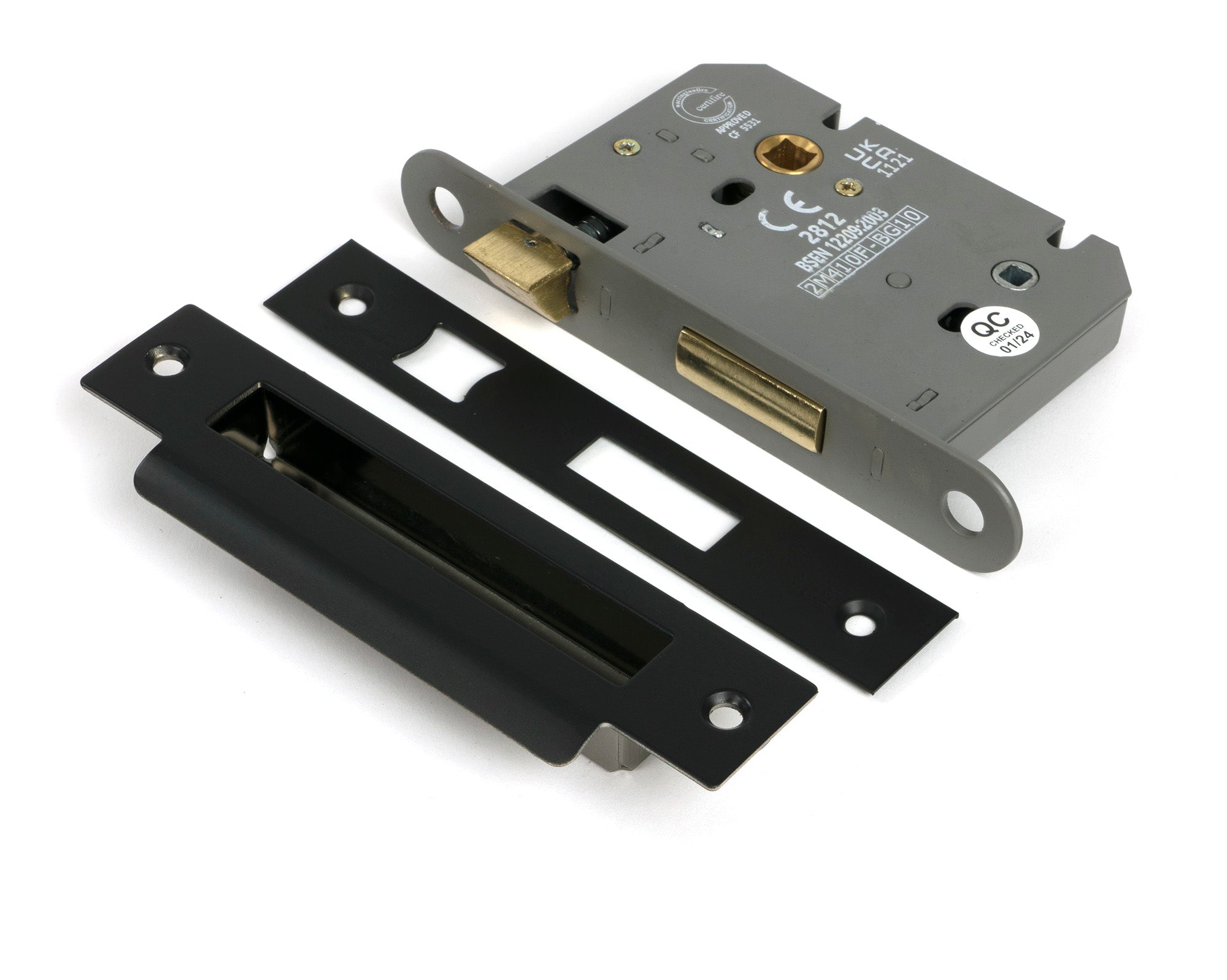
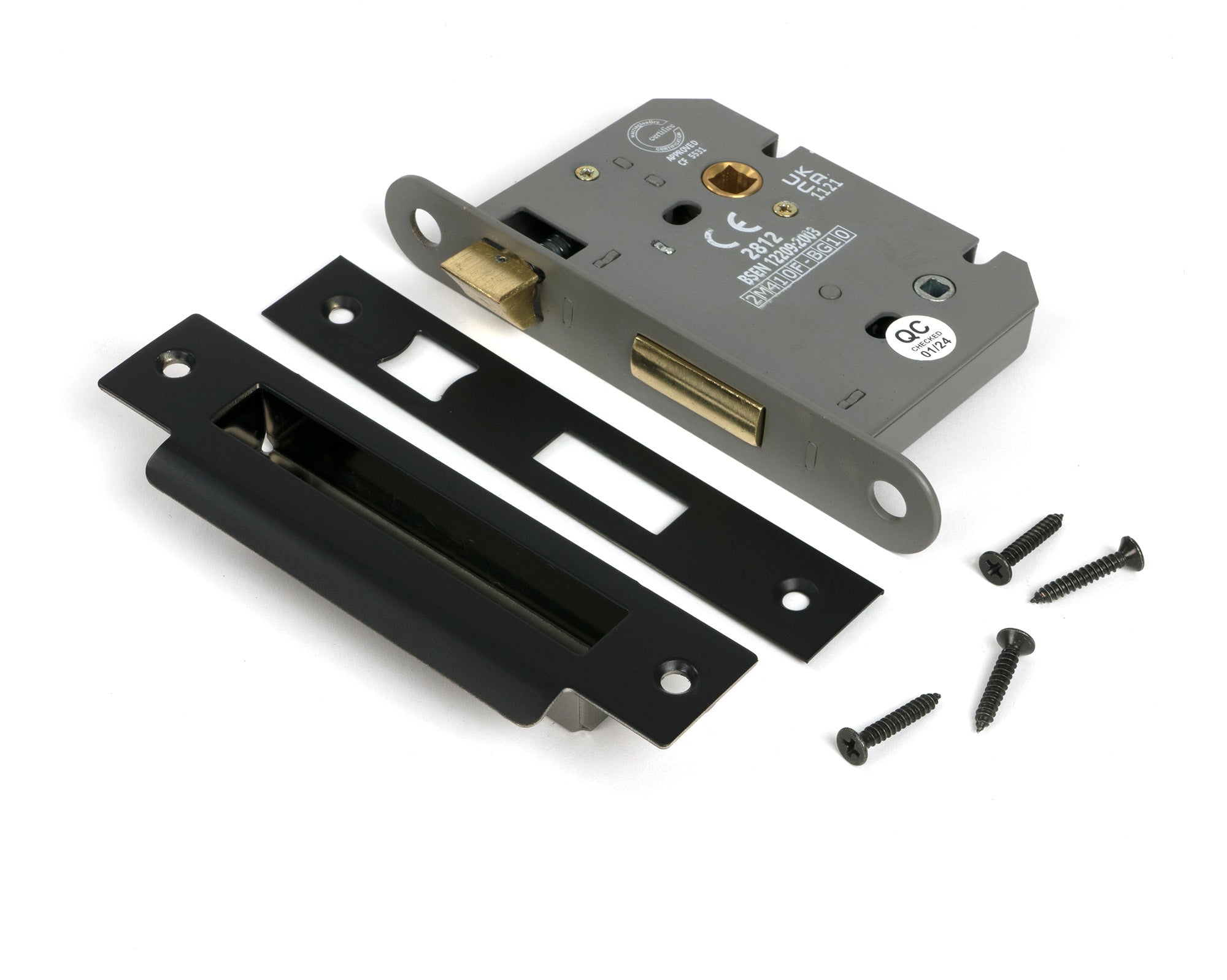
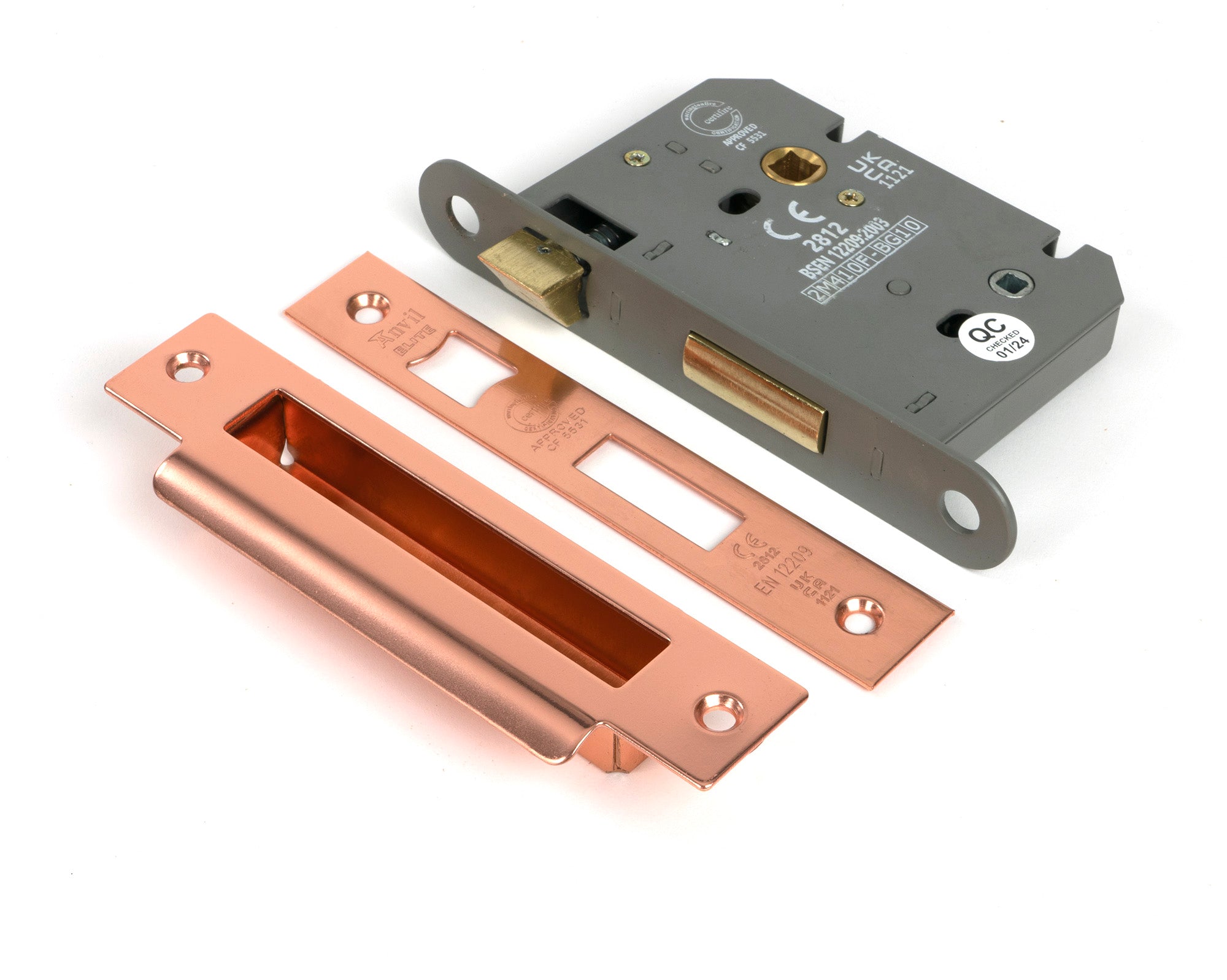
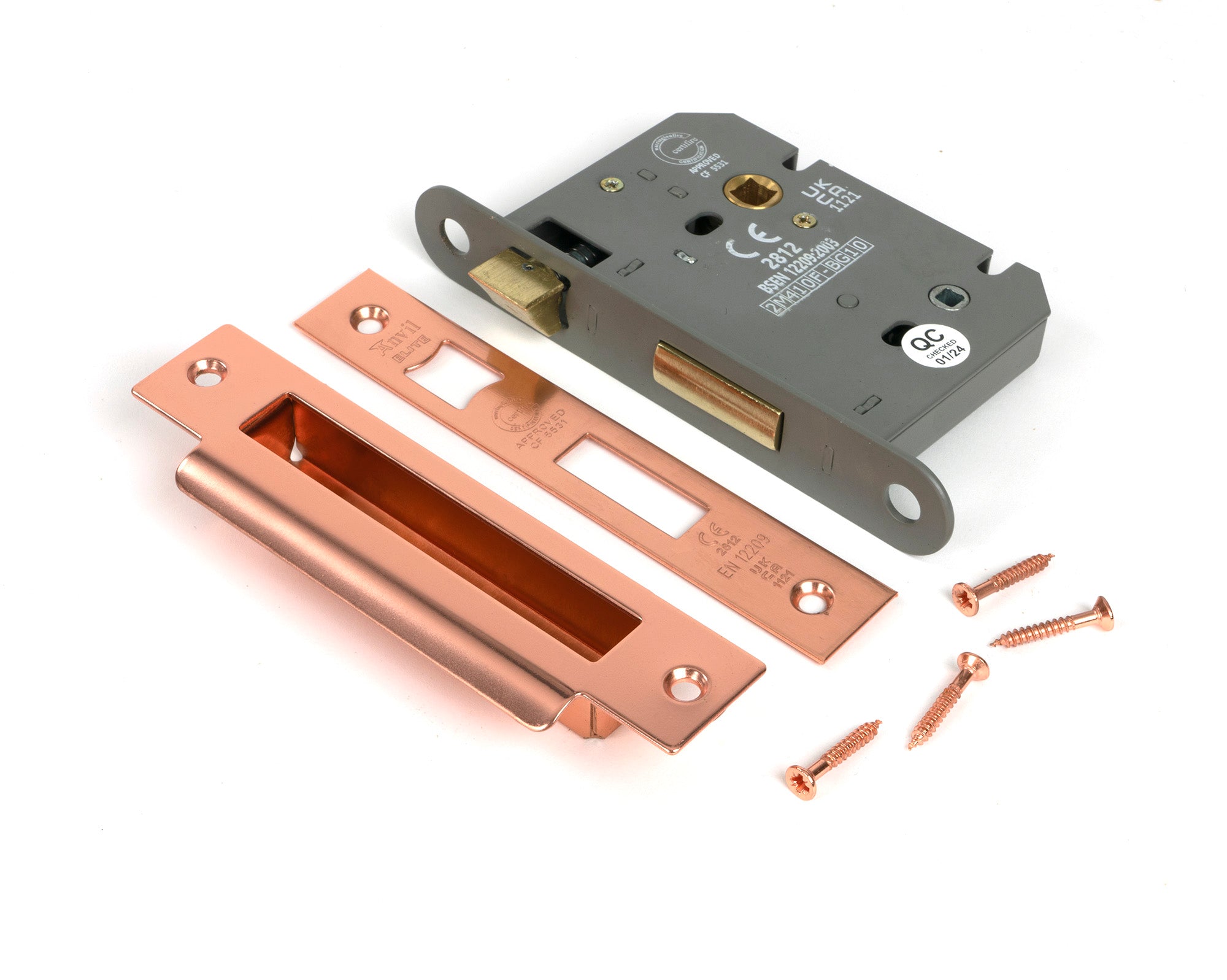
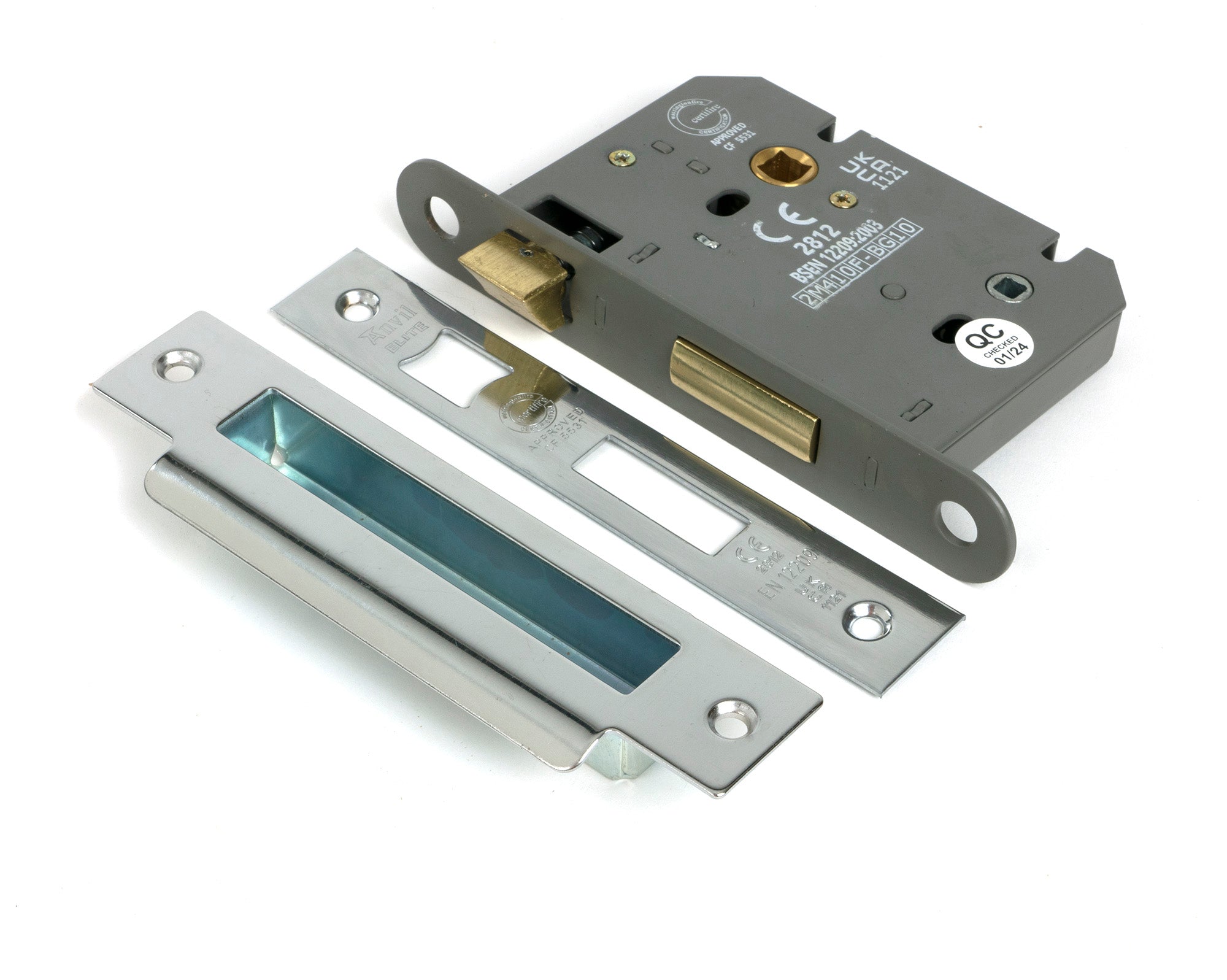
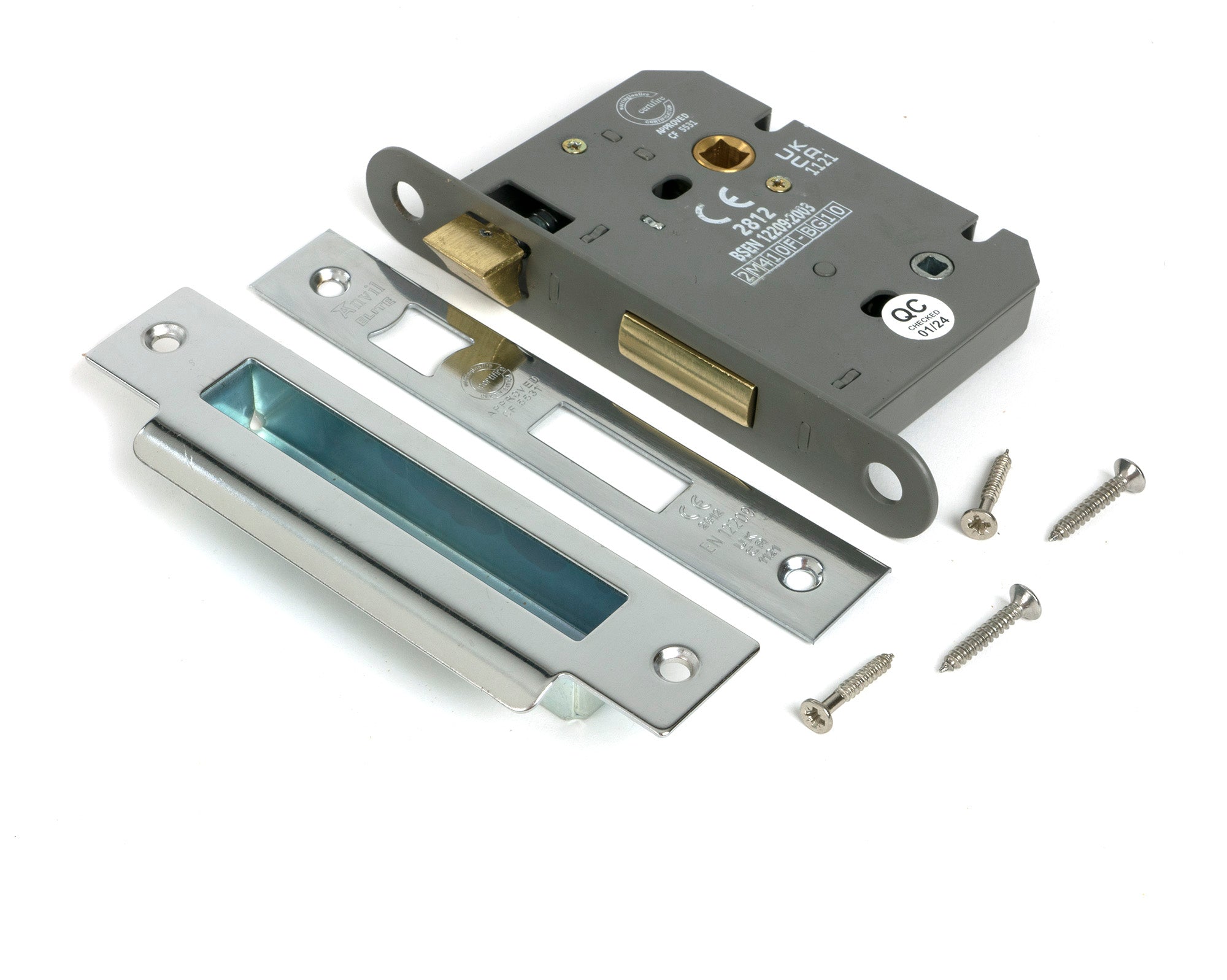
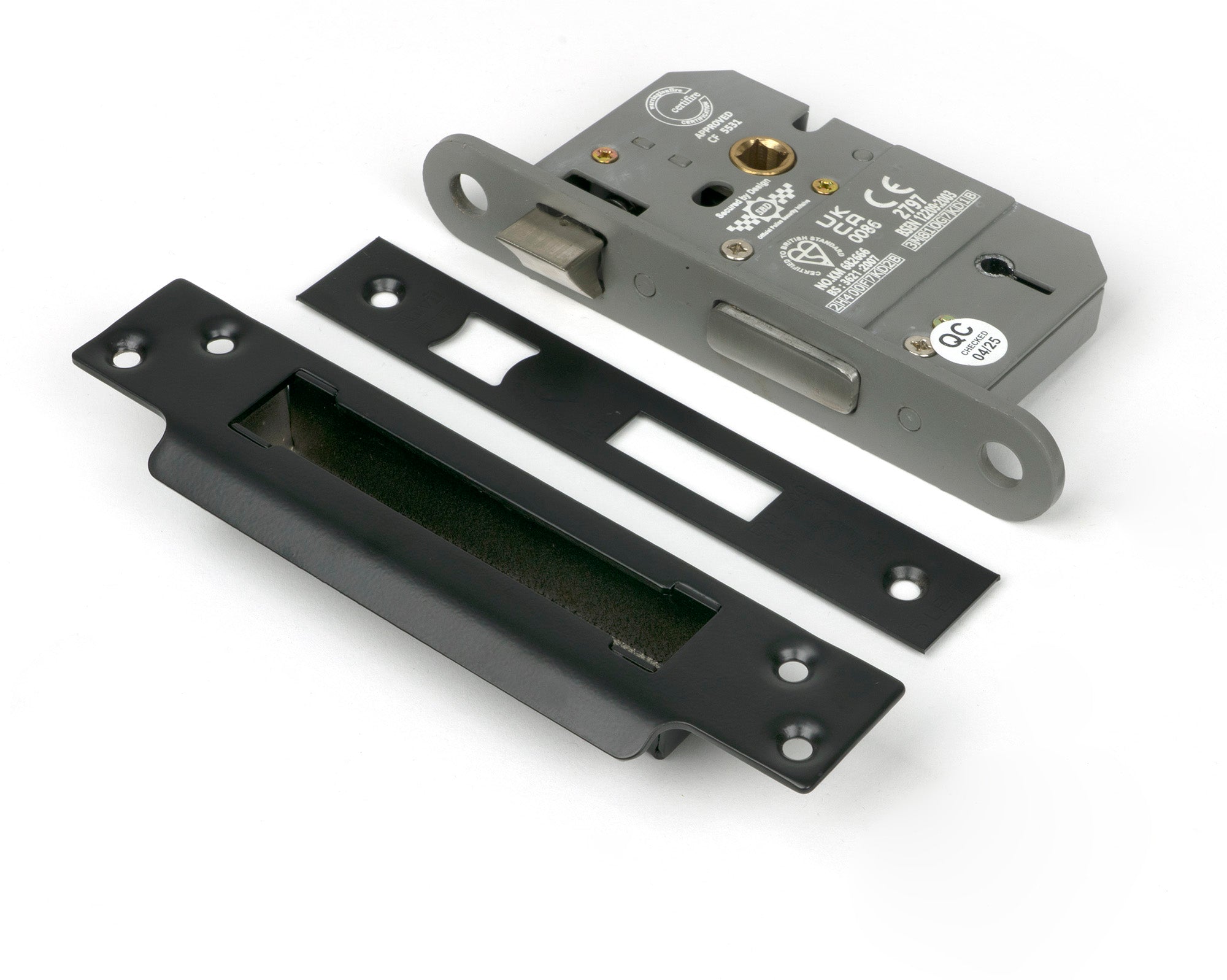
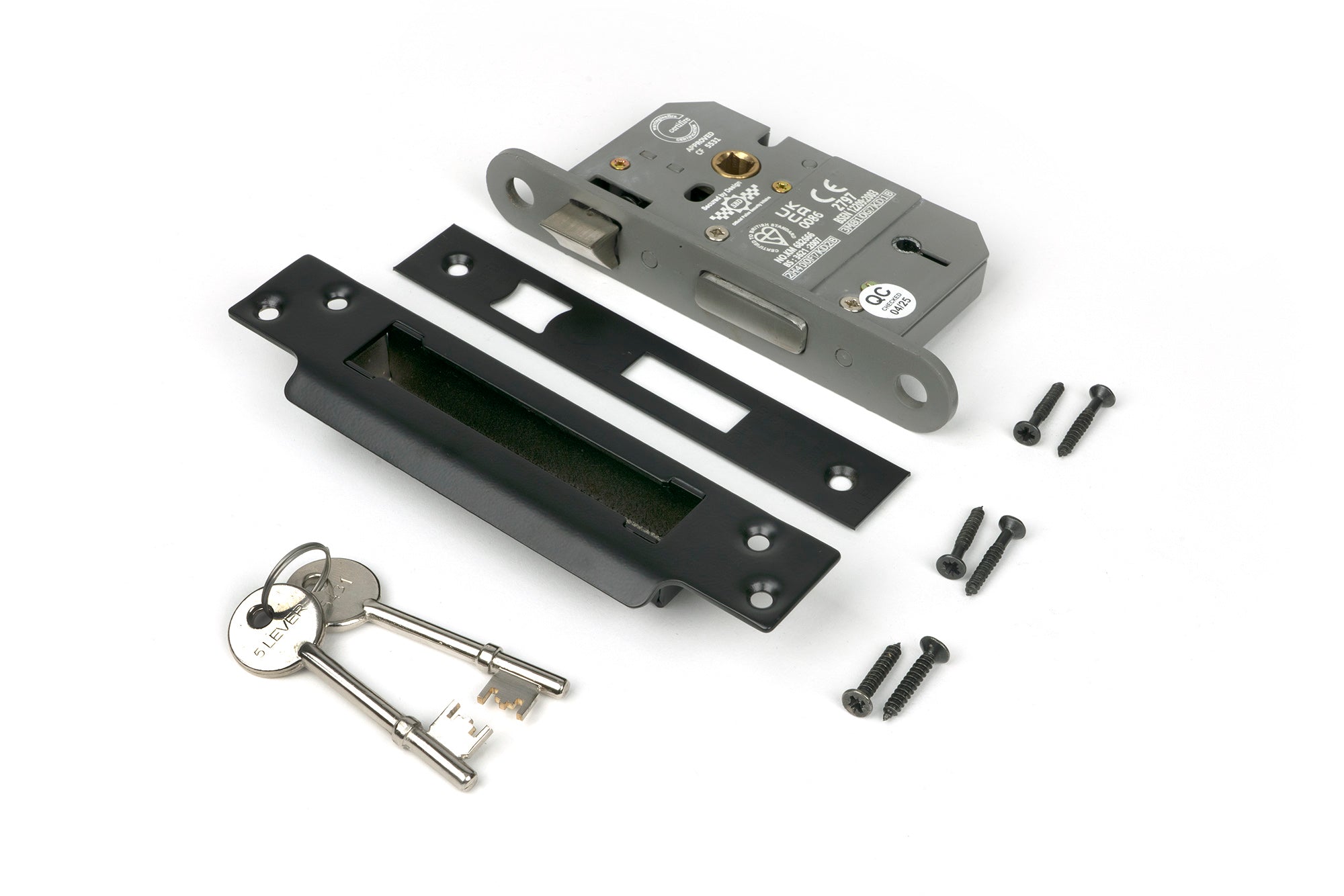
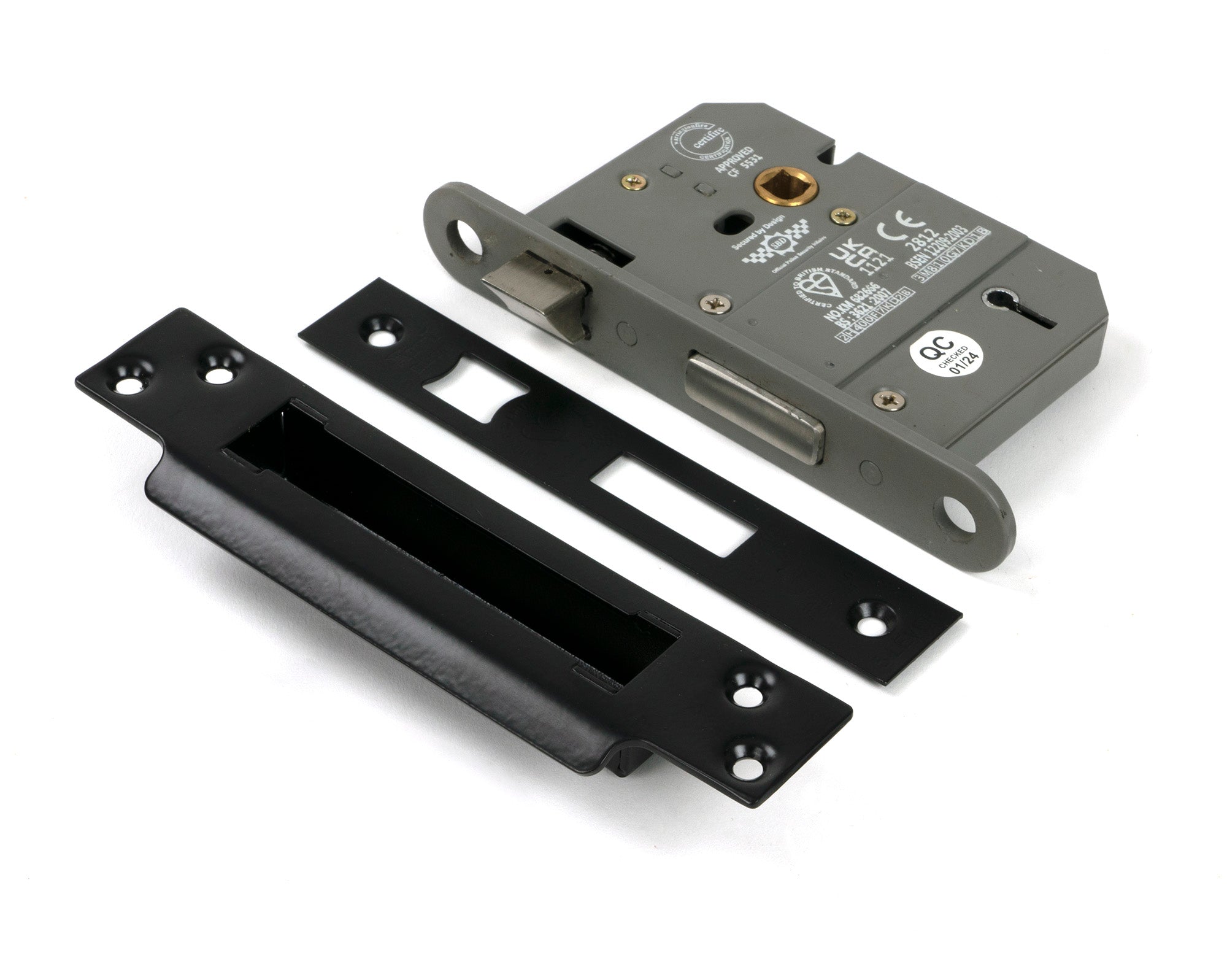
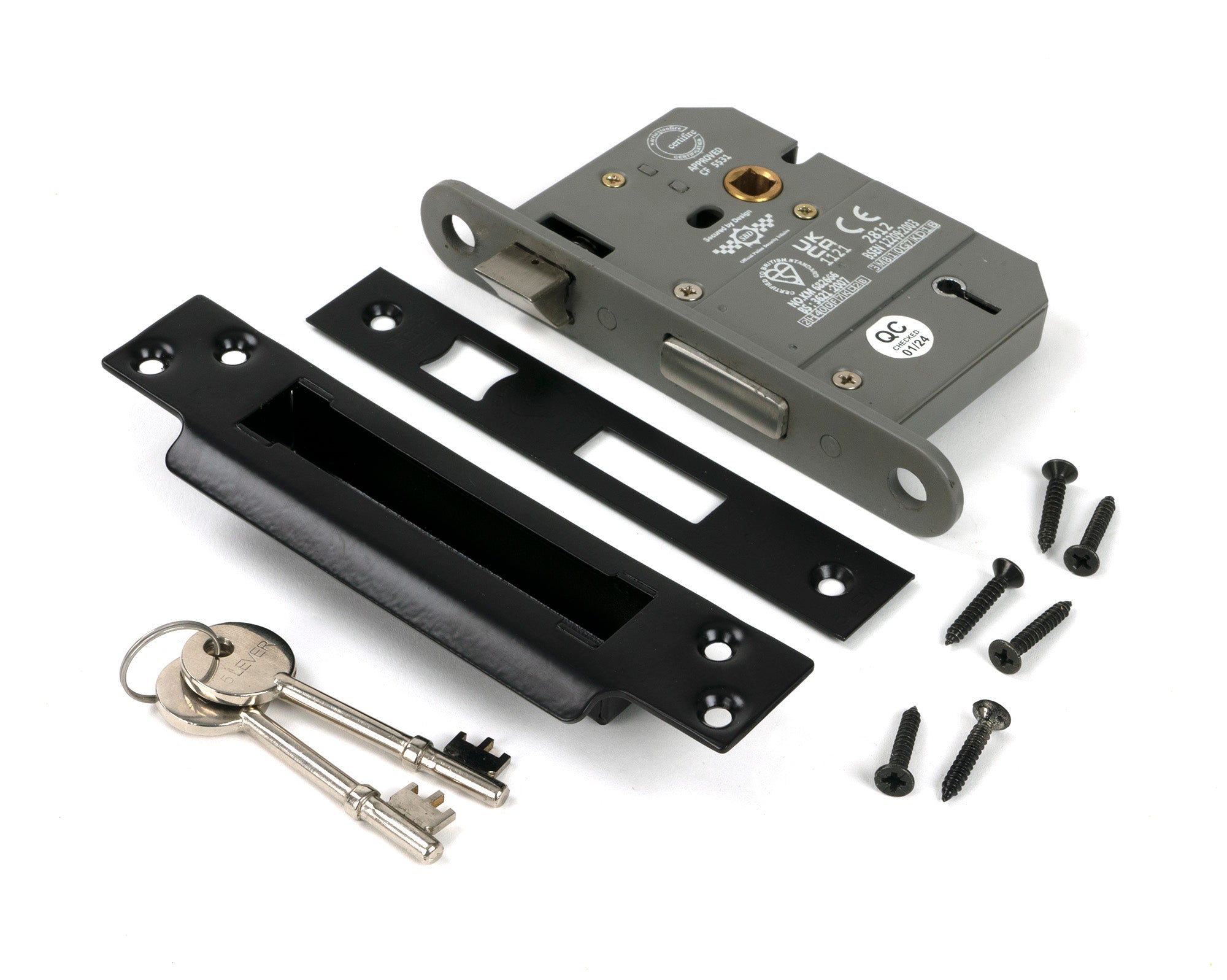
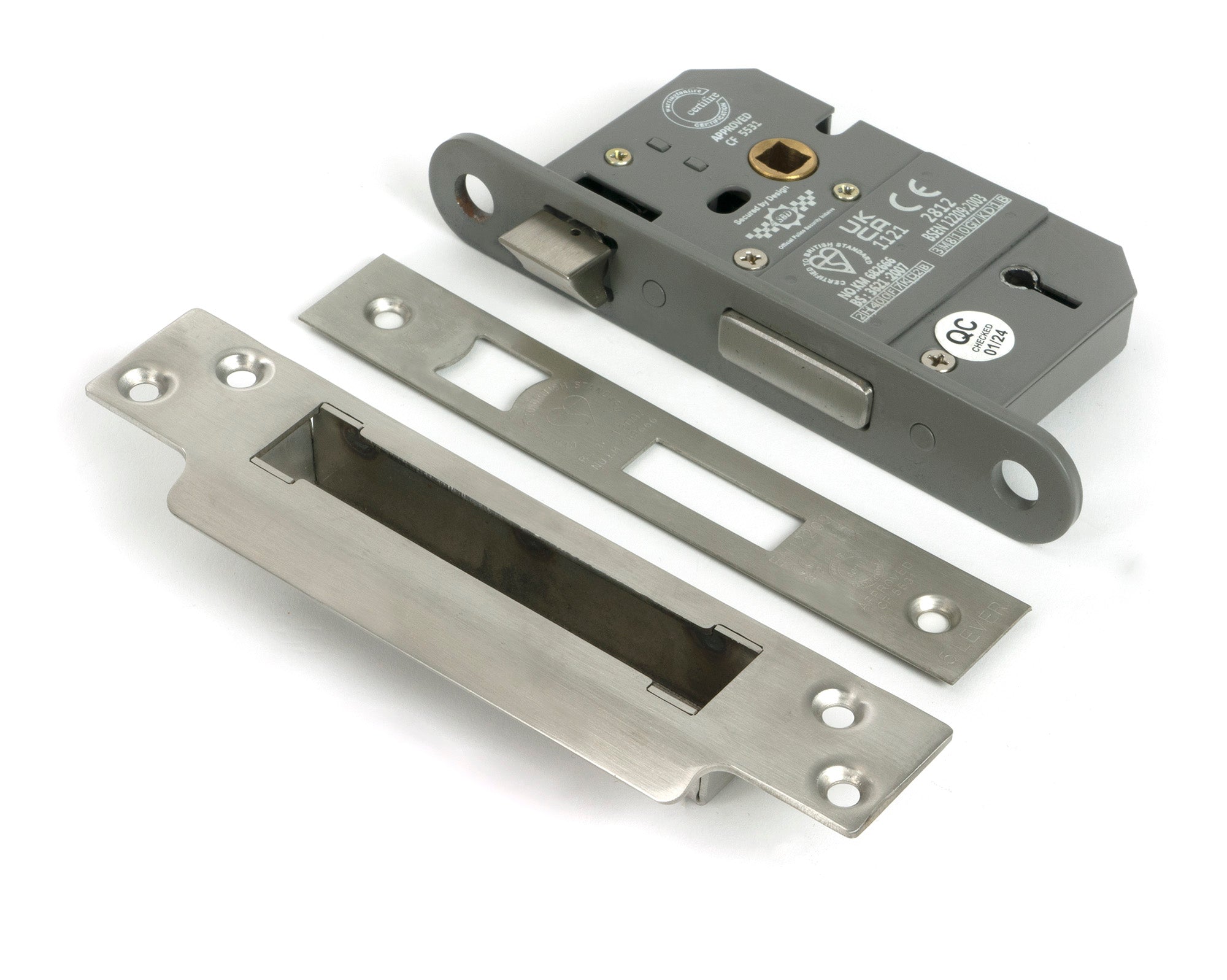
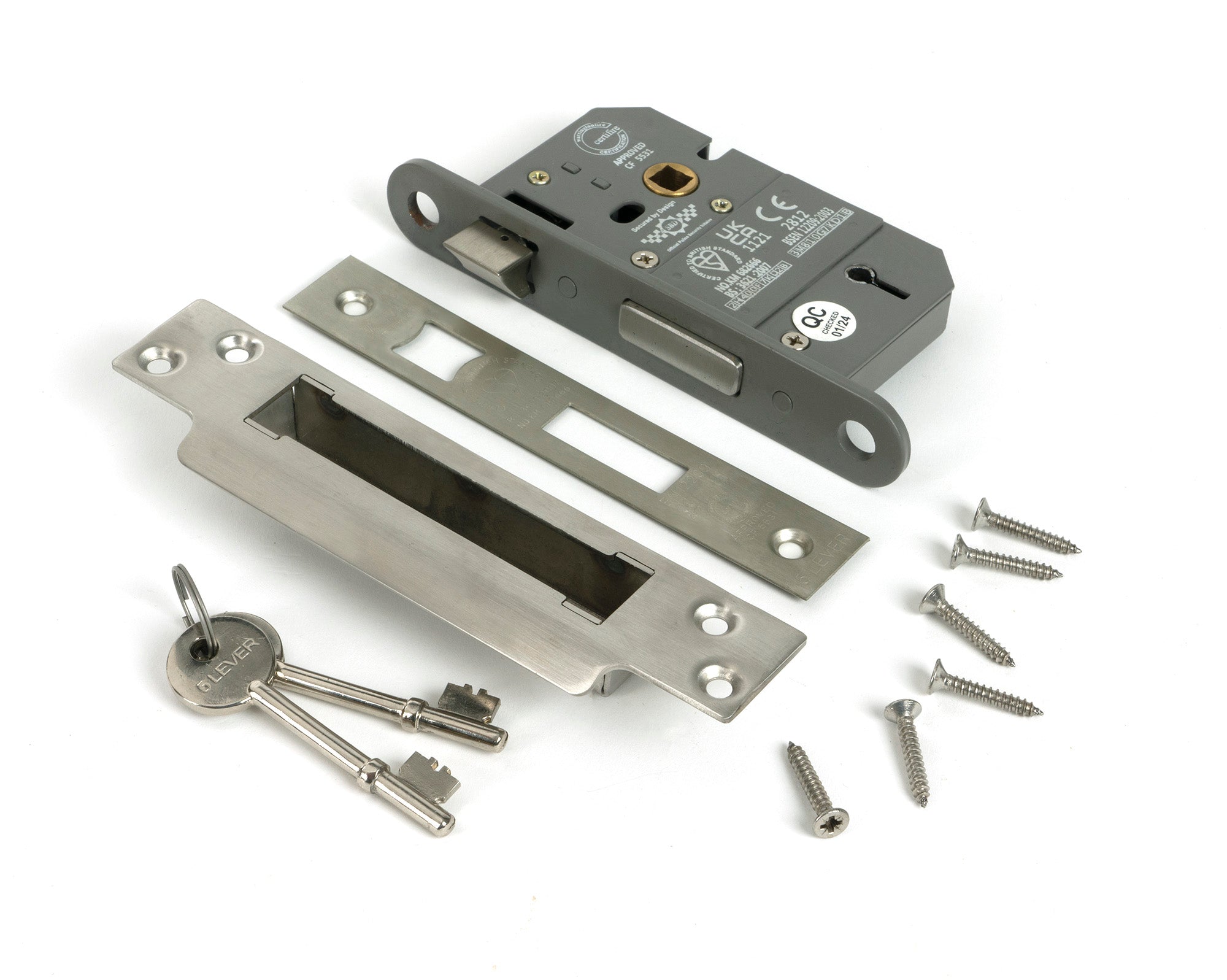
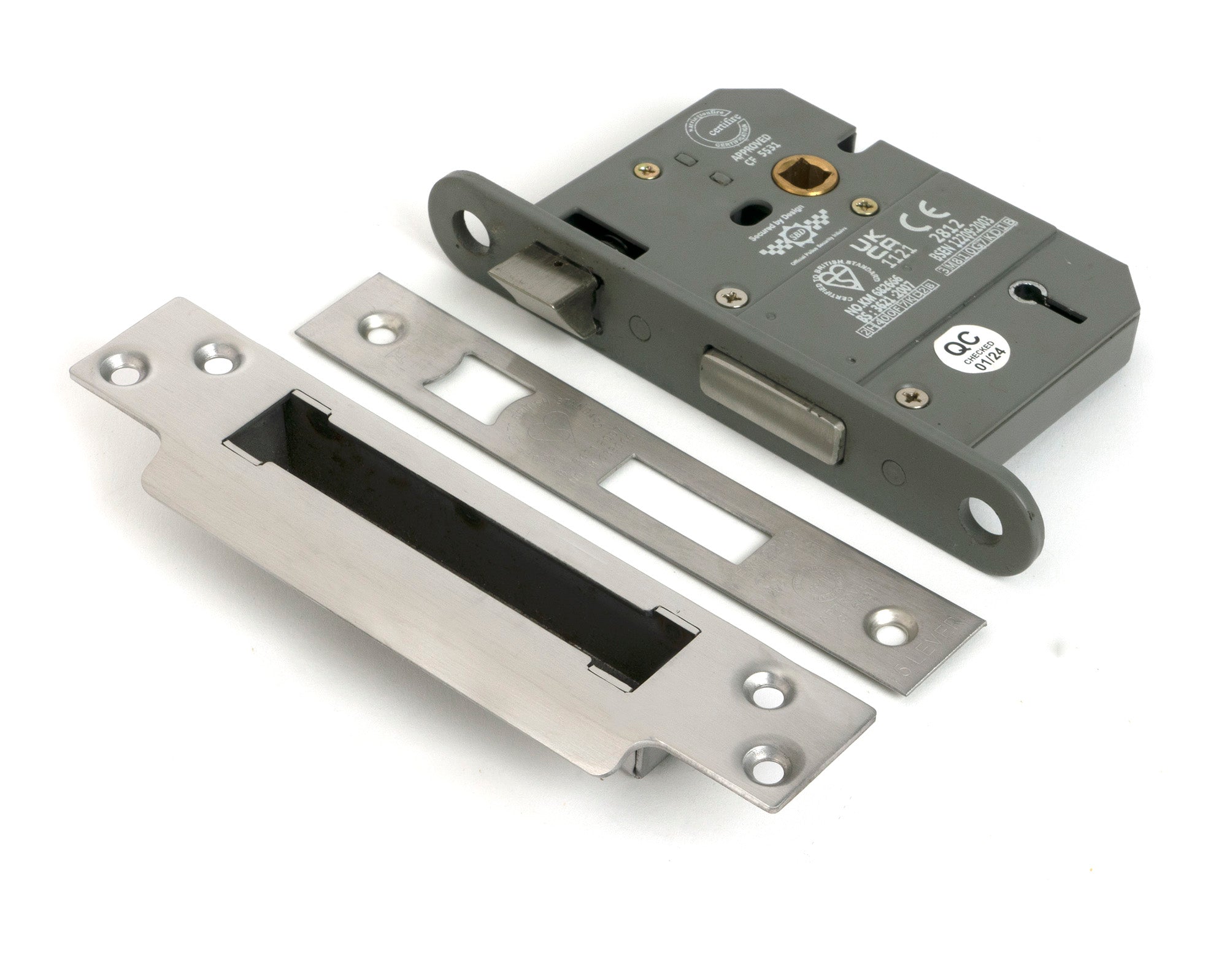
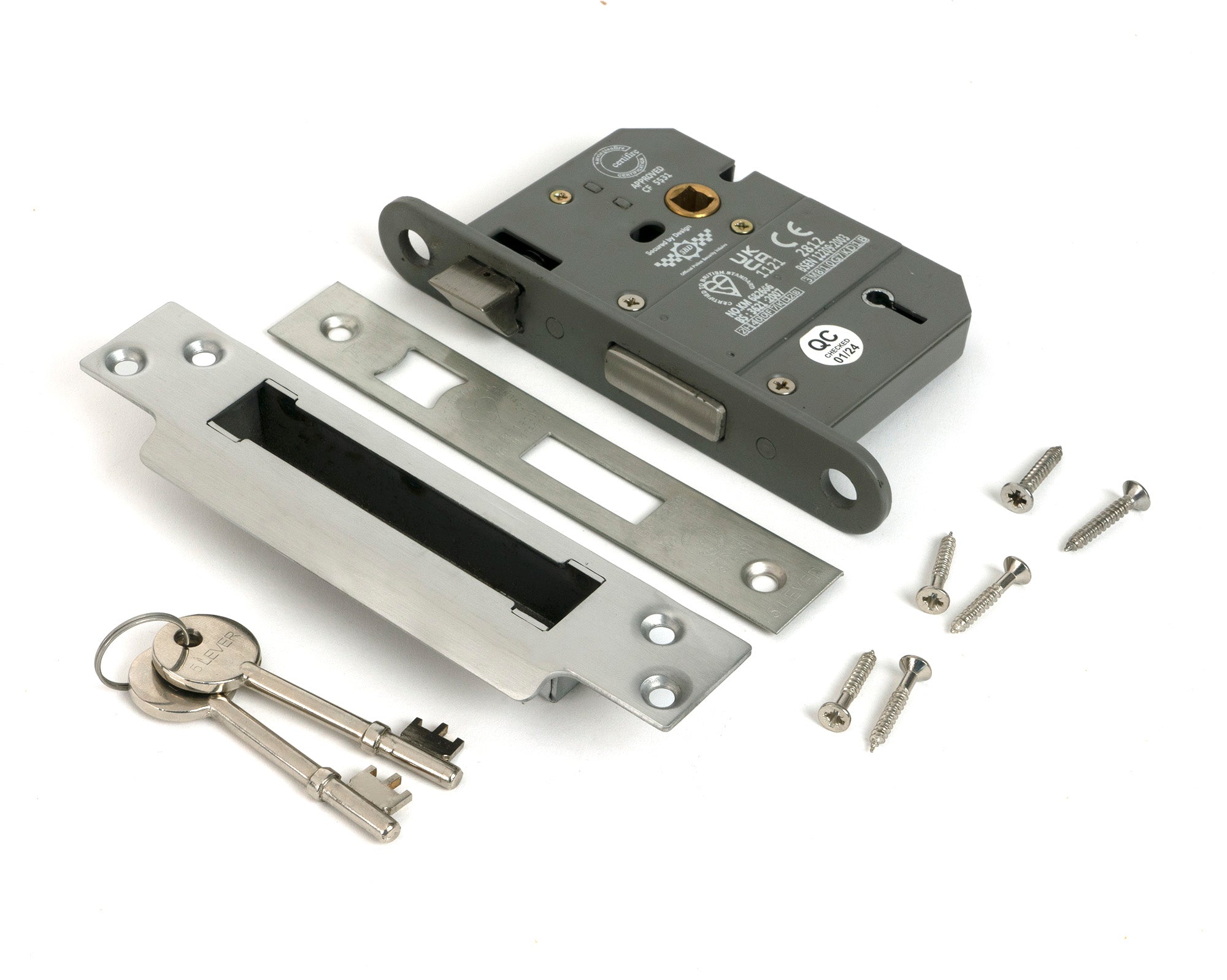
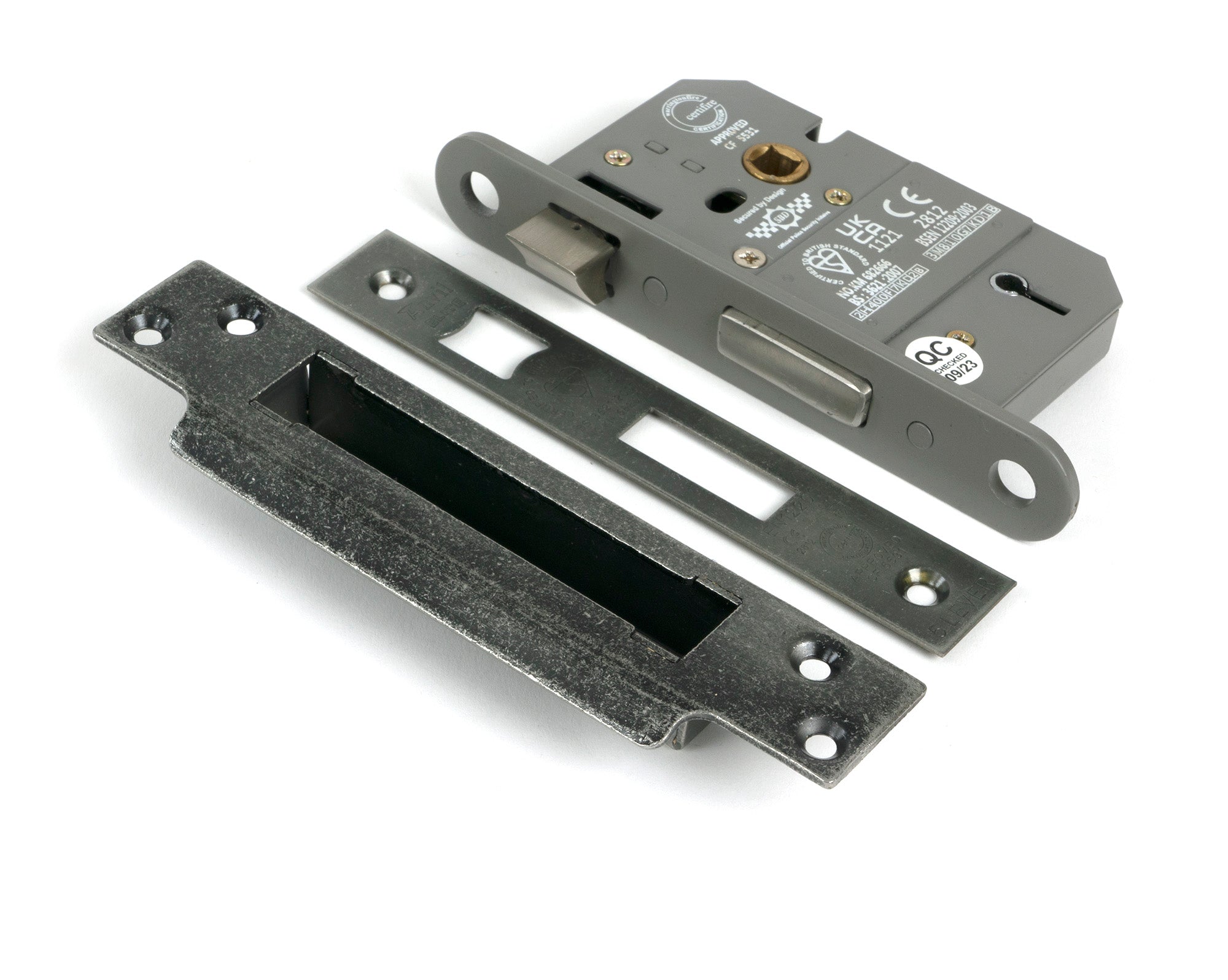
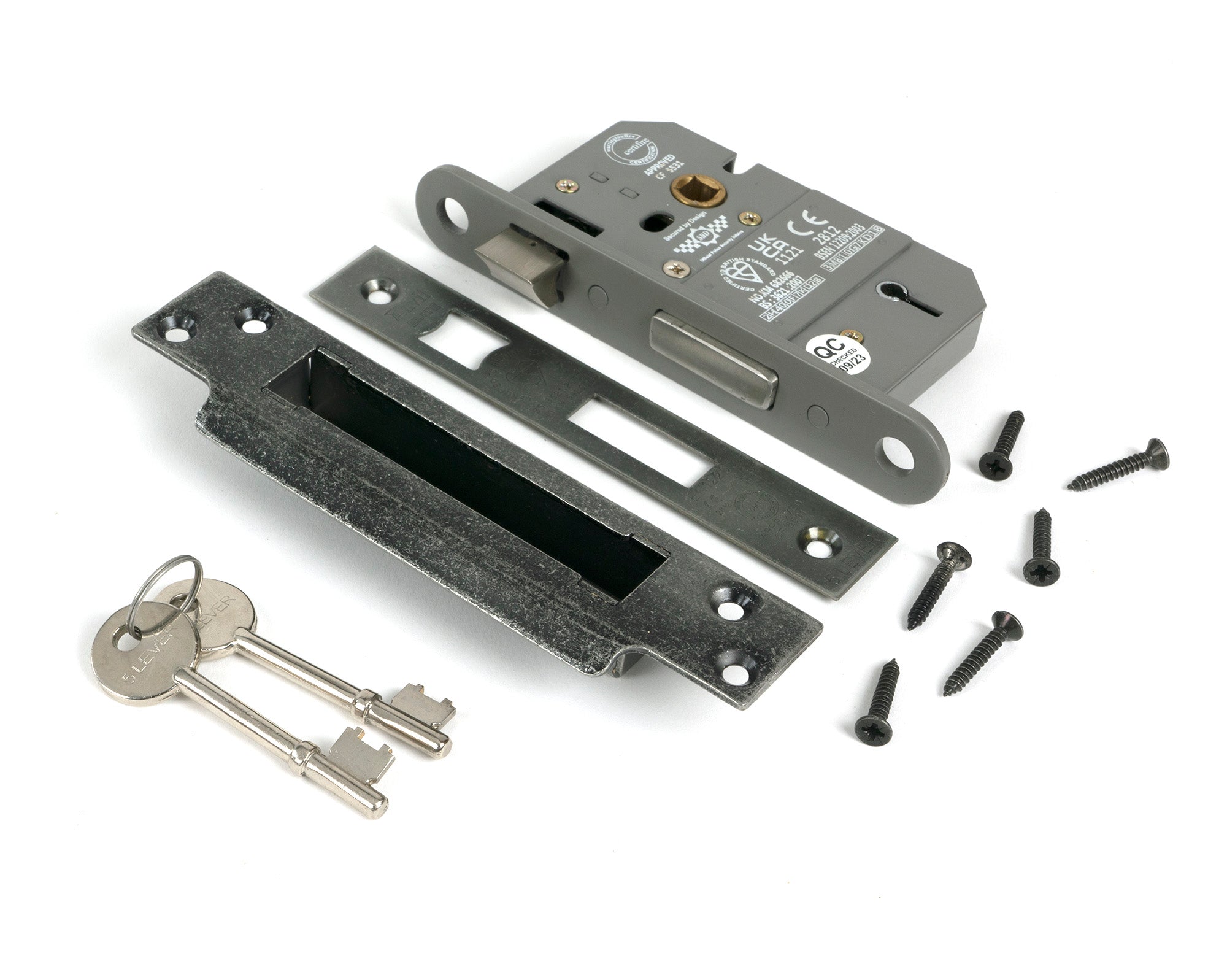
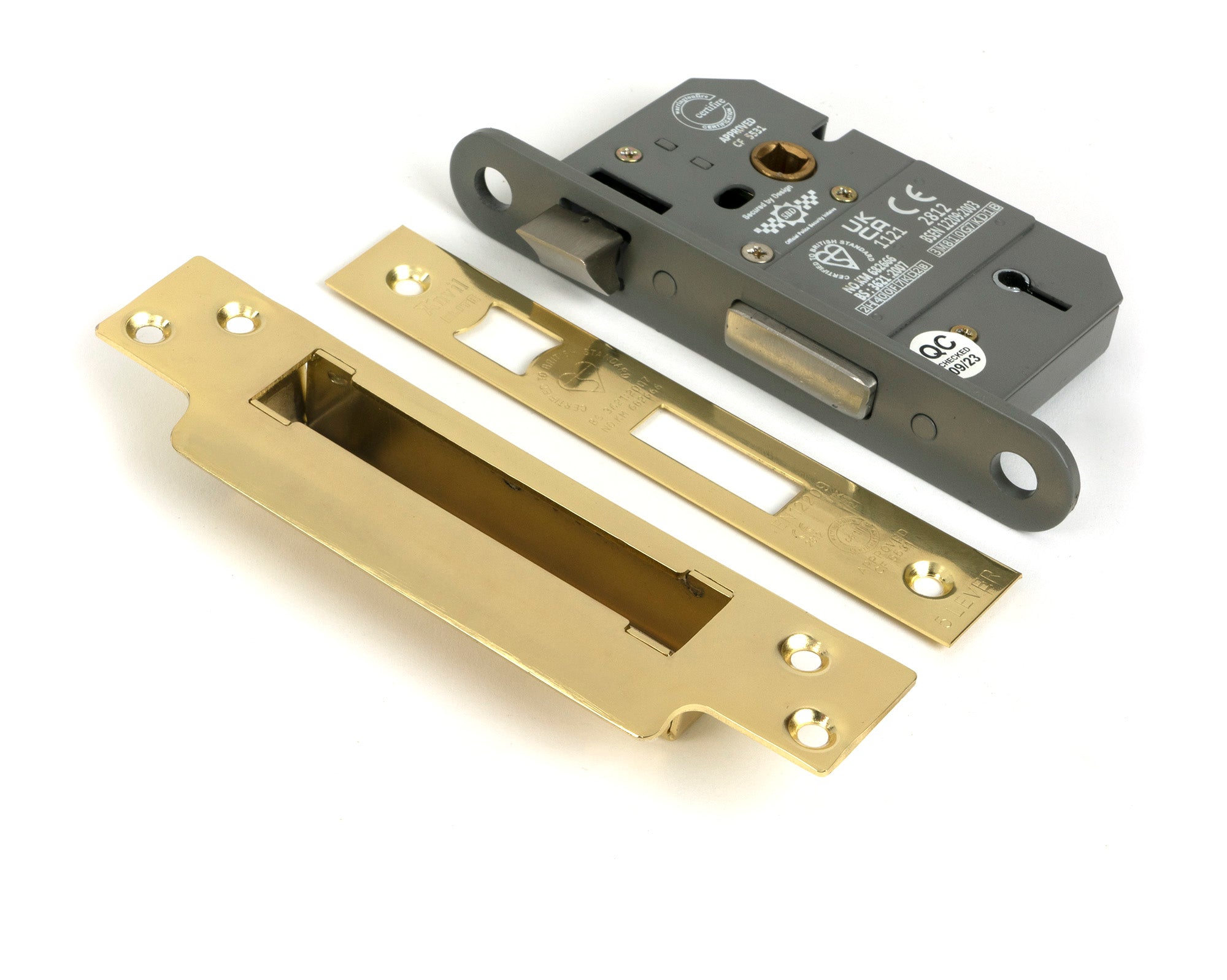
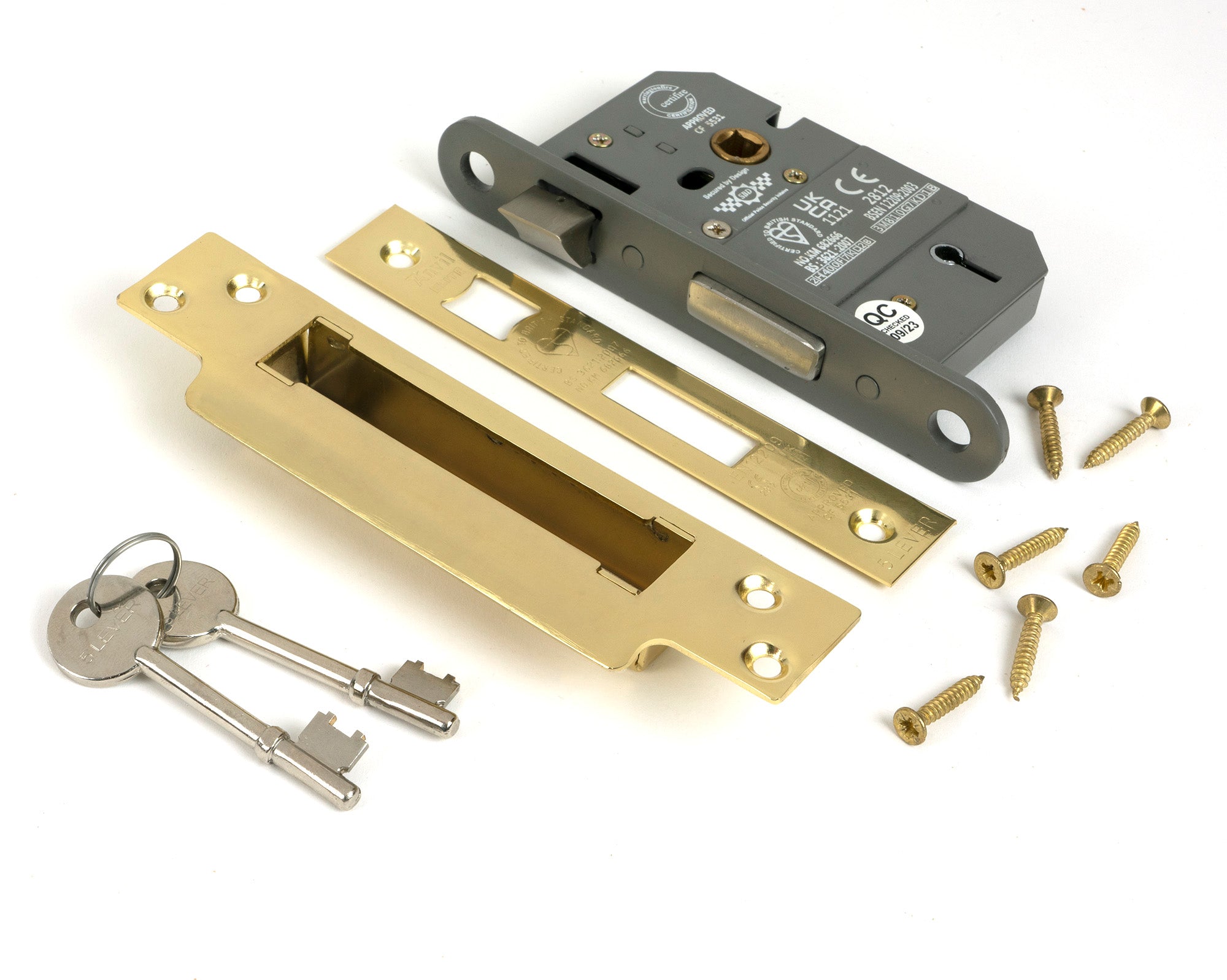
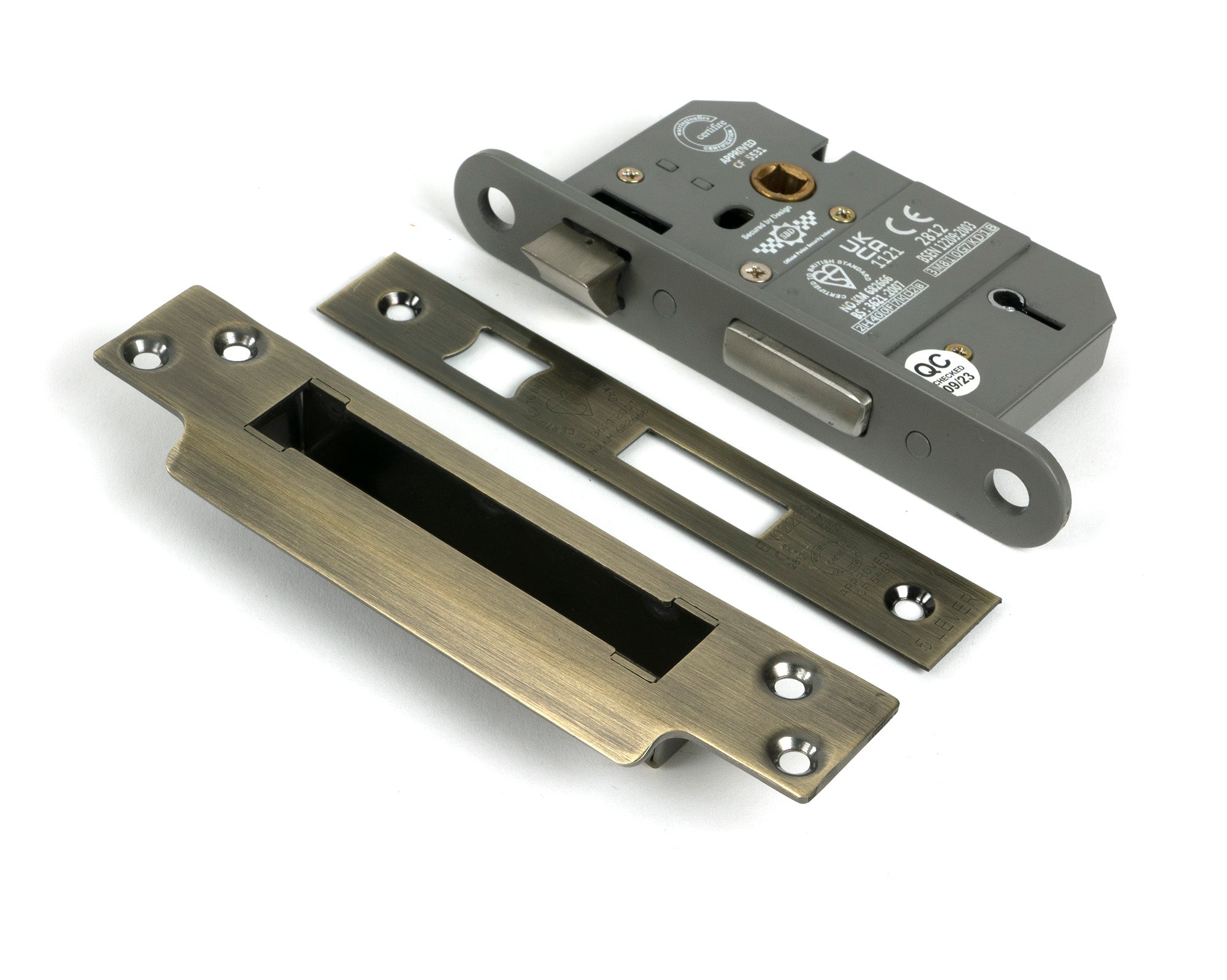
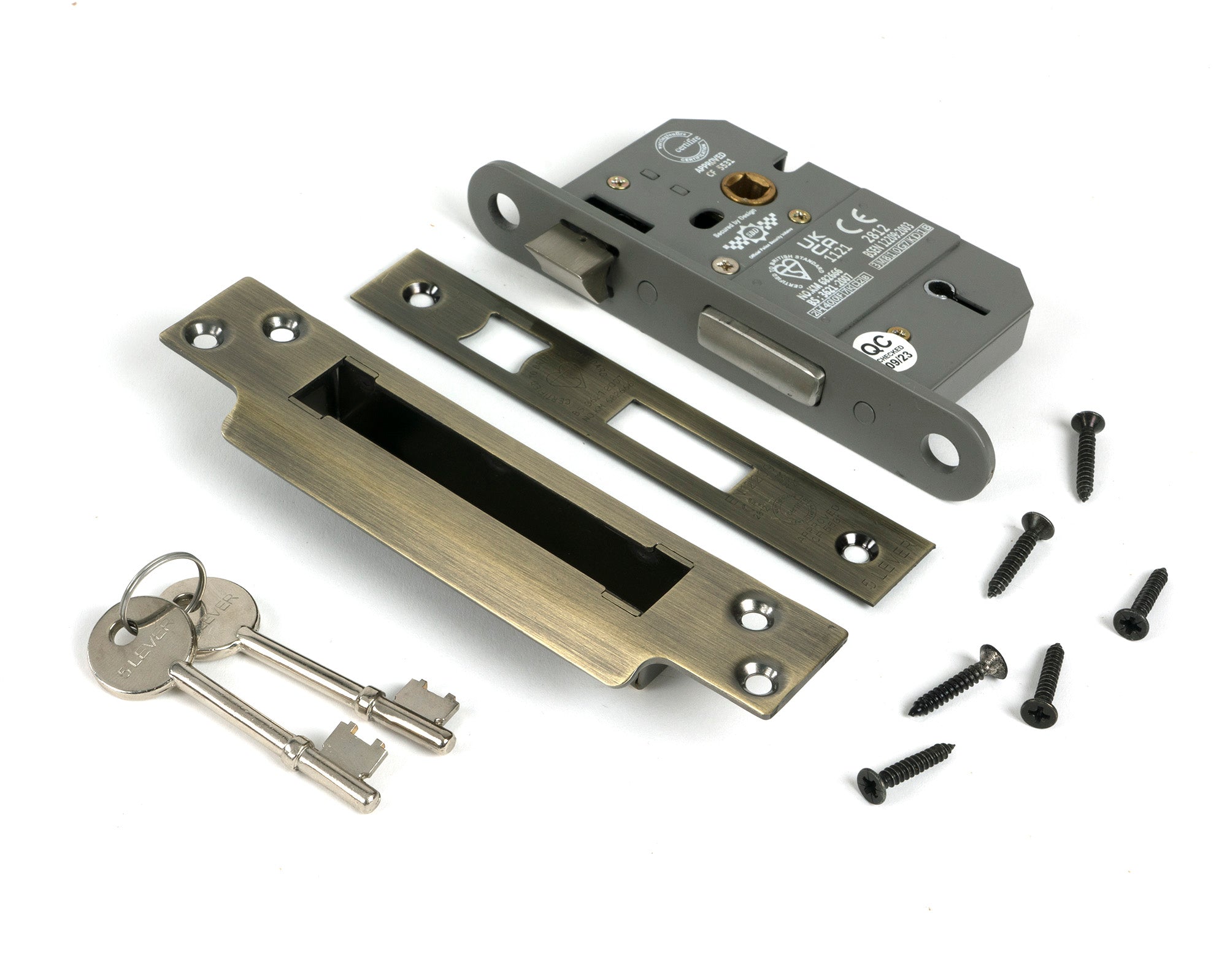
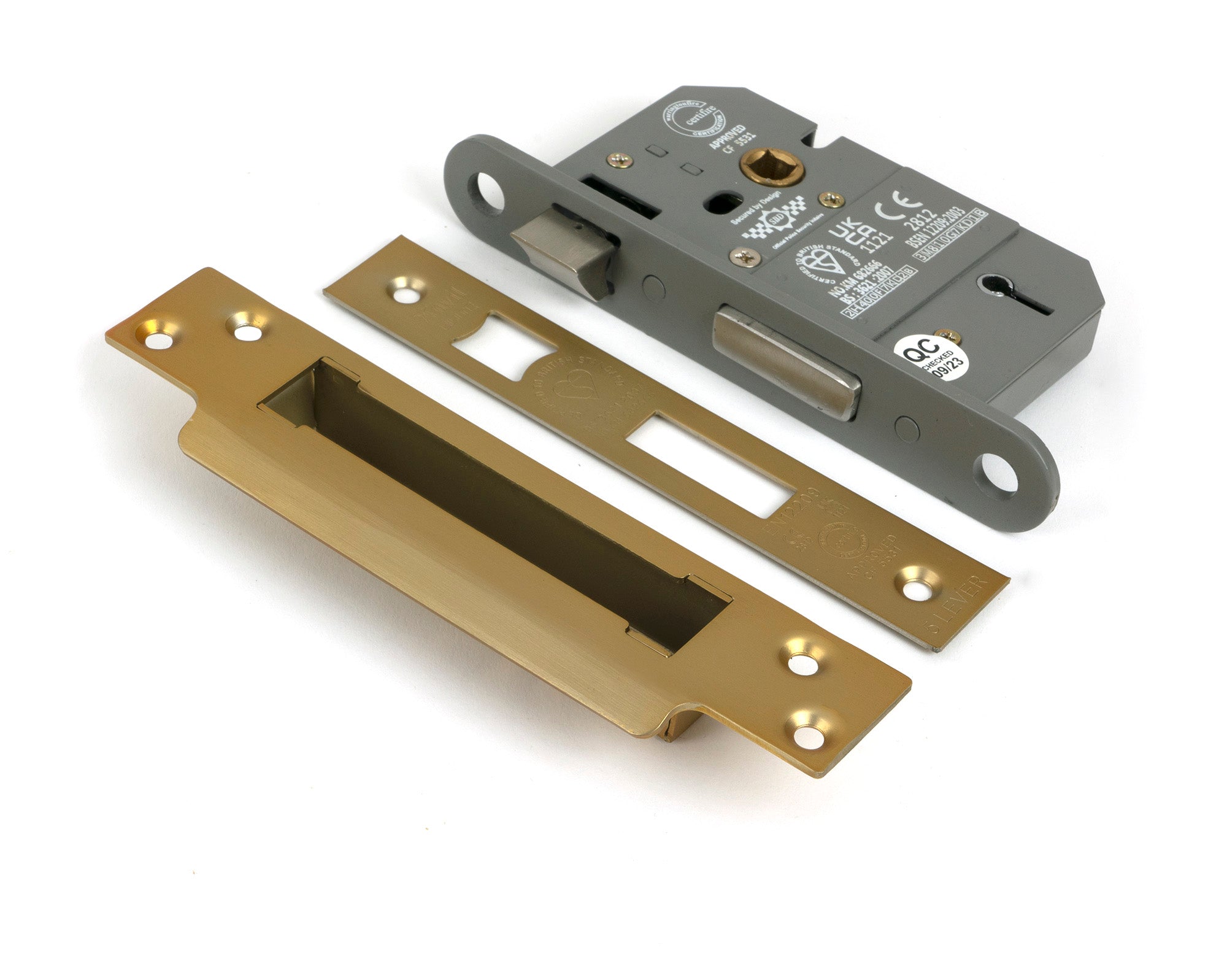
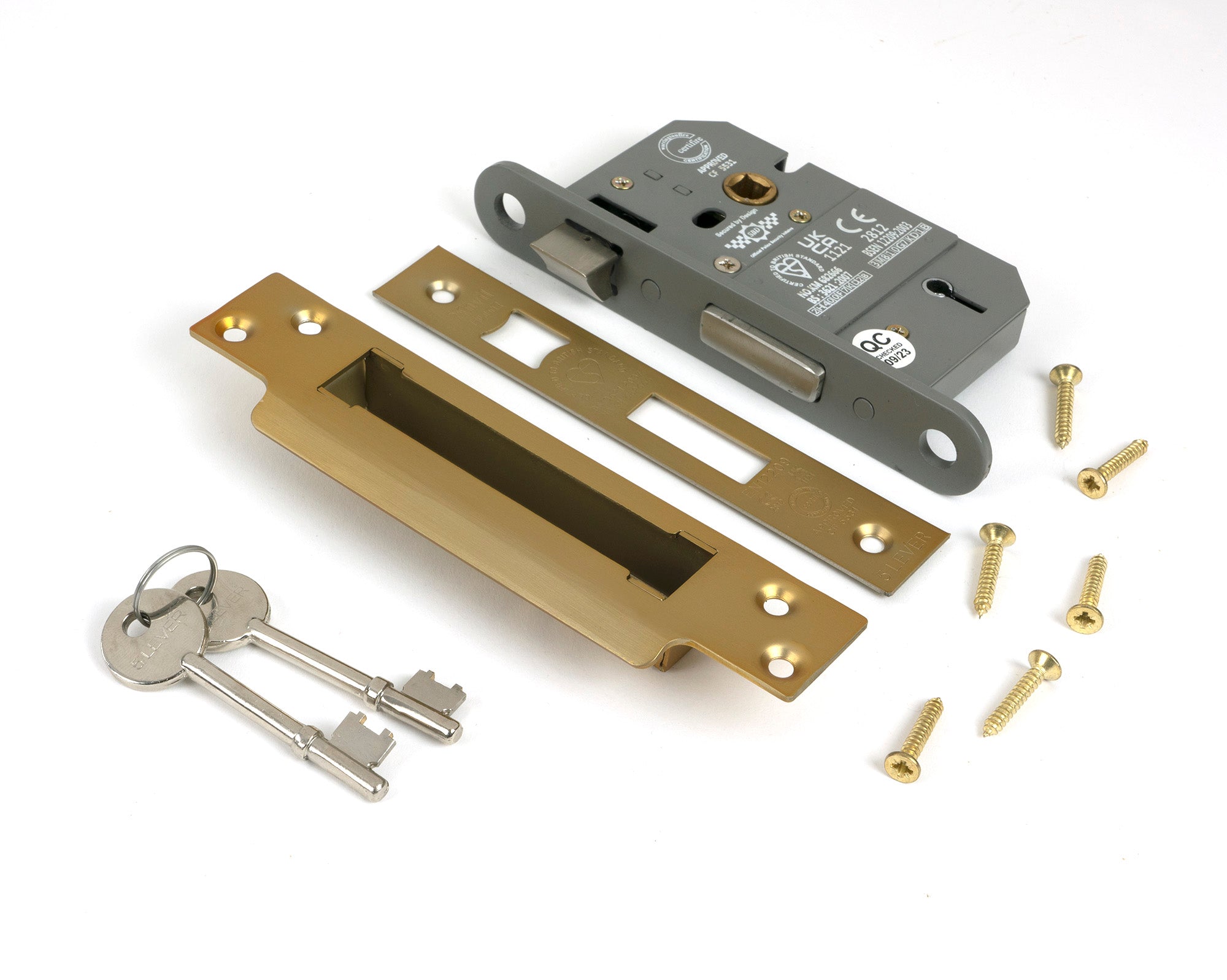
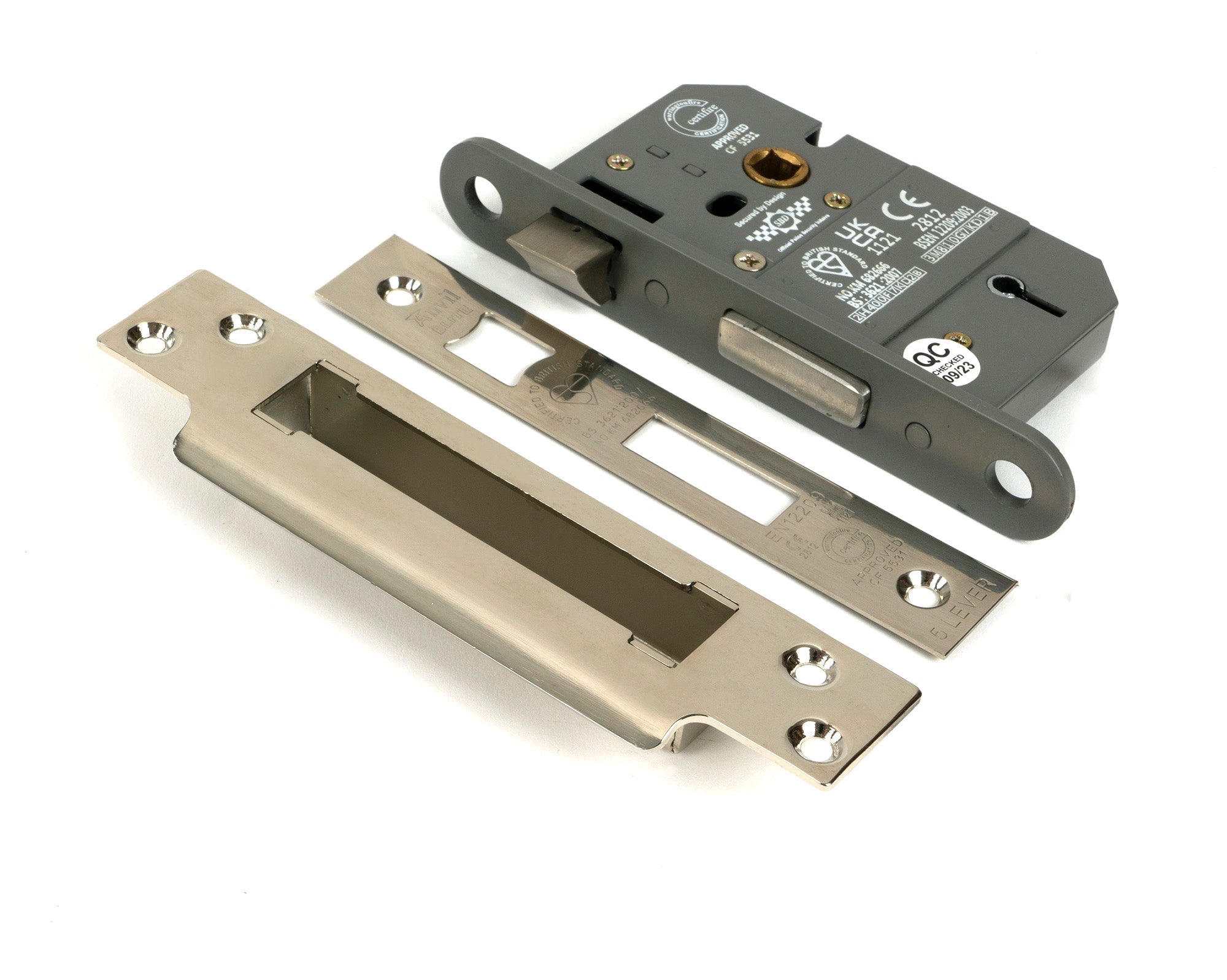
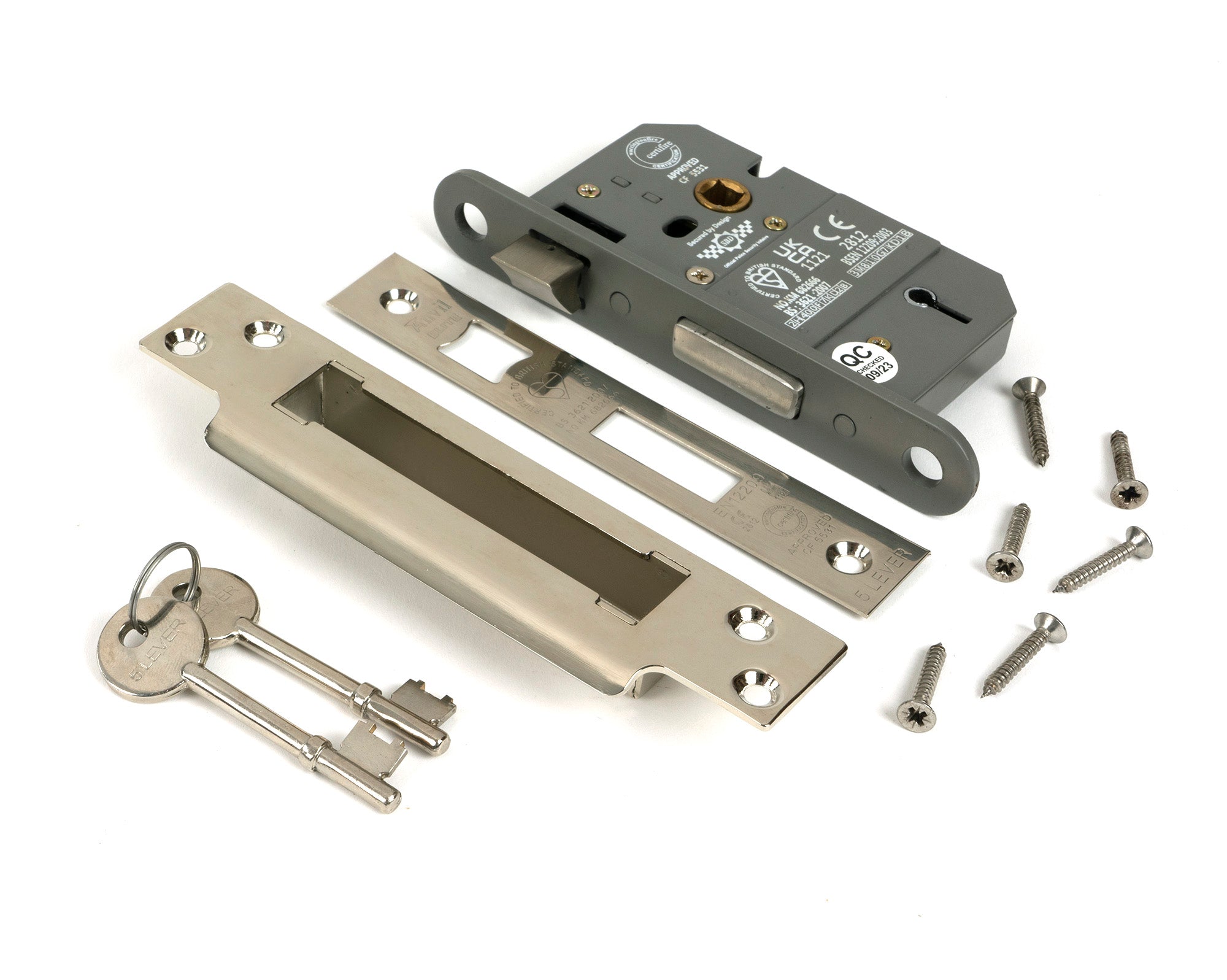
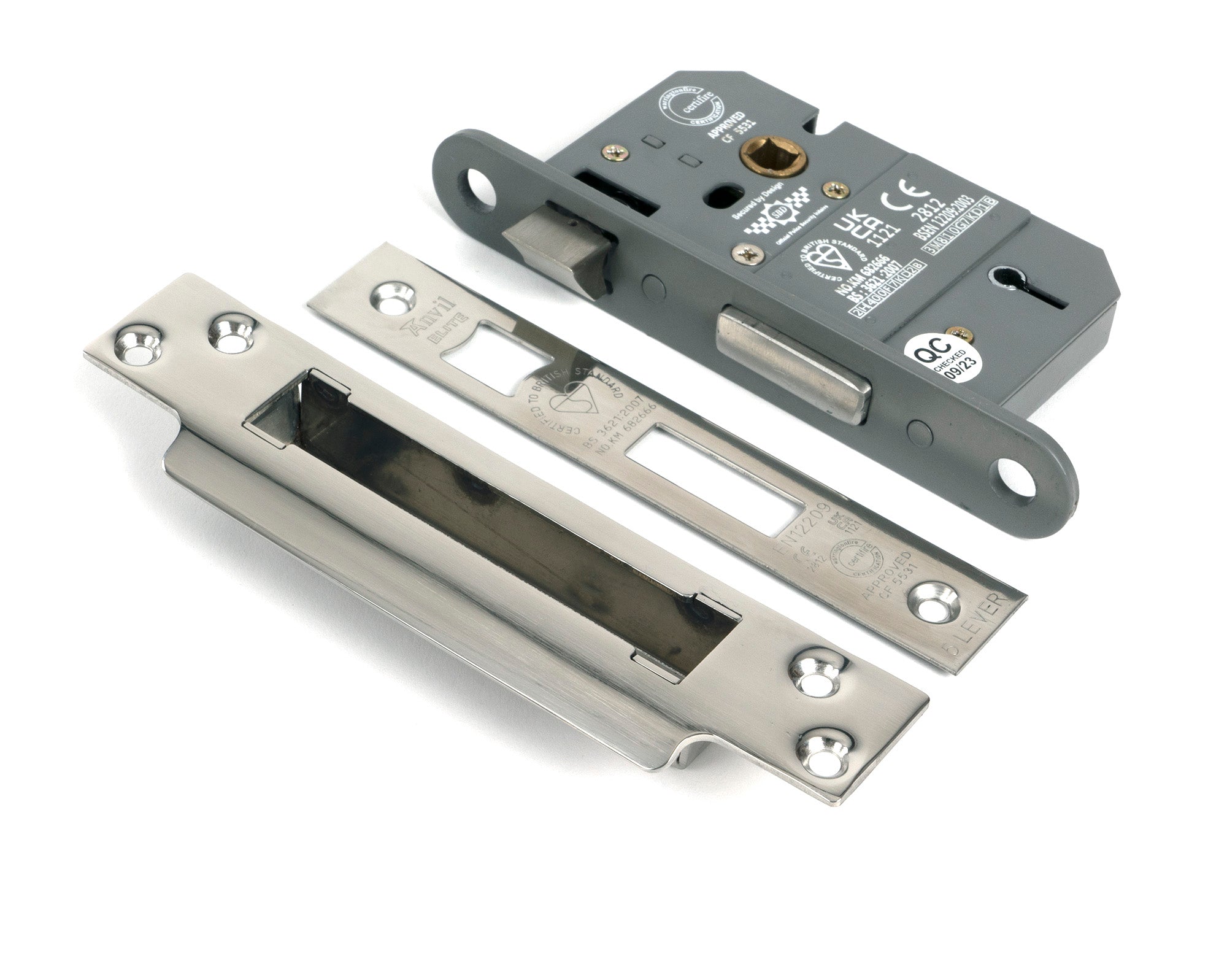
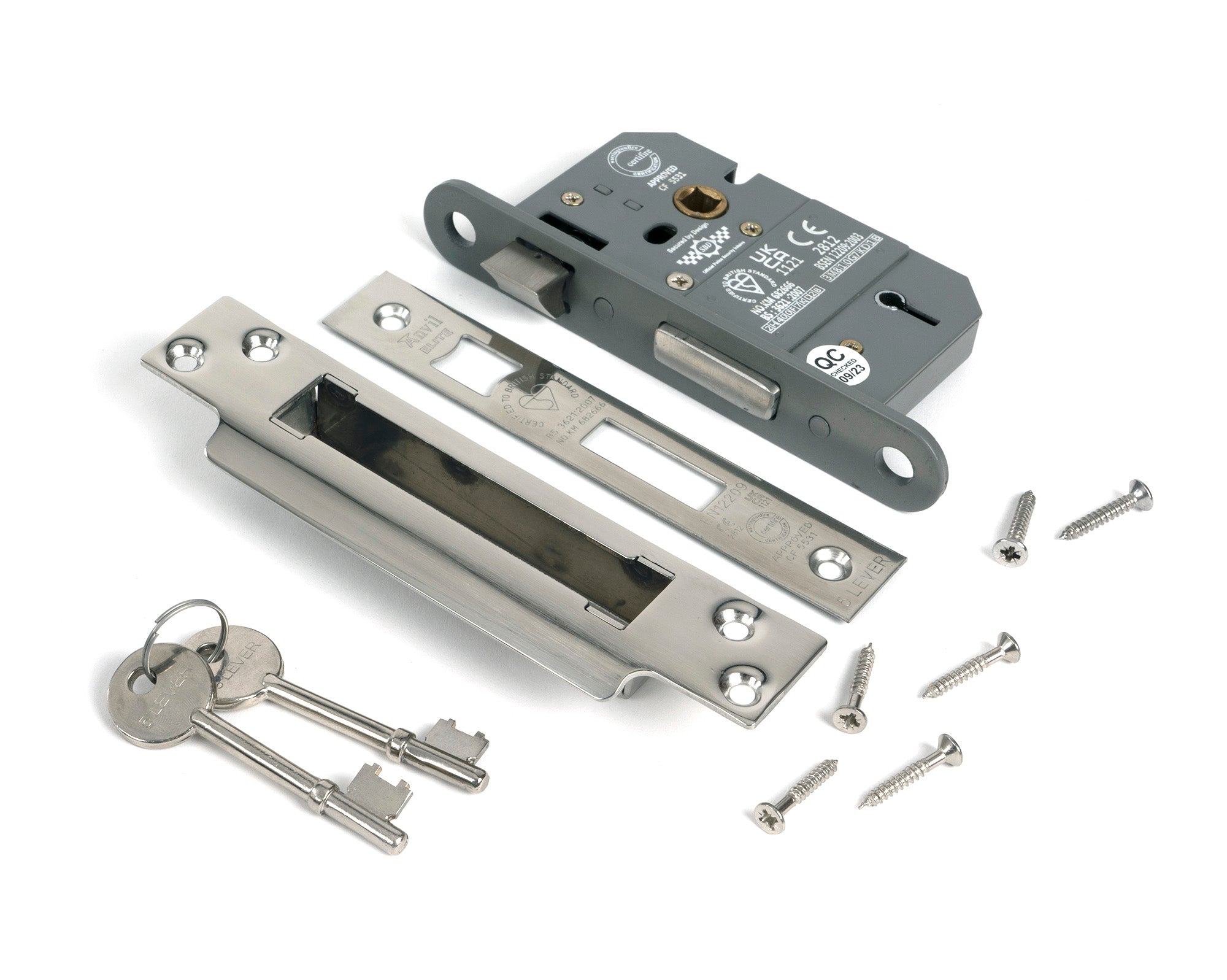
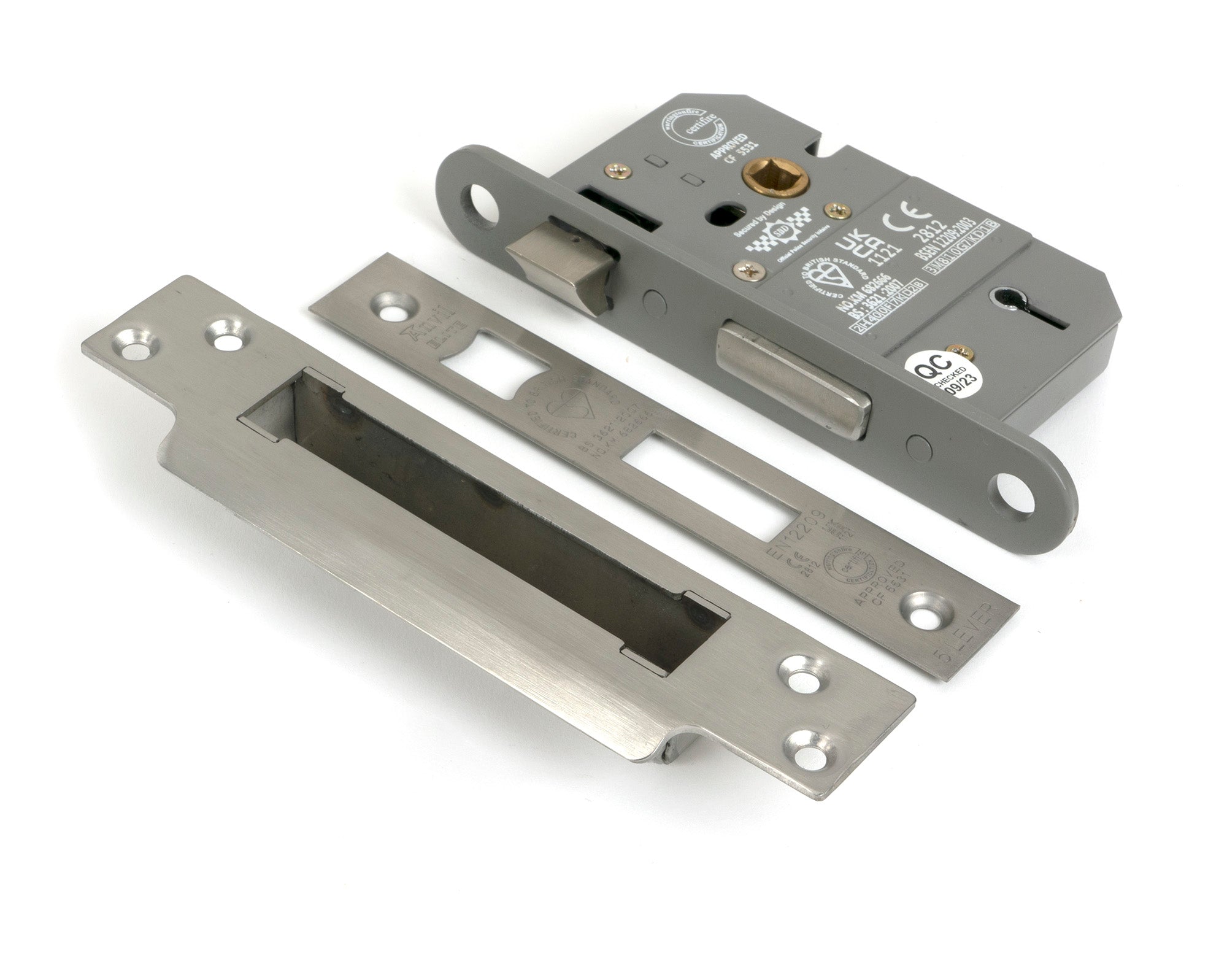
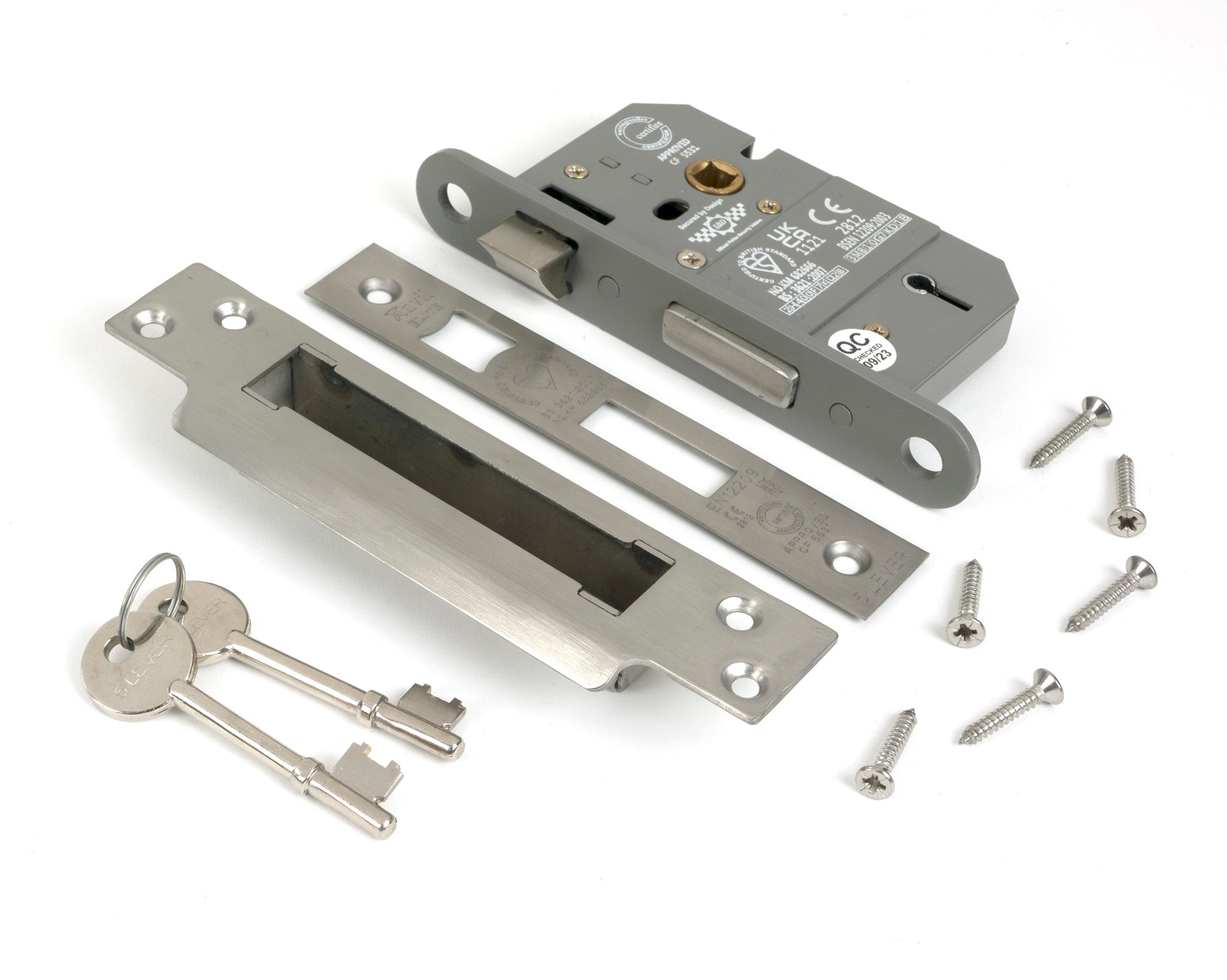
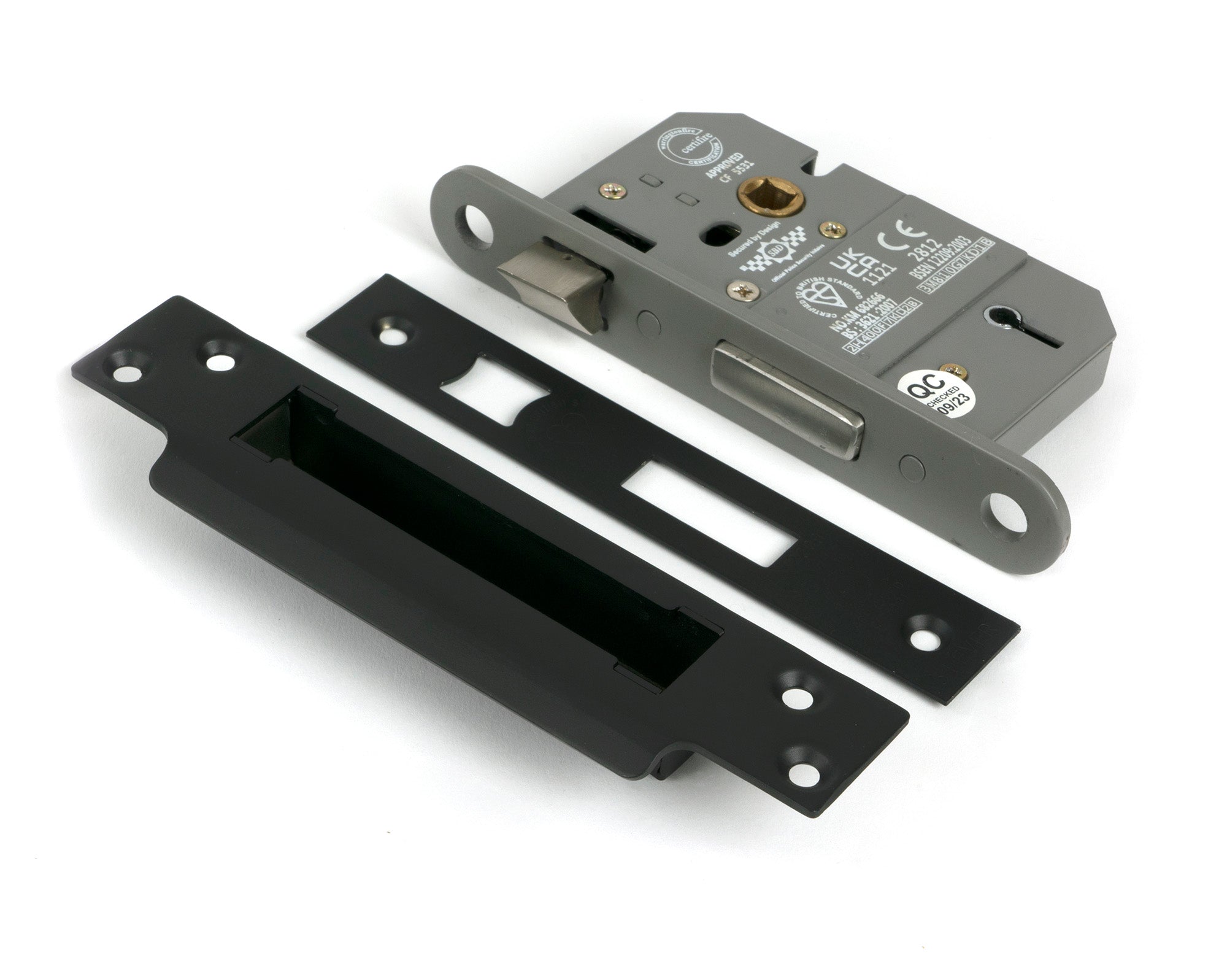
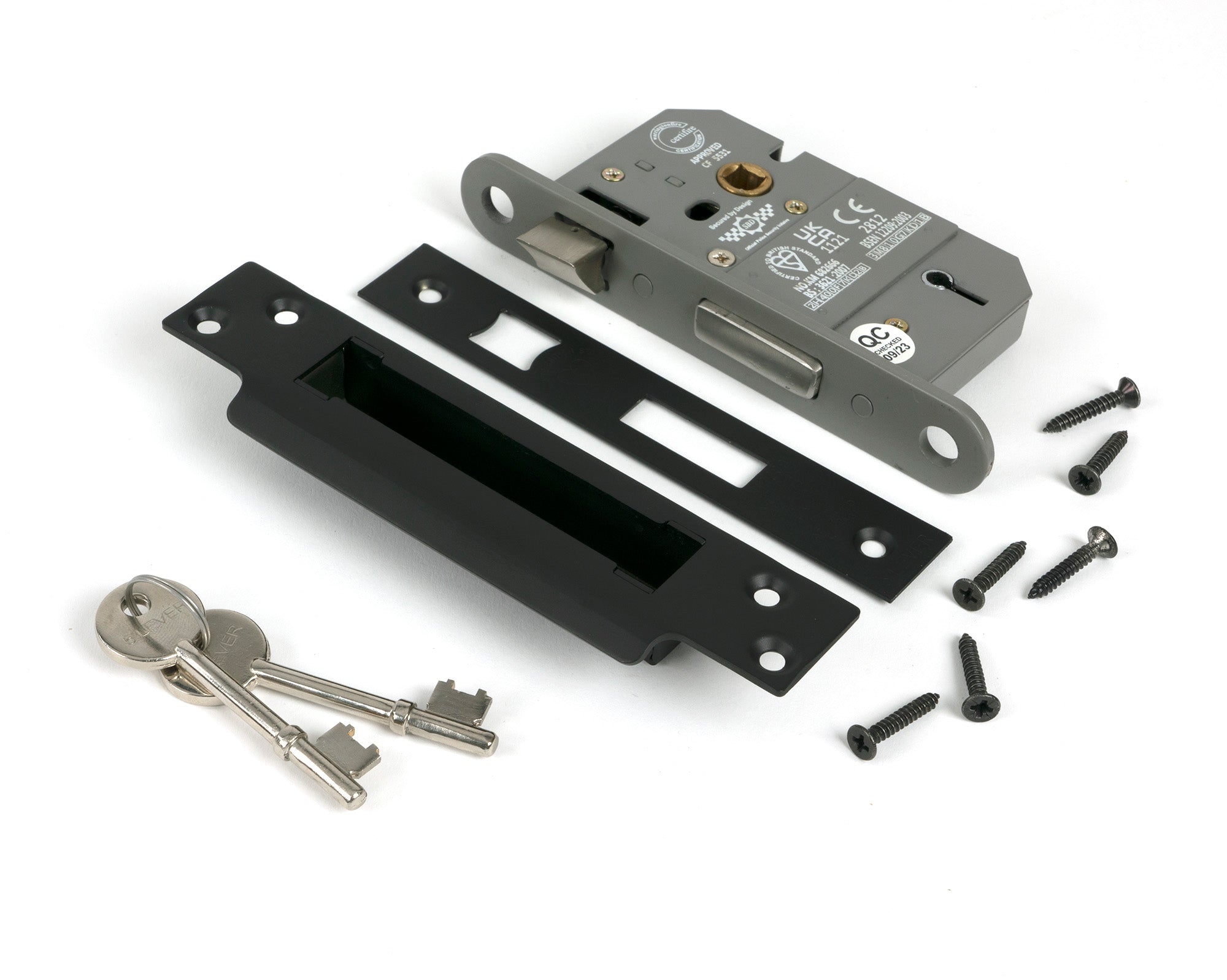
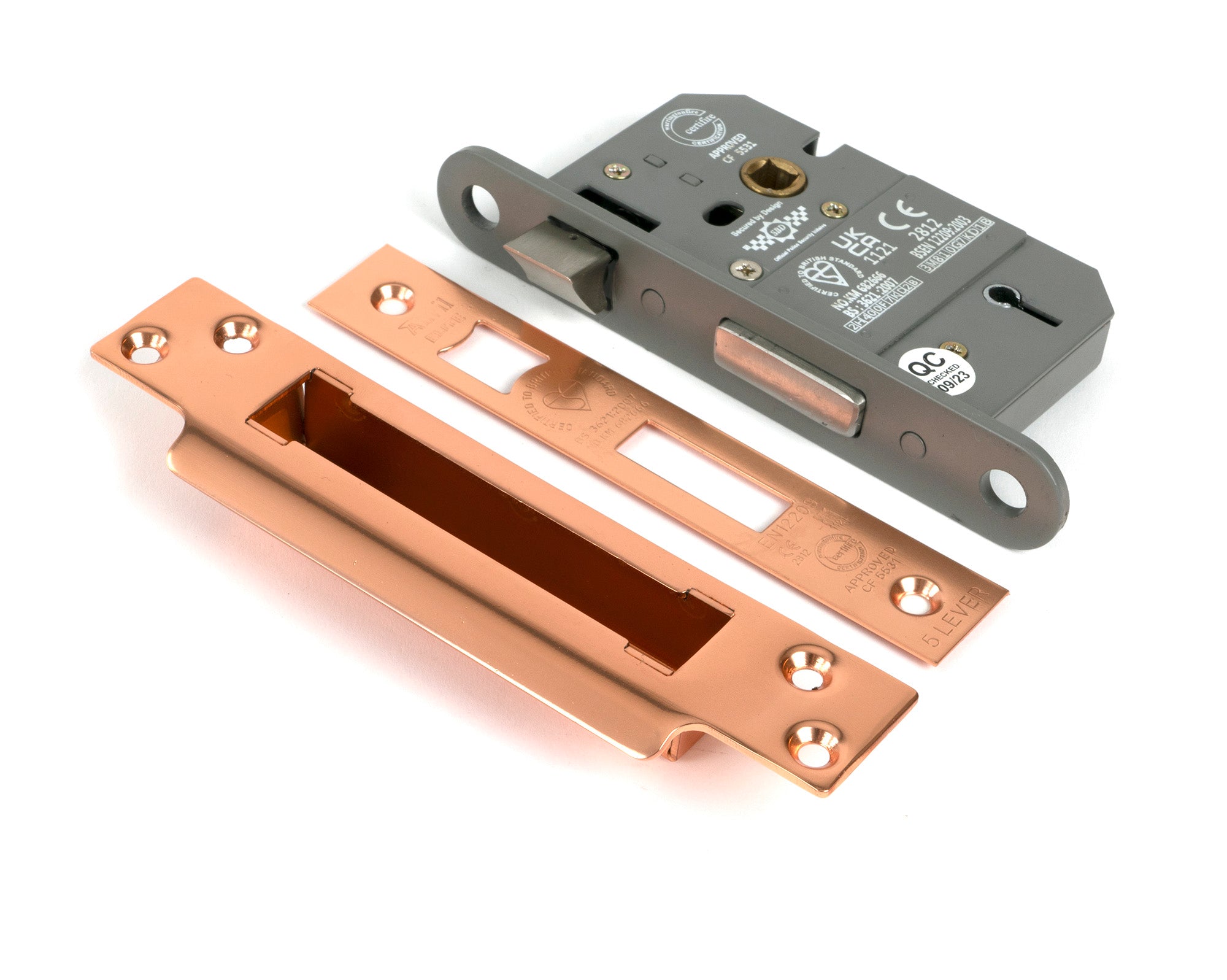
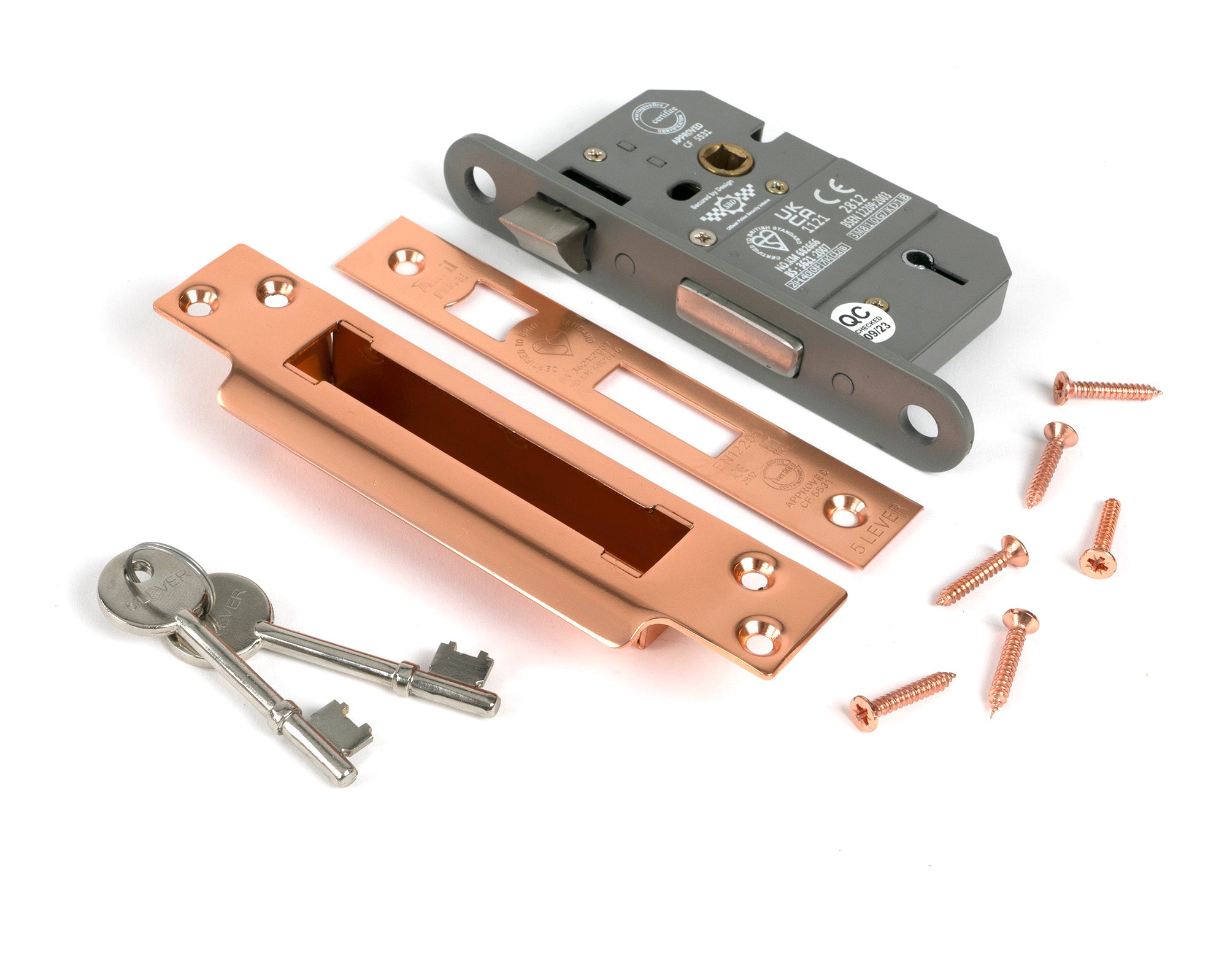
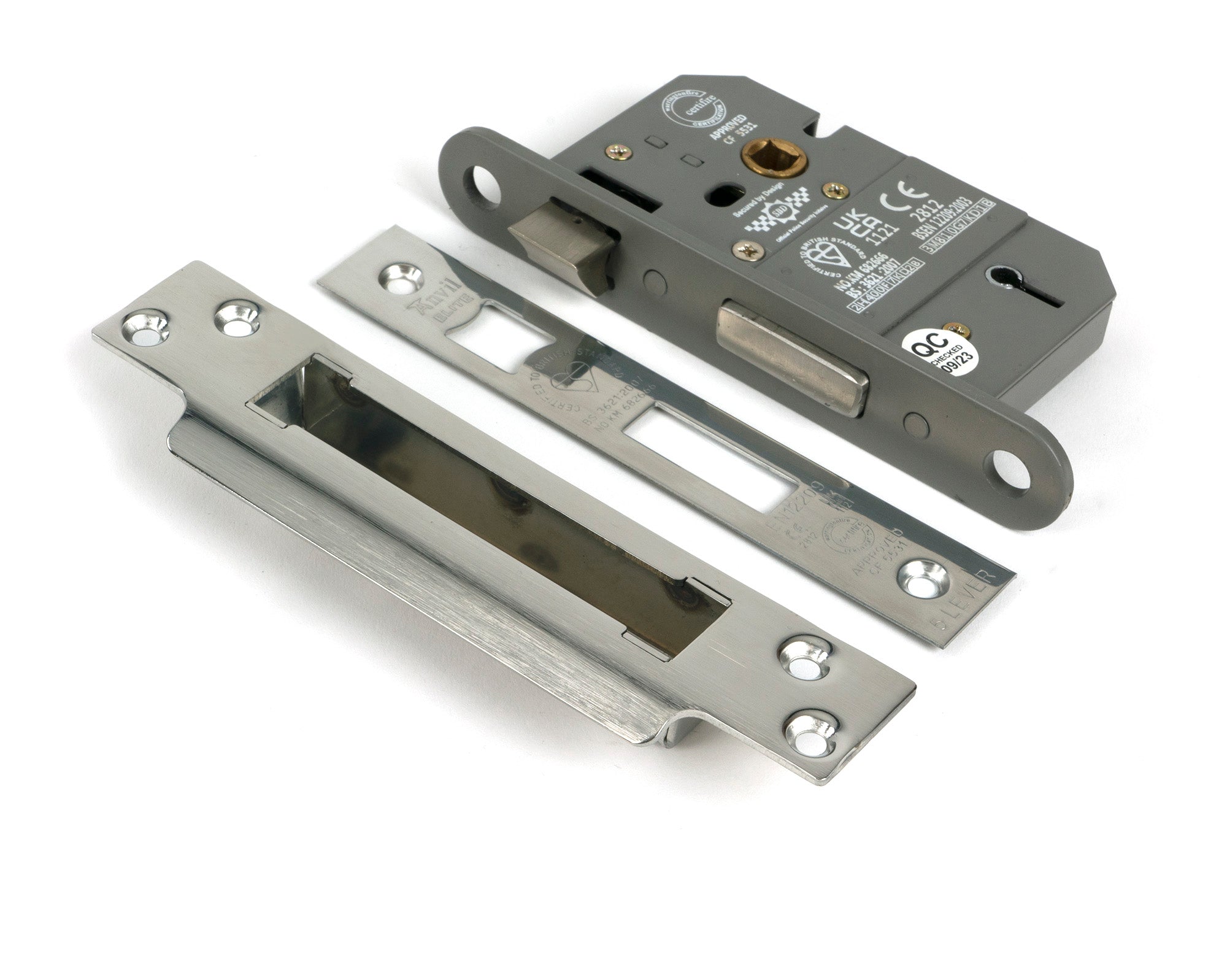
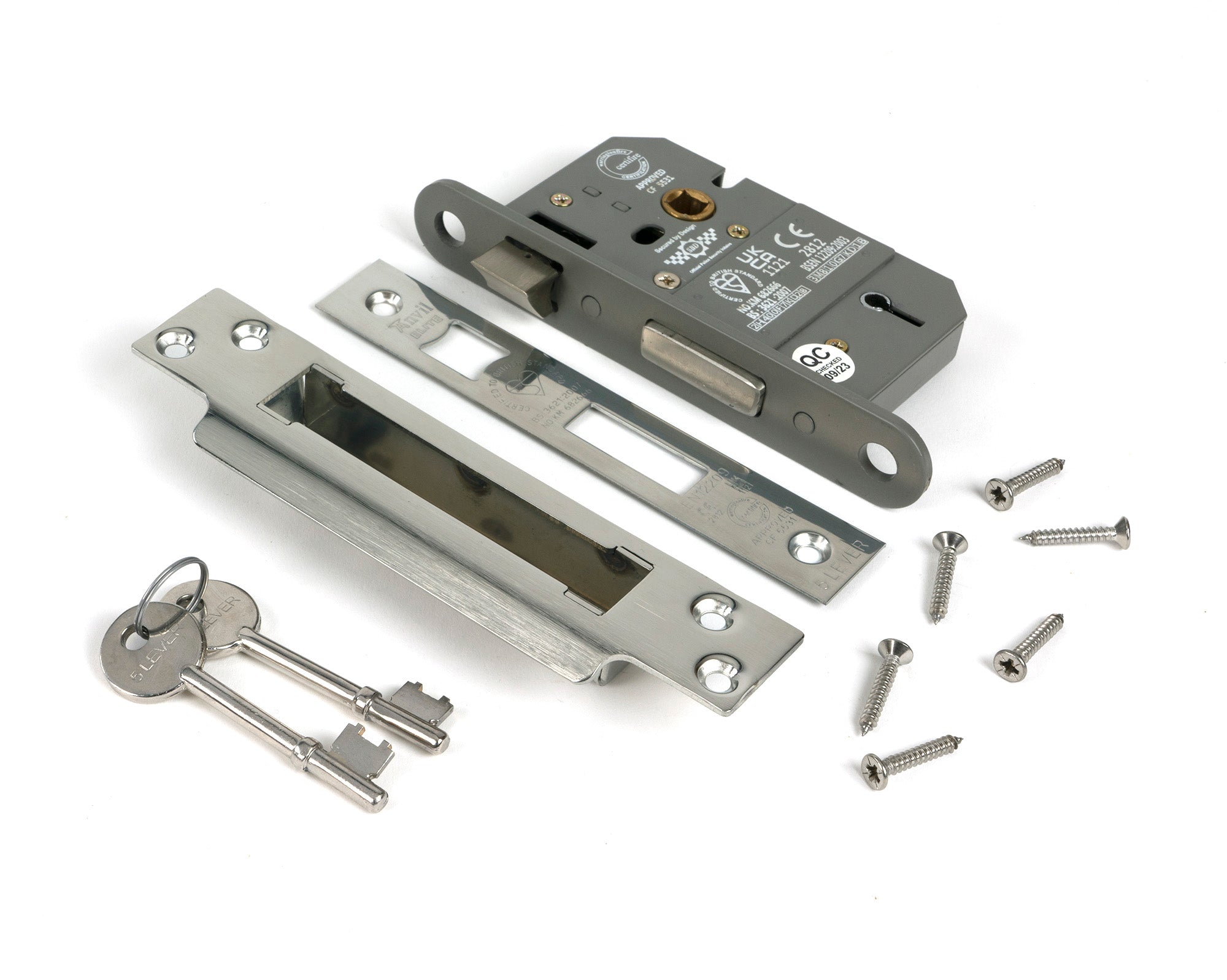
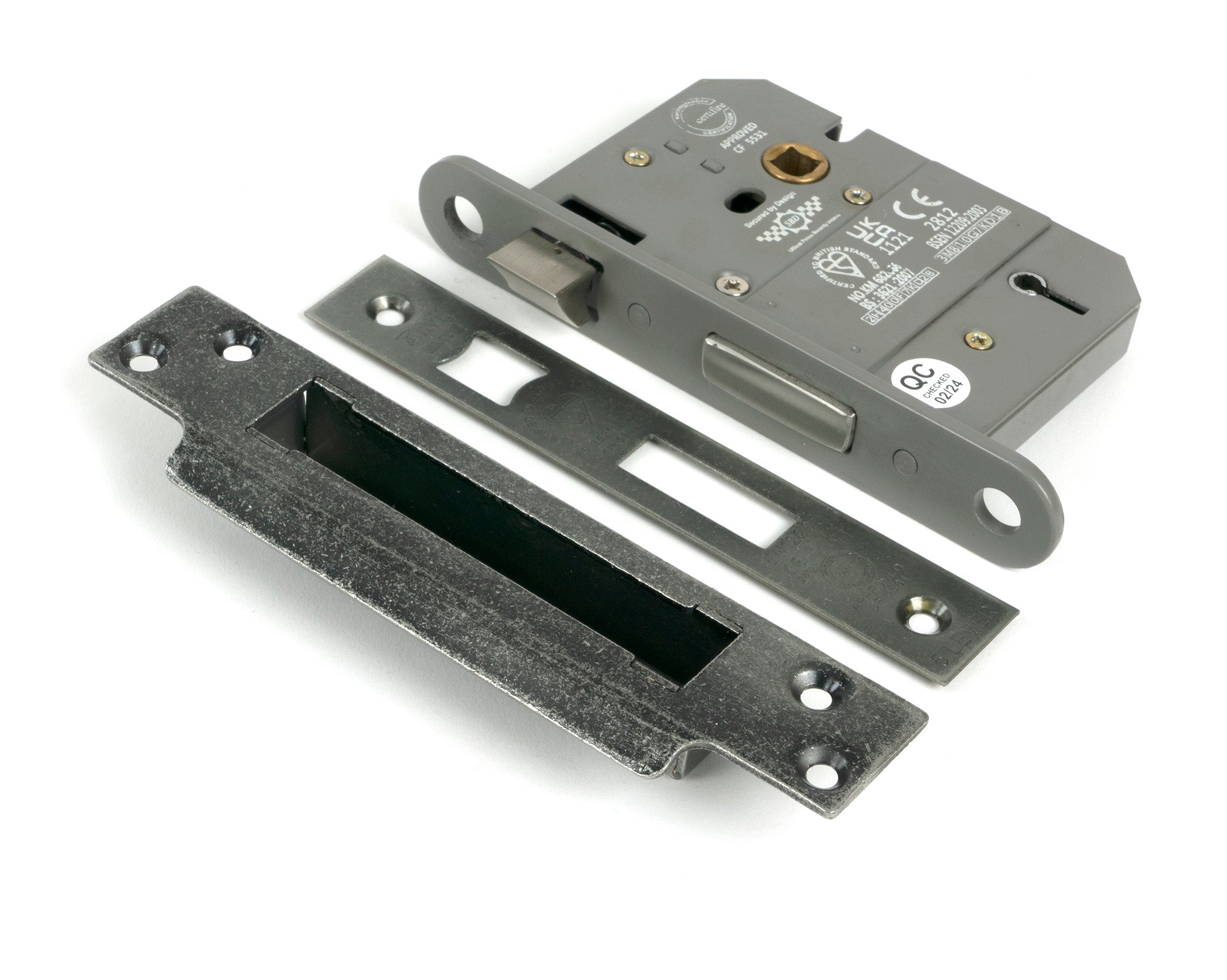
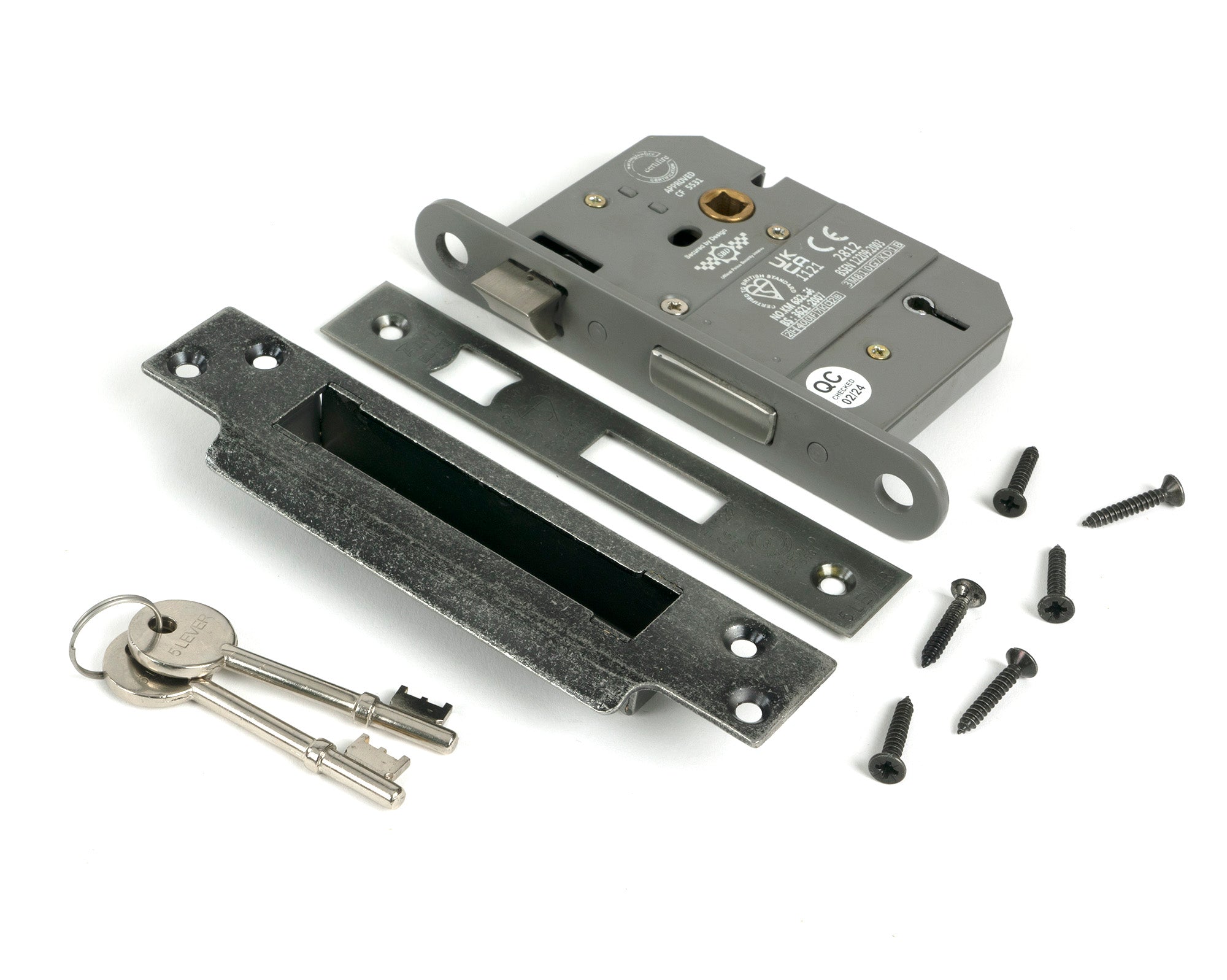
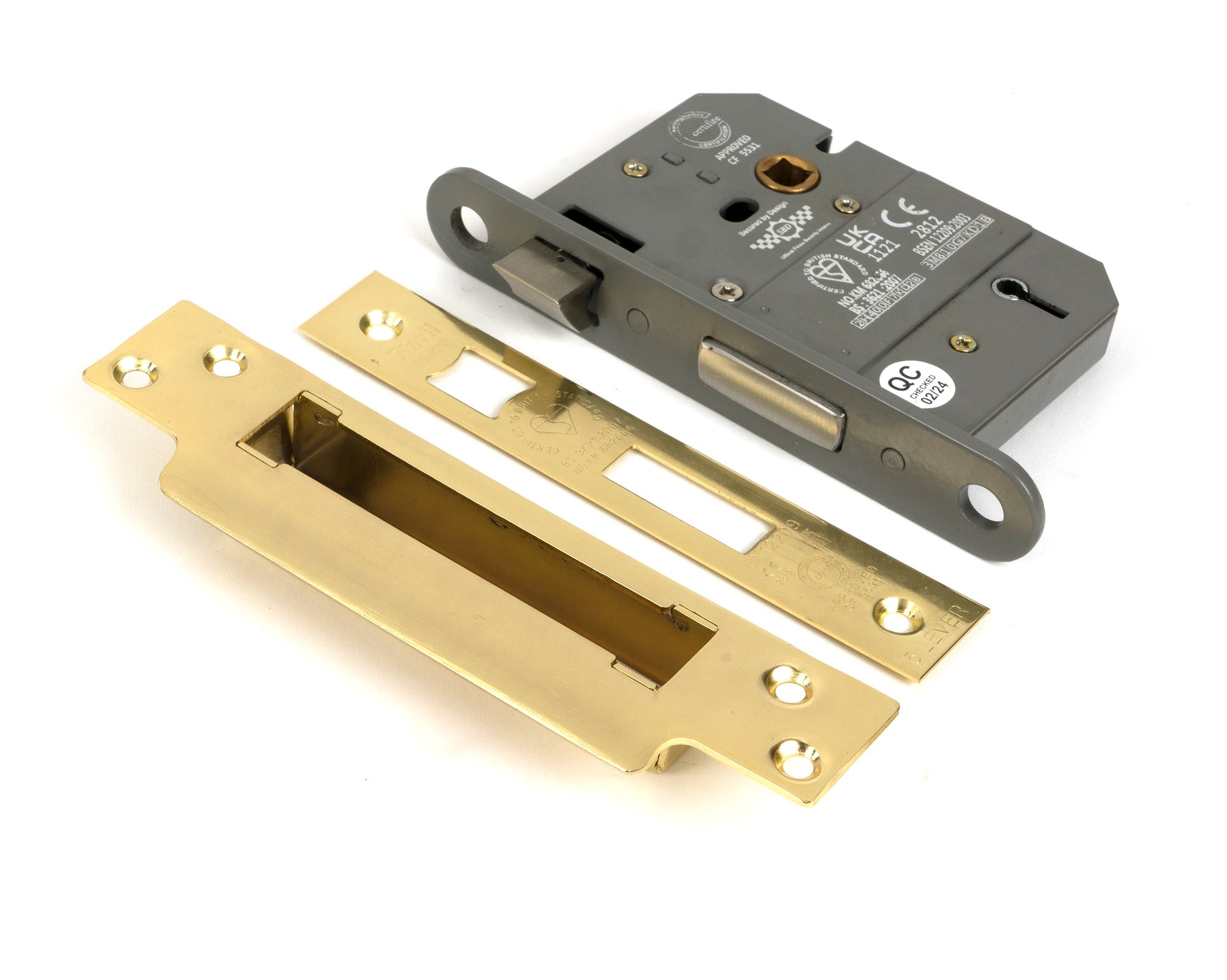
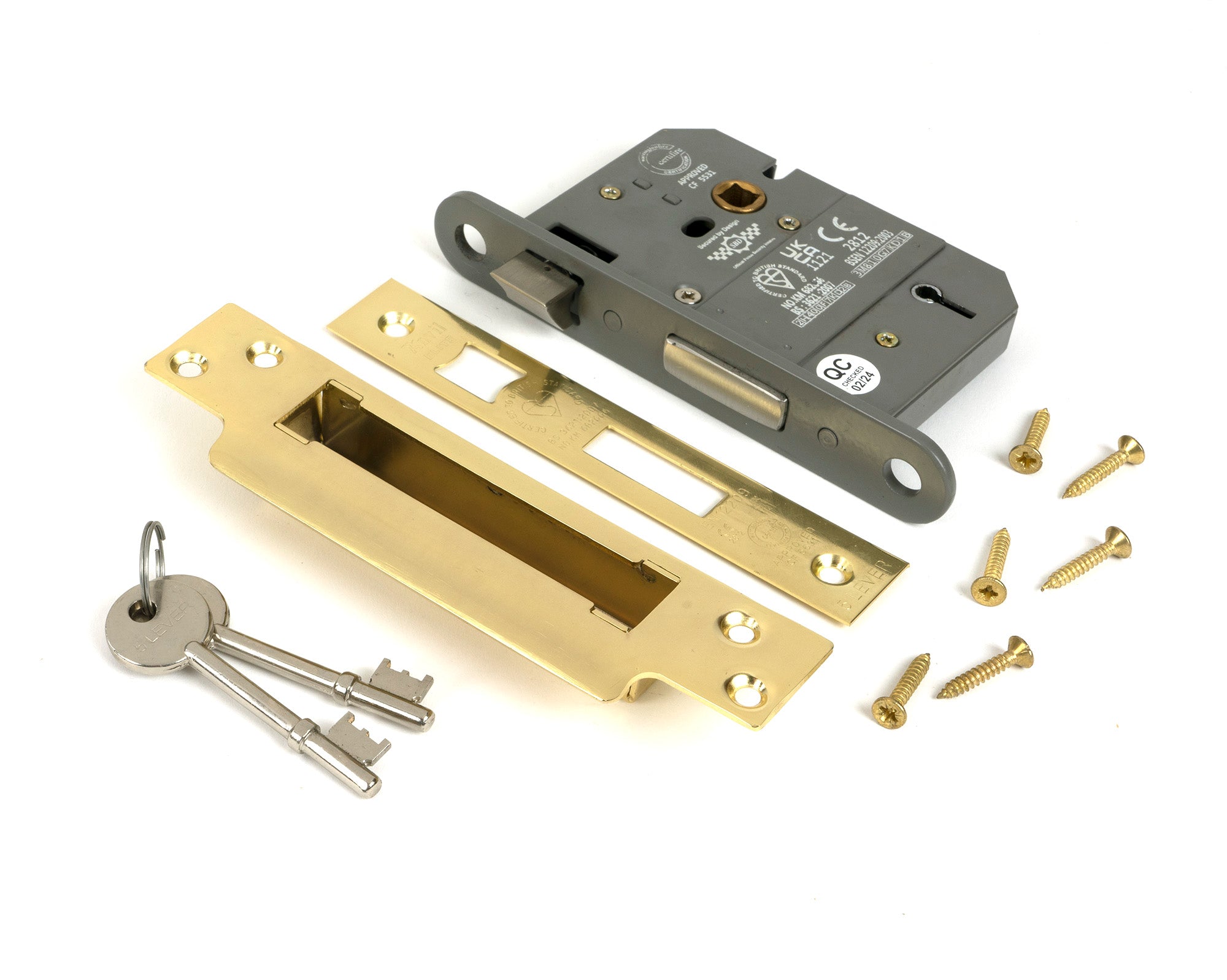
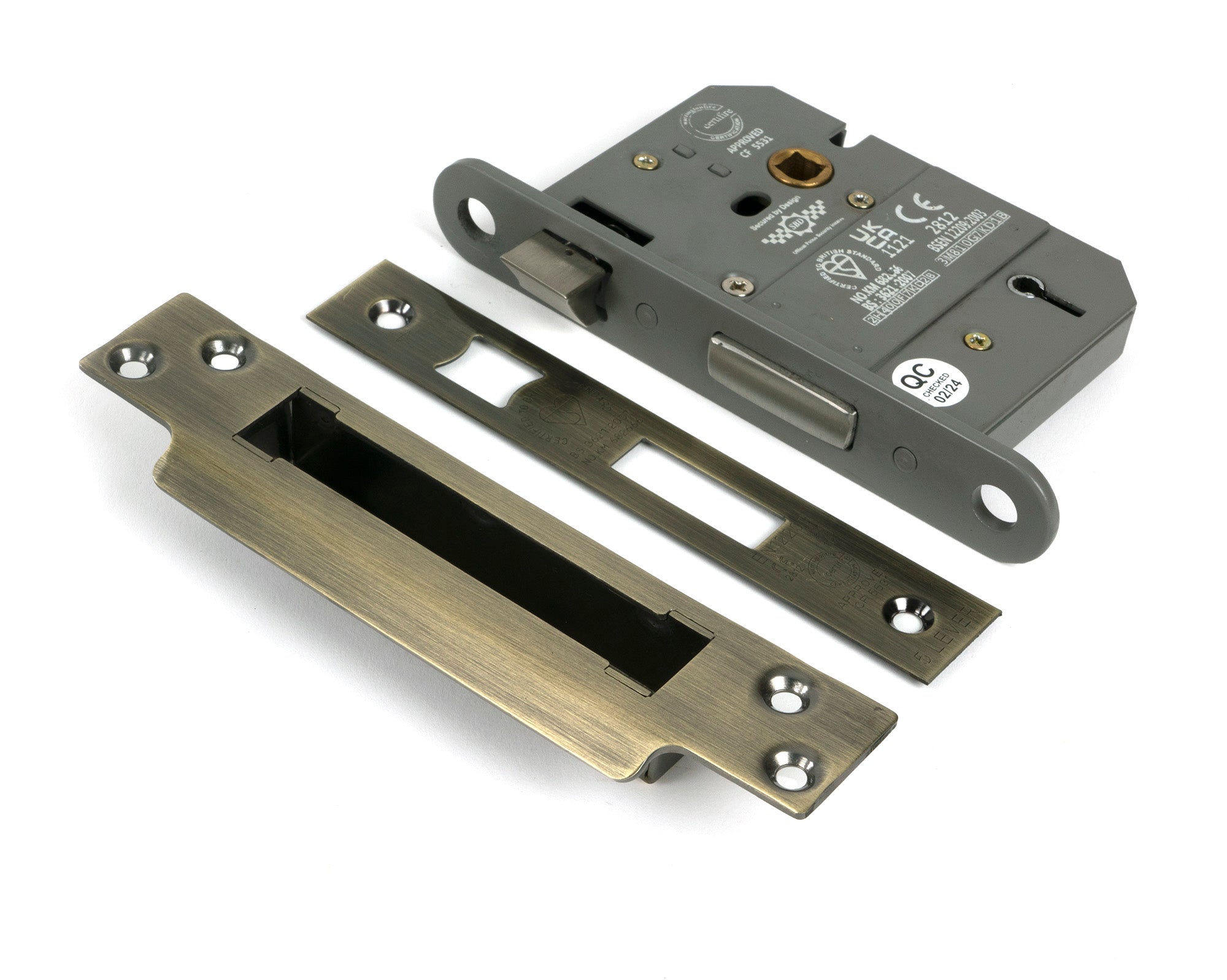
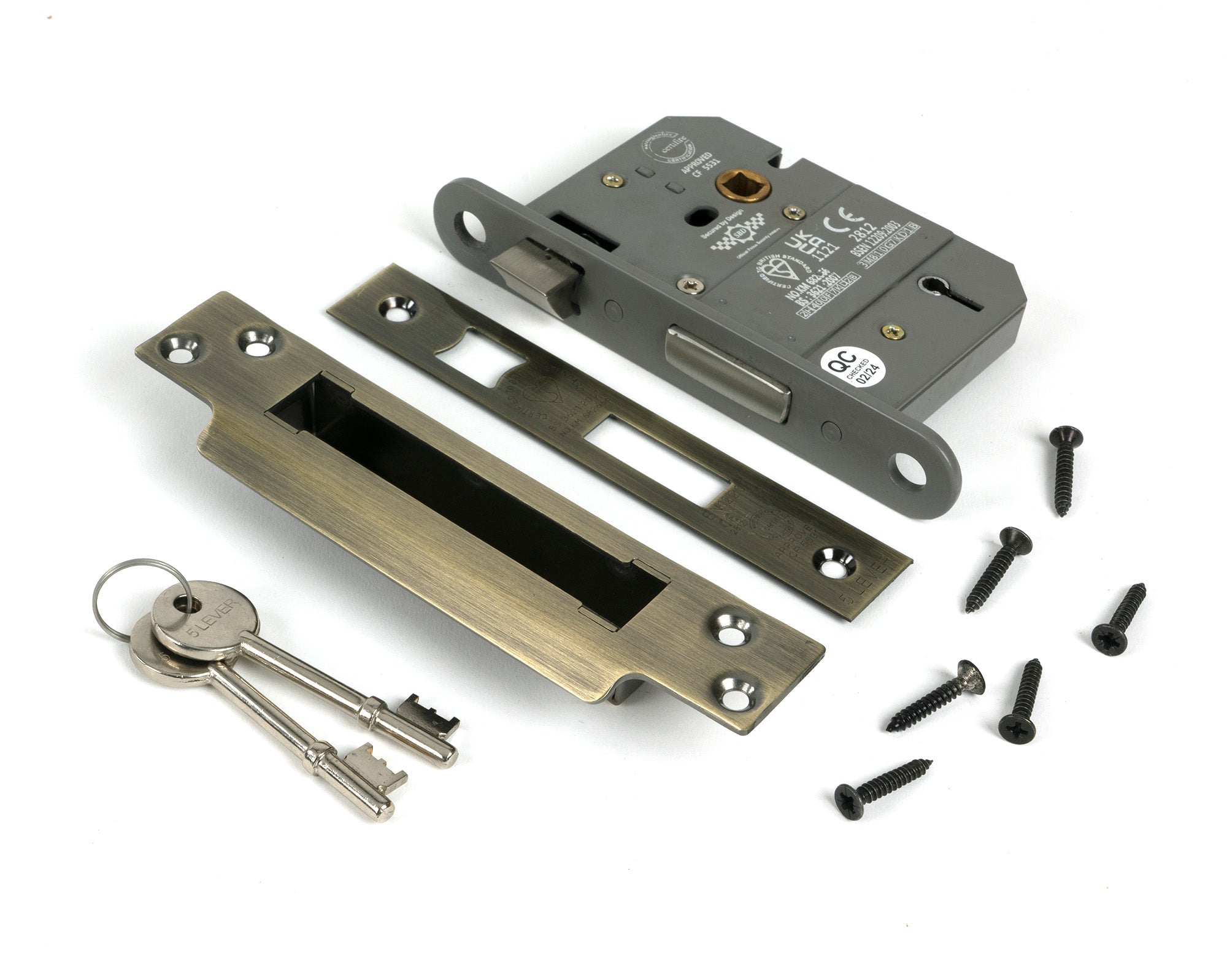
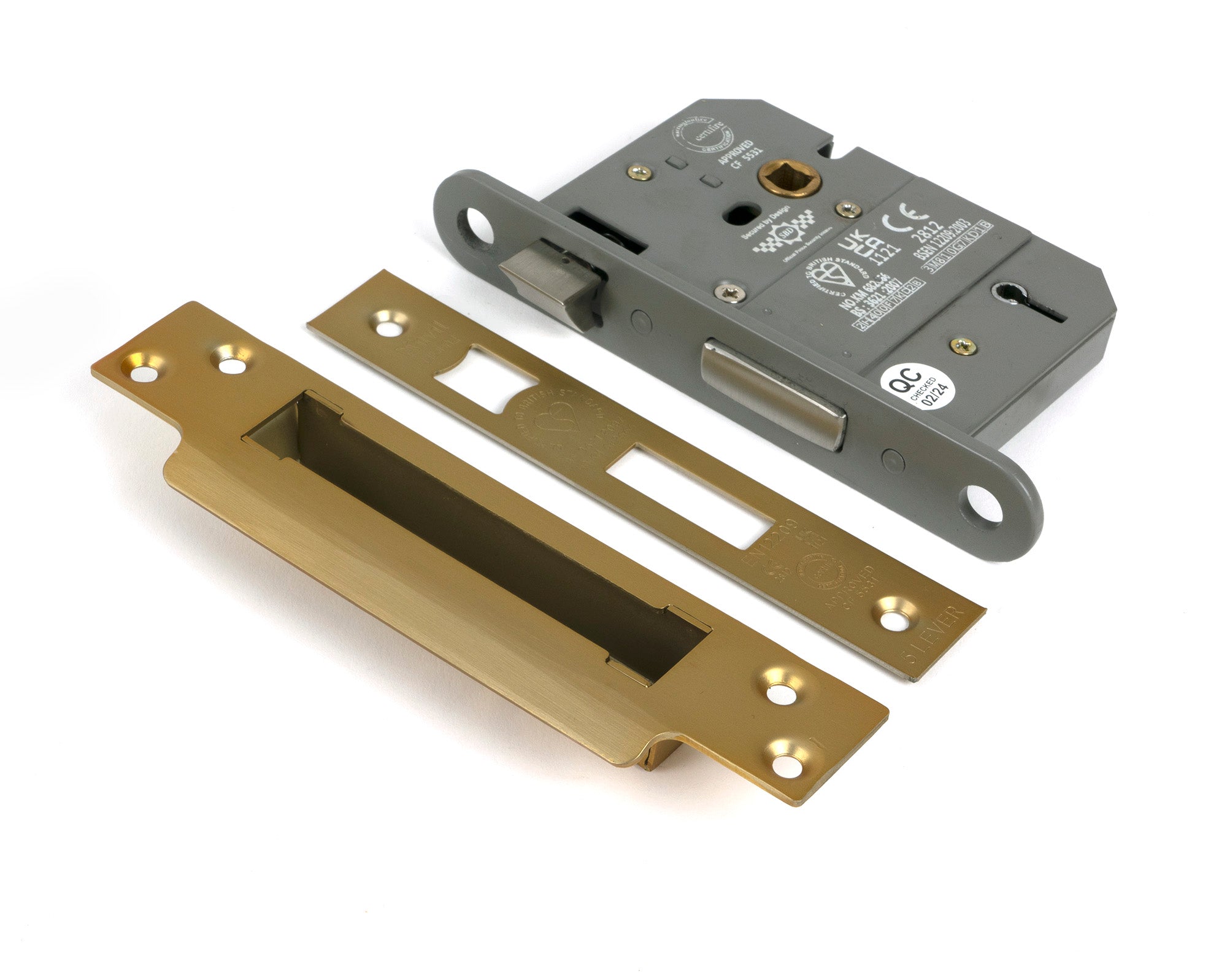
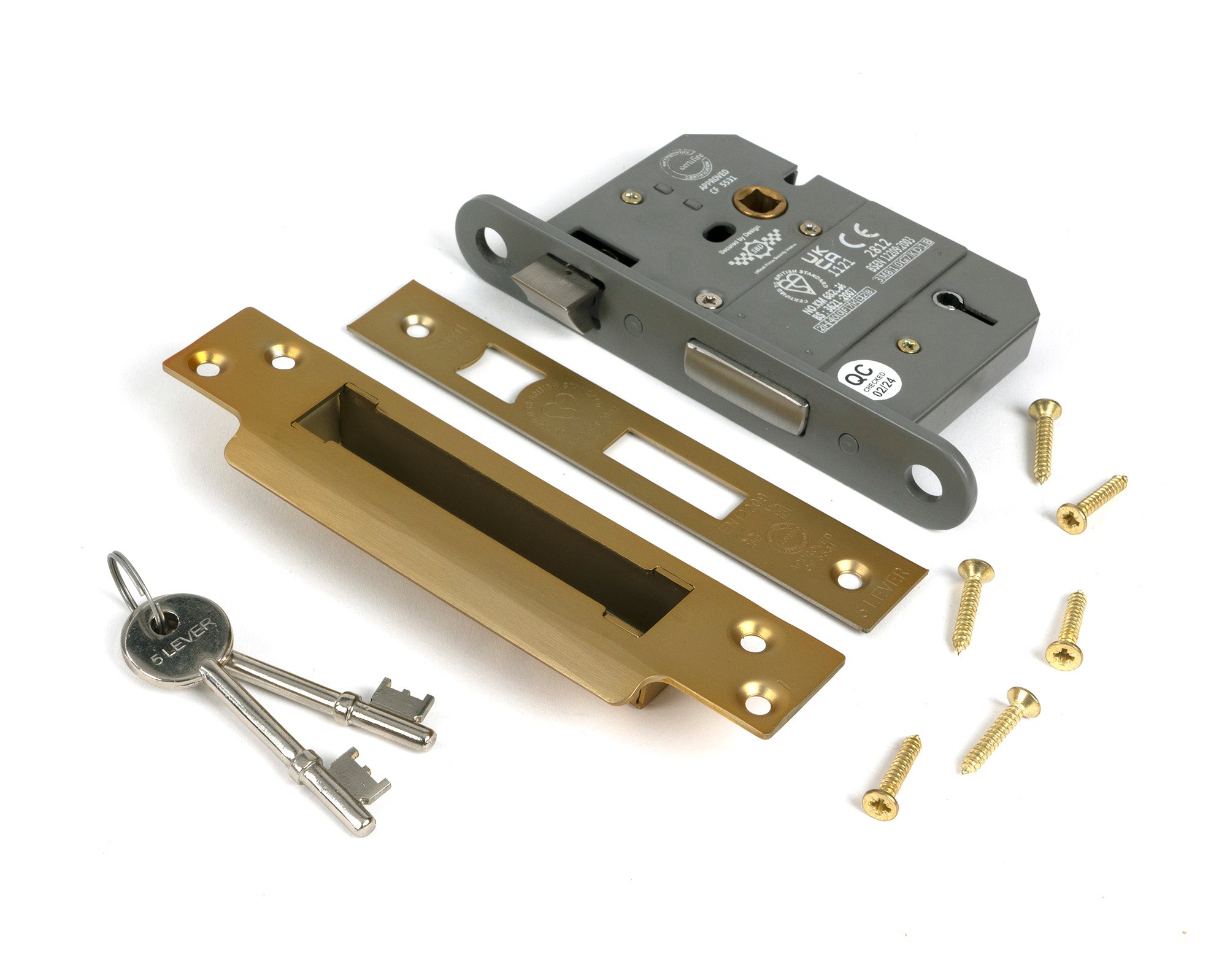
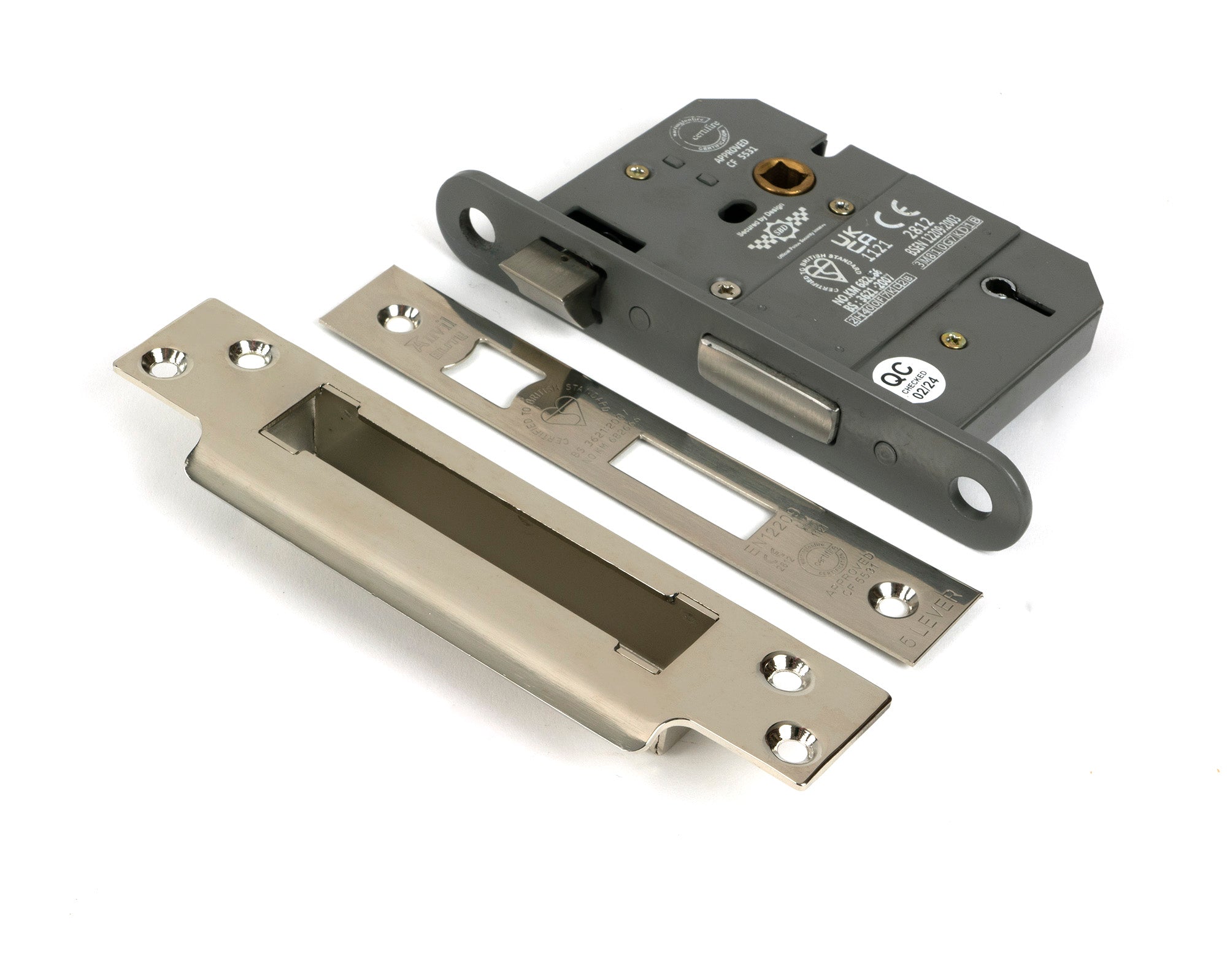
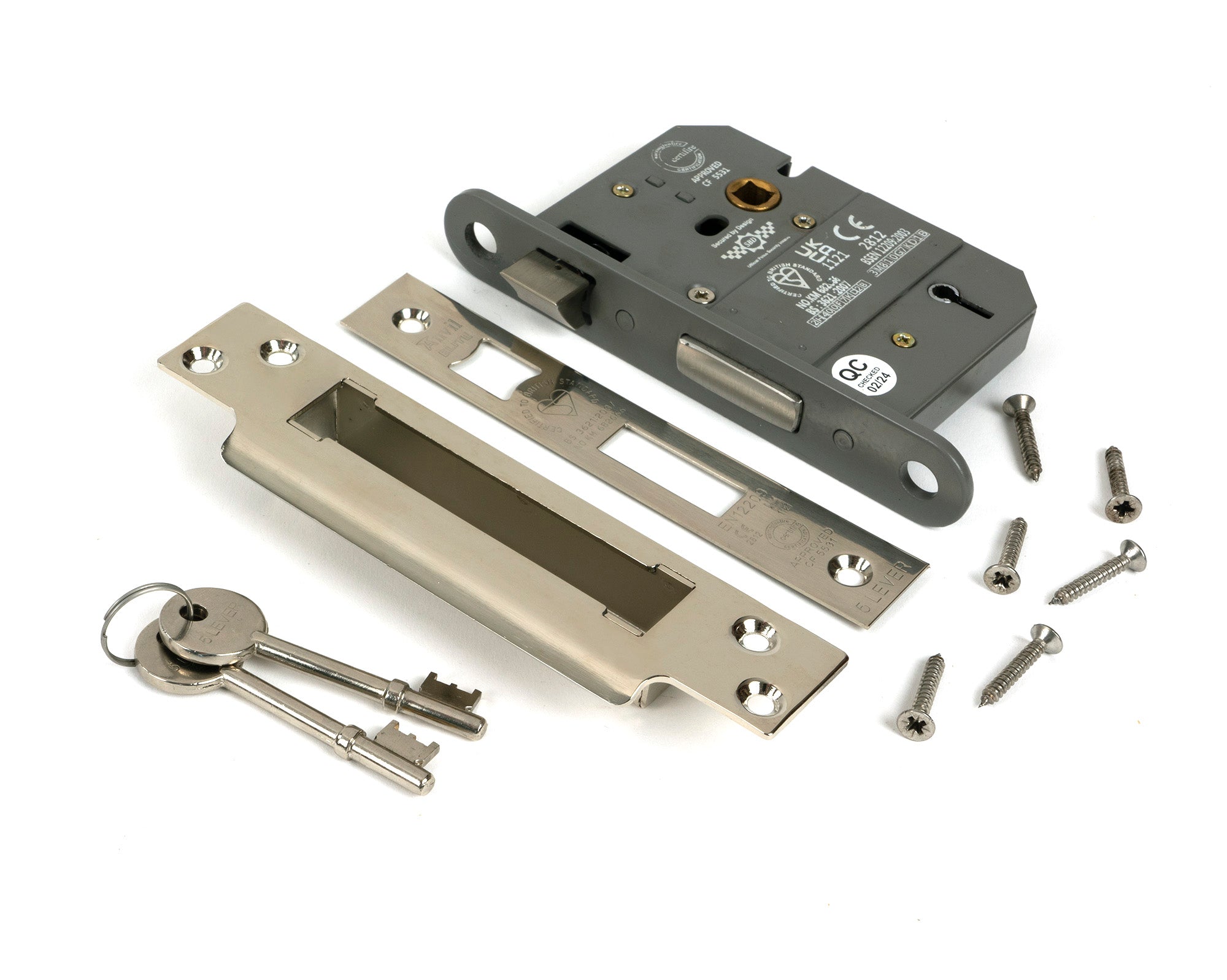
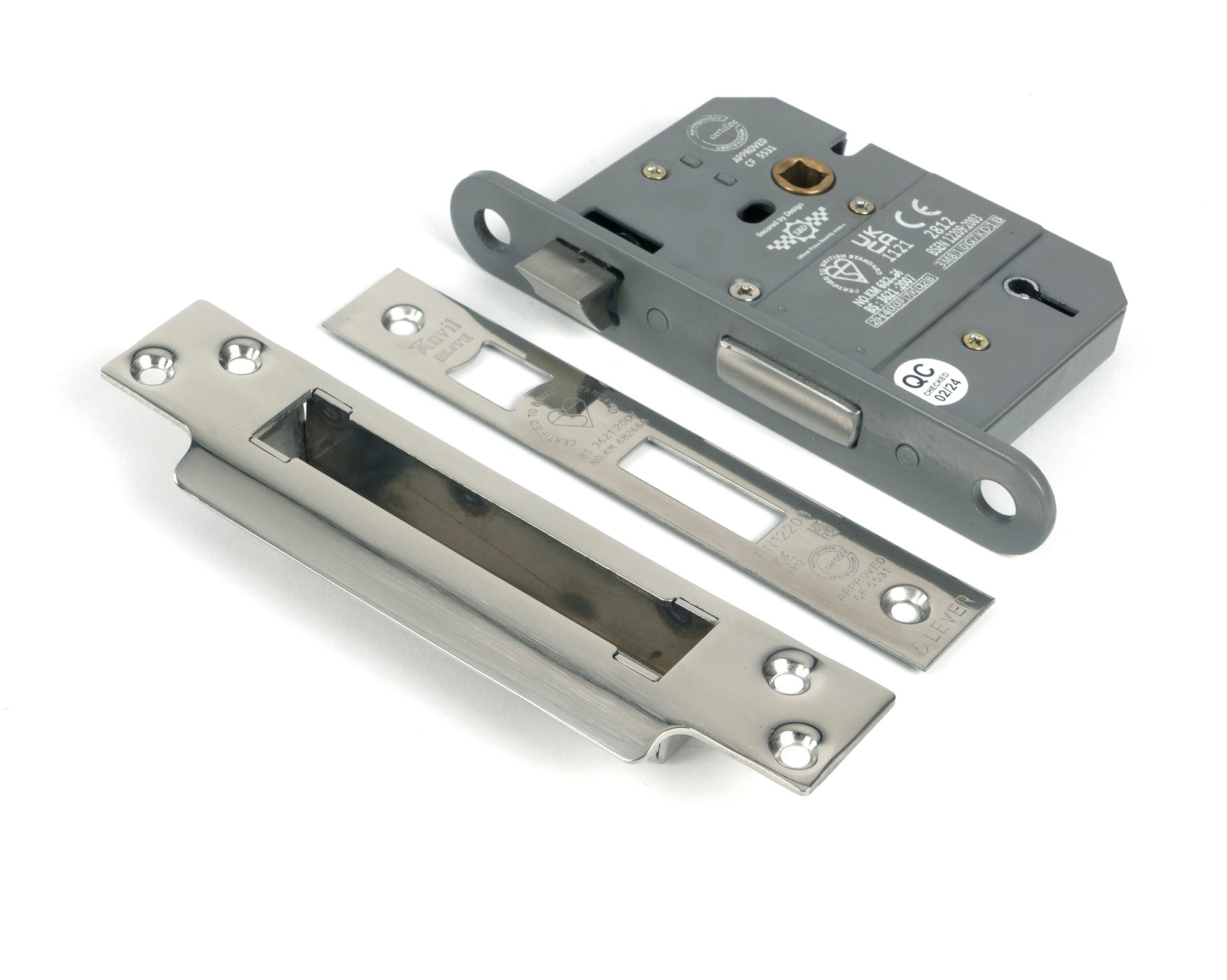
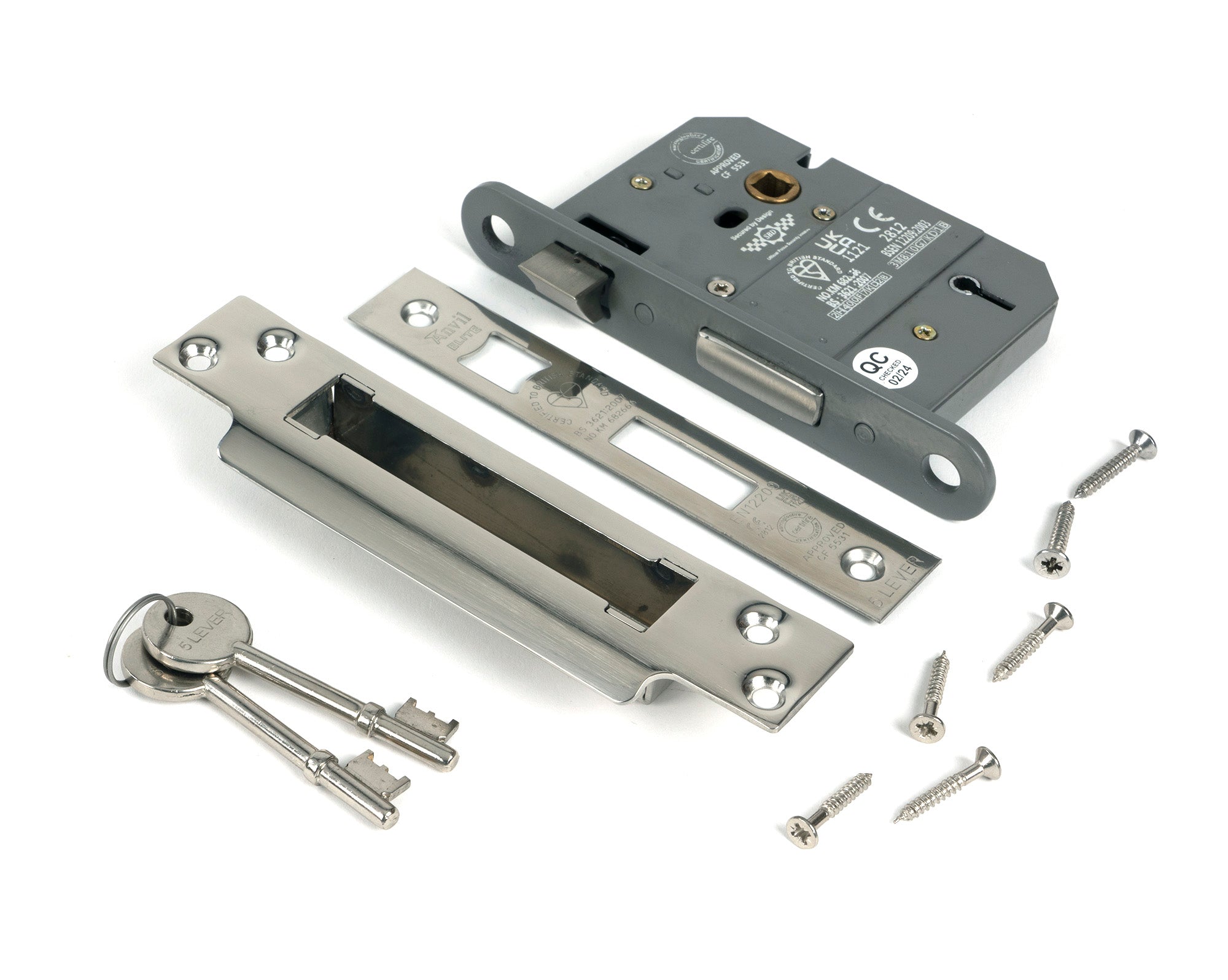
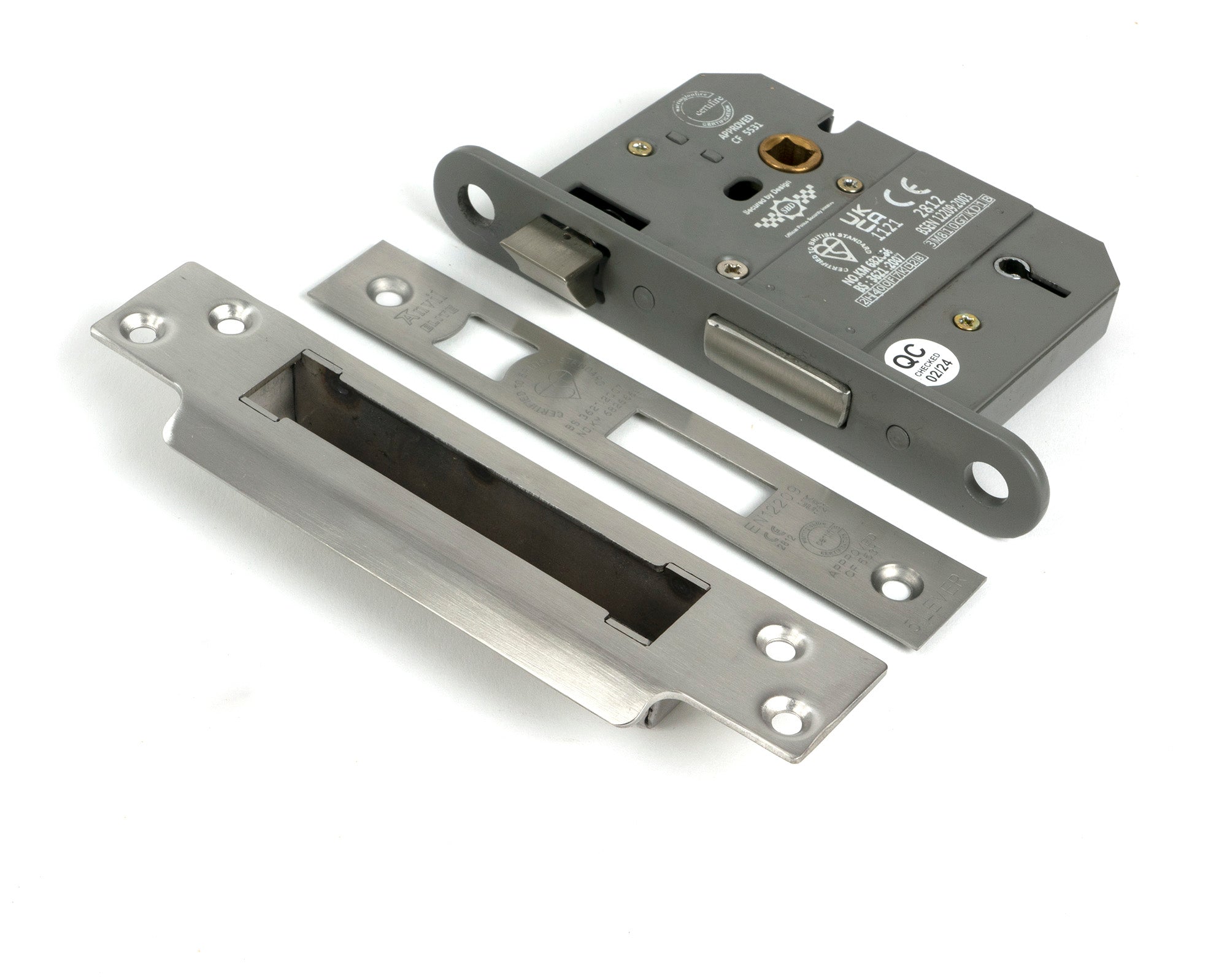
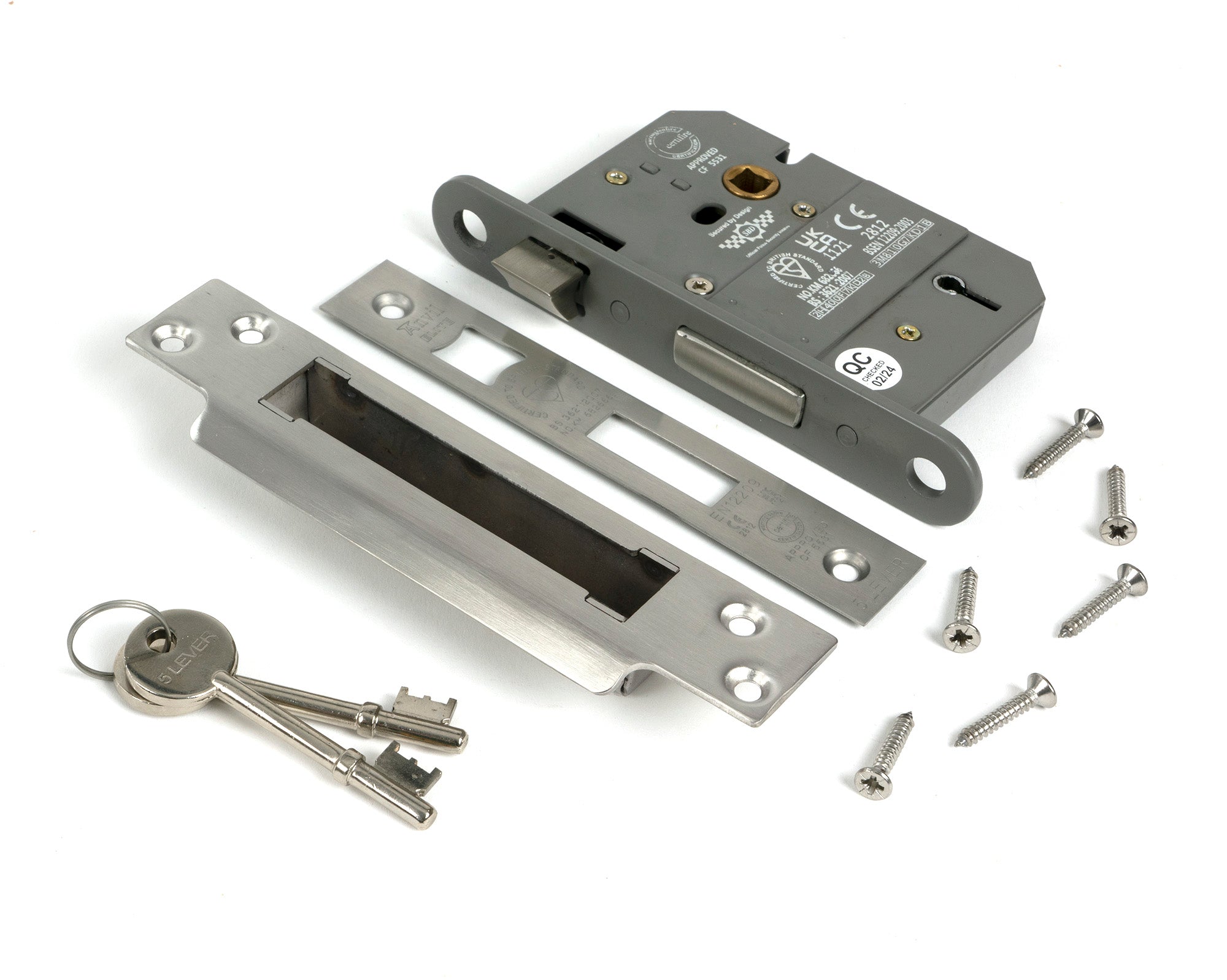
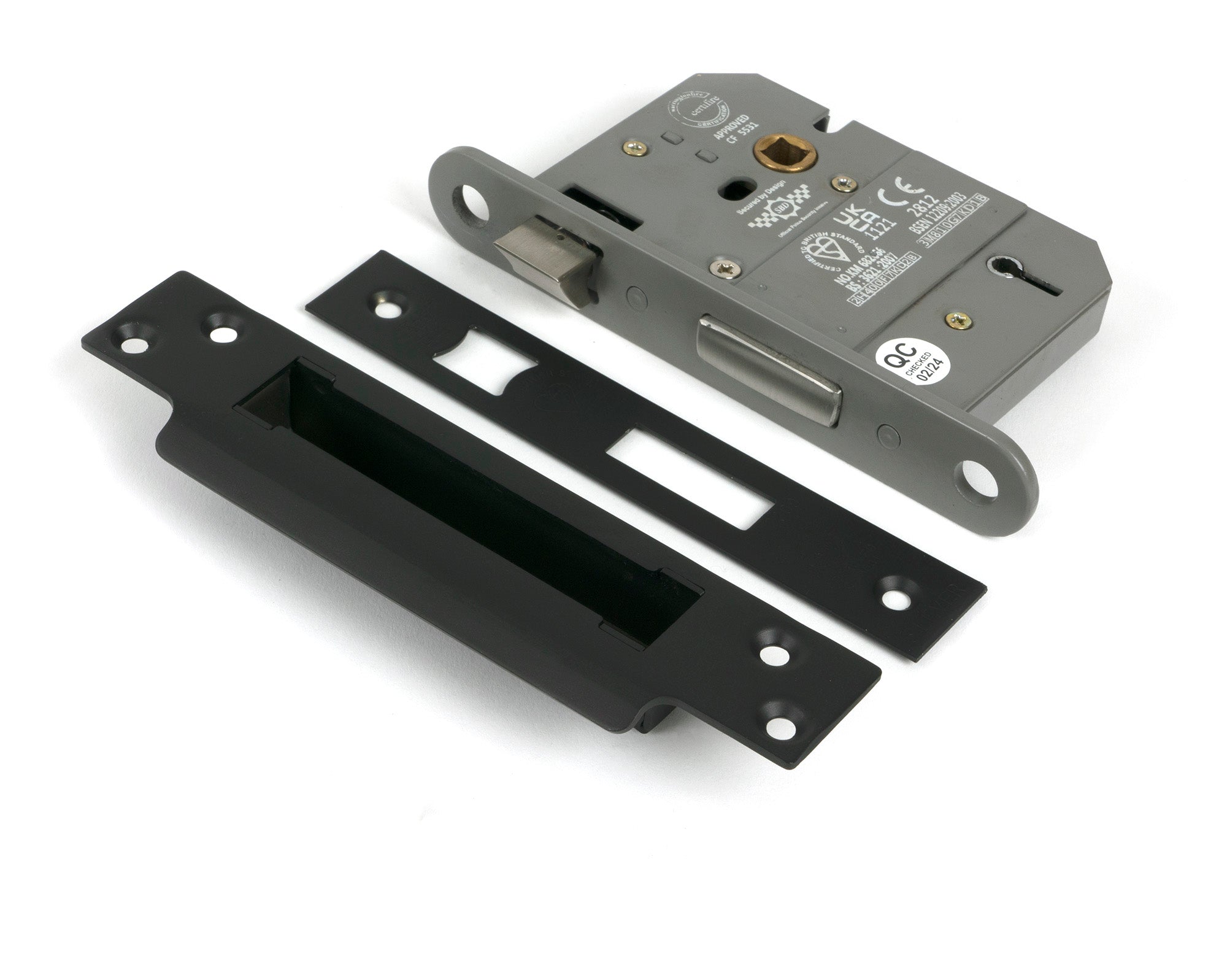
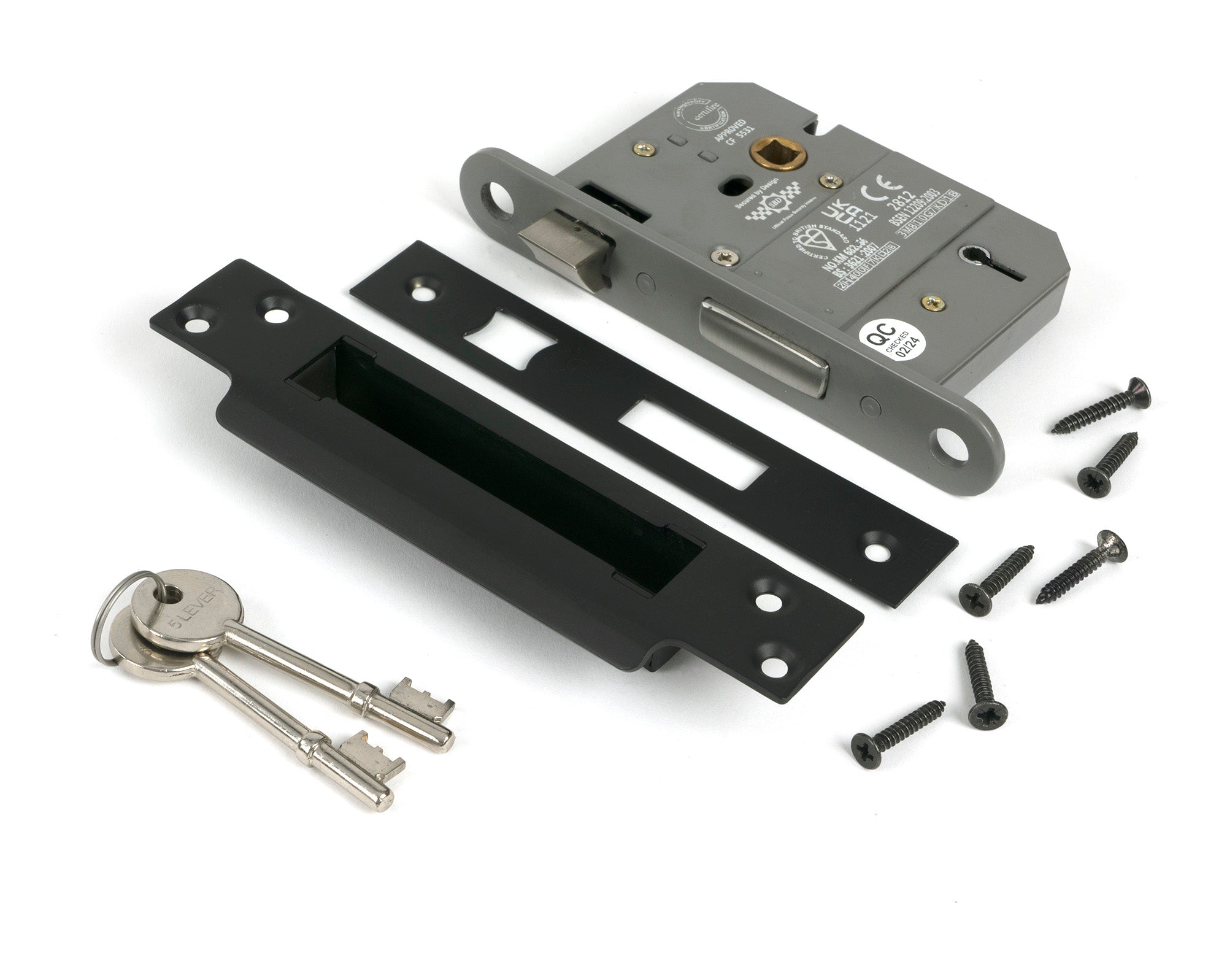
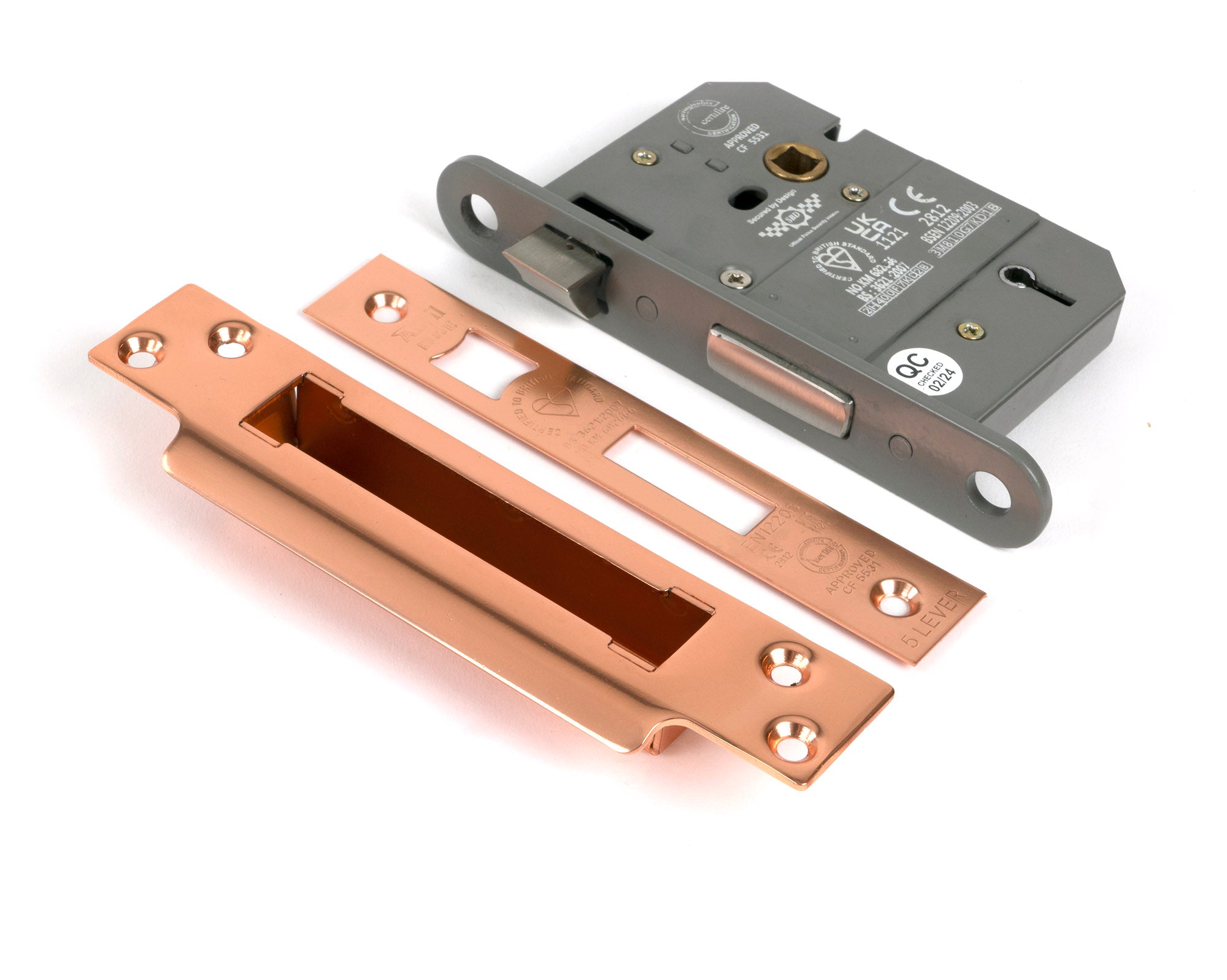
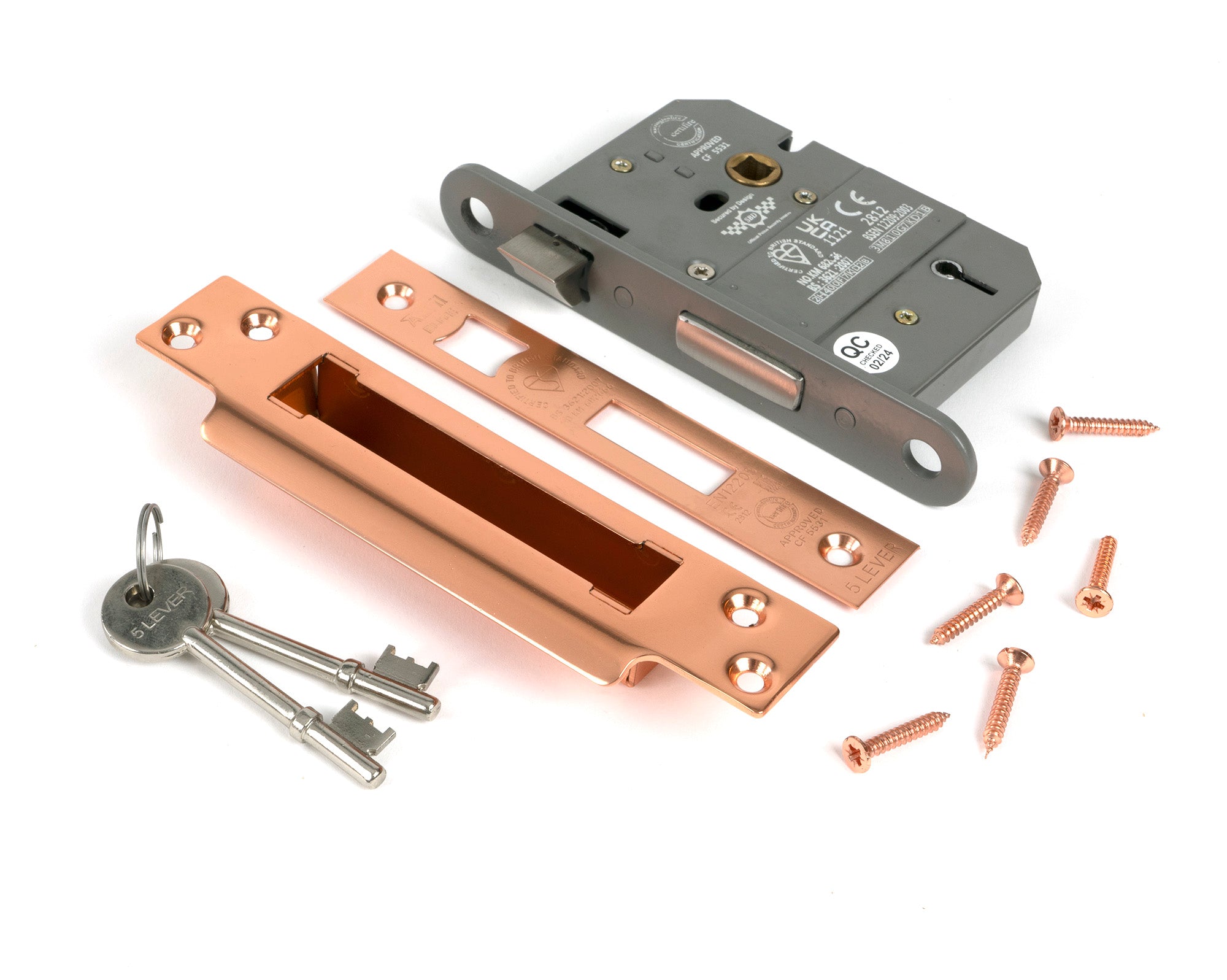
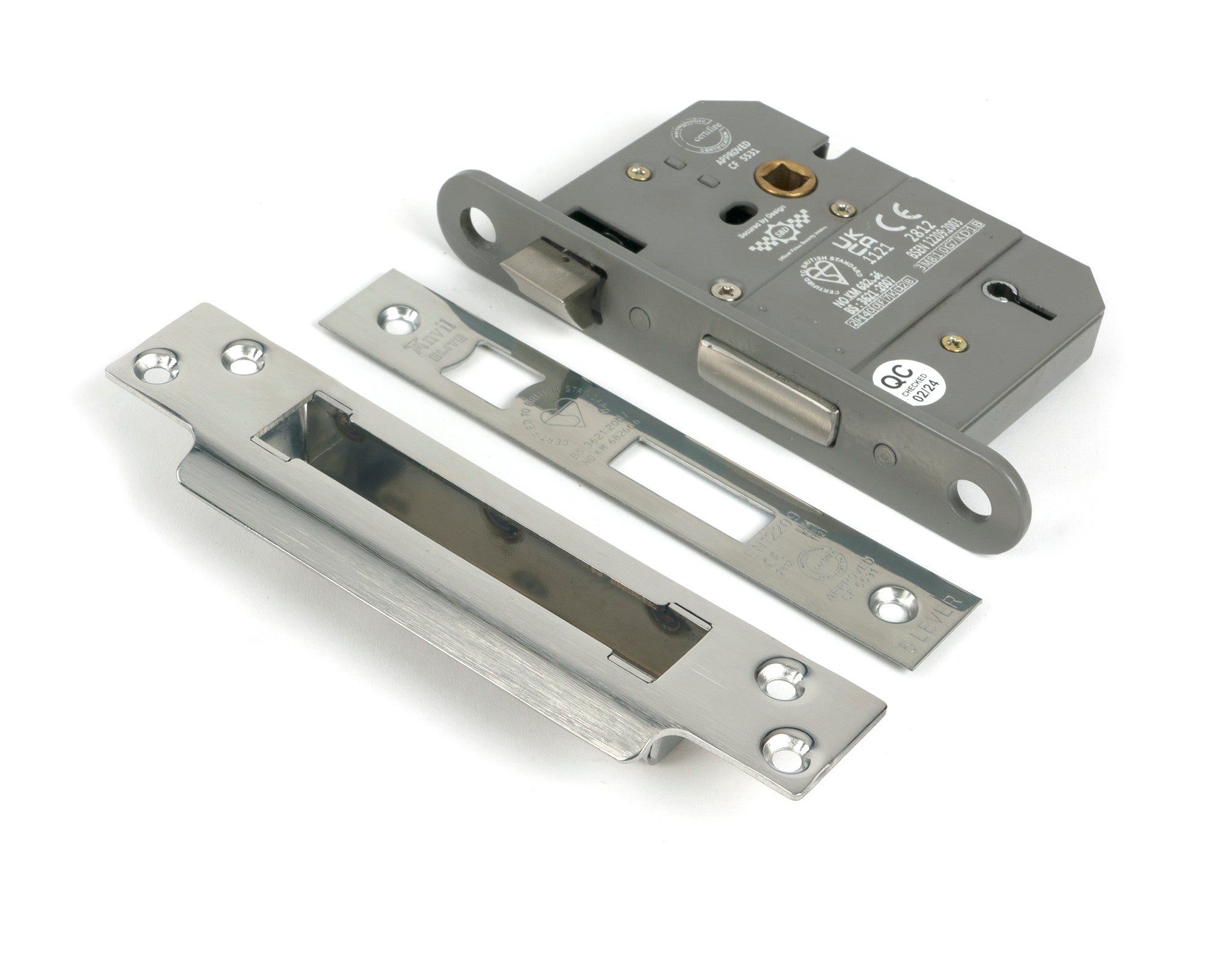
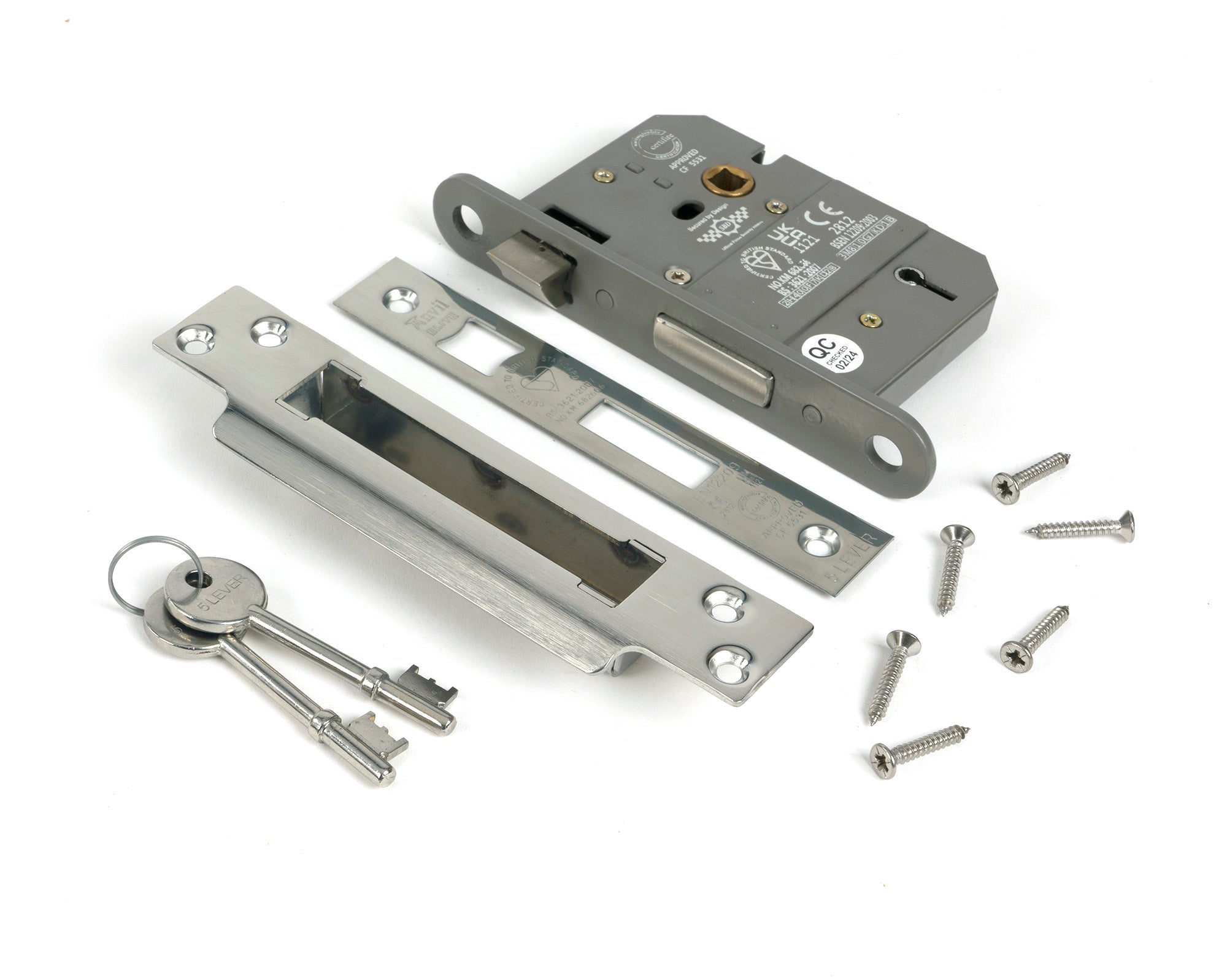
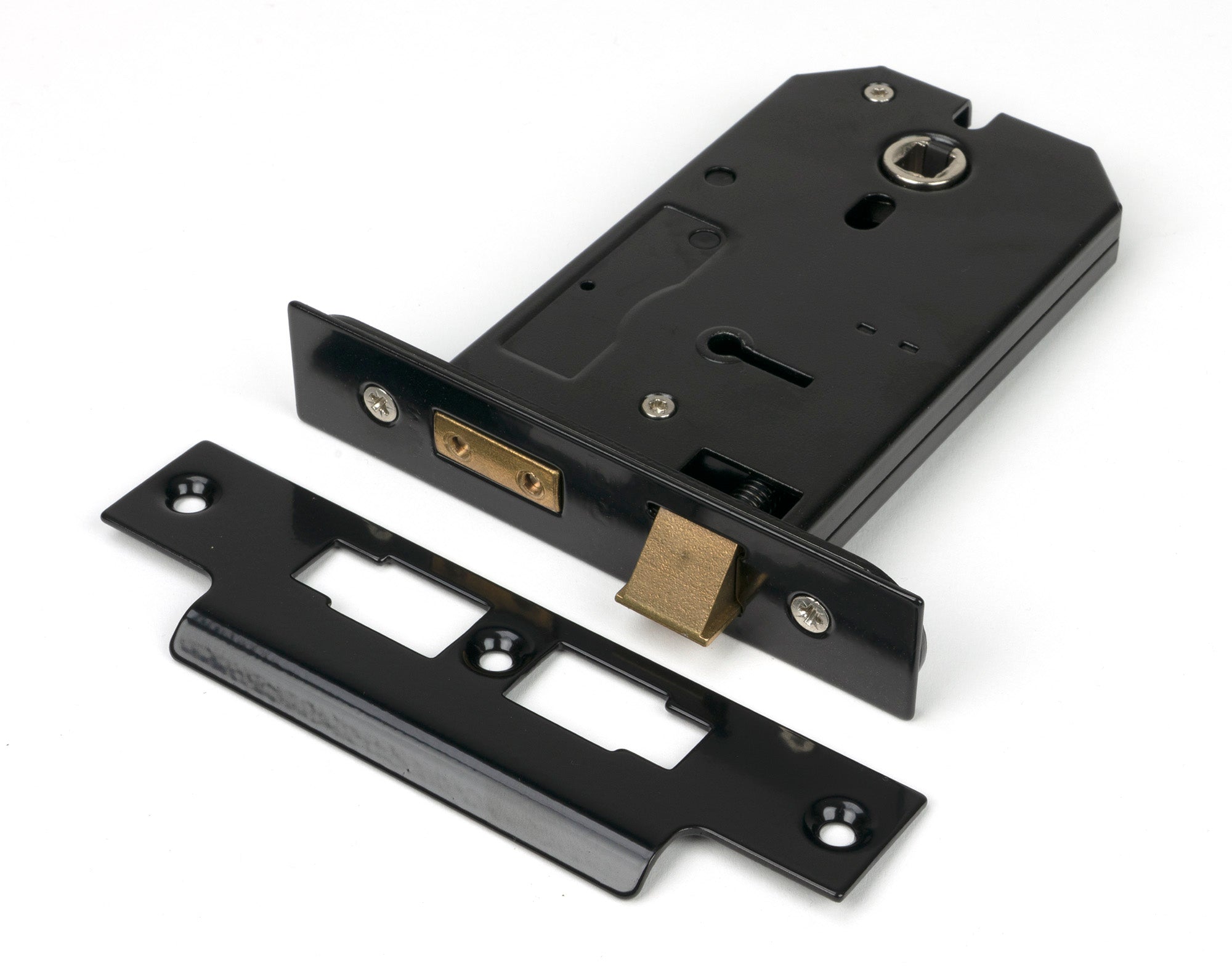
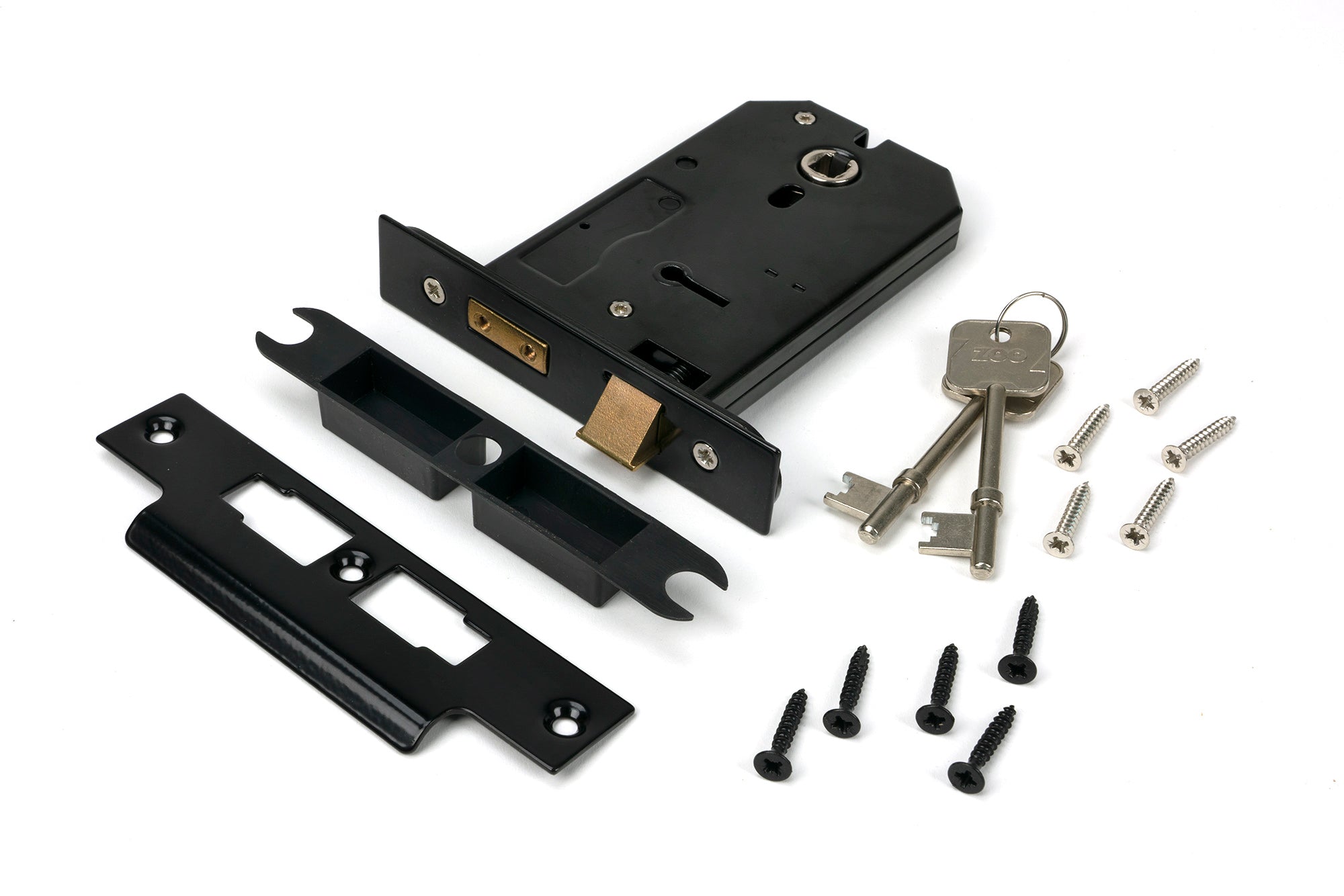
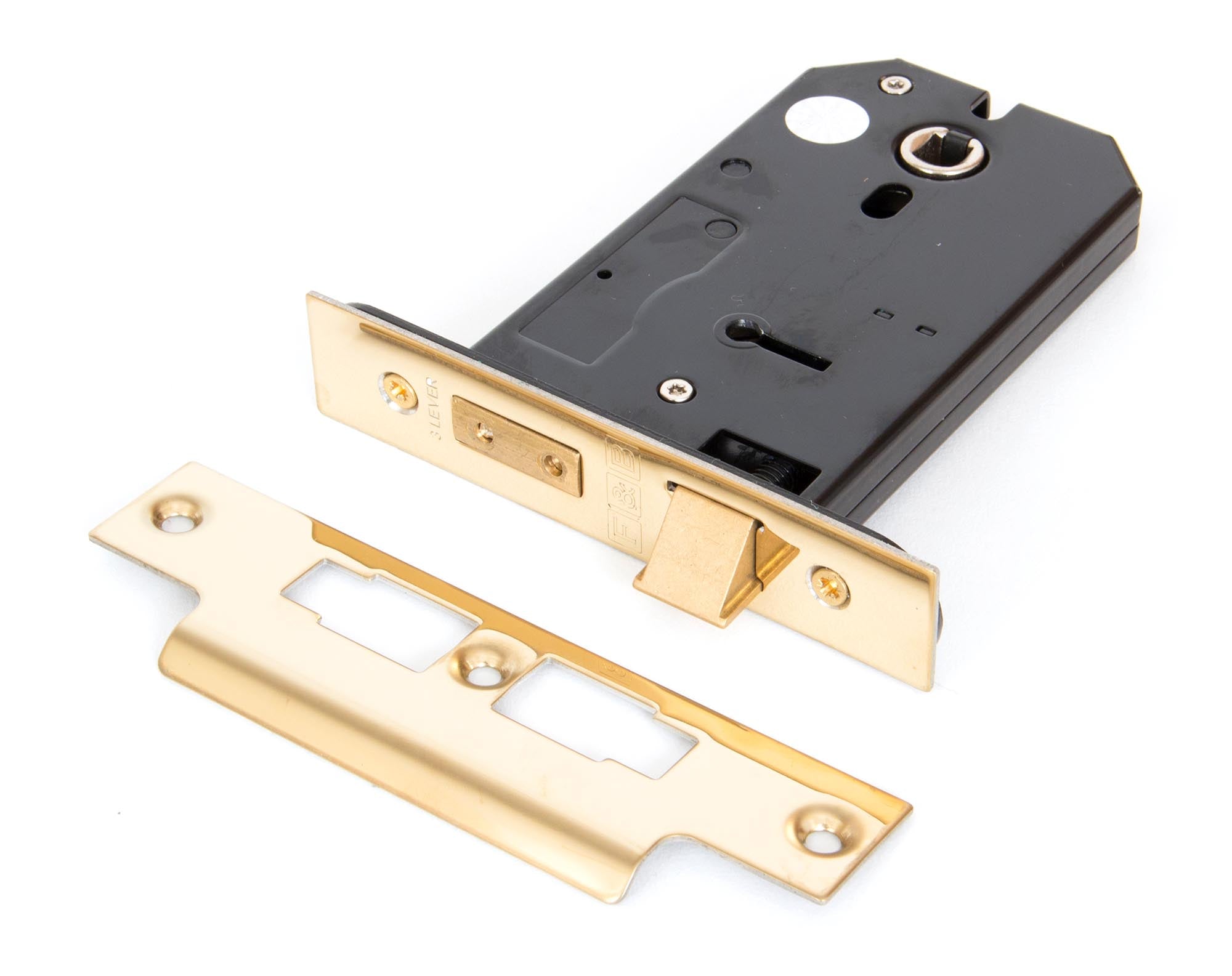
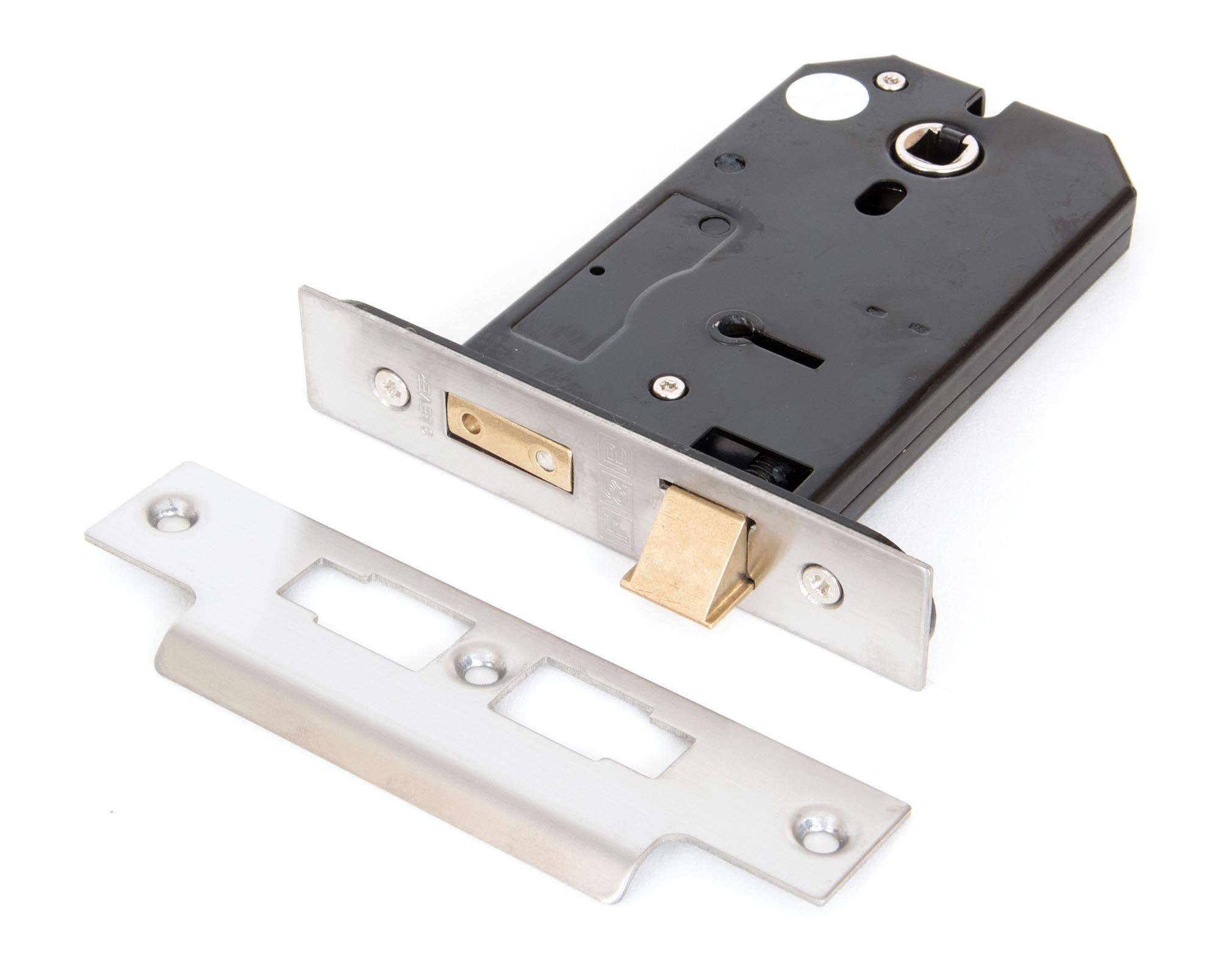
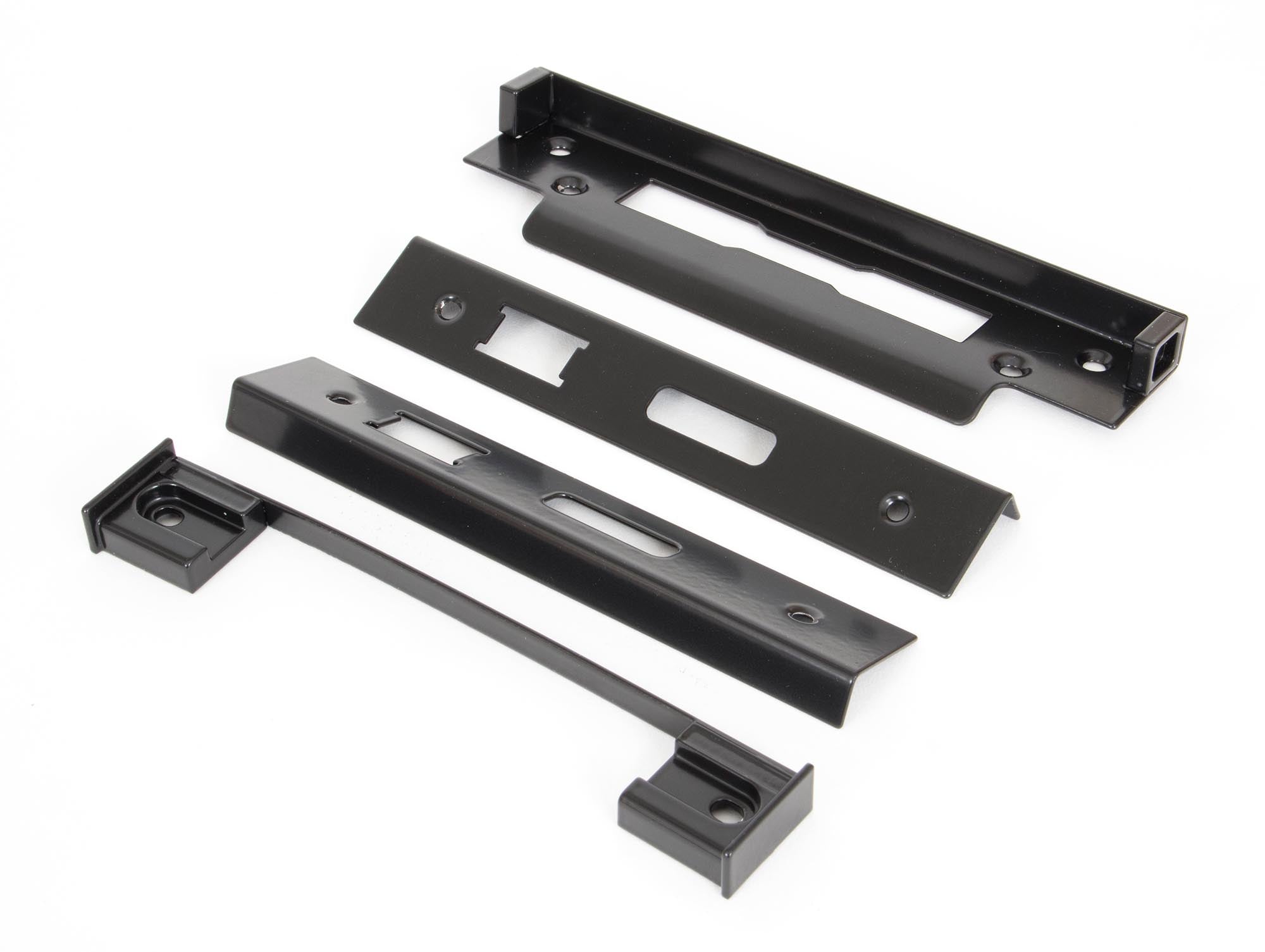
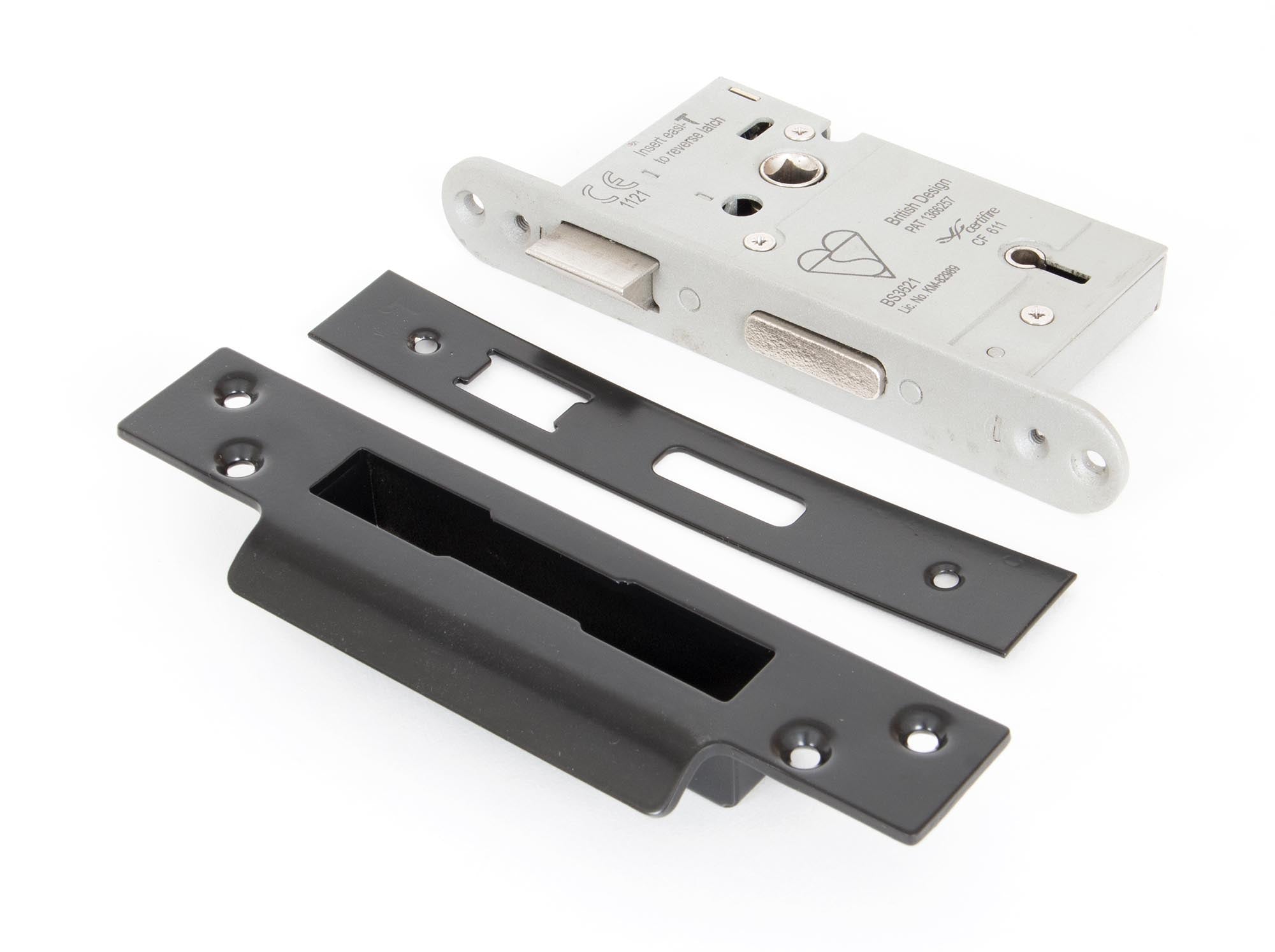
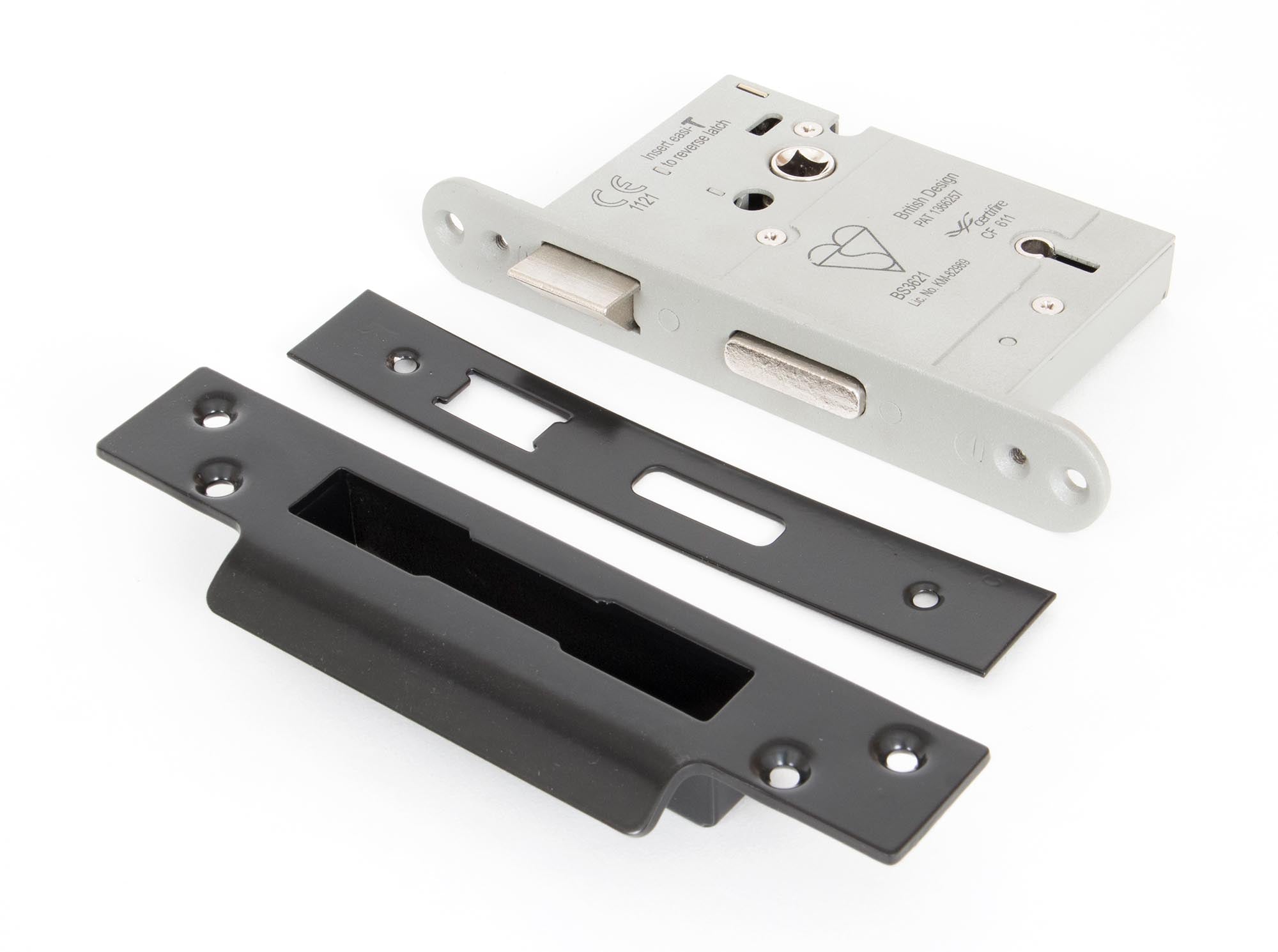
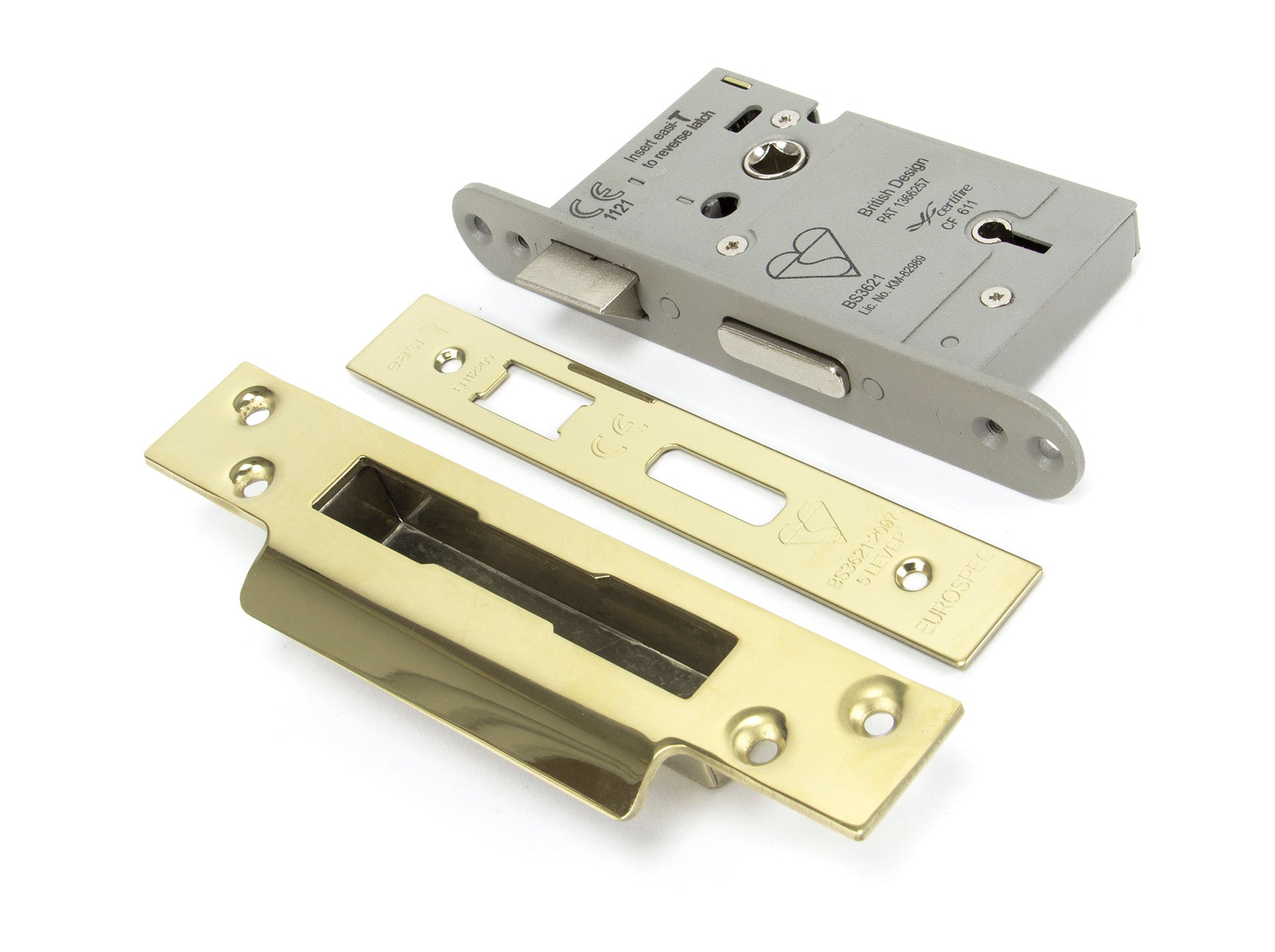
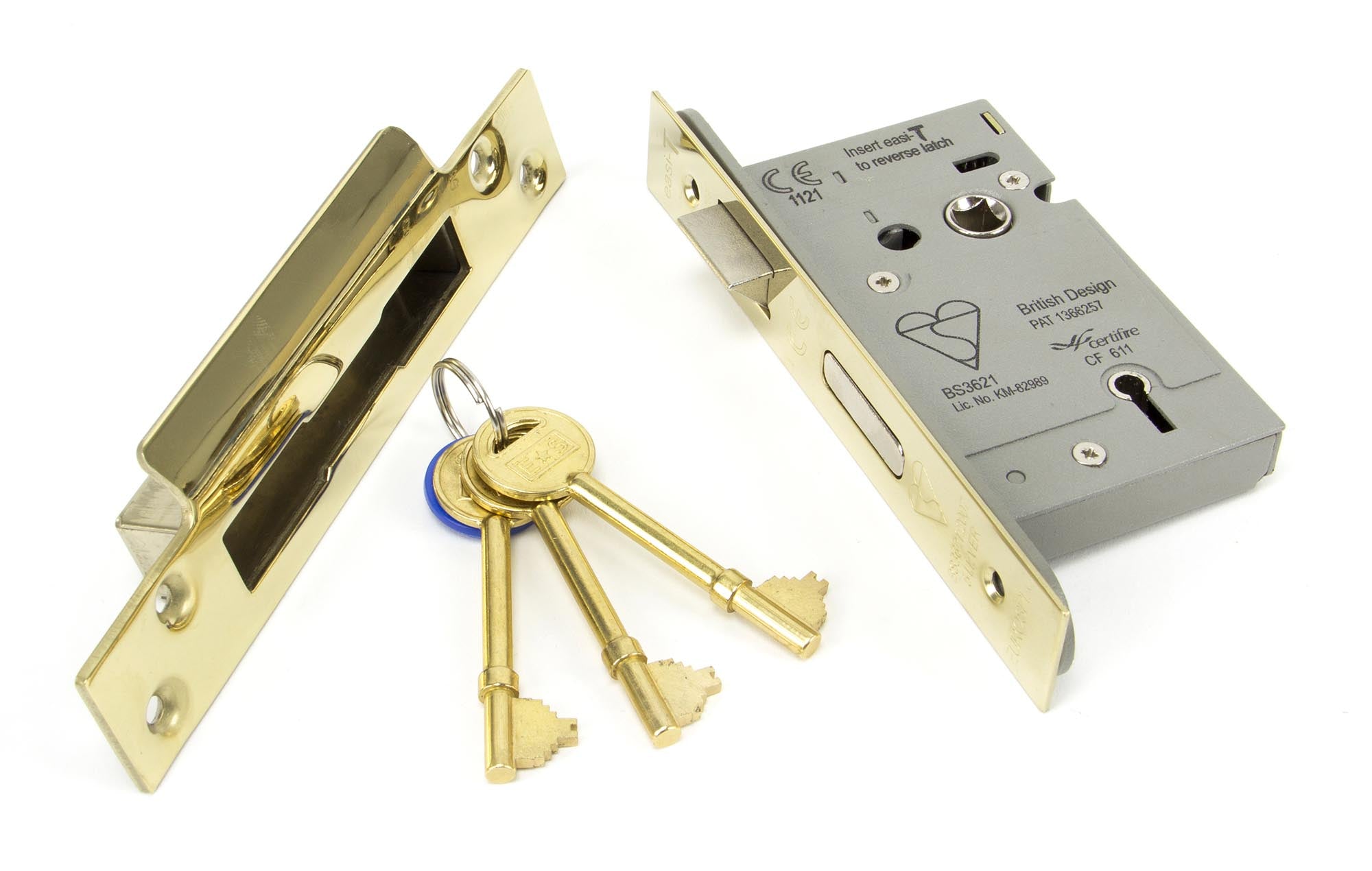
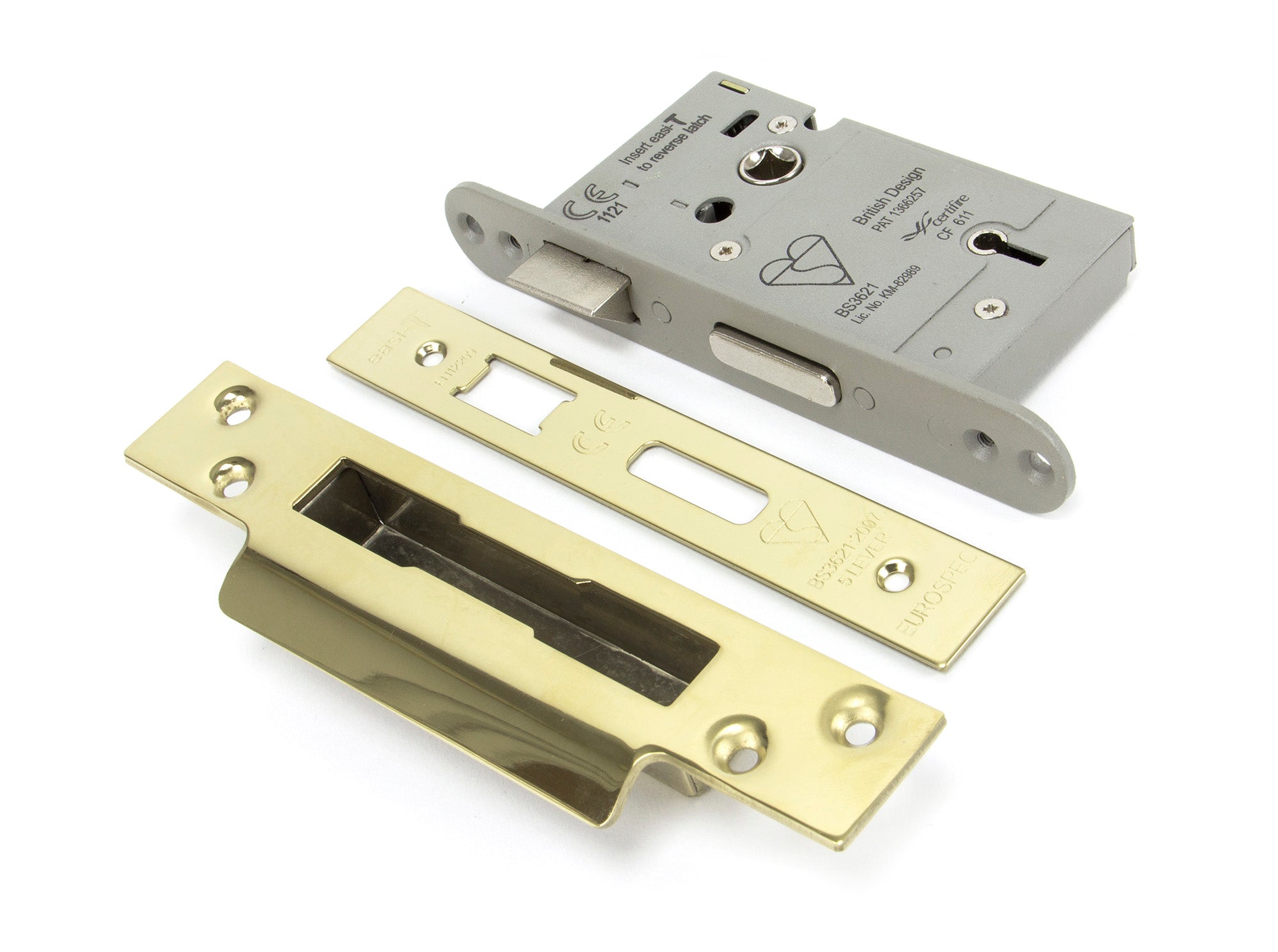
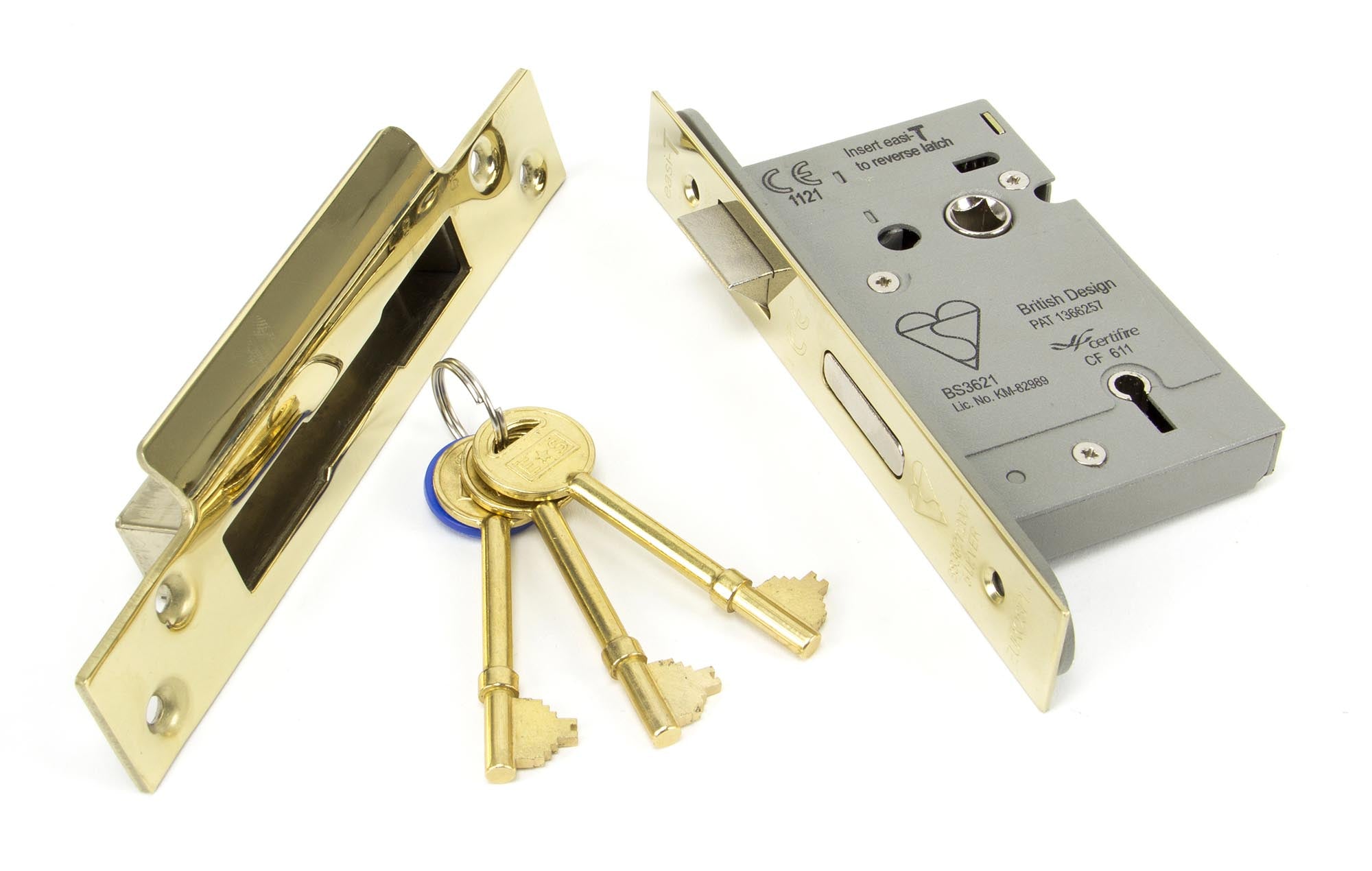
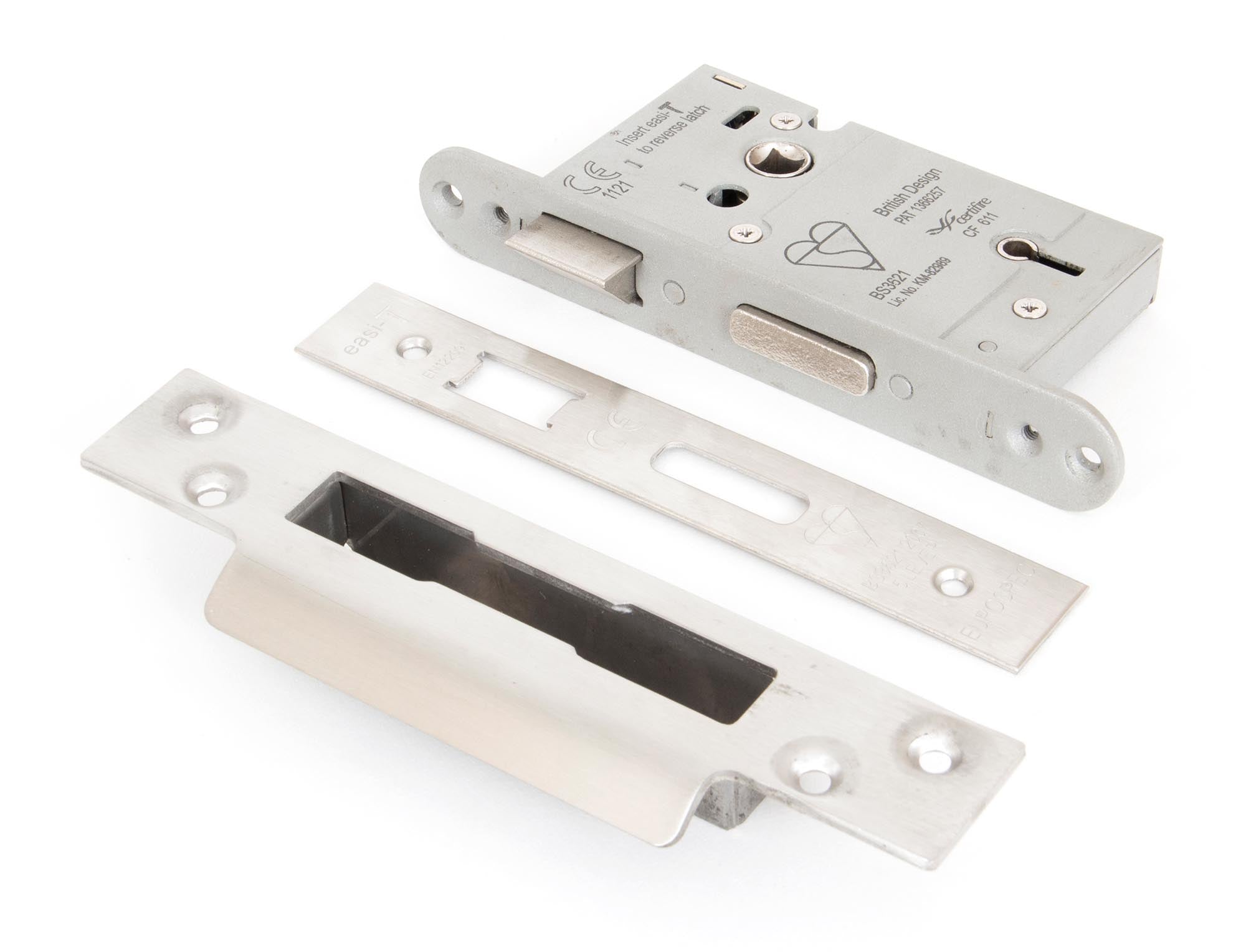
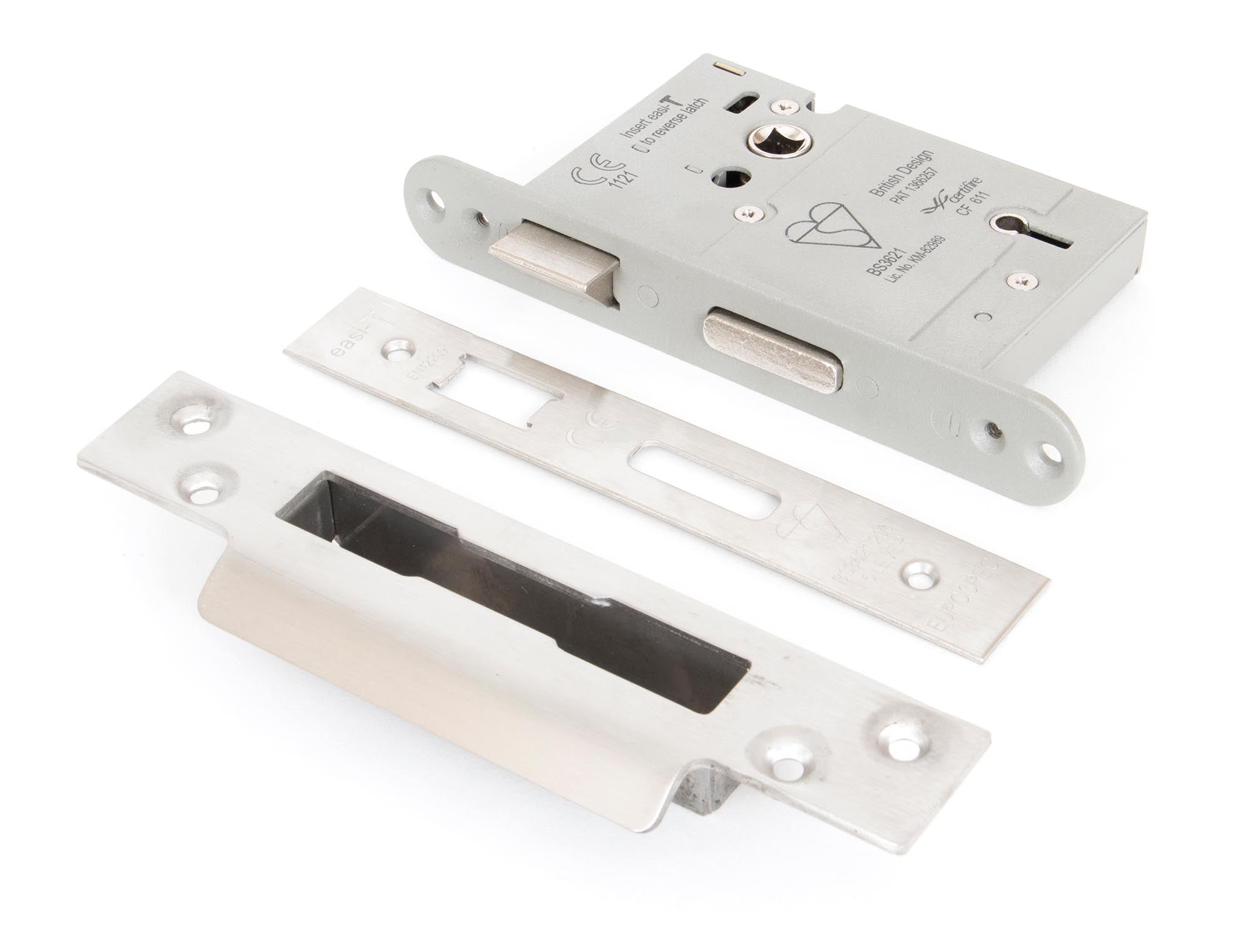
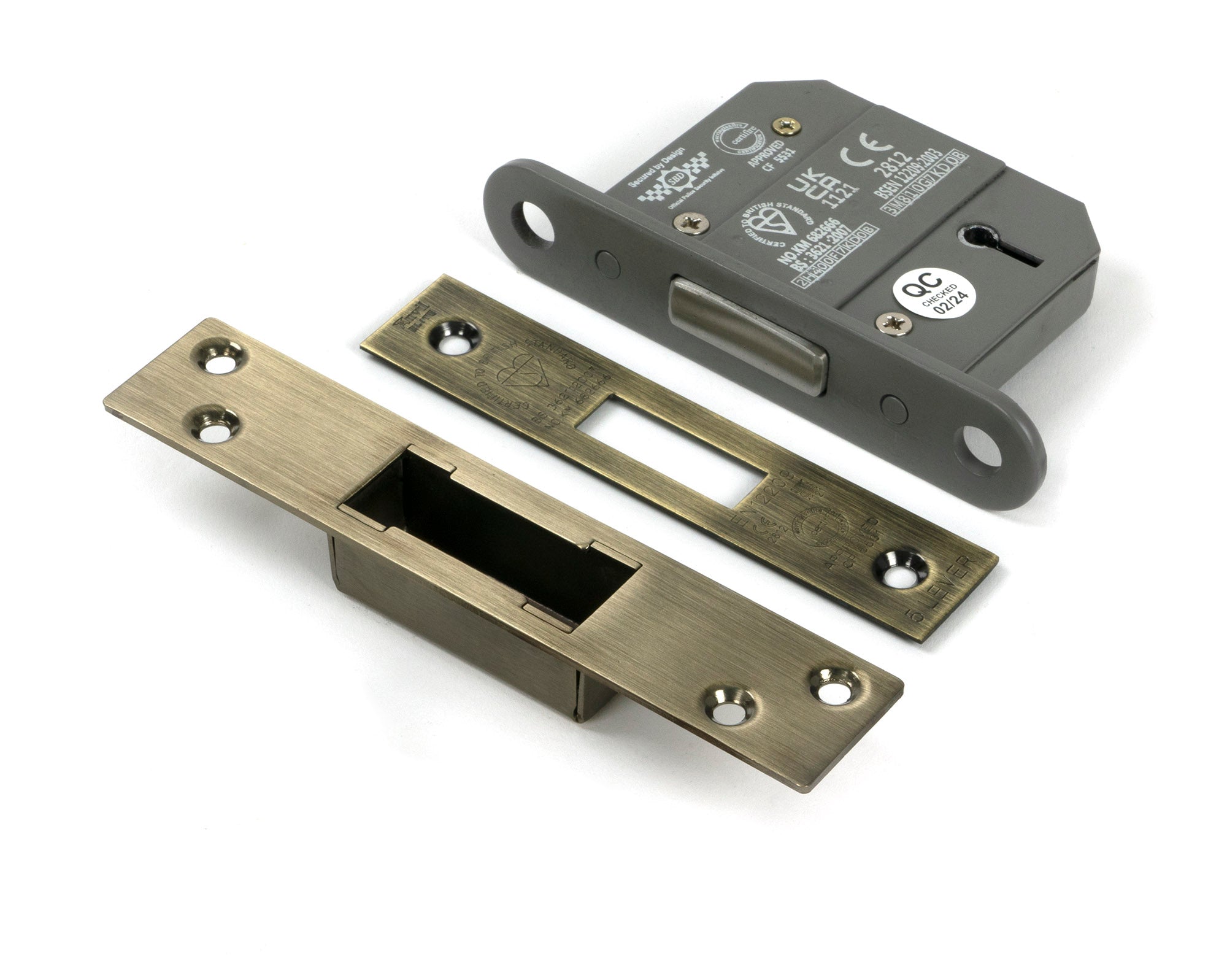
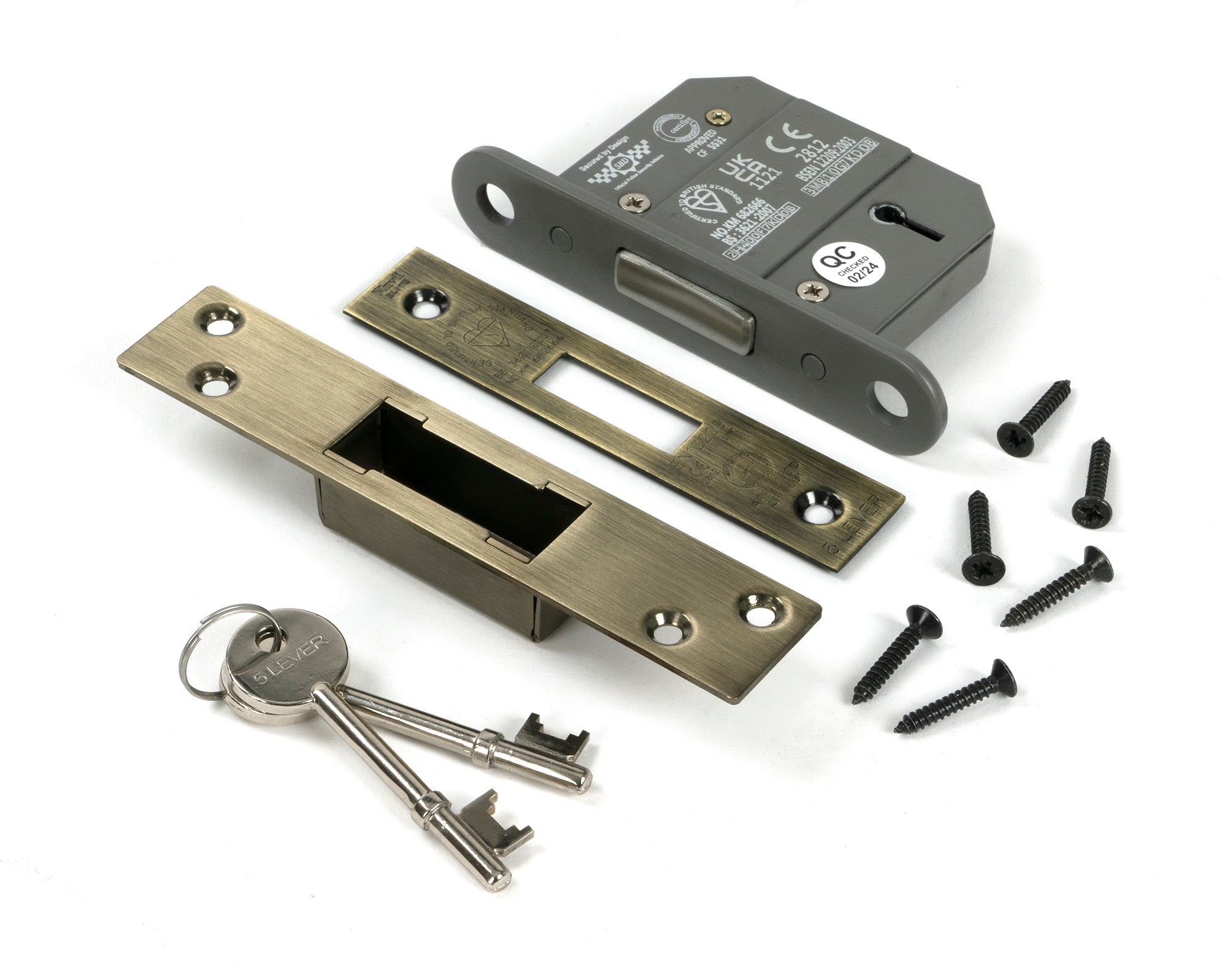
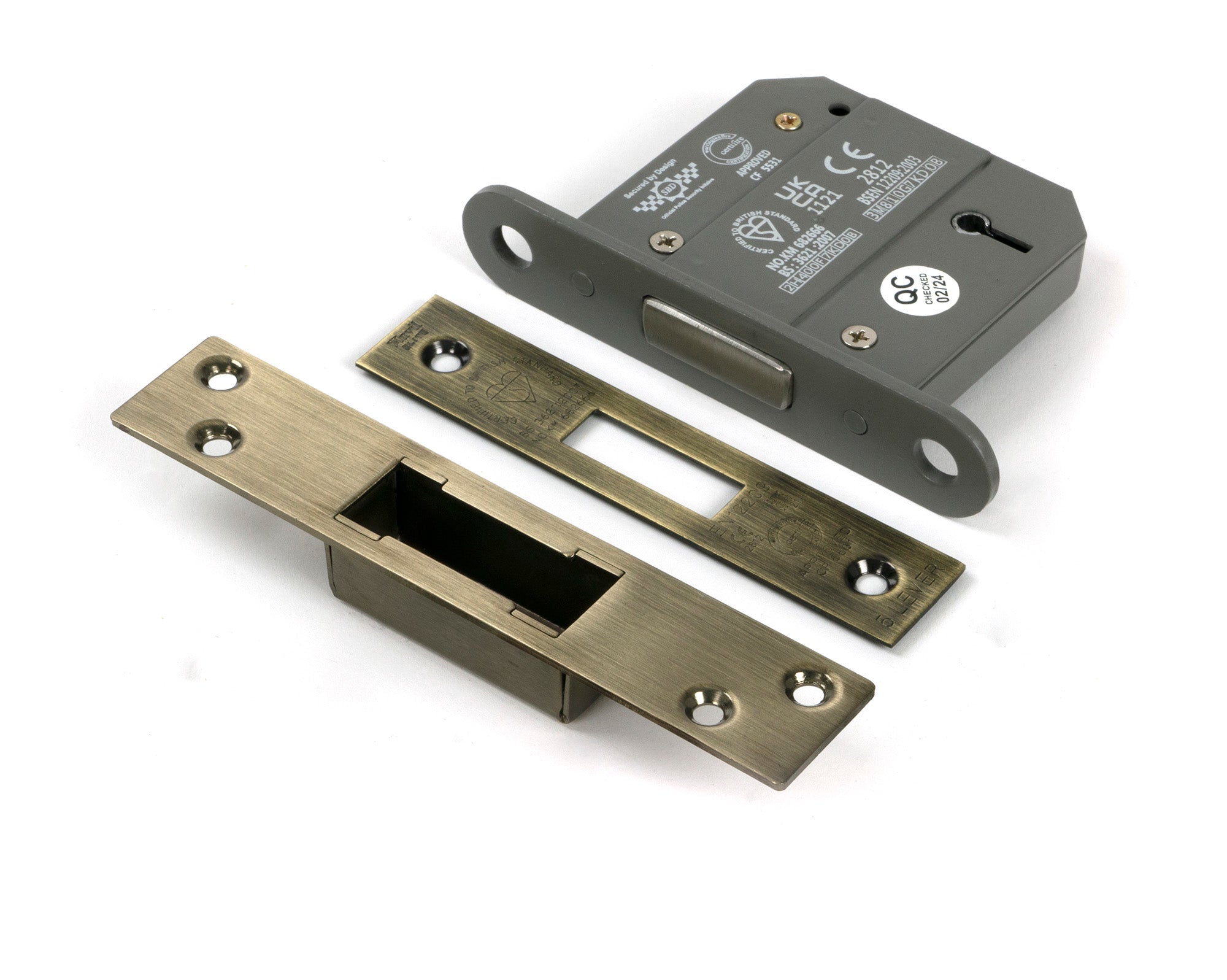
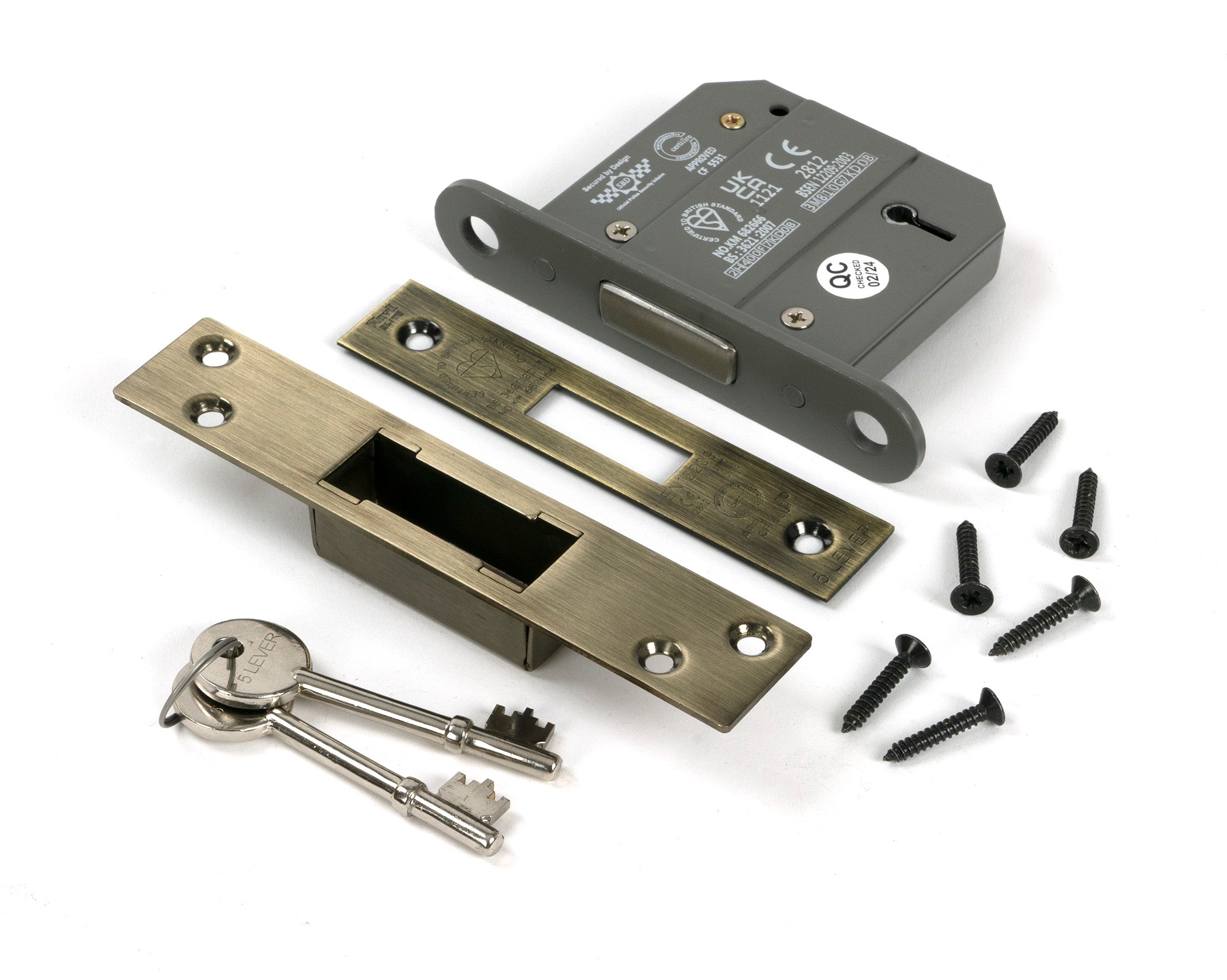
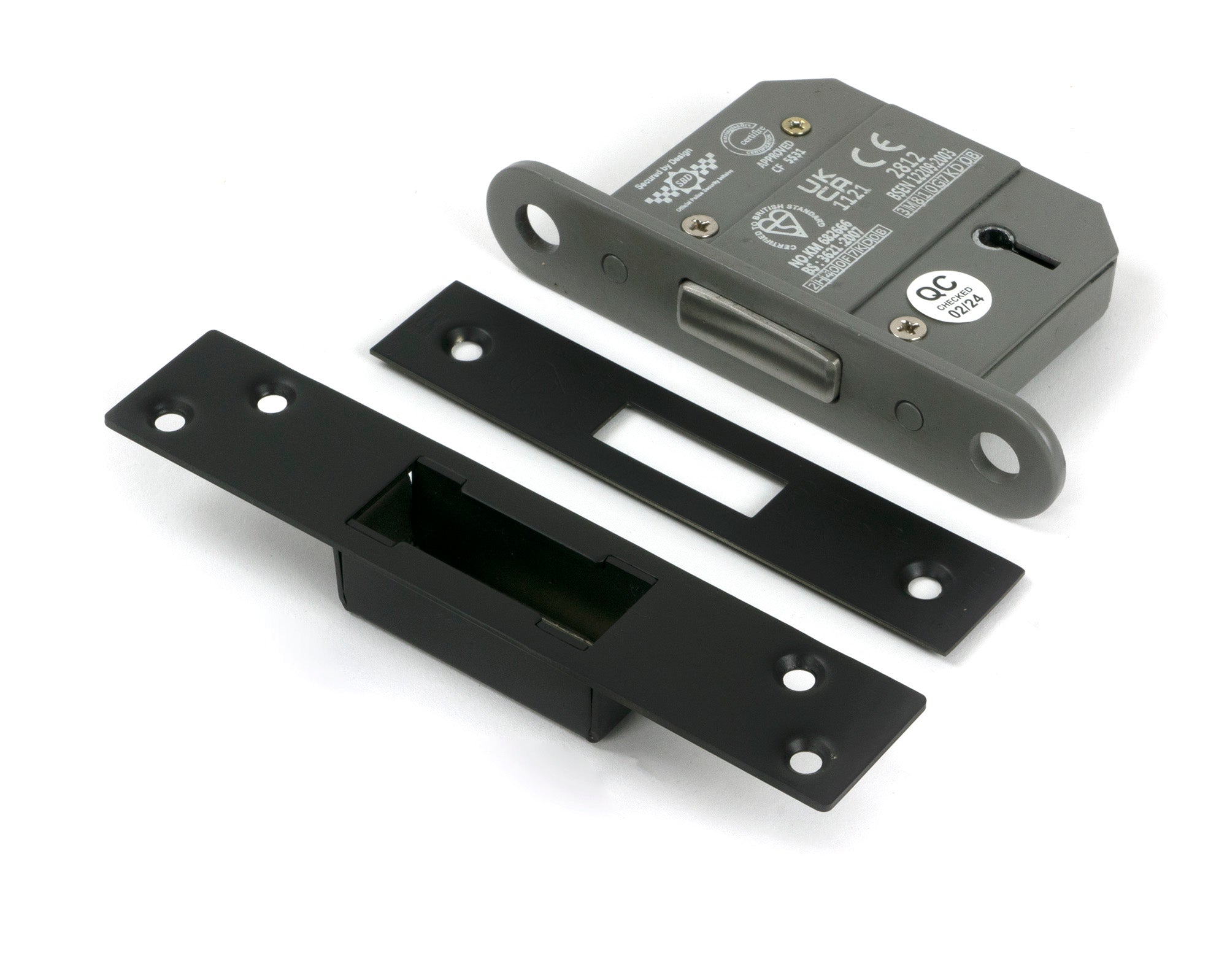
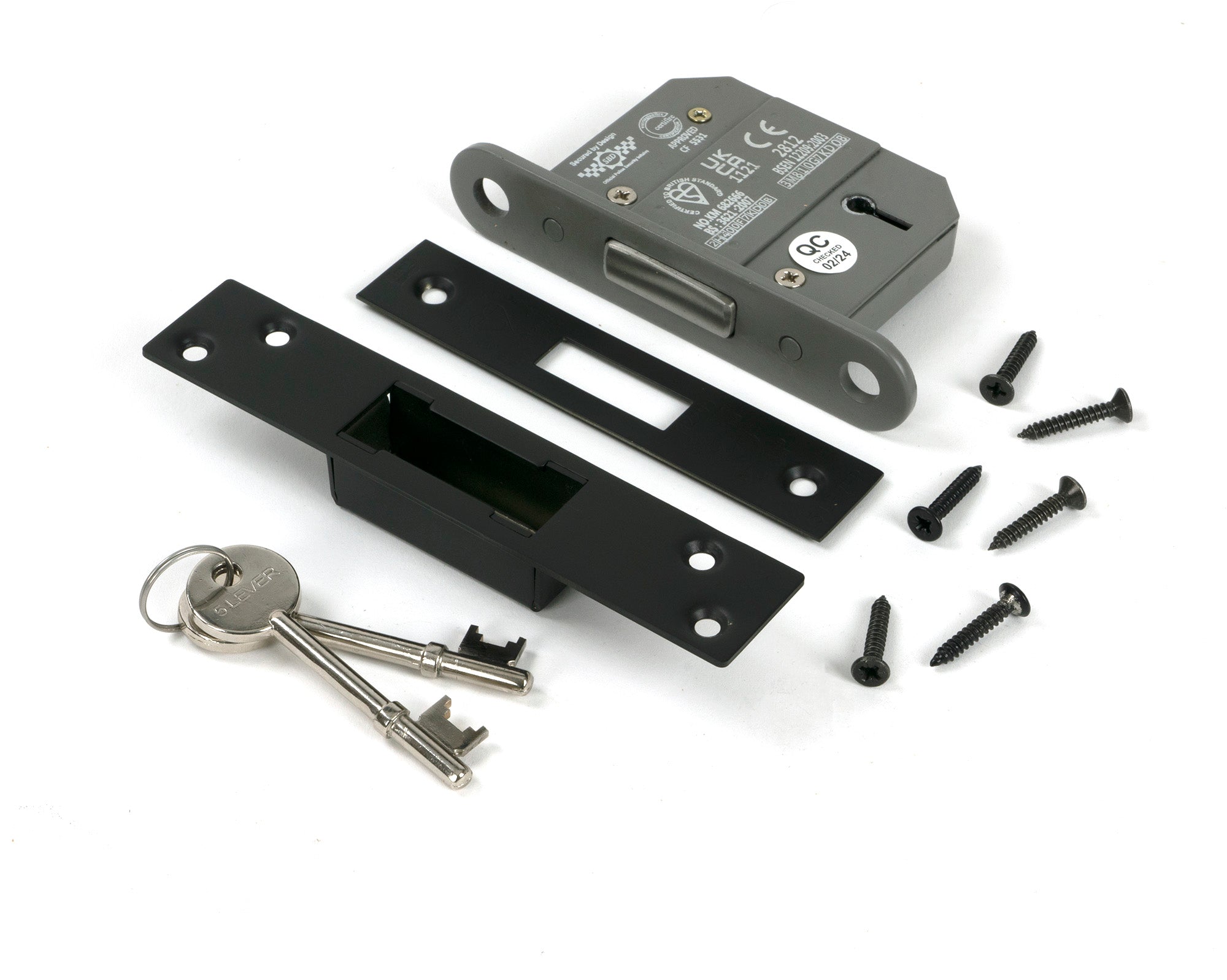
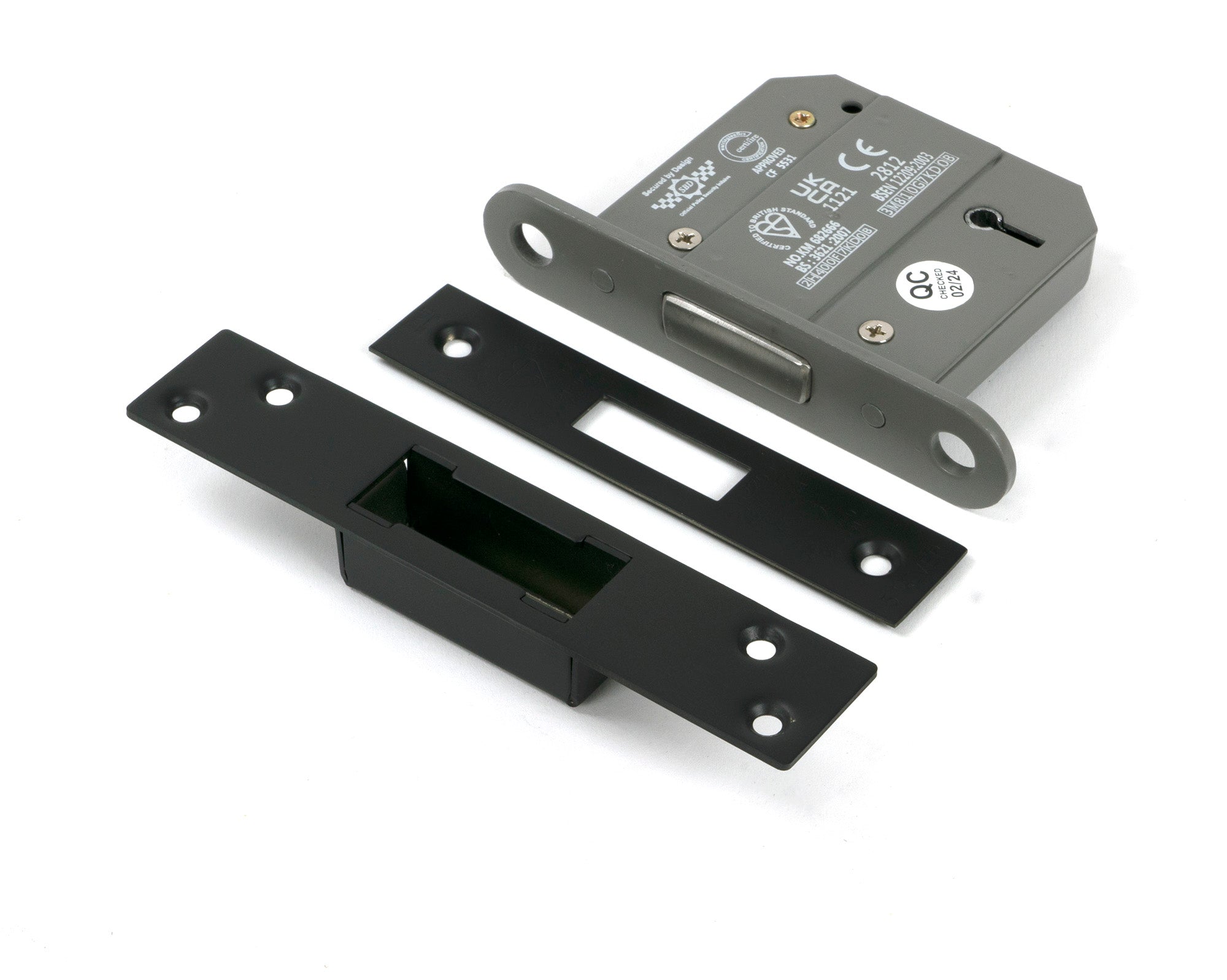
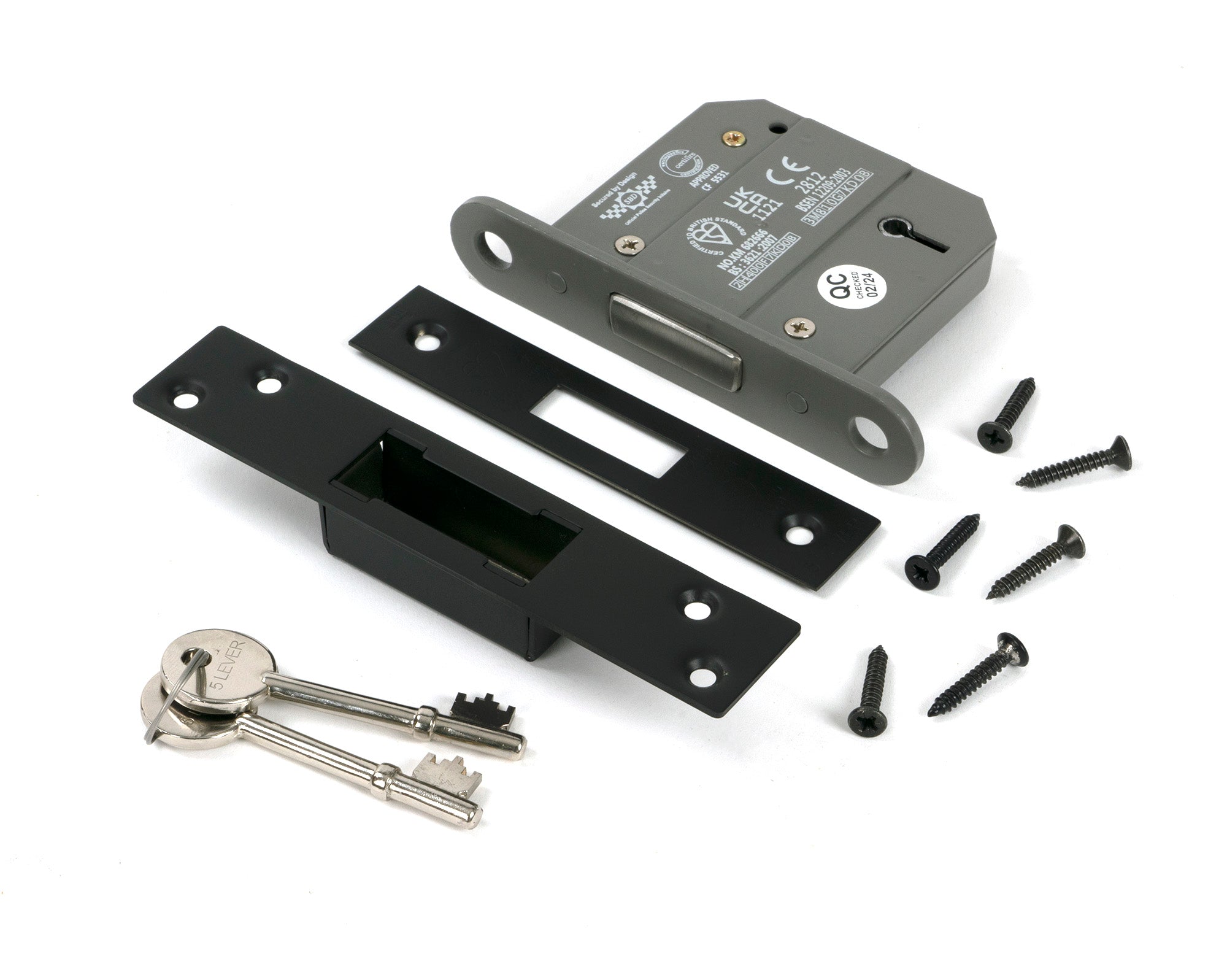
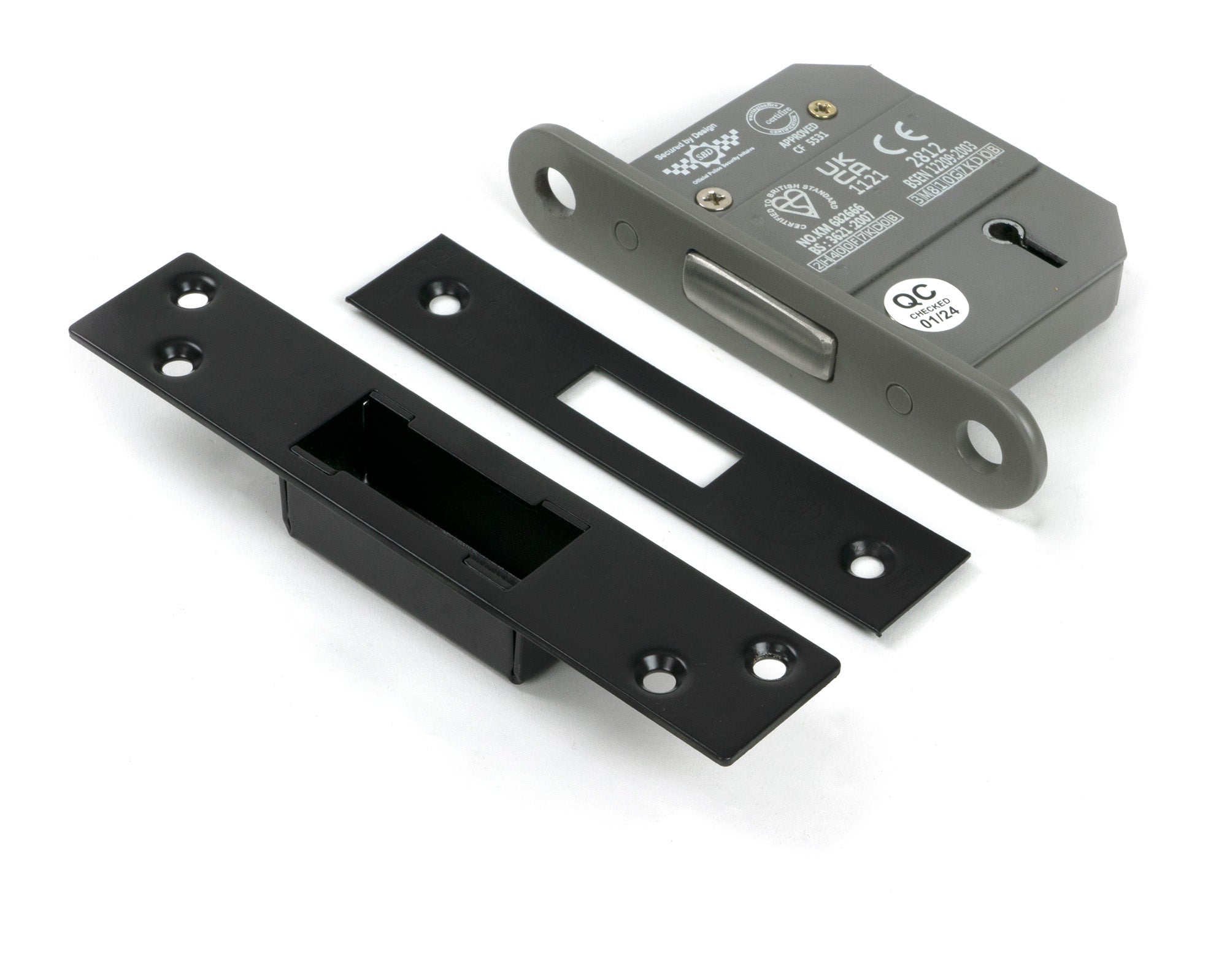
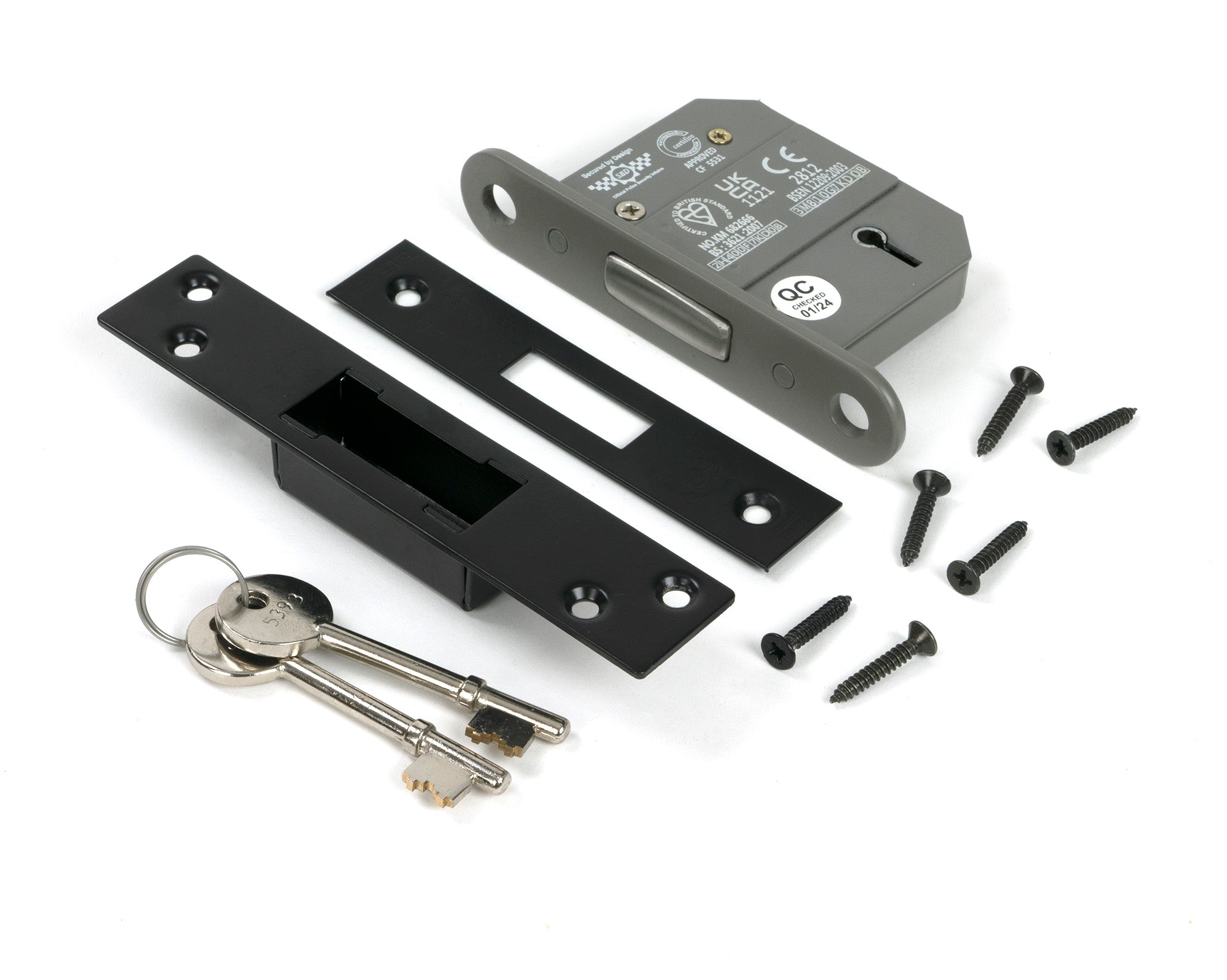
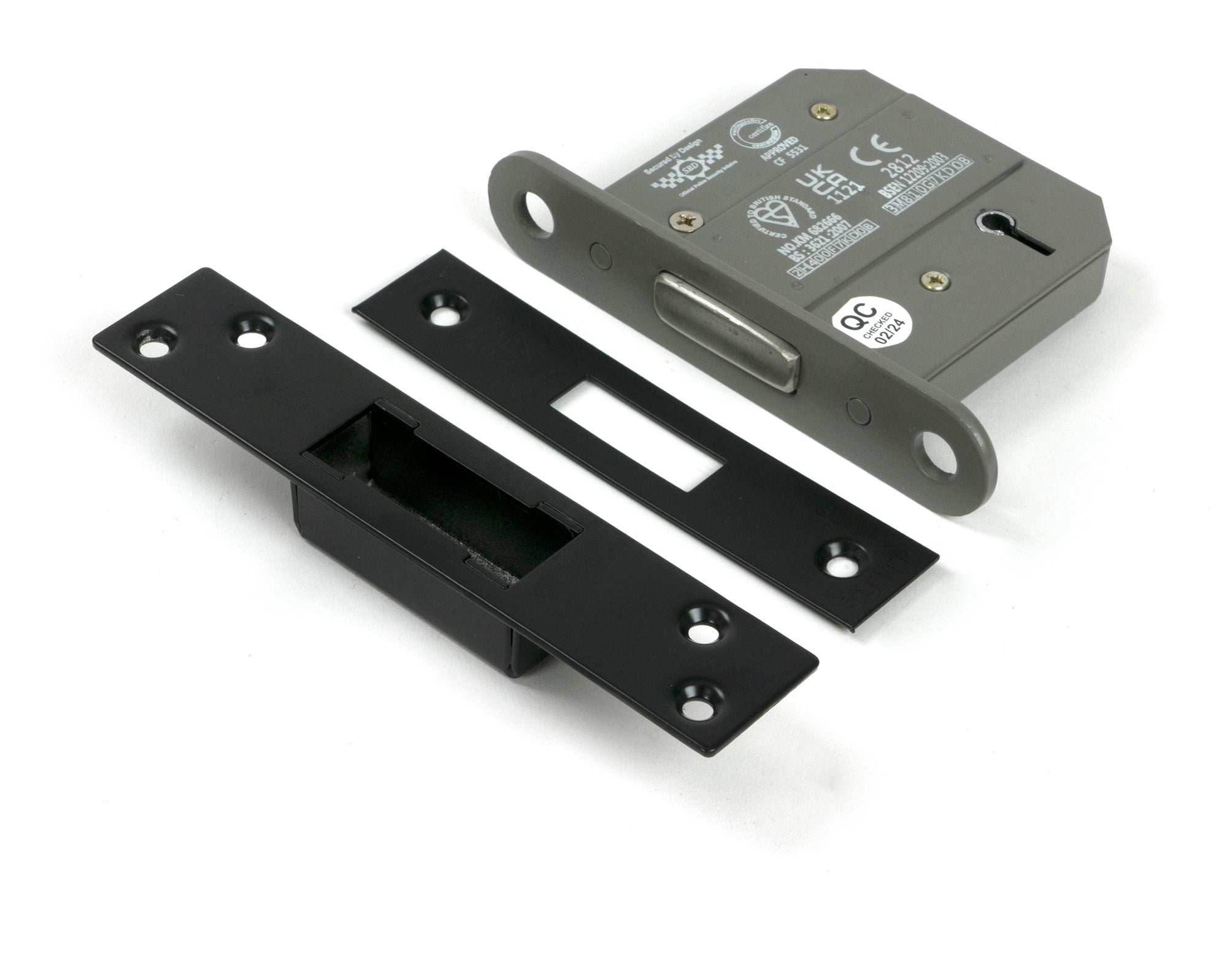
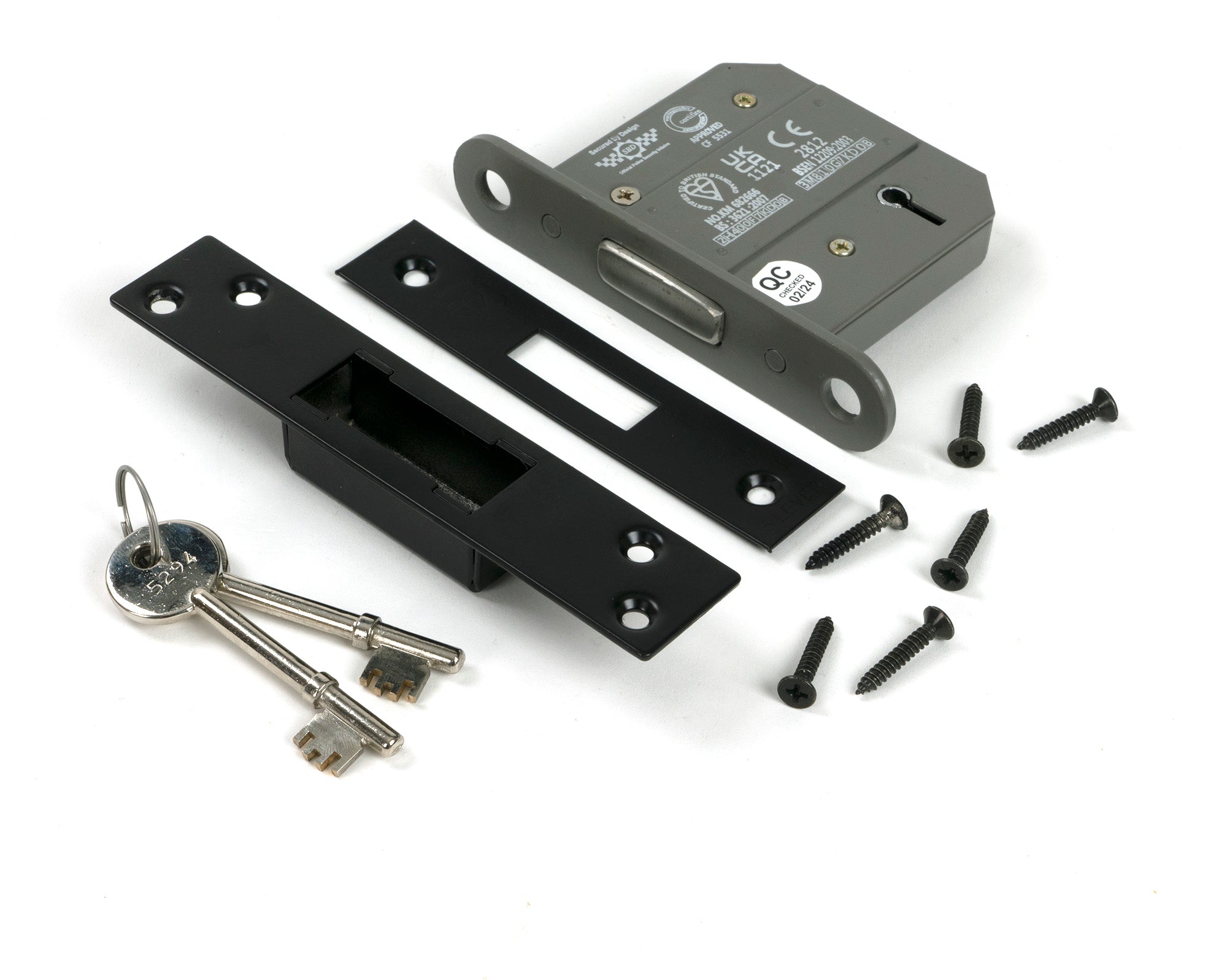
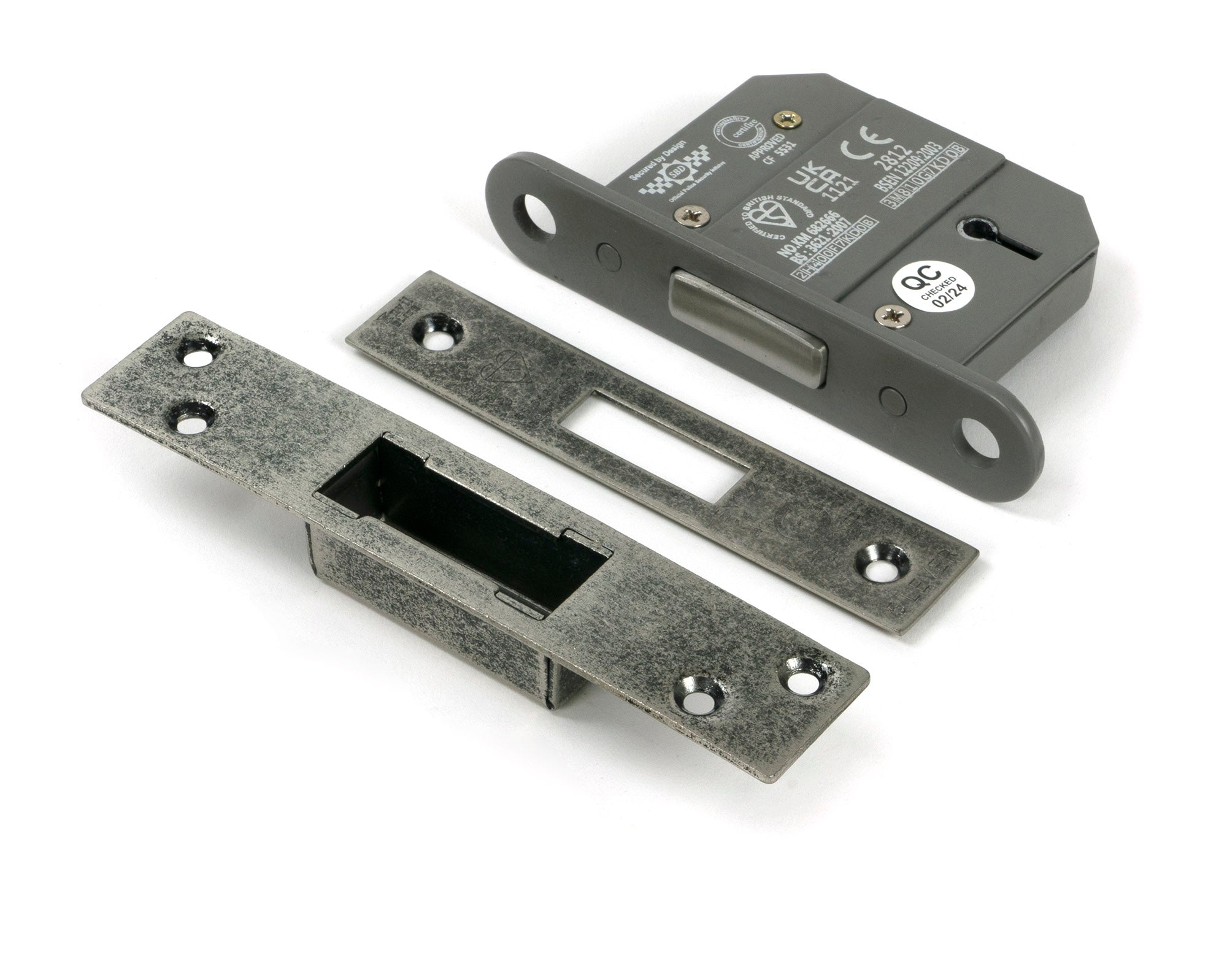
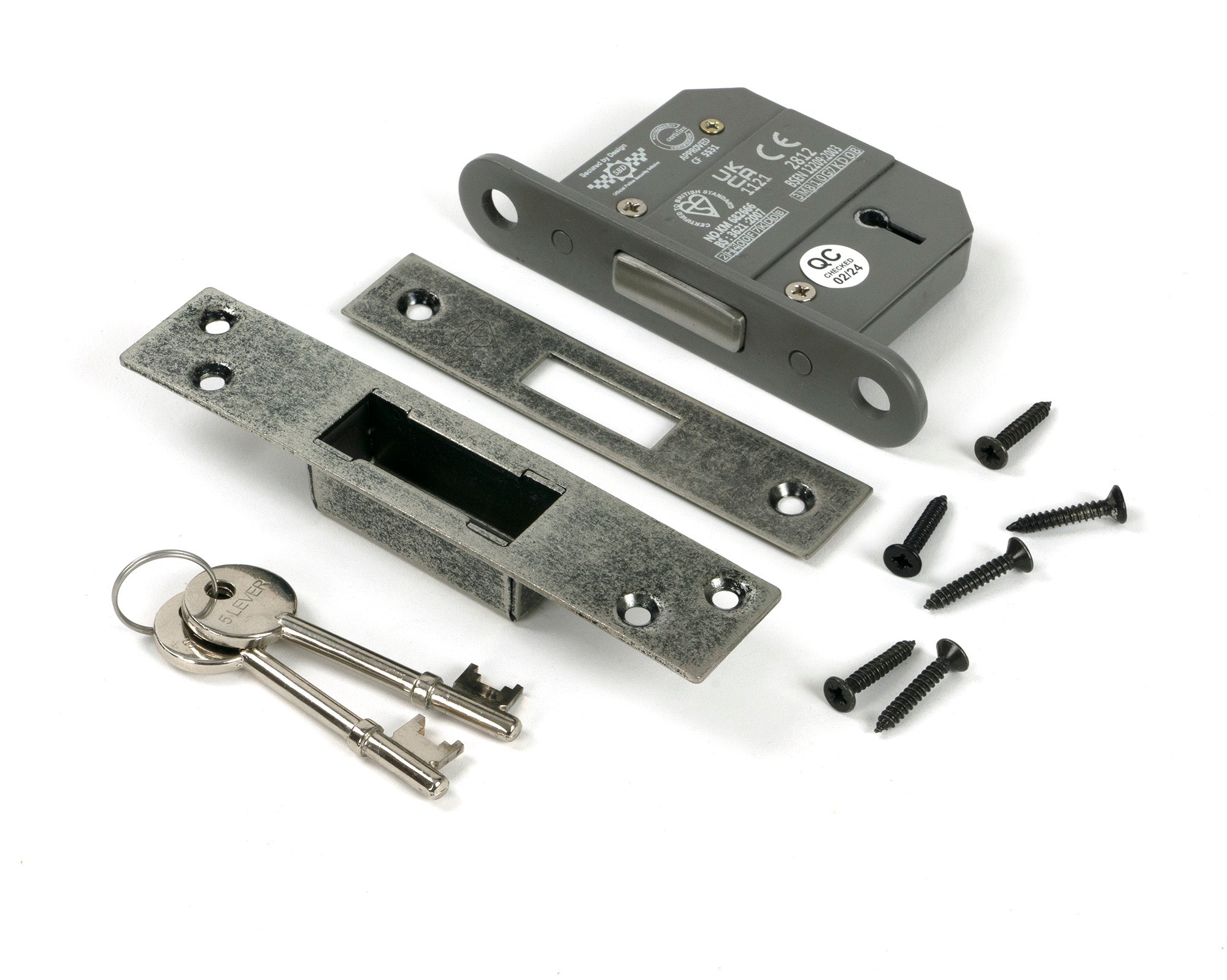
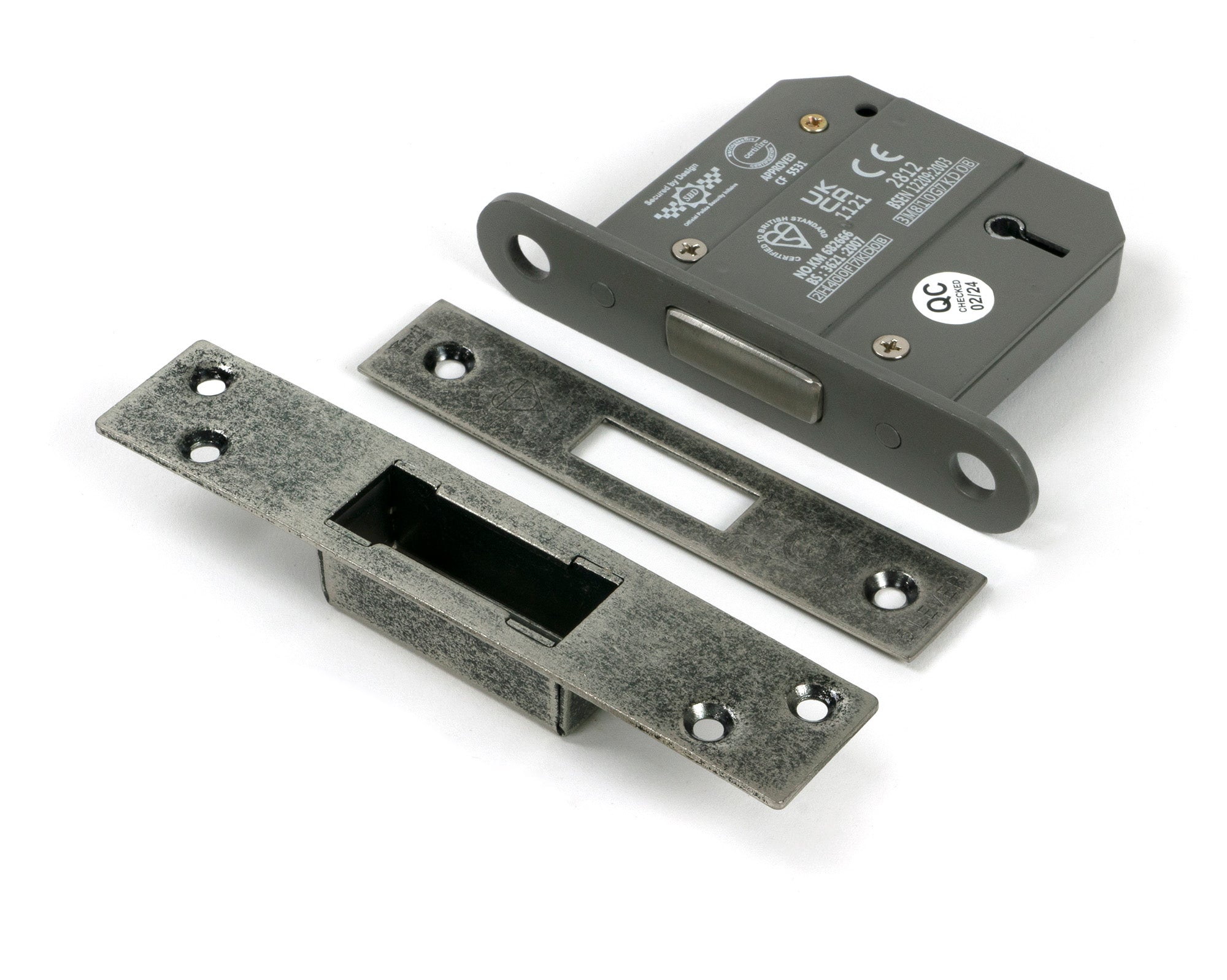
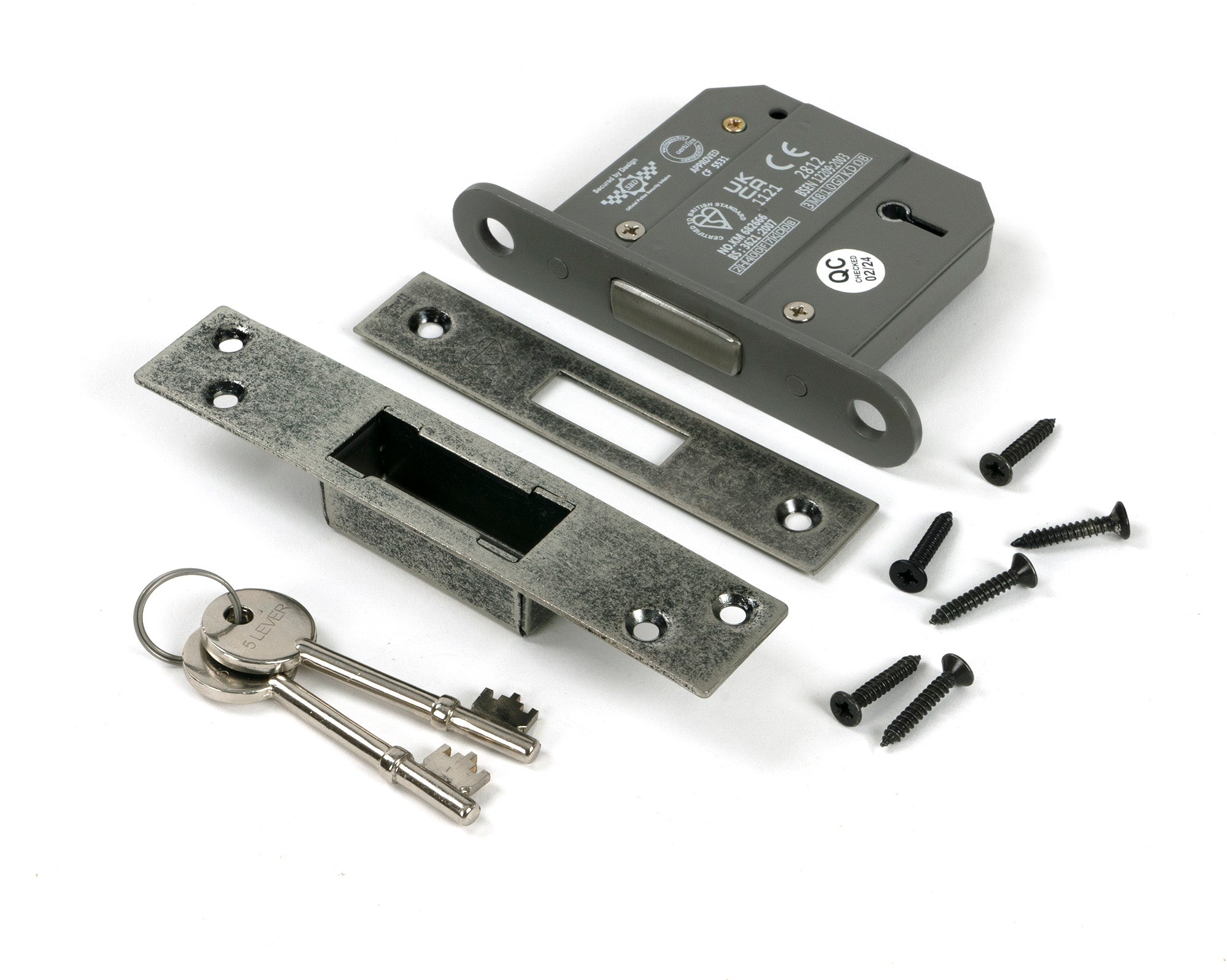
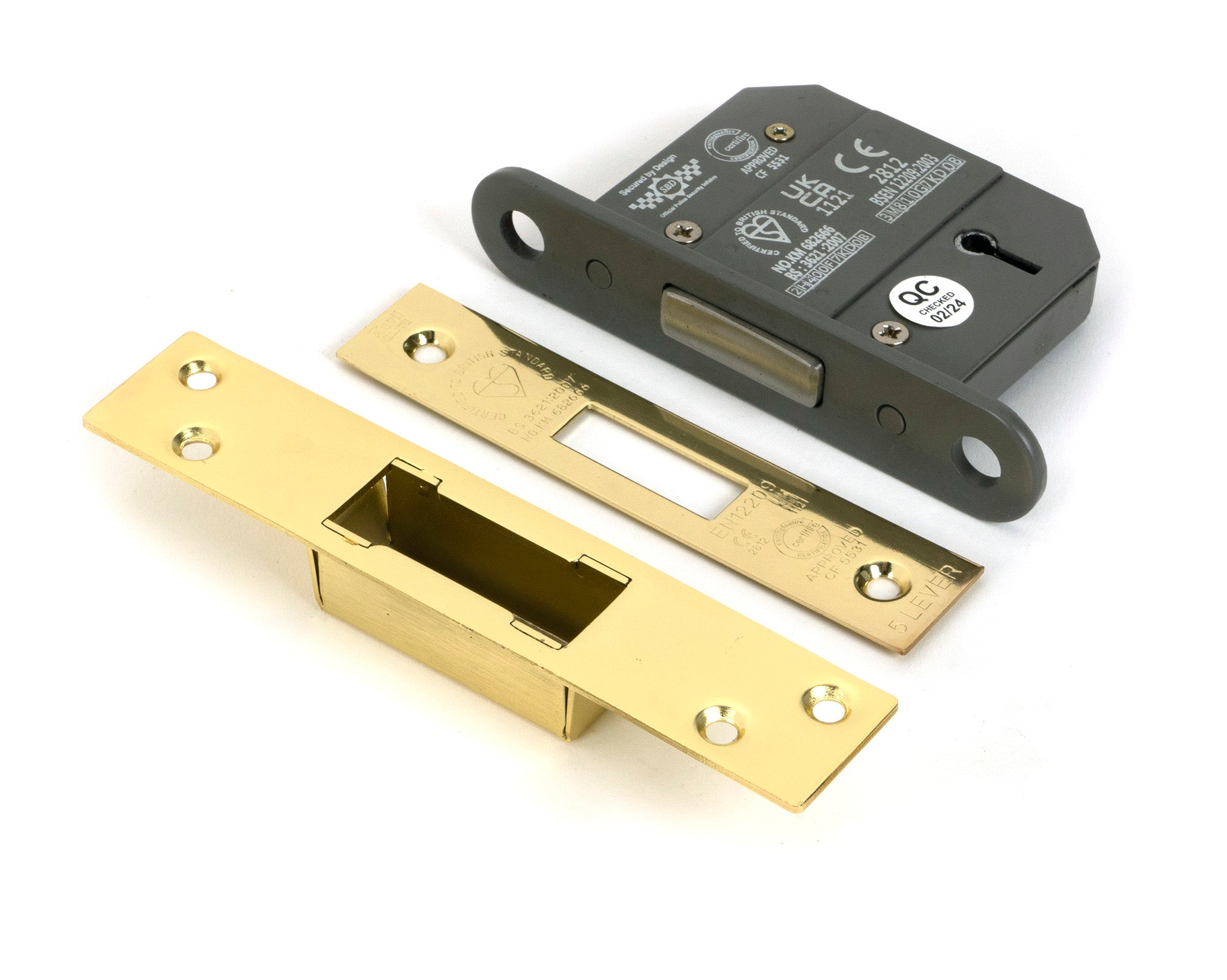
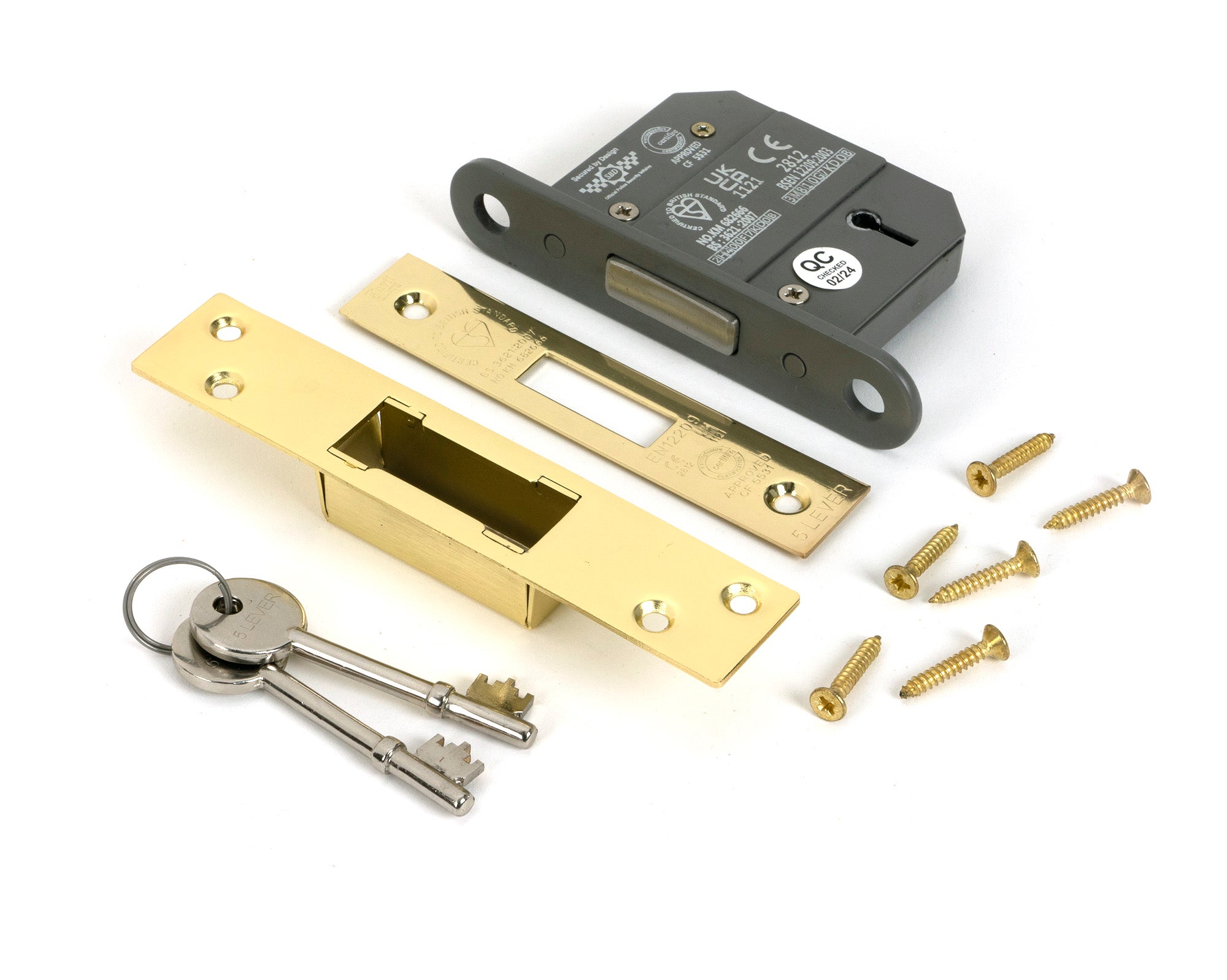
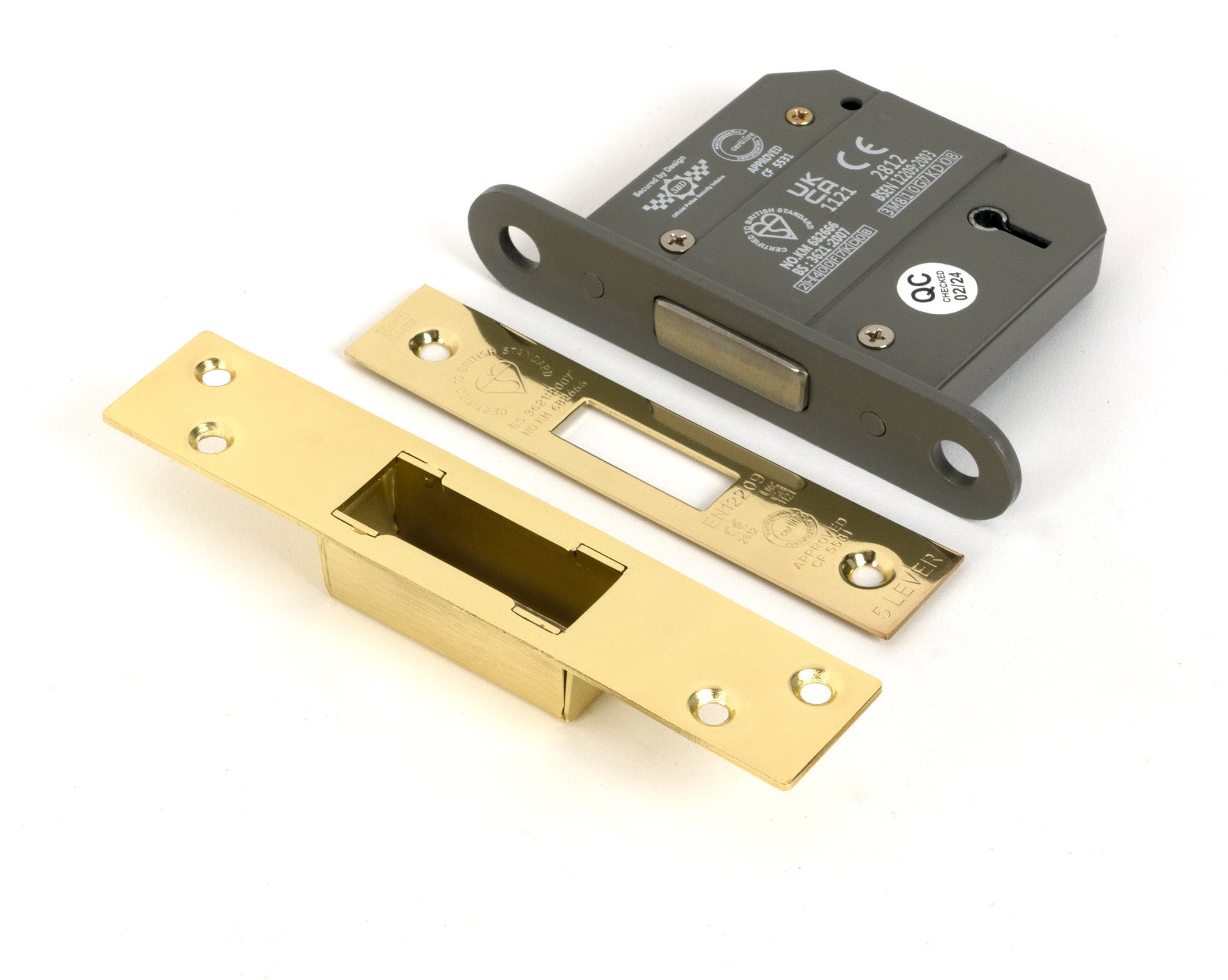
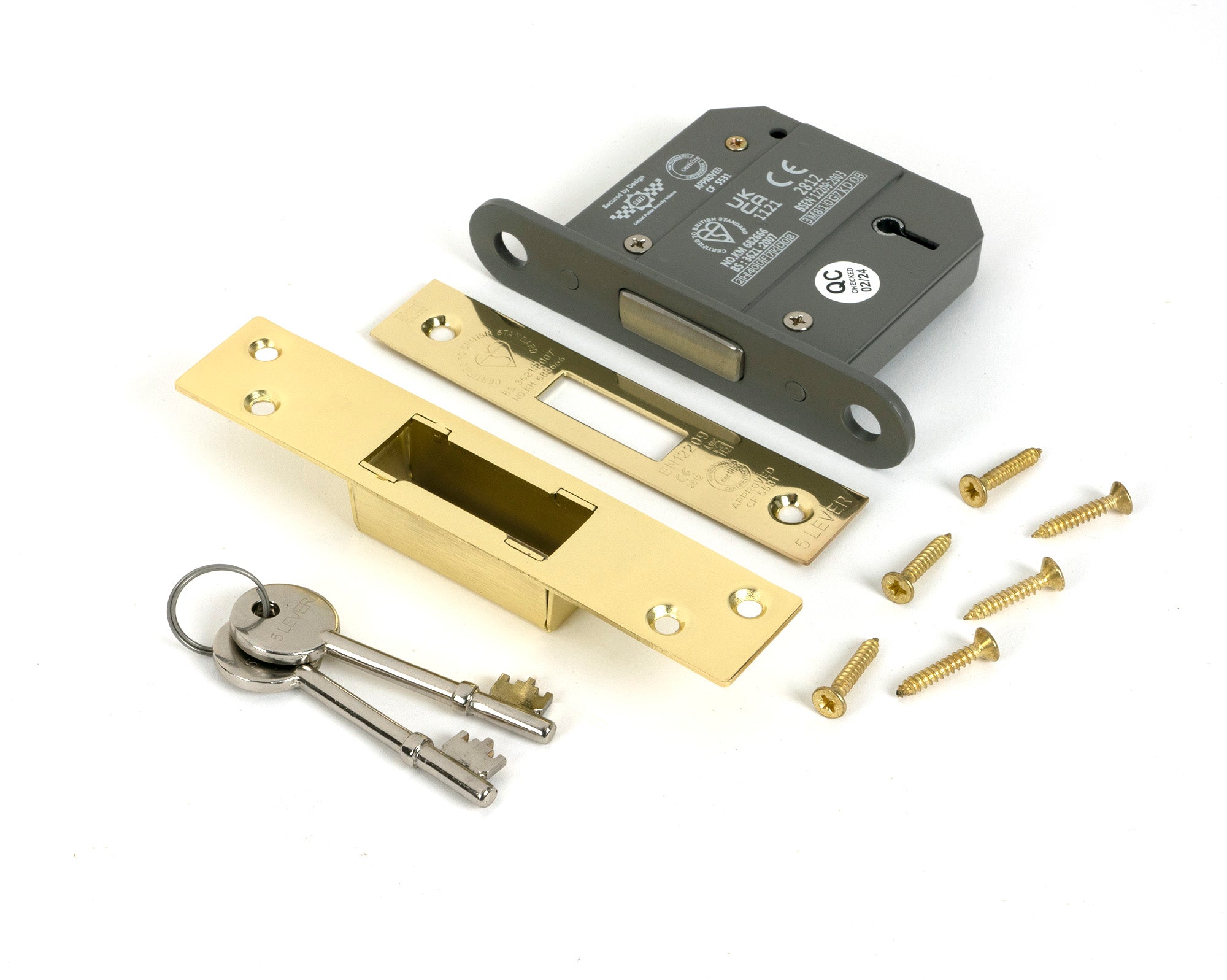
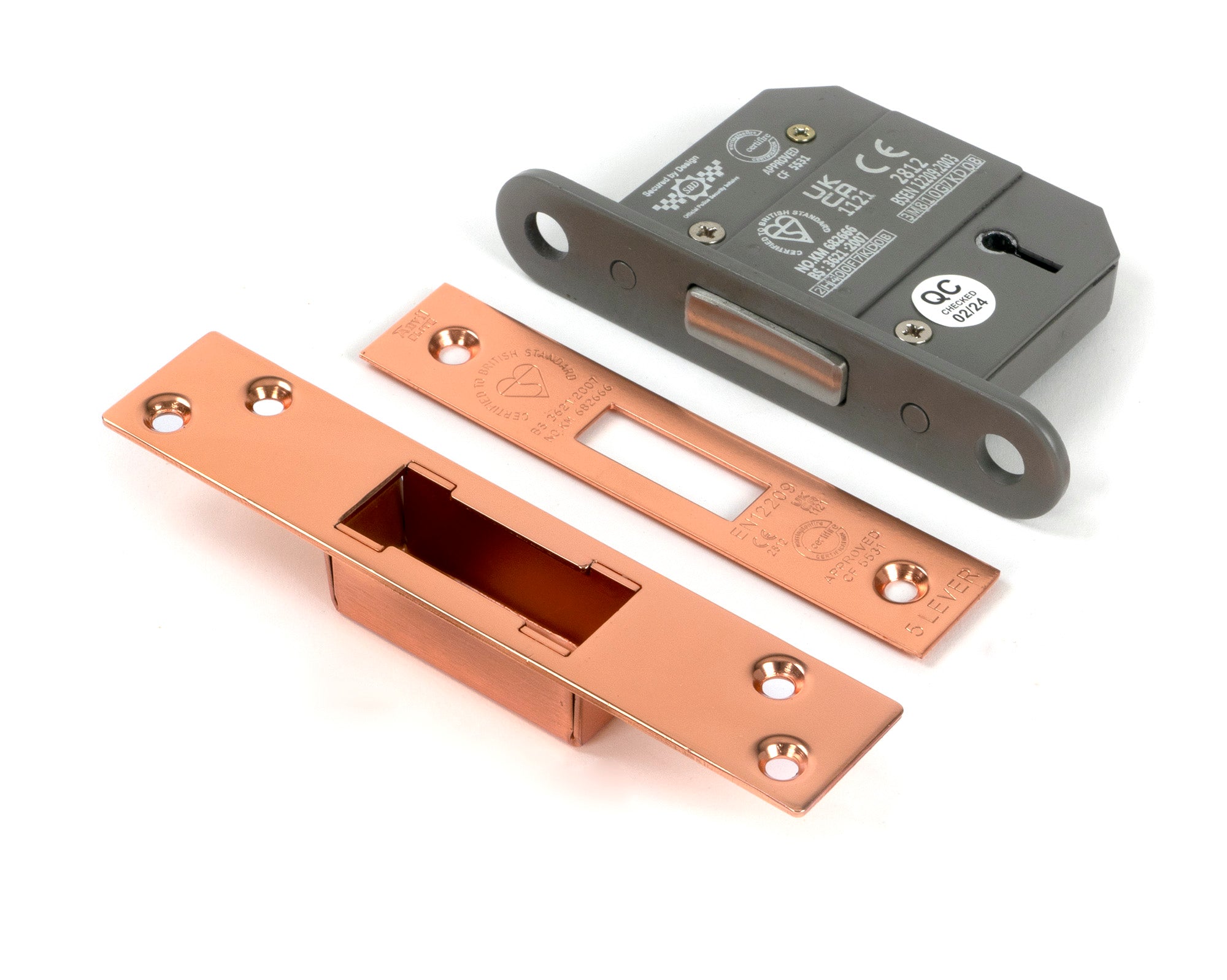
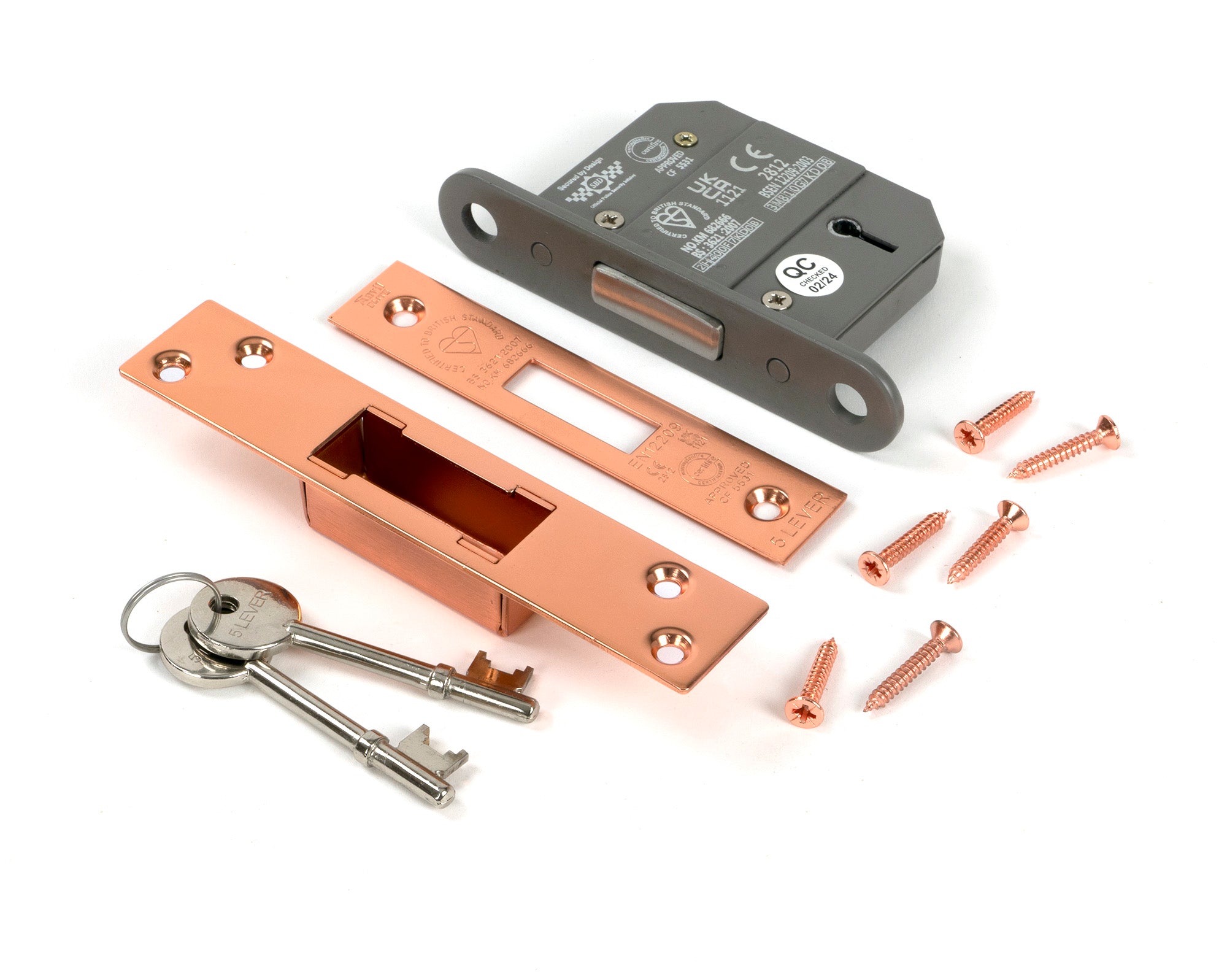
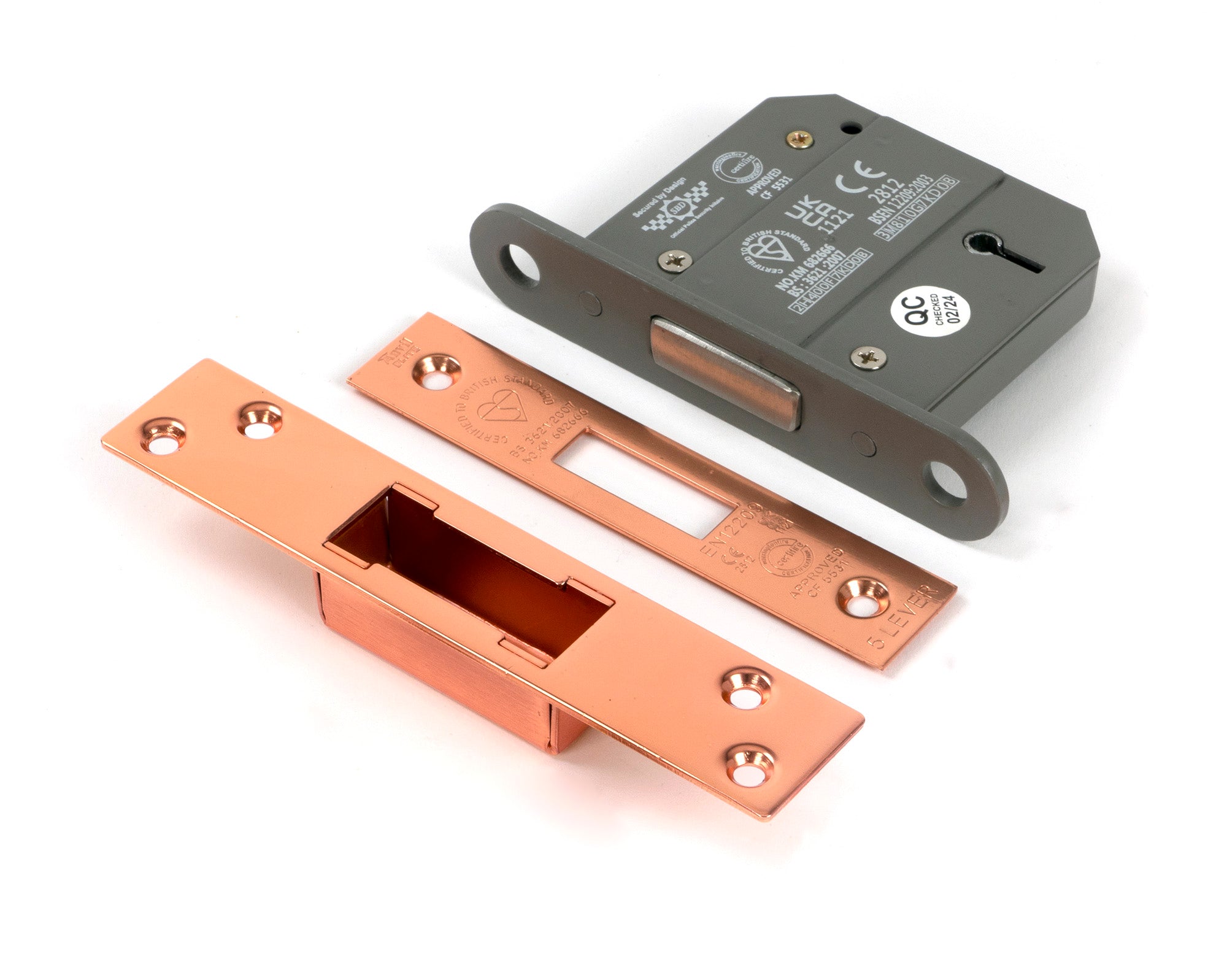
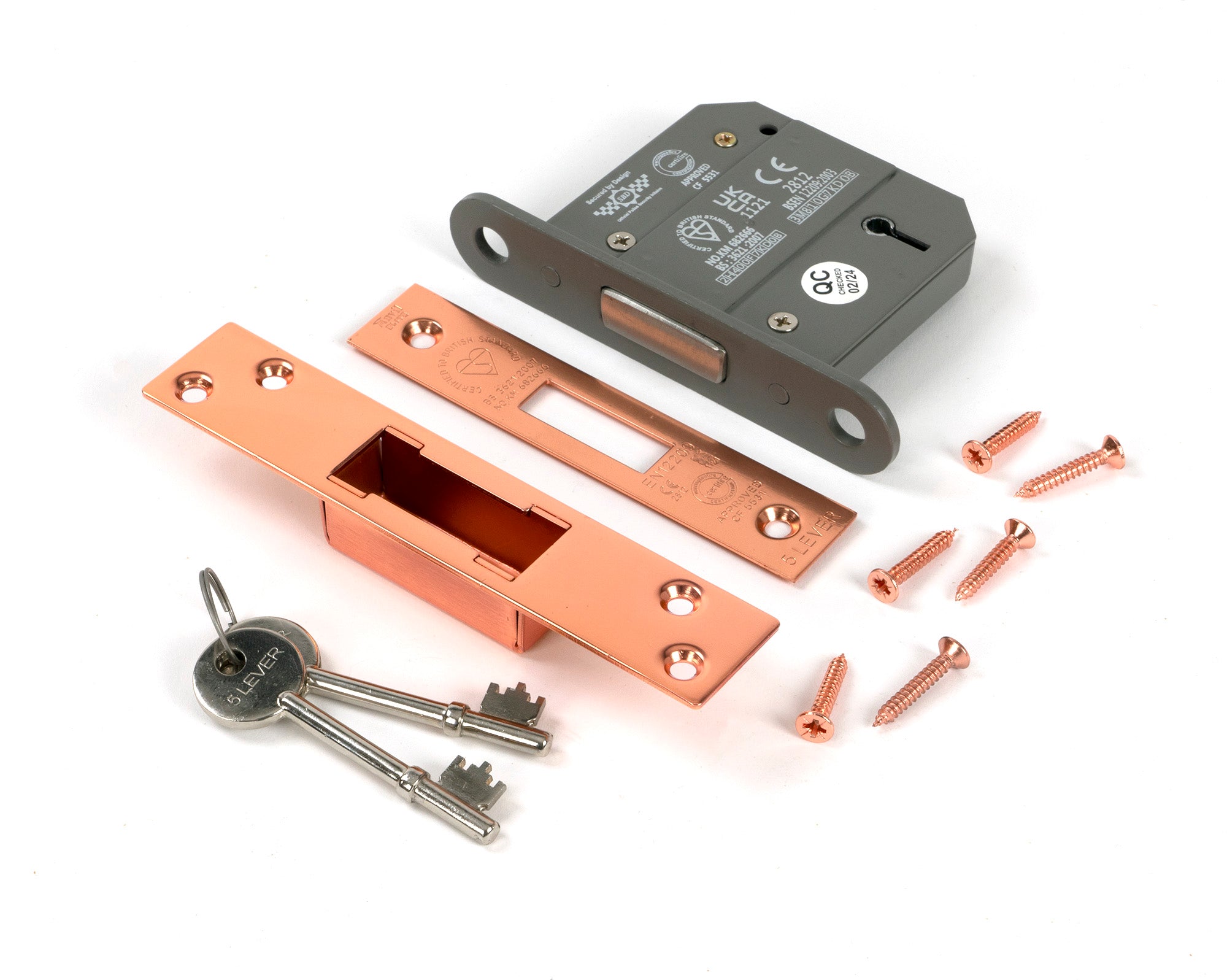
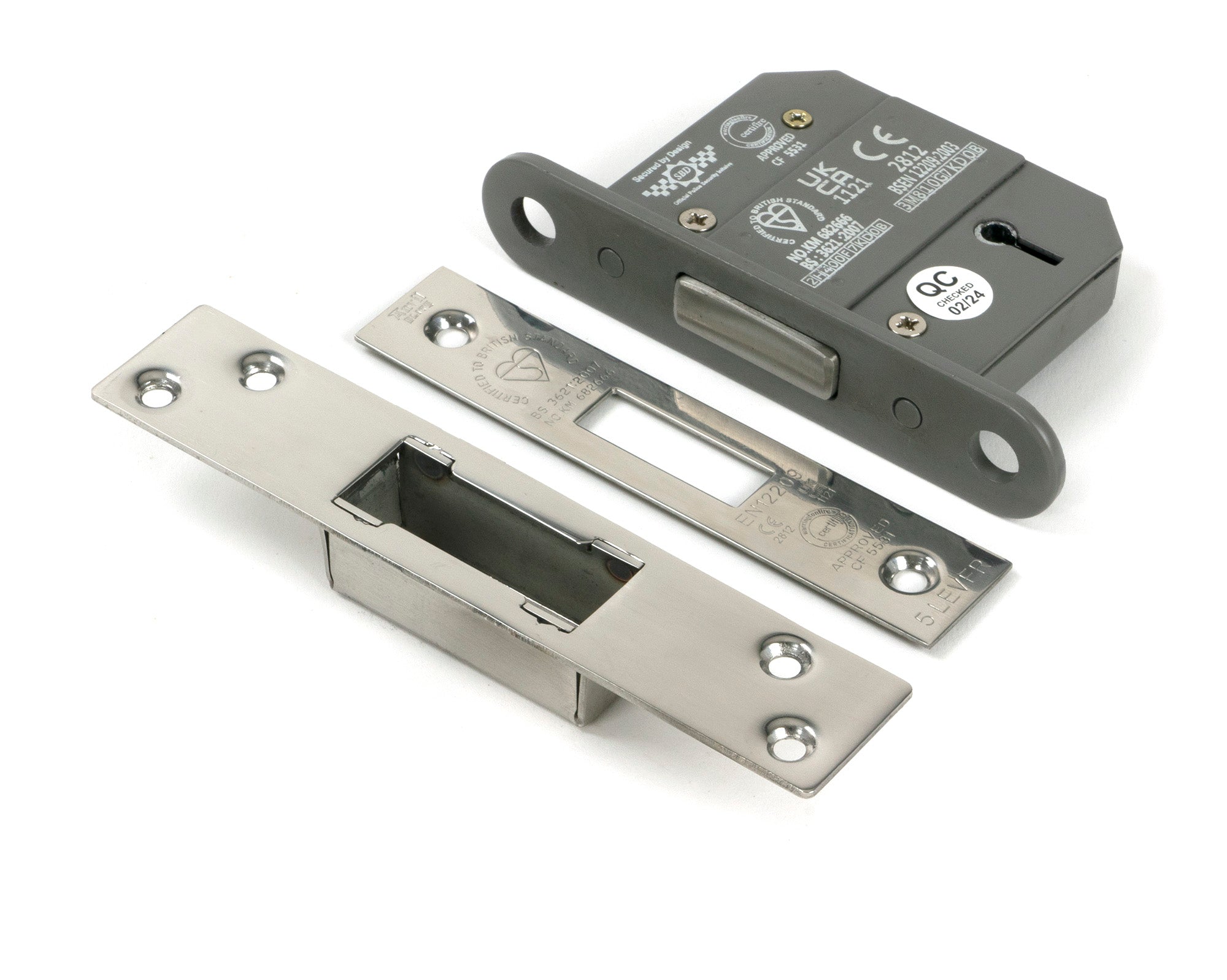
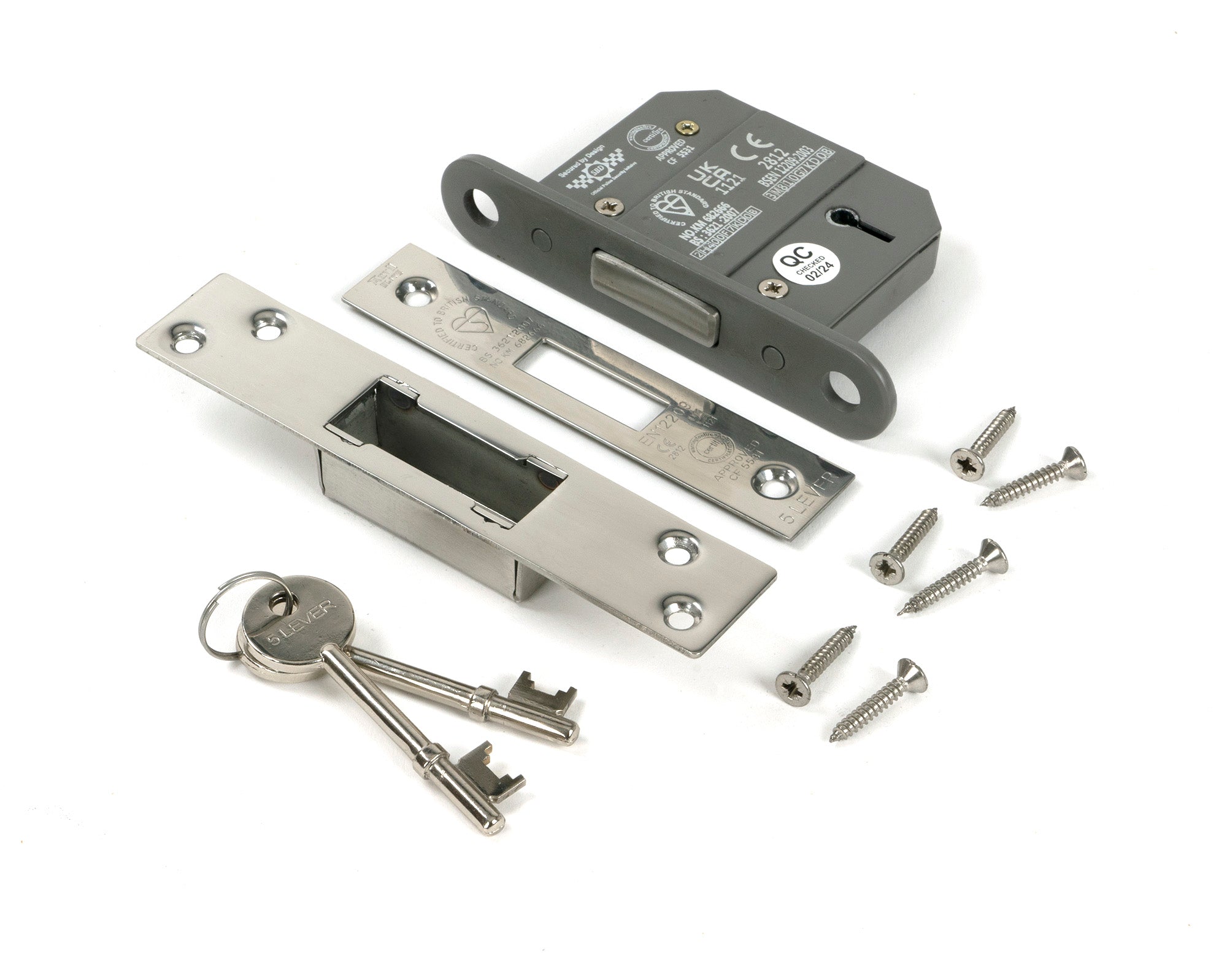
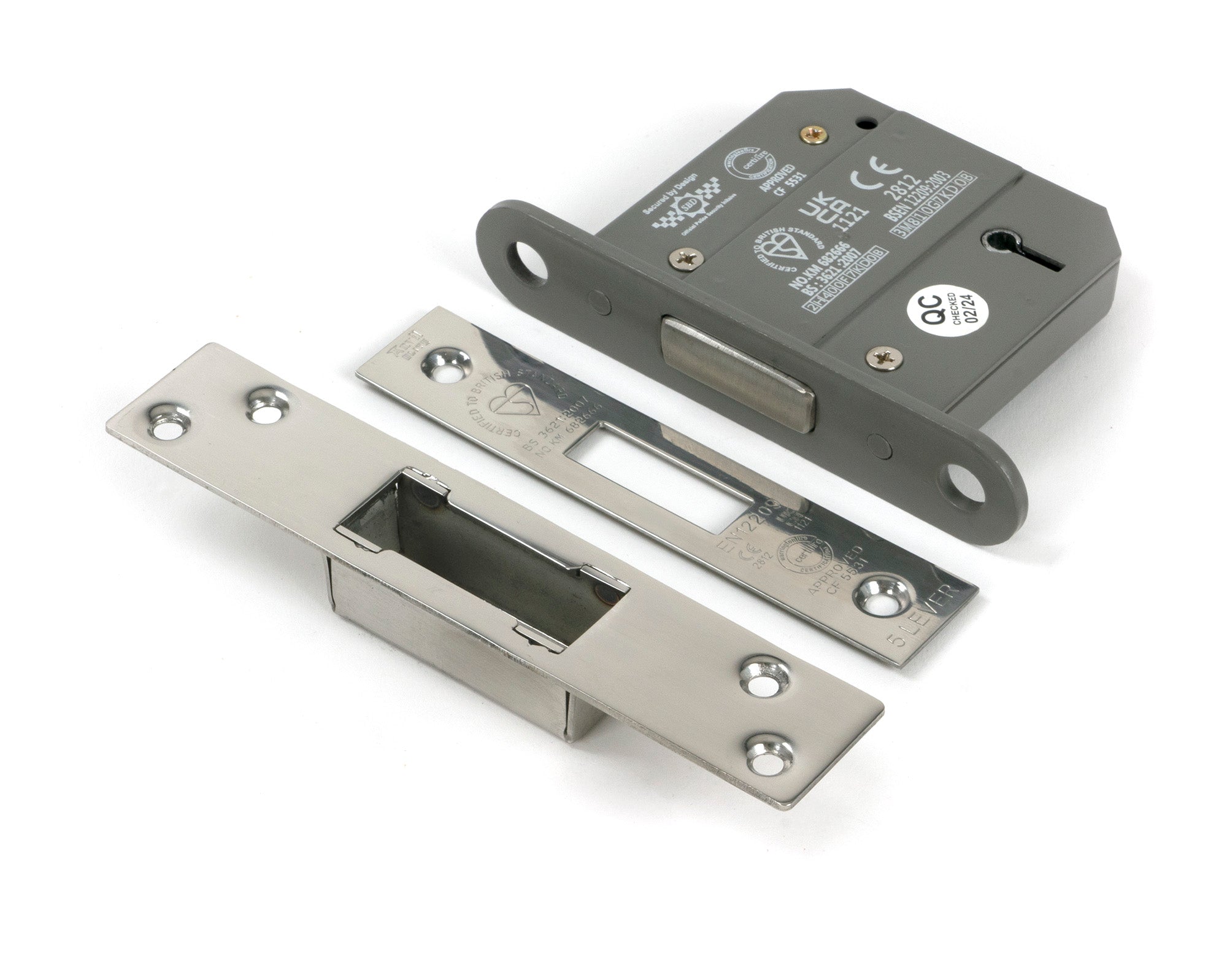
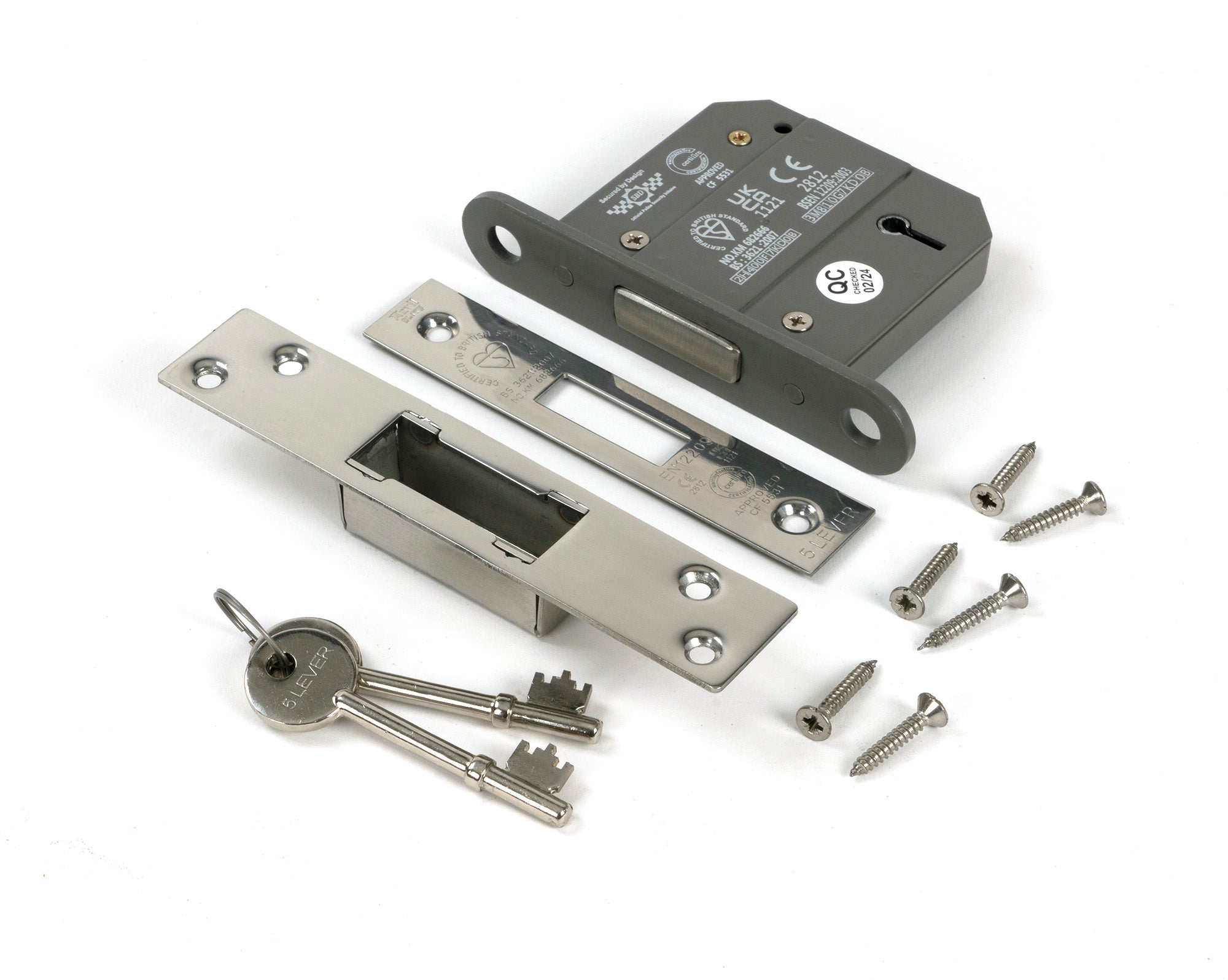
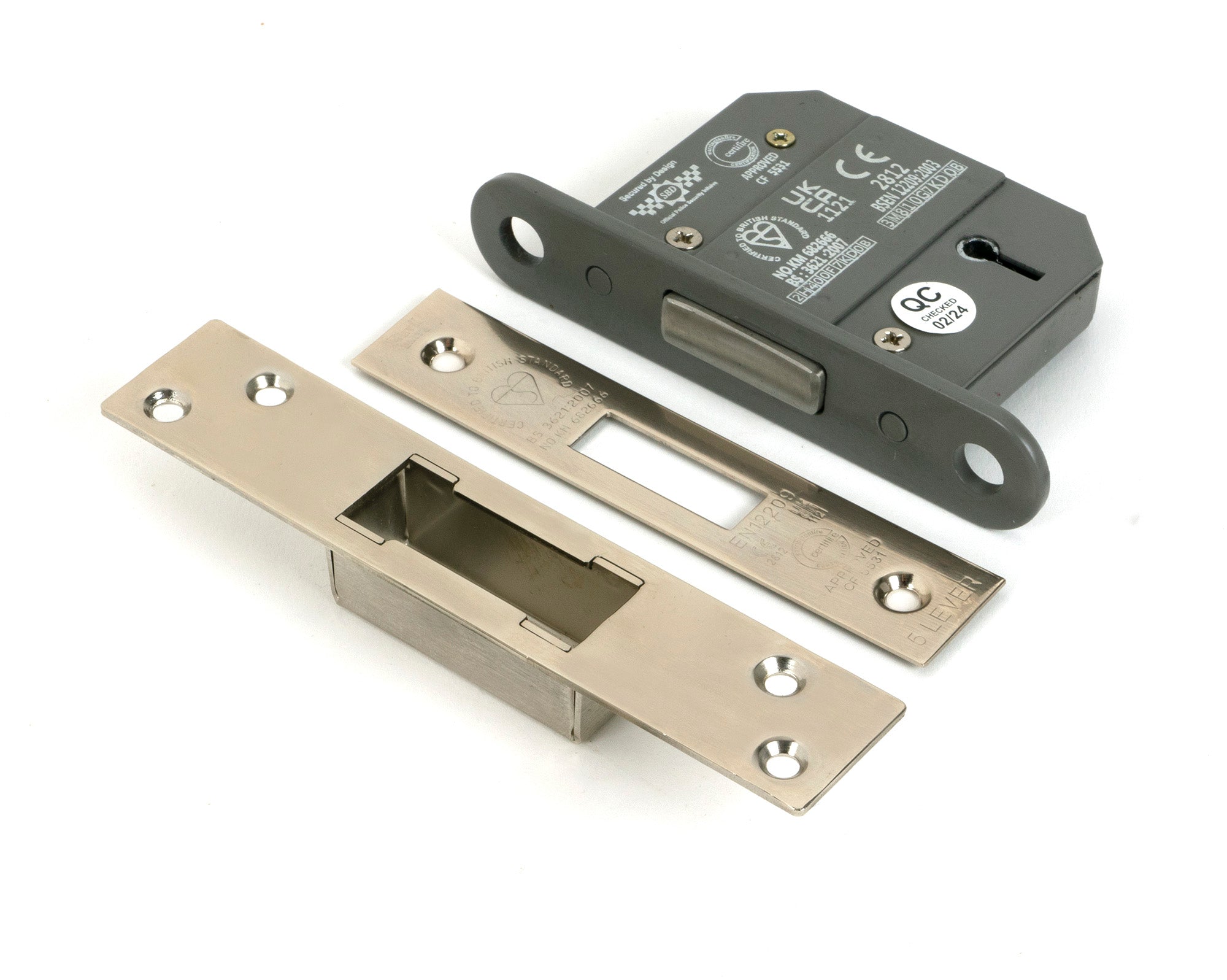
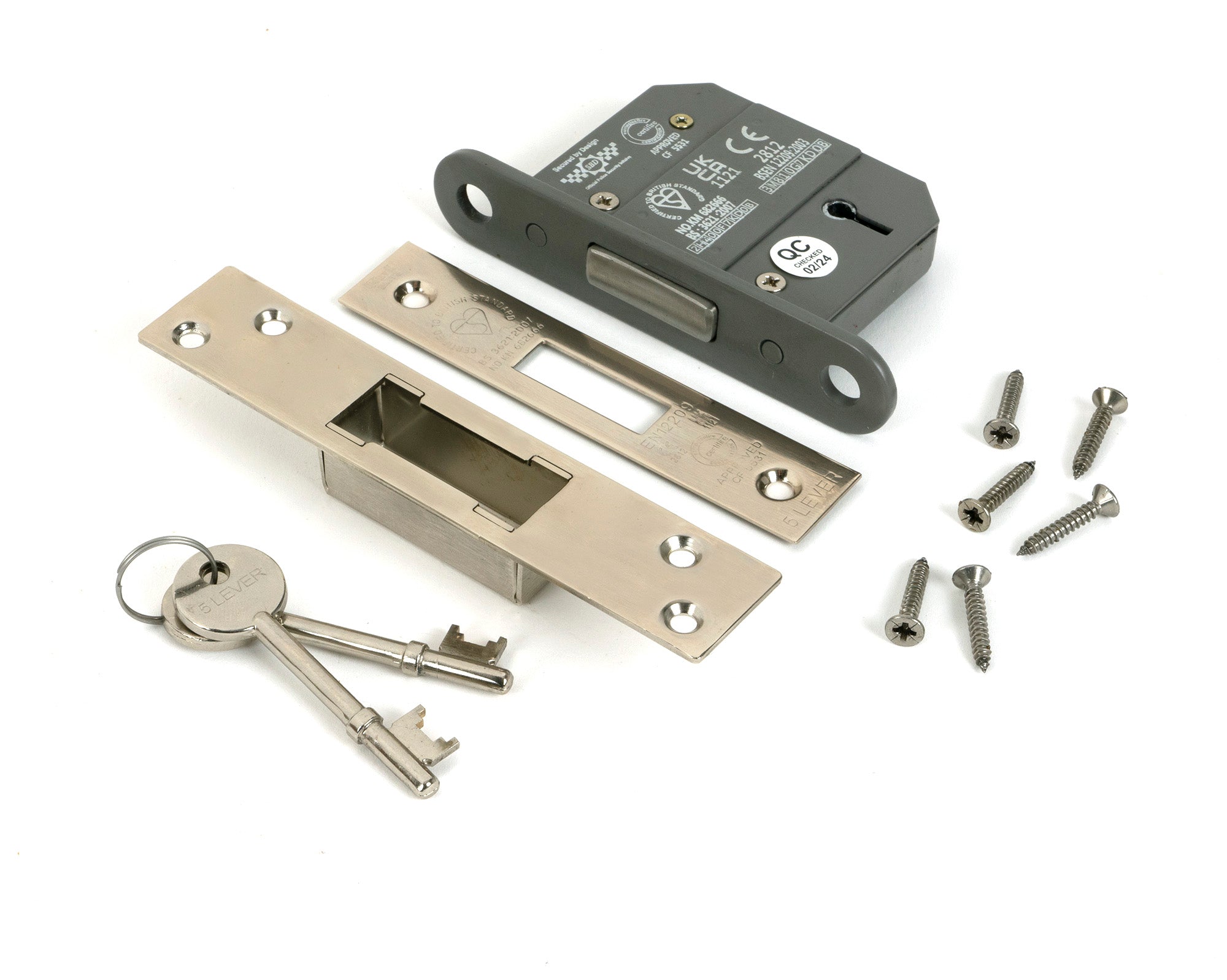
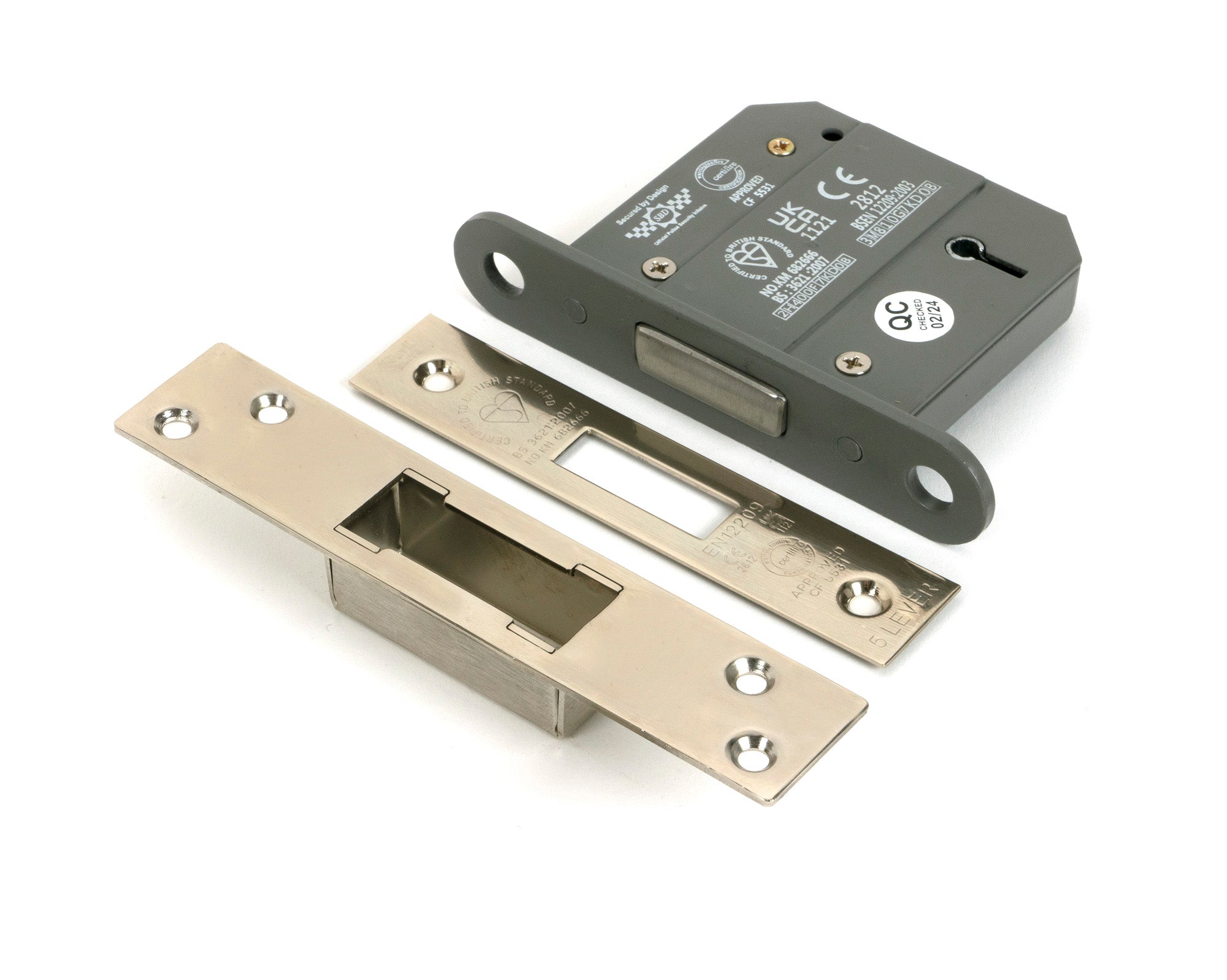
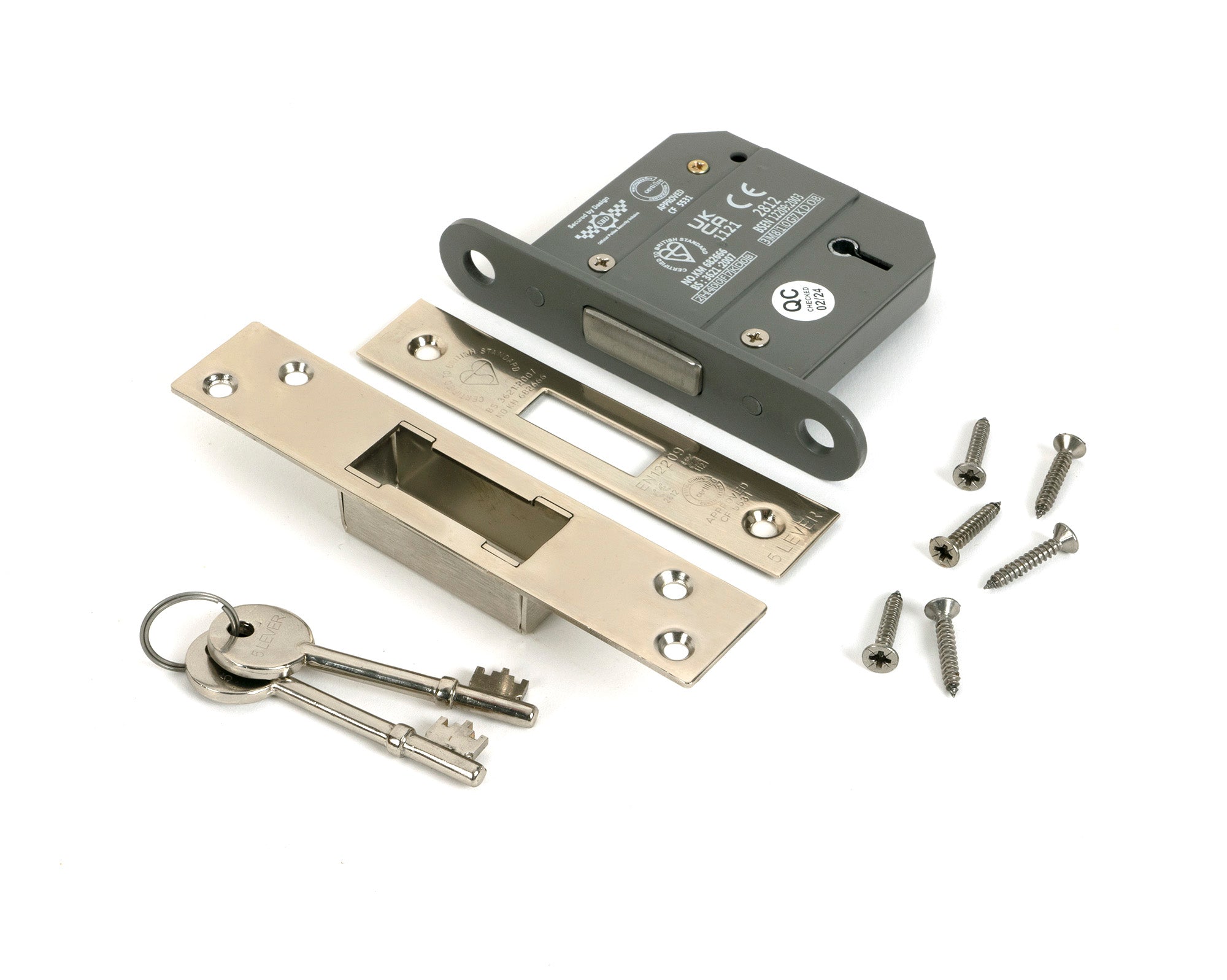
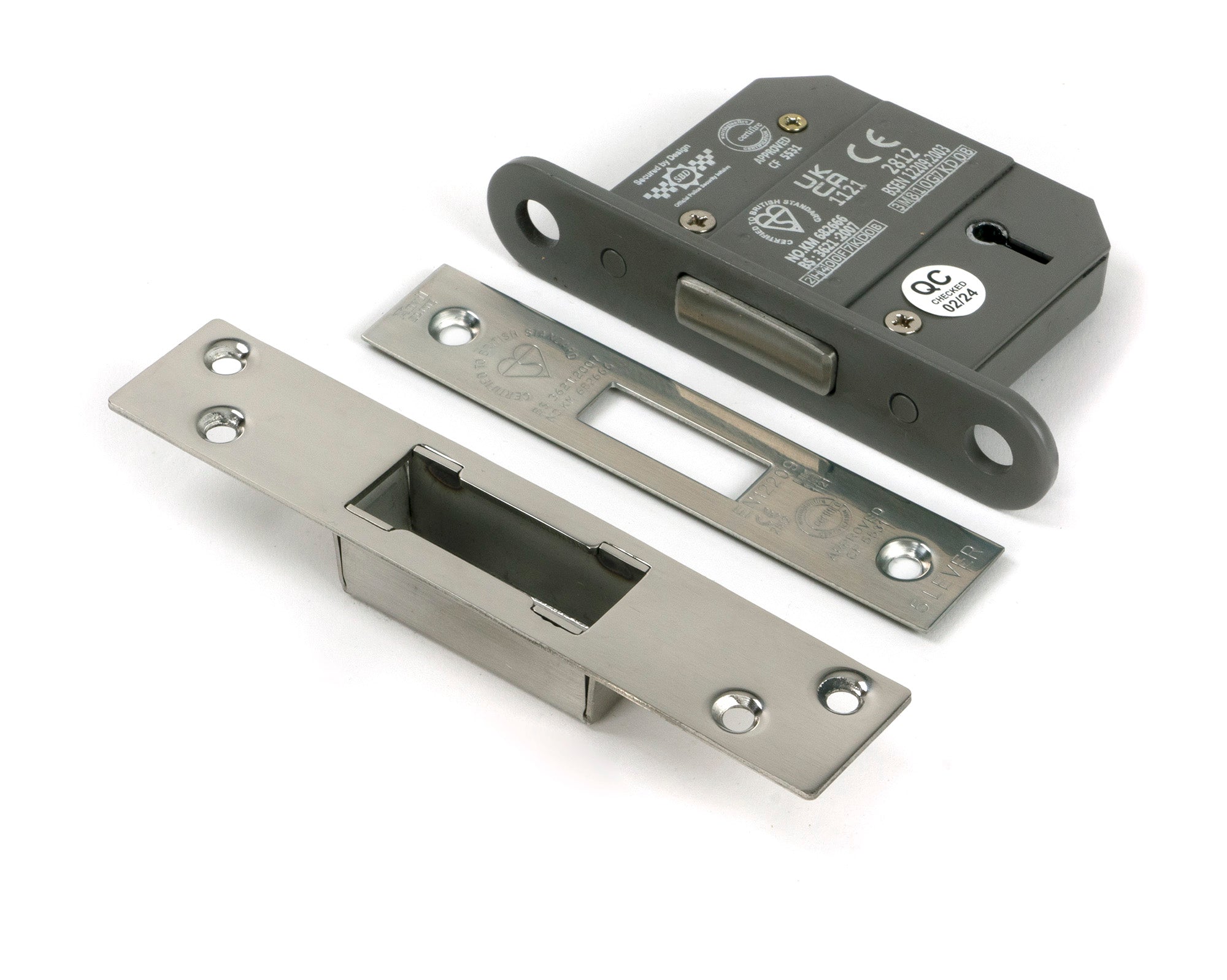
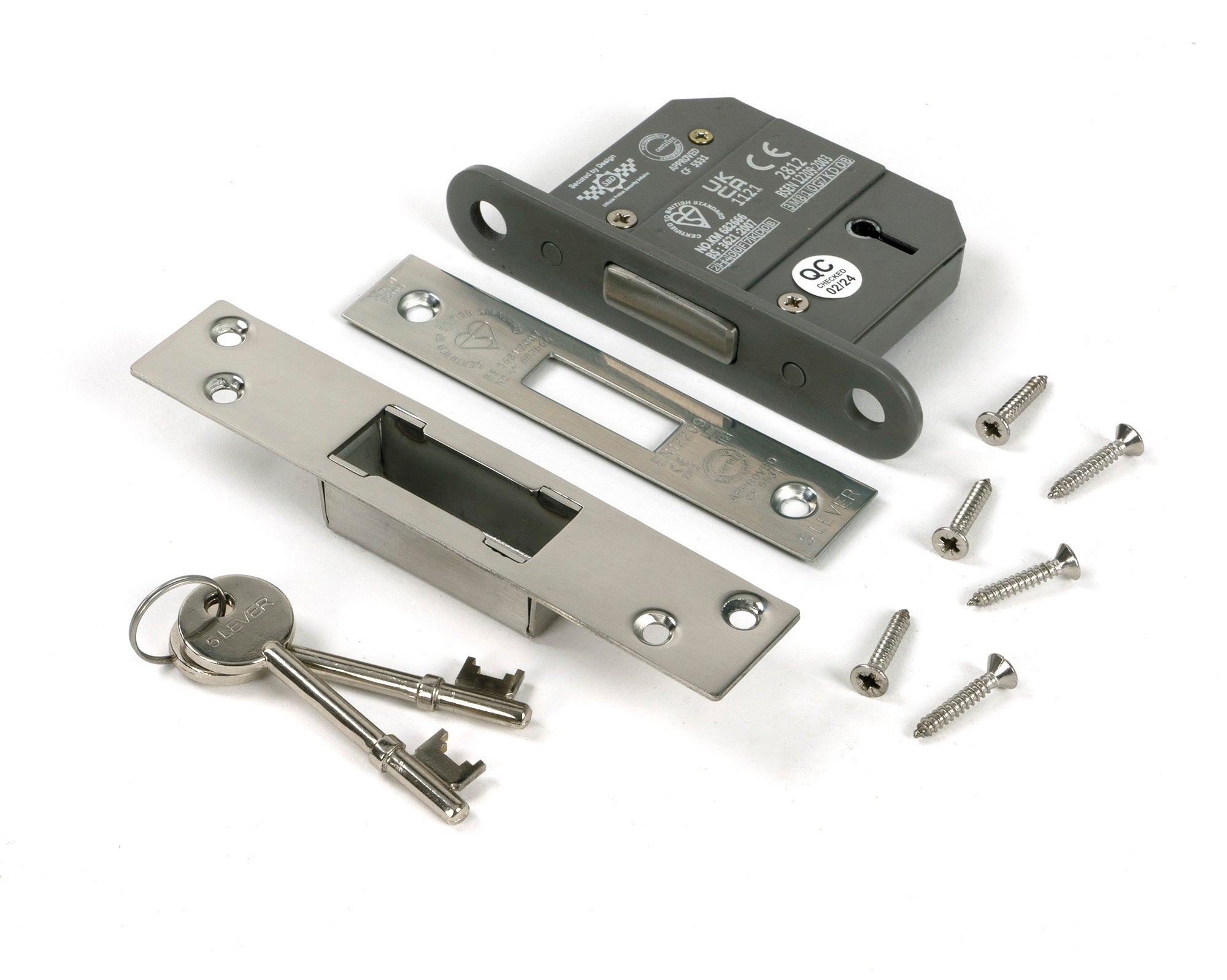
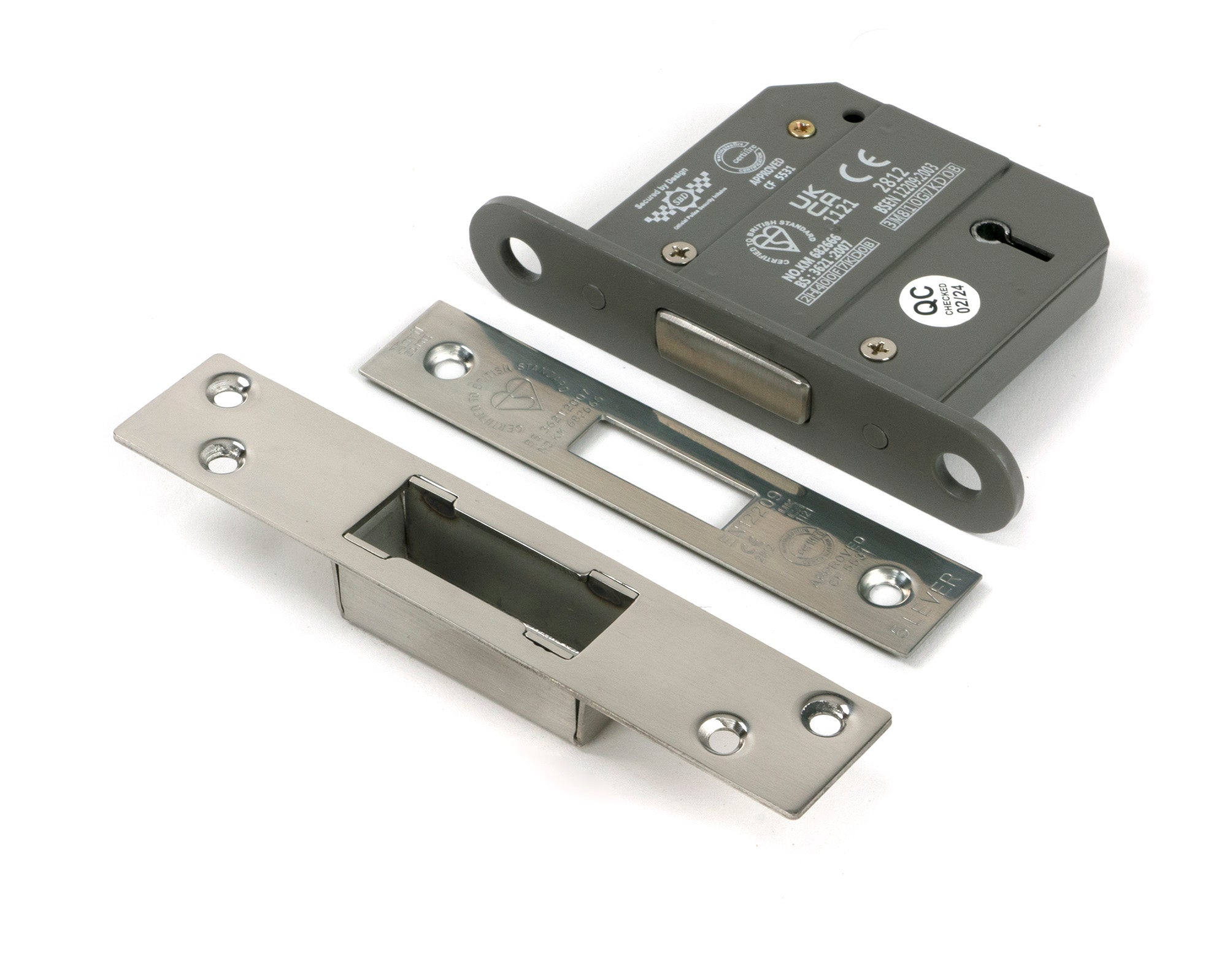
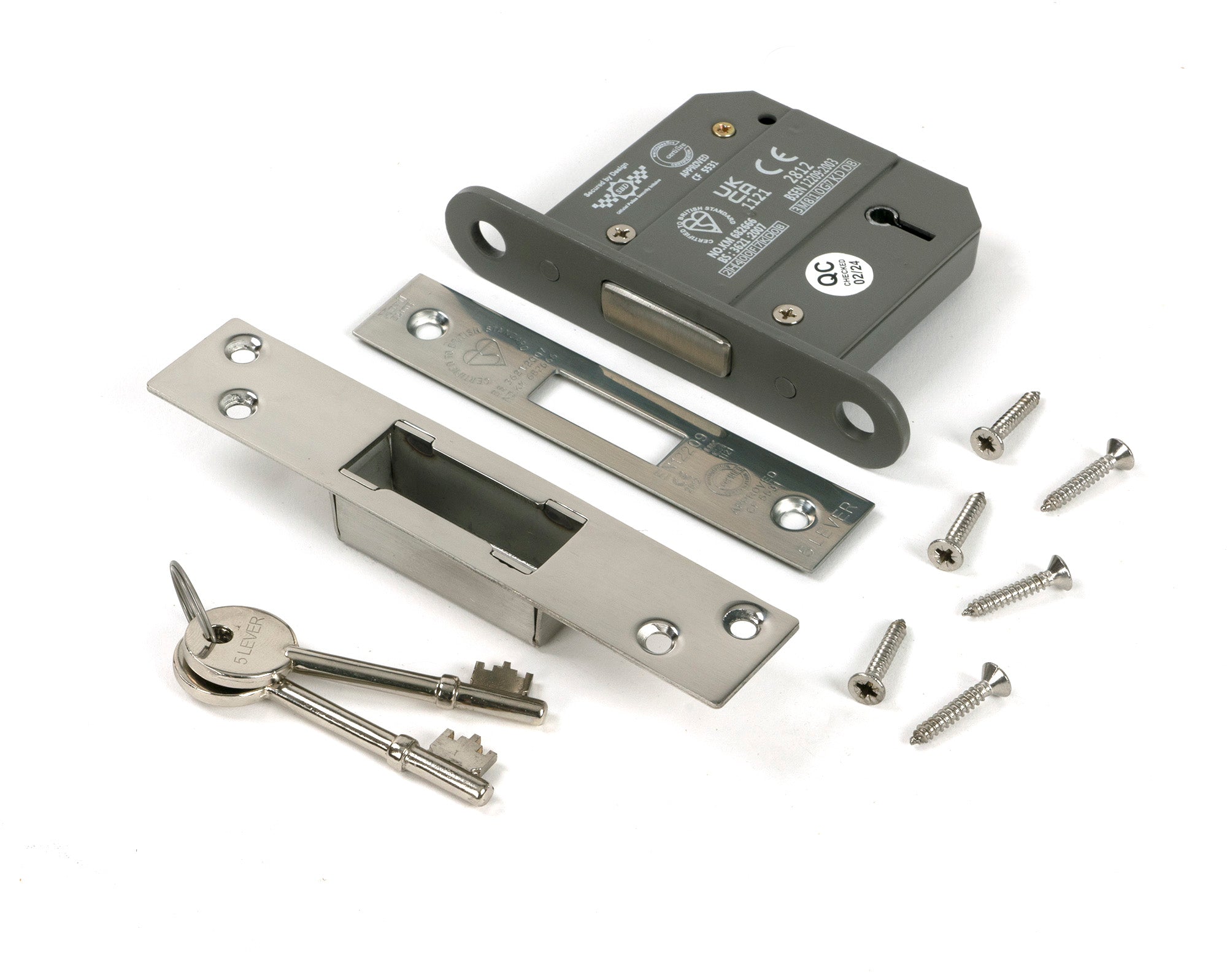
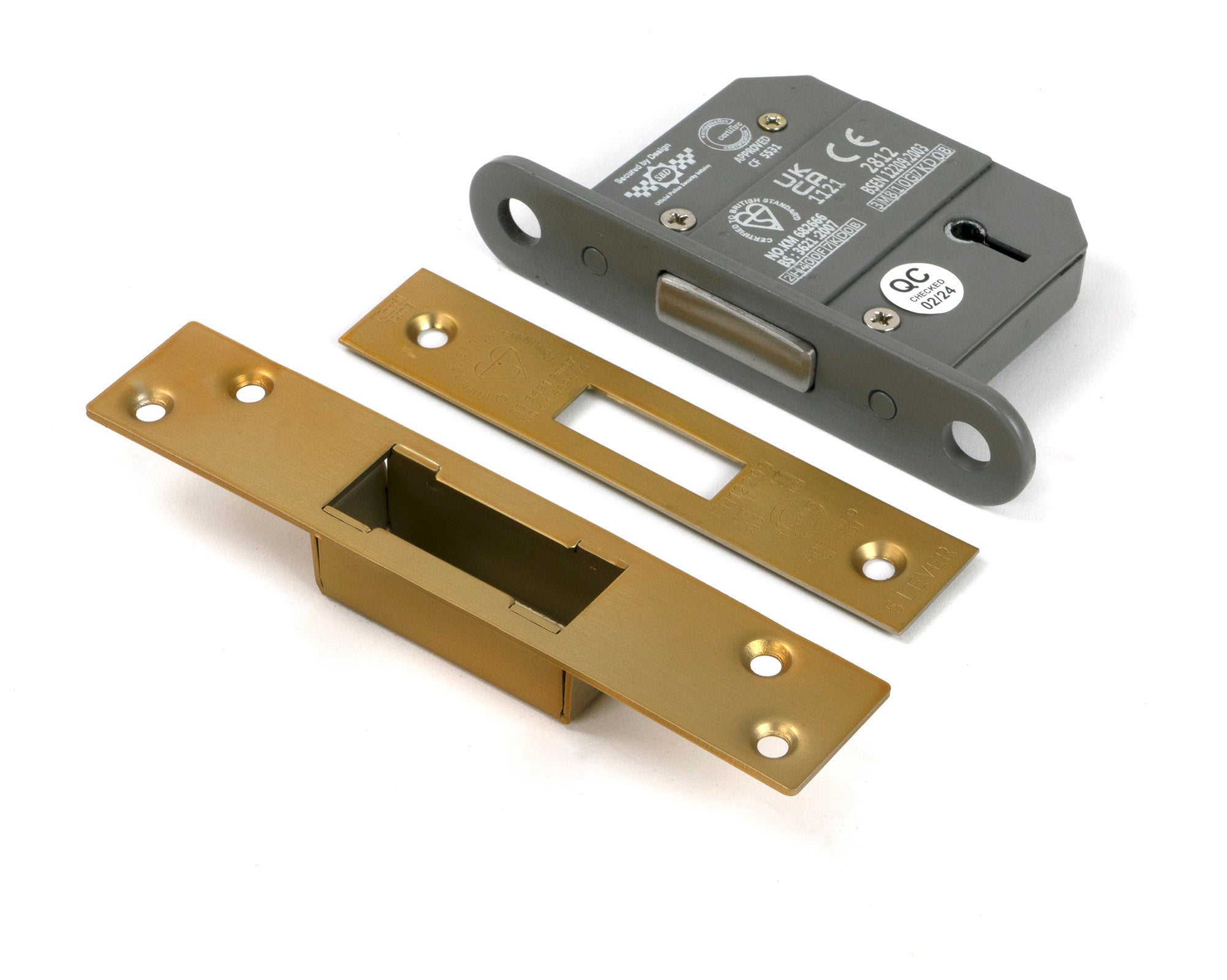
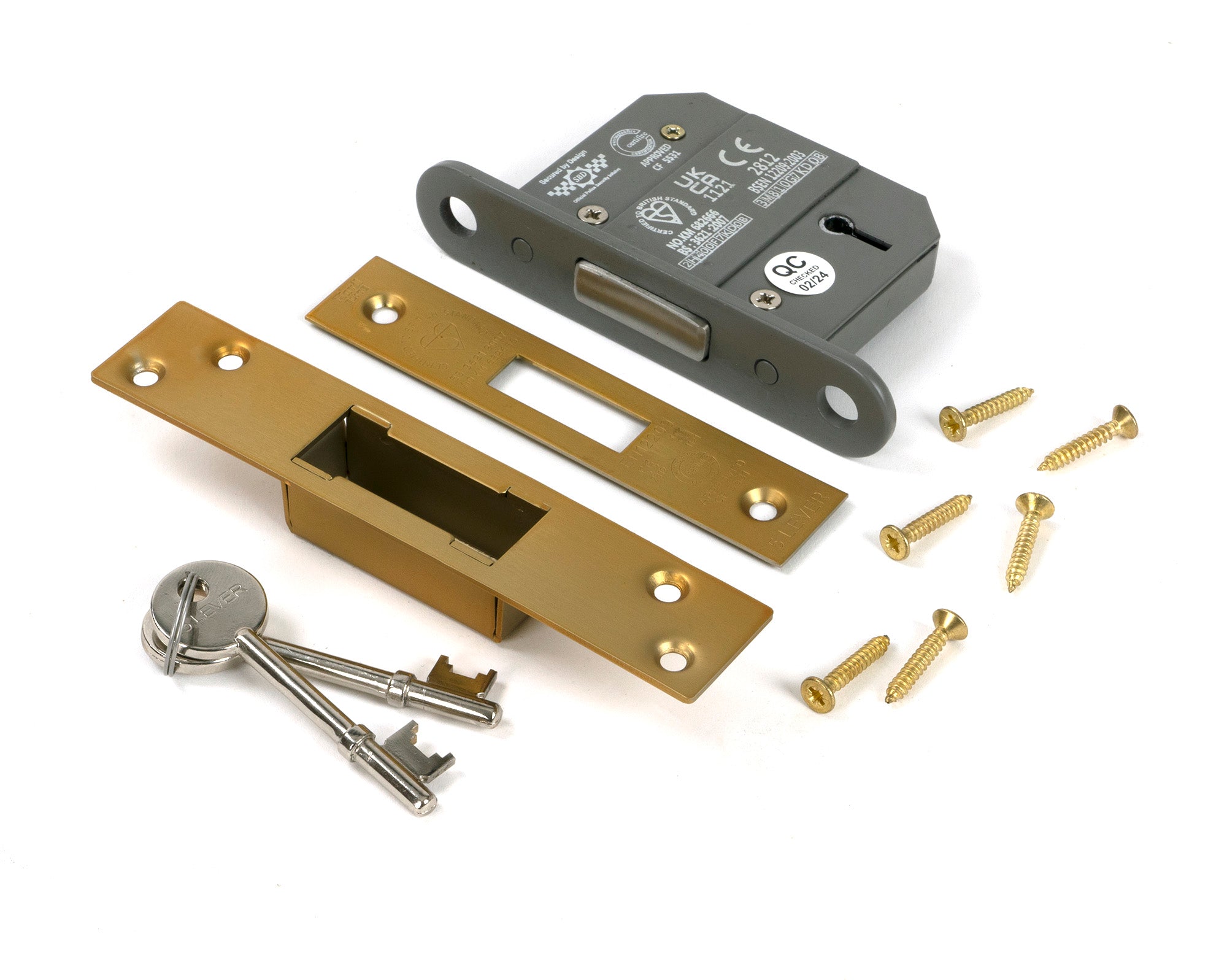
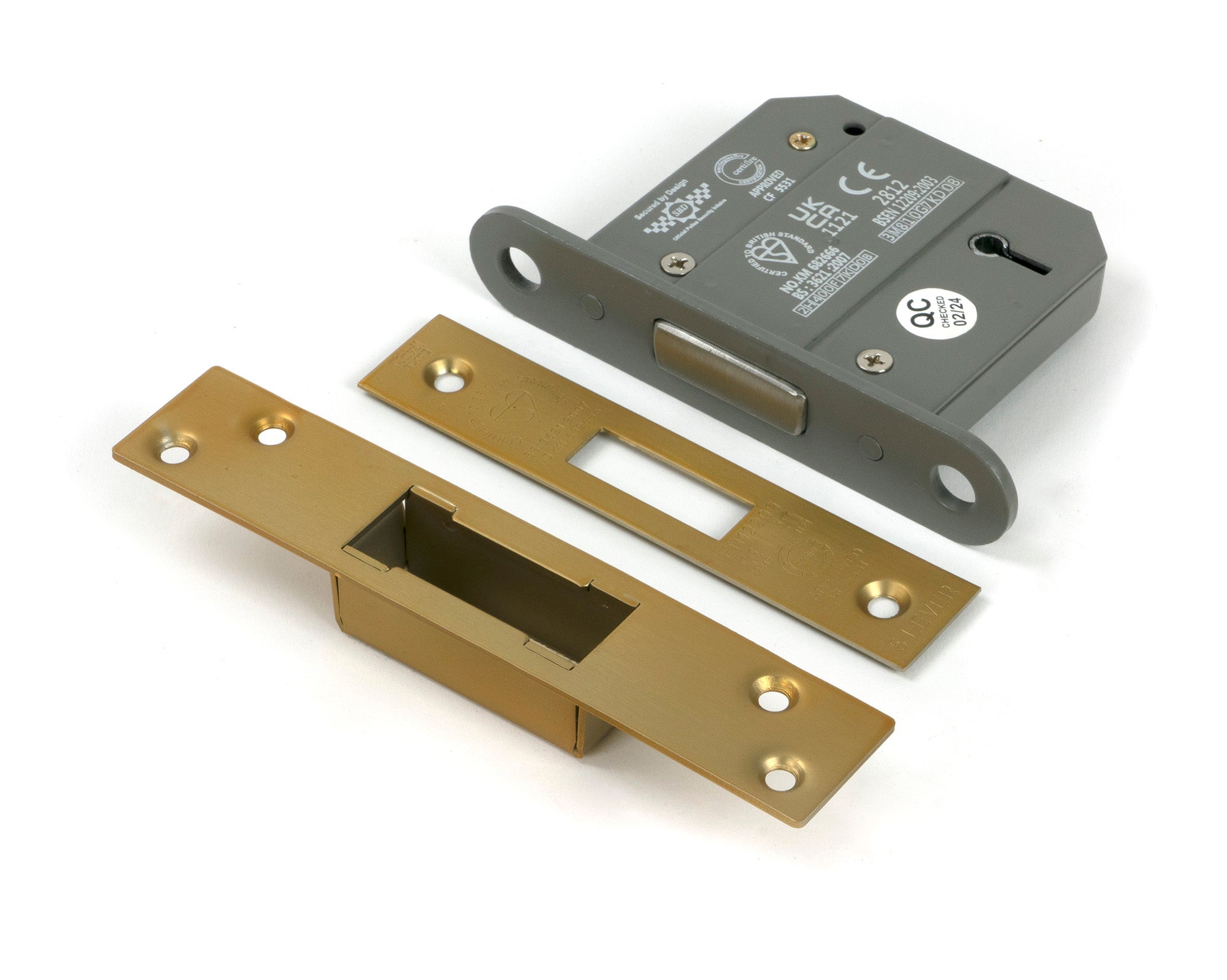
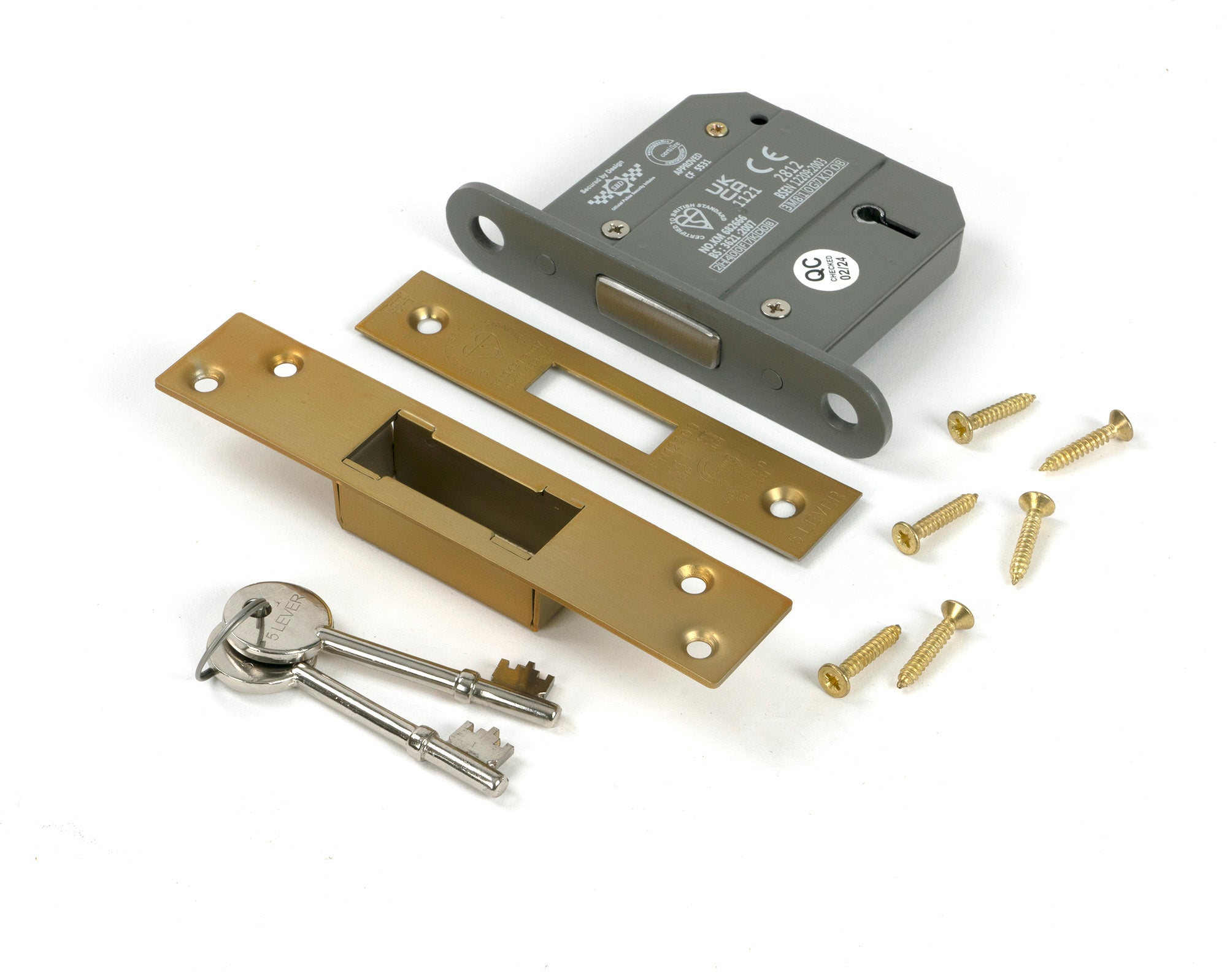
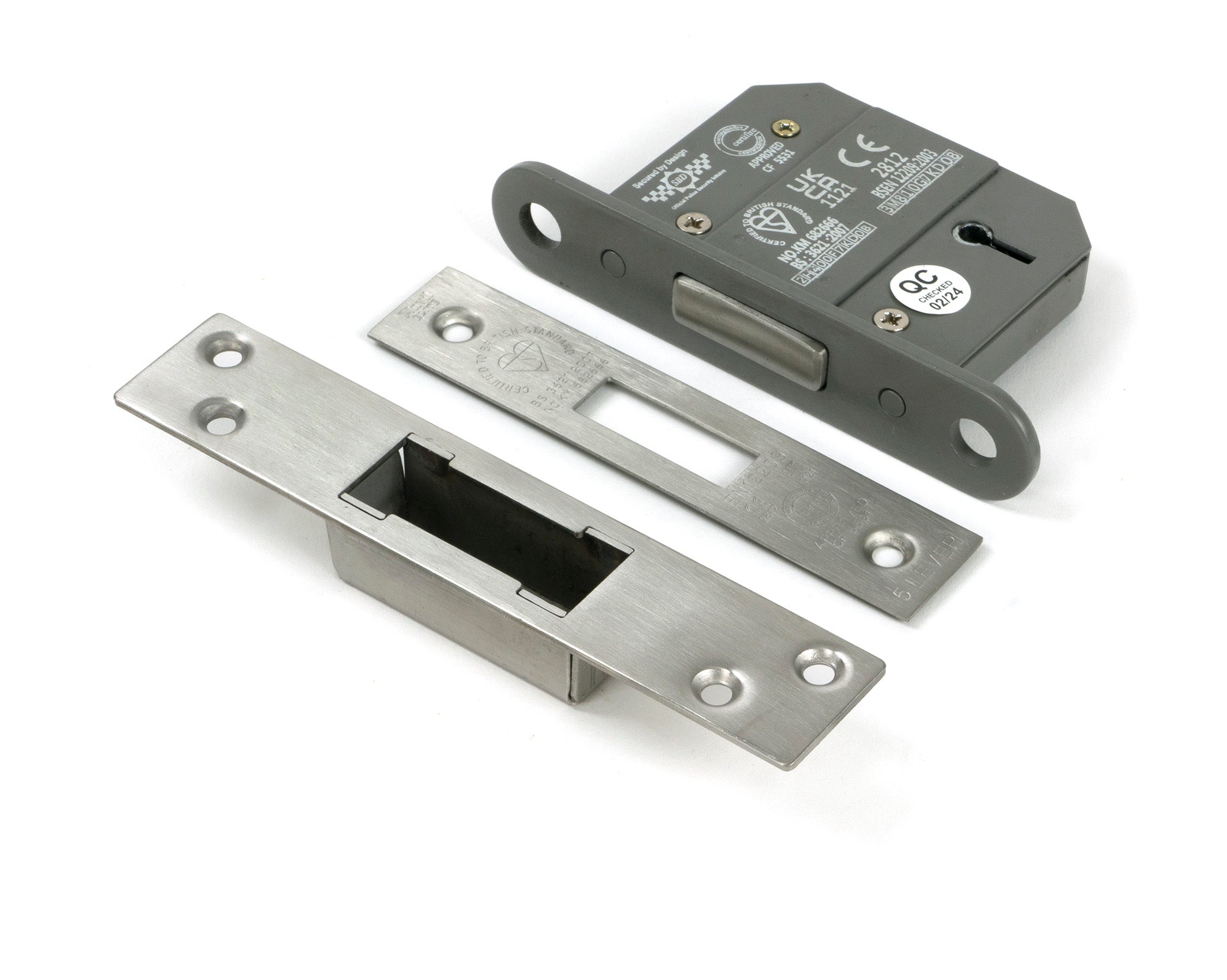
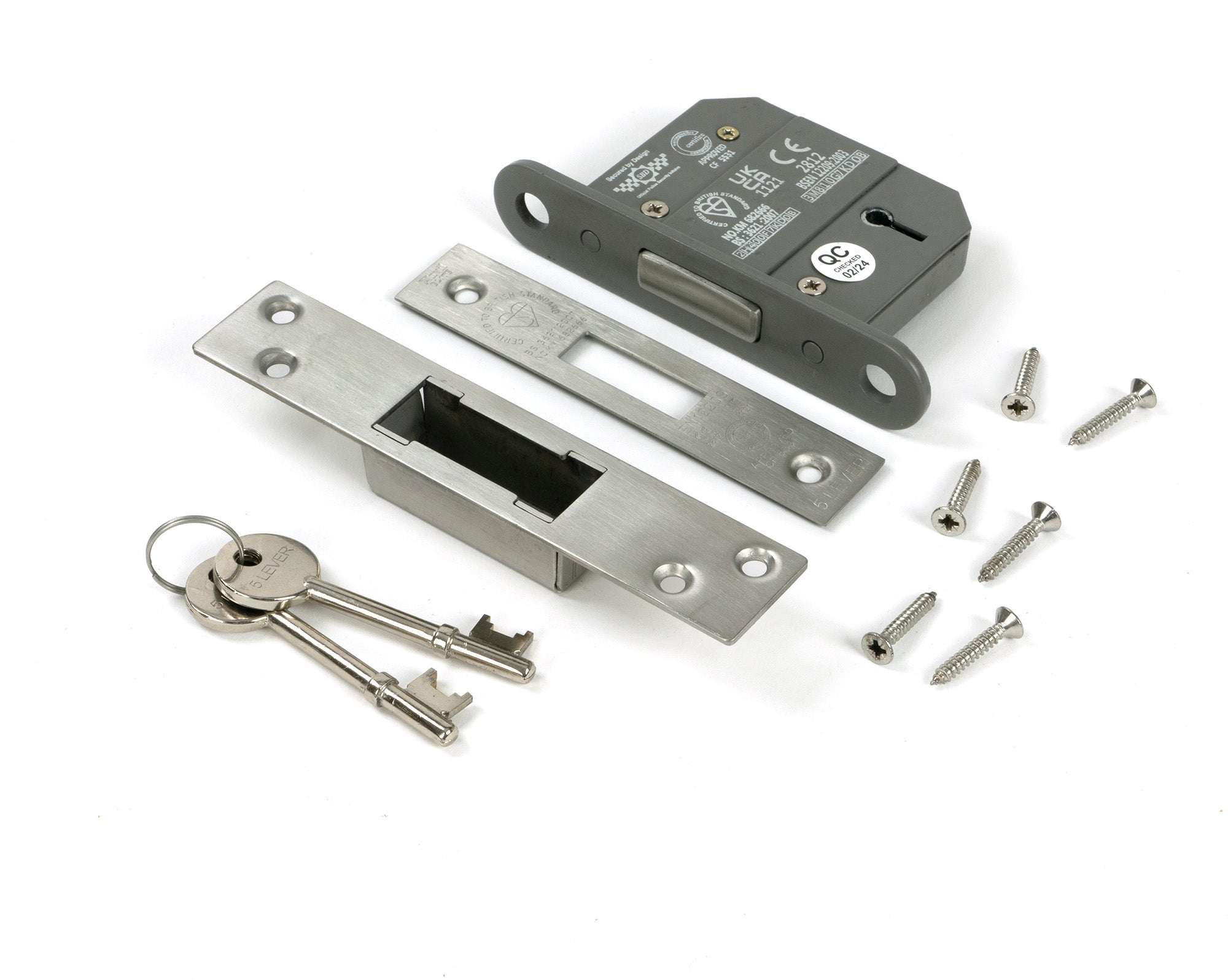
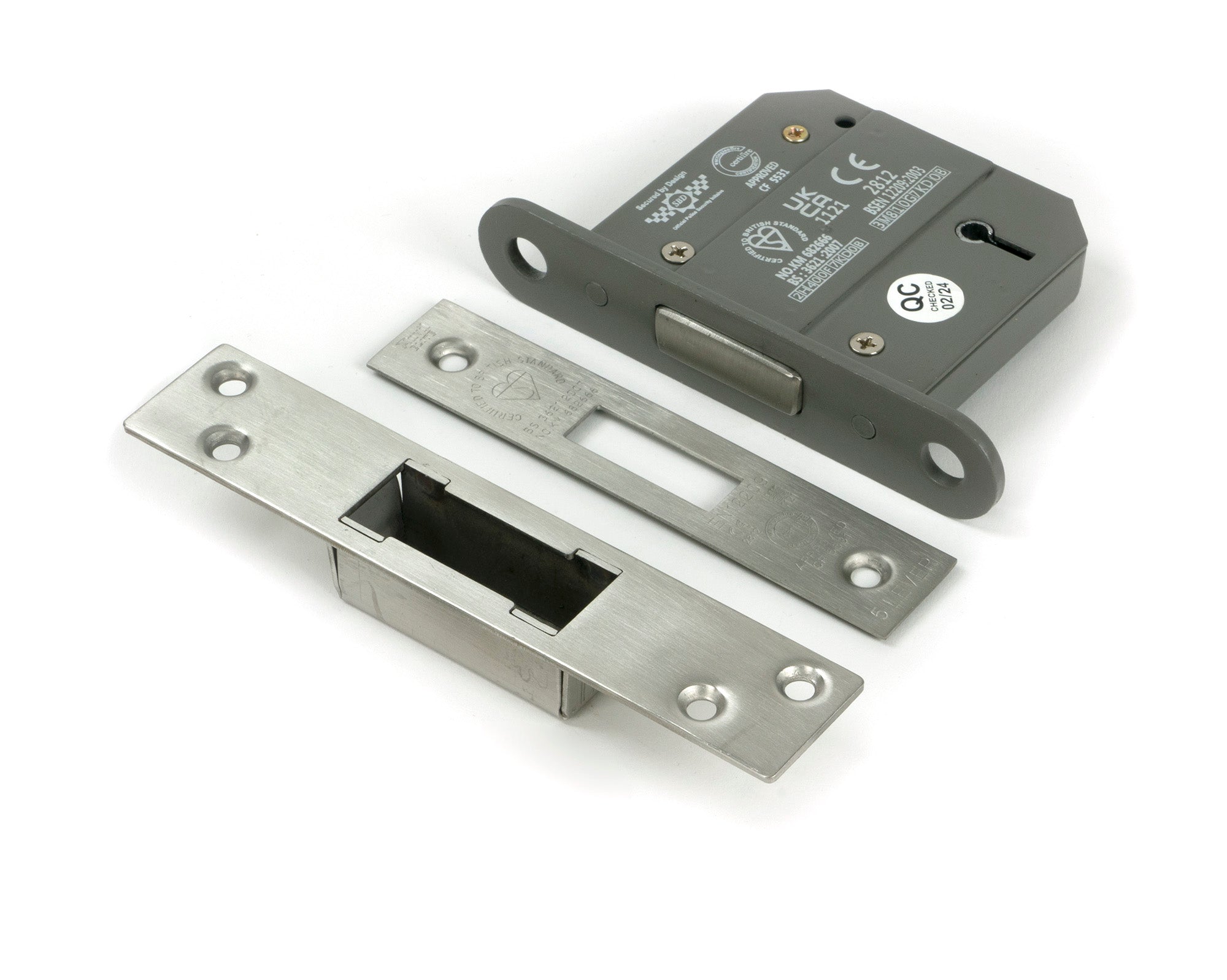
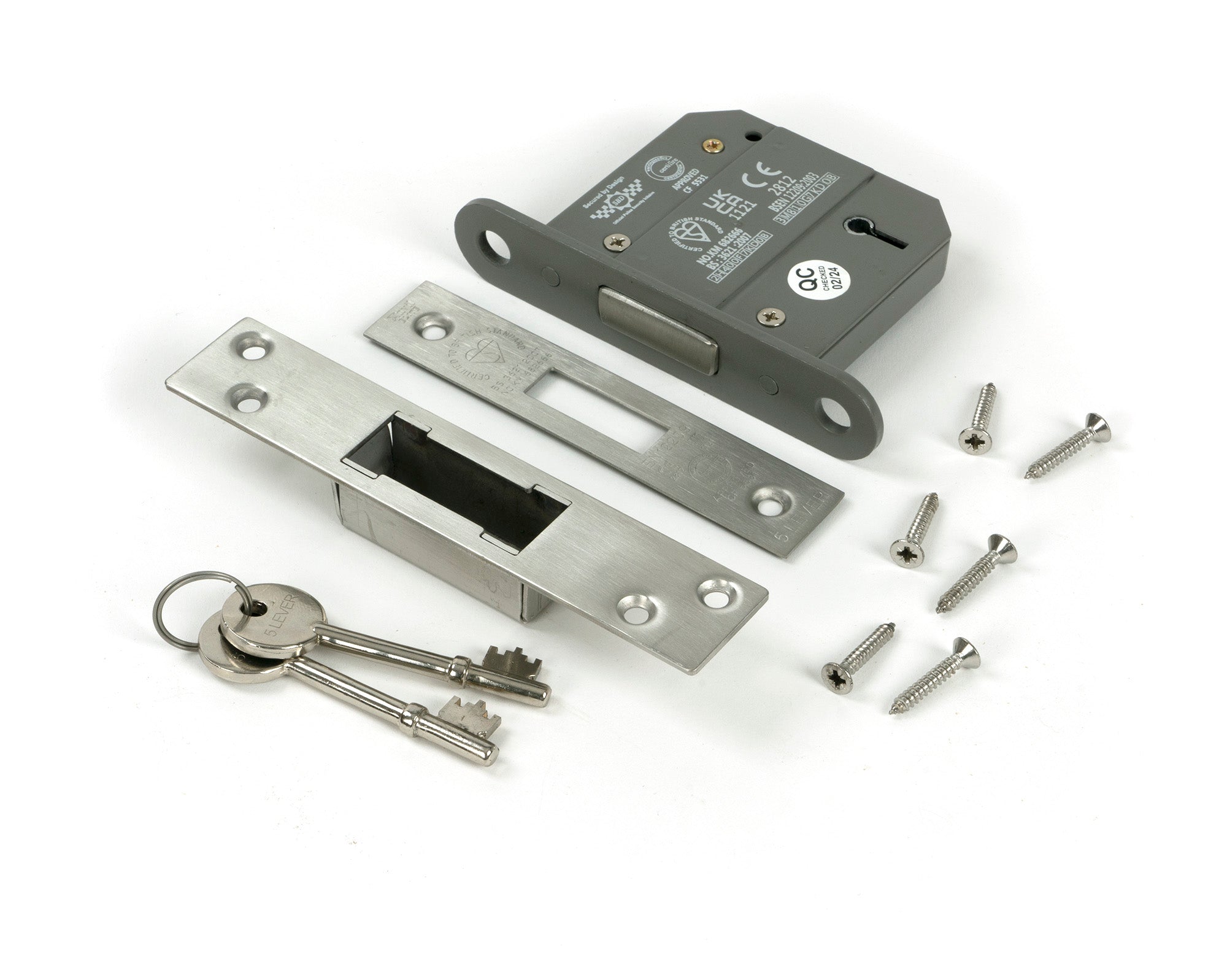
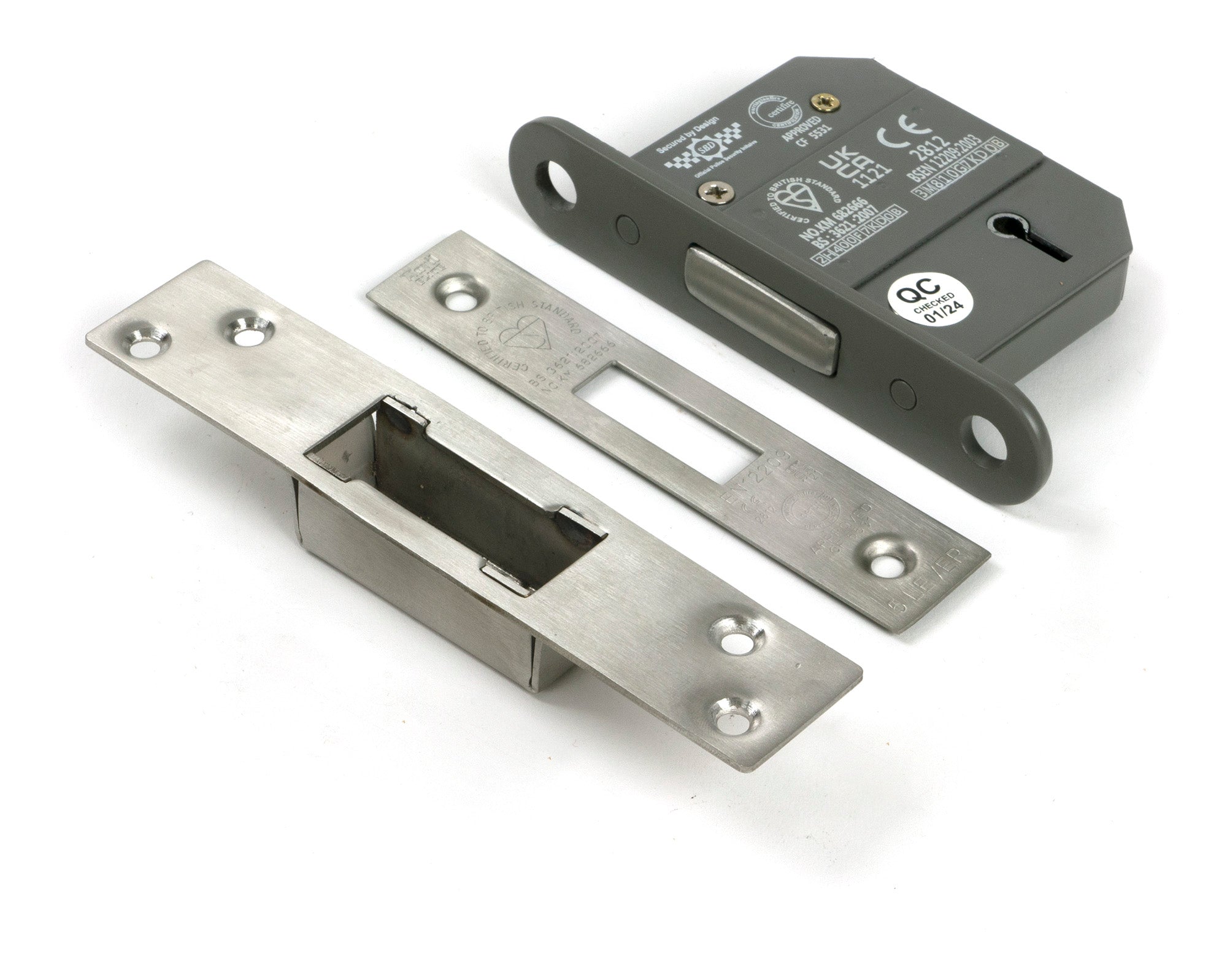
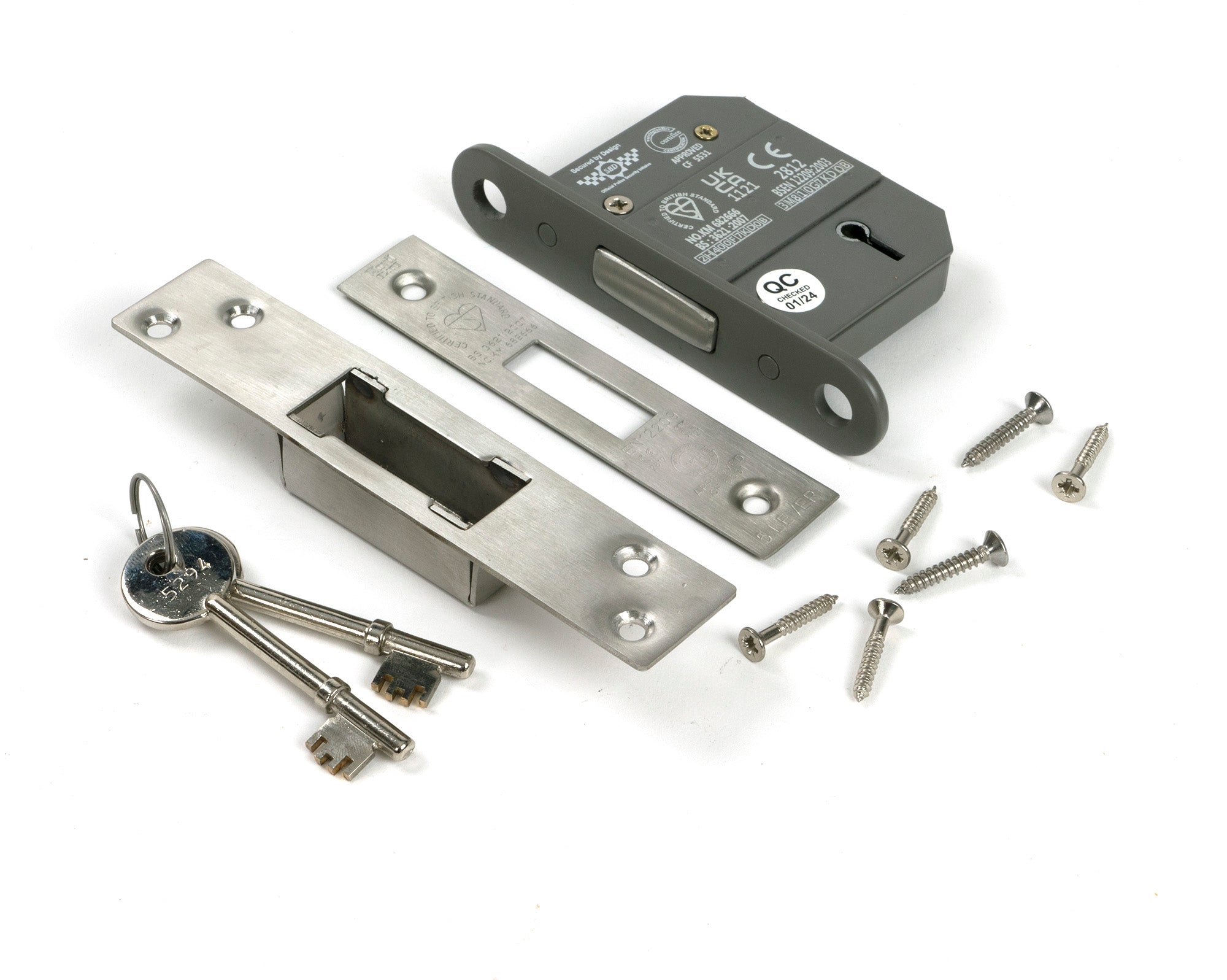
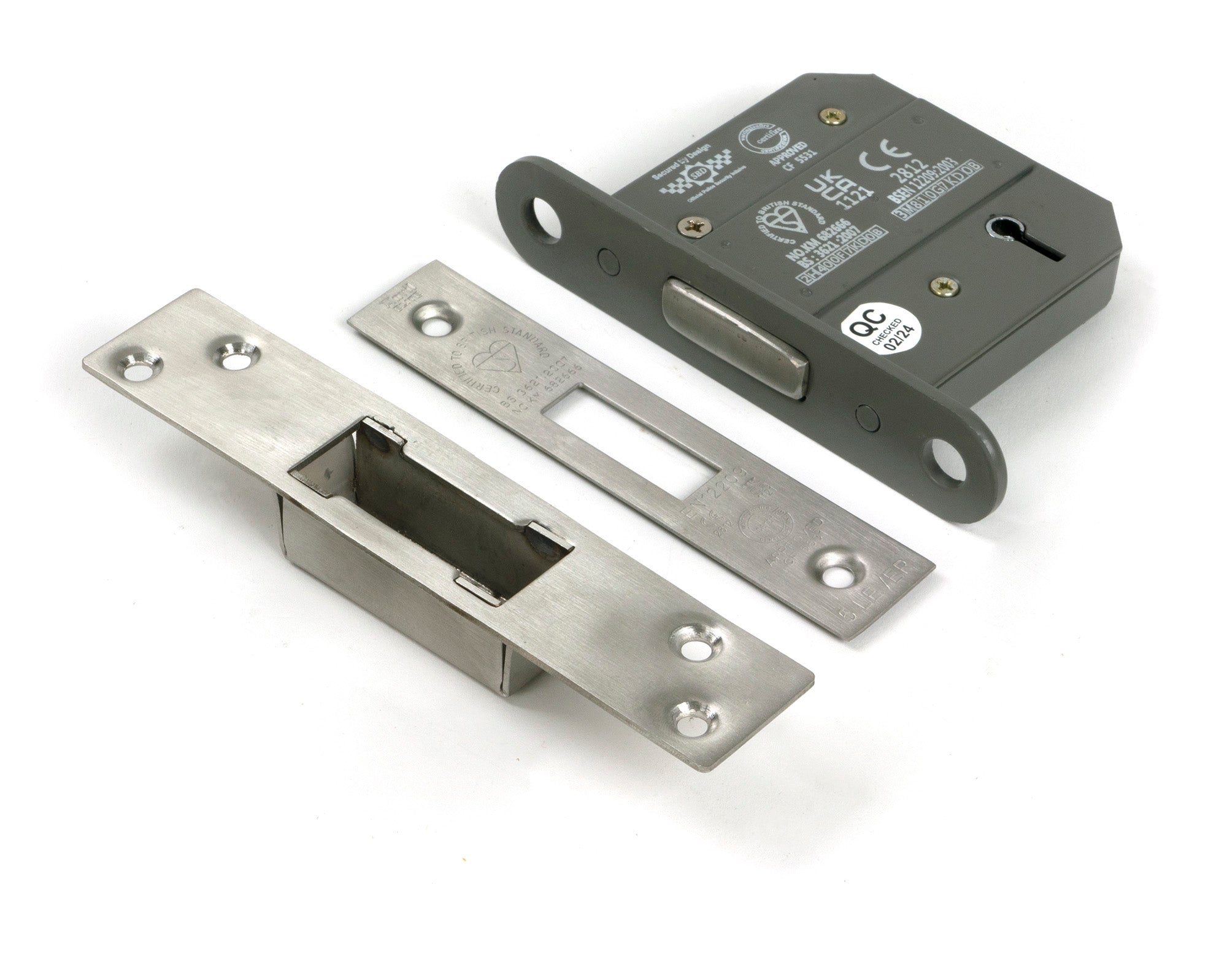
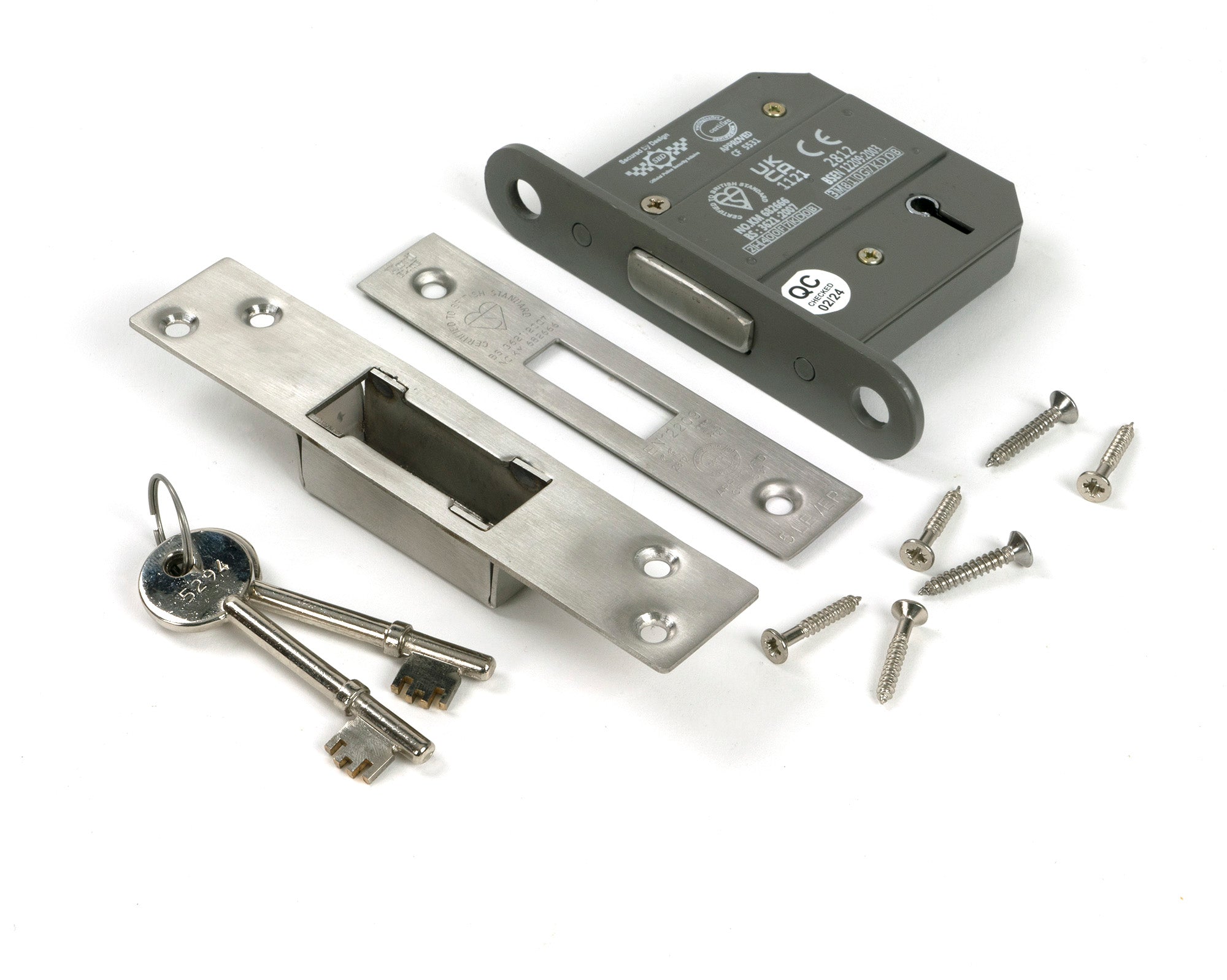
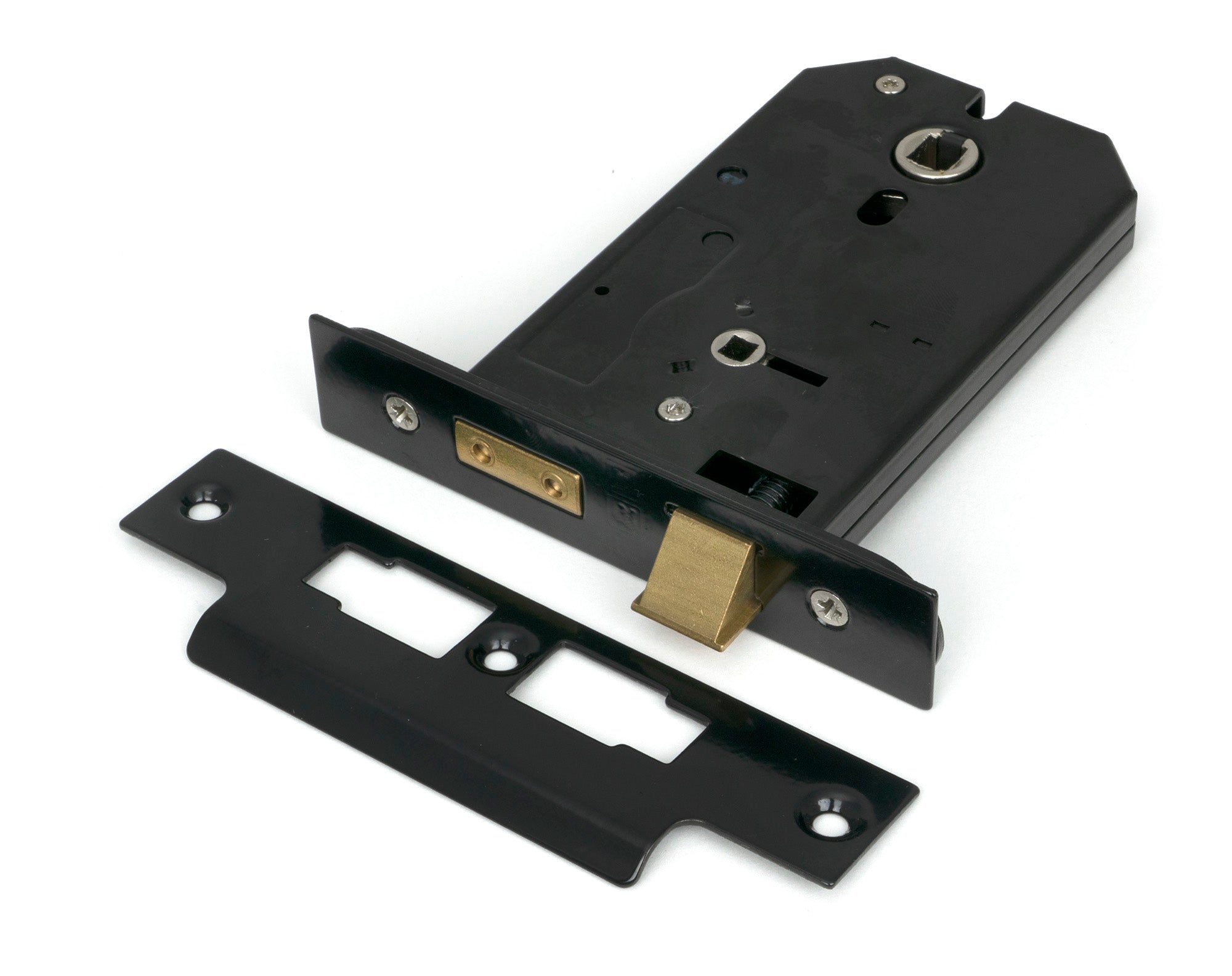
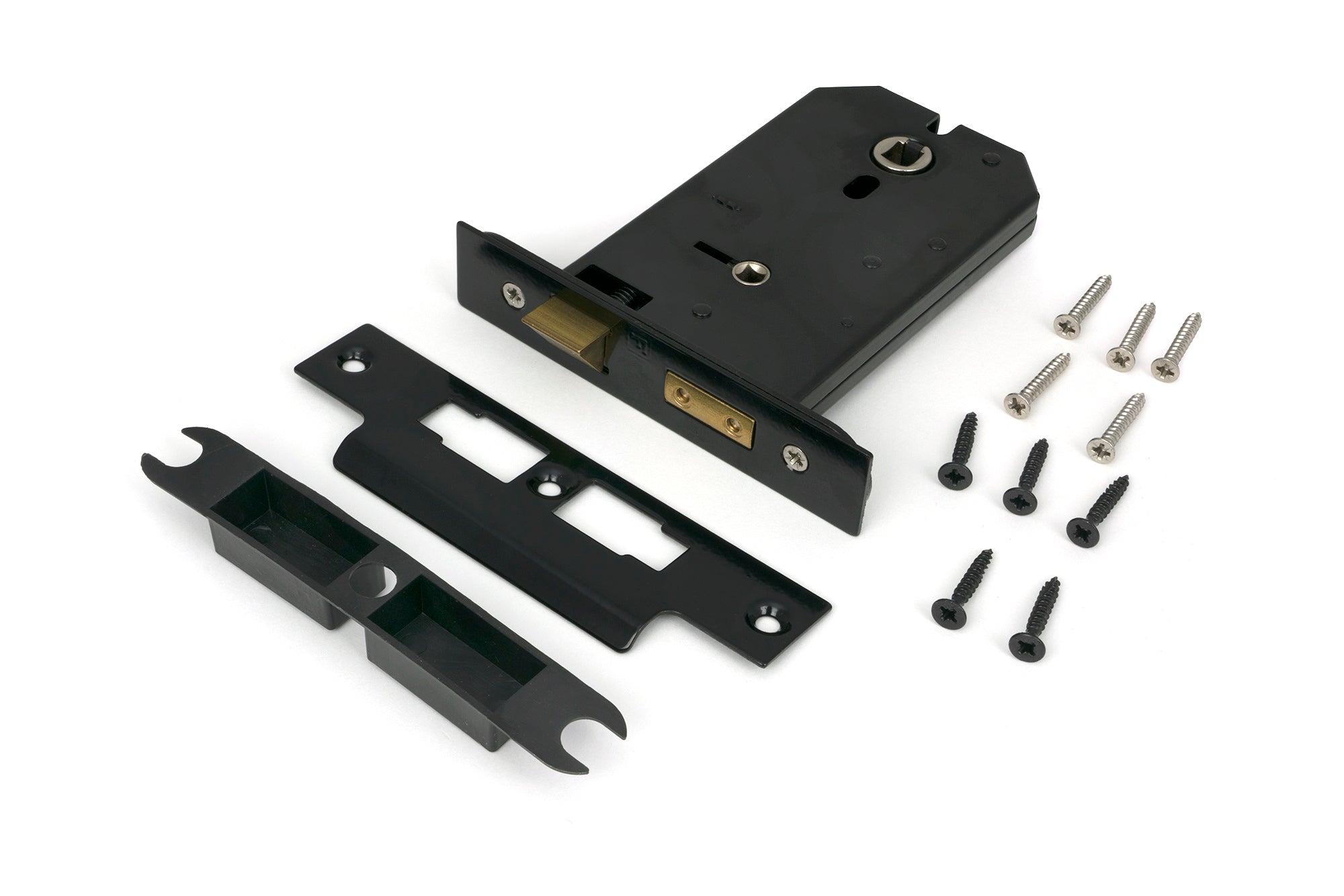
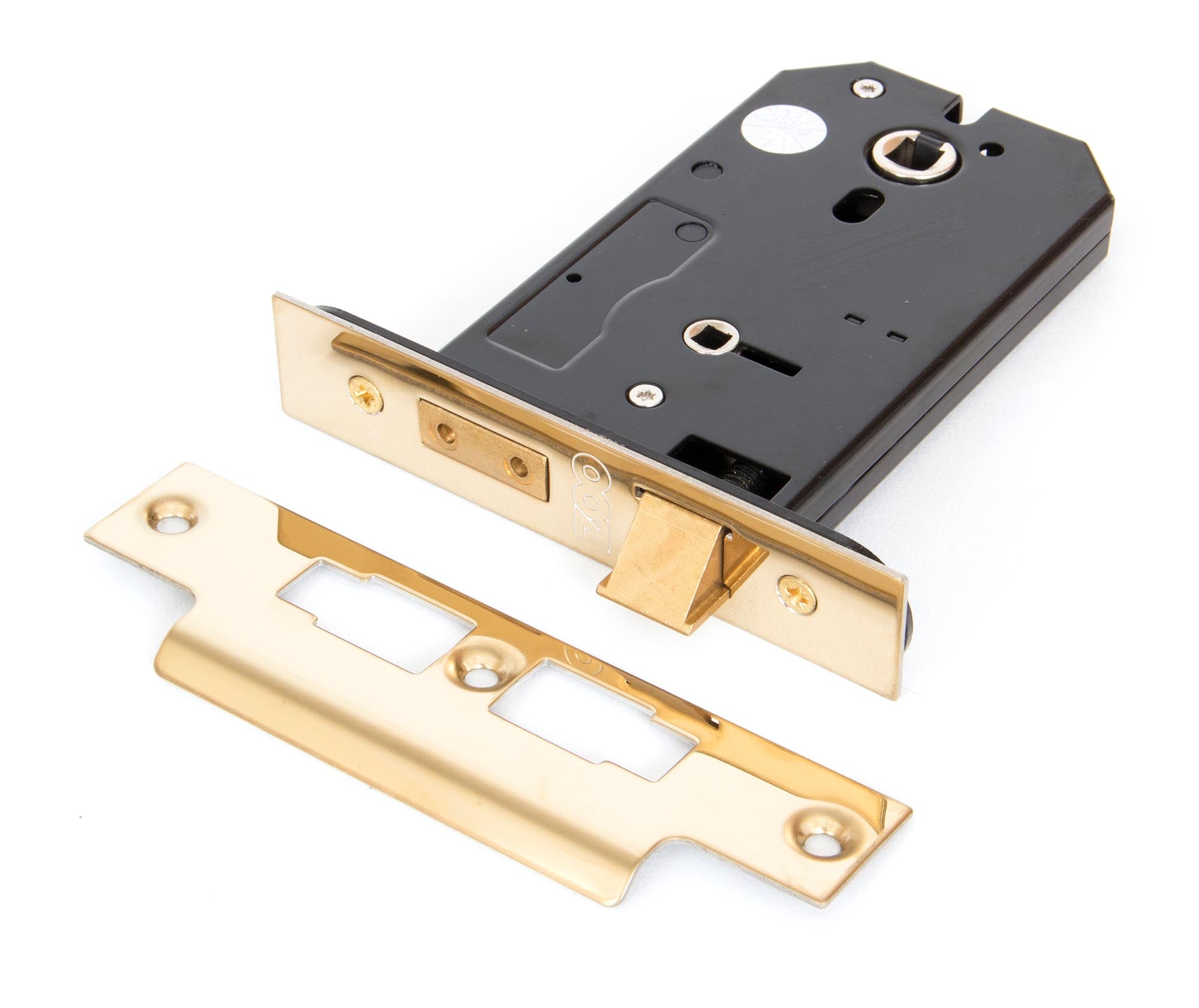
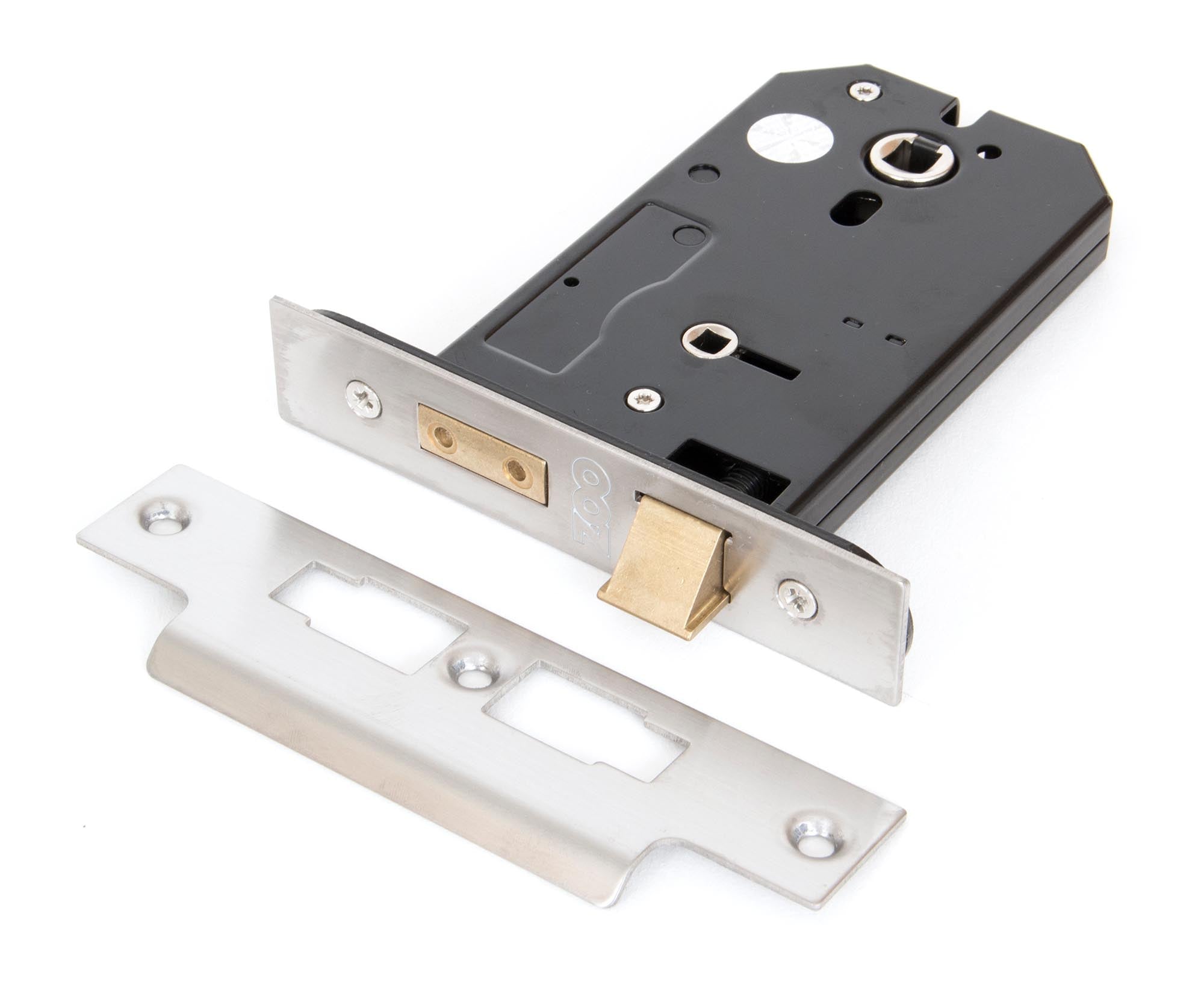
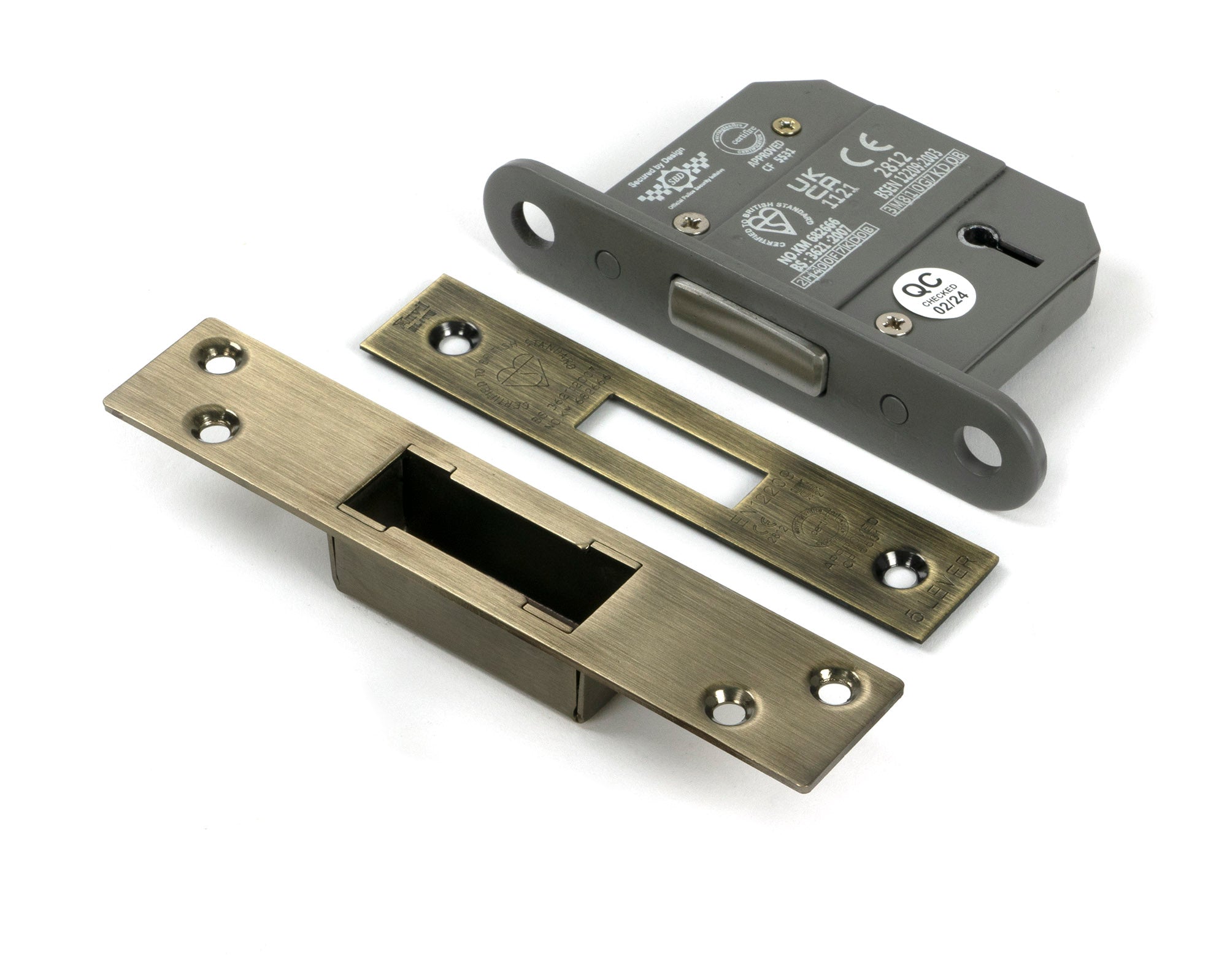
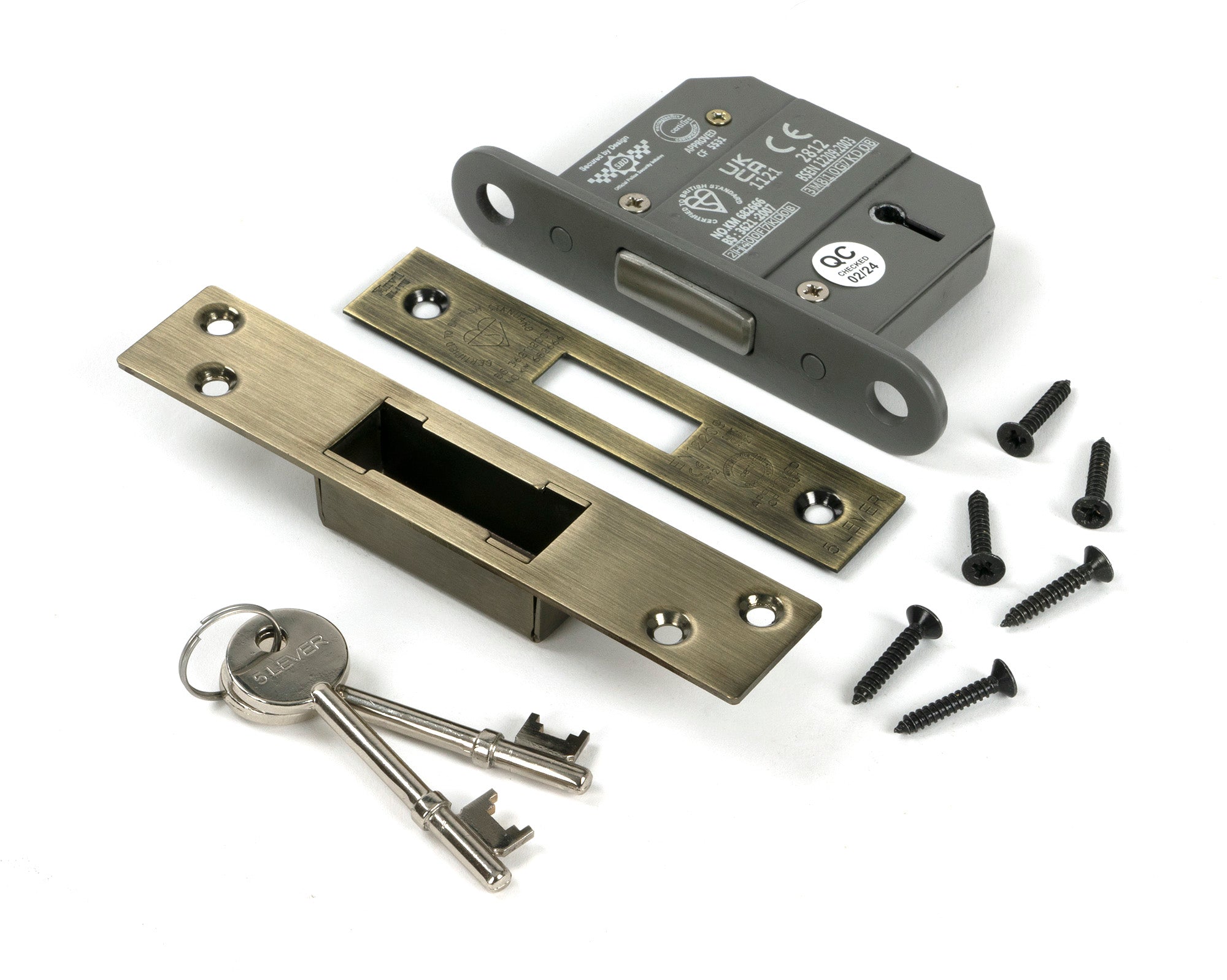
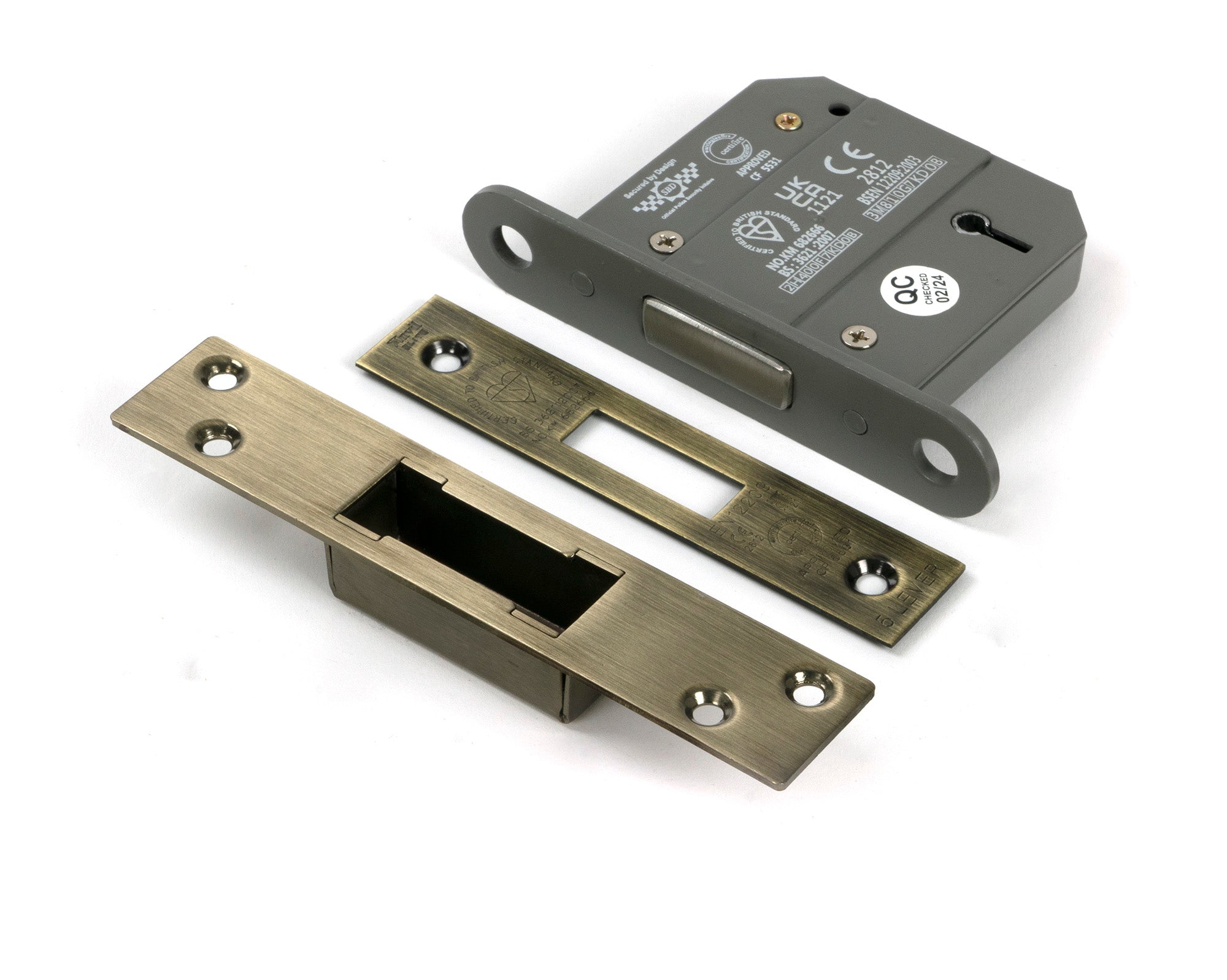
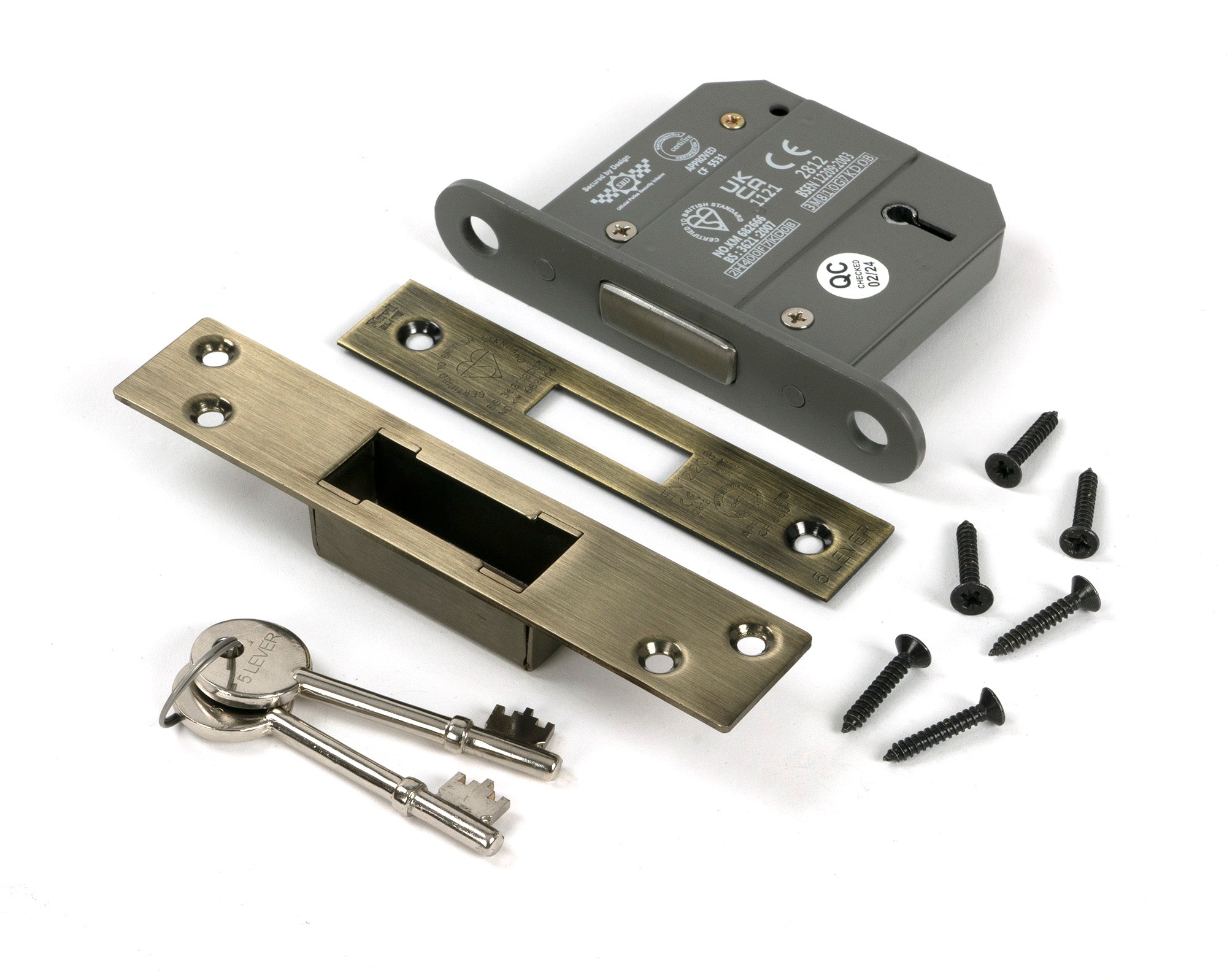
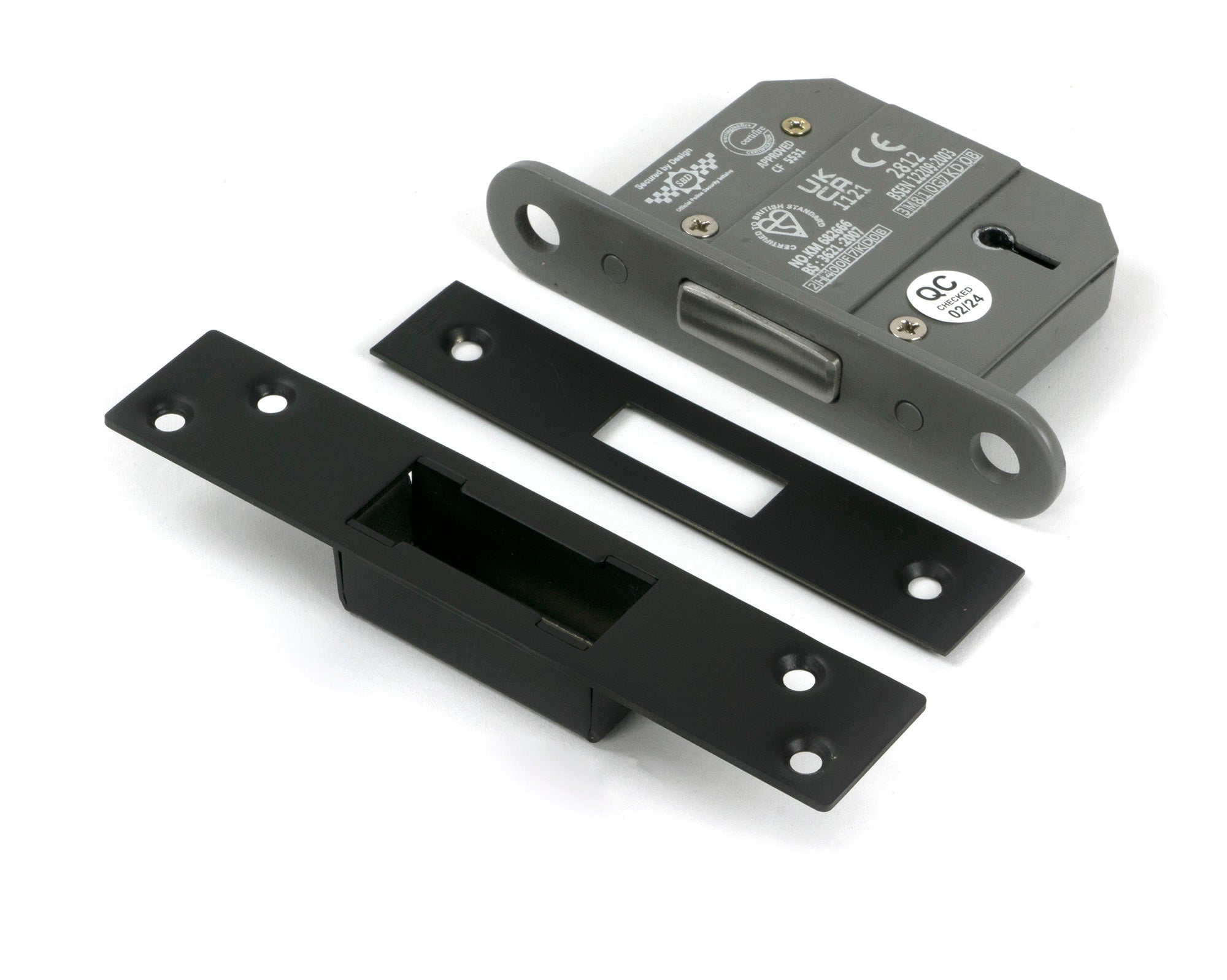
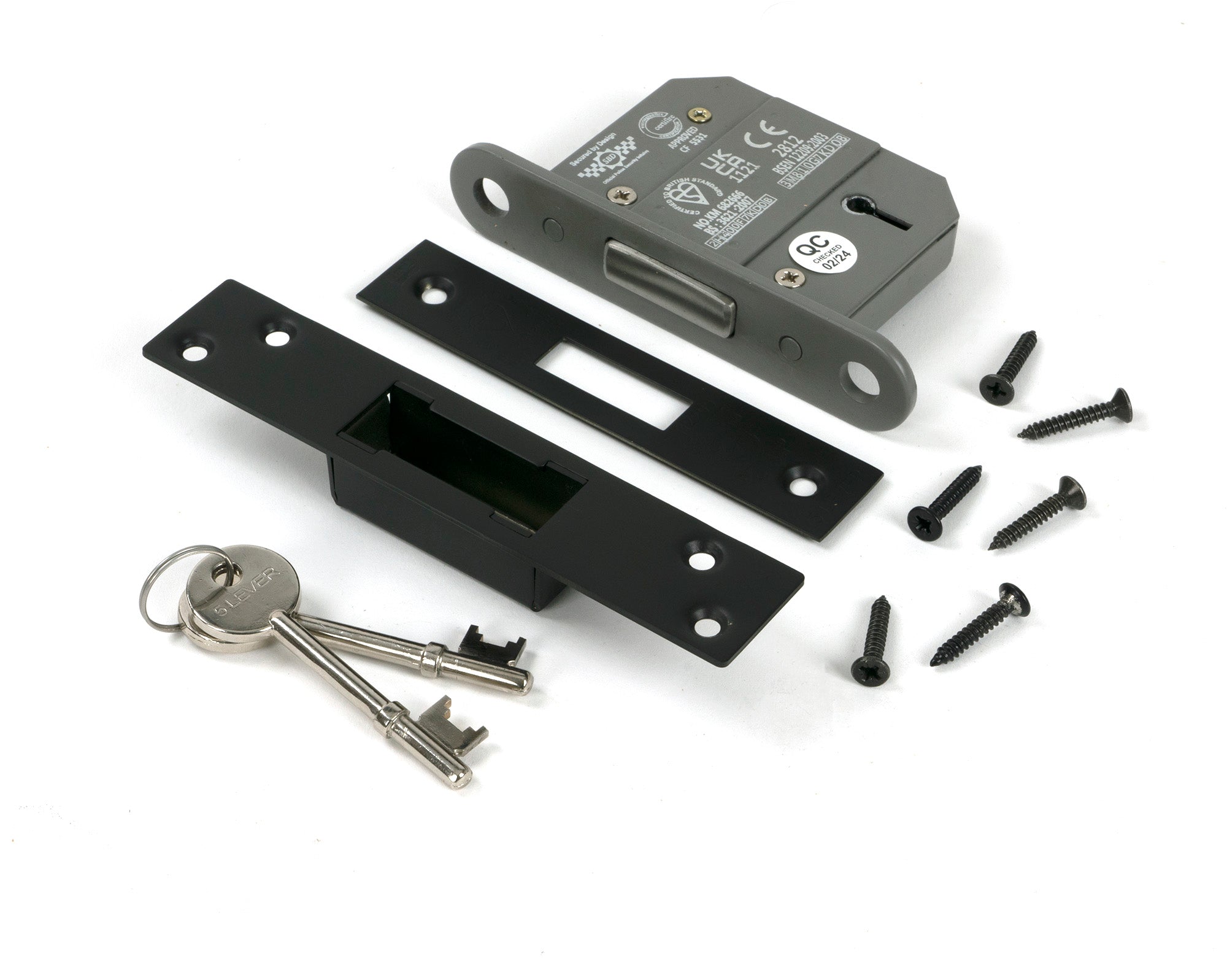
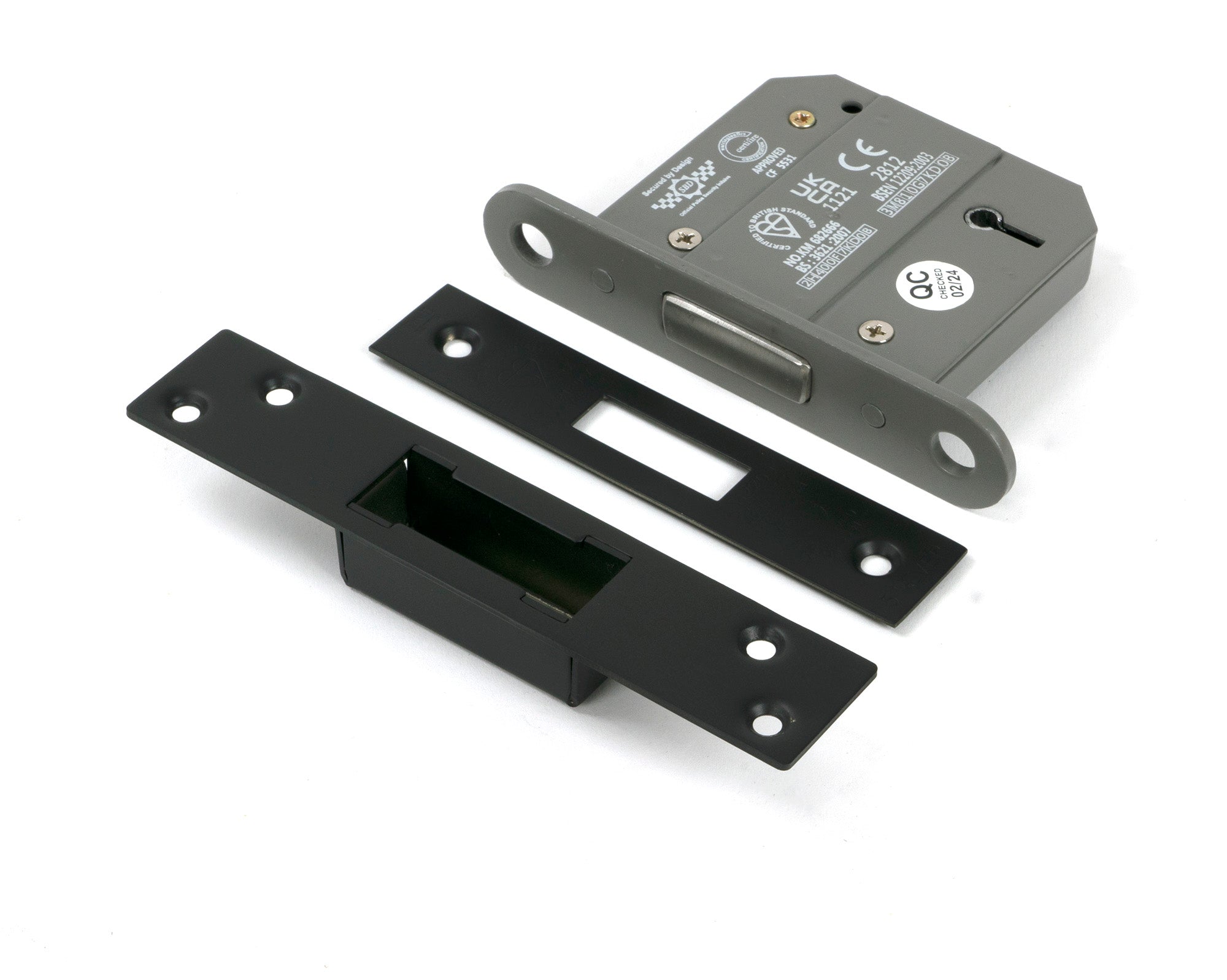
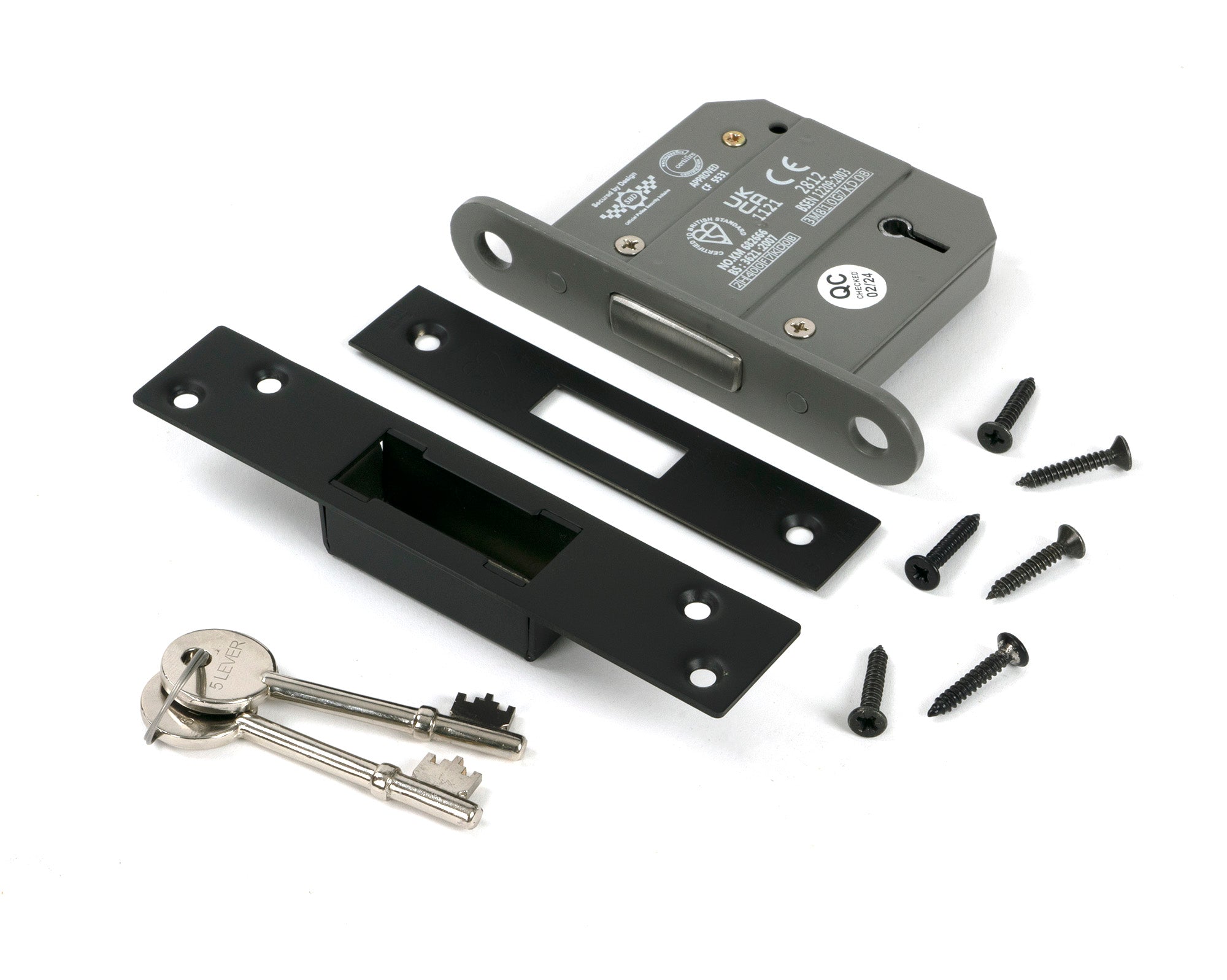
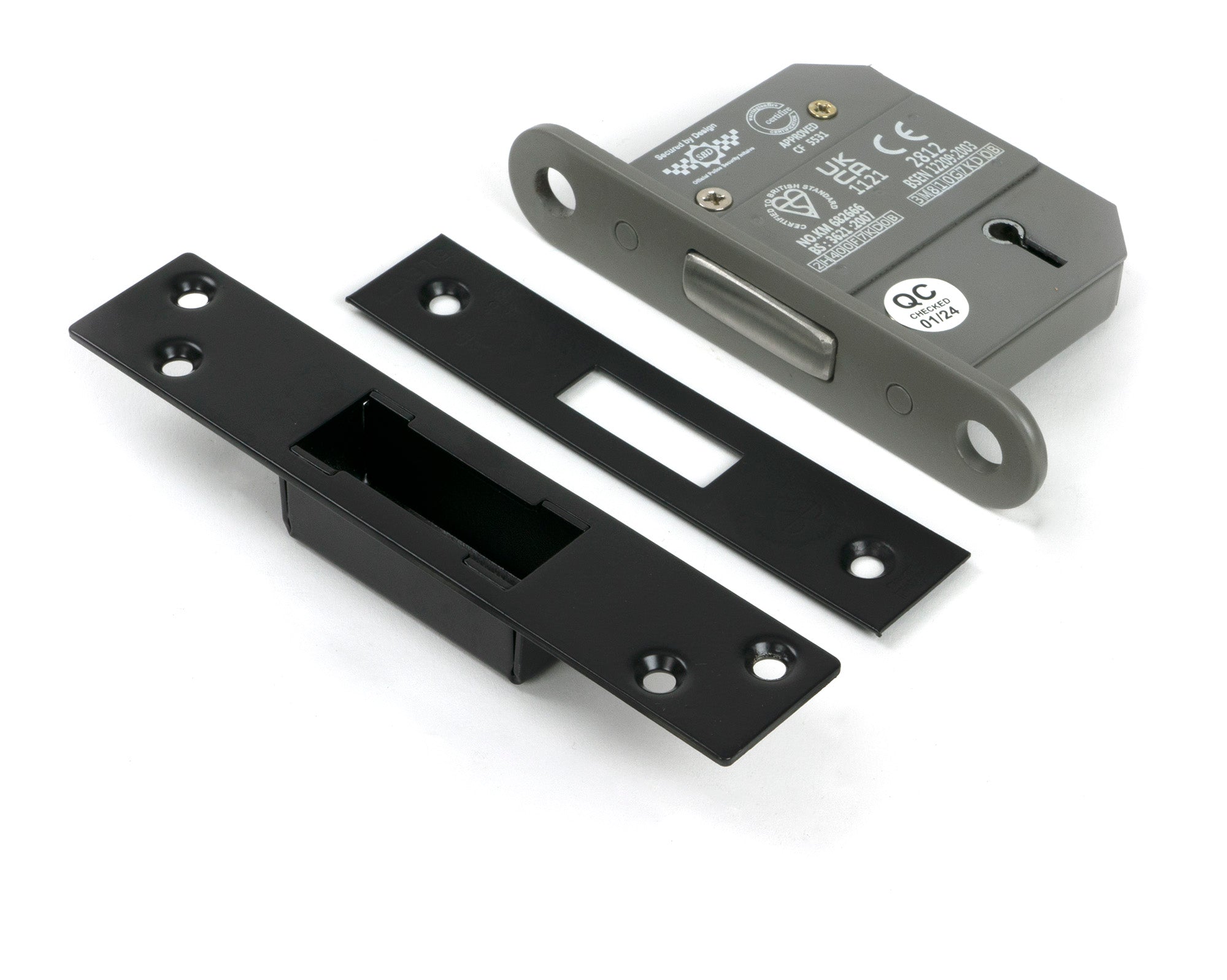
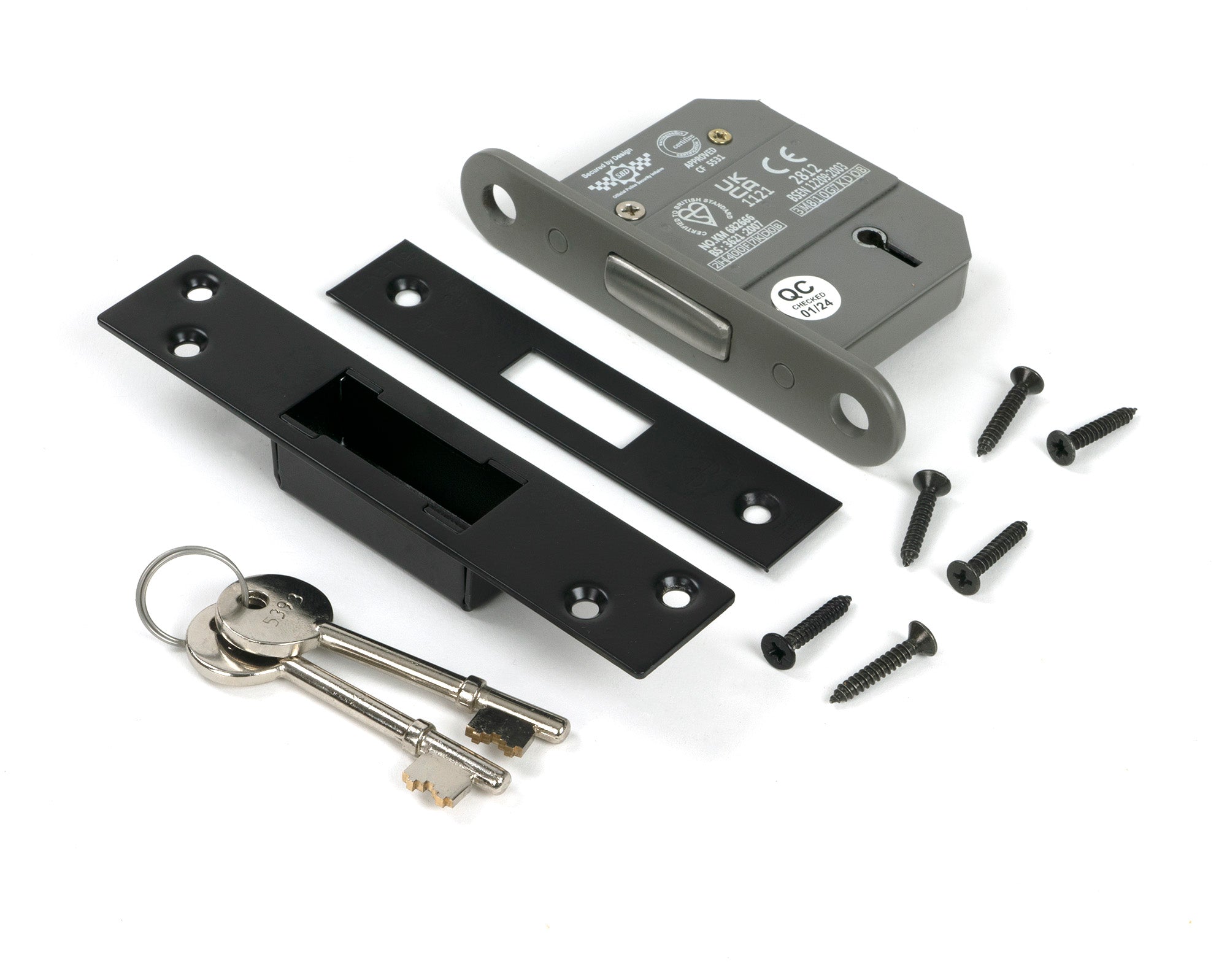
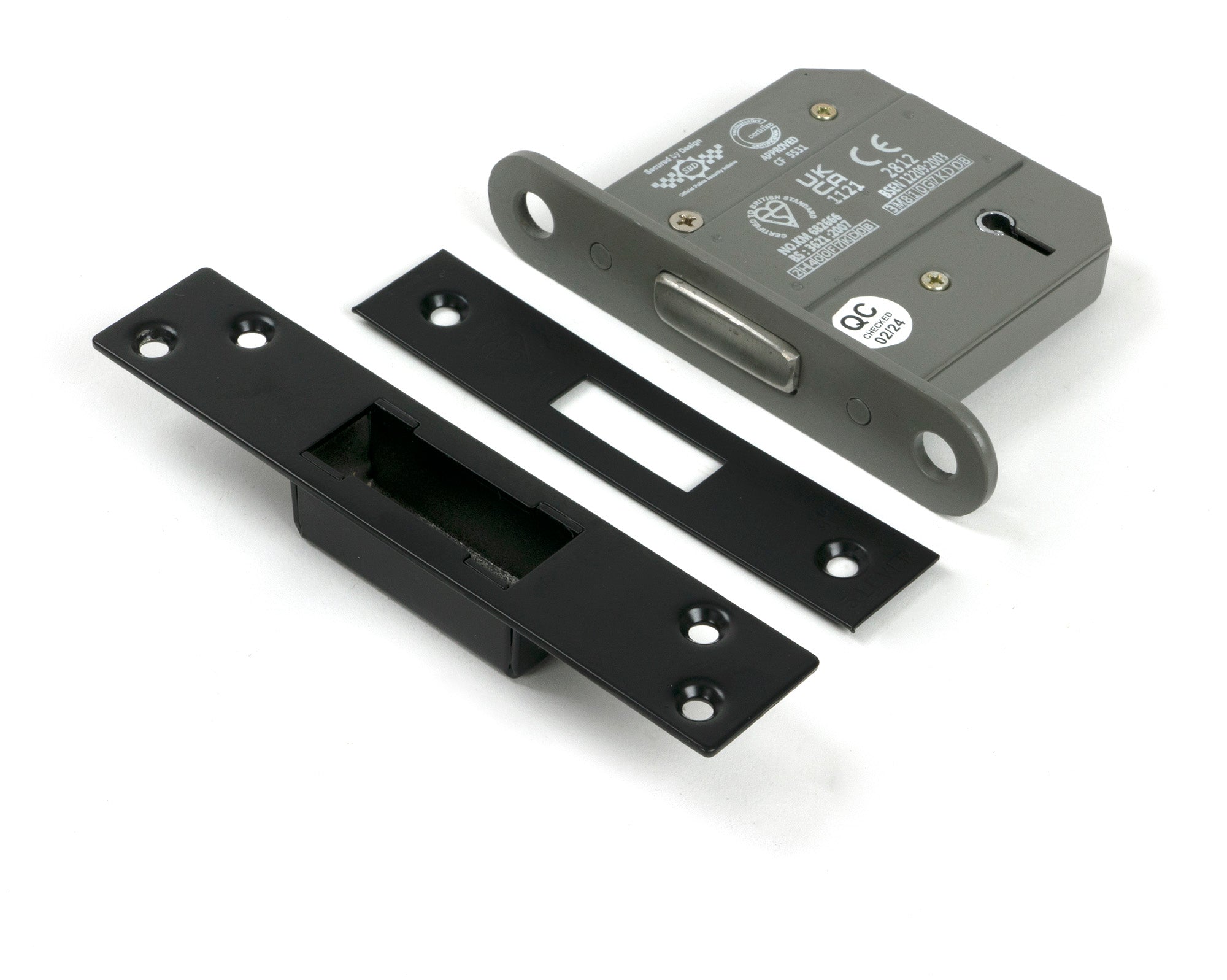
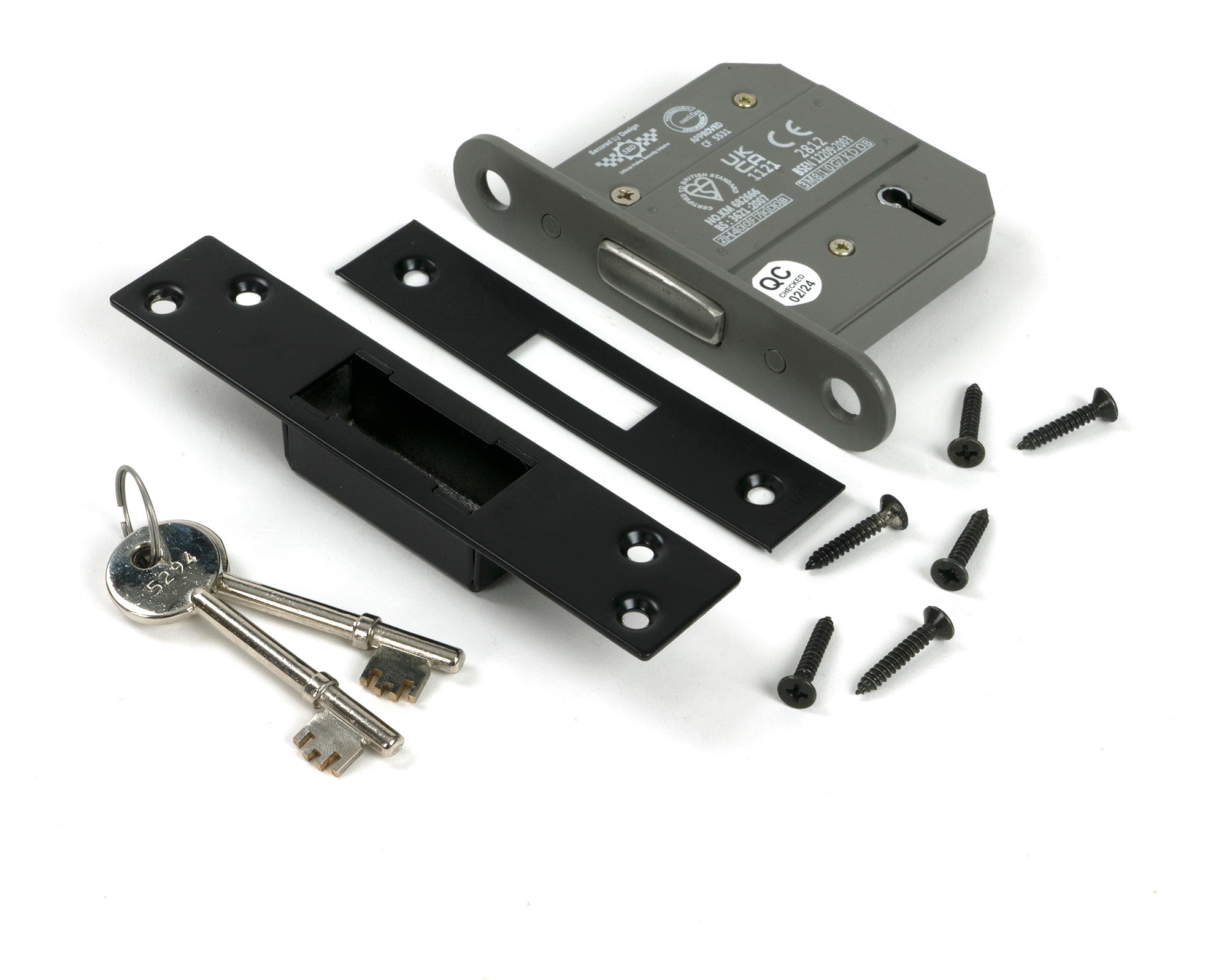
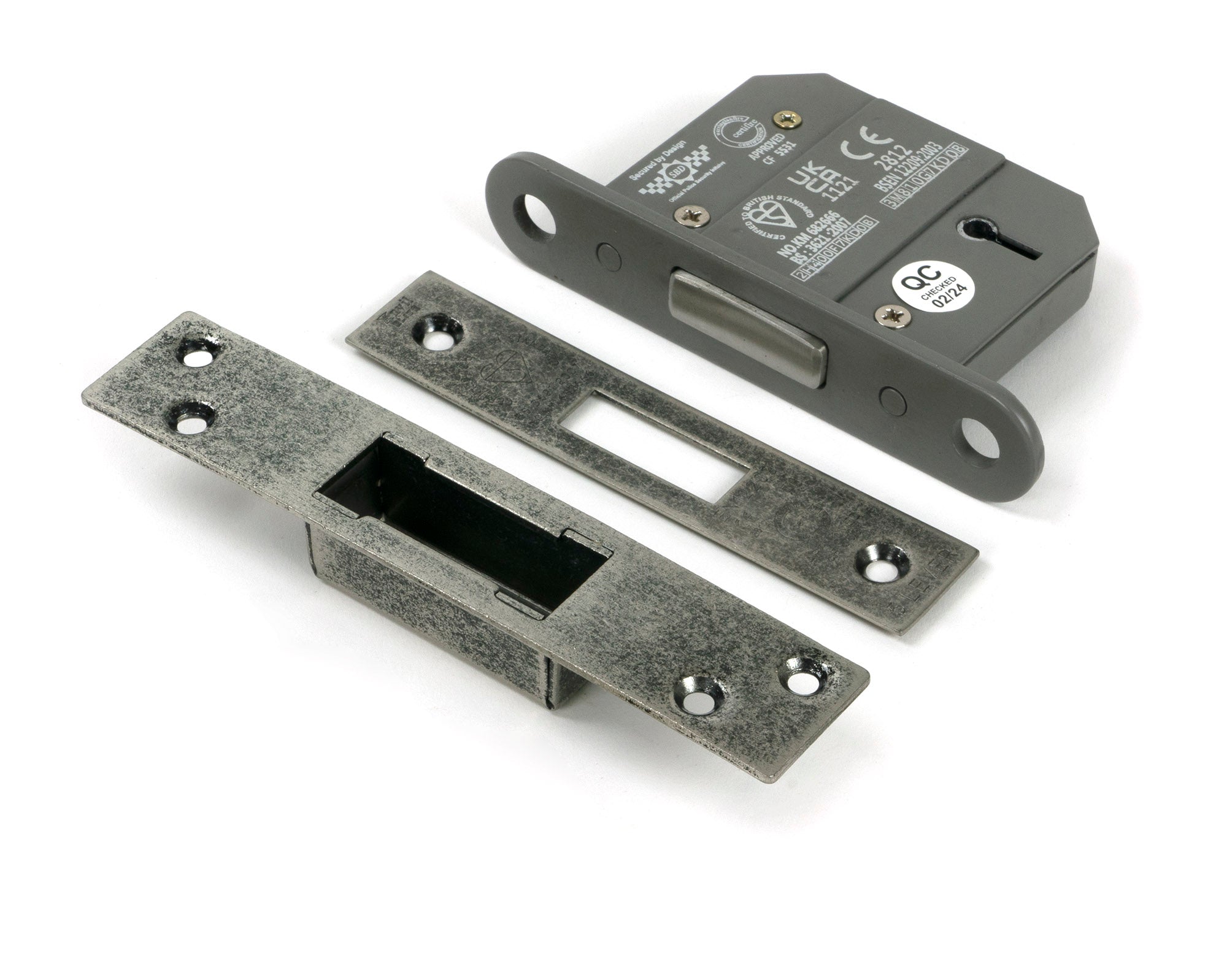
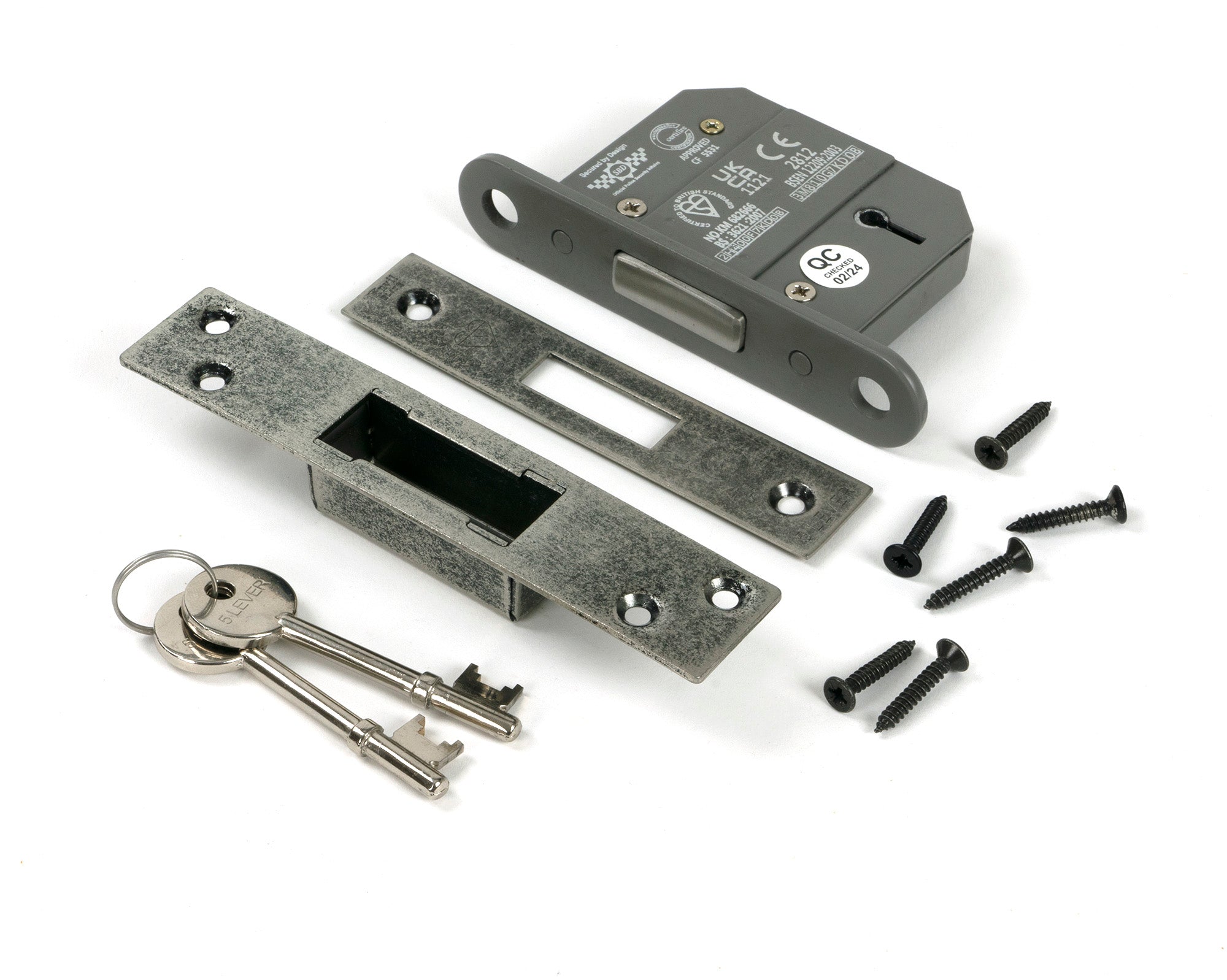
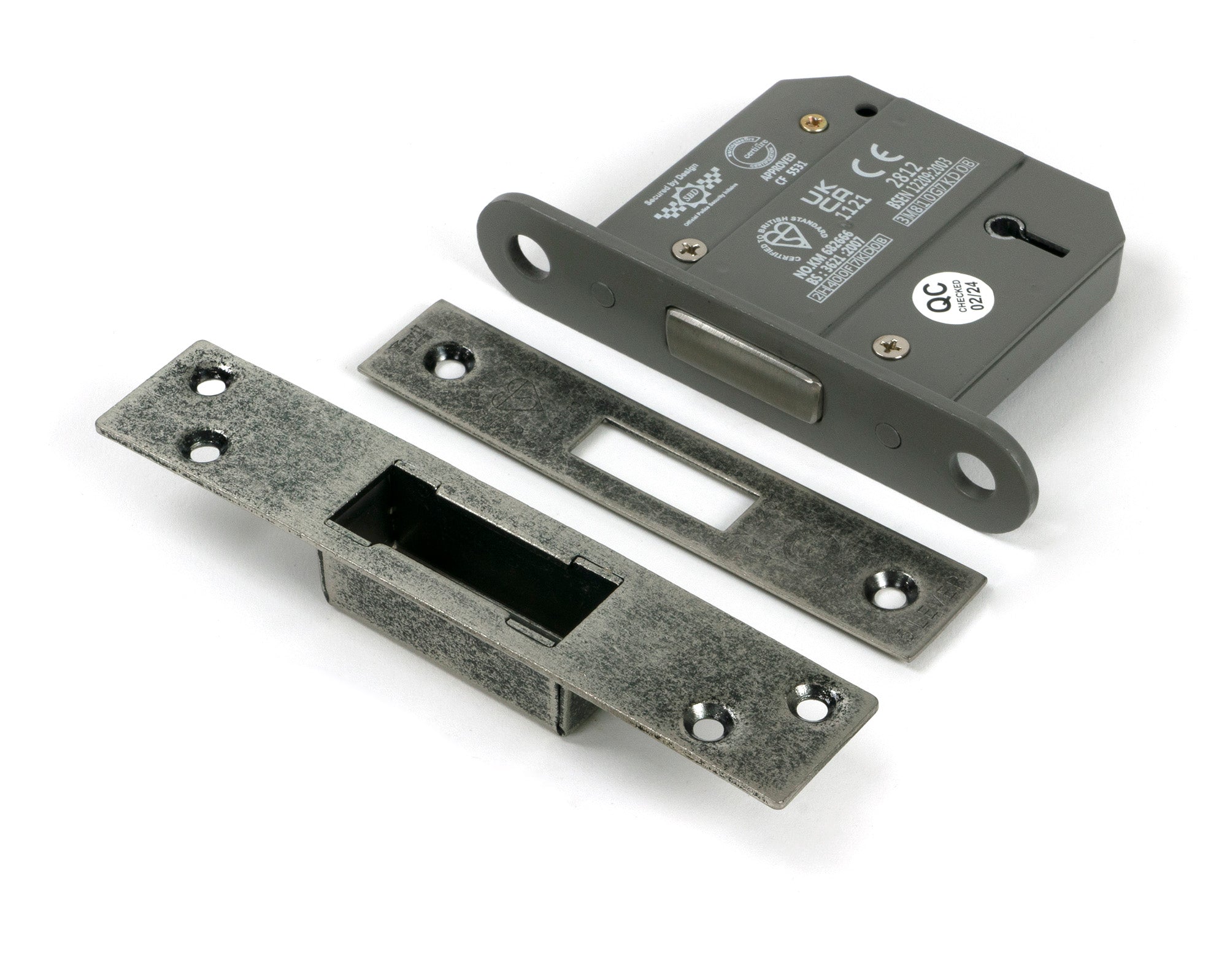
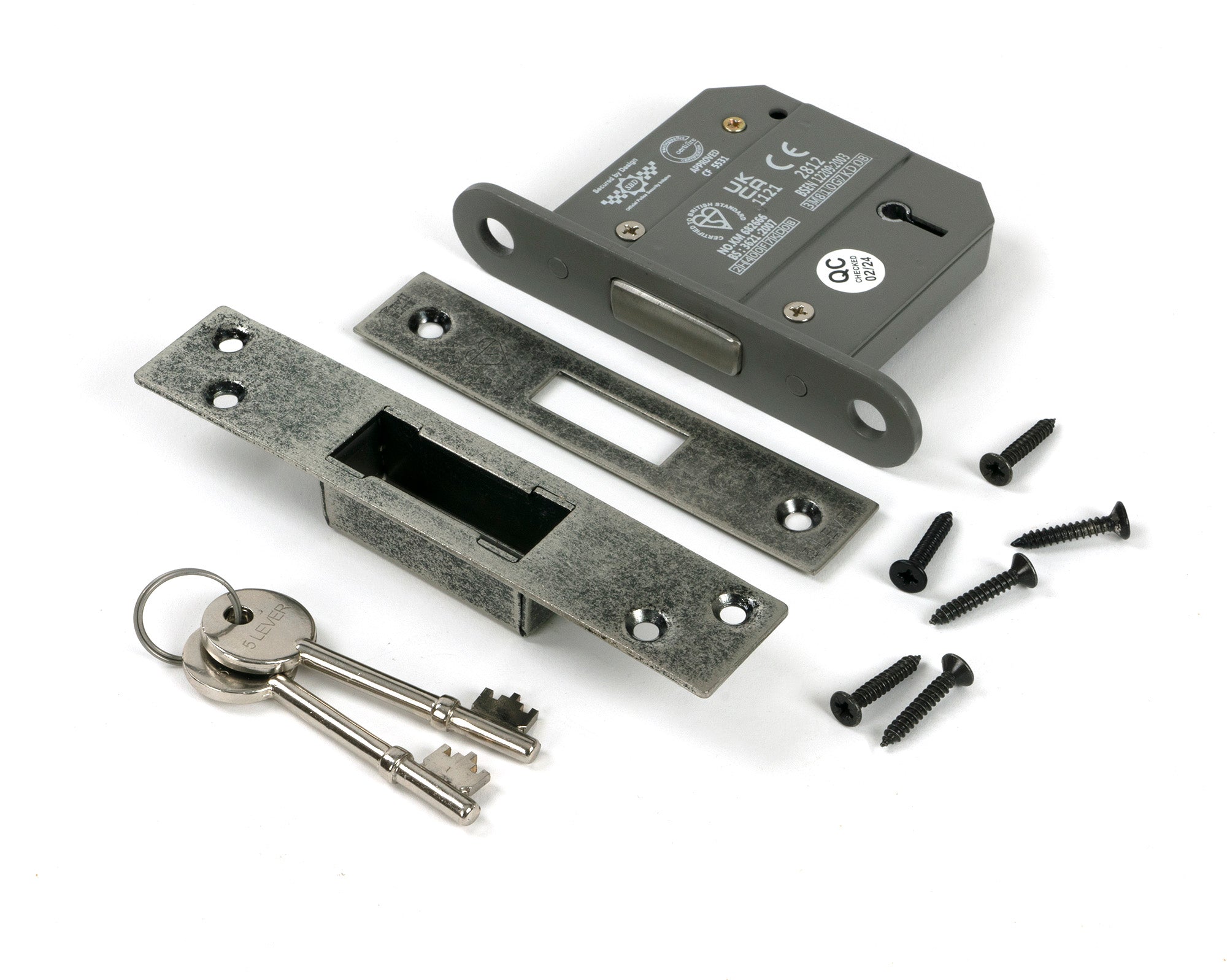
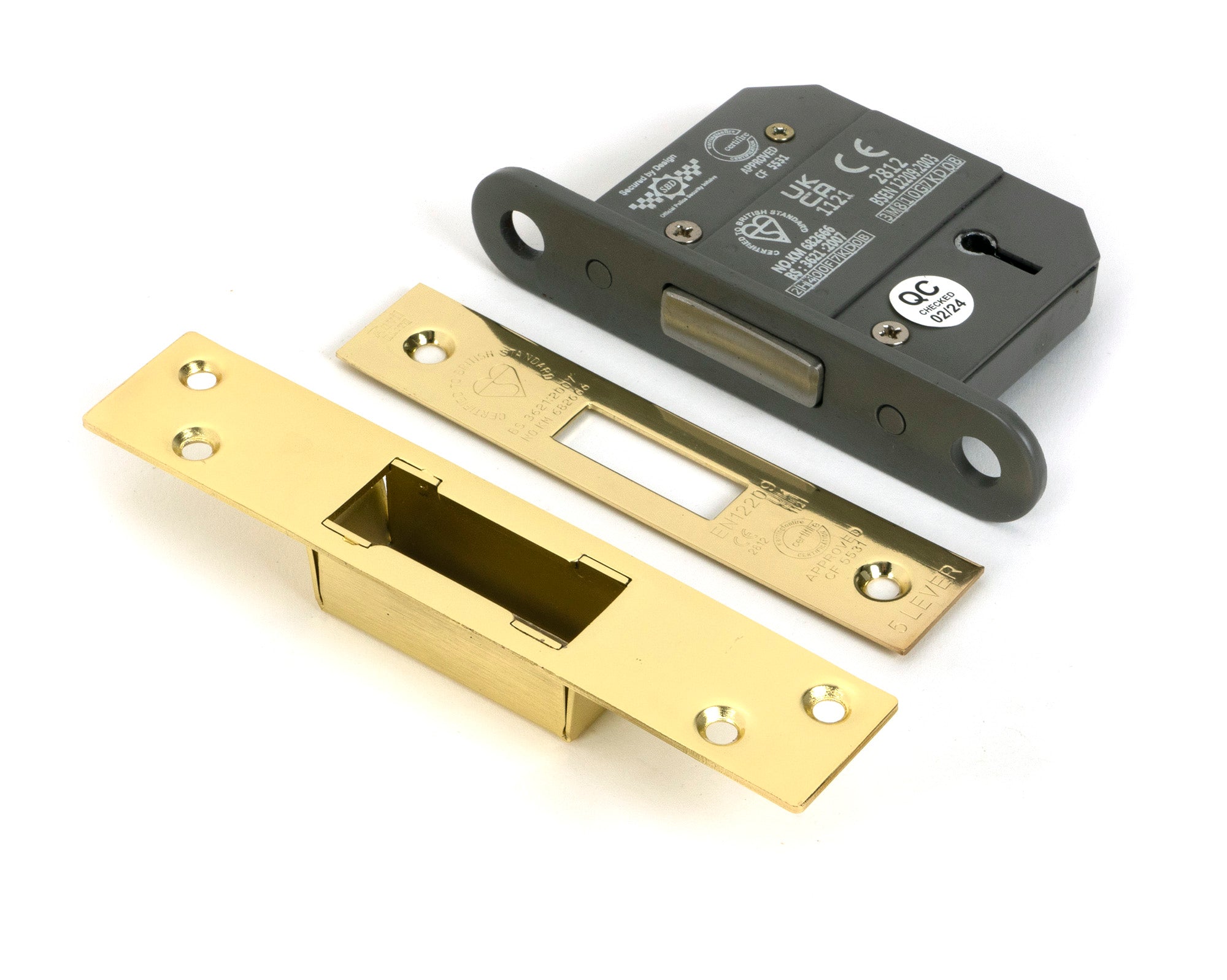
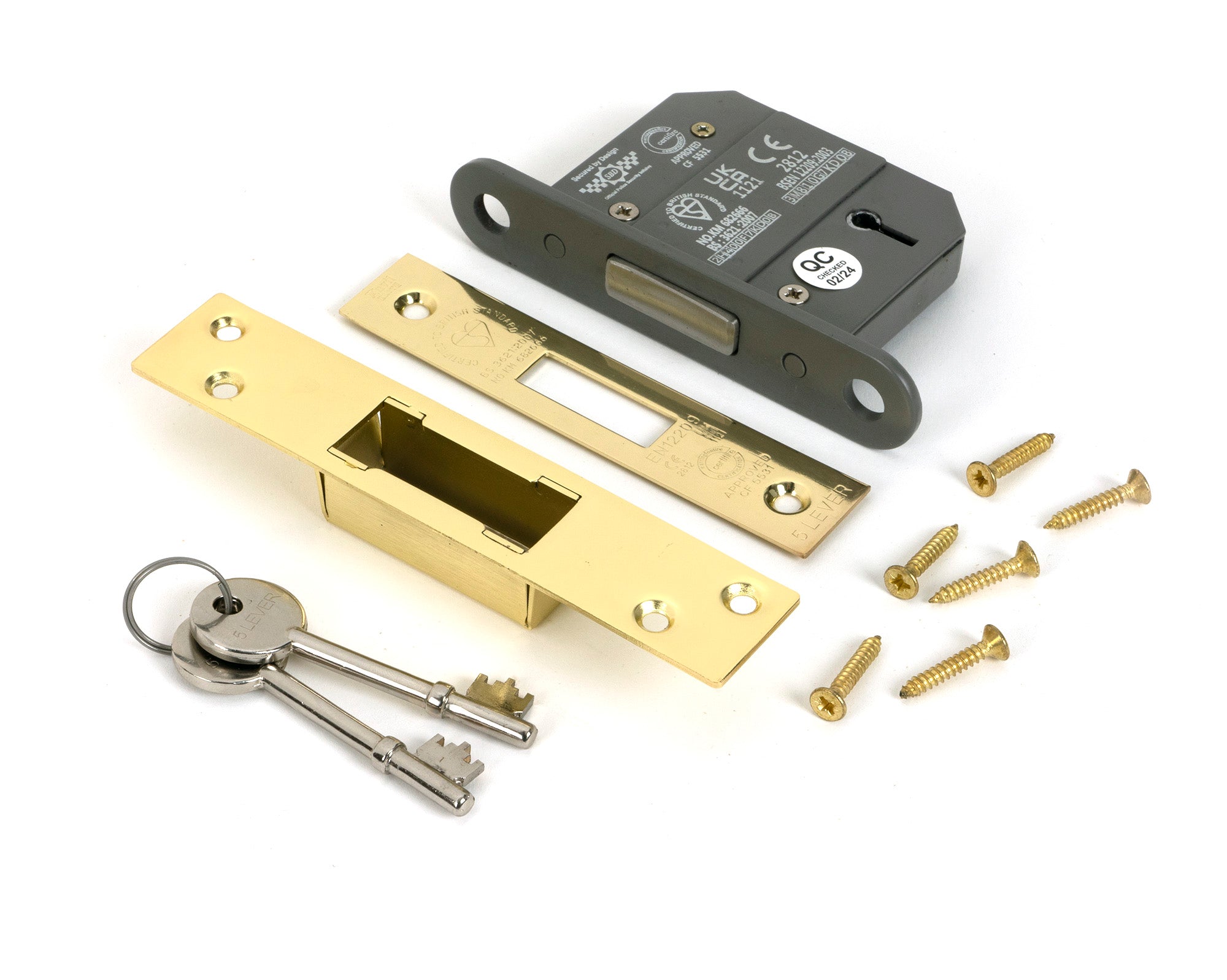
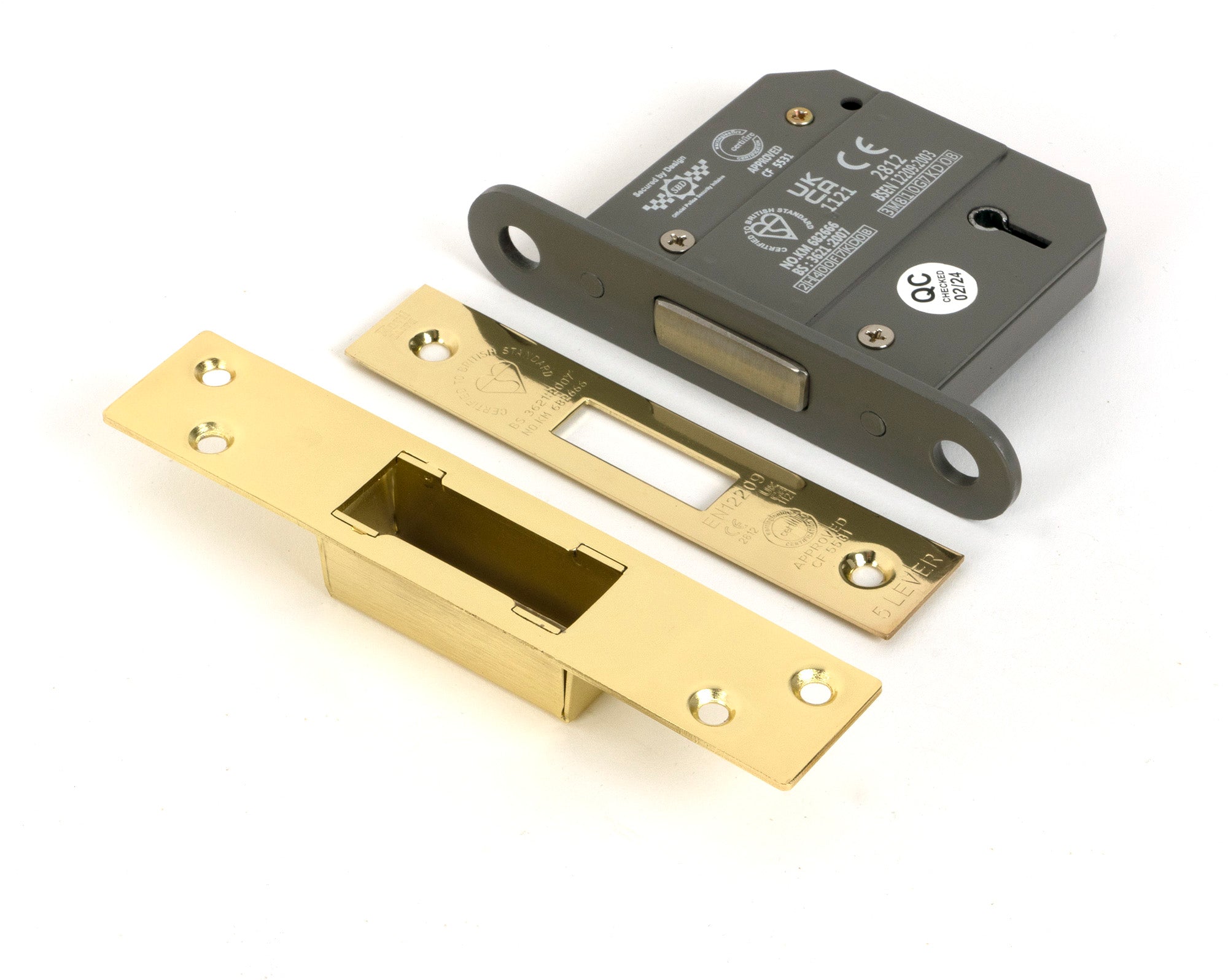
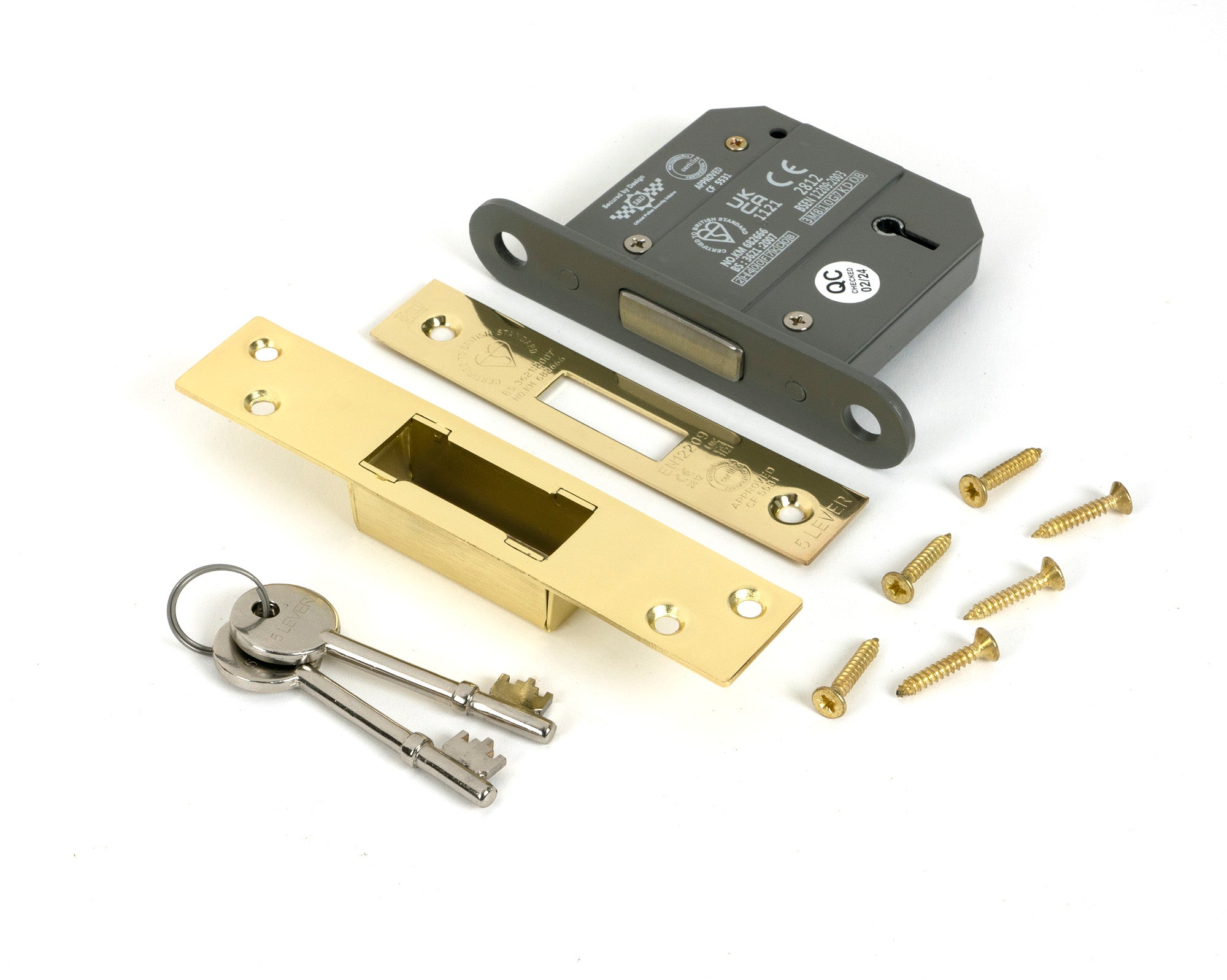
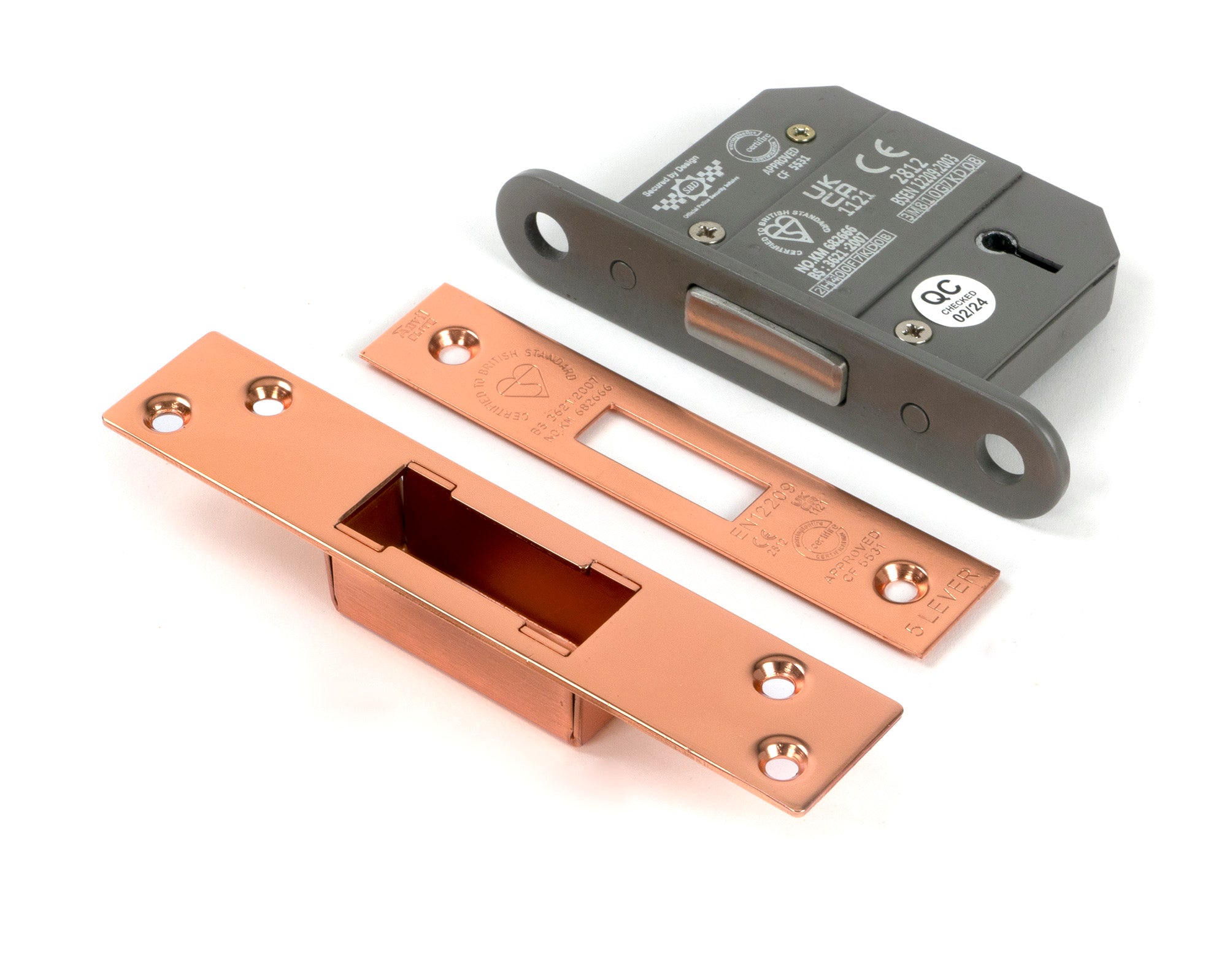
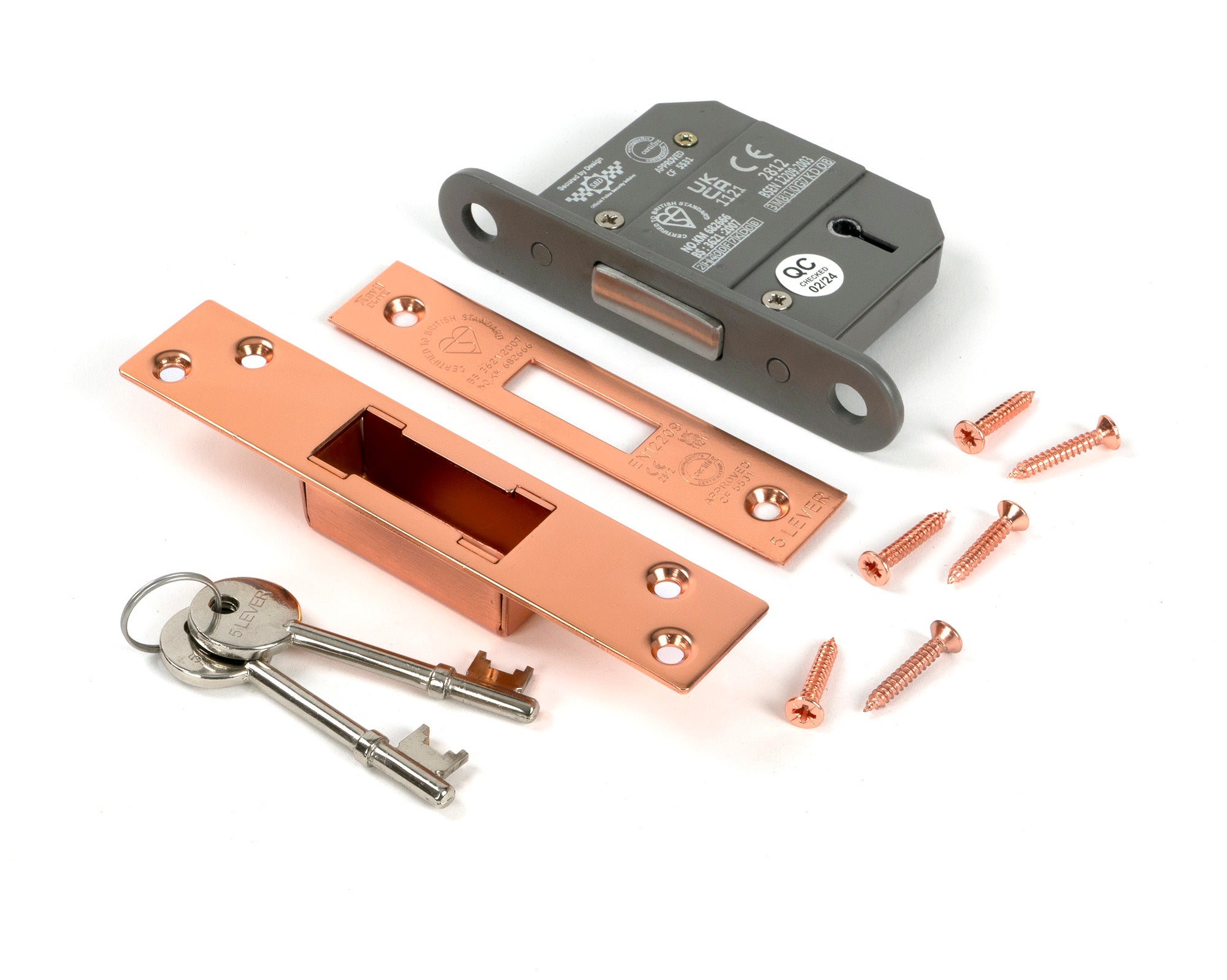
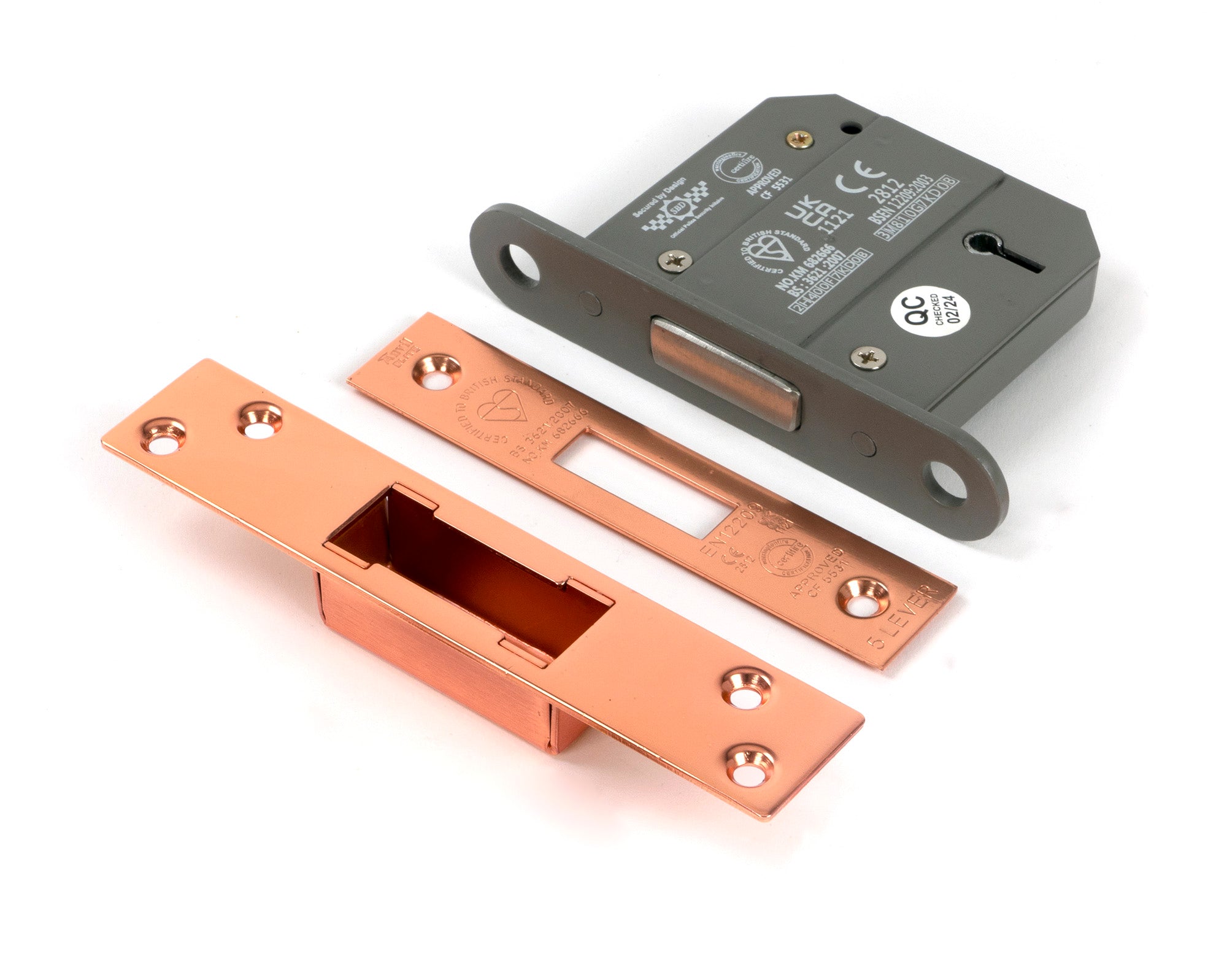
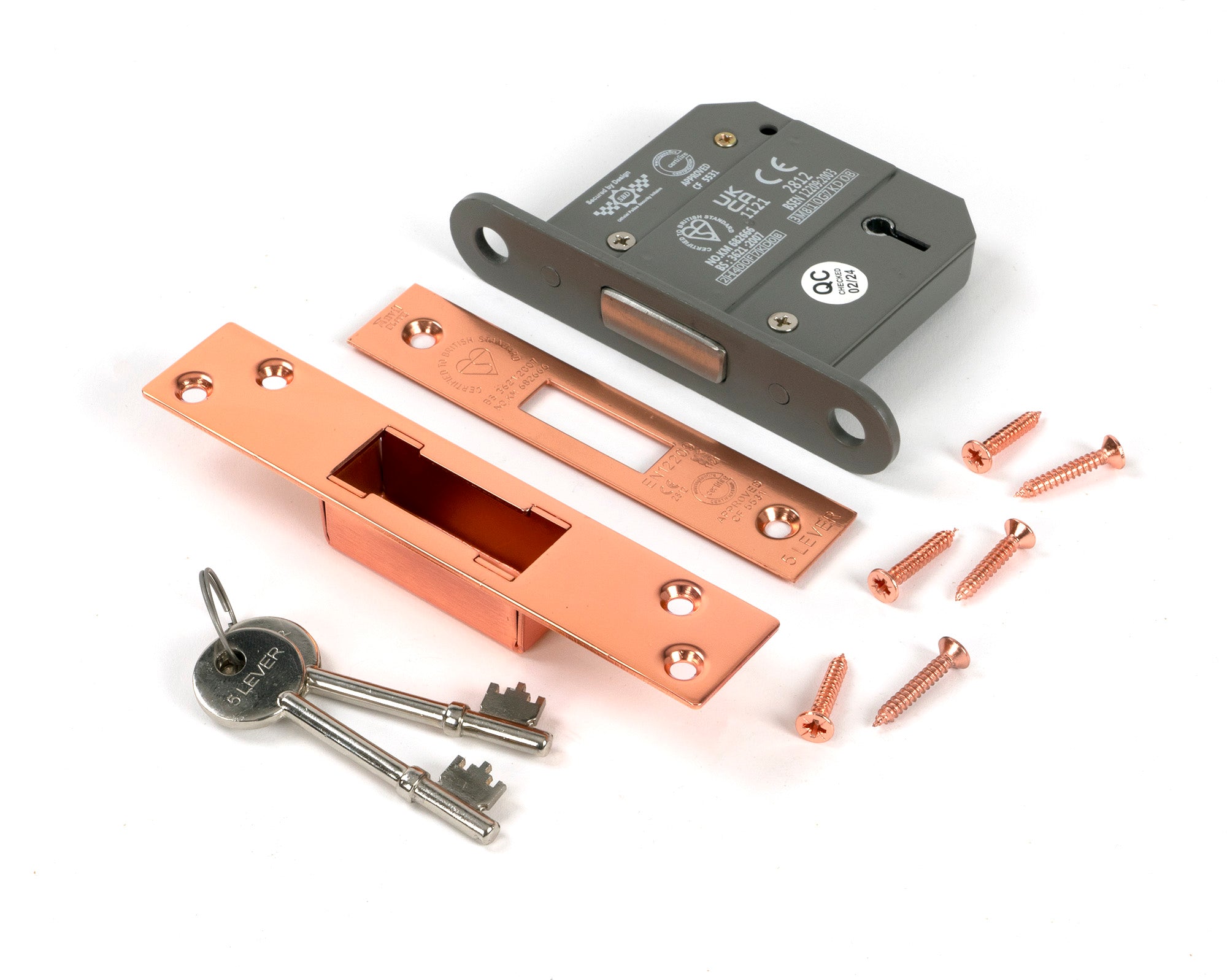
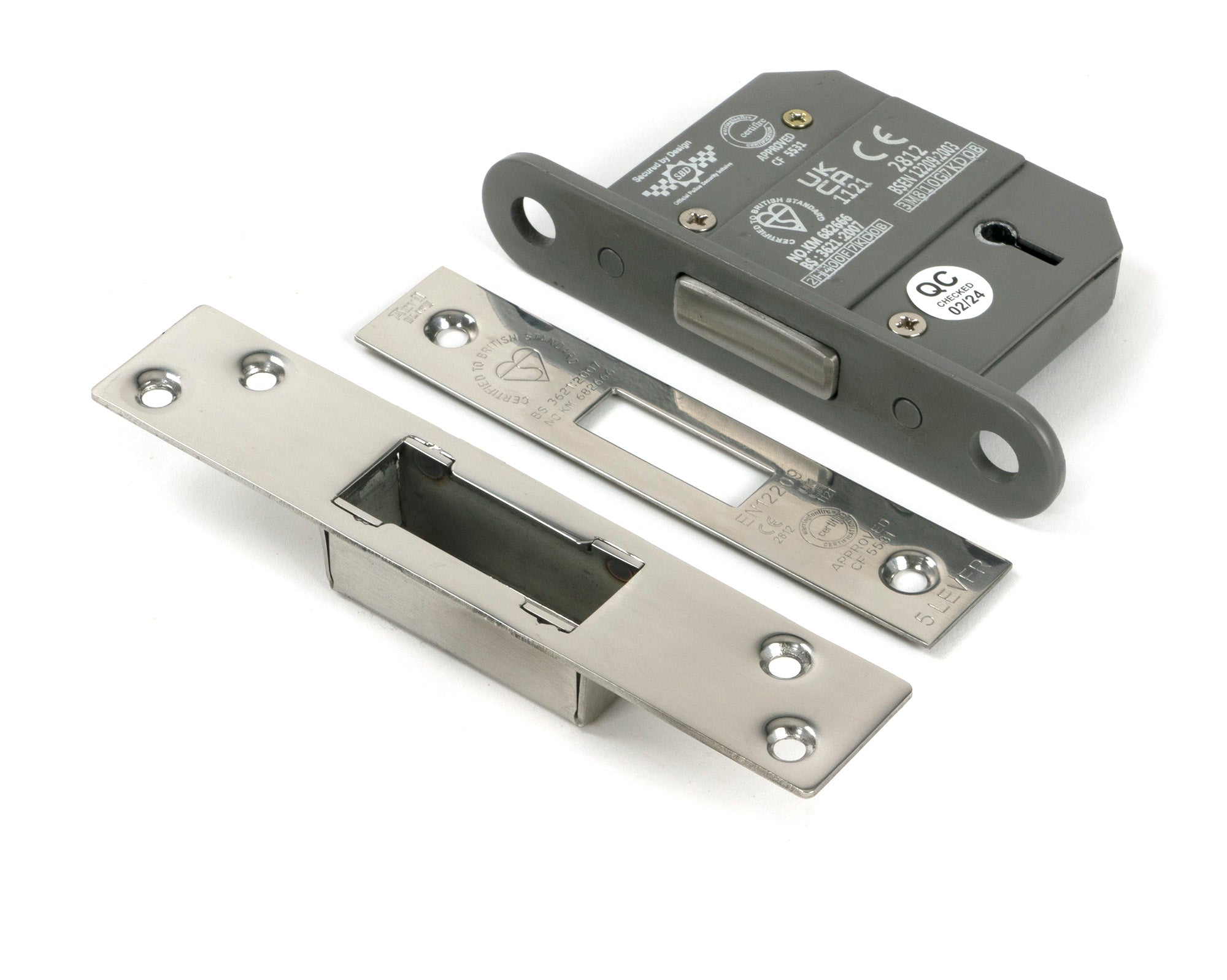
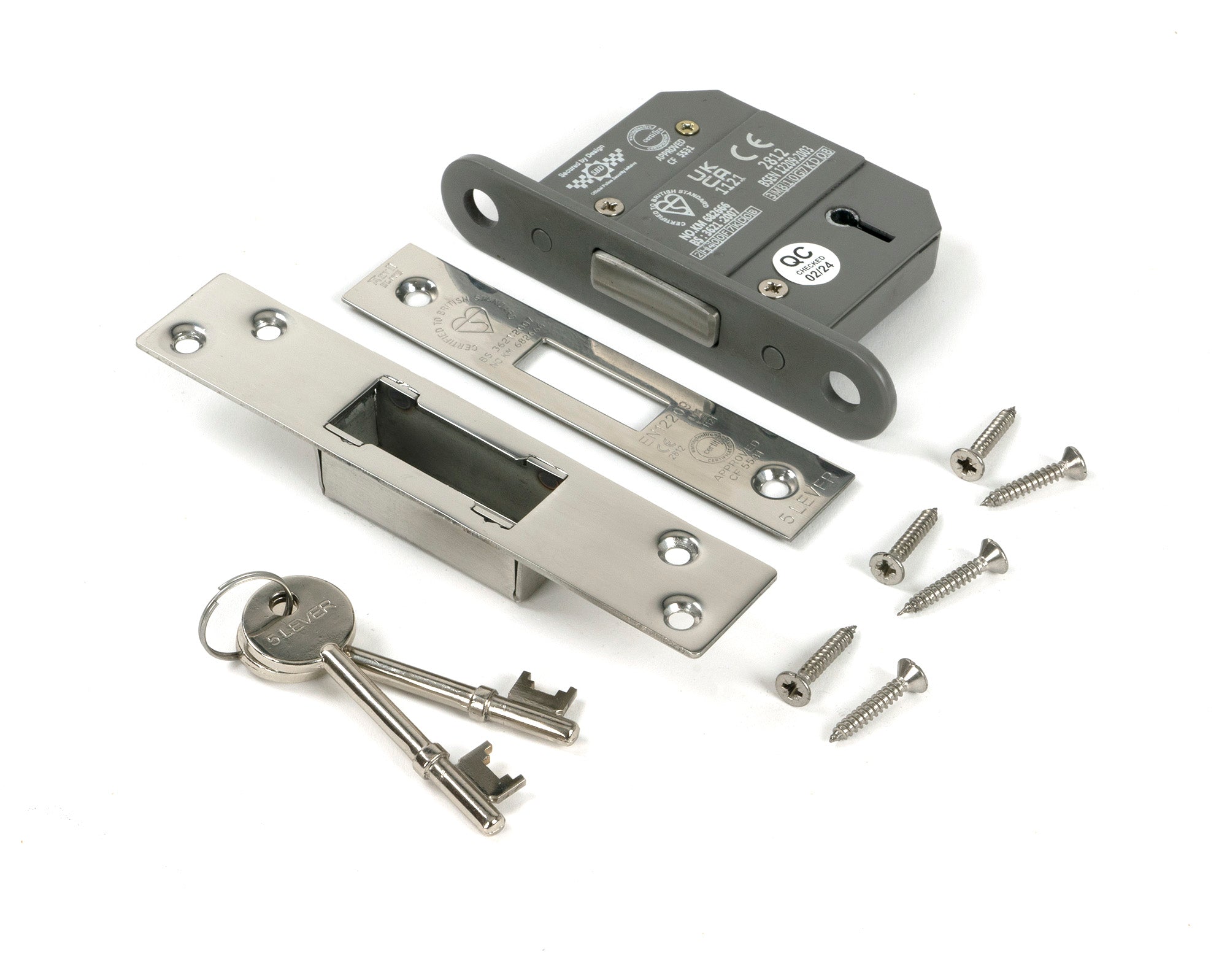
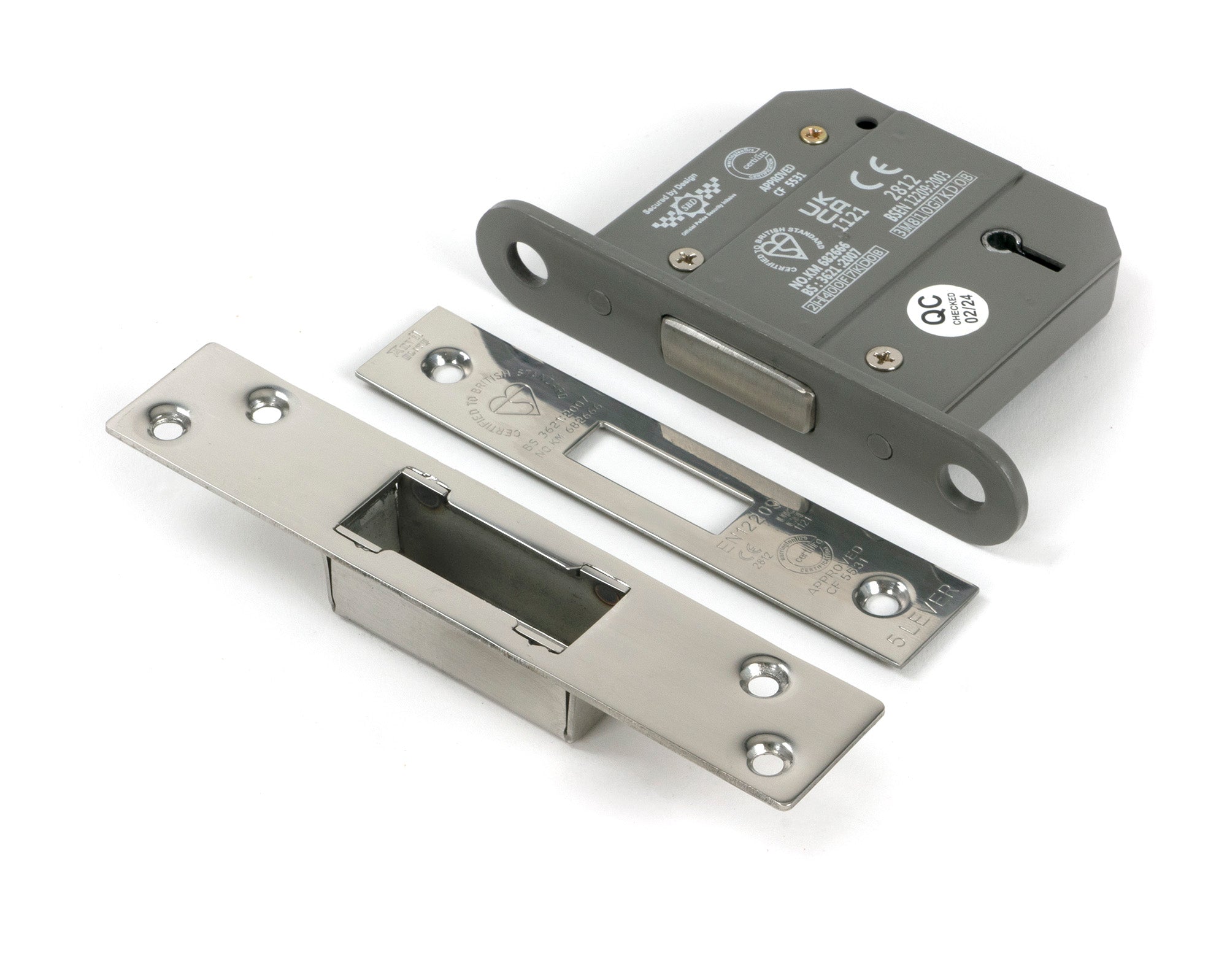
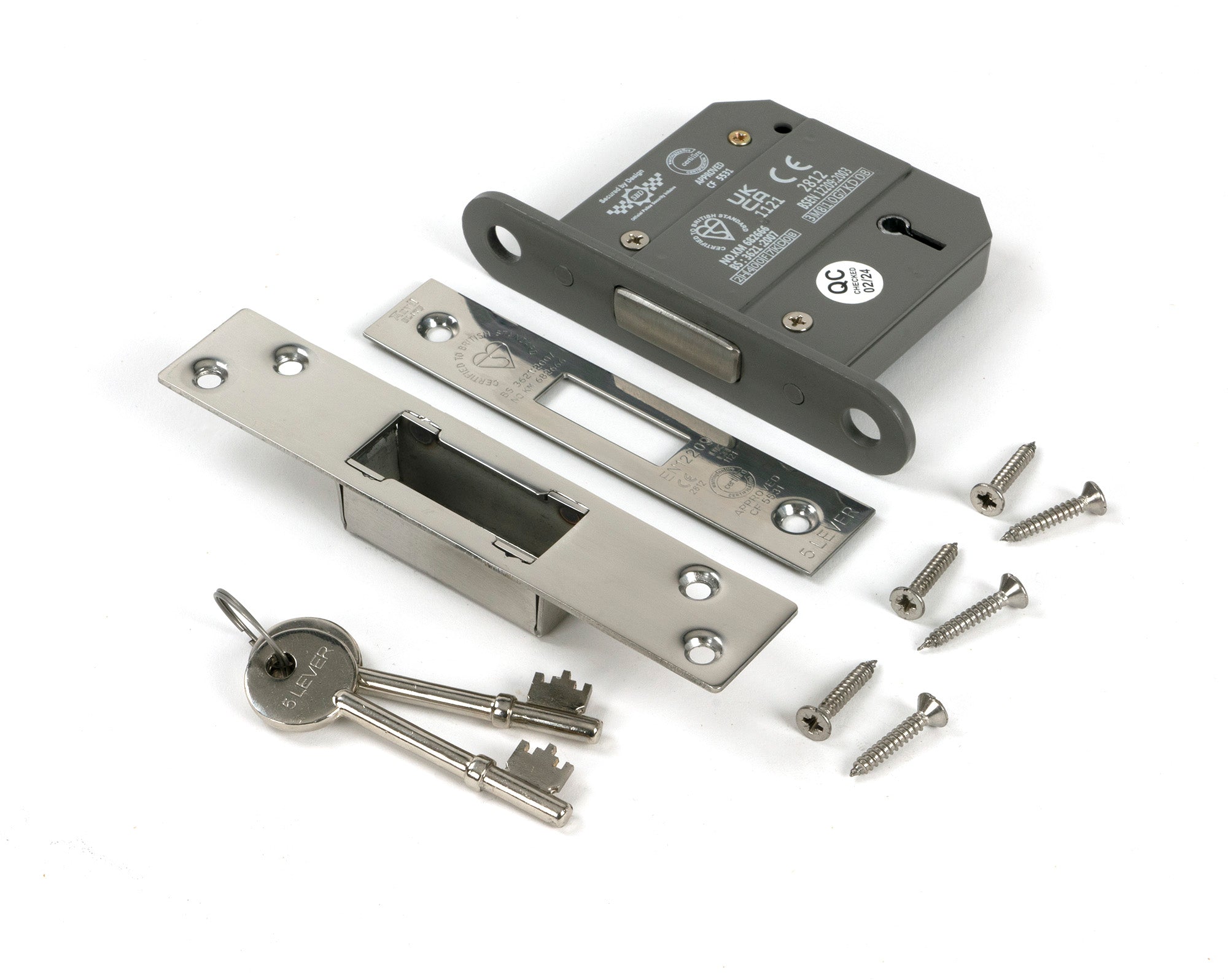
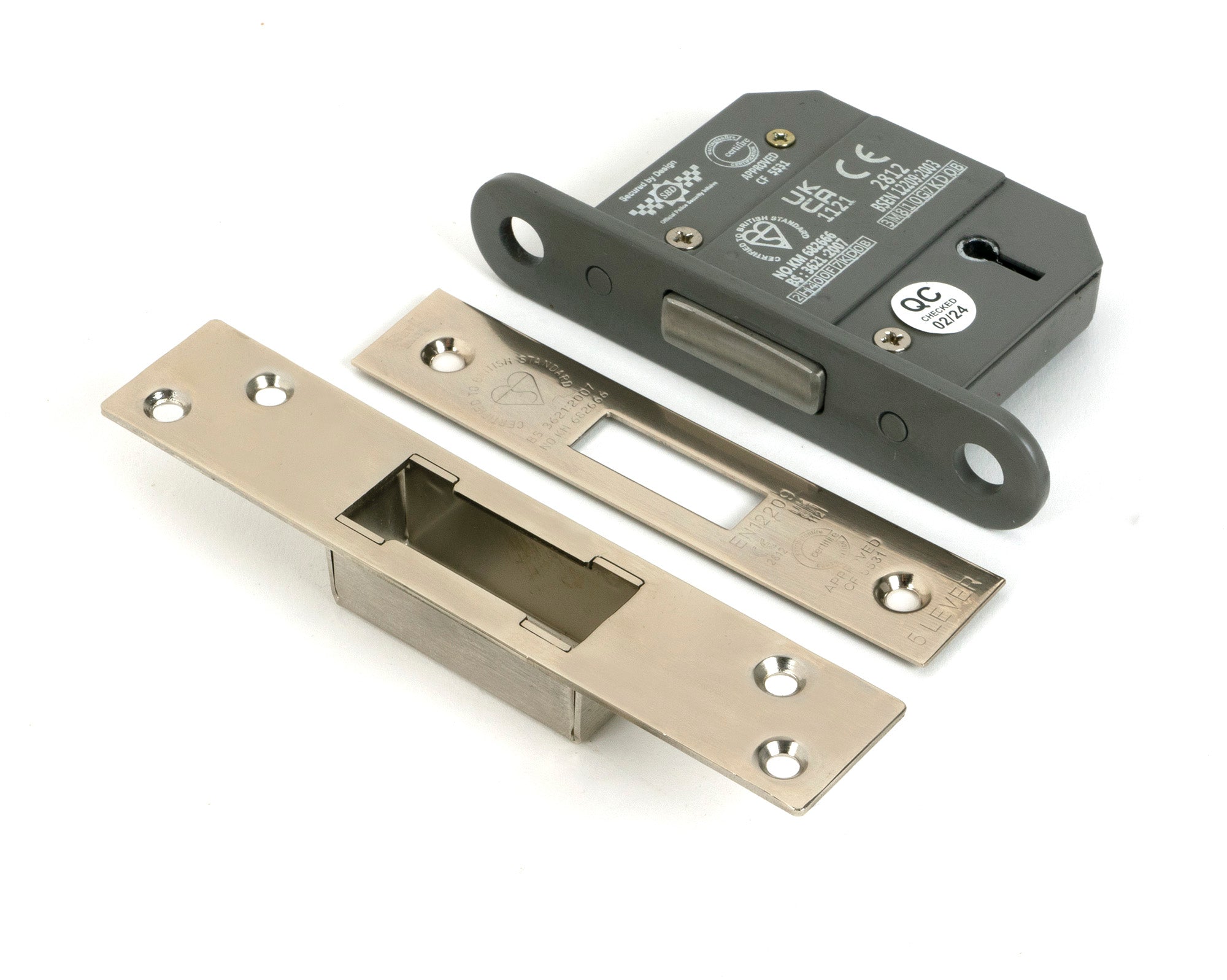
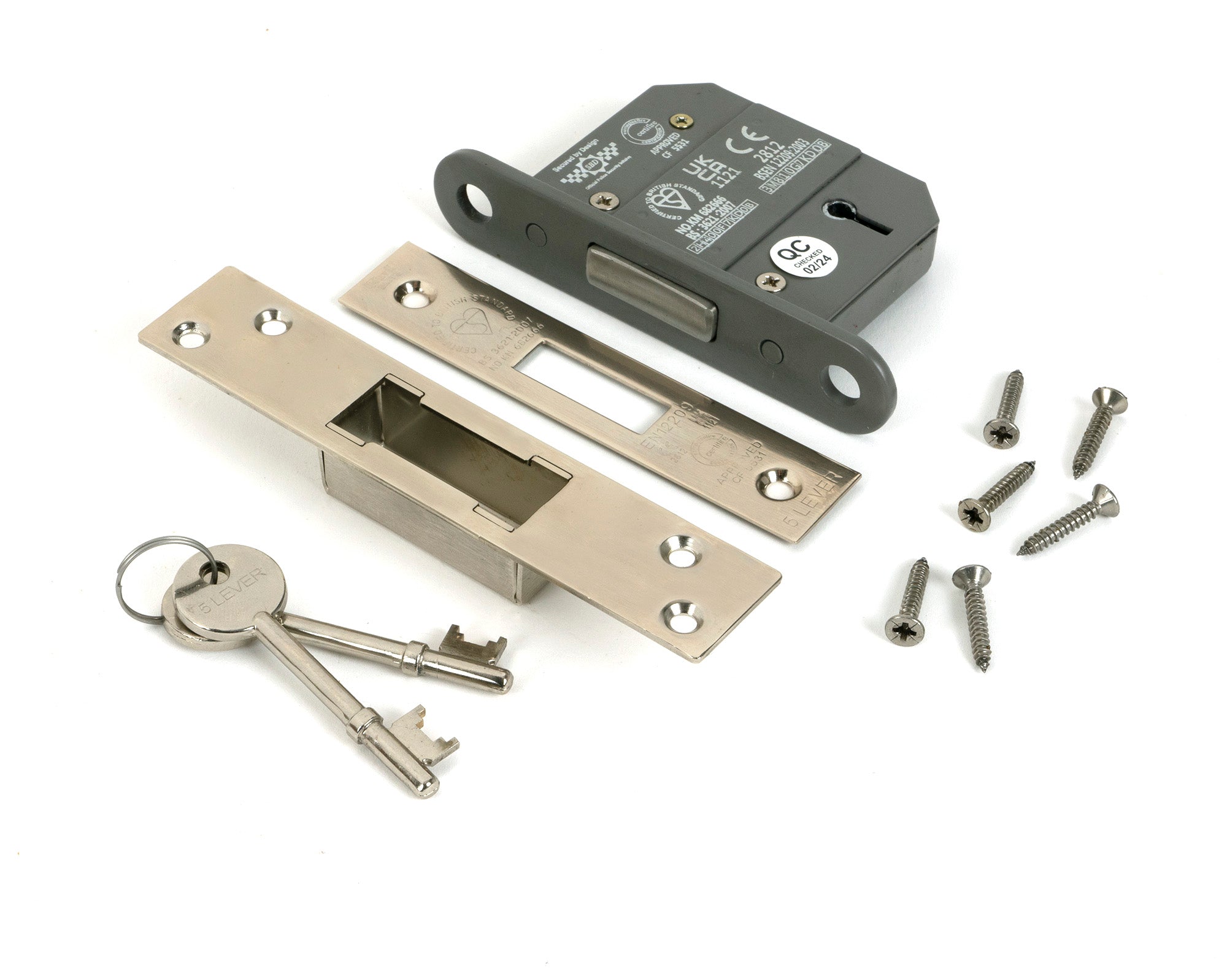
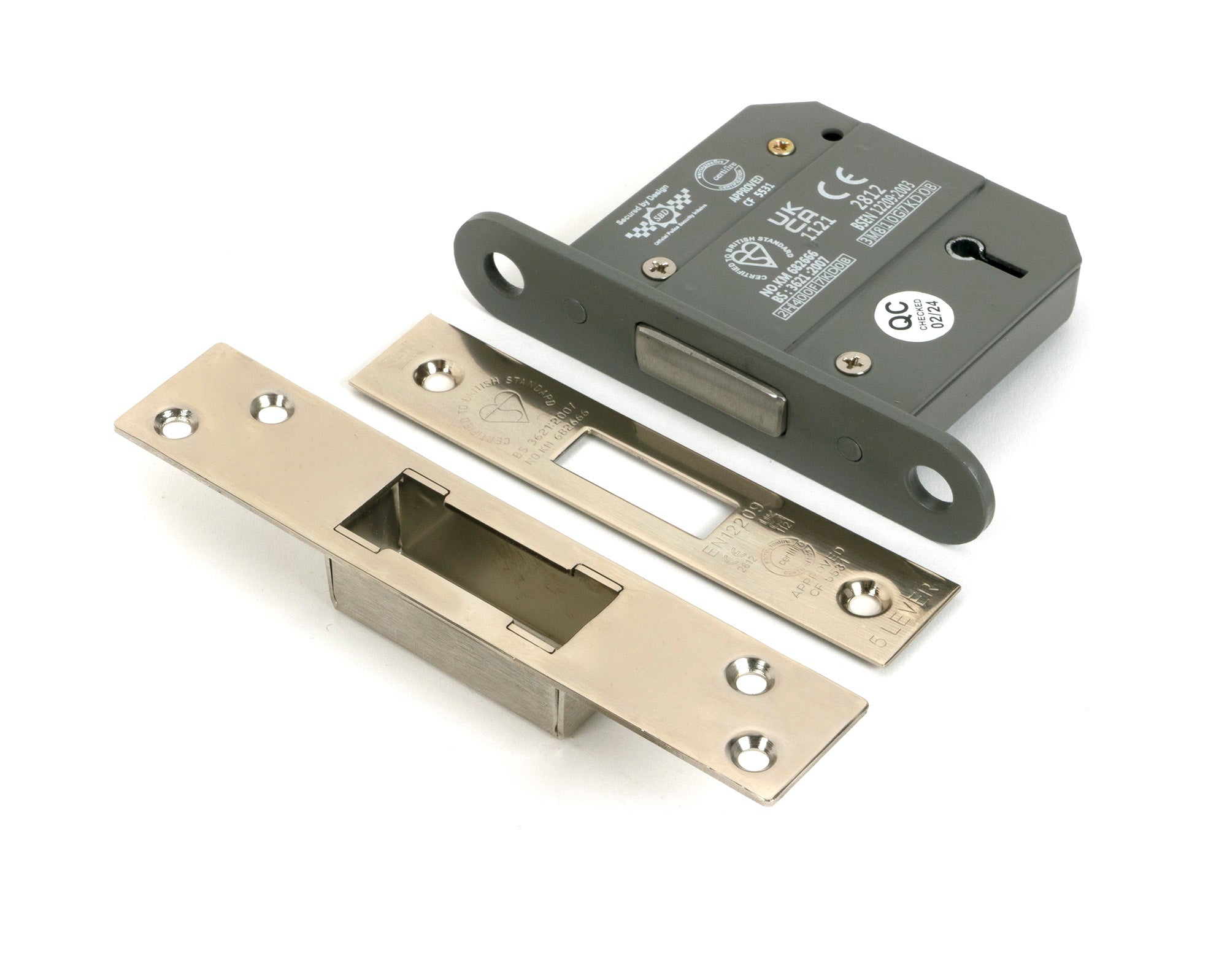
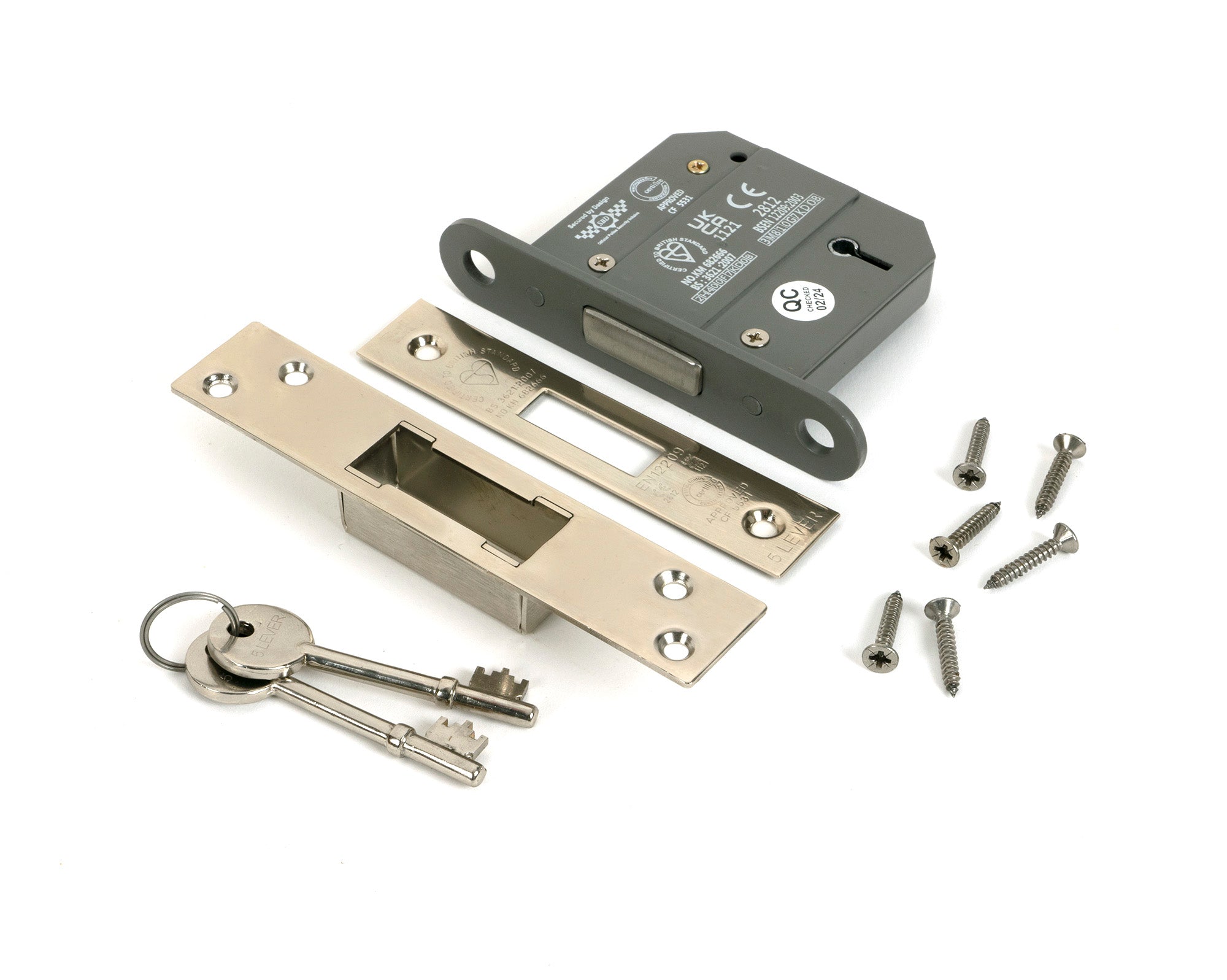
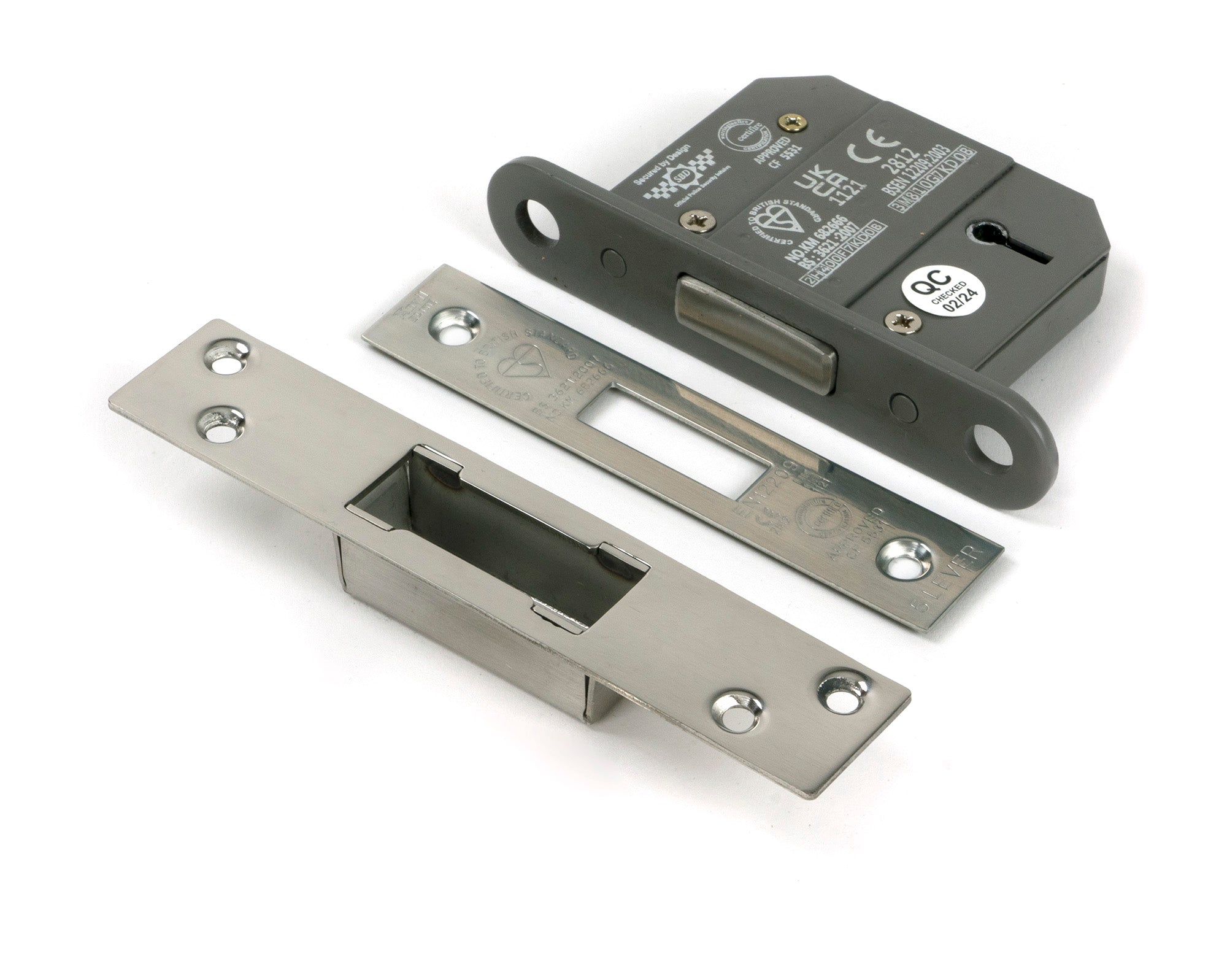
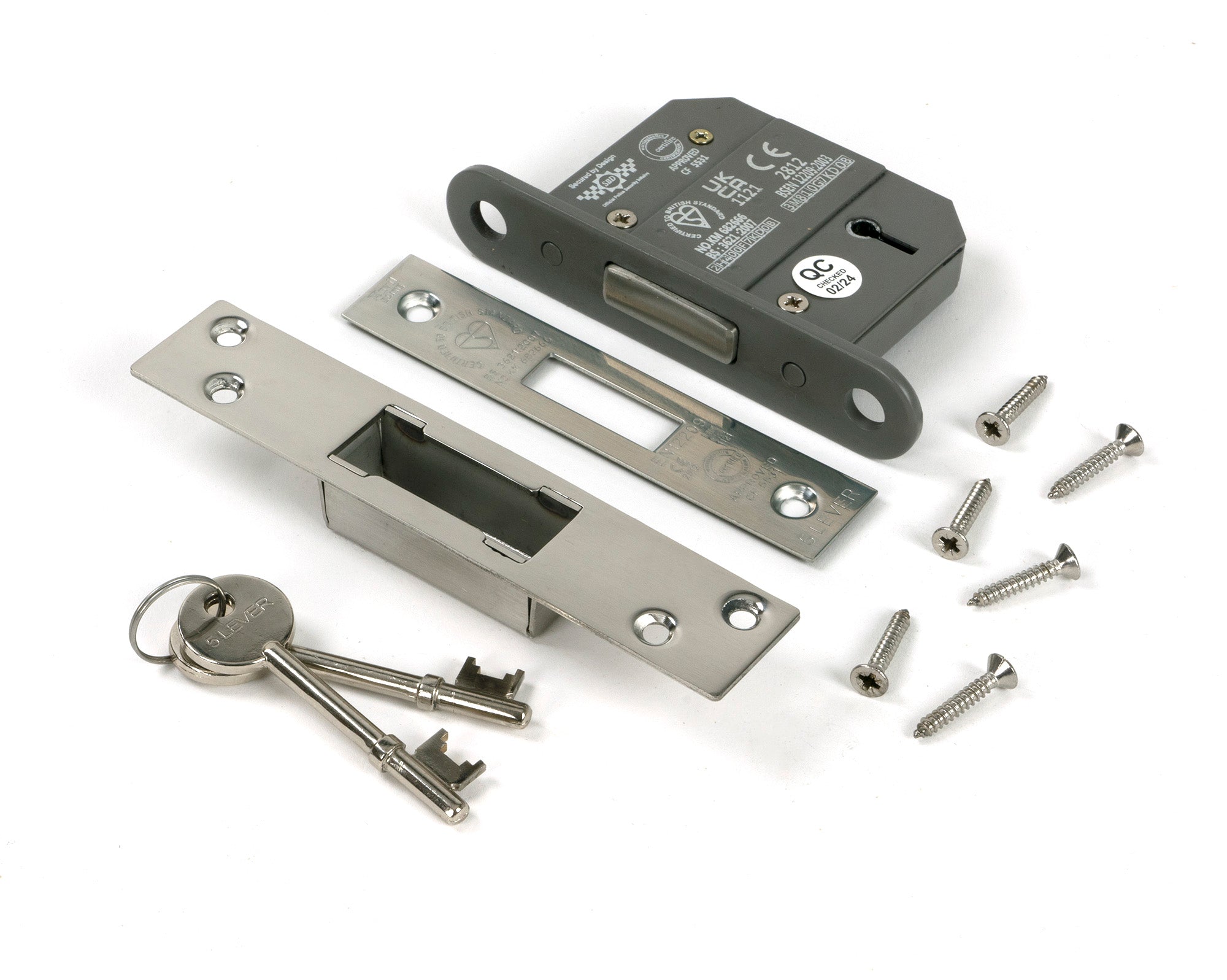
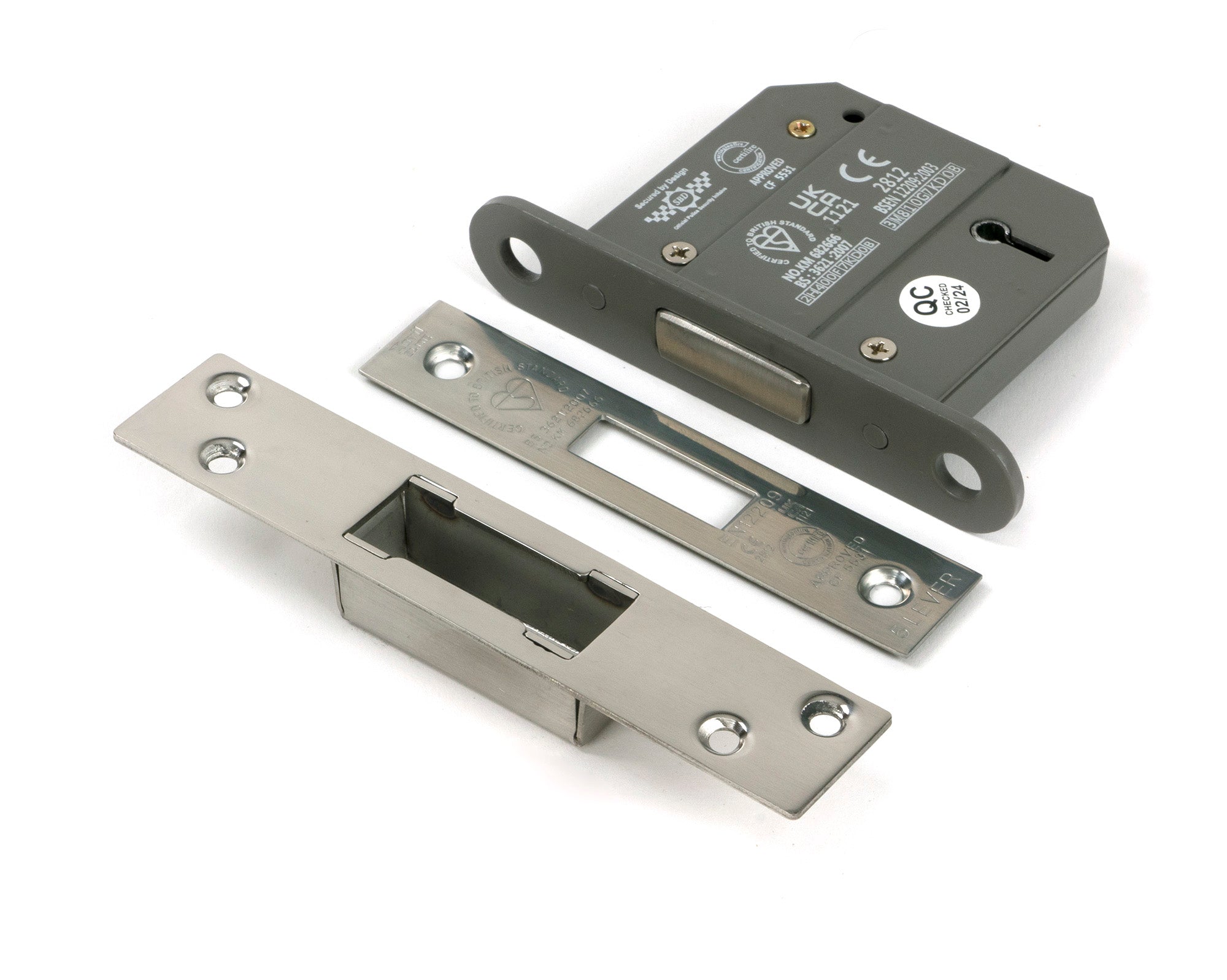
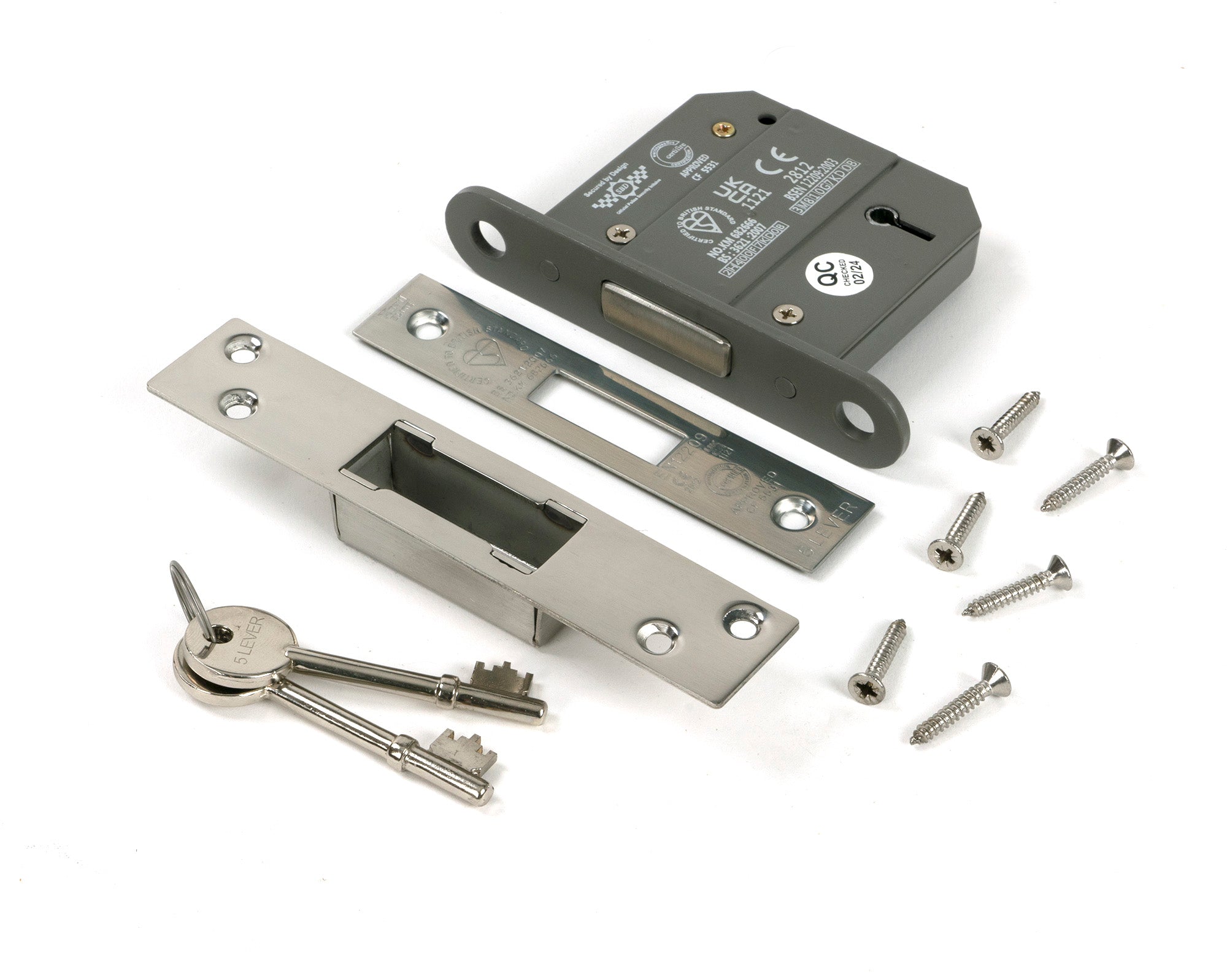
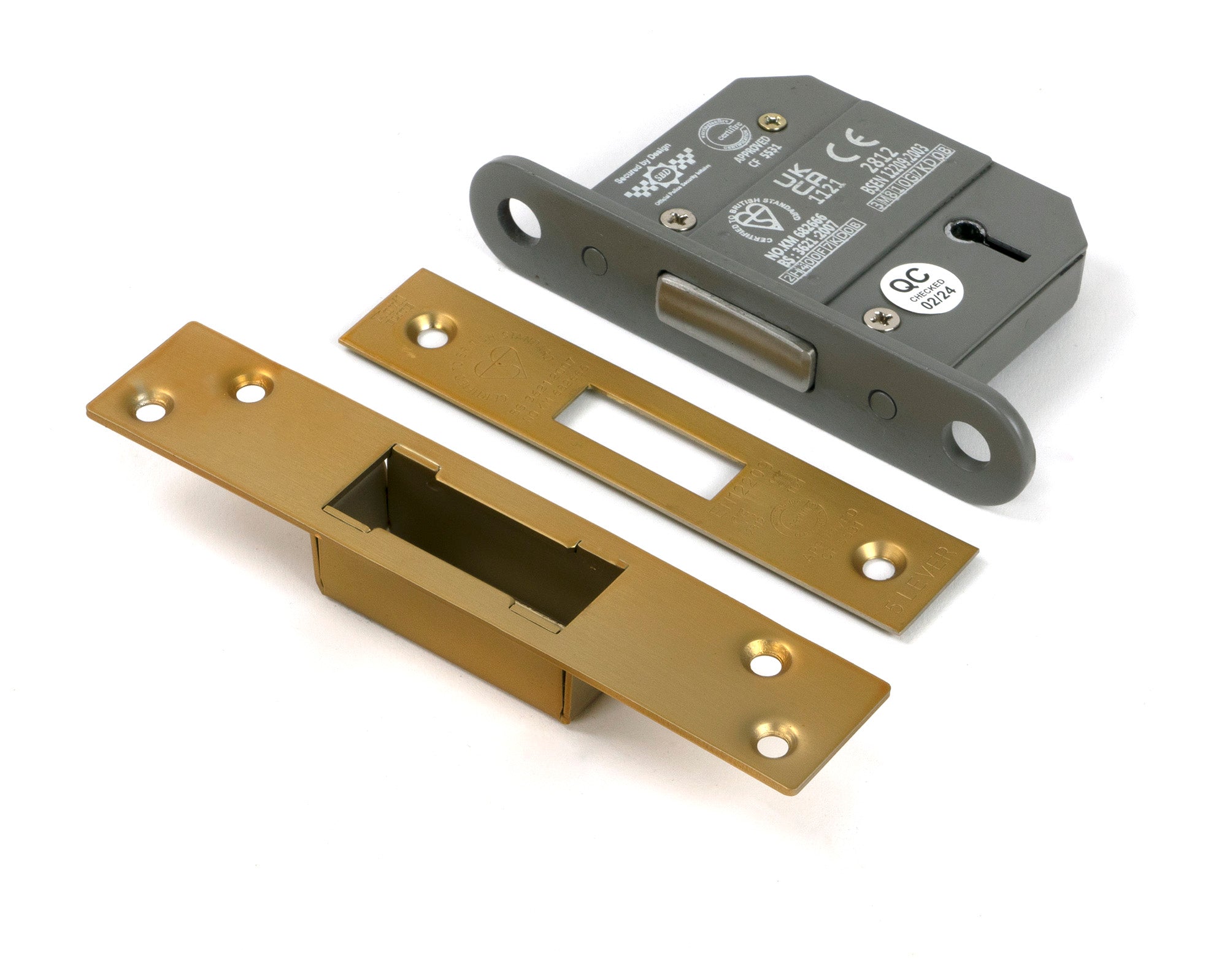
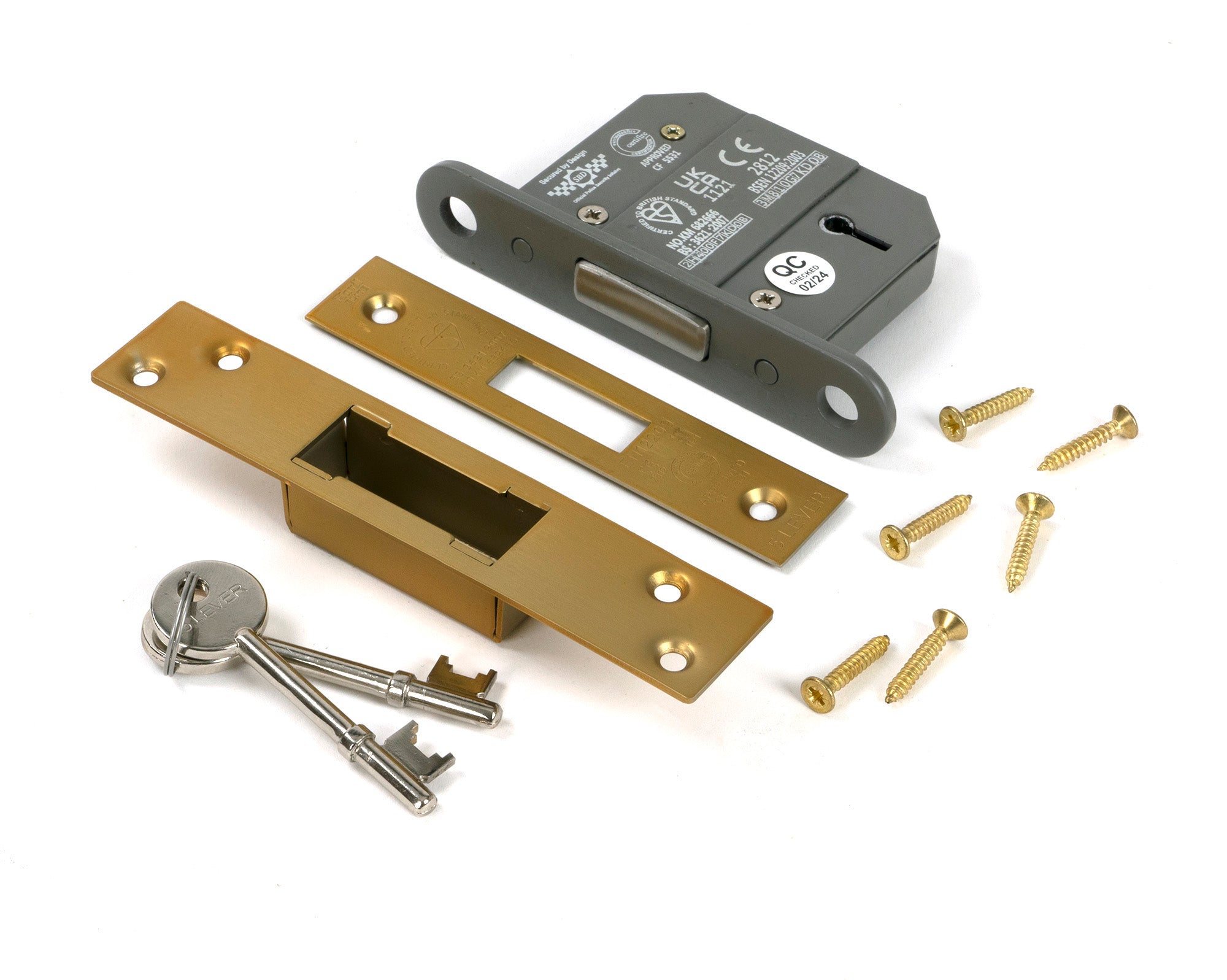
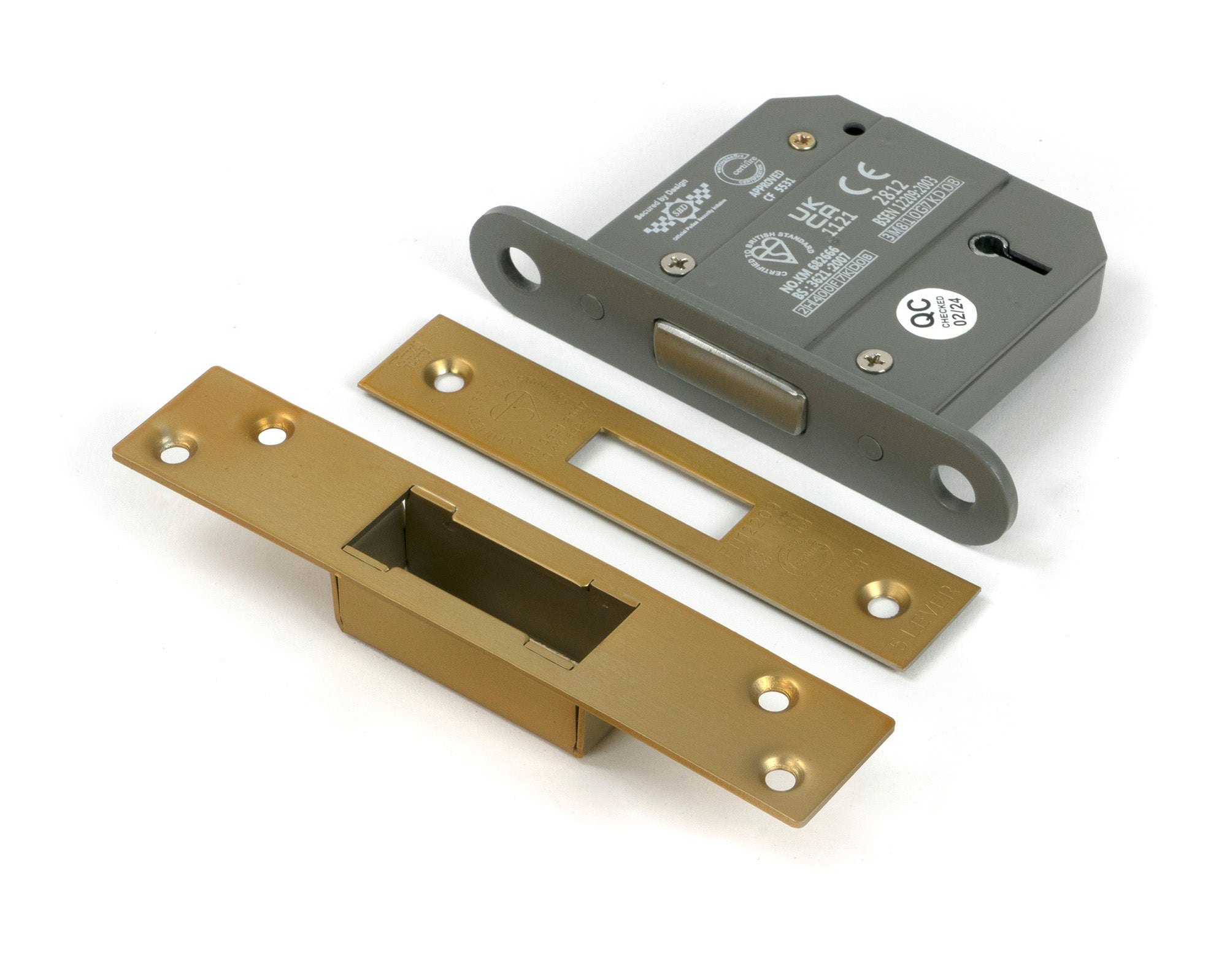
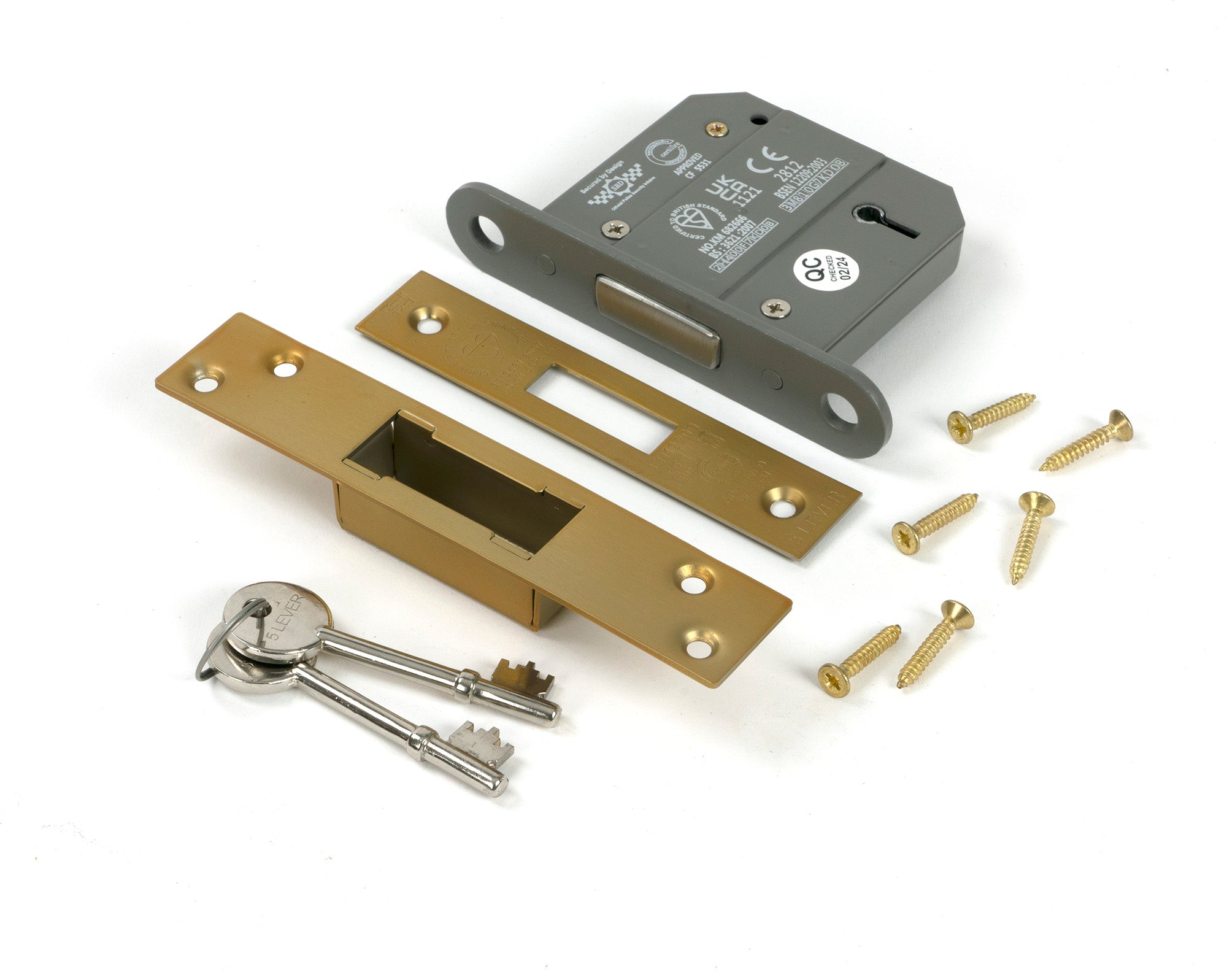
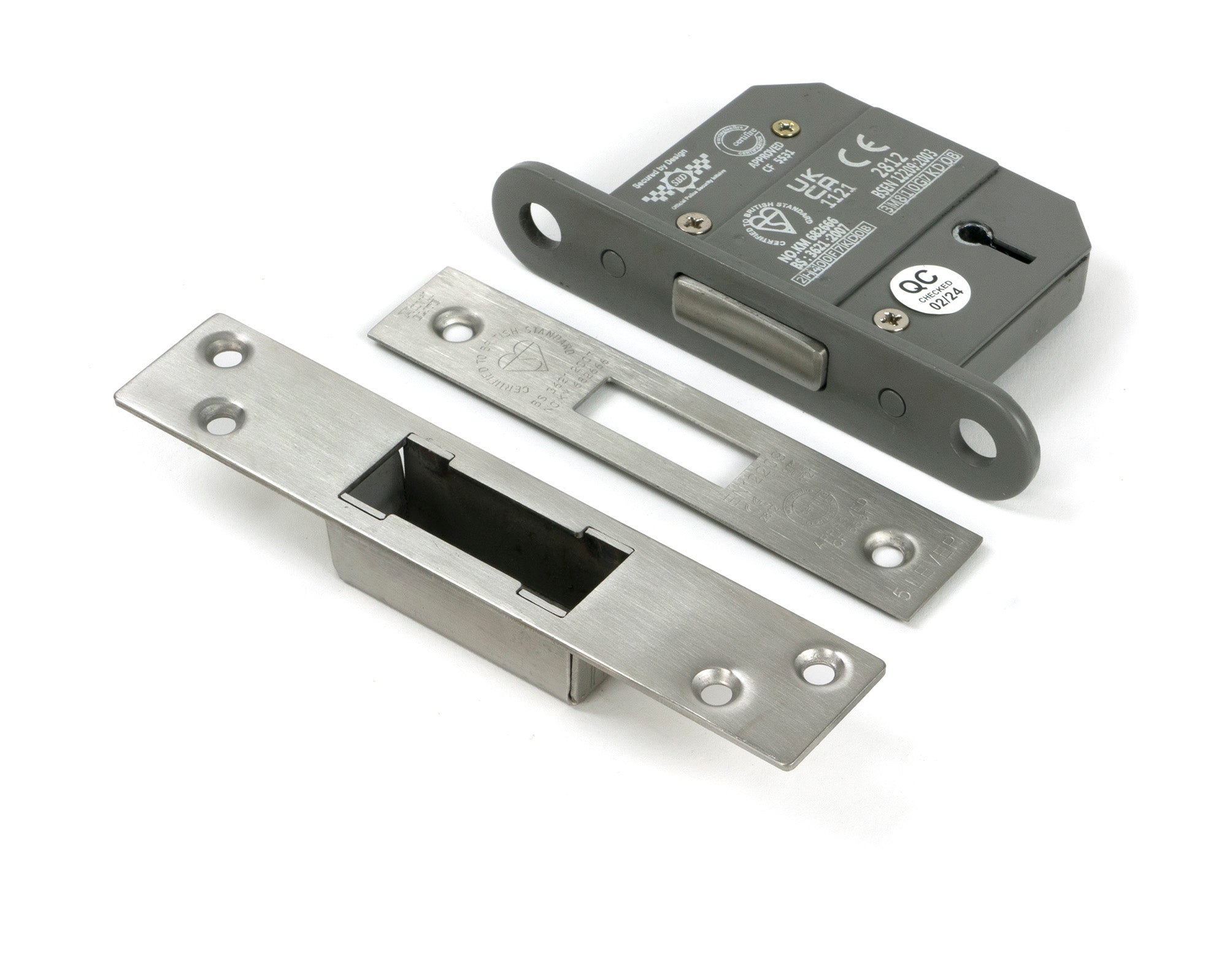
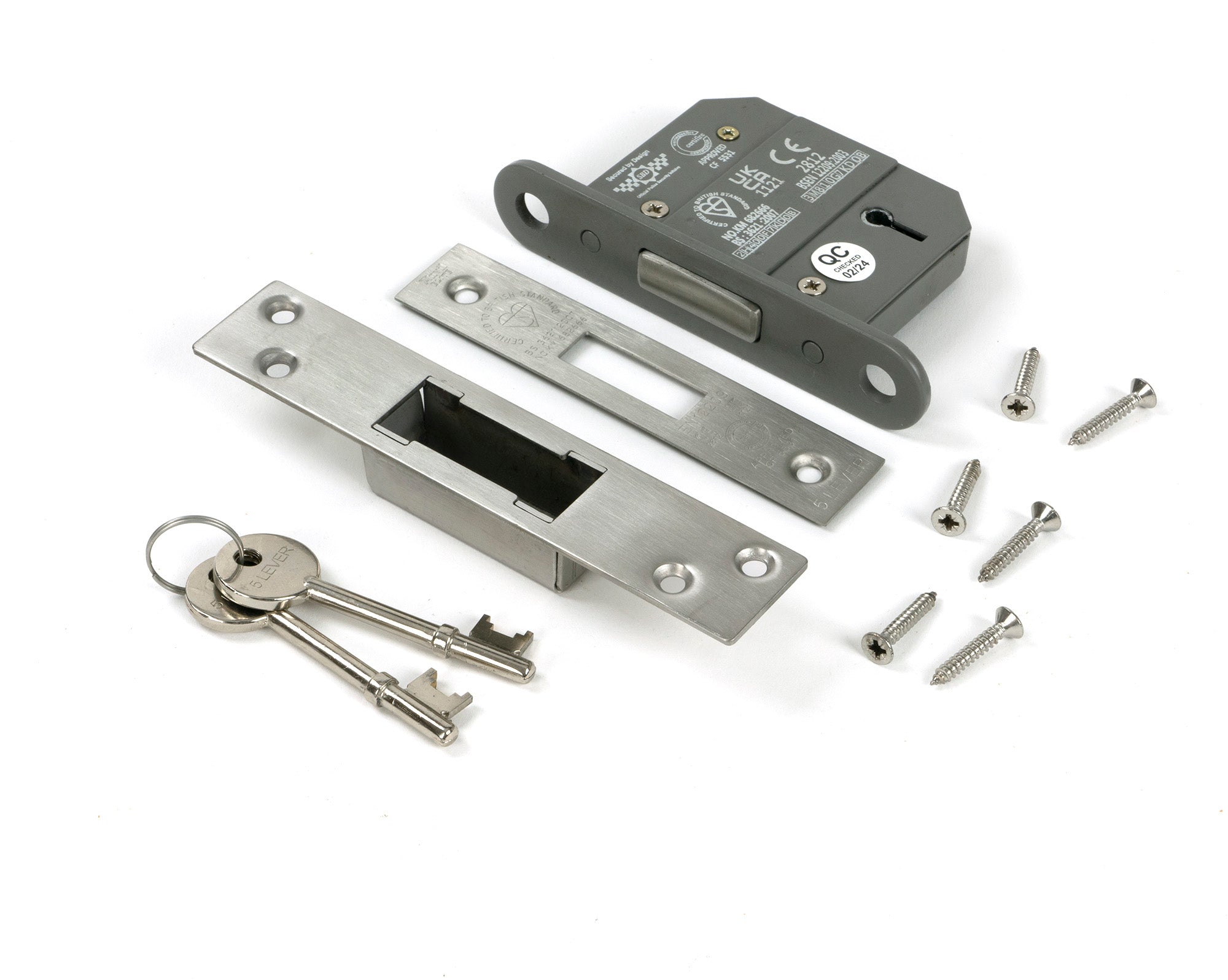
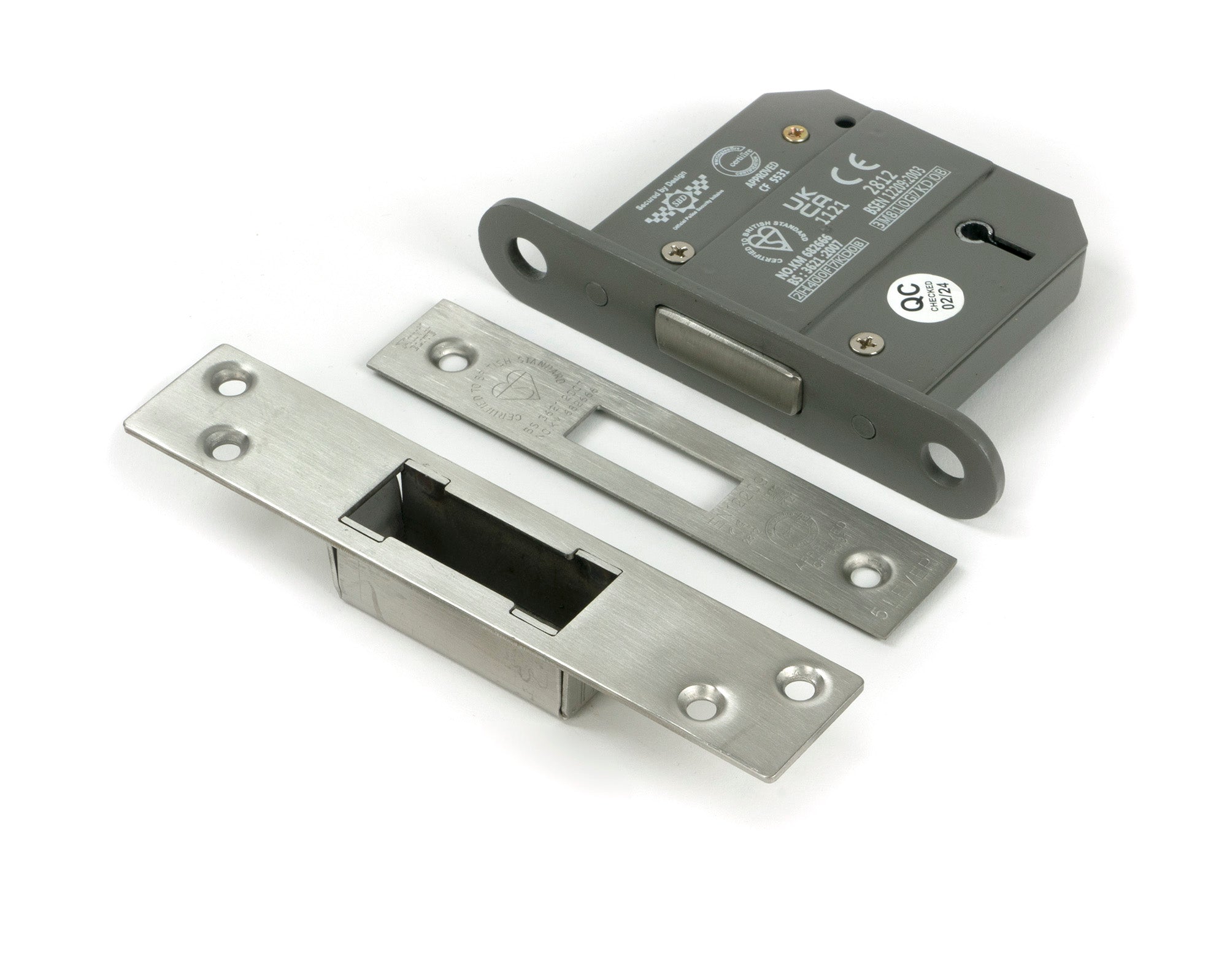
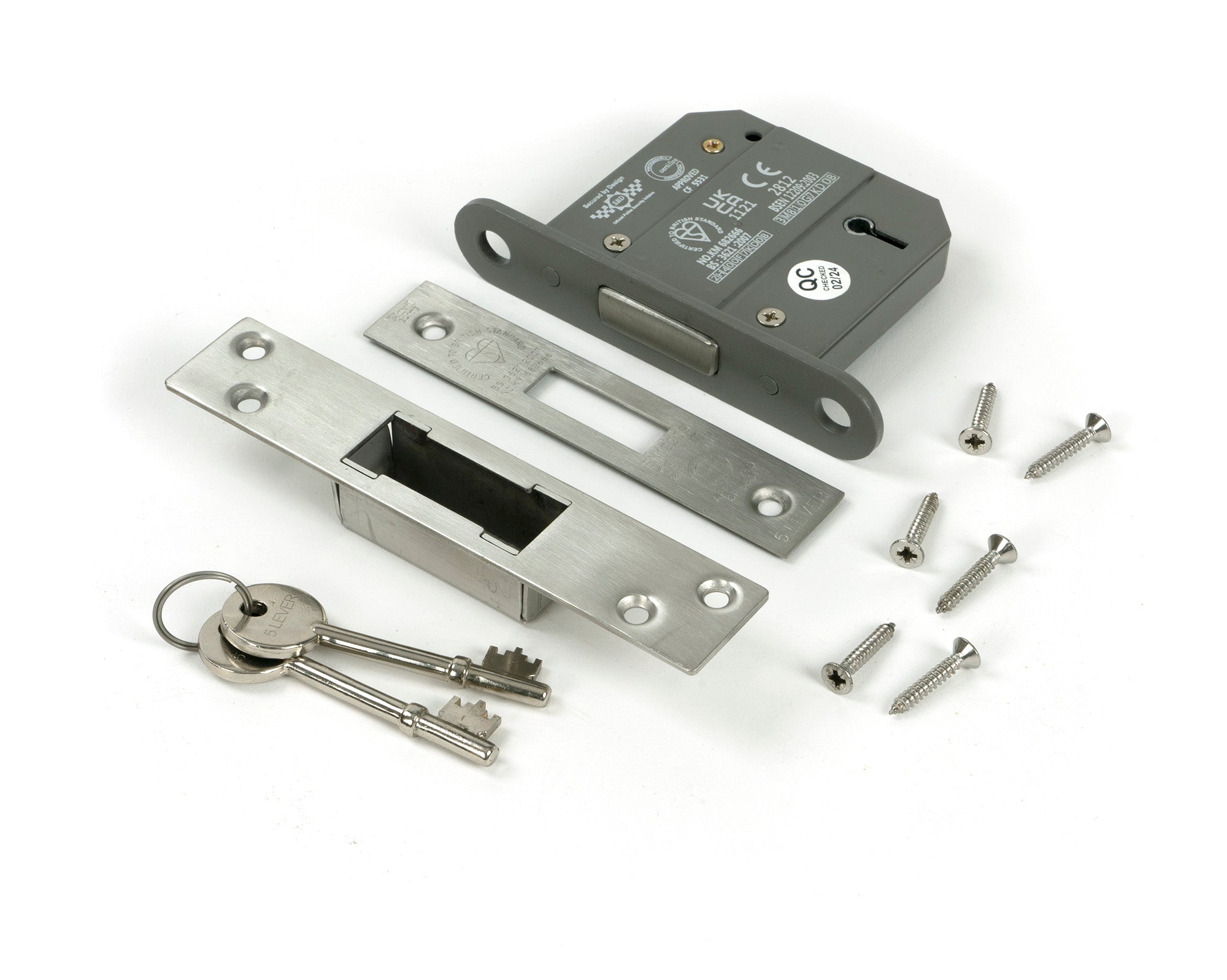
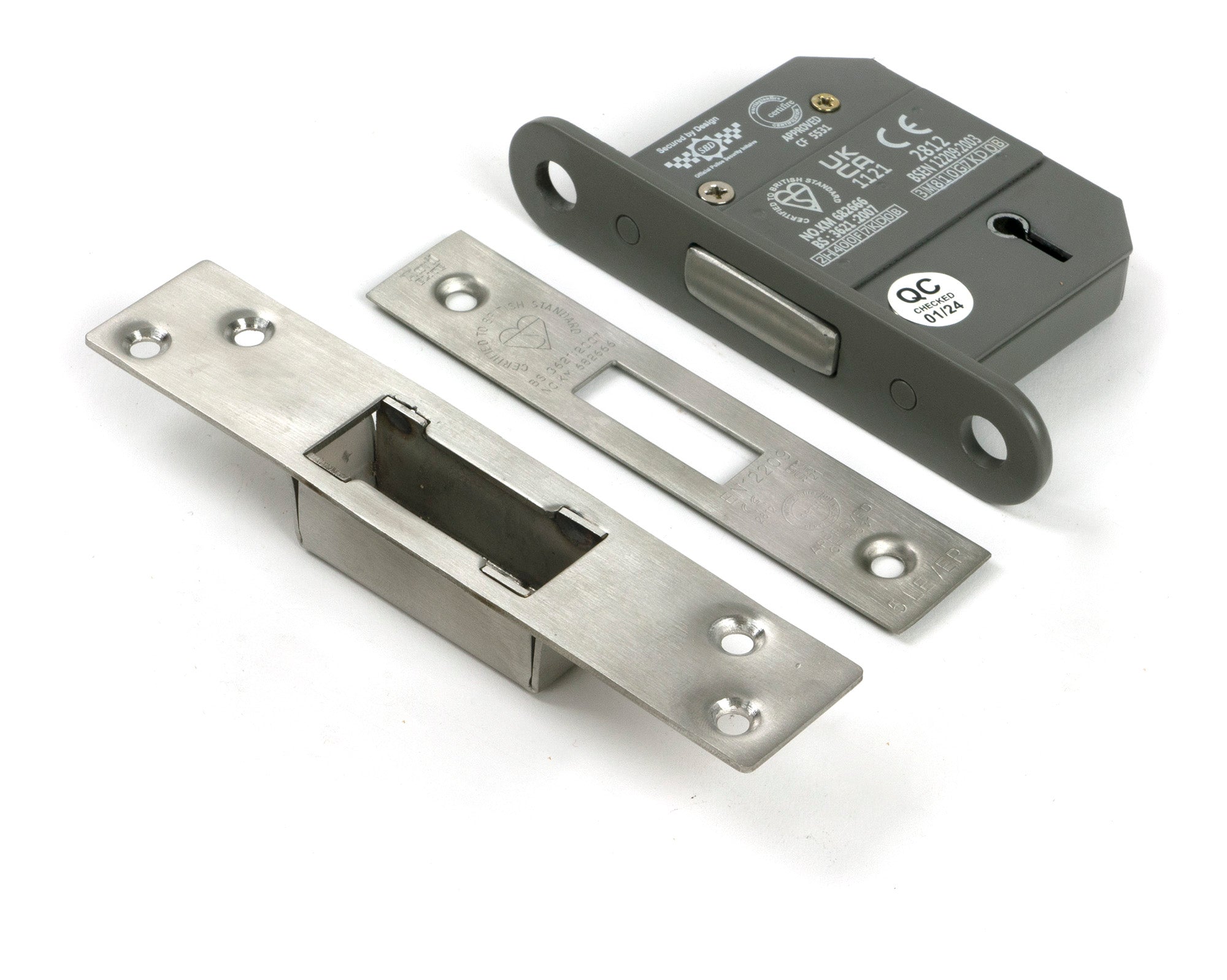
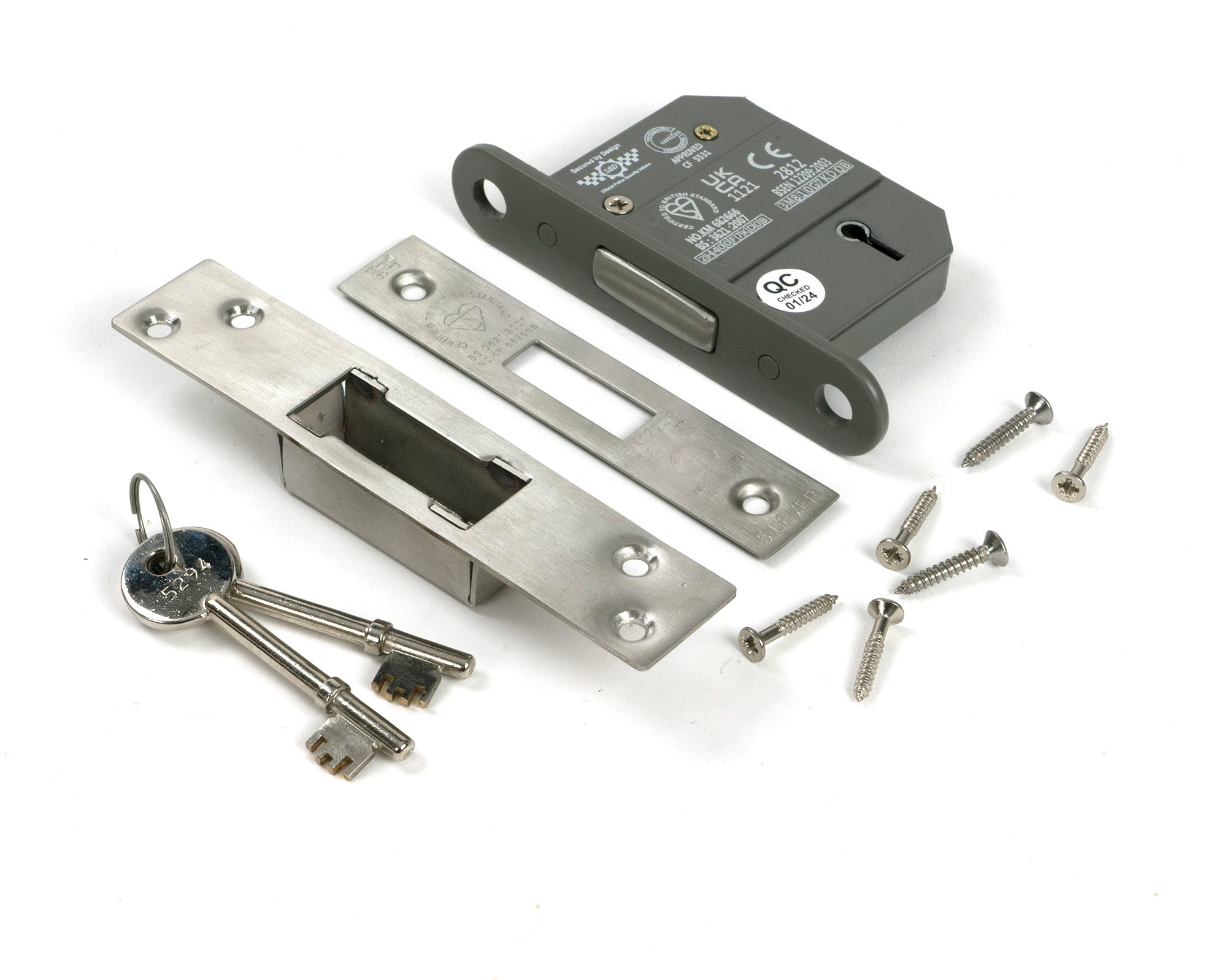
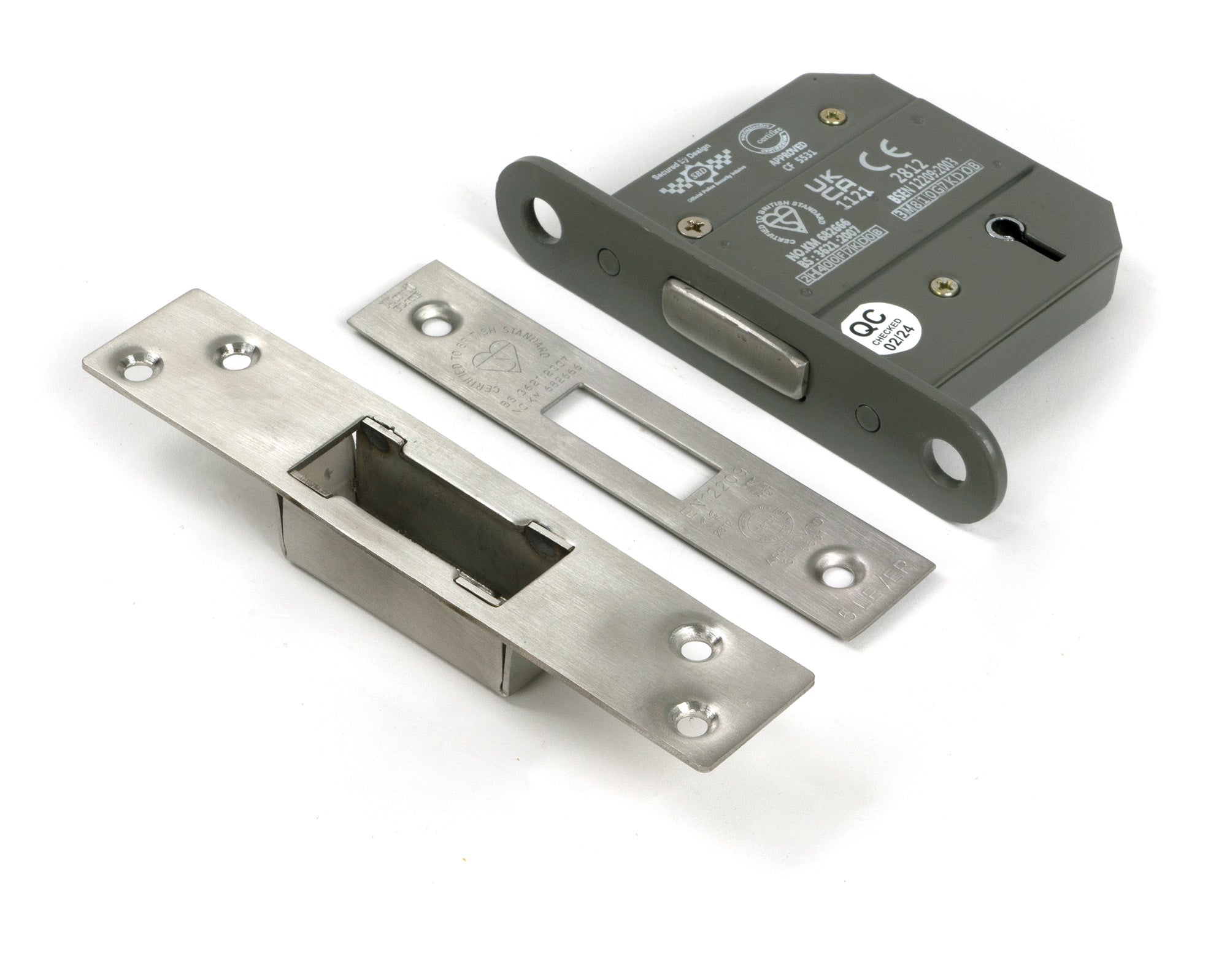
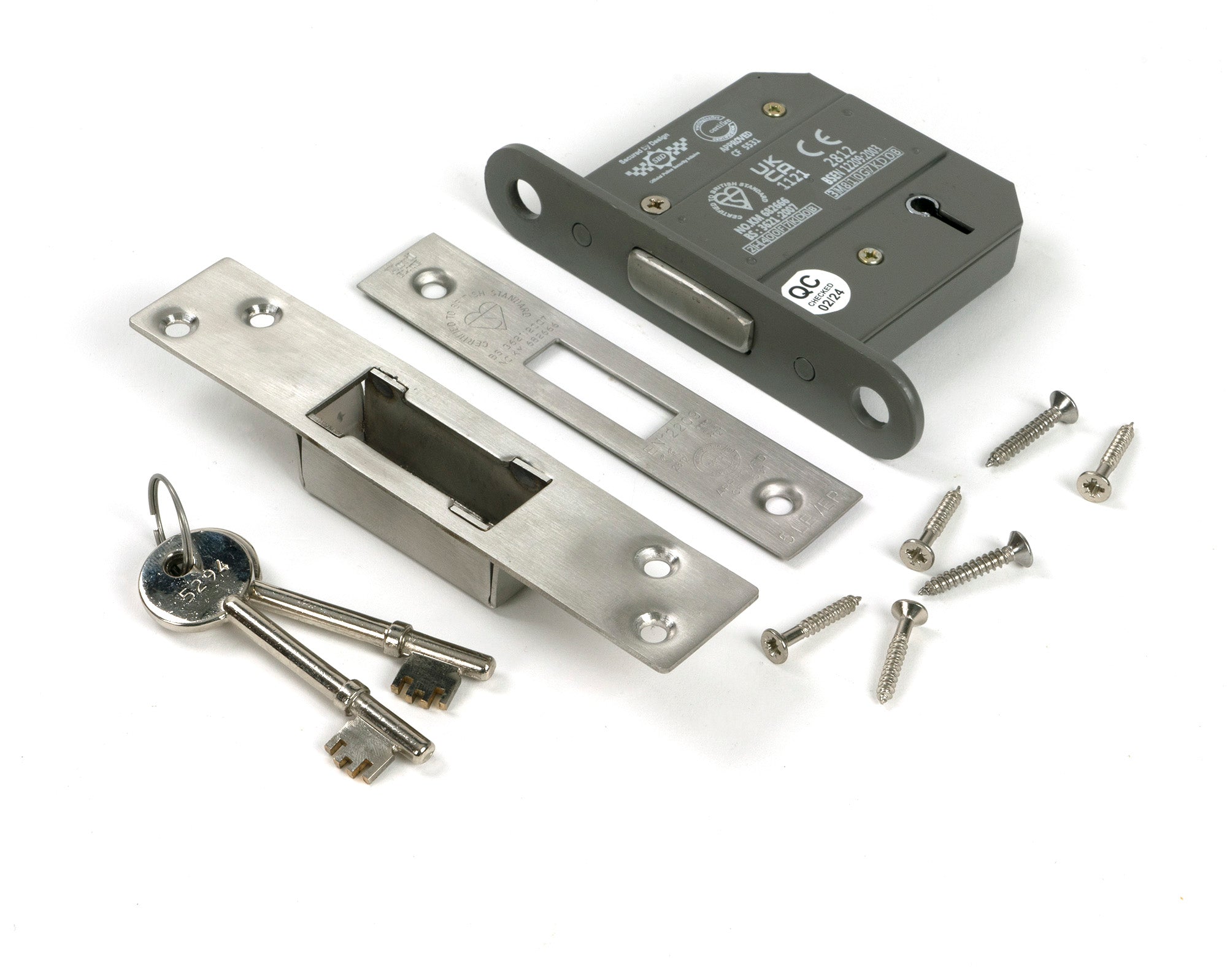
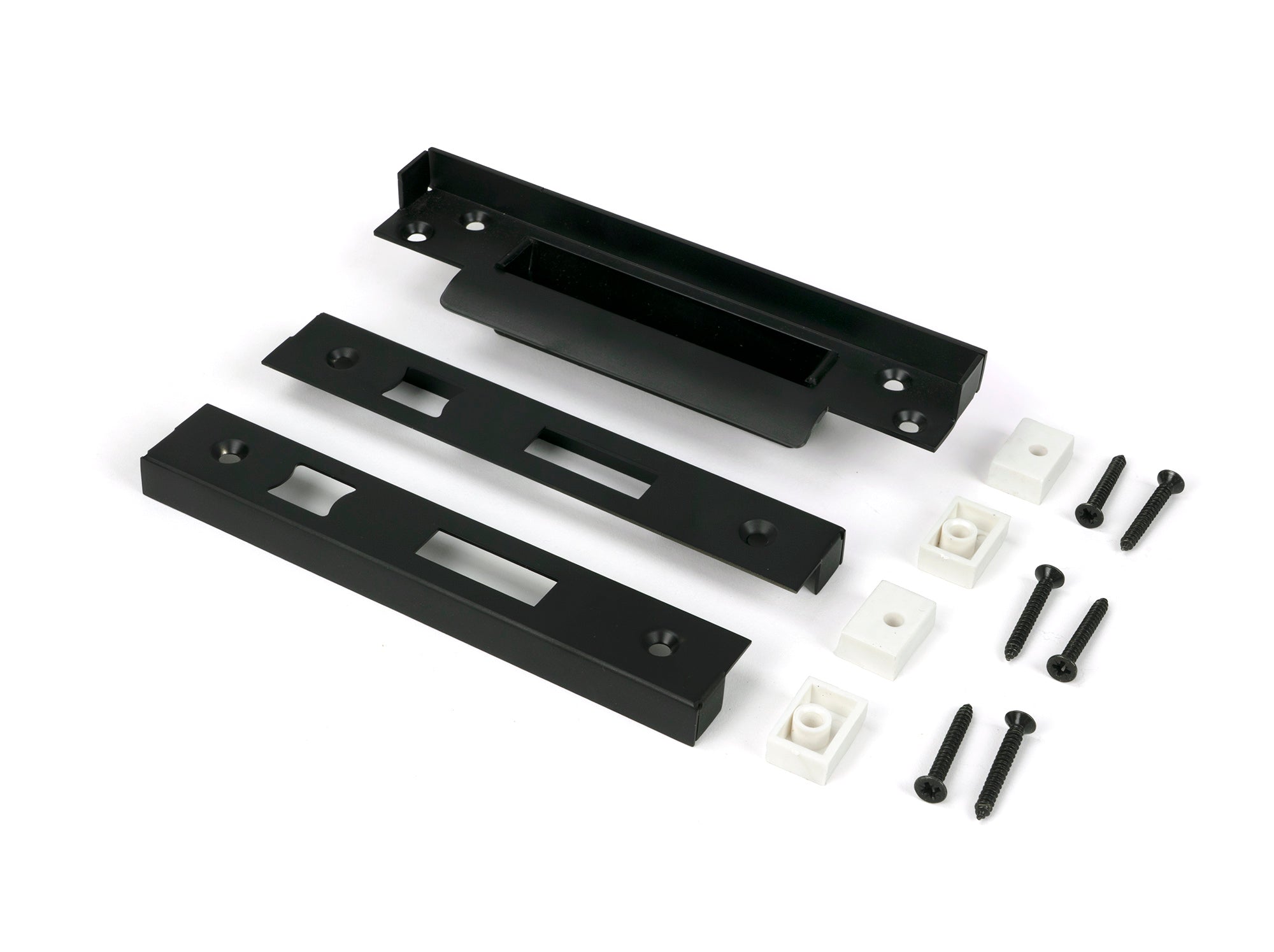
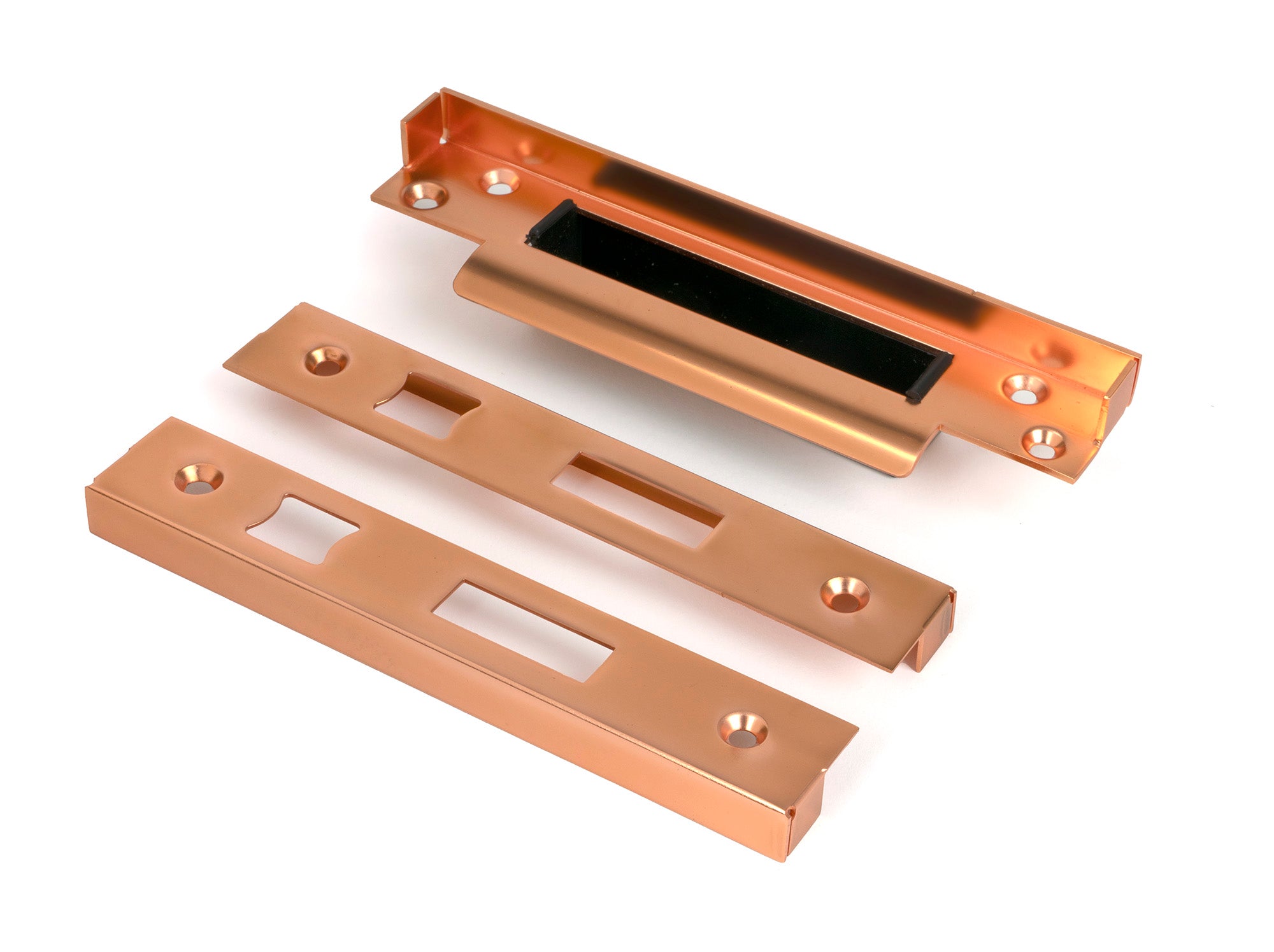
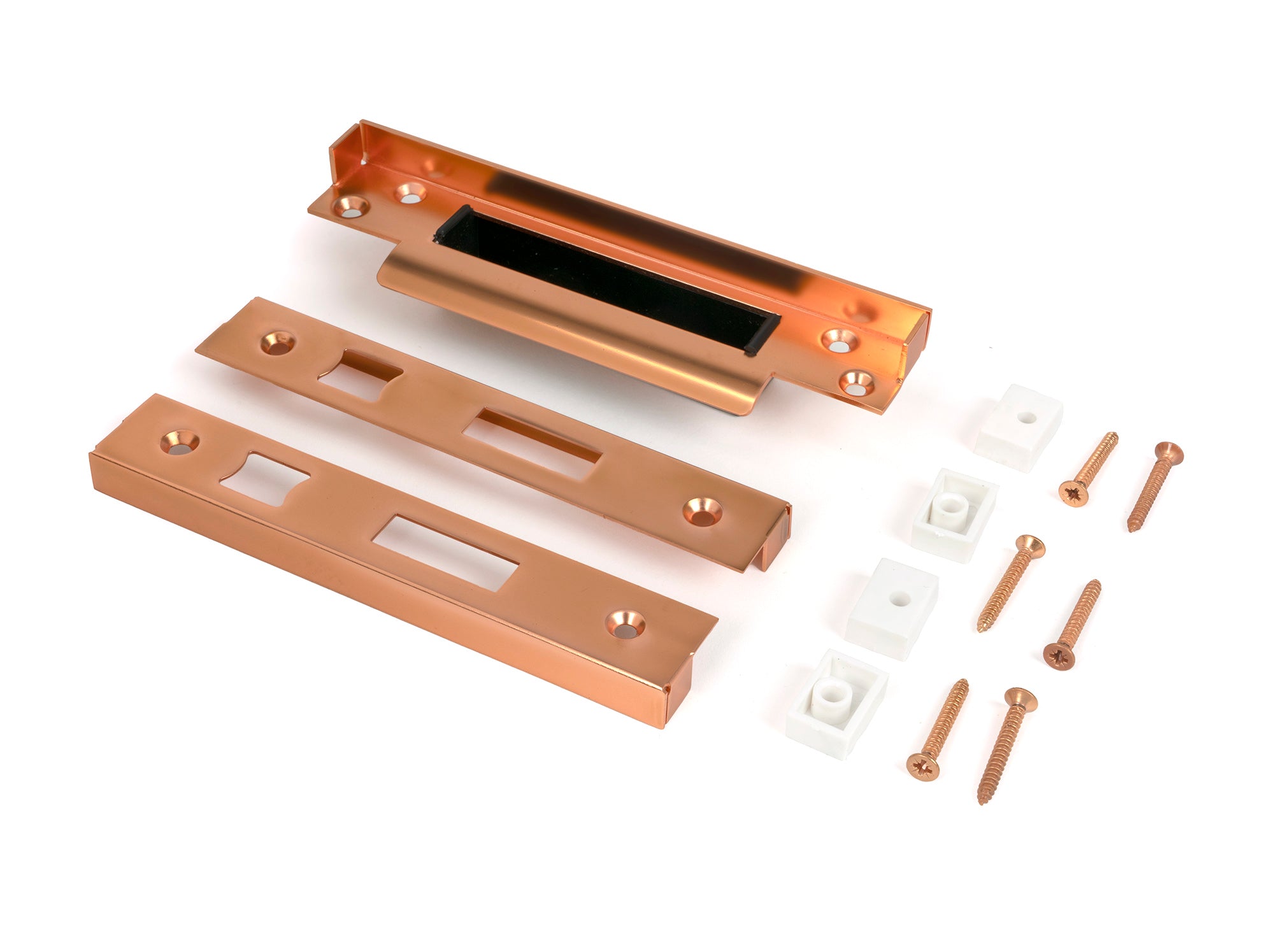
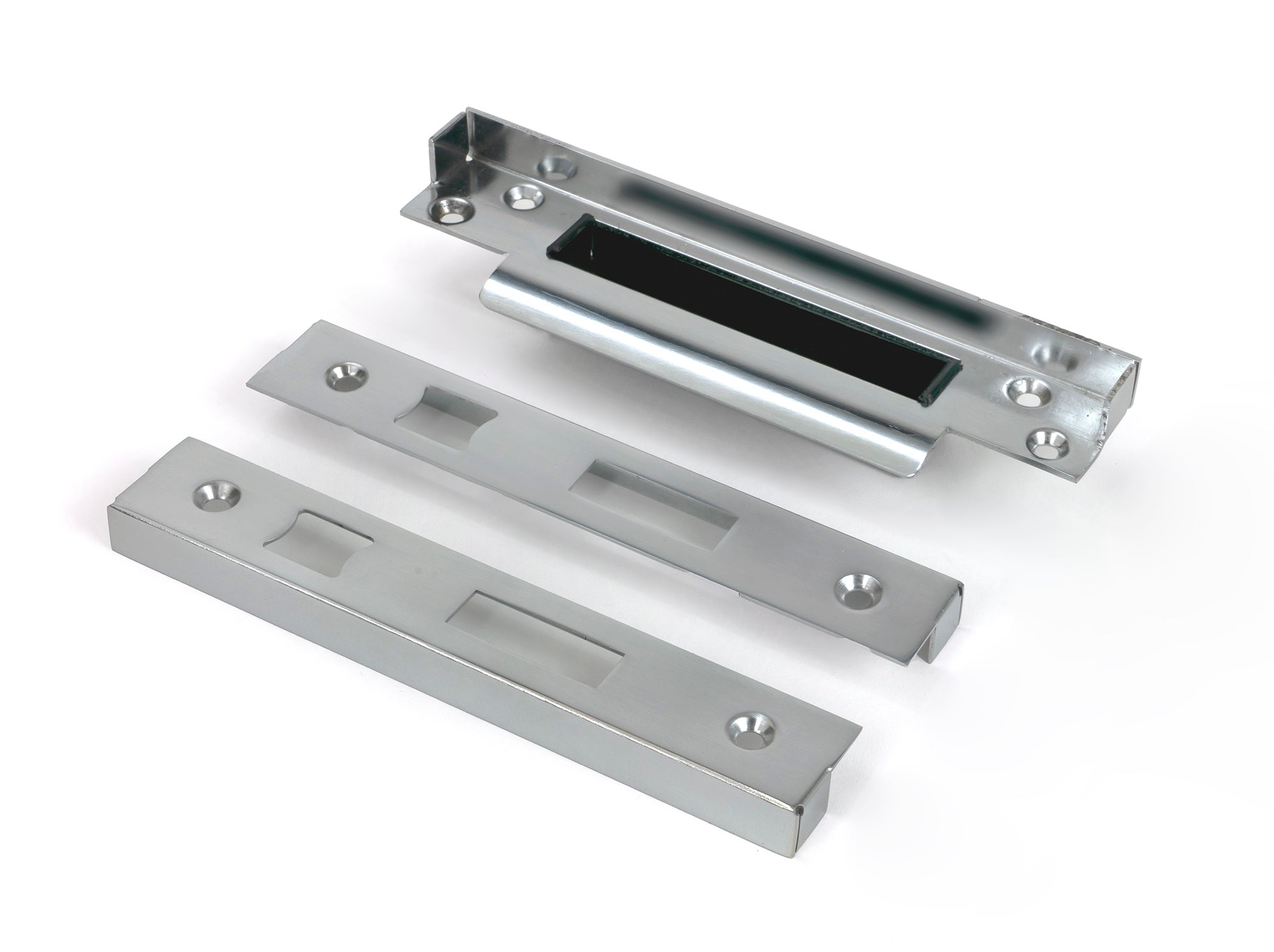
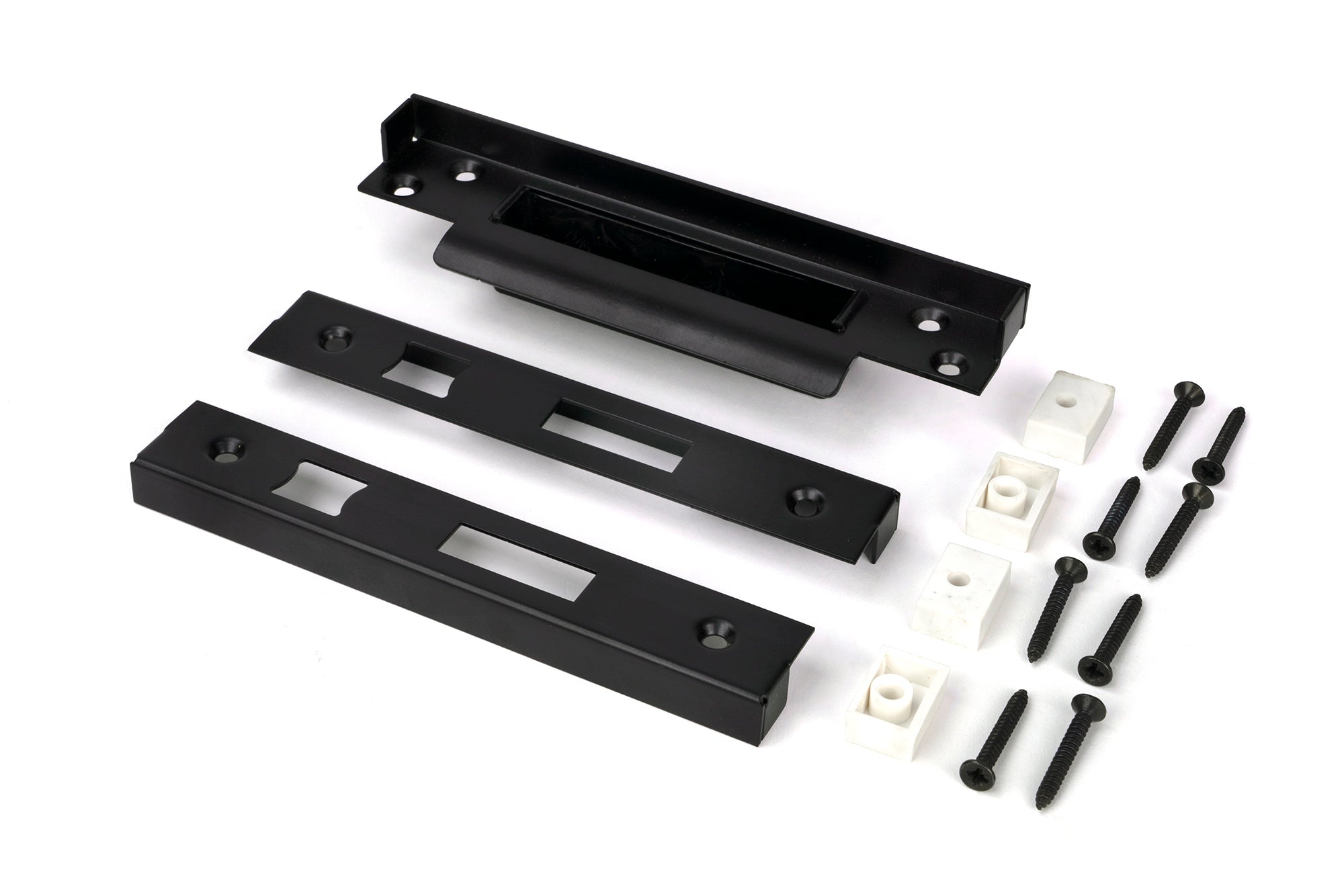
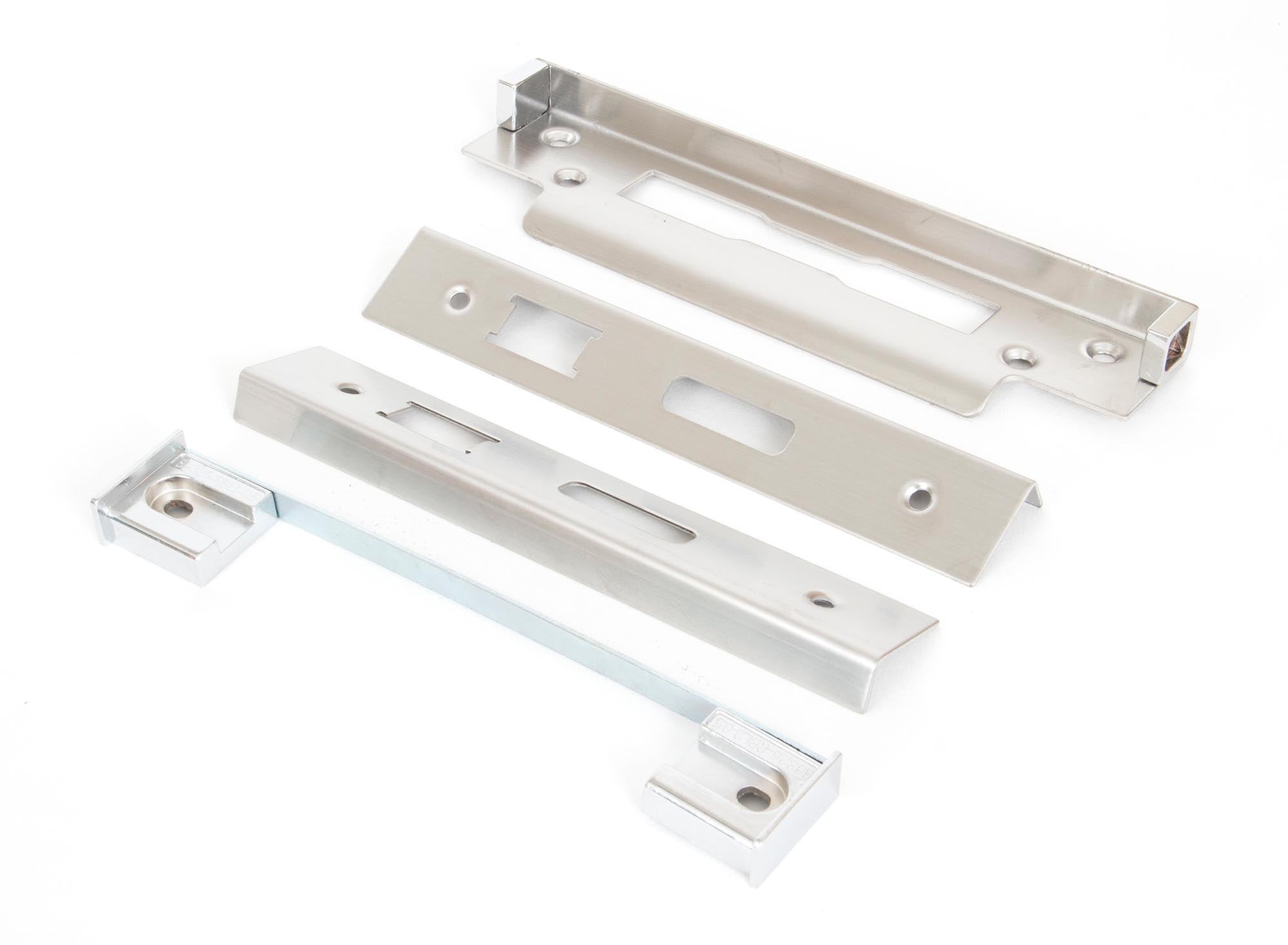
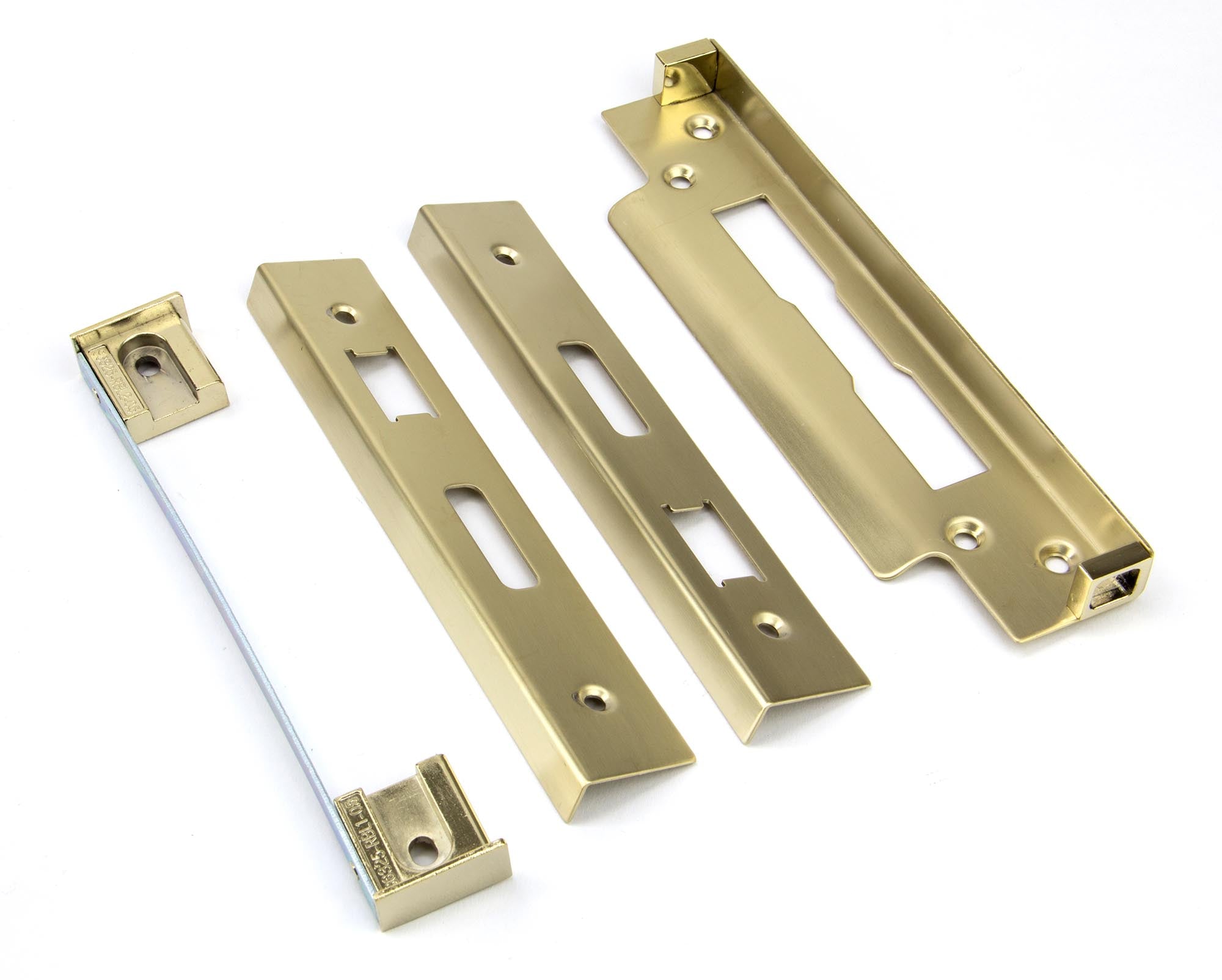
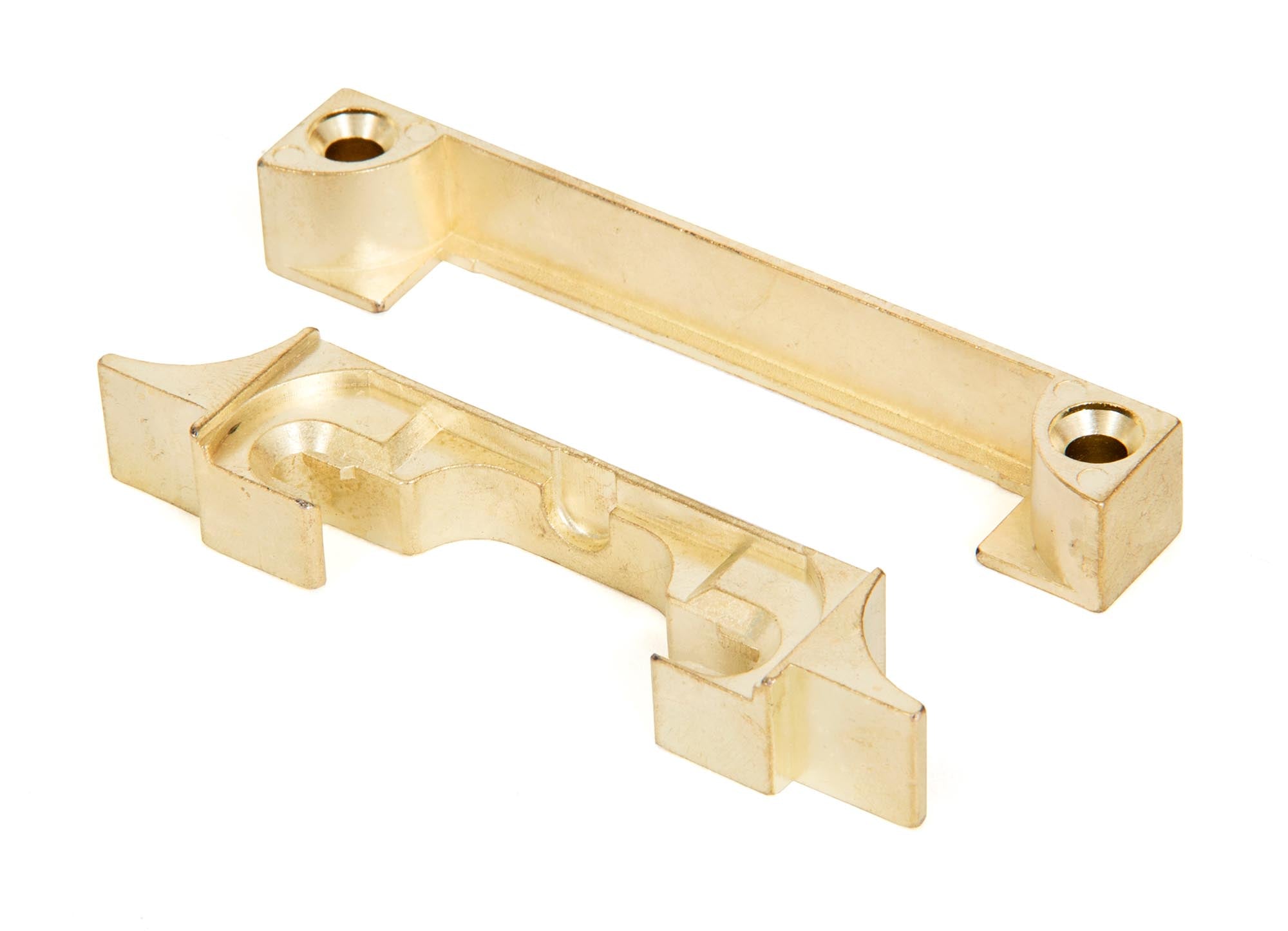
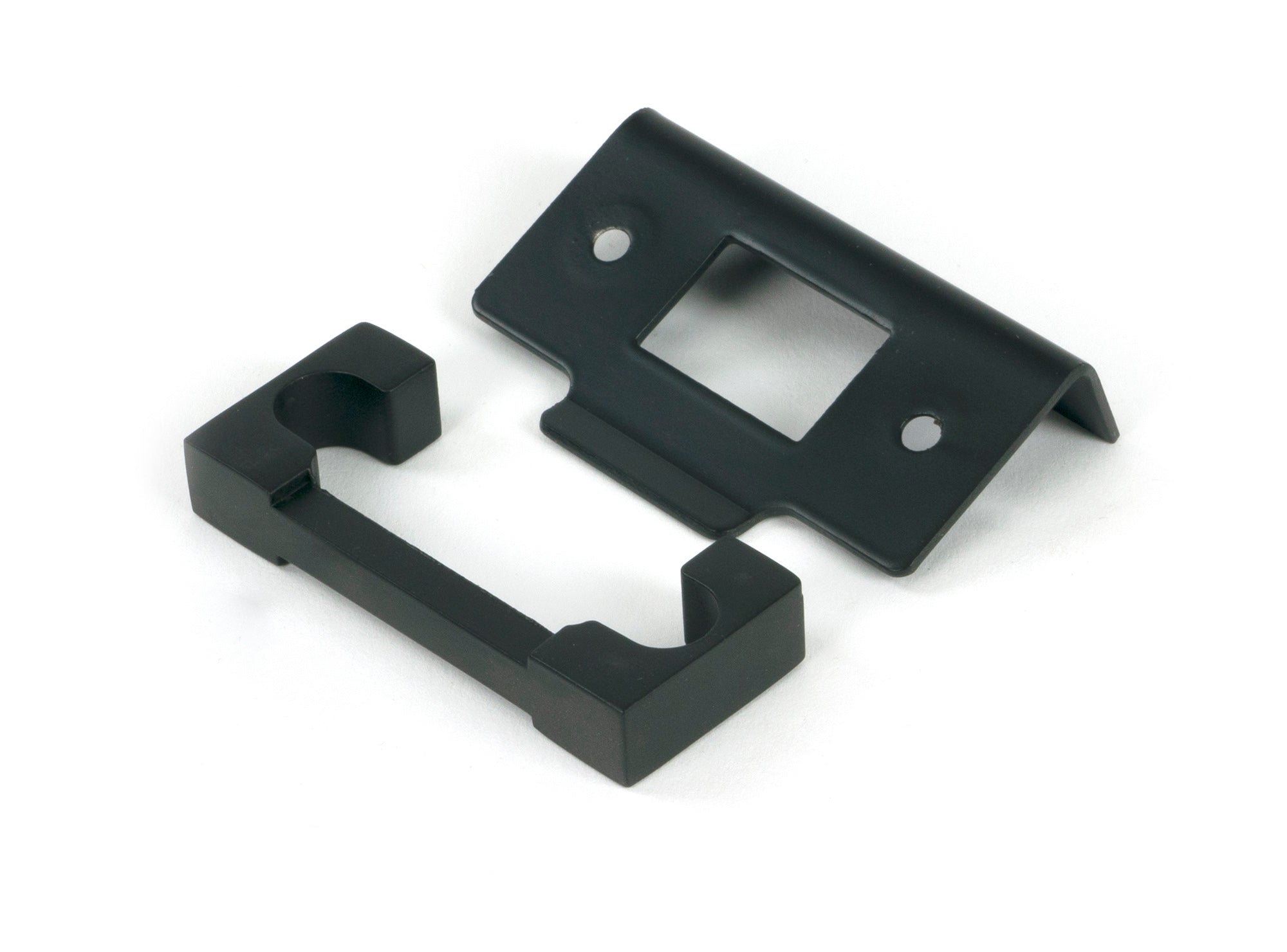
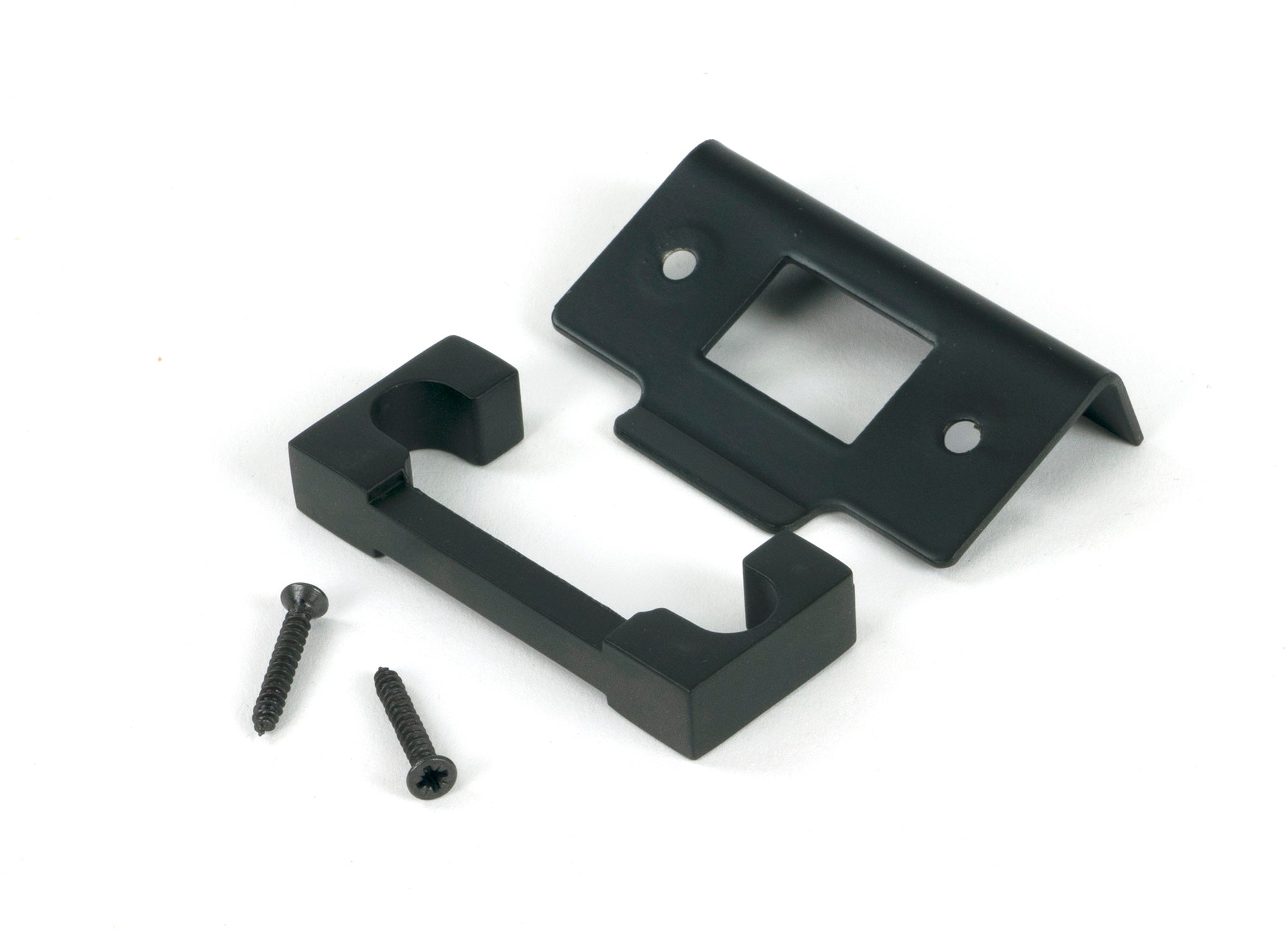
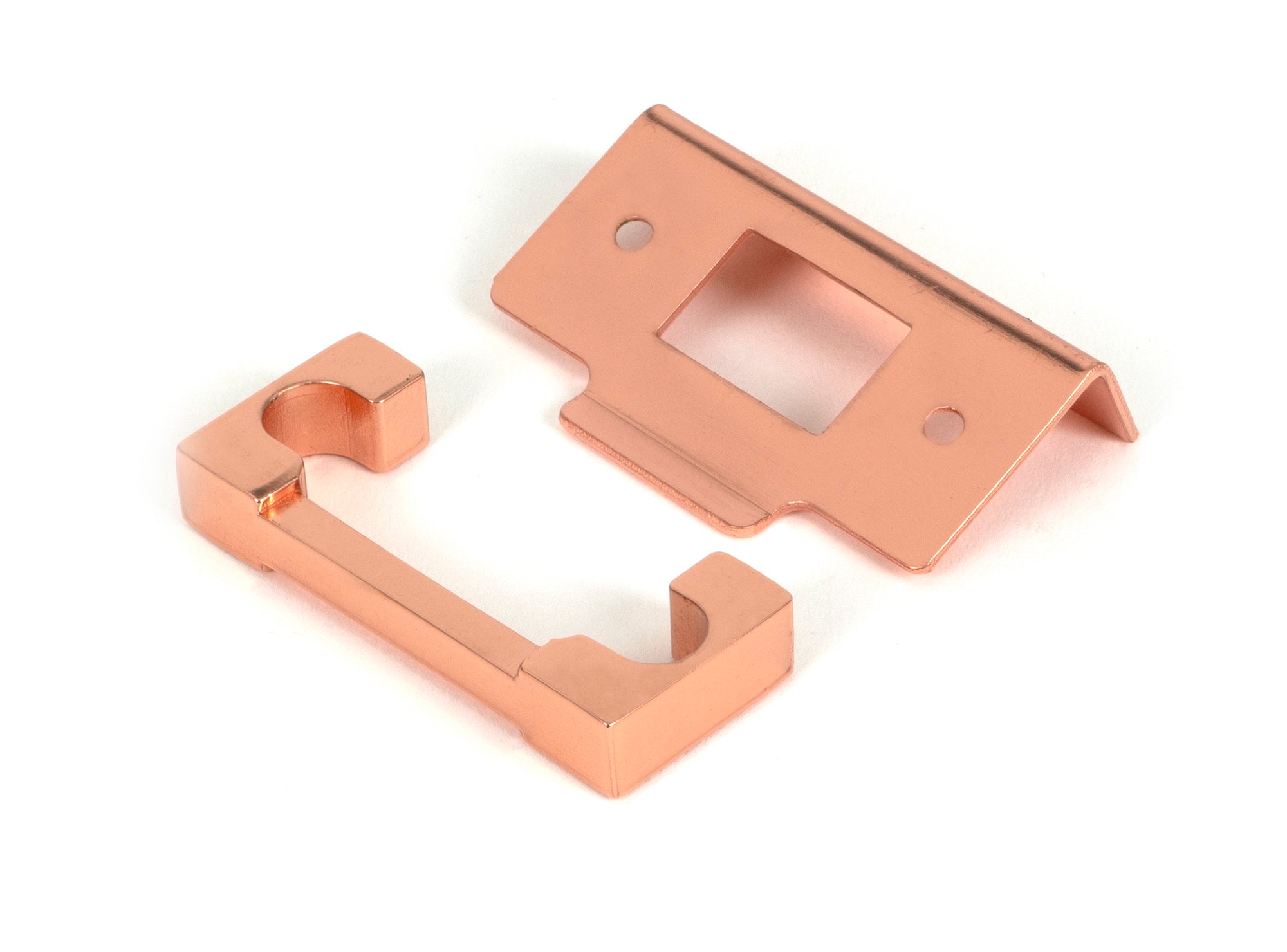
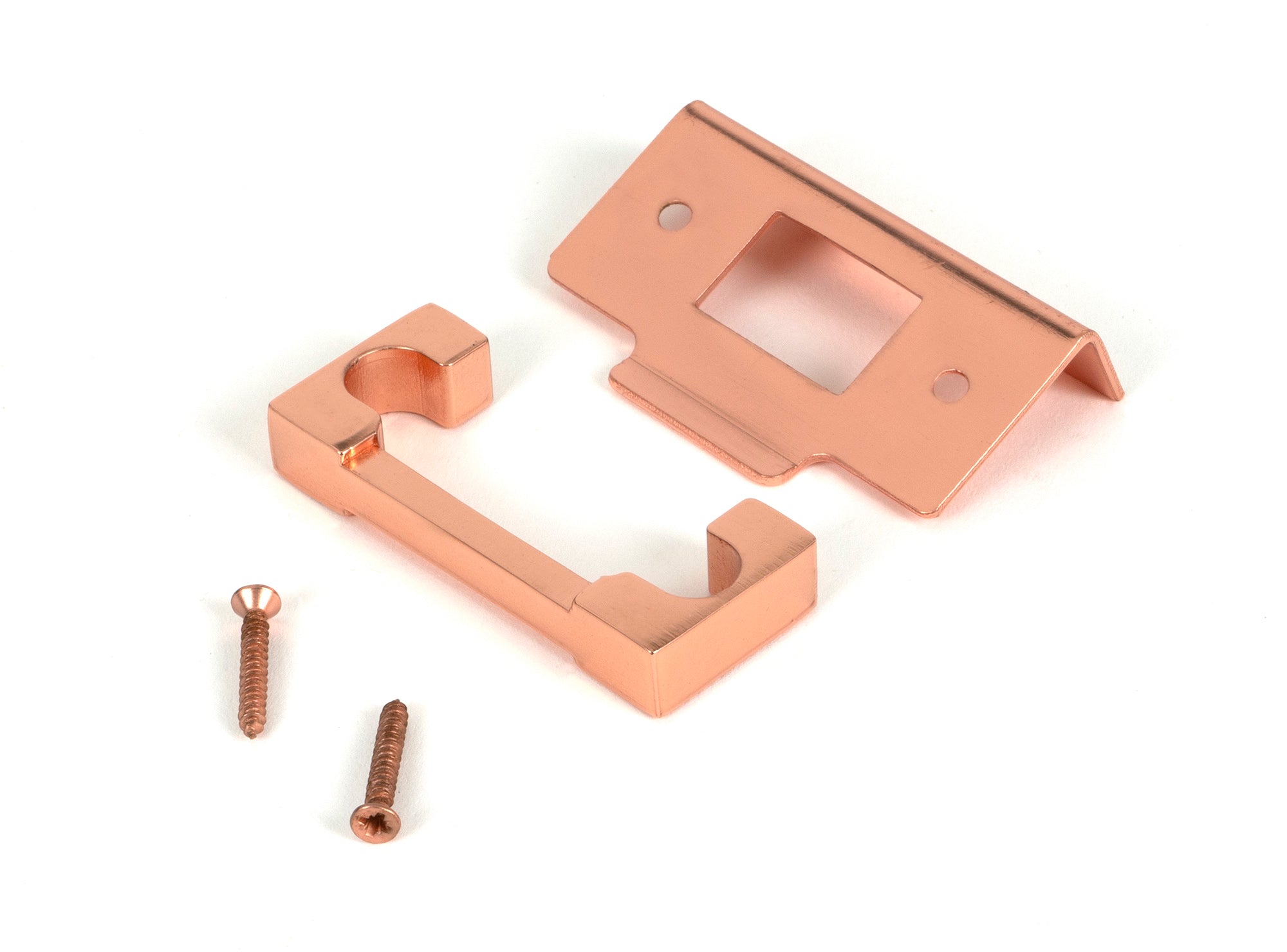
This depends on where you’re using it and which type of handle you have. For a sprung lever handle, a standard sash lock will suffice, but for our unsprung lever handles, you’ll need a heavy-duty sash lock to help return the lever to its horizontal position. On bathroom doors with a sprung lever handle, a standard lock should be suitable, and for bathroom doors with an unsprung lever handle, a heavy-duty bathroom look will be required. Either a standard or heavy-duty bathroom lock should be suitable for a knob set and thumbturn on a bathroom door. For external doors with a centre door knob or cylinder pull, a stand-alone deadlock can be used.